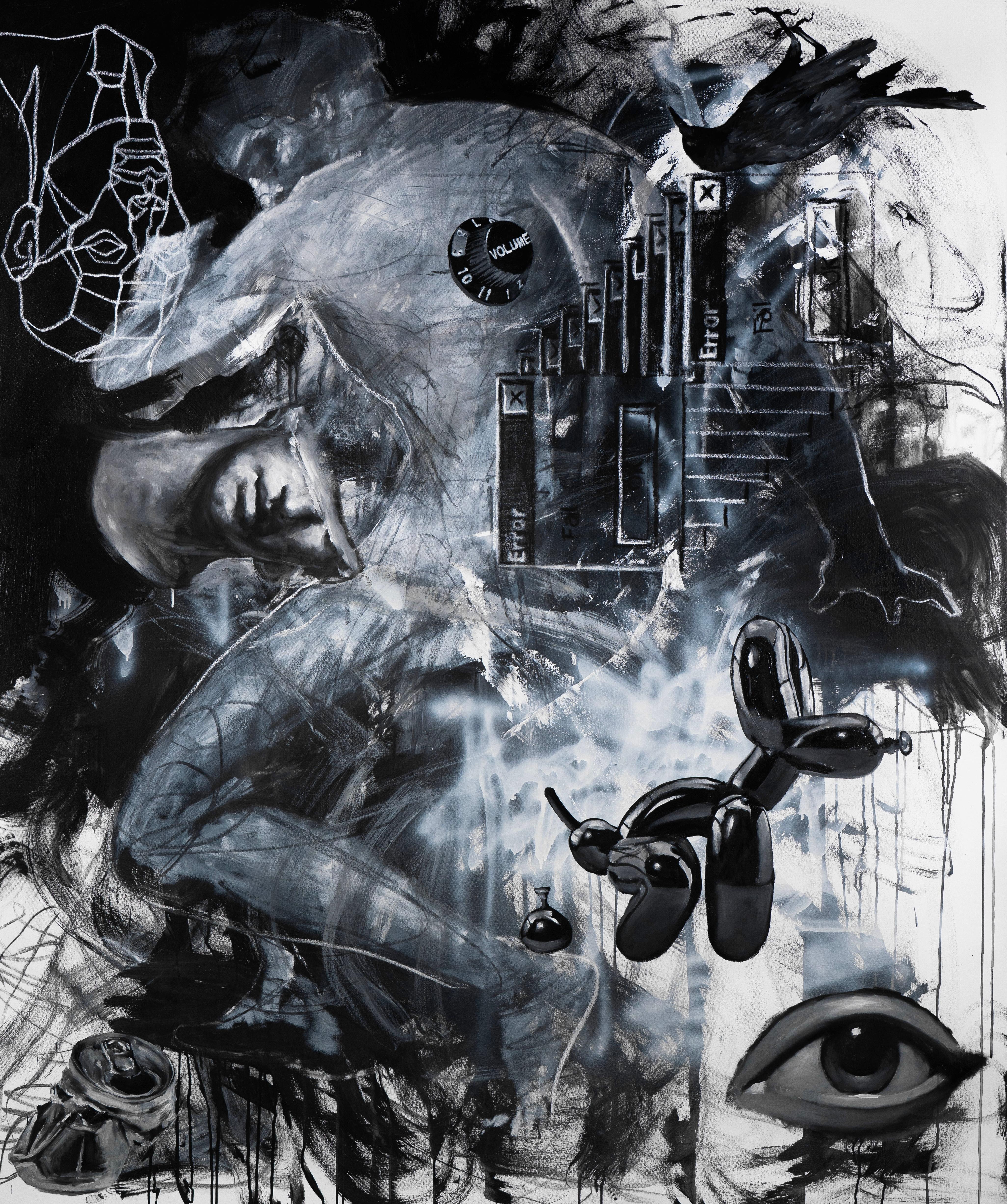
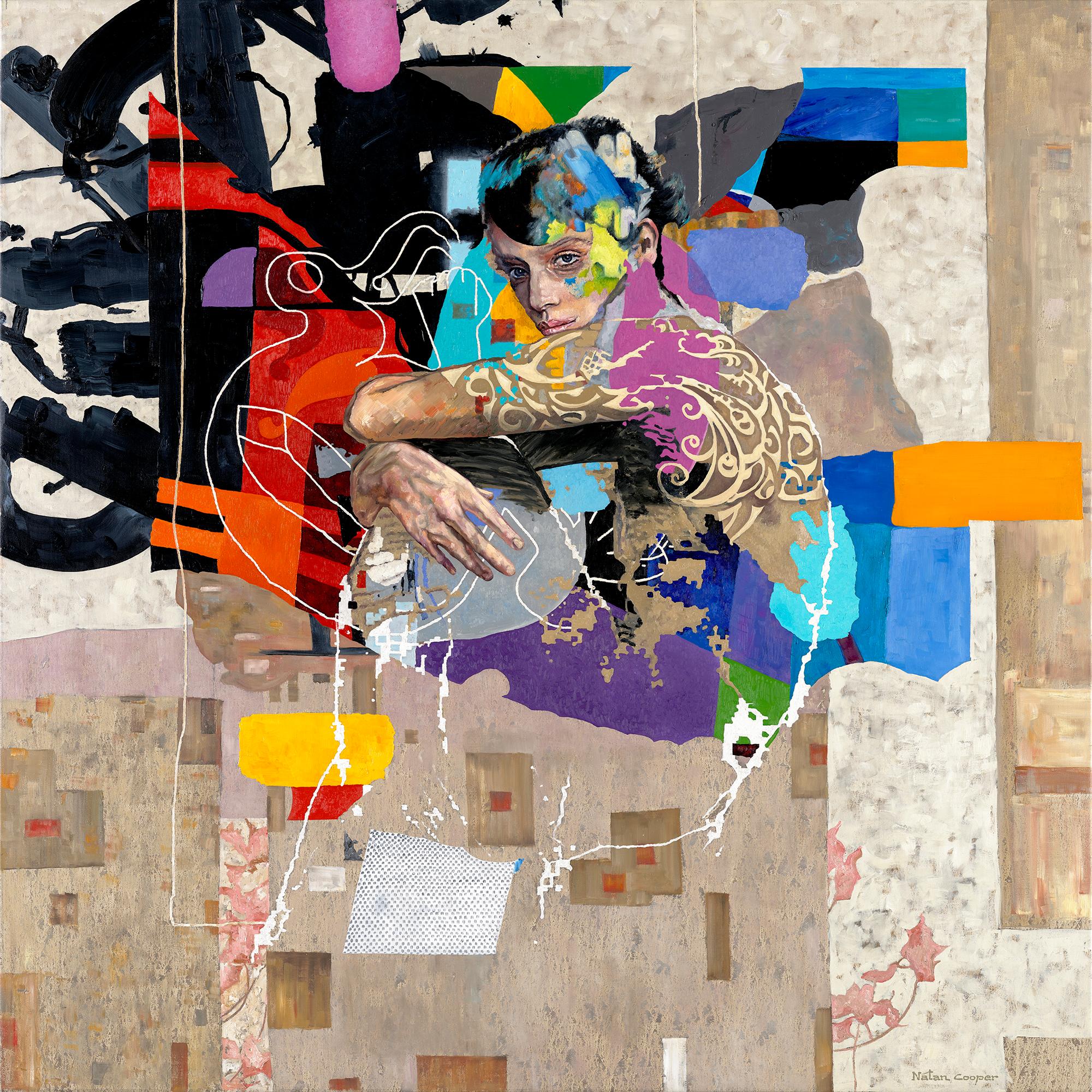
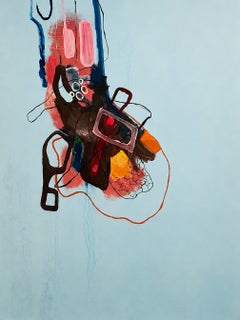
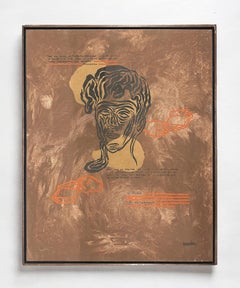
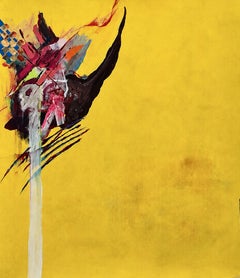
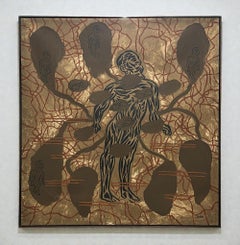
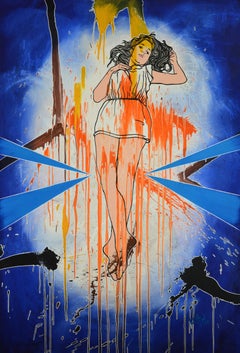
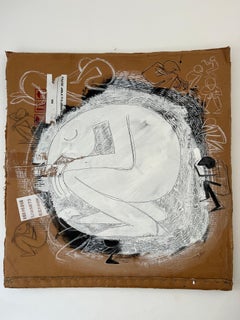
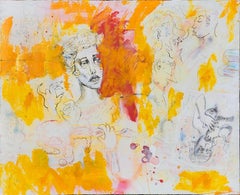
The “Plucking Daisies” offers rich ground for philosophical interpretation, particularly through a Heideggerian lens. It invites us to contemplate our own existence, our relationship with death, and the nature of the world we inhabit.
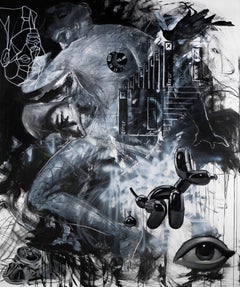
Martin Heidegger (1889-1976), a prominent philosopher of the 20th century, delved into the nature of being and existence. His concept of "Dasein" (literally, "being-there") refers to the unique way in which human beings exist in the world. The garden, with its cycle of growth and decay, represents the cyclical time of nature. On the other hand, war drones symbolize the linear time of history, marked by technological progress and violence. The juxtaposition of these two times creates a tension that reflects the human experience of being caught between nature and culture, past and future.
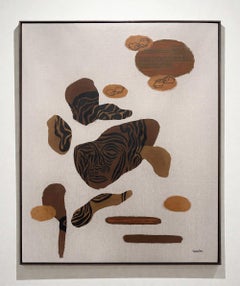
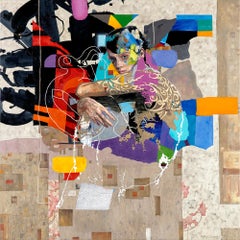
At the center of this image is a confrontation with mortality. The ghostly central figure embodies the transience of human existence. This stark reminder of death highlights our being in the world. The forest and the garden, as symbols of both the wild and the cultivated, the forest, a recurring motif in Heidegger's thought, serves as a backdrop to this confrontation. Not simply a physical setting but a place where Being develops, the forest, with its intricate network of paths and hidden depths, reflects the complexity of human existence. It is a place where we find our own mortality, our limitations and our interconnection with the natural world, the garden, can be inferred as a potential space within the forest. In Heidegger's philosophy, the garden represents a cultivated space, a place where human intentionality shapes the natural world, it is a microcosm of our relationship with Being, and represents our ability to shape and cultivate the world around us, The garden, in this image, is more than a picturesque landscape, it is a symbol of hope, resilience and the lasting power of life that reminds us that, even in the darkest of times, there is always the possibility of renewal and growth.
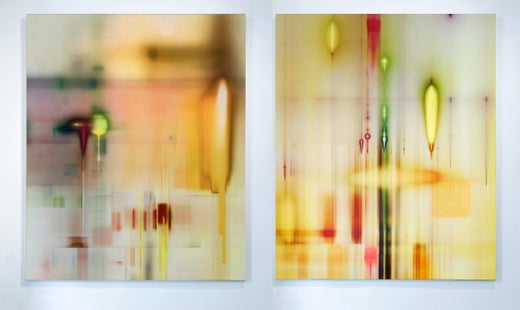
The title of the series derives from one of the many conversations in which Jorge Luis Borges, a lover of walks and strolls through streets, parks, and gardens, in those conversations he intended to stop, listen carefully, and be able to distinguish between noise and chaos. of the city, the voices and songs of the birds, and so, following the voices of the birds, he reached the parks and gardens as if the breadcrumbs were left to him by the birds themselves and they assured him that this was the case. In these parks and gardens, it was possible to find all the buried voices and songs, whether seeds or diamonds. With this series, I imagine Borges trying to place his own gaze on the blurry image that was represented before him, the distant lights of the city, its advertisements and reflections, the silhouettes and its expressive silences, trying to exchange sounds for shapes, bird songs like lights.
To the question of Korean philosopher Byung-Chul Han: Is it possible in this era of digitalization to look at nature again, to fill it with romanticism? I resort to this image by Borges, insisting on looking, observing, and seeing, the Khloris series is a metaphor for the beginning, of the first look at Eden, it is an attempt to meet again in that expressive silence of light where the first time we exchange forms From the wish.
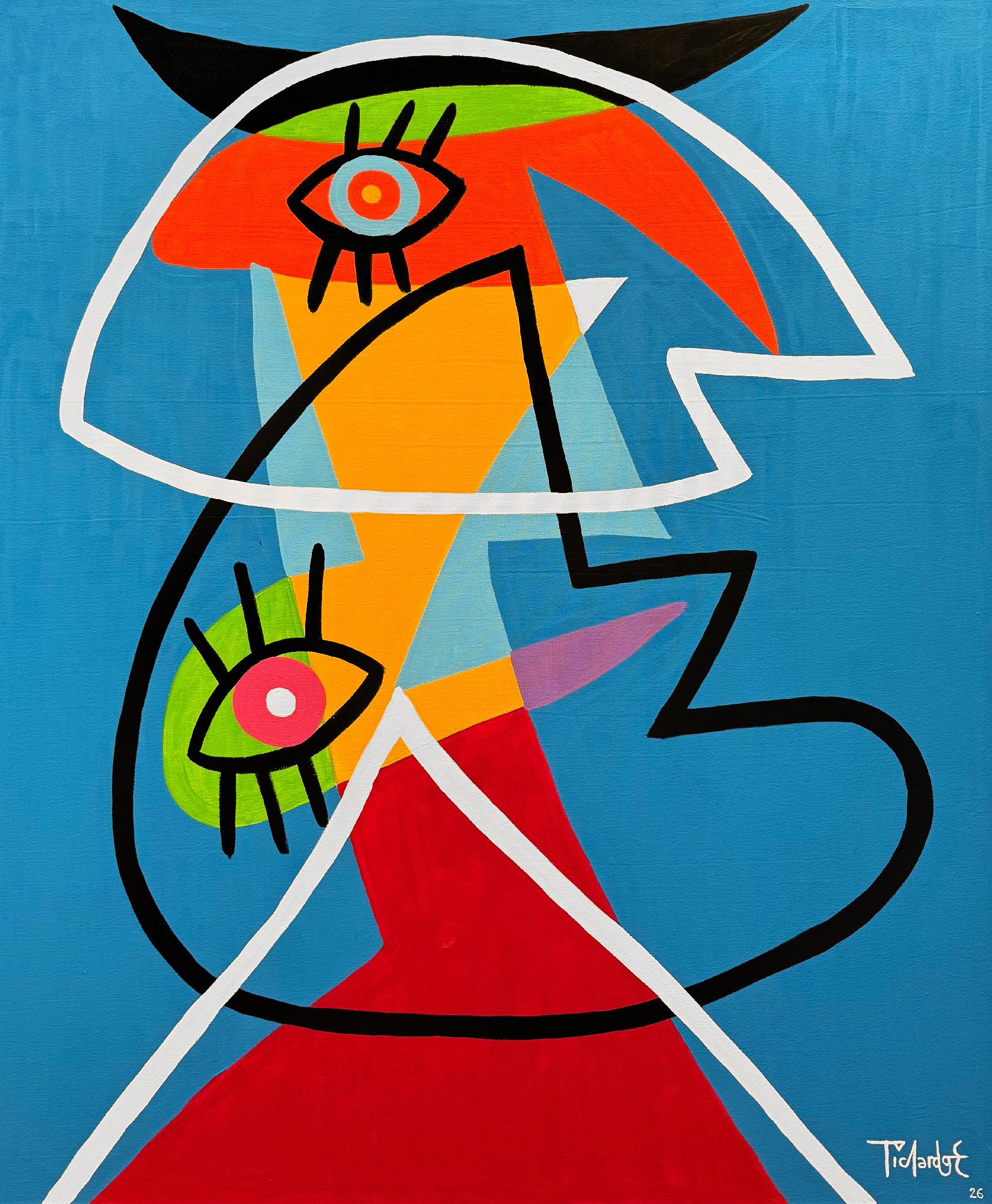
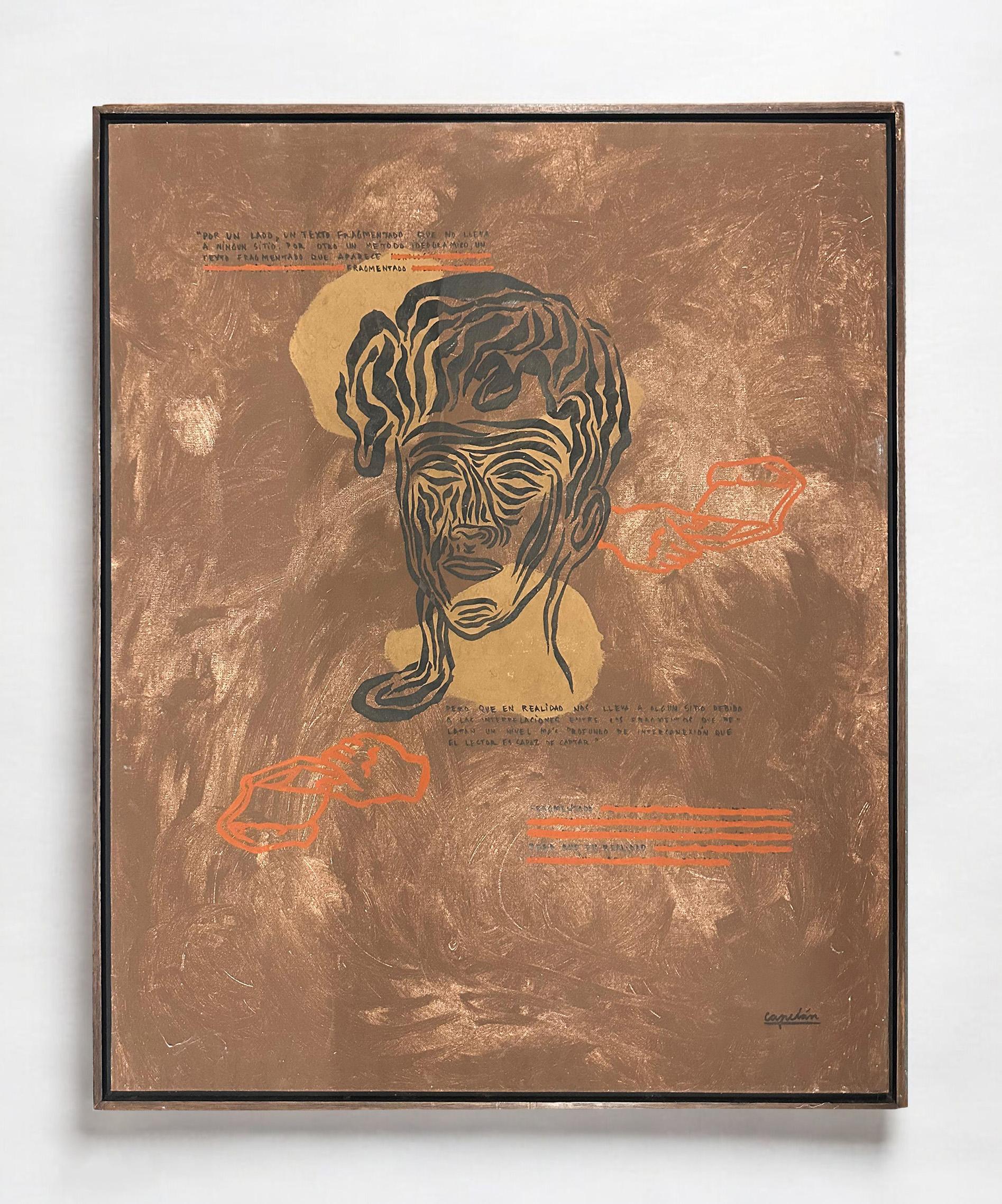
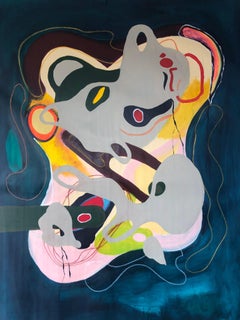
Francisco Larios use postmodern influences are recognized by simplified forms, lines and sacred geometry. Larios' production is not an uncritical quotation or appropriation of the themes that interest him, being a poetic exploration of the state of our relationships with faith, will and destiny.
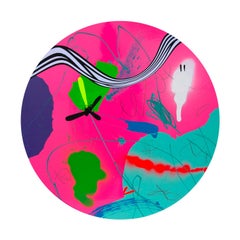
From The Khloris Series
Mixed media on canvas
Mounted on a stretcher