Umberto Mastroianni
Umberto Mastroianni (September 21, 1910 in Fontana Liri – February 25, 1998 in Marino, Italy), was an Italian abstract sculptor. In 1989, he received the first Praemium Imperiale for sculpture. During World War II, he was in the Italian resistance movement. He was the uncle of the actor Marcello Mastroianni and the film editor Ruggero Mastroianni. The Museo Civico Umberto Mastroianni was established in his honour. The son of Vincenzo Mastroianni and his second wife Luigia Maria Vincenza Conte, Umberto was an uncle of the actor Marcello Mastroianni: in fact, his father Vincenzo had had a son named Ottone from his first wife, Concetta Conte, sister of his second wife, who was Marcello's father. Umberto arrived in Rome as a 14-year-old in 1924, where he attended drawing courses at the Accademia di San Marcello at the same time as his uncle Domenico's studio. He moved two years later, in 1926.
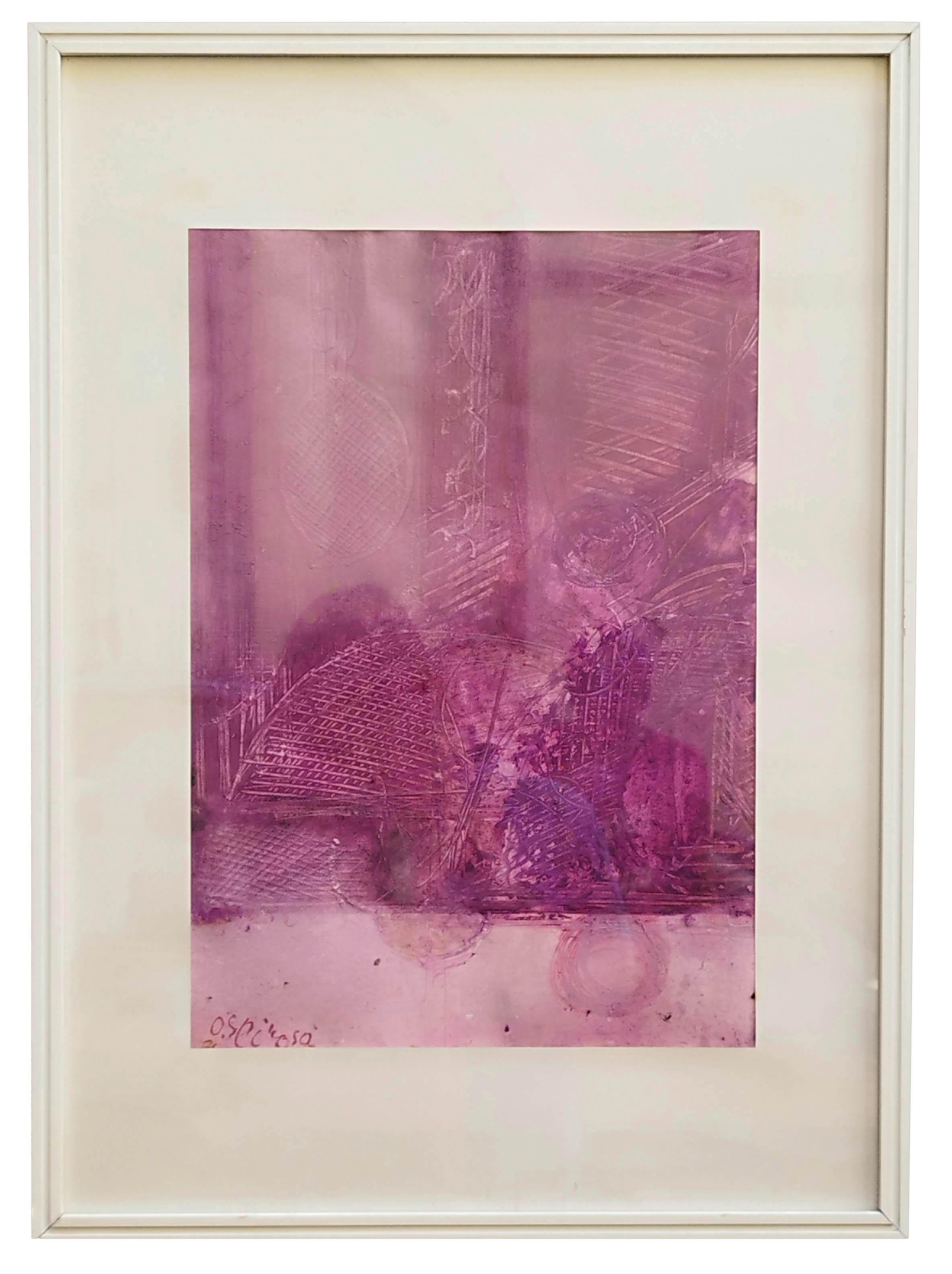
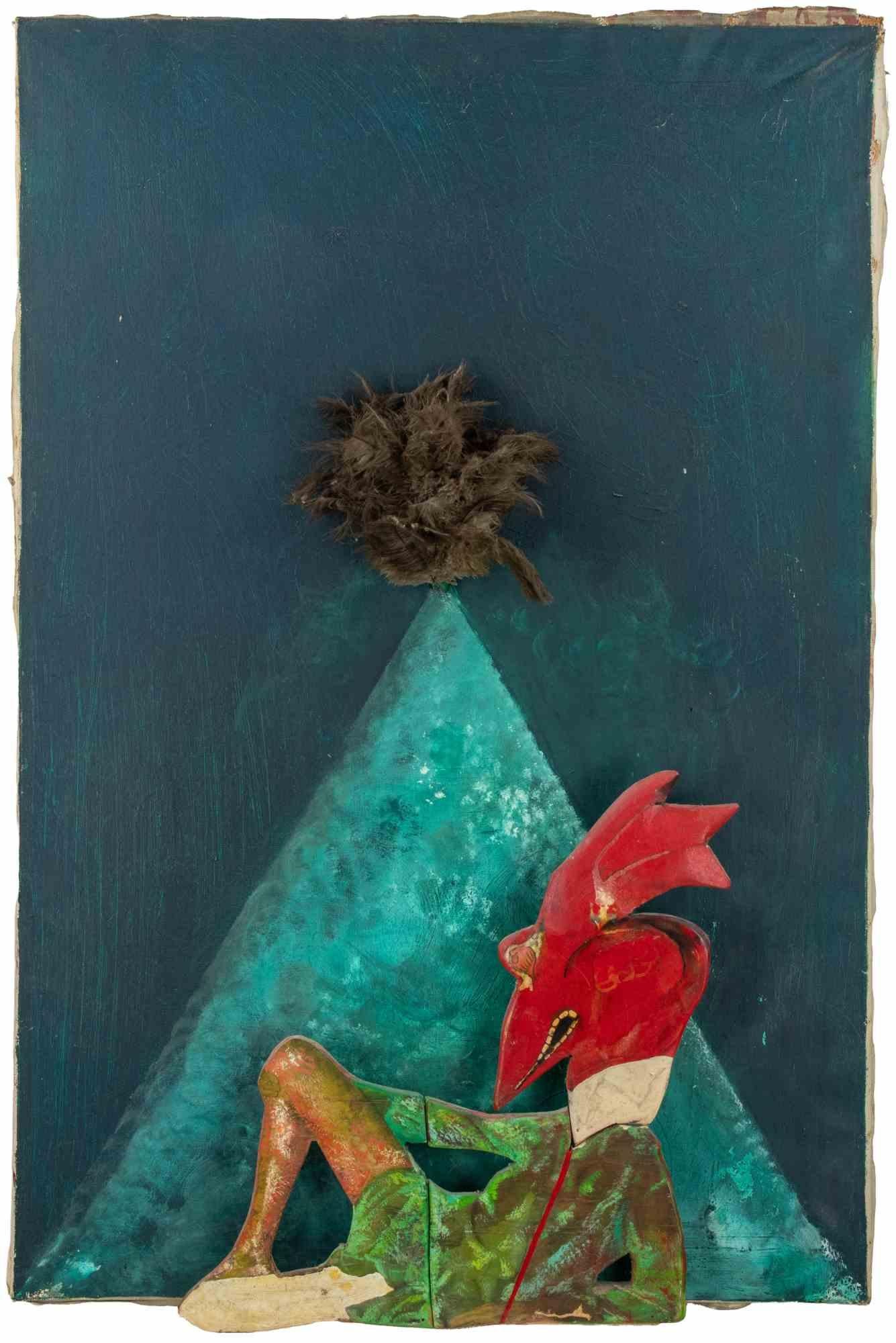
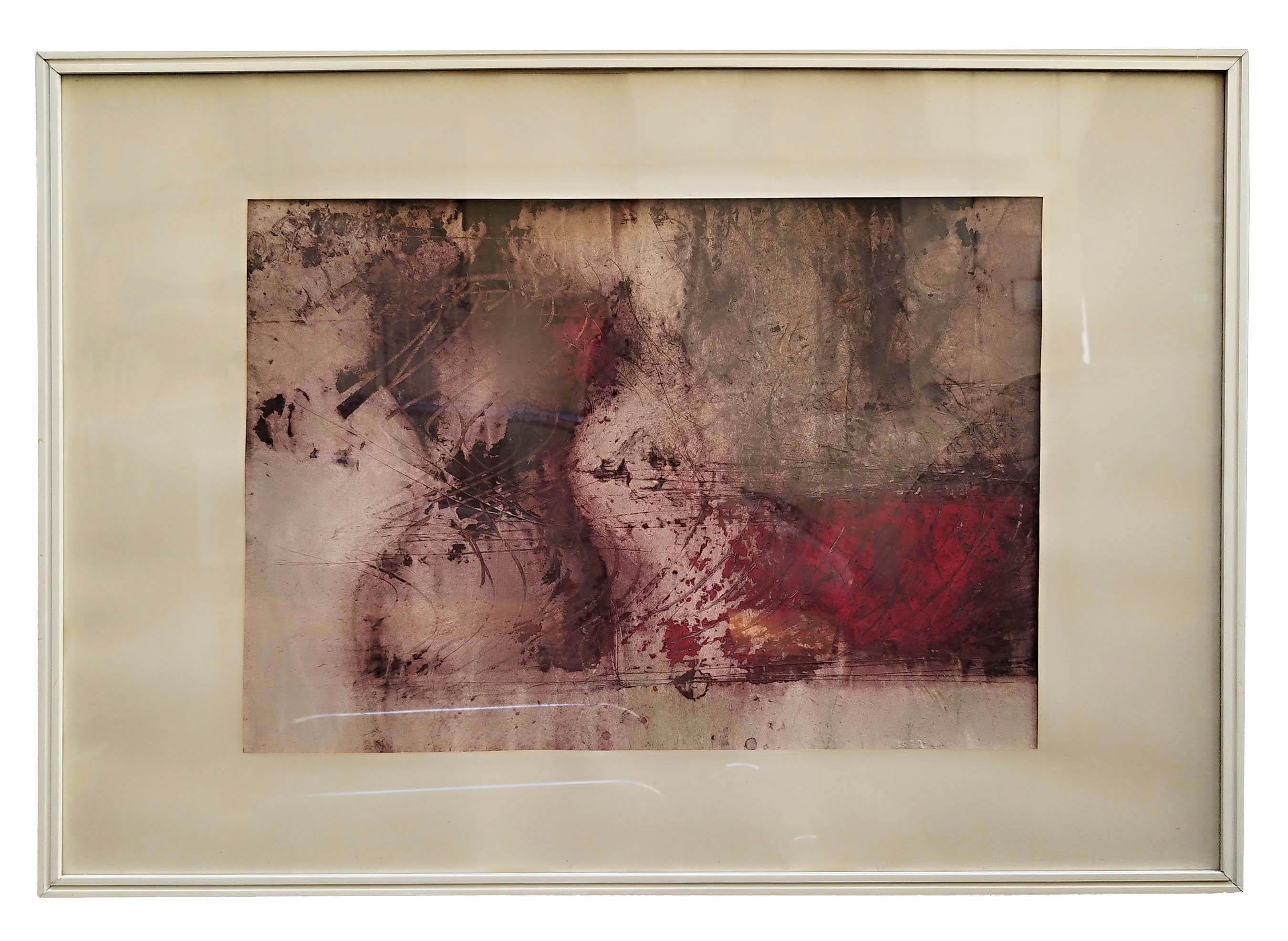
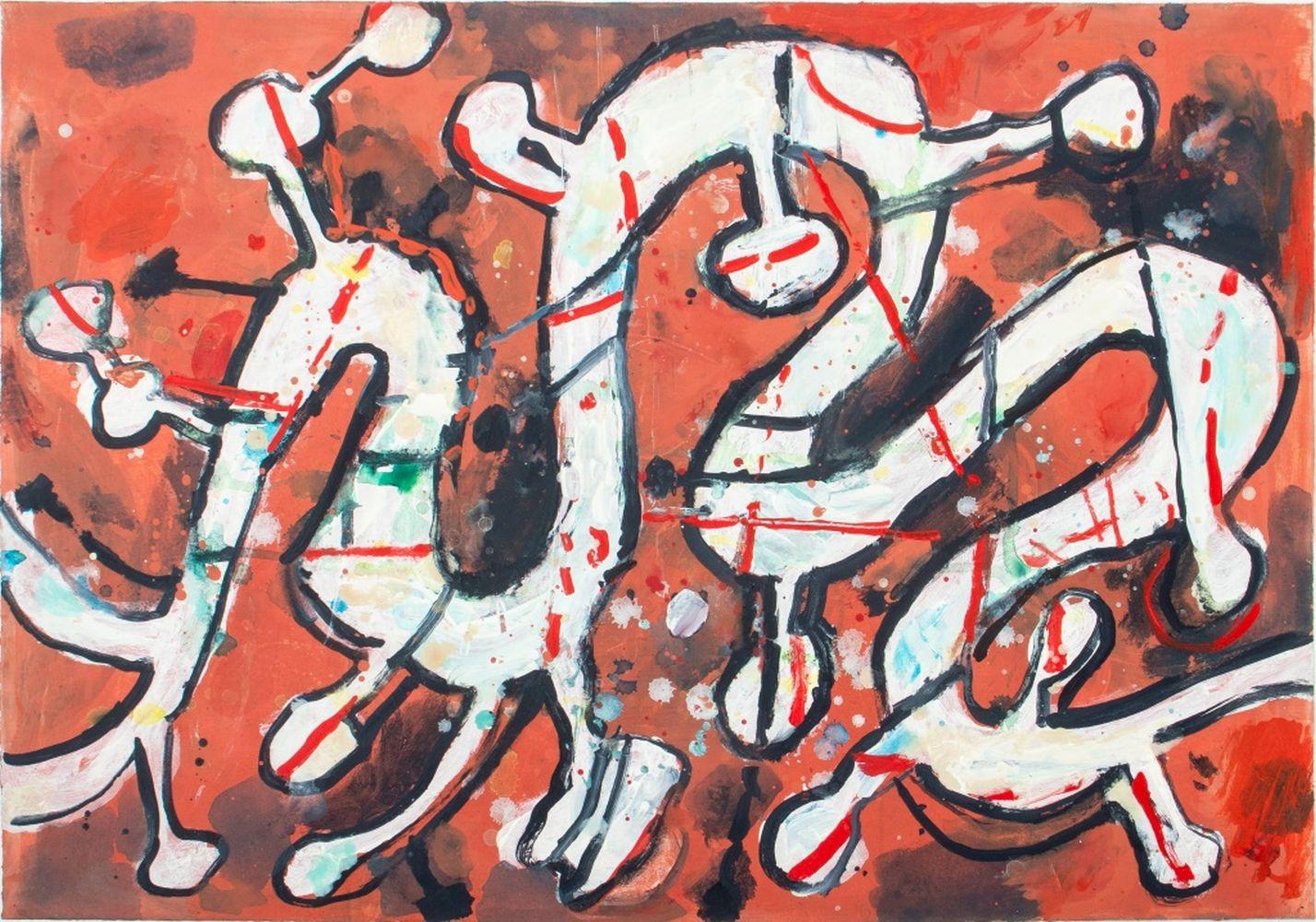
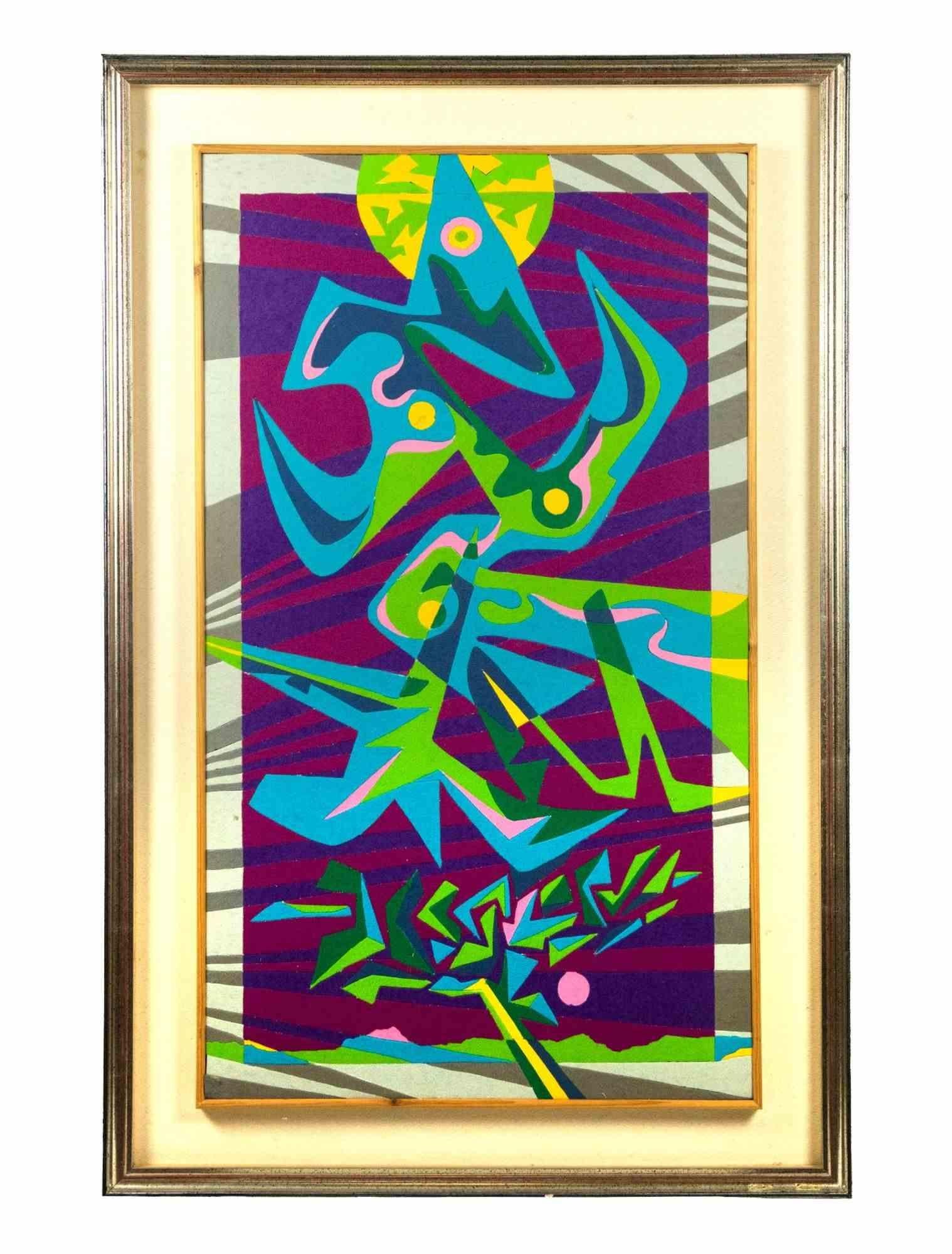
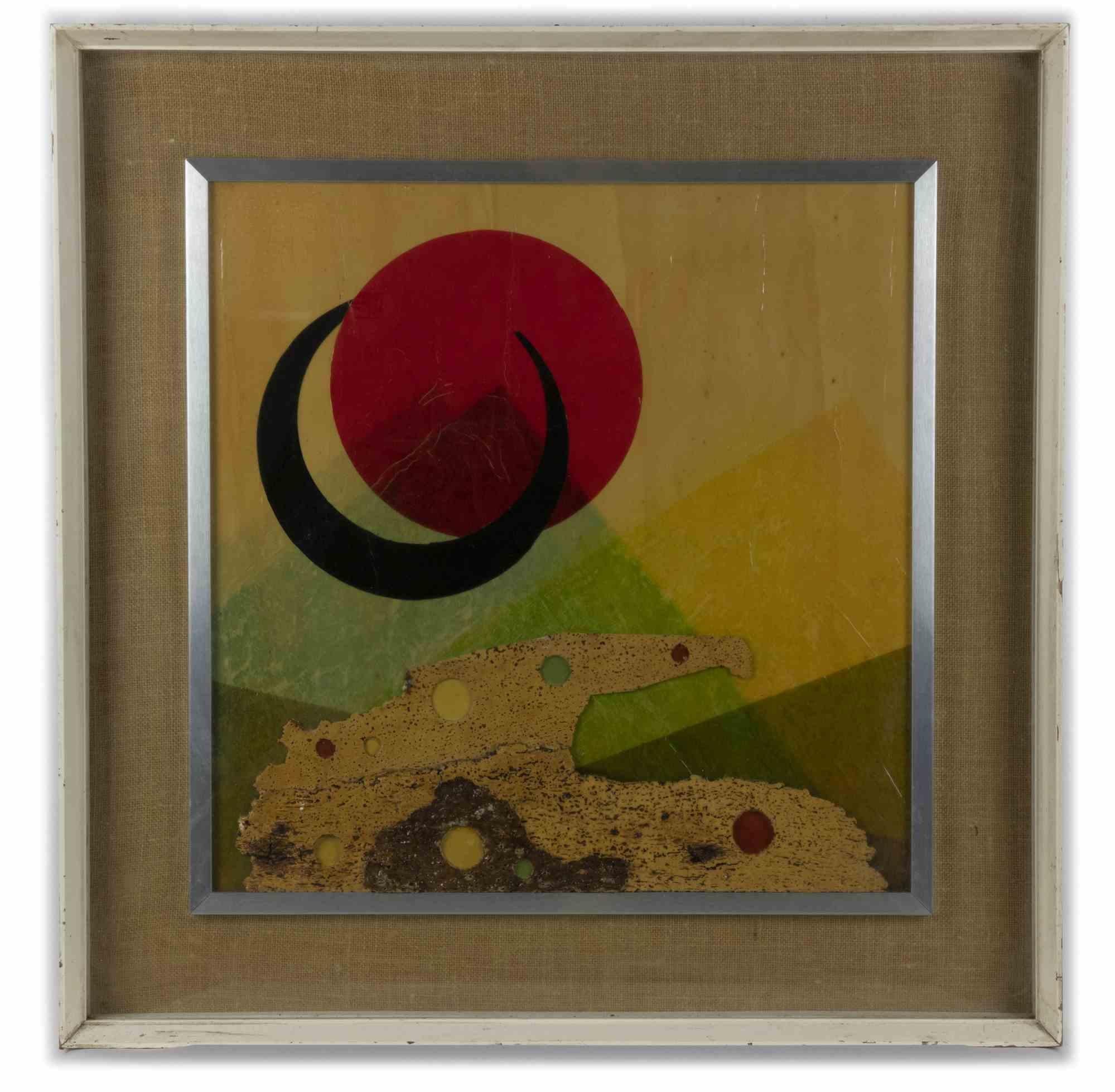
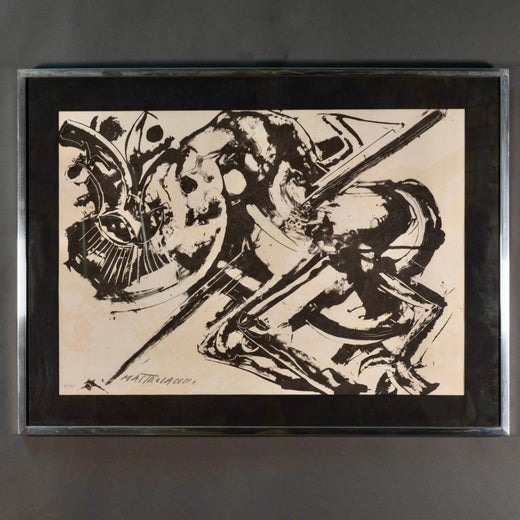
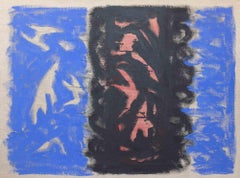
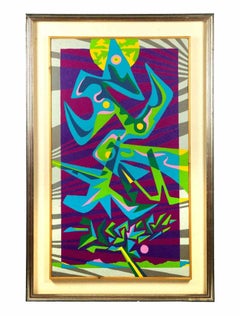
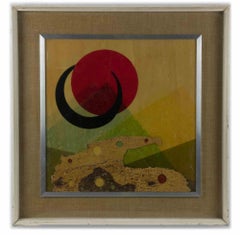
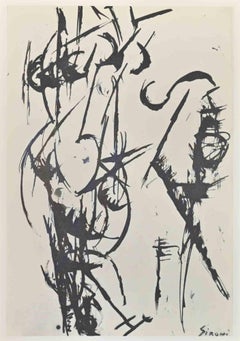
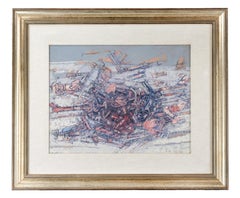
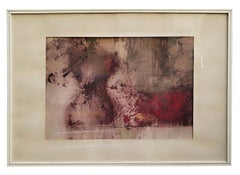
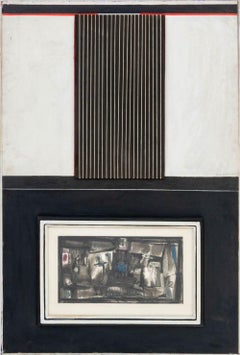
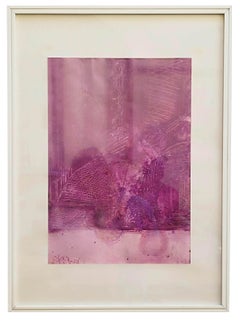
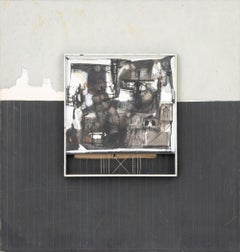
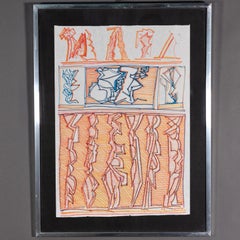
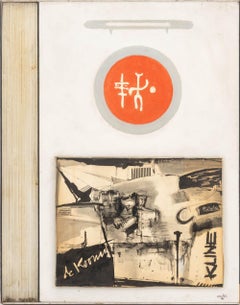
The young Umberto modelled portraits of archaic taste, in terracotta, which were later transferred to bronze castings: myth and religious subjects were Umberto Mastroianni's stylistic hallmark in the pre-war period, alongside stylistic exercises with little boy heads and his favourite subject being masks of young women, with light and persuasive features. In 1930 came the first official recognition, the Tourism Prize, offered by the Ministry of Education and, shortly afterwards, the first exhibitions at national and European level. His first solo exhibition in 1931 at the ‘Galleria Genova’ in Genoa. From 1933 onwards, he regularly exhibited at national trade union exhibitions and was invited to all the Quadriennali in Rome, the Promotrici in Turin and the Biennali in Venice. In 1935 he took part in the Quadriennale in Rome for the first time, the following year in the Venice Biennale. His pictorial works on poor materials also date back to the early 1940s: he is the first Italian abstract sculptor, the leader of the 20th century revolution and an artist of absolute international importance. These are dynamic abstract-geometric forms that acquire depth in terracotta, plaster, cardboard and rough sacks (jute), coloured and scraped. Mastroianni's poetics decisively took up the echoes of the plastic dynamism of Boccioni's ascendancy, revisiting and broadening its contents and cultural references. Some of his early post-war works in worn-out jute (works of very small dimensions, almost as if they were relics of ancient civilisations, later found) are preserved in the Galleria d'arte moderna in Rome, the Tate Gallery in London, and the Salomon Guggenheim Museum in New York. In fact, his research, starting from direct references to the Futurist season, to Brancusi's Cubist season, to John Arp's and Henry Moore's plastics, hinges on the study and rendering of dynamic values, understood and conferred in the structures understood as a clot of lines of force, the generative nucleus of an explosion of gestures blocked by the weight of matter, trapped in matter. The subsequent evolution is the landing to the Informal season, (1950-1961) a completely autonomous phase, another act of his extraordinary creative personality.