Henry Nadler (1930–1990)
"Abstract"
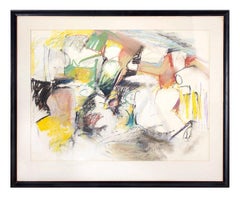
Mixed media on paper,
Sight size: 18 x 24 inches
Overall size including frame: 26.5 x 32.5 inches
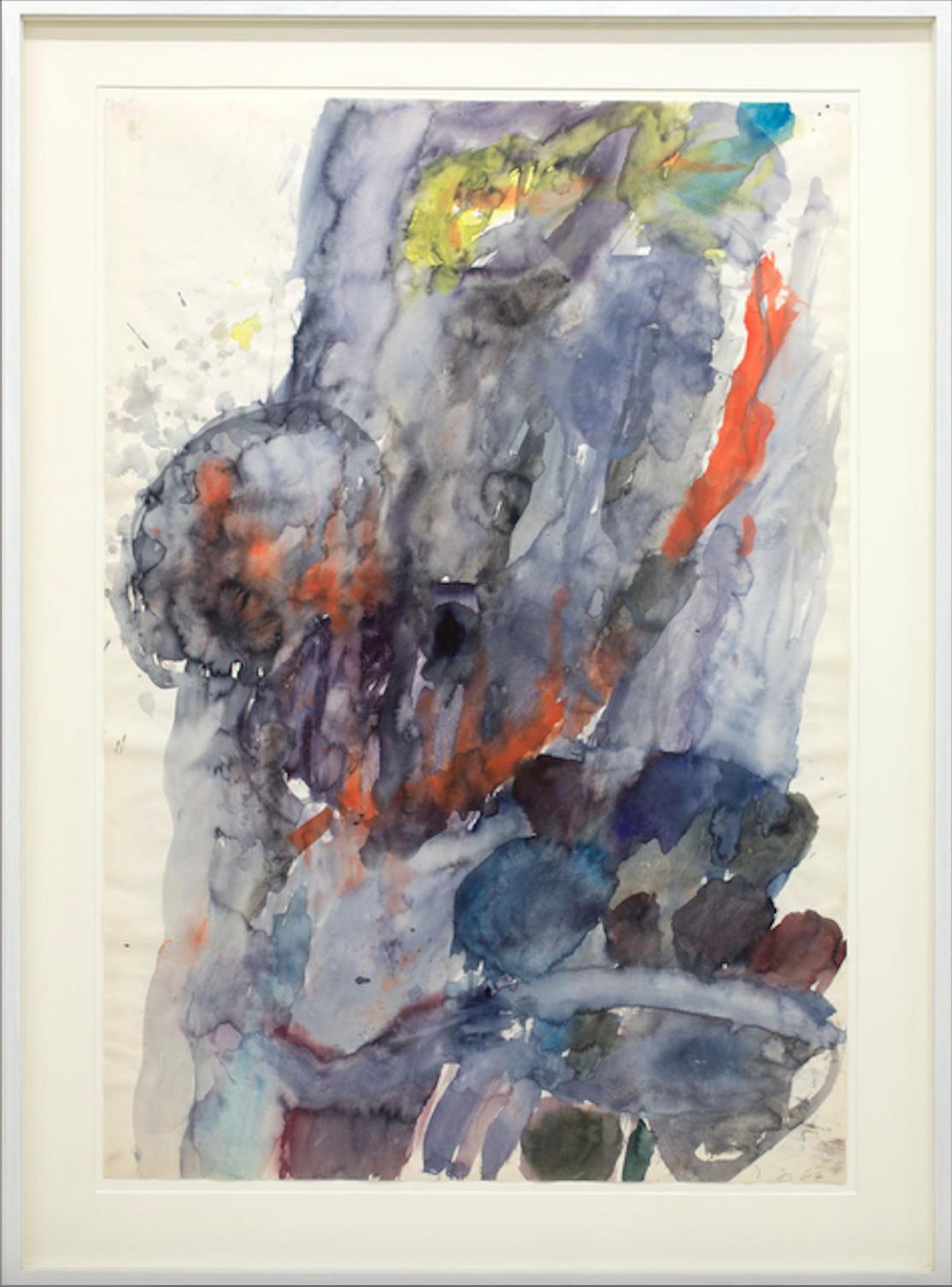
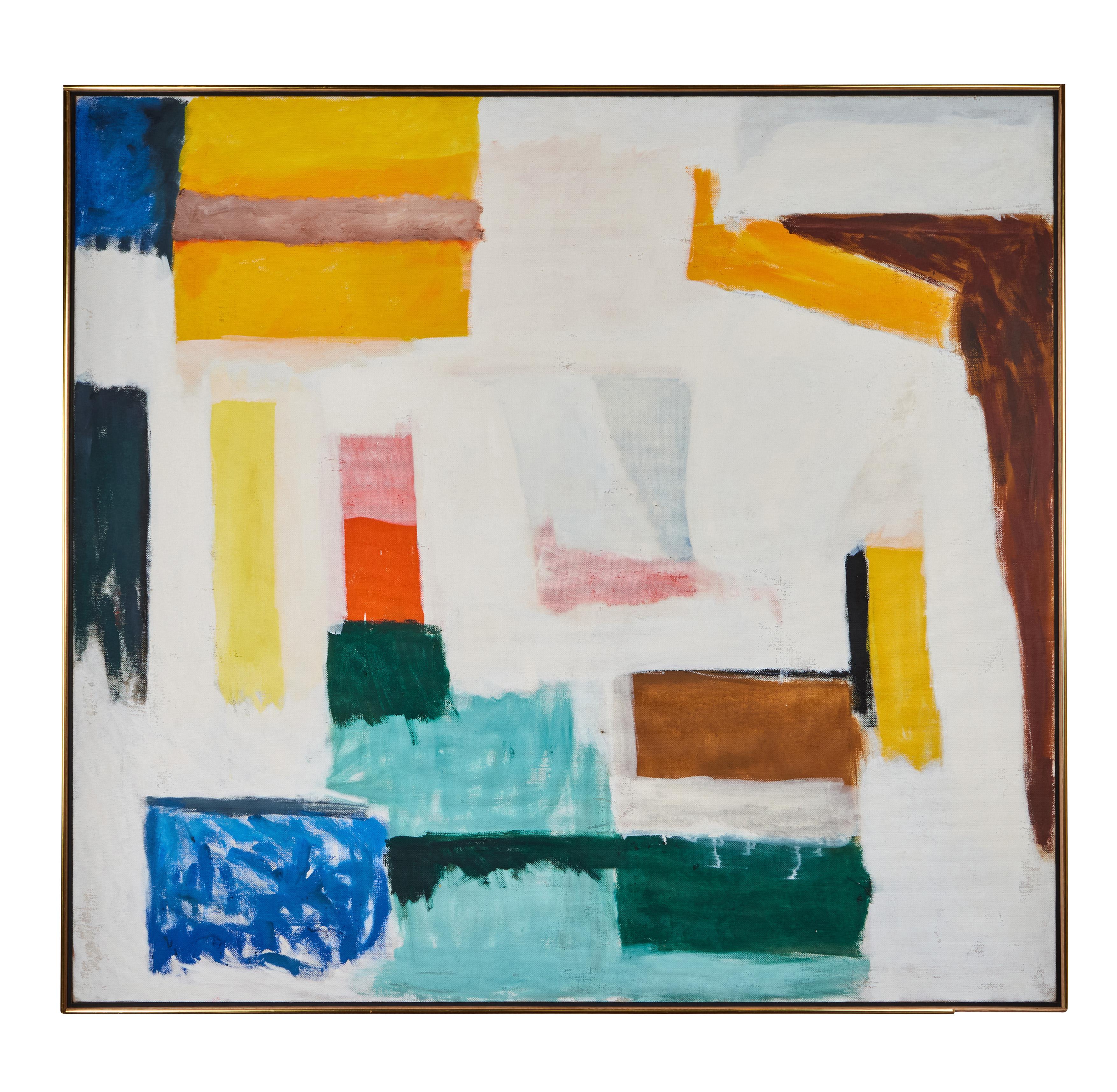
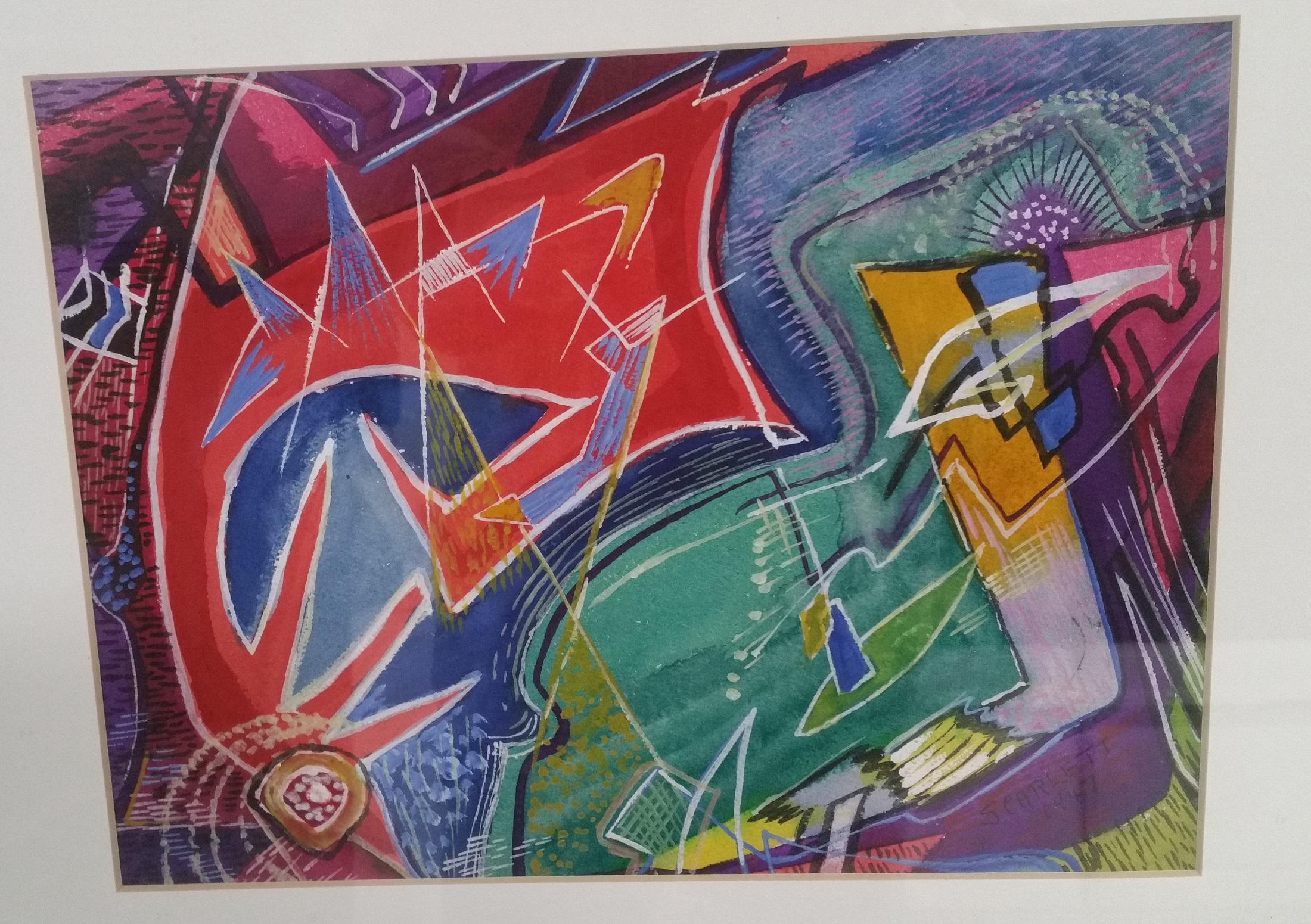
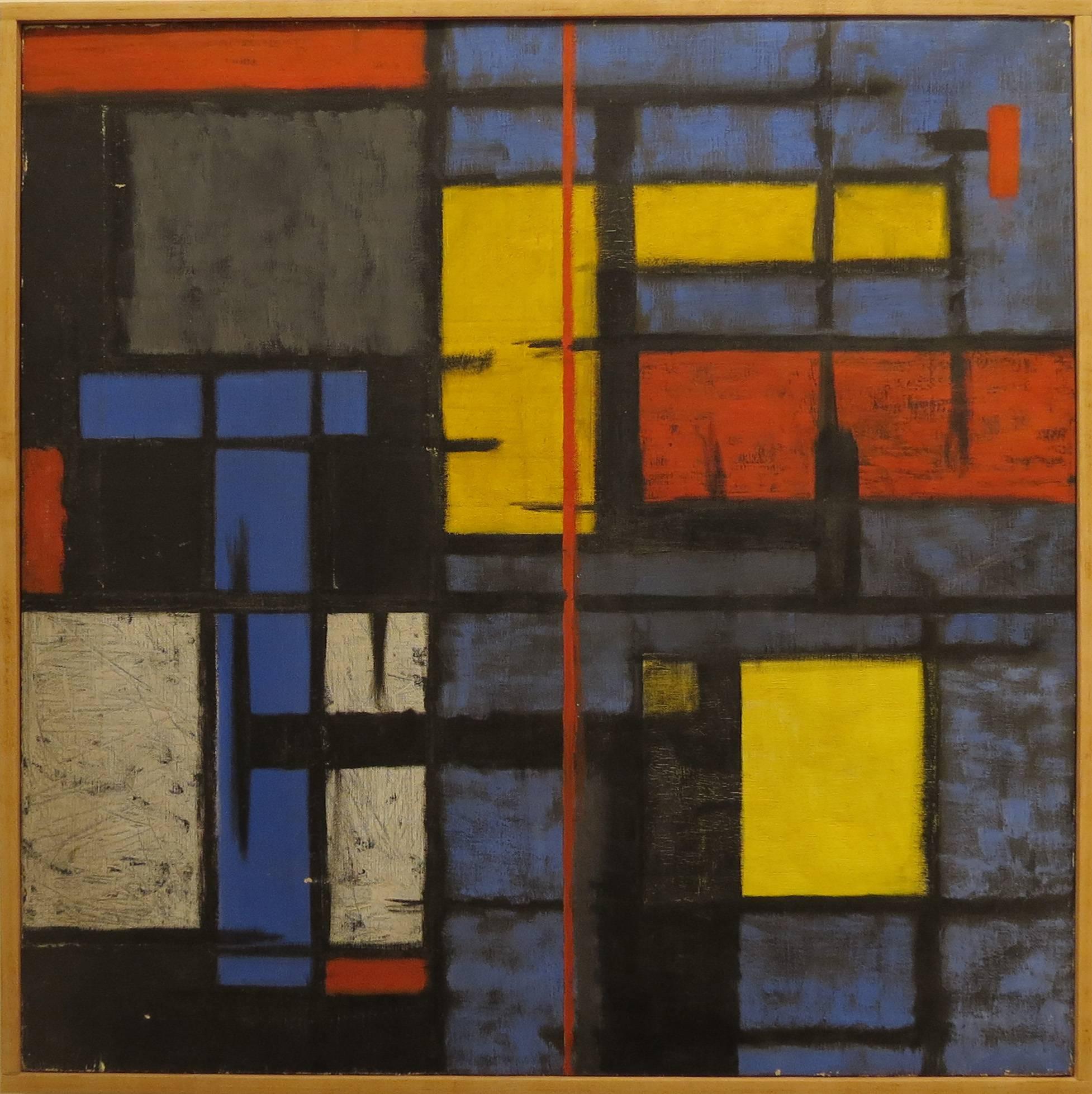
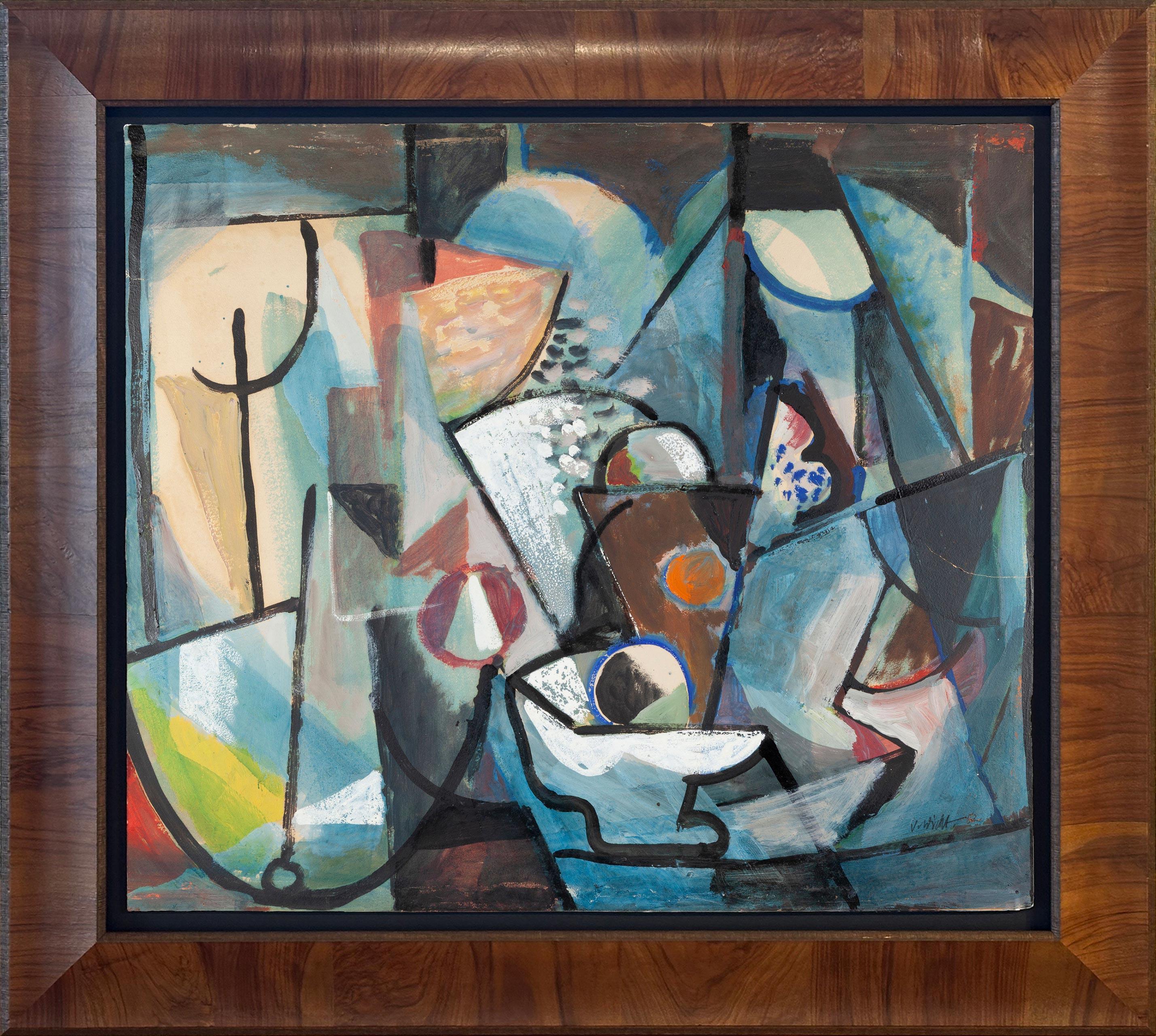
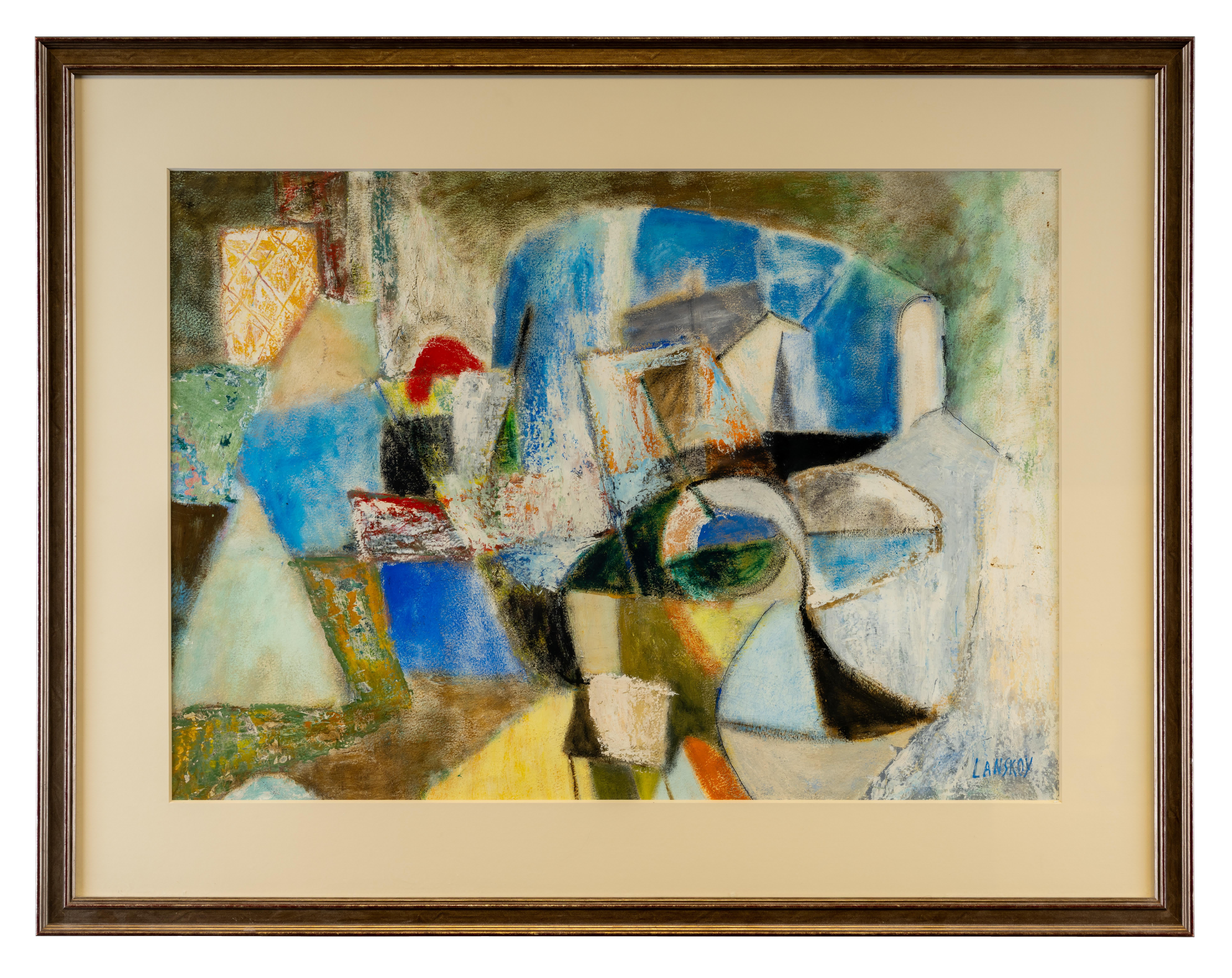
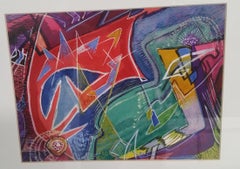
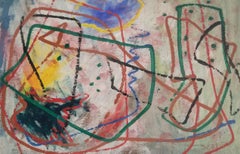
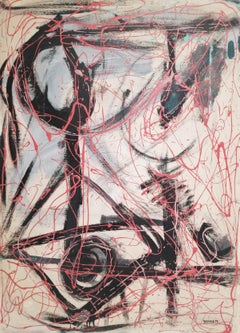
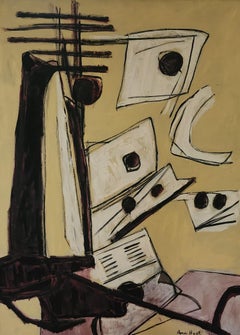
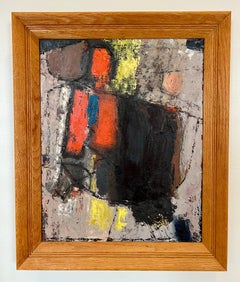
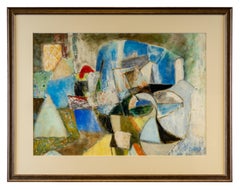
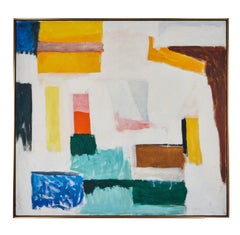
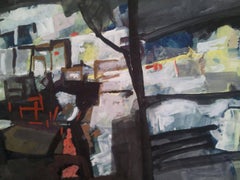
In this dynamic composition, Henry Nadler orchestrates a compelling interplay of geometric structure and gestural spontaneity. The work is divided into a grid-like framework, within which blocks of saturated color—yellow, cobalt blue, crimson, and black—collide with expressive graphite and charcoal markings. Fragmented forms, some suggestive of limbs or anatomical contours, emerge and recede across the surface, evoking both figuration and abstraction in equal measure.
Nadler’s approach reflects the tension between control and improvisation that defined much of postwar American art. His use of mixed media—combining drawing and painting techniques—imbues the piece with a layered complexity, where each section feels both autonomous and interdependent. The composition resists easy interpretation, inviting viewers to navigate its visual architecture intuitively, as if decoding a personal language of movement and memory.
This work exemplifies Nadler’s mature period, when his interest in psychological depth and spatial ambiguity reached full expression. It stands as a testament to his ability to fuse formal rigor with emotional immediacy, situating him within the lineage of mid-century.
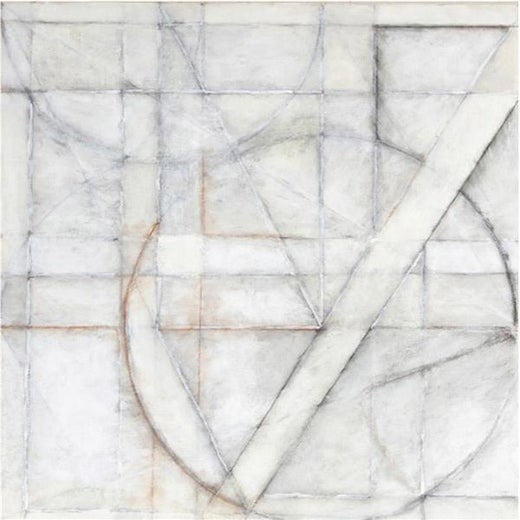
An abstract painter who lived in New York City; Amagansett, Long Island, and Albuquerque, New Mexico, Harry Nadler is described as a "formalist abstract painter of the 1960s-90s whose works were marked by their rich colors, transparencies, and labyrinthine constructions. —The attempt to capture in a purely abstract imagery the quintessential quality of light and contour that emanate from a particular landscape is a hazardous pictorial ambition, but Mr. Nadler has met the challenge of this problem with remarkable success.˜ (Hilton Kramer, The New York Times, April 27, 1974.
He was a teacher at the University of California Los Angeles, UCLA, from 1958-59; New York University, 1960-65; Brooklyn Museum Art School, 1960-65; Wesleyan University, Middletown, Connecticut, 1965-71;and University New Mexico, Albuquerque, 1971-90.
He was a student at UCLA, earning a Bachelor's Degree in 1958, and a Fulbright Scholar to Spain in 1960.
Exhibition venues included the following: Los Angeles County Museum of Art annuals; San Francisco Museum of Modern Art Annual; Denver Museum annual for Western artists; Butler Institute Art; Library of Congress; Northwest Printmakers annual; Santa Barbara (California) Museum Art, California, 1960; Nebli Gallery, Madrid, Spain, 1961; Drawing Shop Gallery, New York City, 1963; —Arte de America y Espana,˜ Spain, France, Germany, Italy, Switzerland, 1963; Wesleyan University, Middletown, Connecticut, 1965, 1971; Dorsky Gallery, New York City, 1966; Benson Gallery, Bridgehampton, New York, 1968, 1976; Tokyo, Japan, International Exhibition of Young Artists, 1967; Westmoreland County Museum Art, 1967; Heckscher Museum, New York City, 1969; Bertha Schaefer Gallery, New York City, 1969, 1972, 1974 (solos); Gallery Paul Facchetti, Paris, France, 1968 (Timeless Paintings from the U.S.A; Indianapolis Museum, 1969; Institute Franco-American, France, 1969; Benson Gallery, Bridgehampton, New York, 1971; American Library, Brussels, Belgium, 1971; Museumée des Beaux Arts, Nancy, France, 1970; The New School, Boston Art Club, New York City, 1969-70; London Arts Gallery, Detroit, MI, 1973; Janus Gallery, Santa Fe, New Mexico, 1973; Gruenebaum Gallery, New York City, 1979, 1981; Cantor/Lemberg Gallery, Birmingham, MI, 1981; Pennsylvania State University, State College, Pennsylvania , 1982; University New Mexico, Fine Arts Museum, 1983, 1991 (retrospective); Eller Gallery, Albuquerque, New Mexico, 1987; Sena Gallery East, Santa Fe, New Mexico, 1989.
In 1987, he had an award grant from the Israeli Government, 1987.
Source:
Peter Hastings Falk, Editor, Who Was Who in American Ar