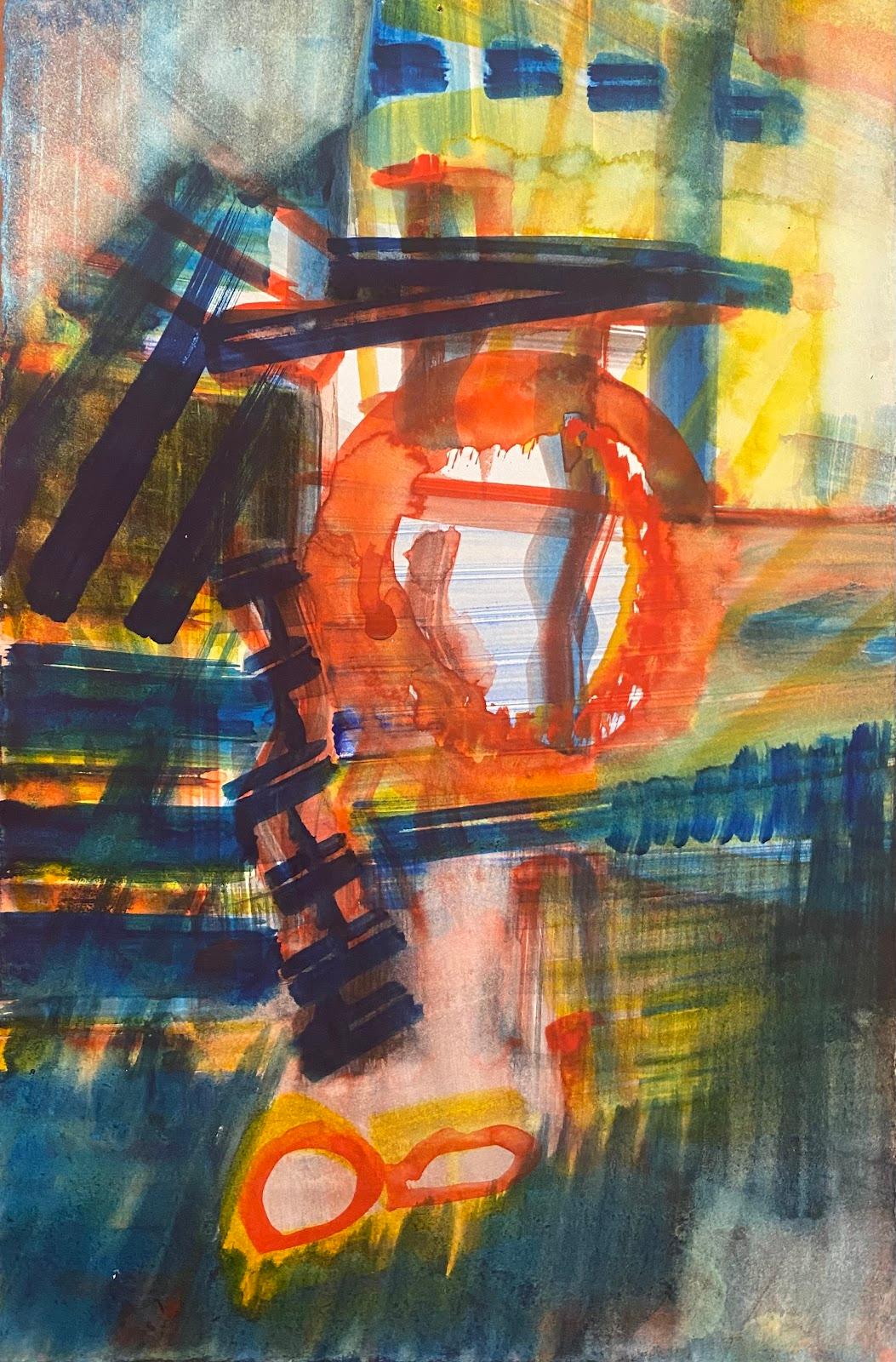
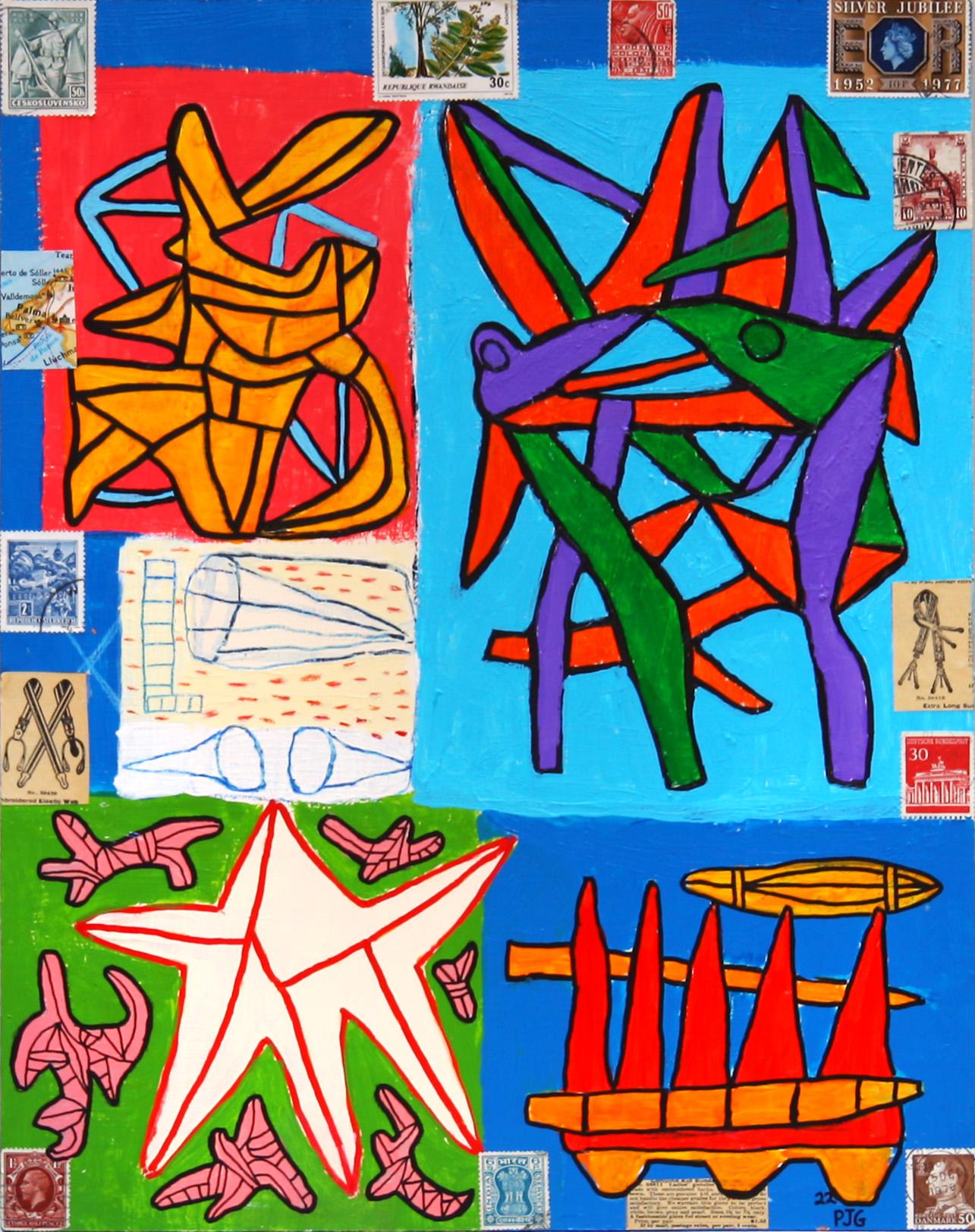
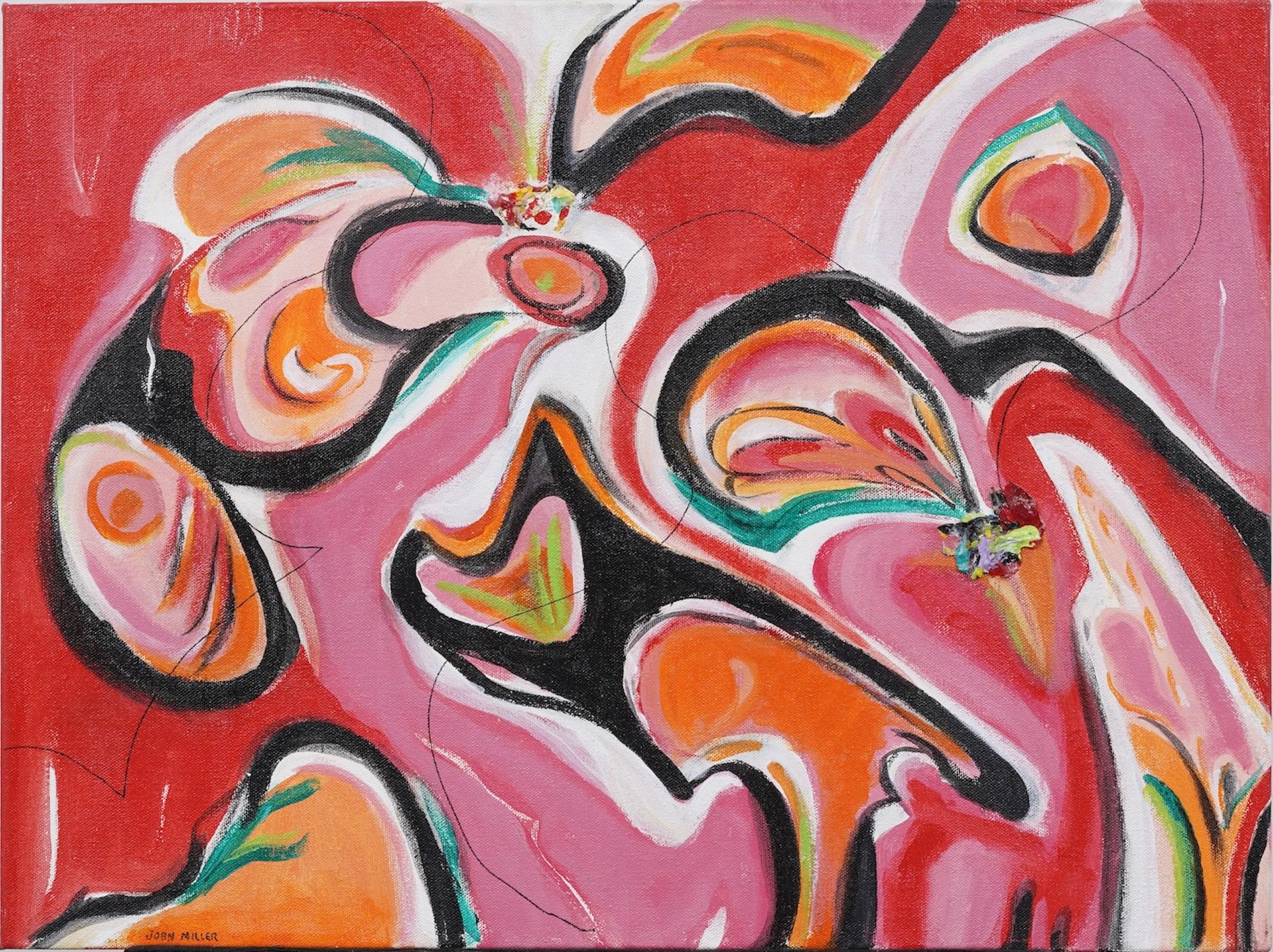
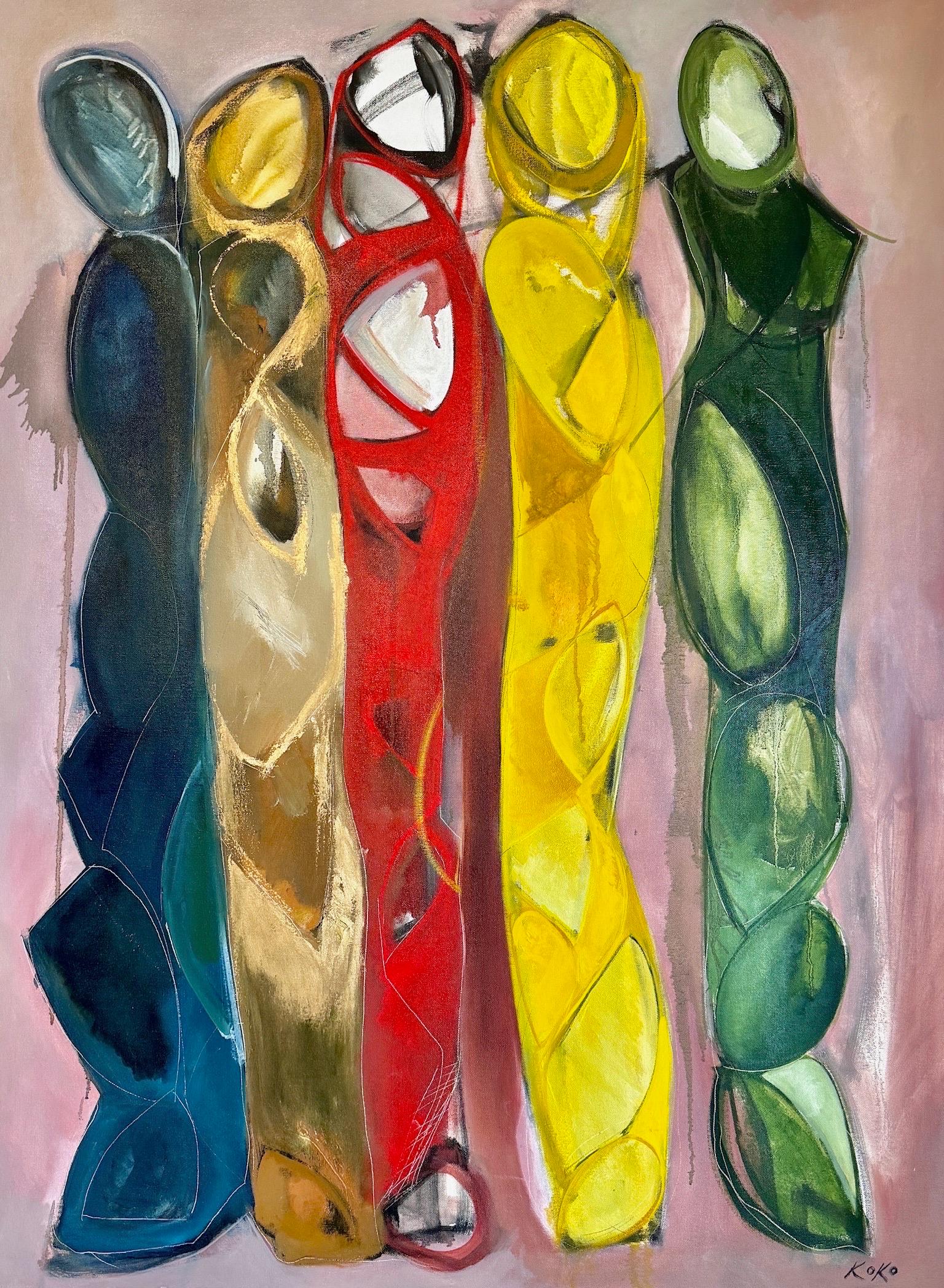
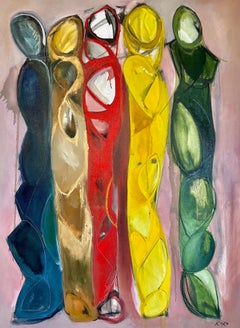
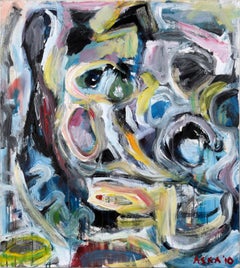
Jesse Soifer (1932-2013).
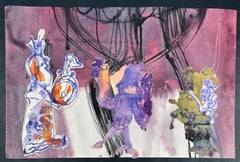
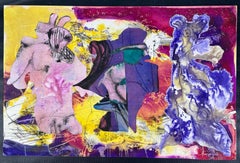
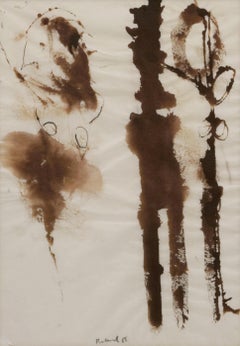
Untitled #138, ca. 1990.
Ink and paper collage, sheet measures 12.5 x 19.5 inches.
Unsigned. Estate stamp on verso sheet with assignation number.
Early Life and Recognition
Soifer, an artist since childhood, first gained international recognition as a student at Chester High School in Chester, Pennsylvania. Several of his watercolors were exhibited in Europe through the Gimbels Junior Scholastic Art Exhibition and the Red Cross Exchange Program. This early success marked the beginning of a prolific career spanning more than 70 years, during which he participated in over 300 group exhibitions and numerous solo shows in the United States and Paris, earning prizes and critical acclaim.
Artistic Development and Periods
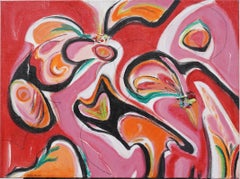
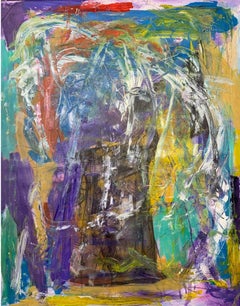
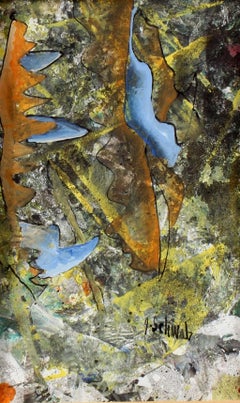
Soifer’s career can be divided into three distinct periods, each defined by a major stylistic breakthrough in the early 1960s and again in the late 1980s. Throughout all phases, he remained committed to a single medium: color ink on paper.
1950s–1963: Abstract Foundations
Works from the late 1950s are primarily non-objective and experimental, reflecting the influence of Abstract Expressionism. These early pieces emphasize gesture, spontaneity, and the expressive potential of form and color.
1964–1988: Emergence of the Figure
Beginning in 1964, Soifer introduced figurative elements, often depicting distorted human forms. Influenced by Art Brut, he rejected conventional ideals of beauty, instead using arbitrary bright colors and exaggerated forms for their expressive force. His technique—inky washes and bleeding lines—continued to reflect his grounding in Abstract Expressionism. From this point forward, his work remained consistently figurative.
1989–2013: Reconstruction and Transformation
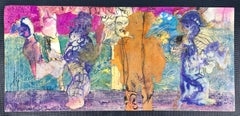
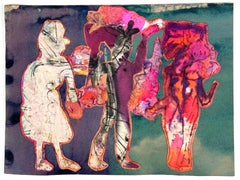
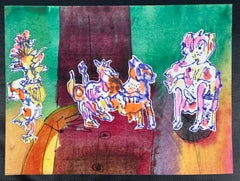
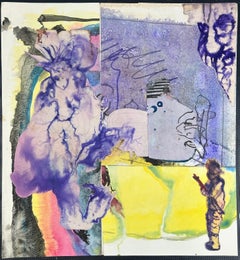
Around 1989, Soifer began a radical reexamination of his earlier work. He developed a new process that involved dismantling and reassembling drawings from 1964–1988. By cutting and recombining fragments, he created layered compositions in which past and present coexist. Many works retain their original monograms and dates, a deliberate choice that can confuse the viewer while playfully creating contradiction and paradox.
These collages often feature three or four figures arranged like performers on a stage. With this format, Soifer entered a prolonged period of repetition and subtle variation. The resulting compositions suggest narrative but ultimately resist a clear interpretation, instead emphasizing ambiguity and psychological tension.
His method reflects broader themes of memory and identity—how personal histories are broken apart and reconstructed in the search for meaning. Layers overlap like fragments of memory, blurring the boundaries between recollection and imagination. The figures themselves embody contradiction: playful yet unsettling, charming yet menacing. They appear to both materialize and dissolve, like fading memories or apparitions. Weapons, flags, and bouquets recur as motifs, functioning simultaneously as objects and symbols.
Recurring Themes: The Mummers Parade
Parades, crowds, and particularly the Philadelphia Mummers Parade became recurring subjects in Soifer’s work. Rather than documenting or celebrating the event, he approached it as a source of visual and psychological complexity. The elaborate, otherworldly costumes—defying clear cultural or historical reference—offered a compelling entry point into themes of transformation and alternate reality. The parade’s spirit of temporary escape from convention aligns closely with Soifer’s artistic concerns, making it a natural and enduring source of inspiration.
Collections, Exhibitions, and Career
Soifer’s work is held in major collections, including the Philadelphia Museum of Art, the Portland Art Museum (Oregon), the Free Library of Philadelphia Art Collection, the DuPont Collection, and Bell Atlantic Corporate Headquarters. His abstract watercolors were selected to tour Europe alongside works by Willem de Kooning and other prominent artists.
The Philadelphia Mummers Museum maintains a permanent collection of his parade sketches. His work has been favorably reviewed in Art News, The Philadelphia Inquirer, and The New Yorker.
In addition to his studio practice, Soifer earned teaching certification from the Philadelphia Museum of Art and an MFA from the Tyler School of Fine Arts at Temple University. He taught for 30 years in the Ridley Township School System and also instructed courses at Cumberland County College.