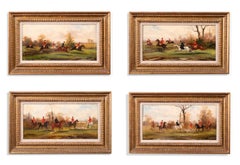
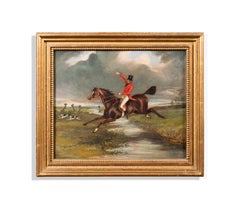
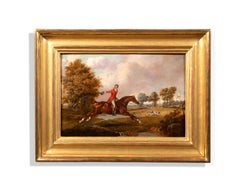
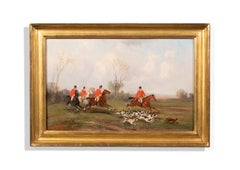
Samuel Henry Alken (1810-1894)
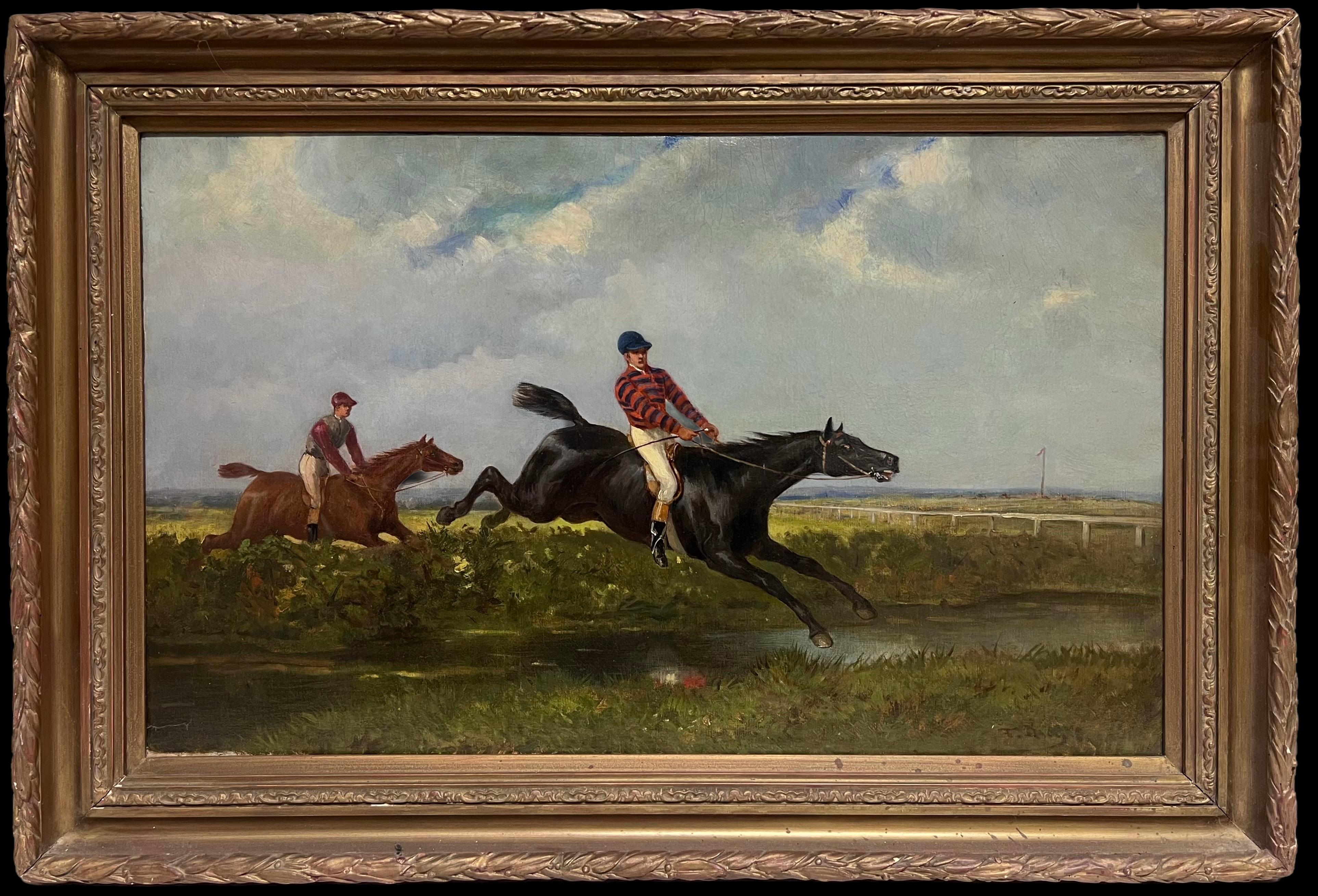
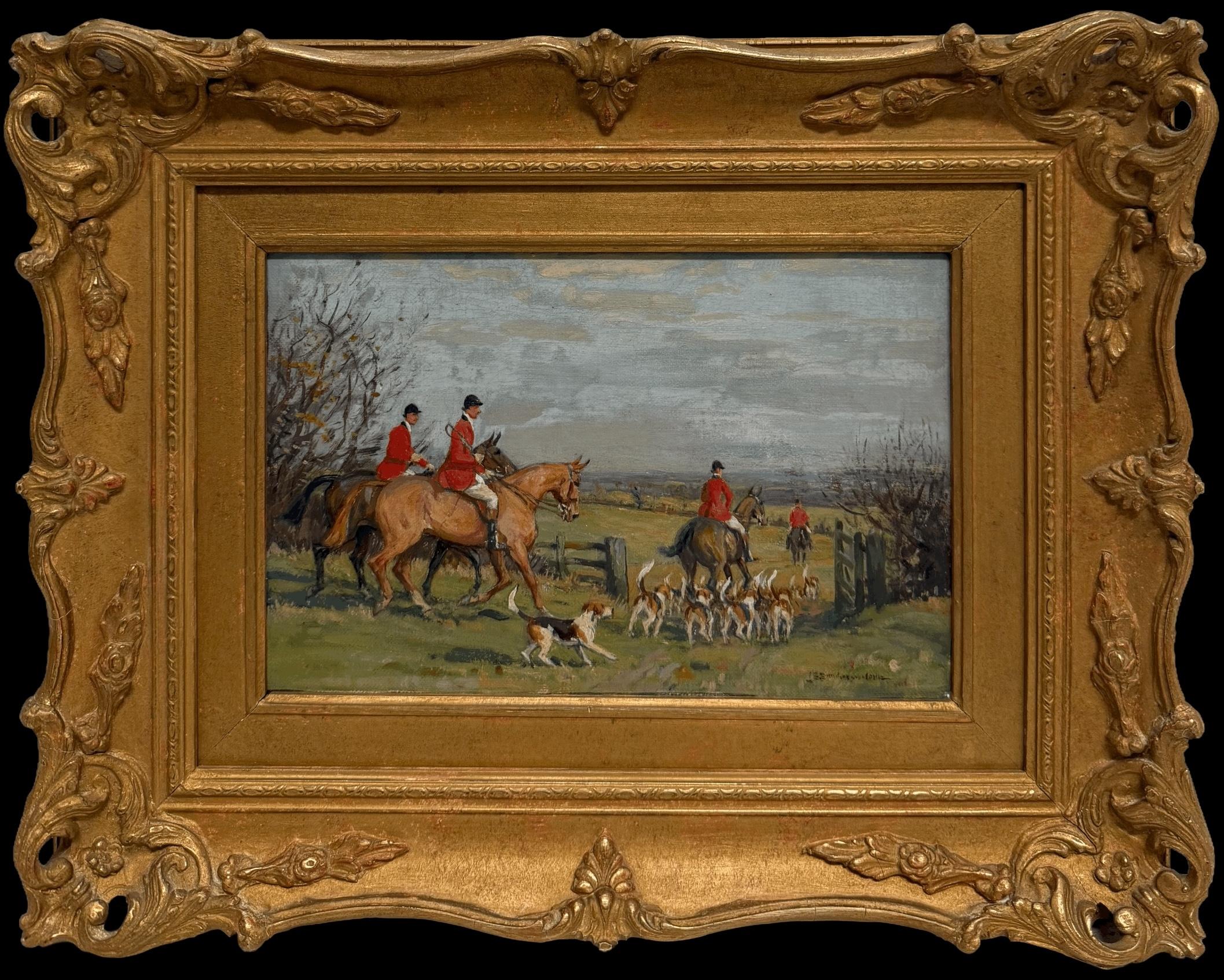
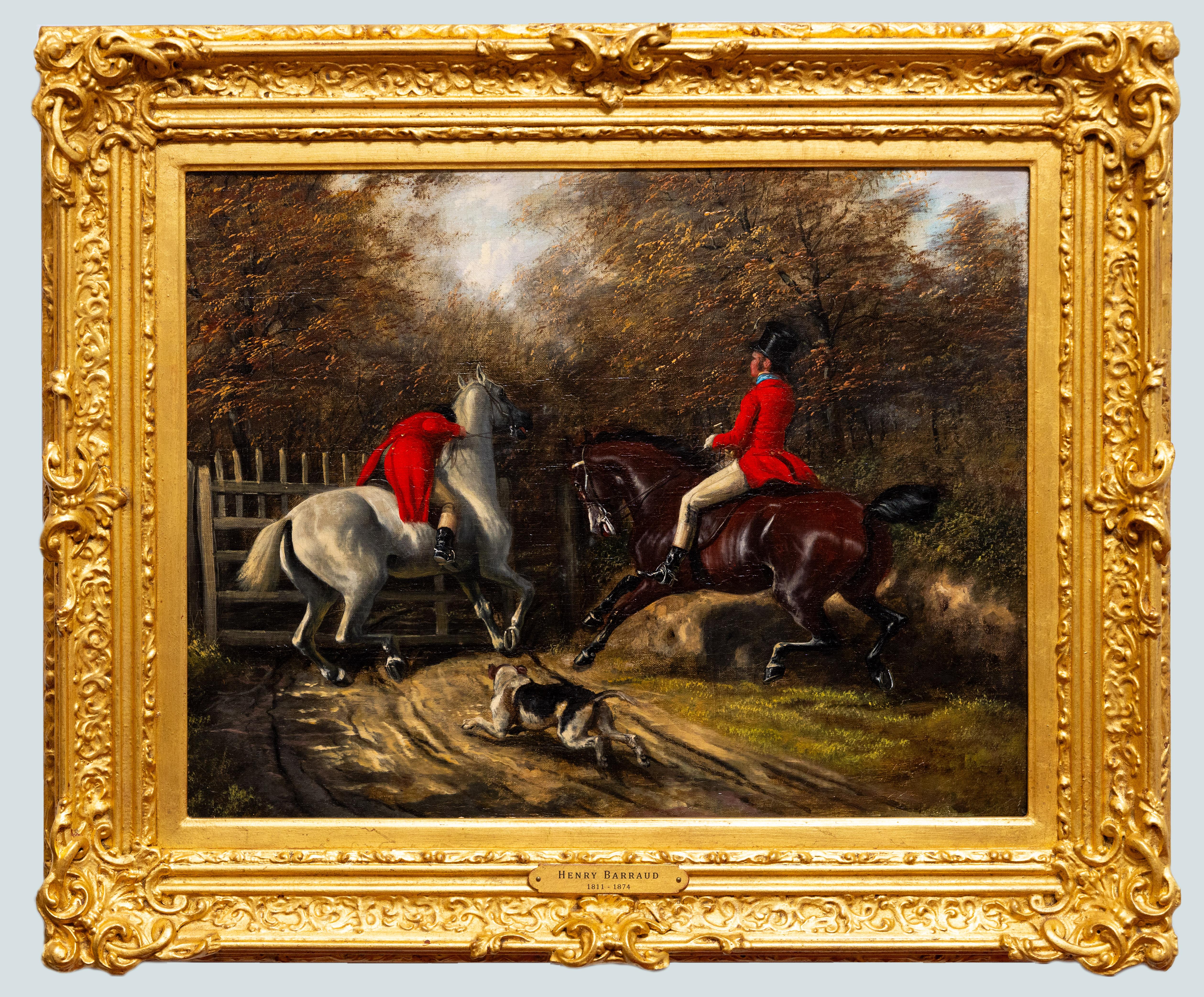
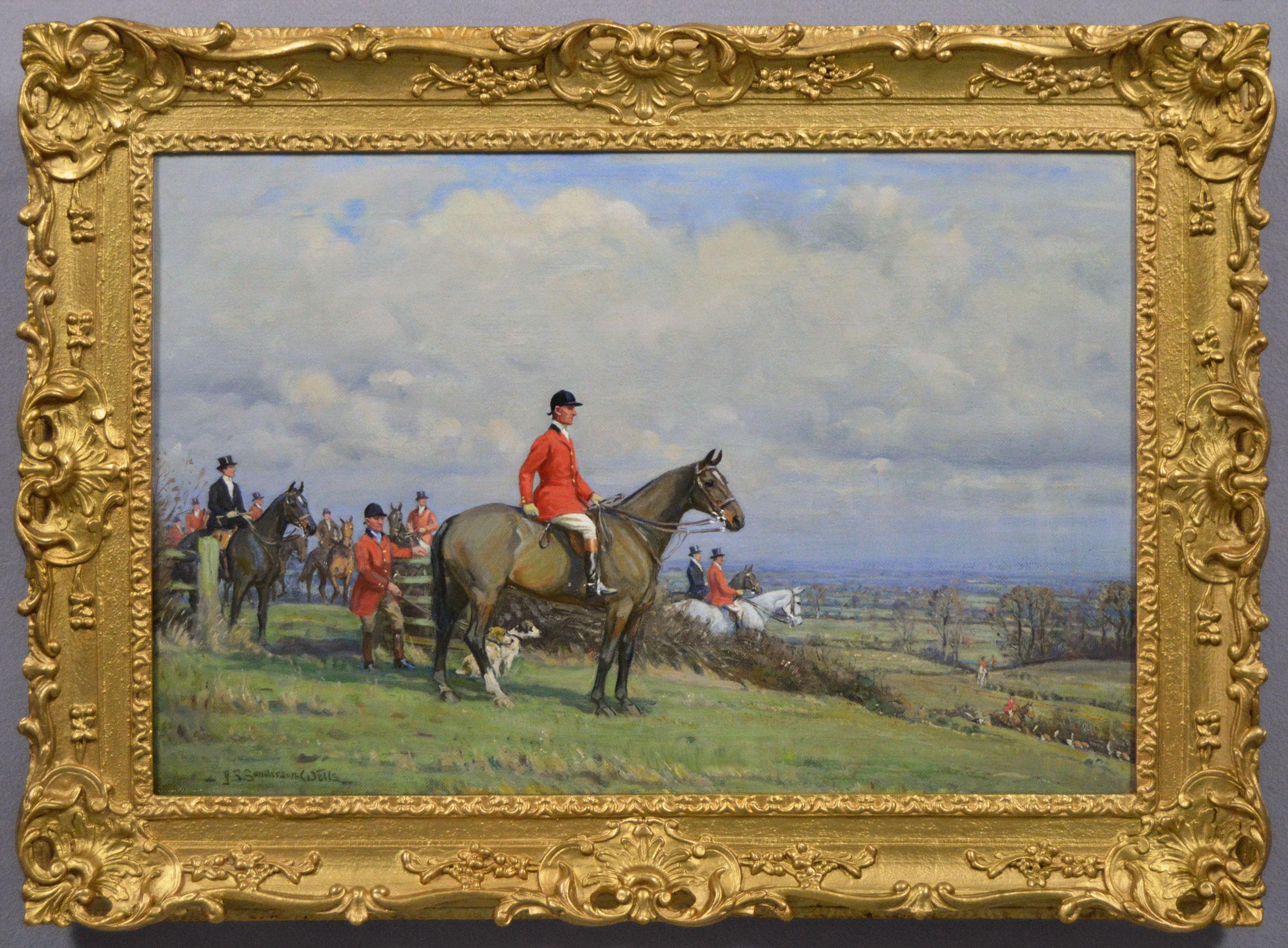
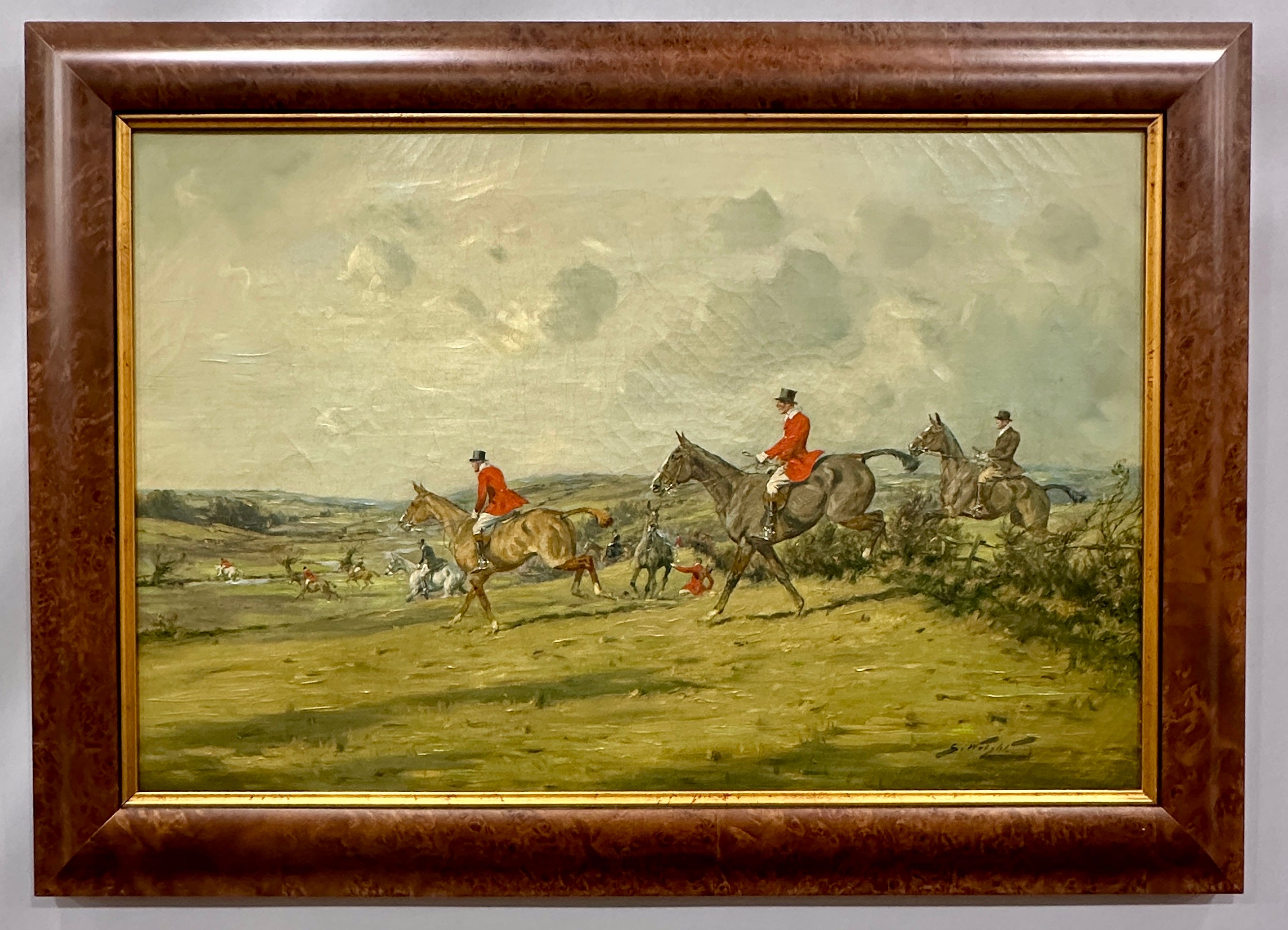
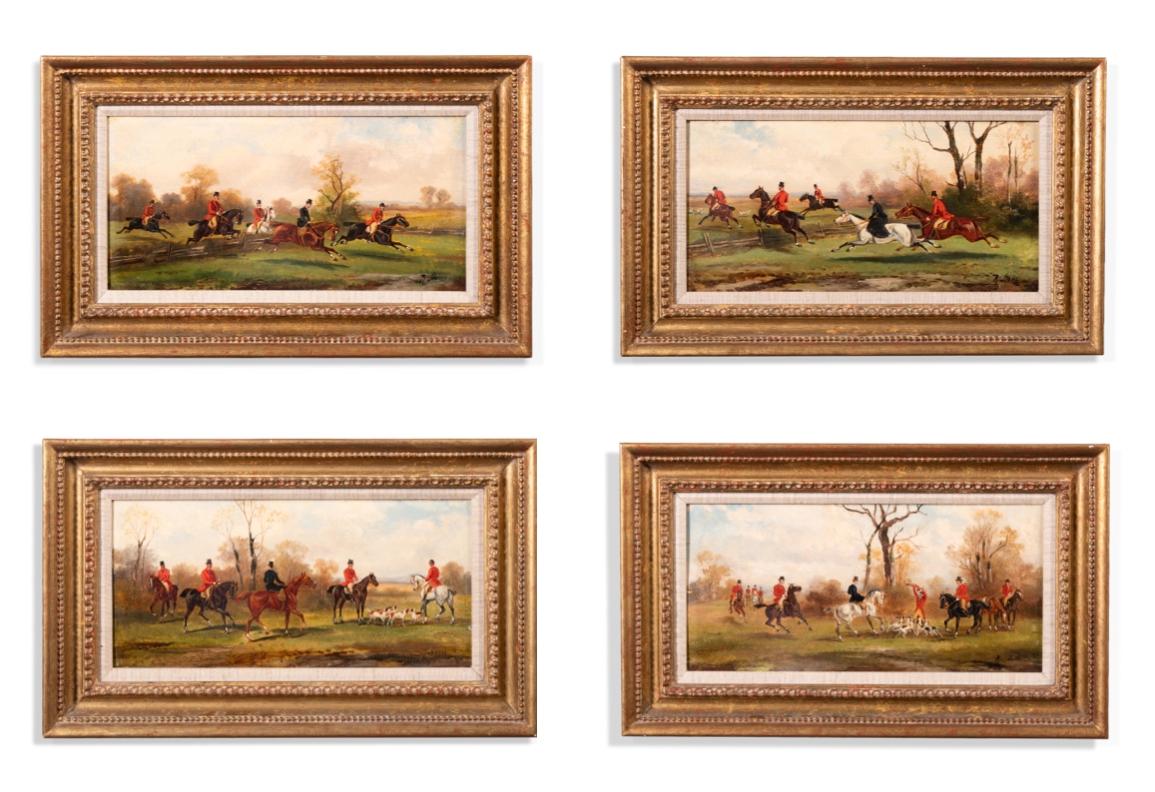
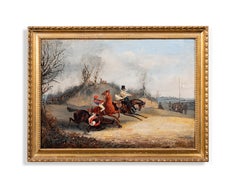
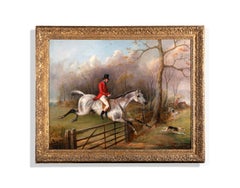
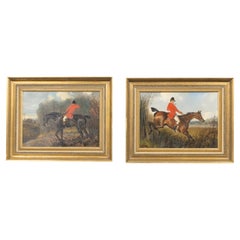
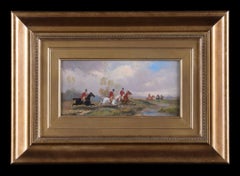
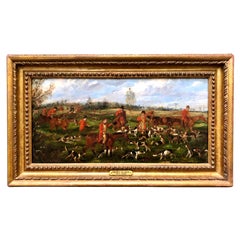
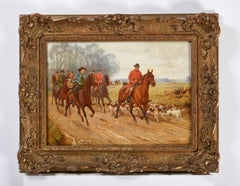
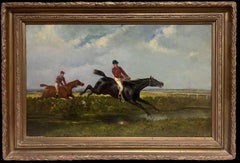
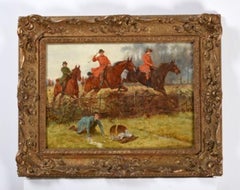
Steeplechase scenes
Each signed 'H. alken' lower left
A pair, oil on canvas
Painting size - 10 x 14 in
Framed size - 14 1/2 x 18 1/2 in
Provenance
The Collection of Captain Crawley;
with Arthur Ackermann & Son Ltd., London;
Sale, Christie's London, 18th April 1986, Lot 22;
Private Collection, UK.
Samuel Henry Alken was an English sporting artist, engraver, and illustrator best known for his energetic depictions of hunting, coaching, racing, and equestrian life during the nineteenth century. A member of the celebrated Alken family of sporting painters, he continued one of Britain’s most important artistic traditions devoted to the culture of the countryside and the sporting world.
Born in London in 1810, Samuel Henry Alken was the son of Henry Thomas Alken, one of the most famous sporting illustrators of the Regency period. Raised within a highly artistic family, he received early training in drawing and engraving and quickly developed a strong understanding of horses, hunting scenes, and rural sporting subjects. His grandfather, Samuel Alken, had also been an artist and engraver, making him part of a distinguished artistic dynasty associated with British sporting art.
Alken worked primarily as an illustrator and printmaker, producing numerous engravings and lithographs that captured the excitement and pageantry of nineteenth-century field sports. His subjects included fox hunting, steeplechasing, coaching scenes, military riders, and racehorses, all rendered with lively movement and considerable technical skill. His work reflected the continuing popularity of equestrian sport among the British upper and middle classes during the Victorian era.
Like his father, Alken possessed an exceptional ability to depict horses in motion. His compositions often emphasise speed, rhythm, and action, with riders and hounds sweeping dynamically across open landscapes. These scenes appealed strongly to sporting enthusiasts and collectors, helping to sustain the demand for illustrated sporting prints throughout the nineteenth century.
Alken also contributed illustrations to a variety of sporting publications and books, many of which documented the traditions of hunting and coaching at a time when these pursuits formed an important part of British social life. His prints were widely circulated and helped popularise sporting imagery among audiences far beyond aristocratic patrons alone.
Although often working in the shadow of his father’s fame, Samuel Henry Alken developed a recognisable style of his own, combining precise draughtsmanship with a freer and more animated approach to composition. His works bridged the gap between the Regency sporting tradition and the later Victorian taste for narrative and realism in equestrian art.
Today, Samuel Henry Alken’s engravings and paintings remain highly collectable and are valued both for their artistic quality and for their documentation of nineteenth-century British sporting culture. His work survives in museum collections, print rooms, and private sporting collections throughout Britain and abroad.
Samuel Henry Alken died in 1894. He is remembered as an important member of Britain’s great sporting art tradition, carrying forward the legacy of the Alken family through vivid and spirited portrayals of the equestrian and hunting world of Victorian England.