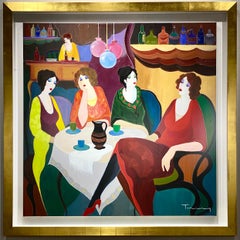
Itzchak Tarkay
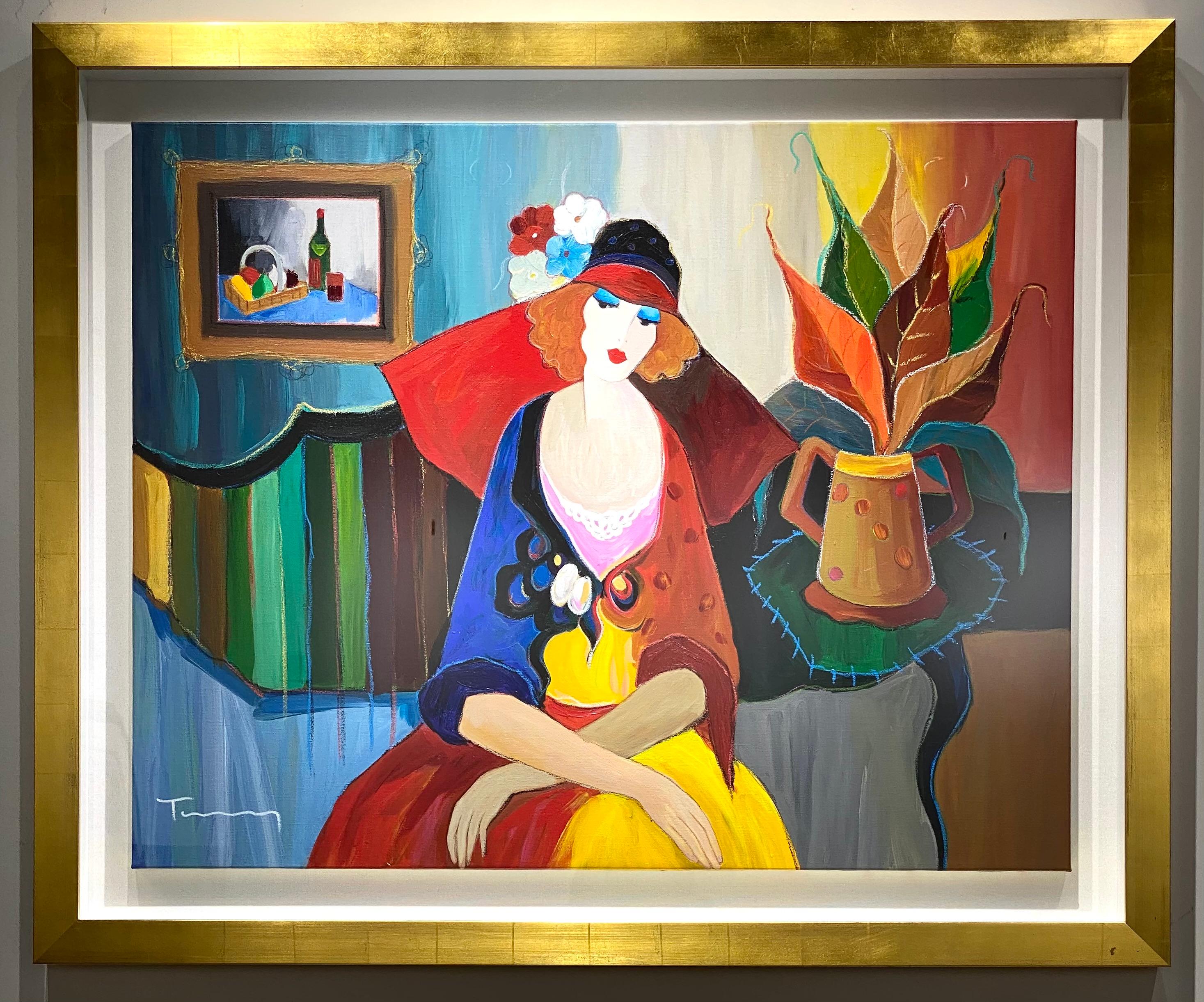
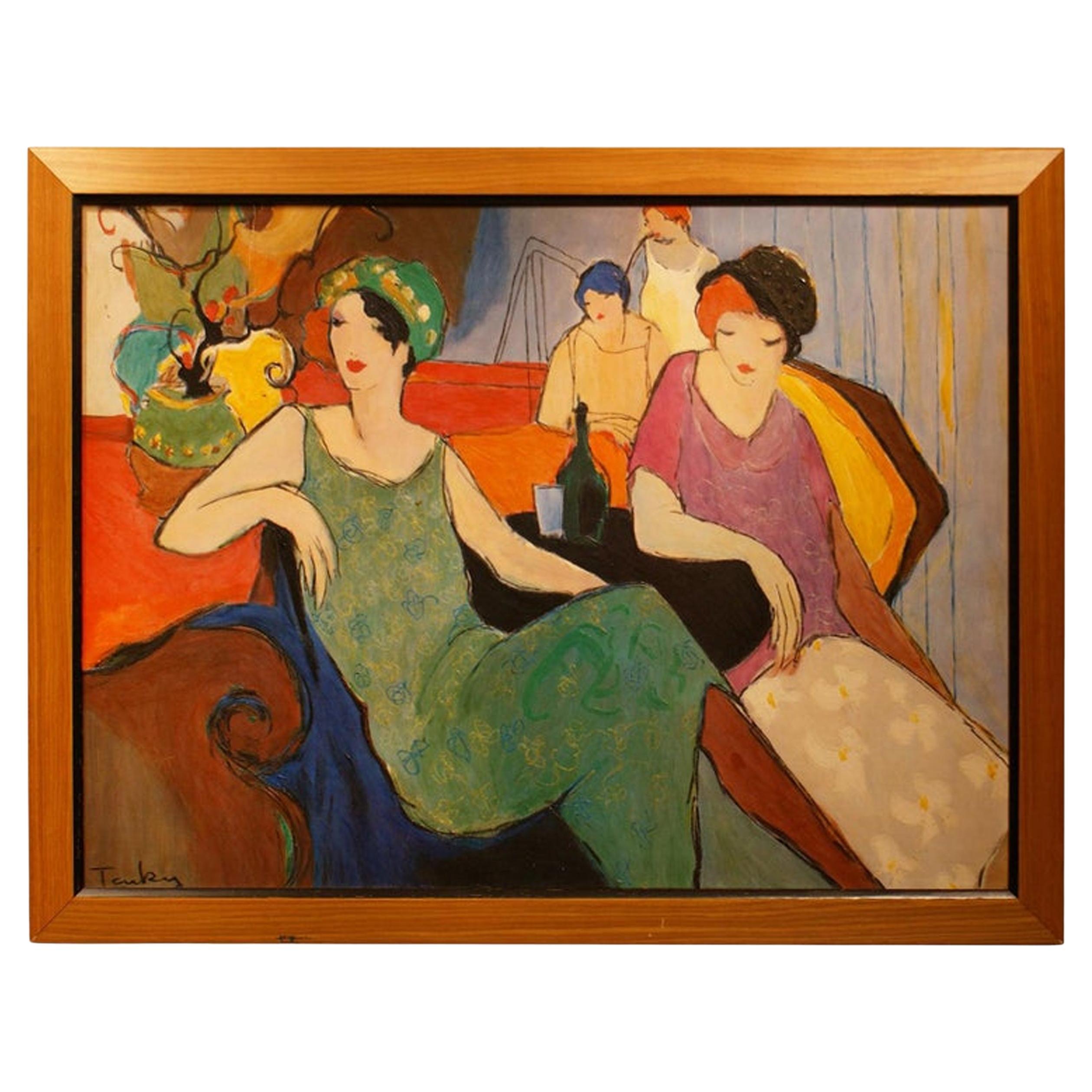
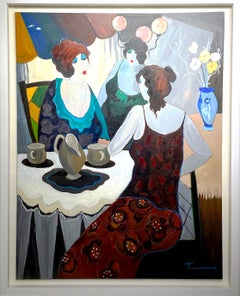
Picture Size: 40 x 32(99 x 80cm)
Outside Frame Size: 49 x 41" (121 x 102cm)
Free Shipping
1935 - 2012
Born on the Yugoslav-Hungarian border in the city of Subotica in 1935, Itzchak Tarkay was an artist with a remarkable history. In 1944, Tarkay was deported to the Nazi concentration camp Mauthausen-Gusen in Austria. Luckily, the Allied liberation of the camps in 1945 came in time for Tarkay to emerge alive, and in 1949 his family emigrated to Israel, spending time at the transit camp for new arrivals, Beer Yaakov..
In 1951, Tarkay’s formidable artistic skill earned him a scholarship to the Bezalel Art Academy in Jerusalem, but he was forced to leave the school after one year due to his family’s financial difficulties and his obligation to serve in the Israeli army. After his service, Tarkay moved to Tel Aviv and enrolled in the Avni Institute of Art, graduating in 1956. He was also mentored by other important Israeli artists of the time, including Mokady, Janko, Streichman and Stematsky.
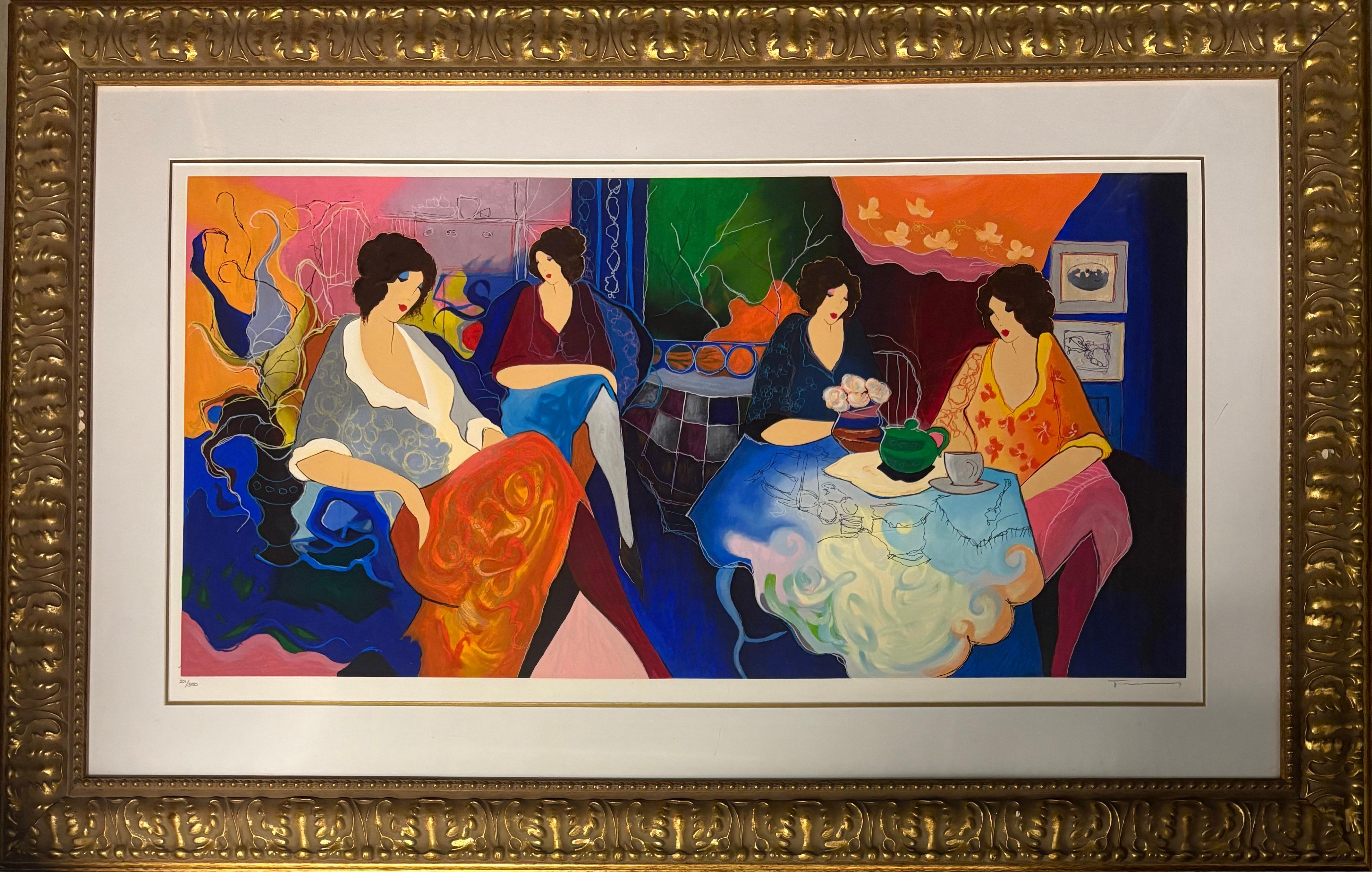
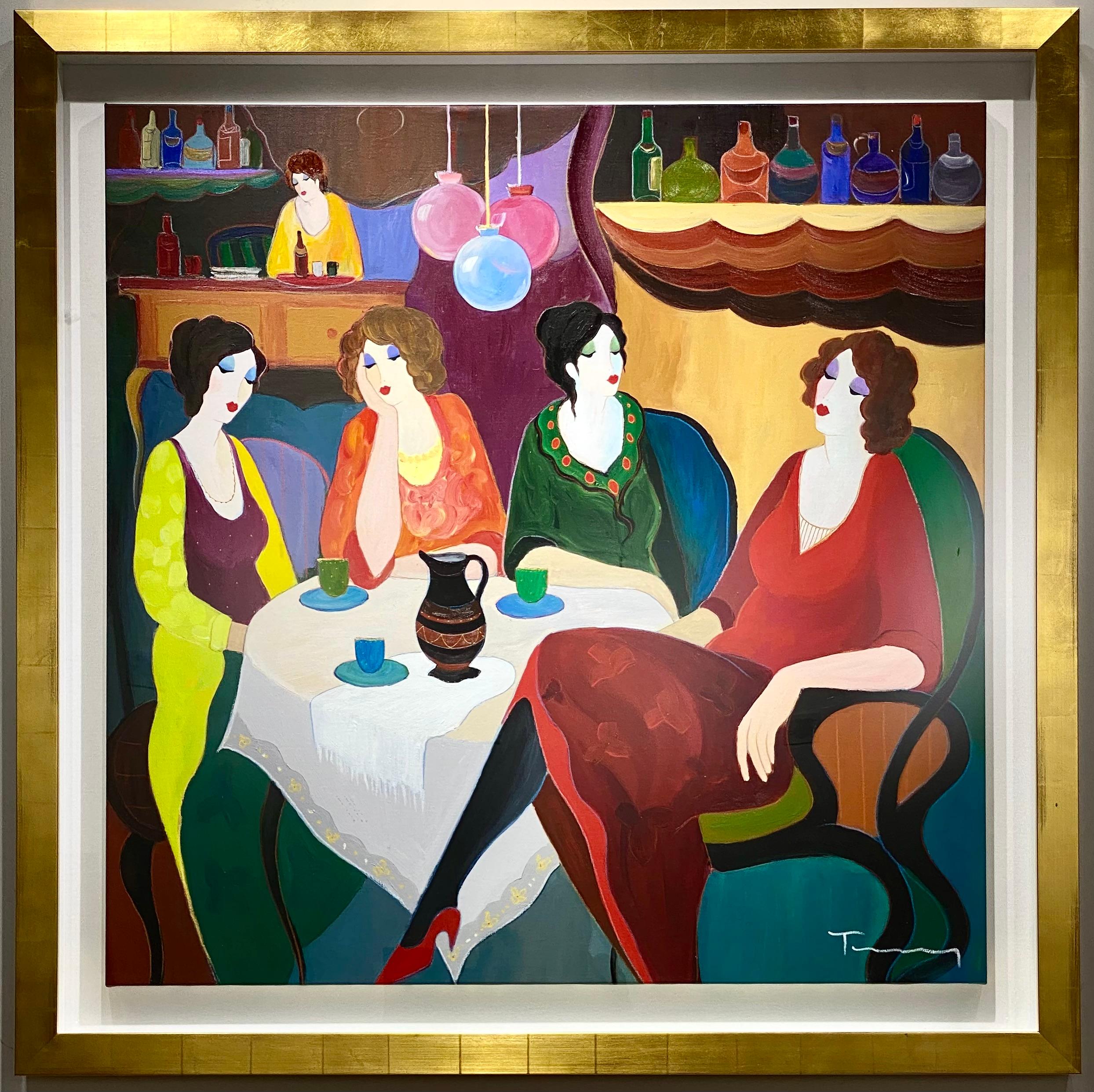
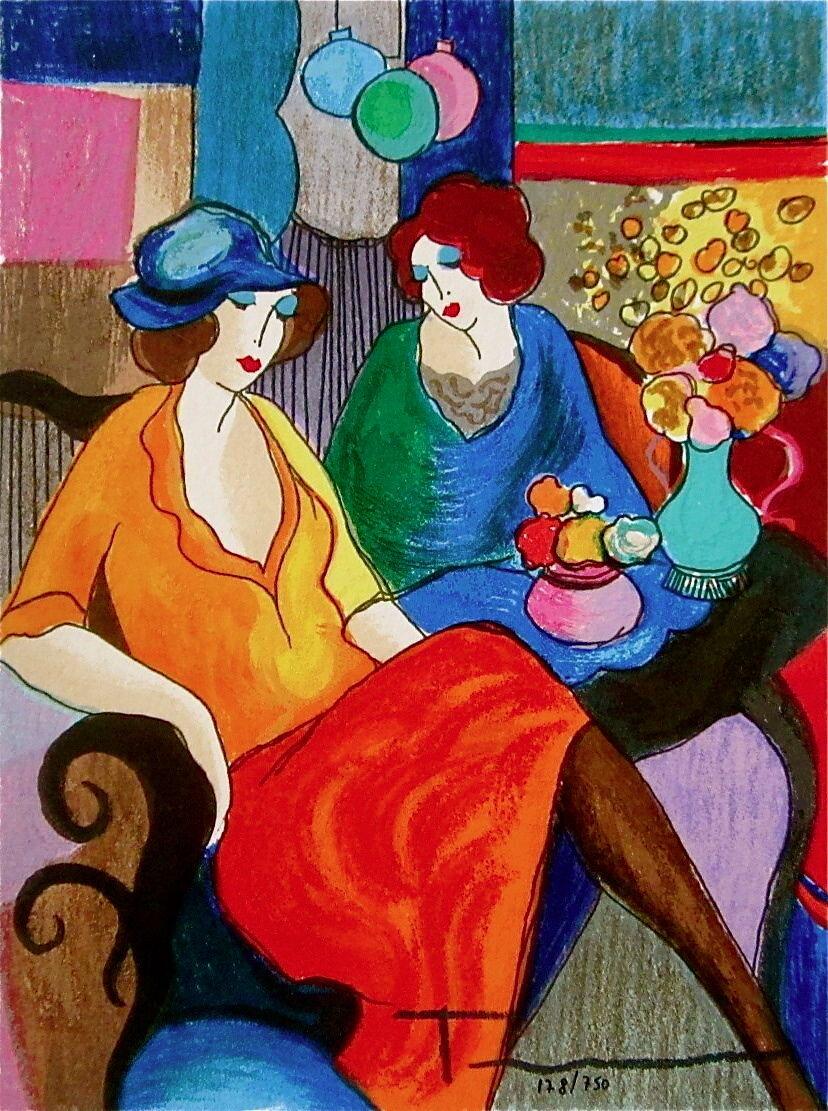
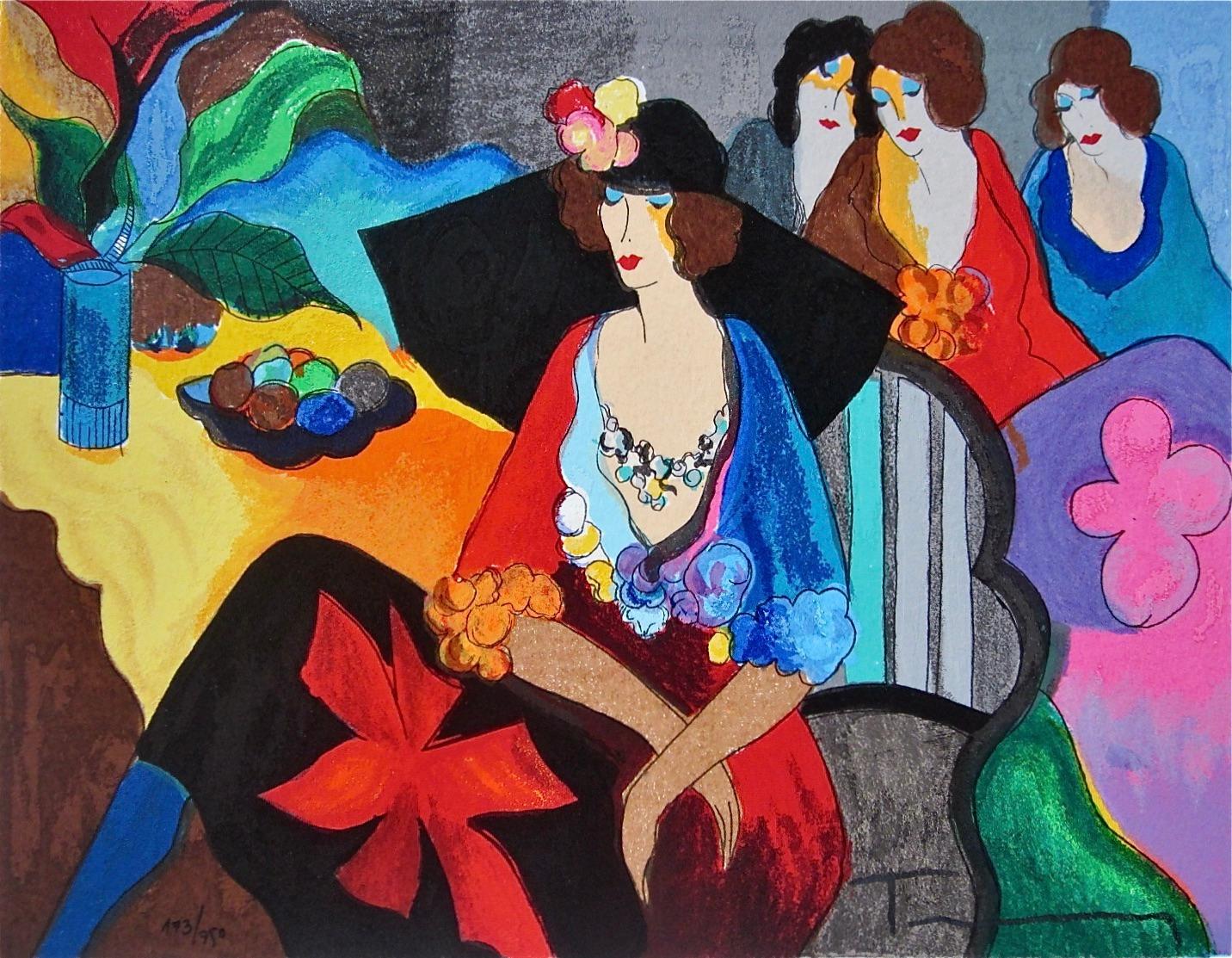
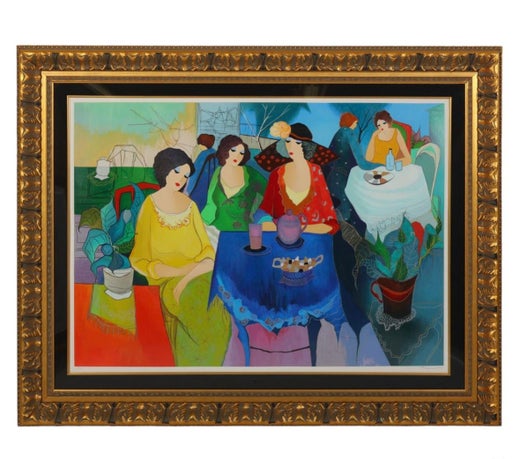
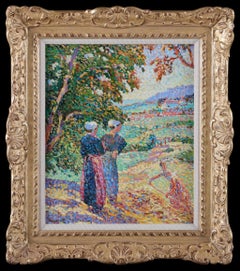
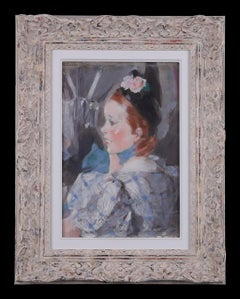
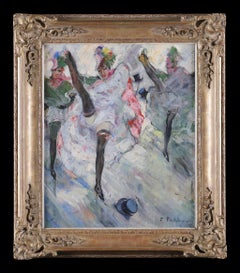
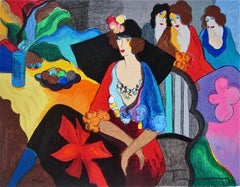
The great appeal of Tarkay’s work has been described as possessing “timeless, universal values – values that have staying power and do not simply ride the tide of fashion.” Today, Itzchak Tarkay is one of the most popular and loved artists in the world. Tarkay has achieved recognition as a leading representative of a new generation of figurative artists. The inspiration for his work clearly lies with French Impressionism, and Post-Impressionism, particularly the colour sophistication and hints of the styles of Matisse and the drawing style of Toulouse-Lautrec, while summing up the characteristics of his model subject without relying on the precise copying of natural forms, or the patient assembling of exact detail.
It is this art that will endure the test of time. The return to classic styles is what makes his artwork so memorable, so powerful, and so refreshing.
He painted for the sake of painting, not to make a political or social statement, and his art is without the modern trappings of mixed-media installations, videos, or site-specific sculpture.
After exhibiting both in Israel and abroad, he received recognition at the International Art Expo in New York in 1986 and 1987 for works in several forms of media, including oil, acrylic and watercolour. The return to classic styles is what makes his artwork so memorable, so powerful, and so refreshing. Tarkay held solo exhibitions across the United States and around the globe in London, Hong Kong, Paris, Madrid, Dusseldorf, and Tel Aviv, among many others.
Today, Tarkay is considered one of the most influential artists of the early 21st Century and has inspired dozens of artists throughout the world, with his contemplative depiction of the female figure. Three hardcover books have been written on Tarkay and his art, the most recent, Tarkay, Profile of an Artist was published in 1997.
An end of an artistic era, Tarkay passed away on June 3, 2012 at the age of 77 in Detroit.