Idelle Weber
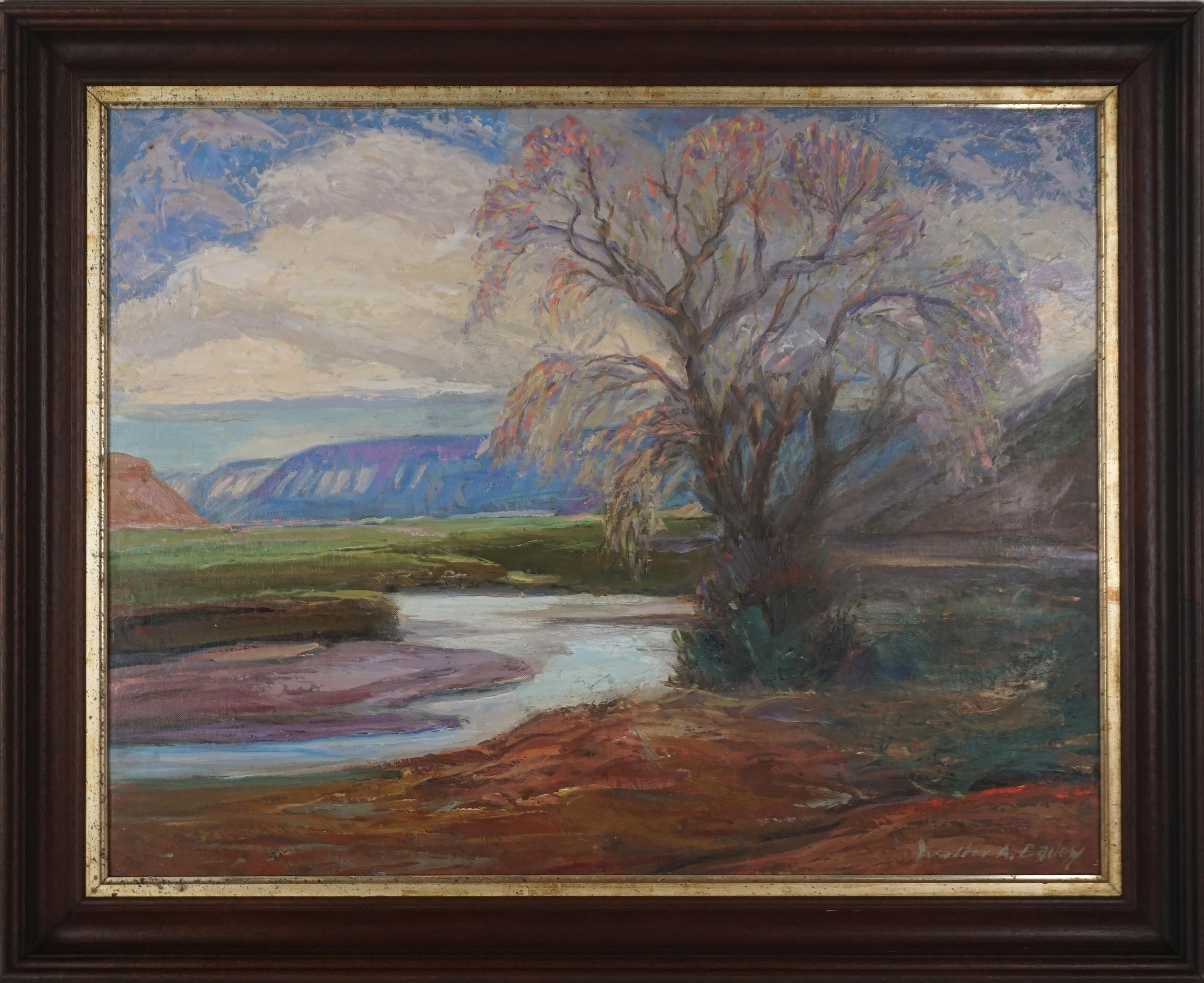
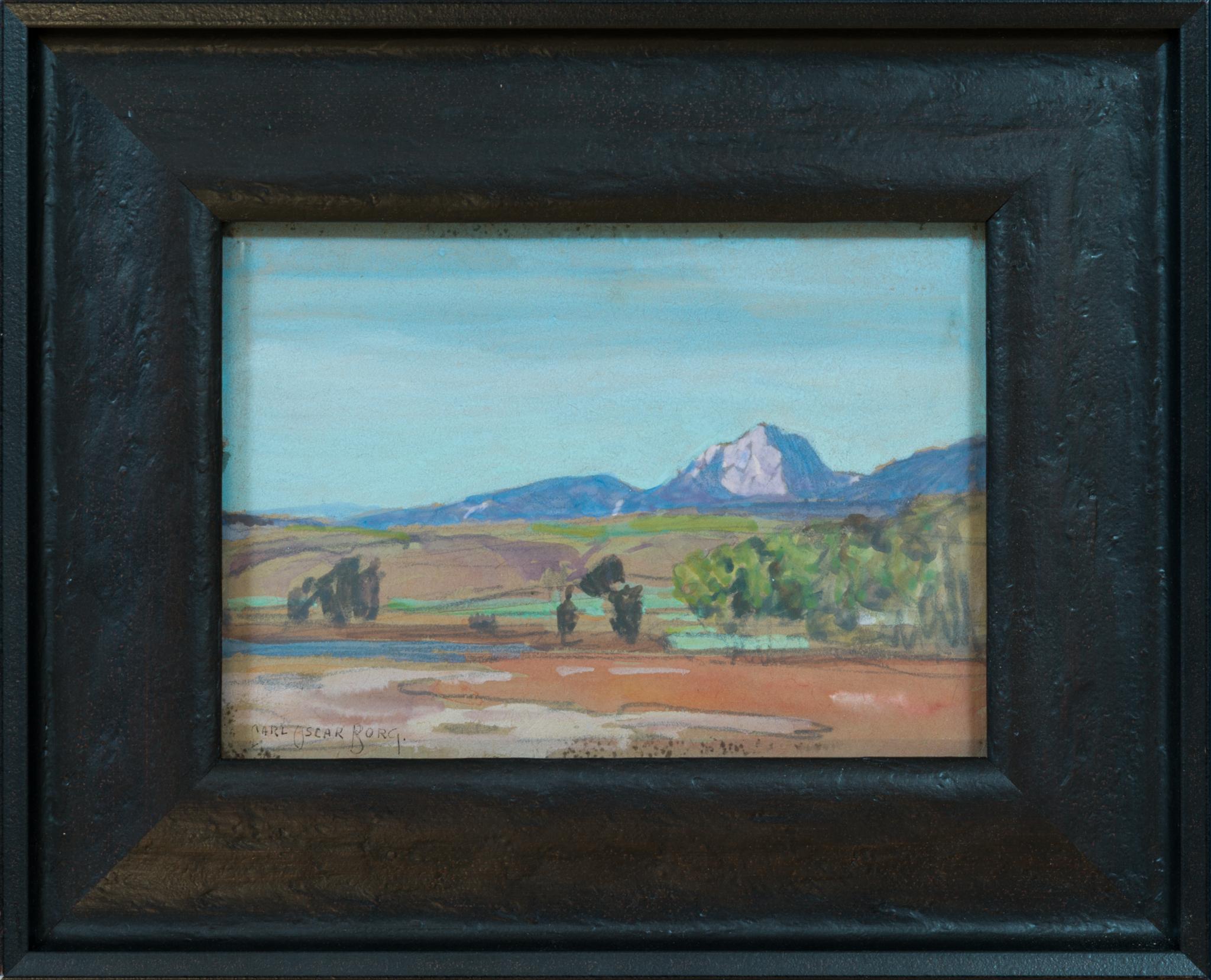
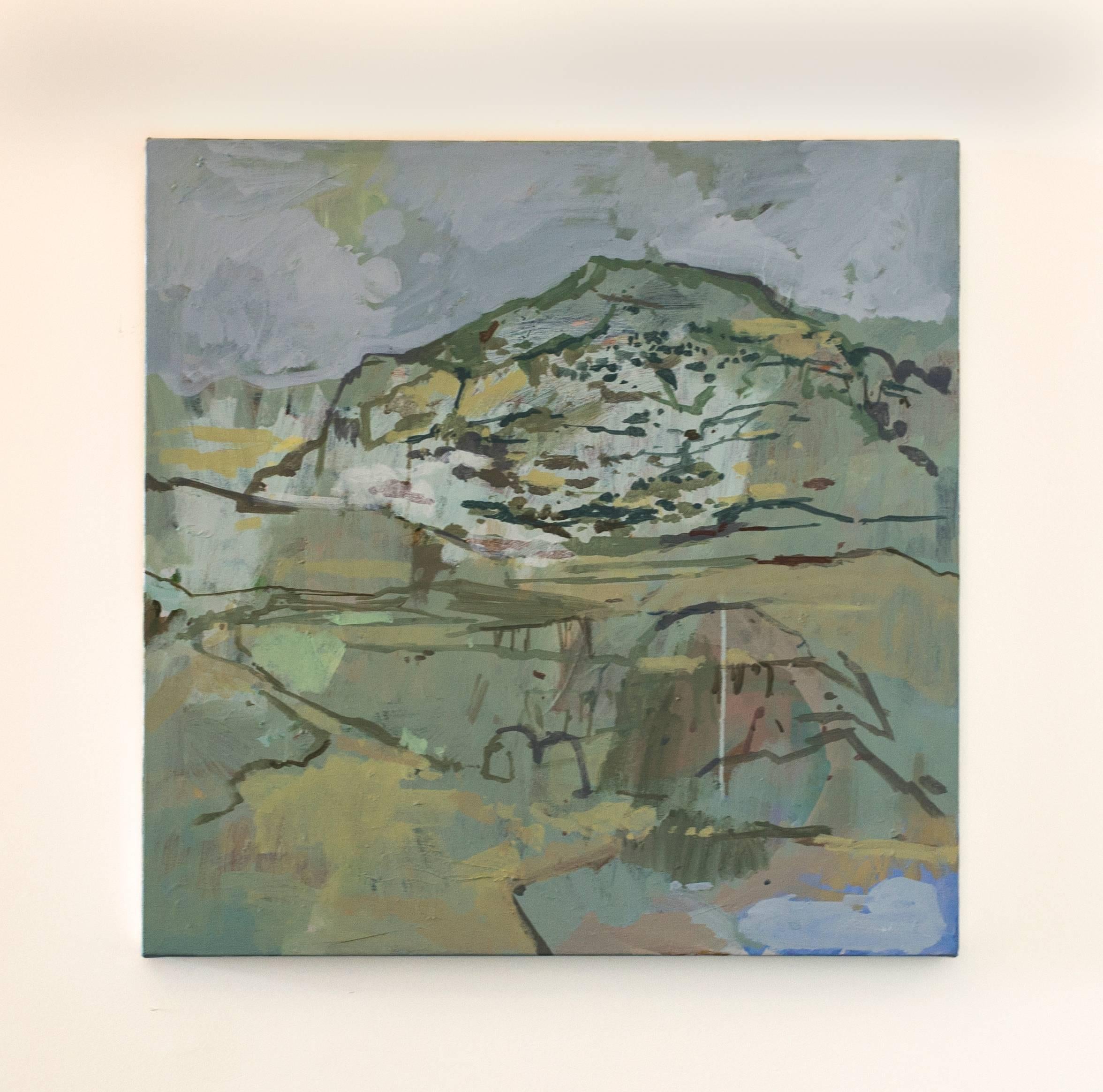
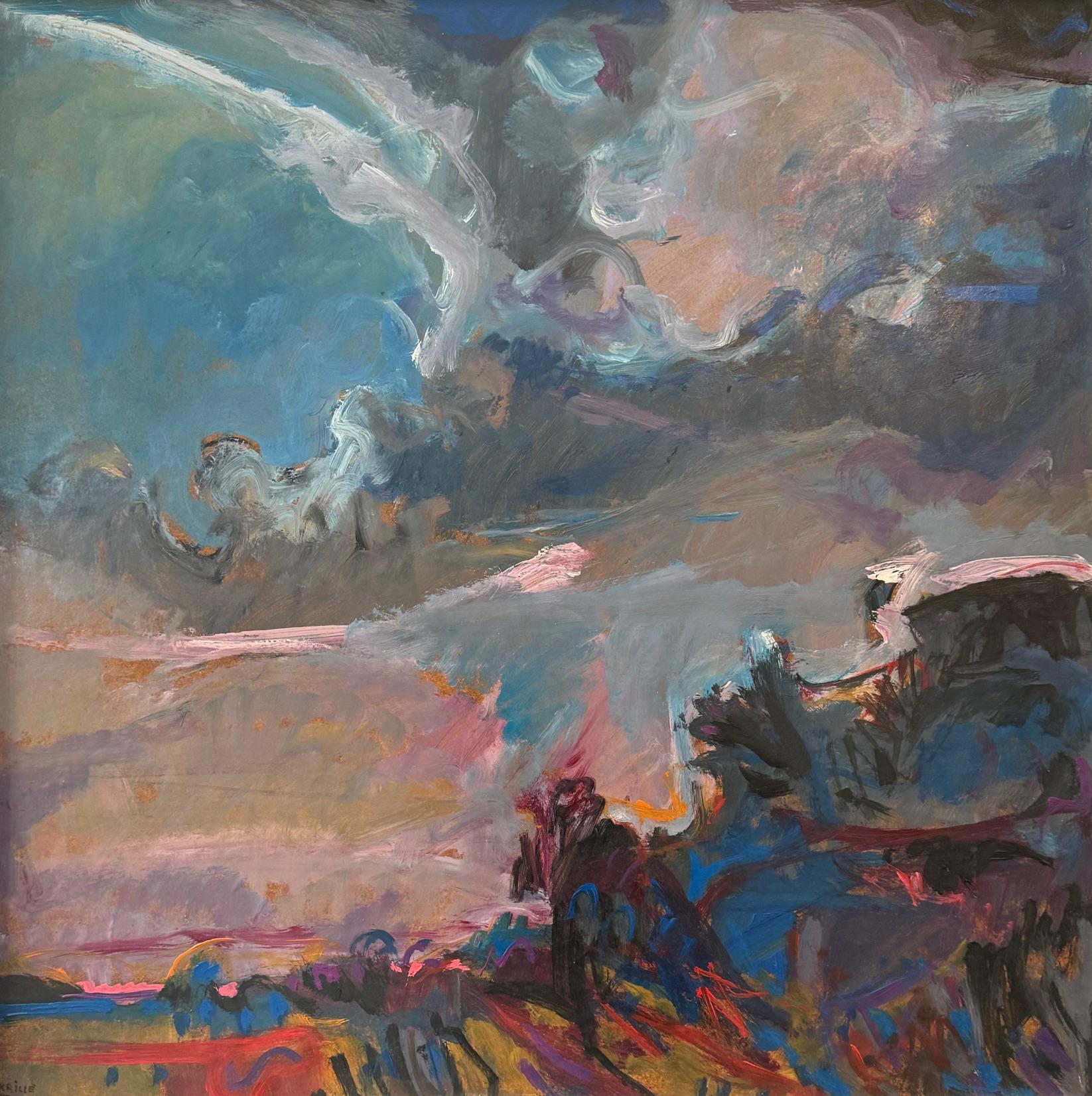
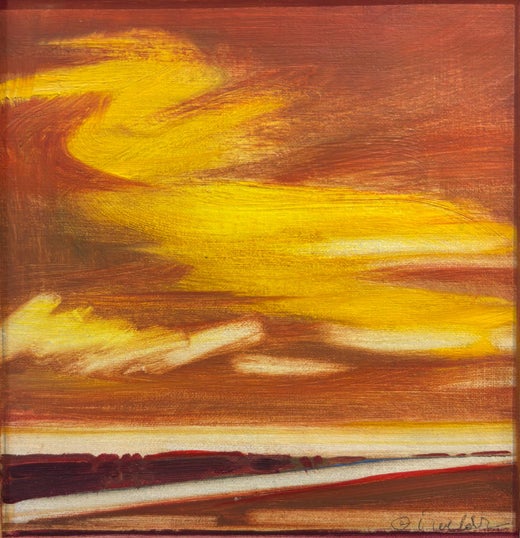
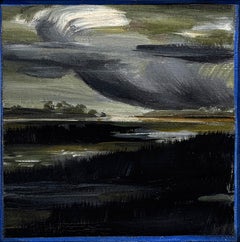
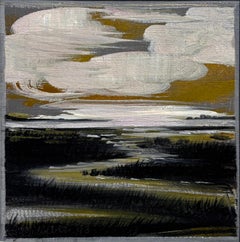
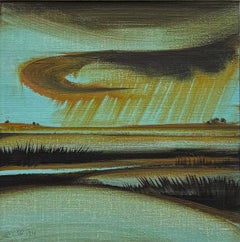
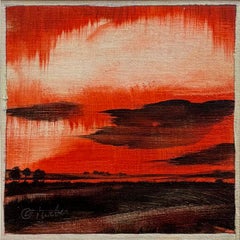
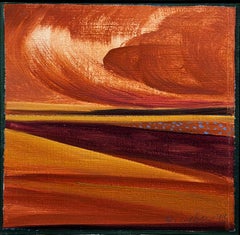
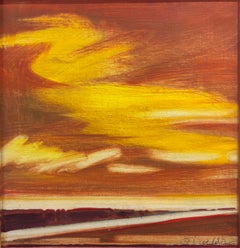
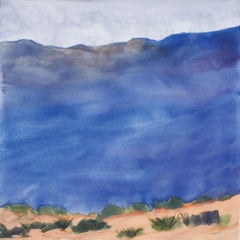
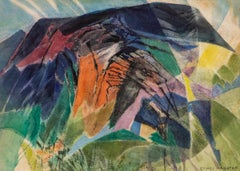
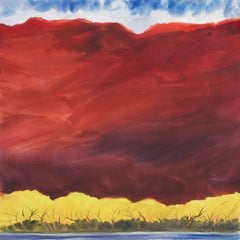
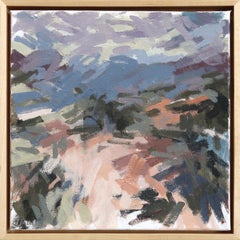
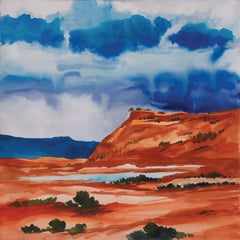
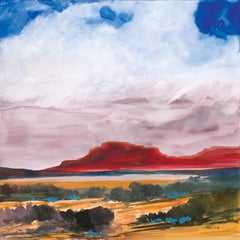
Idelle Weber (1932–2020) was an American painter whose work spans Pop art, Photorealism, and a distinctive late period devoted to landscape. Based in New York for much of her career, Weber emerged in the early 1960s with Pop-inflected paintings that employed the visual language of silhouette and graphic reduction. By the late 1960s and 1970s, she shifted toward Photorealism, producing tightly composed paintings derived from photographic sources and focused on urban details, still-life motifs, and the material residue of city life, often in the absence of human figures. In the 1990s, Weber developed a sustained body of landscape paintings that marked a significant evolution in her practice. These works turn away from the city toward rural and coastal settings, translating observed landscapes into carefully structured compositions that retain her long-standing commitment to clarity, precision, and formal control. While grounded in direct observation, the paintings are not atmospheric or expressive in a traditional sense; instead, they reflect Weber’s continued interest in surface, spatial organization, and the act of looking itself. The landscapes are often spare and quietly rigorous, emphasizing horizon lines, terrain, and natural forms without narrative or sentimentality. Throughout her career, Weber maintained a consistent analytical approach to painting, regardless of subject. Her work is held in major public collections, including the Whitney Museum of American Art, the Smithsonian American Art Museum, The Metropolitan Museum of Art, the Brooklyn Museum, the Art Institute of Chicago, the Harvard Art Museums, and the Yale University Art Gallery. These collections attest to her lasting significance within postwar American art and to the continued reevaluation of her later work, including the landscapes of the 1990s.