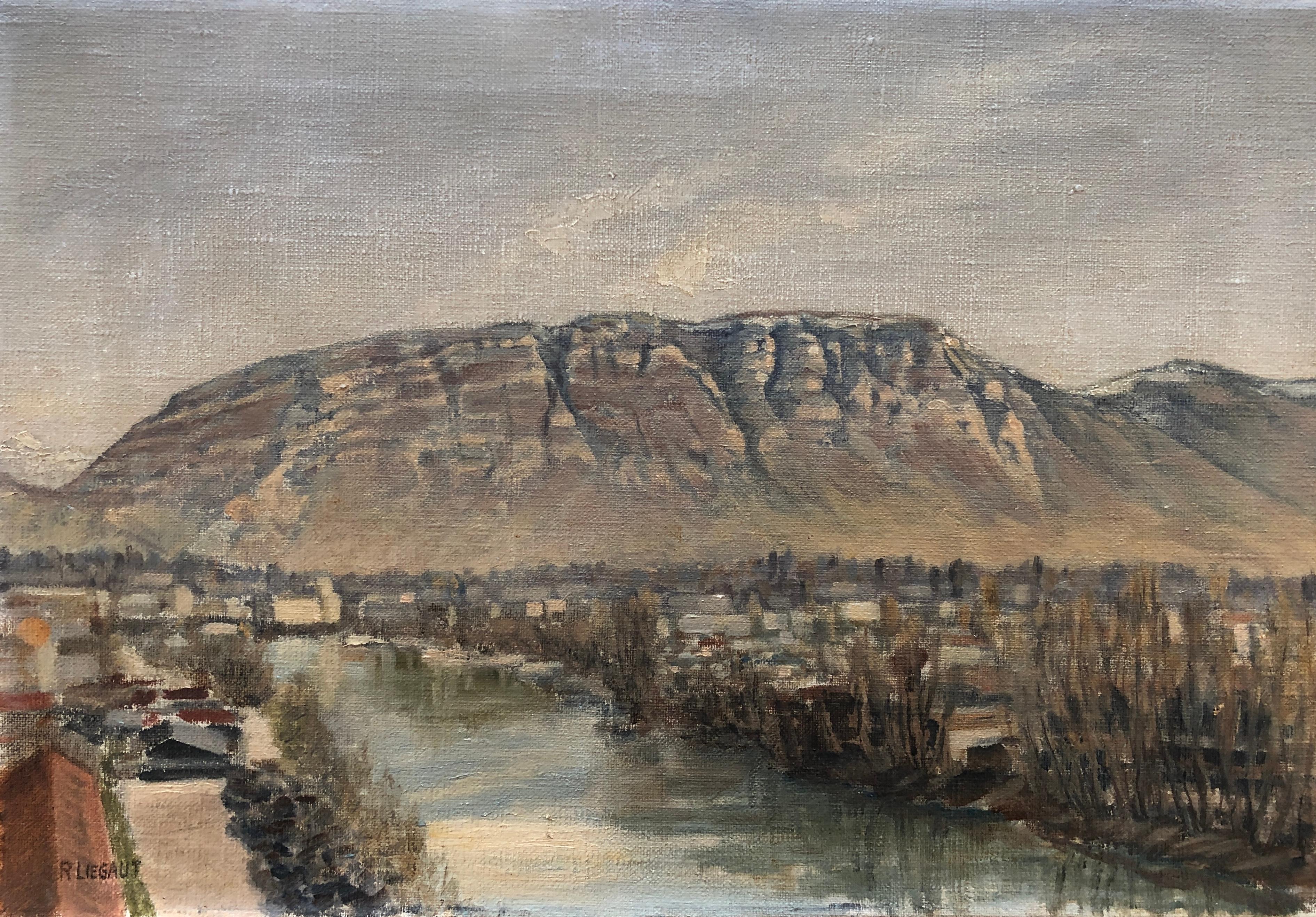
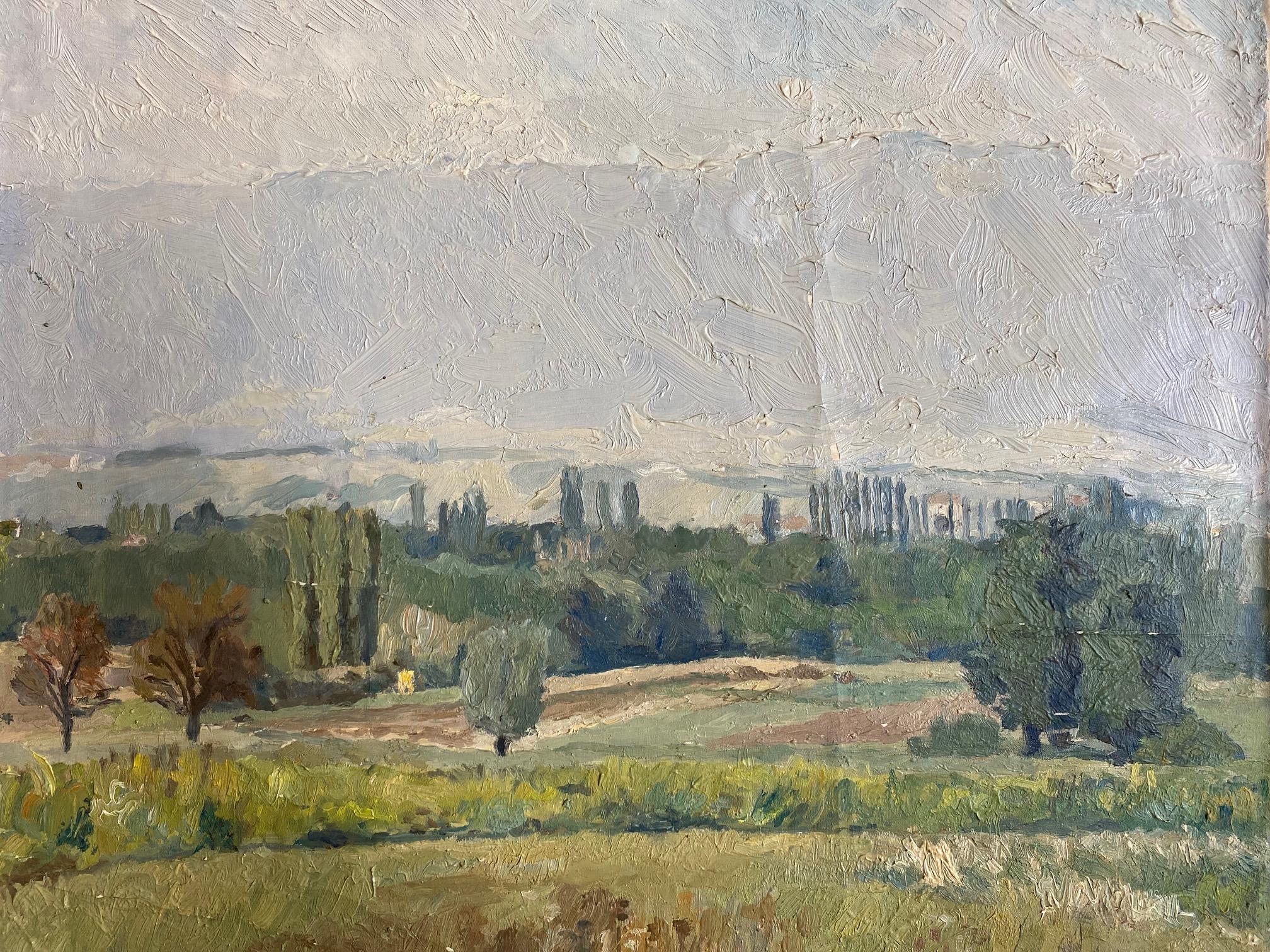
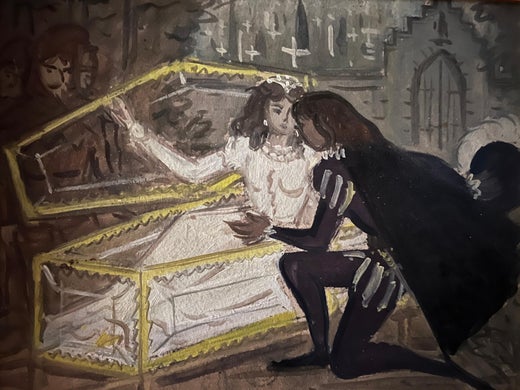
On the banks of the Rhône, near Geneva
By Alexis Louis Roche
Located in Genève, GE
Work on canvas
Category
1930s Modern Landscape Paintings
Materials
Oil
1950
On the banks of the Rhône, near Geneva
By Alexis Louis Roche
Located in Genève, GE
Work on canvas
Oil
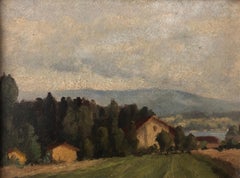
Near the Tuileries with a view of the lake and the Salève
By Marius Chambaz
Located in Genève, GE
Work on cardboard Grey wooden frame 29 x 35 x 3 cm
Oil
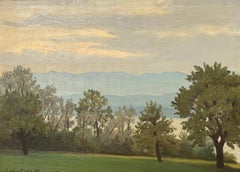
The heights of Cologny, Geneva
By Jean Viollier
Located in Genève, GE
Work on canvas mounted on cardboard Brown wooden frame 41.5 x 54.5 x 4 cm
Oil
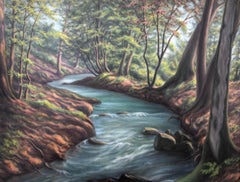
The Drize at Troinex, Geneva
By Jules Robert Chatelain
Located in Genève, GE
Work on canvas Gray wooden frame 57 x 69.5 x 6 cm
Oil
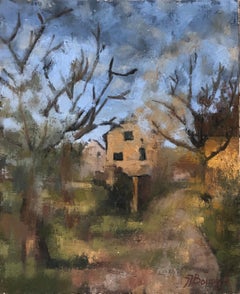
Way of the Golette, Meyrin Geneva
By Jean Jacques Boimond
Located in Genève, GE
Work on canvas
Oil
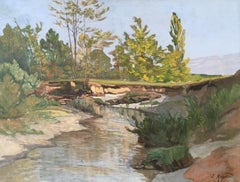
Landscape on the banks of a river and view of the Salève
Located in Genève, GE
Work on canvas
Oil
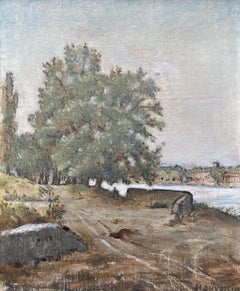
"Geneva Countryside" by Henri Duvoisin - Oil on canvas
Located in Geneva, CH
Oil on canvas with frame Total size with frame 56x48x5 cm
Oil
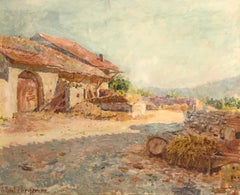
"Corsinge, Geneva" by Albert Charpentier - Oil on canvas
Located in Geneva, CH
Artwork sold with frame (73 x 63 cm) Albert Charpentier was born on December 18, 1878 in Paris. A pupil of Jean-Léon Gérôme, Fernand Cormon and Marcel Baschet, he is a genre and po...
Oil
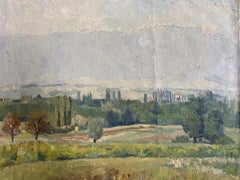
Geneva countryside
By Isaac Charles Goetz
Located in Geneva, CH
Oil work on canvas without frame
Oil
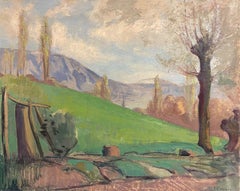
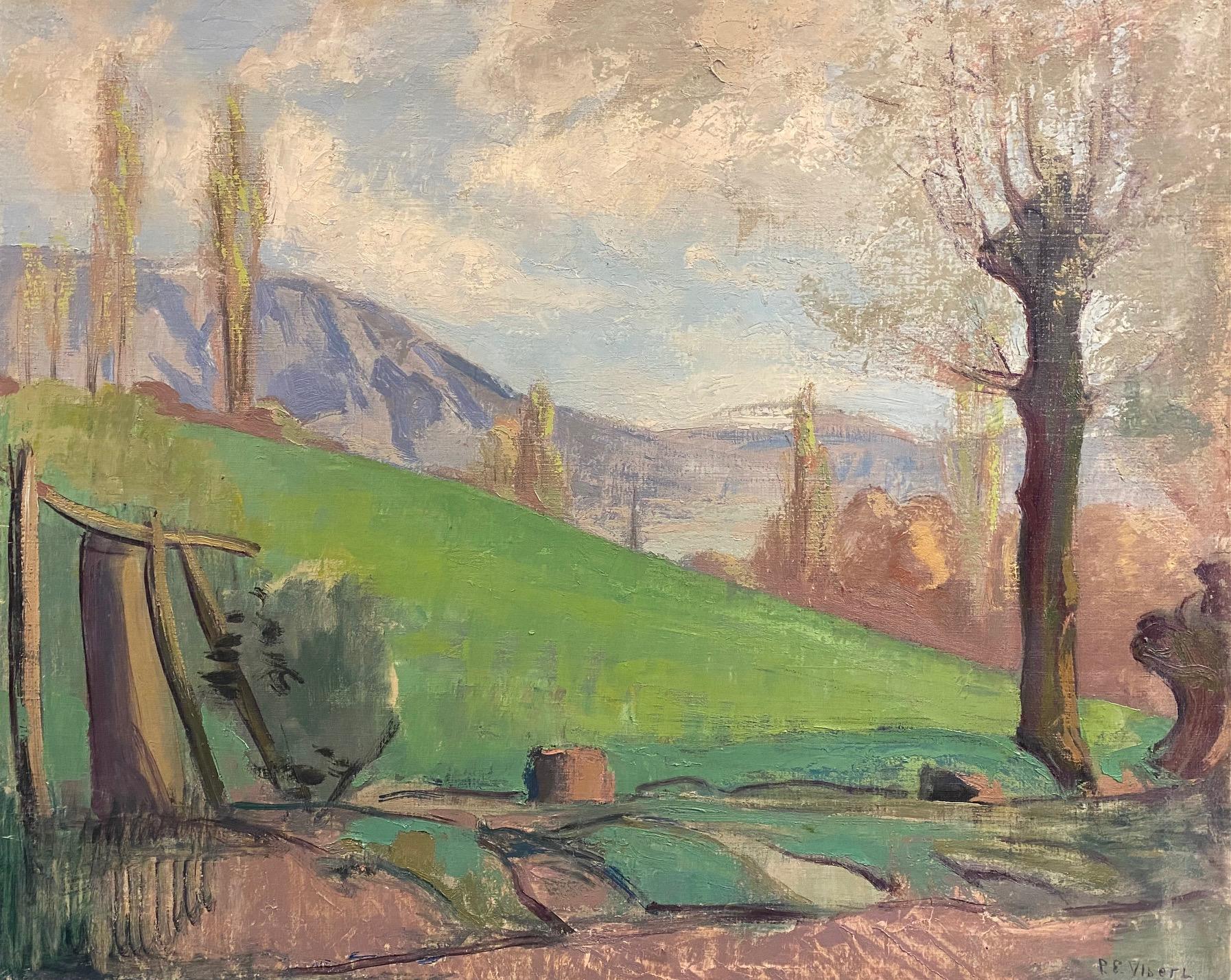
Landscape by Pierre Eugène Vibert - Oil on canvas 60x73 cm
By Pierre Eugène Vibert
Located in Geneva, CH
Work on canvas without frame Painter, illustrator born in 1875 in Geneva - Died in 1937
Oil
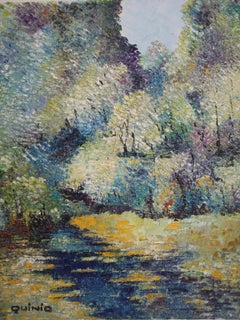
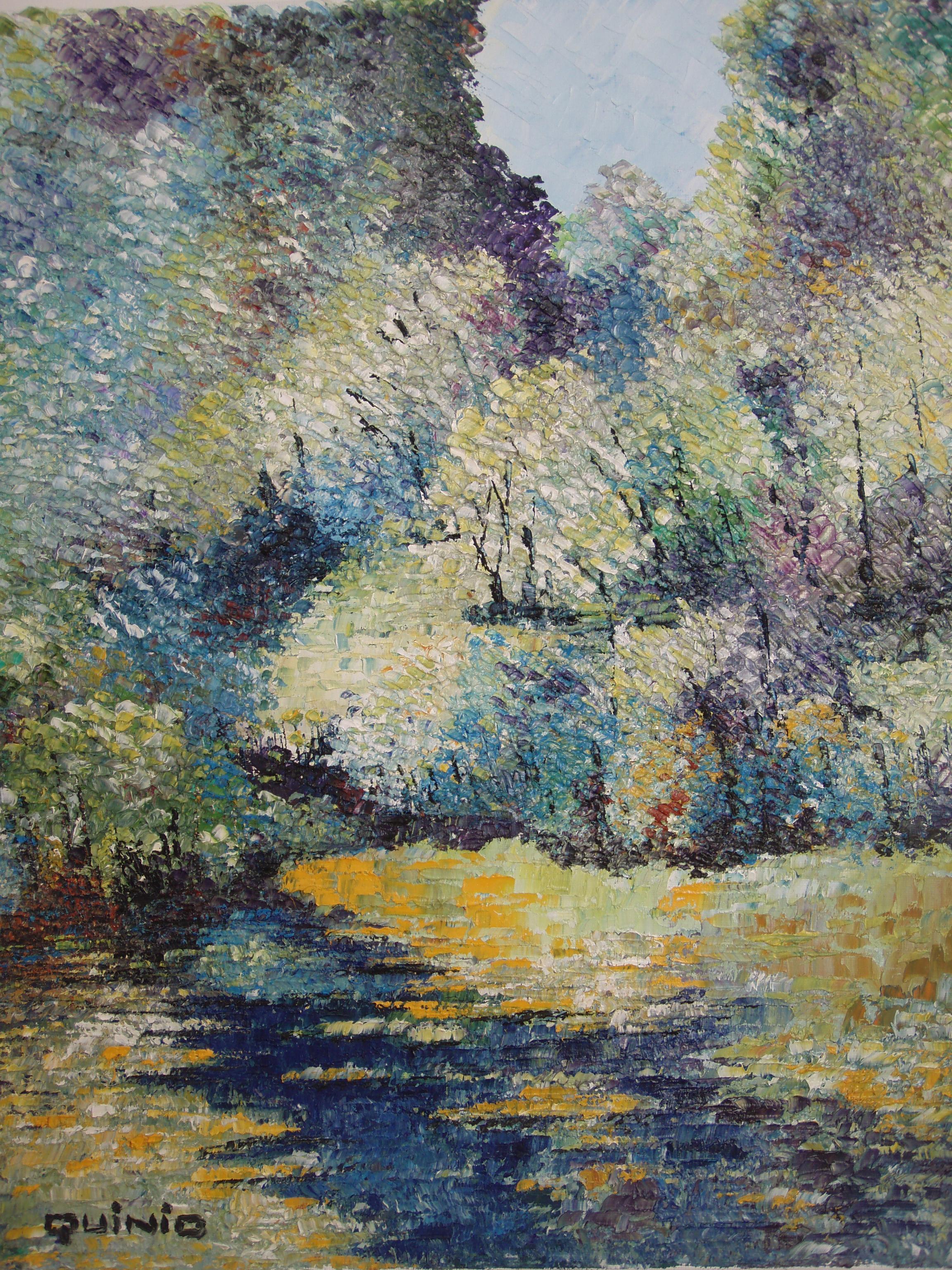
French Modern Art by Georges R. Quinio - En Forêt de Fontainebleau
By Georges R. Quinio
Located in Paris, IDF
Georges R. Quinio (1927 - 1999) After studying at Ecole Nationale des Beaux-Arts in Paris, Georges R. Quinio lived in his native Island of Corsica & devoted his time to the painting...
Canvas, Oil
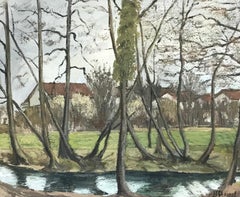
Vesegnin and the Lion, Ain
By Jean F. Chomel
Located in Geneva, CH
Swiss painter Sculptor, painter and ceramist. Landscape. Wall painting and drawing Work on canvas without frame
Oil