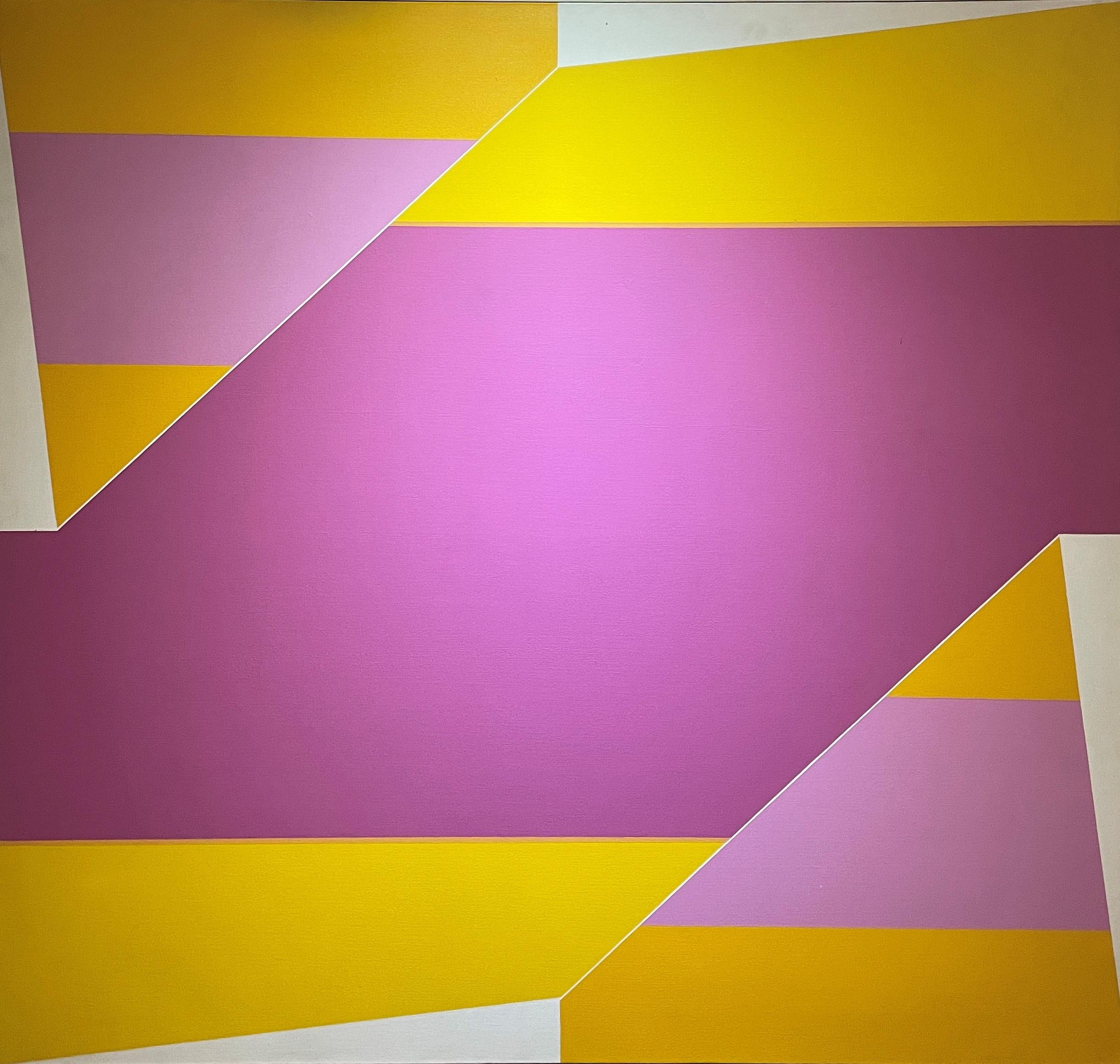
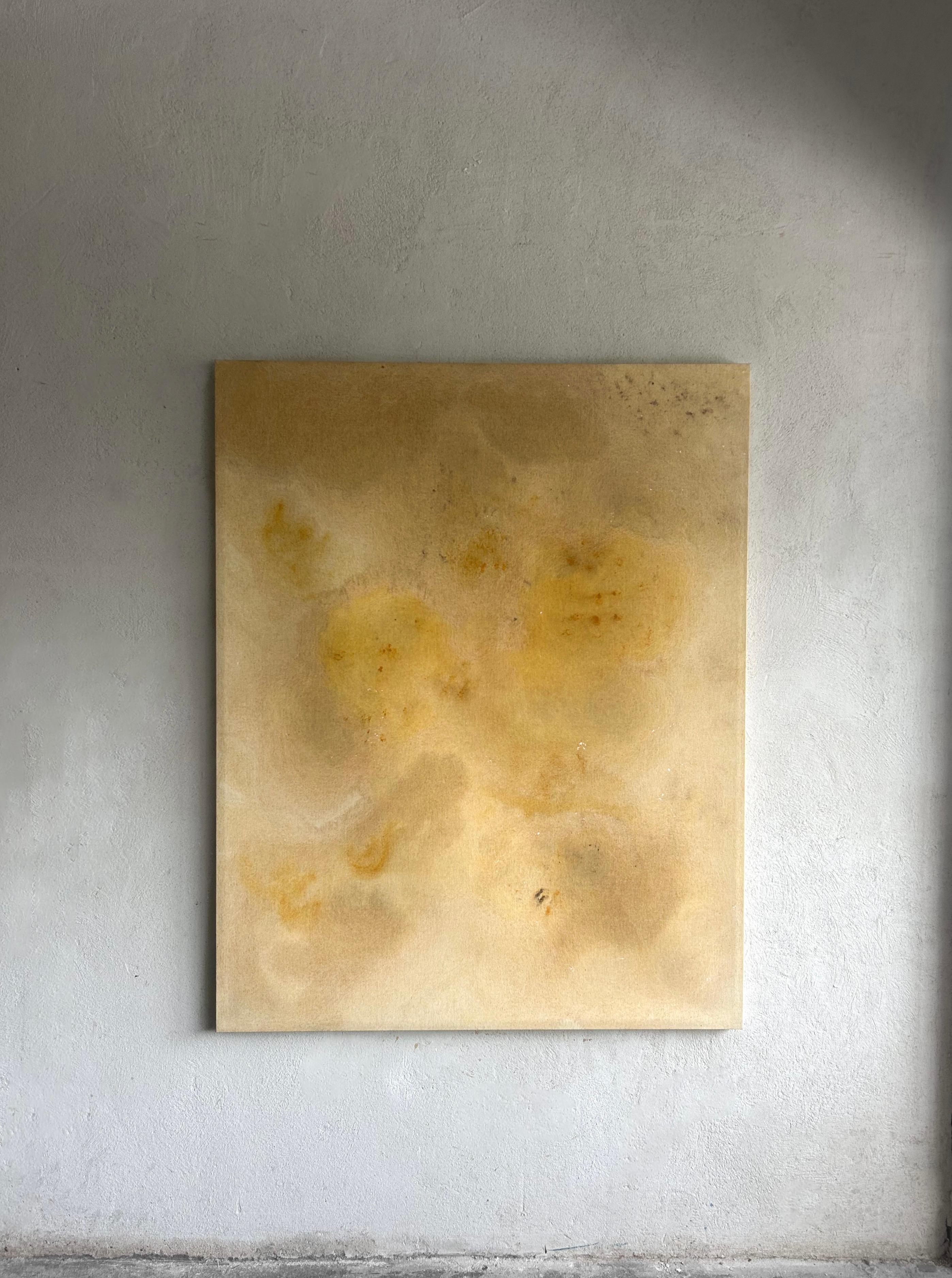
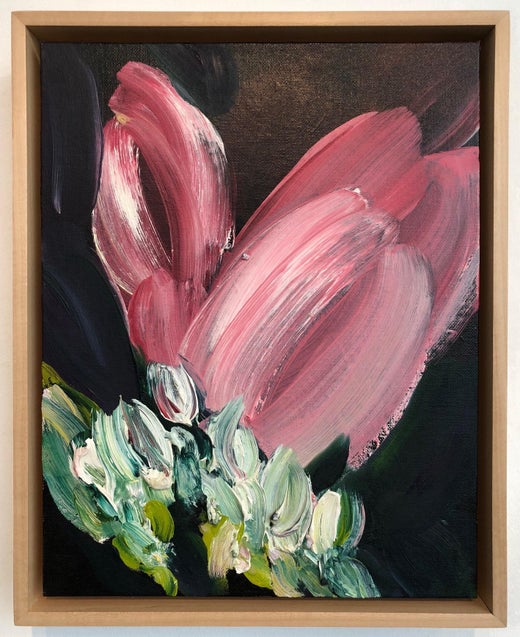
New World X
By Susan Lizotte
Located in Santa Monica, CA
Original oil on wood panel
Category
21st Century and Contemporary Abstract Abstract Paintings
Materials
Oil
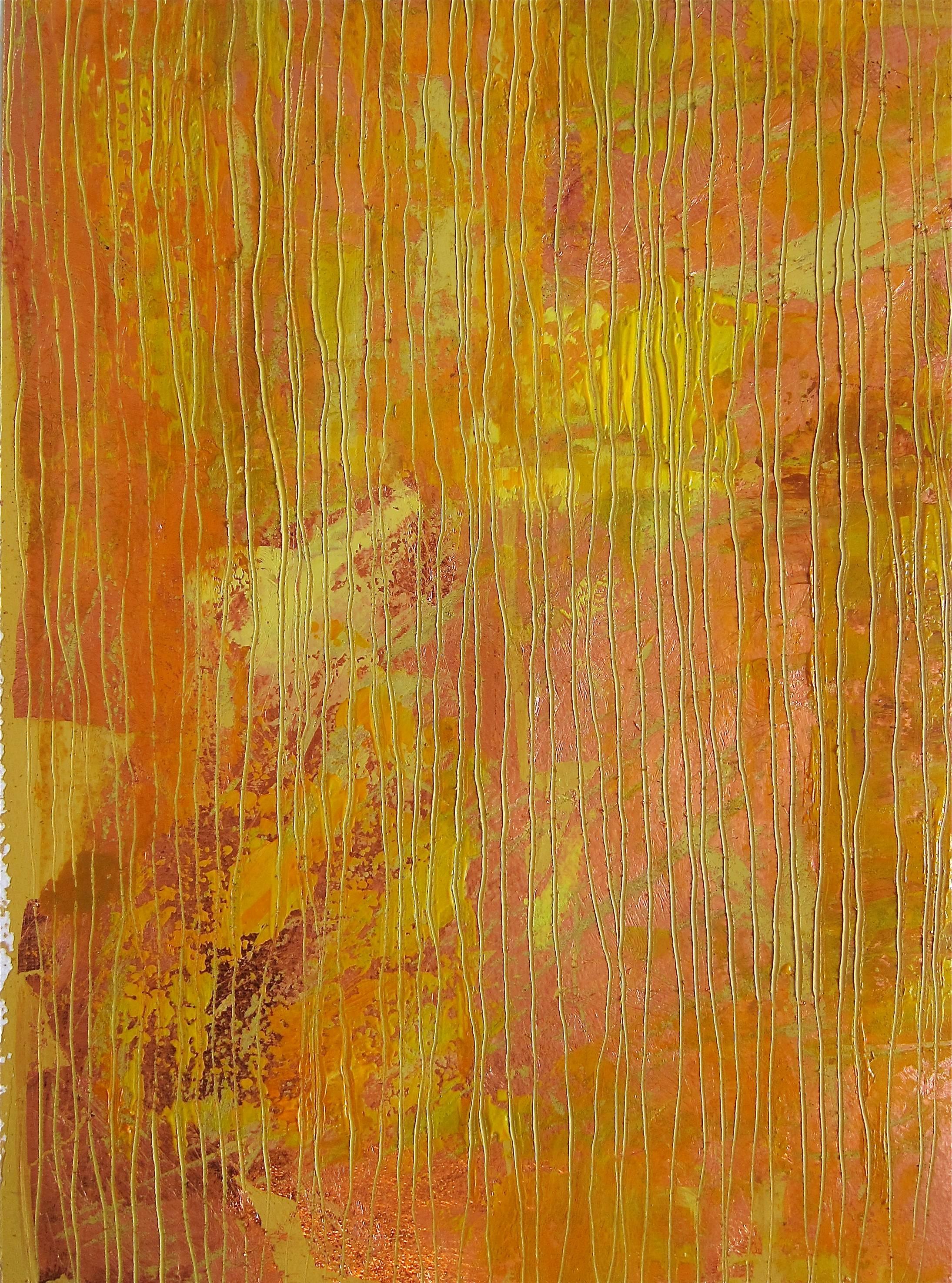
New World X
By Susan Lizotte
Located in Santa Monica, CA
Original oil on wood panel
Oil
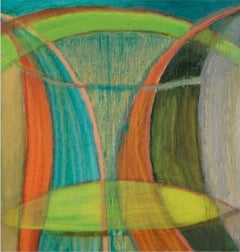
Homage to Color: Olive
By Susan Moss
Located in Santa Monica, CA
Oil on birch panel.
Oil, Panel
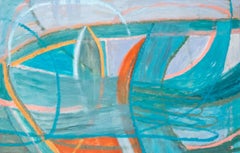
Colorsphere 10
By Susan Moss
Located in Santa Monica, CA
Oil and oil crayon on canvas.
Canvas, Oil Crayon, Oil
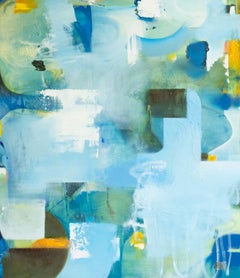
Coming Together
By Anne Schwartz
Located in Santa Monica, CA
Anne Schwartz original Abstract Oil on canvas
Oil
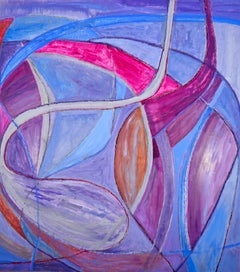
Colorsphere 6
By Susan Moss
Located in Santa Monica, CA
Oil and oil crayon on canvas.
Canvas, Oil Crayon, Oil
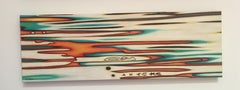
Carthage VIII
By Danielle Eubank
Located in Santa Monica, CA
Oil on linen.
Linen, Oil
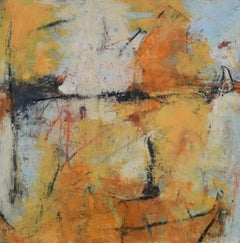
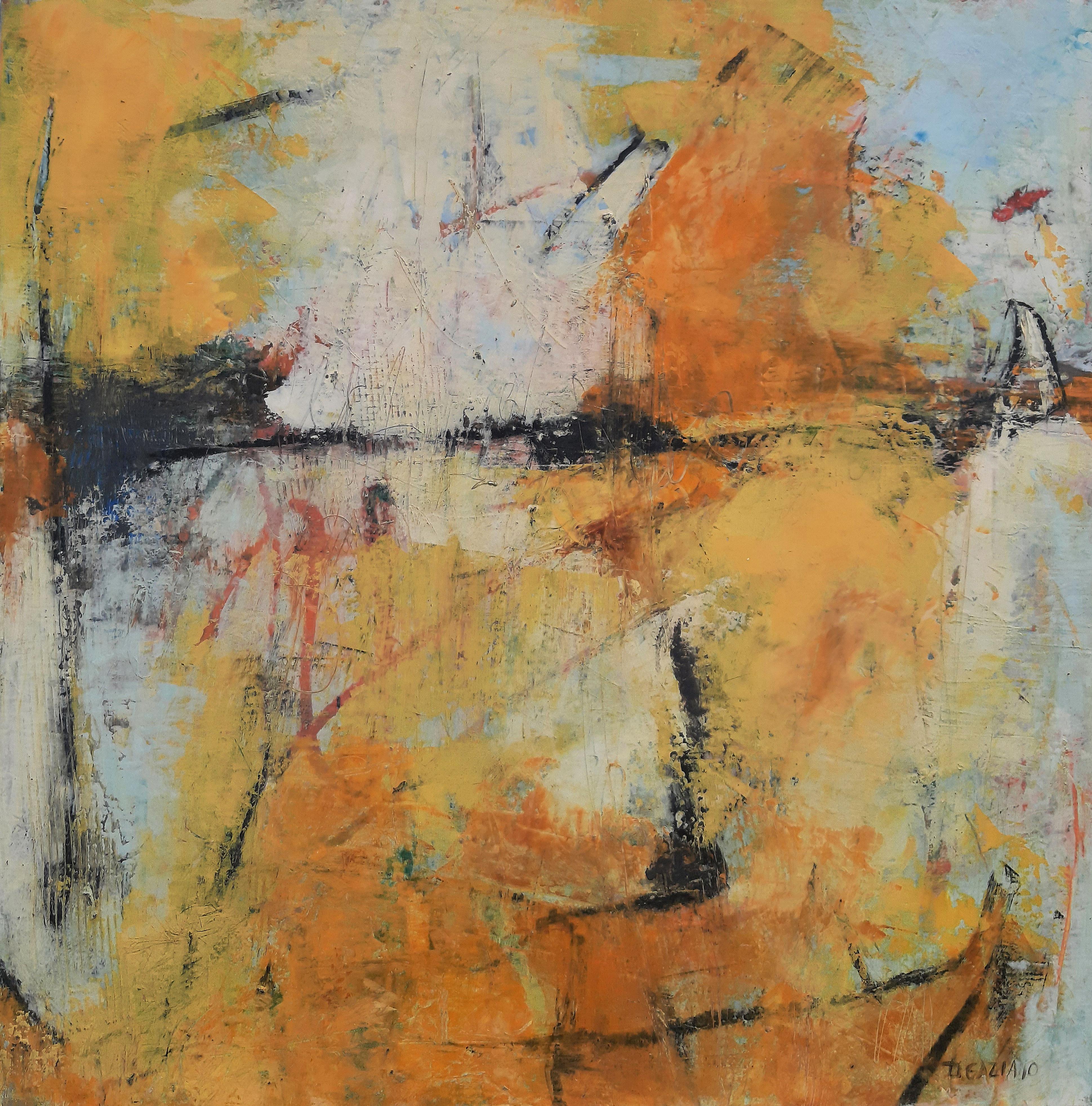
Yellow, Abstract Oil Painting
By Dorothy Gaziano
Located in San Francisco, CA
Artist Comments
Multiple layers of color characterize this abstract piece. Shades of orange, yellow, and cream are applied dynamically, creating a vibrant composition. Bold b...
Oil
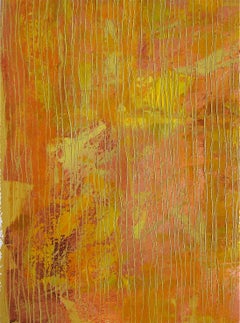
Composition in Yellow
By Frédéric Choisel
Located in Burlingame, CA
Composition in Yellow By a French American Frédéric Choisel. He inspired by the cities of France, New York and the Bay Area and creates elegant abstractions that tell a story of urba...
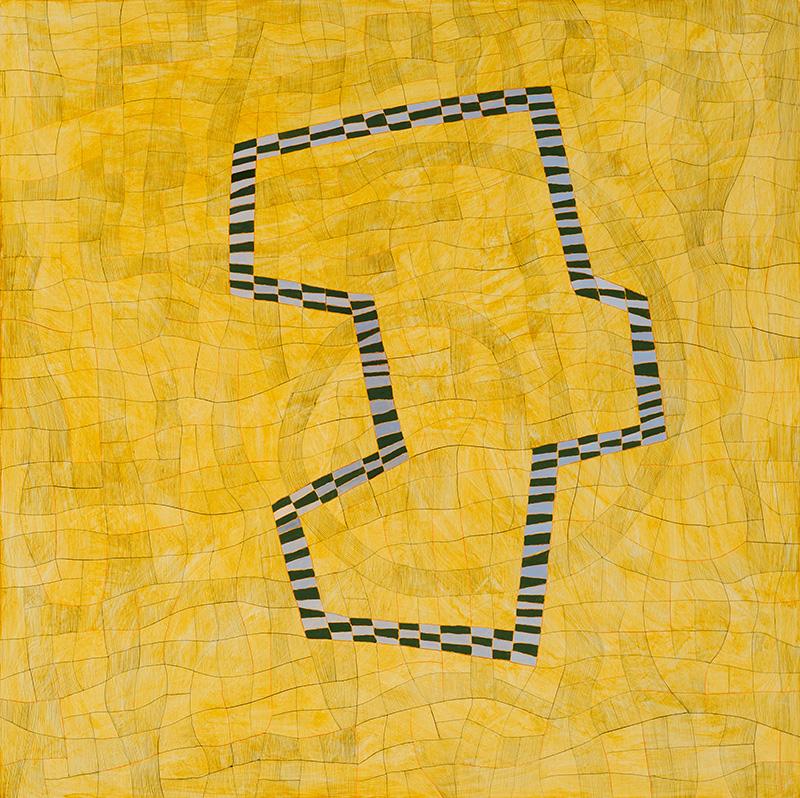
Gold Leaf
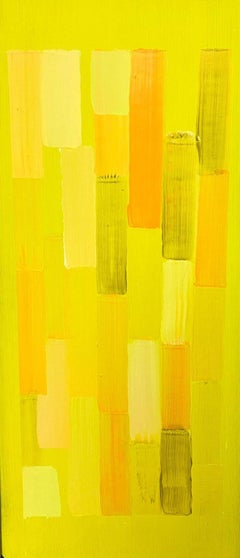
Abstract Geometric Cubist British Painting Abstract Shapes Yellow Shapes
Located in Cirencester, Gloucestershire
Contemporary British, 21st century oil on board, framed size: 21 x 10 inches board: 19.5 x 9.5 inches provenance: private collection, Surrey, England condition: The painting is in ...
Oil
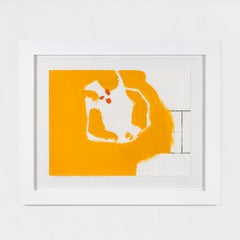
Yellow Composition
By Ray Mead
Located in Toronto, Ontario
A founding member of Painters Eleven, Ray Mead (1921-1988) occupies a distinct place within the arc of postwar Canadian abstraction. Mead immigrated to Canada and settled in Hamilto...
Paper, Acrylic
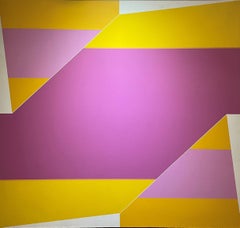
"Jean Jean" Larry Zox, Color Field, Geometric Abstraction, Hard-Edge, Yellow
By Larry Zox
Located in New York, NY
Larry Zox Jean Jean, 1964 Signed, dated, and titled on the stretcher Liquitex on canvas 58 x 62 inches Provenance: Solomon & Co., New York Private Collection, NJ Estate of the above, 2023 Committed to abstraction throughout his career, Larry Zox played a central role in the Color Field discourse of the 1960s and 1970s. His work of the time, consisting of brilliantly colored geometric shapes in dynamic juxtapositions, demonstrated that hard-edge painting was neither cold nor formalistic. He reused certain motifs, but he did so less to explore their aspects than to “get at the specific character and quality of each painting in and for itself,” as James Monte stated in his essay for Zox’s solo exhibition at the Whitney Museum of American Art in 1973. By the 1970s, Zox was using a freer, more emotive method, while maintaining the autonomy of color, which increasingly became more important to him than structure in his late years. Zox began to receive attention in the 1960s, when he was included in several groundbreaking exhibitions of Color Field and Minimalist art, including Shape and Structure (1965), organized by Henry Geldzahler for the Gallery of Modern Art, New York, and Systemic Painting (1966), organized by Lawrence Alloway for the Guggenheim Museum. In 1973, the Whitney’s solo exhibition of Zox’s work gave recognition to his significance in the art scene of the preceding decade. In the following year, Zox was represented in the inaugural exhibition of the Hirshhorn Museum, which owns fourteen of his works. Zox was born in Des Moines, Iowa. He attended the University of Oklahoma and Drake University. While studying at the Des Moines Art Center, he was mentored by George Grosz, who despite his own figurative approach encouraged Zox’s forays into abstraction. In 1958, Zox moved to New York, joining the downtown art scene. His studio on 20th Street became a gathering place for artists, jazz musicians, bikers, and boxers. He occasionally sparred with the visiting fighters. He later established a studio in East Hampton, where he painted and fished including using a helicopter to spot fish. In the 1950s and early 1960s, Zox’s works were collages consisting of painted pieces of paper stapled onto sheets of plywood. He then produced paintings that were illusions of collages, including both torn- and trued-edged forms, to which he added a wide range of intense hues that created ambiguous surfaces. Next, he omitted the collage aspect of his work and applied flat color areas to create more complete statements of pure color and shape. From 1962 to 1965, he produced his Rotation Series, at first creating plywood and Plexiglas reliefs, which turned squares into dynamic polygons. He used these shapes in his paintings as well, employing white as a foil between colors to produce negative spaces that suggest that the colored shapes had only been cut out and laid down instead of painted. The New York Times noted in 1964: “The artist is hip, cool, adventurous, not content to stay with the mere exercise of sensibility that one sees in smaller works.” In 1965, he began the Scissors Jack...
Canvas, Acrylic
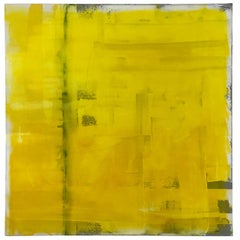
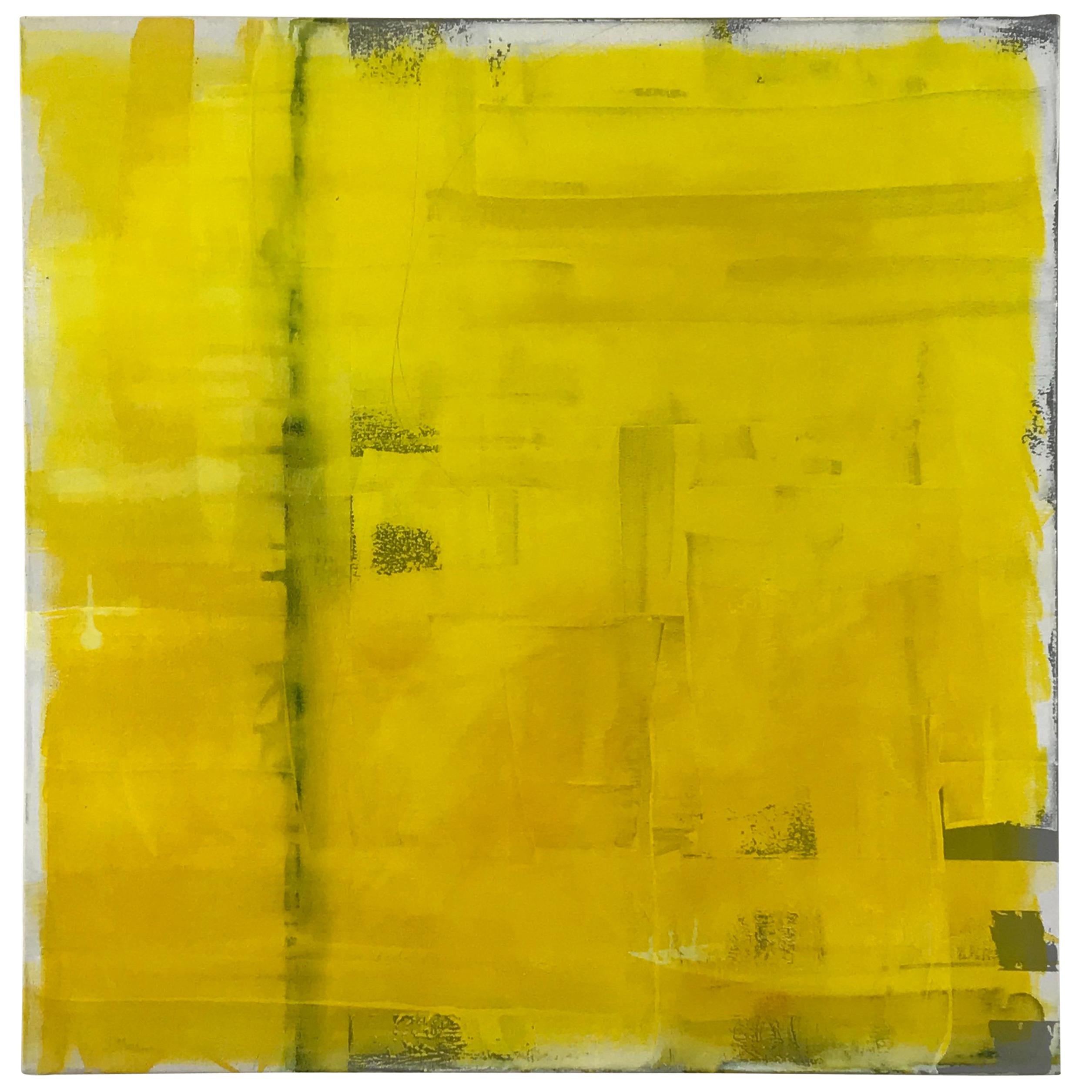
"Golden Hour" Minimalist Color Field Abstract in Luminous Yellow and Ochre
By rebecca ruoff
Located in Bedford Hills, NY
A masterful study in light and luminosity, this 30-inch square composition captures the ethereal quality of a "Color Field" aesthetic. Shifting away from the bold contrasts of previo...
Acrylic