Eadweard Muybridge
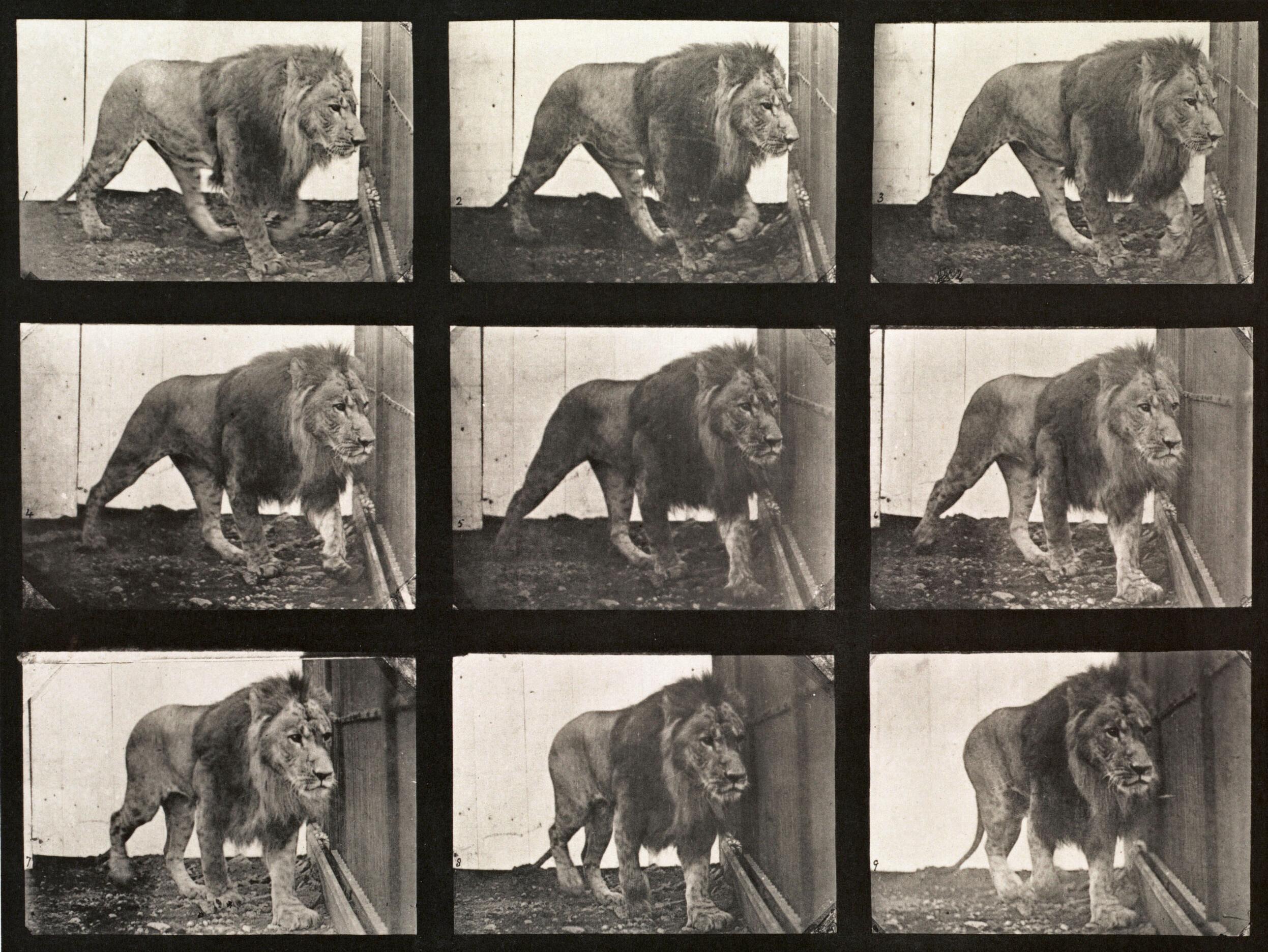
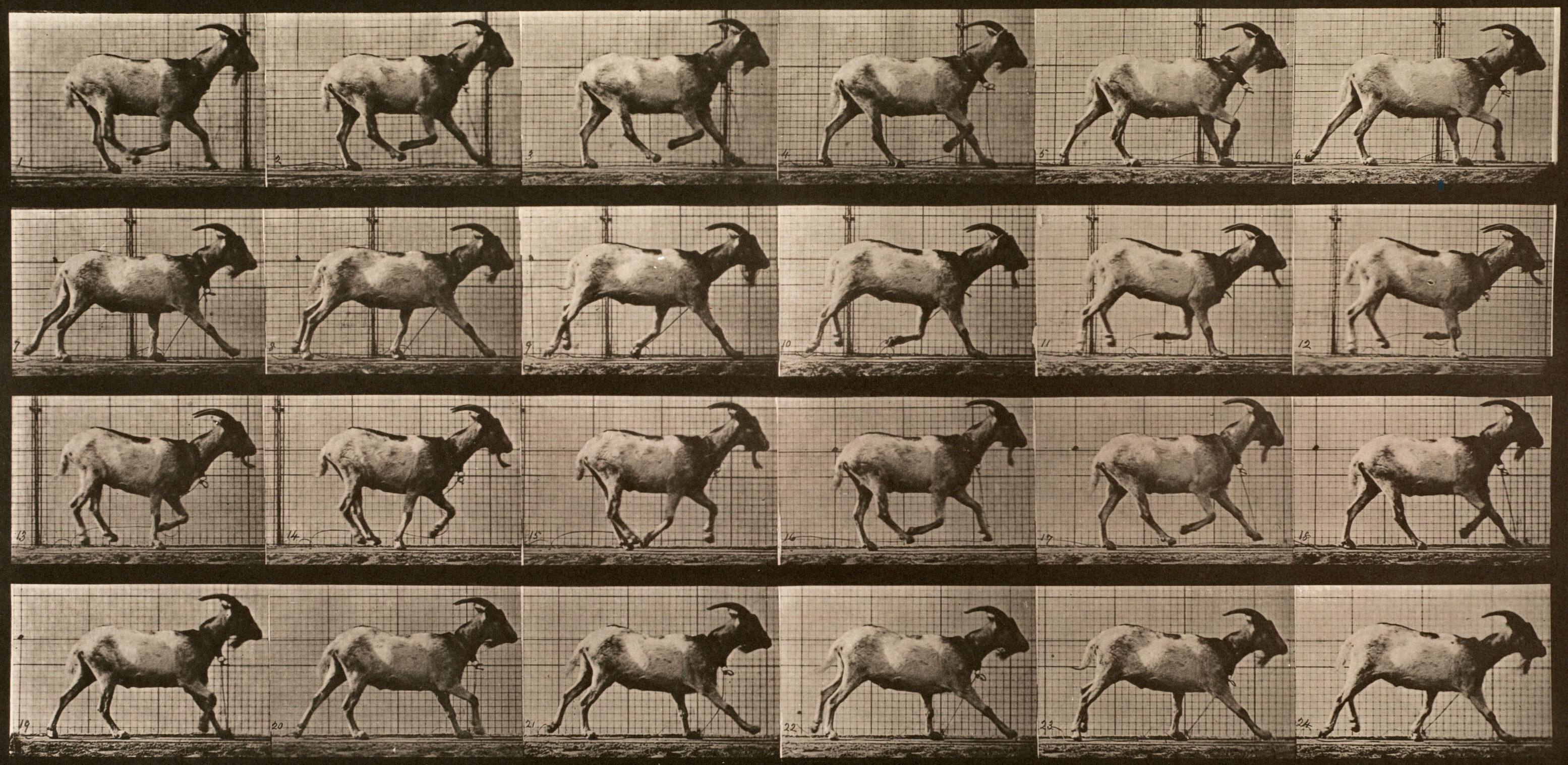
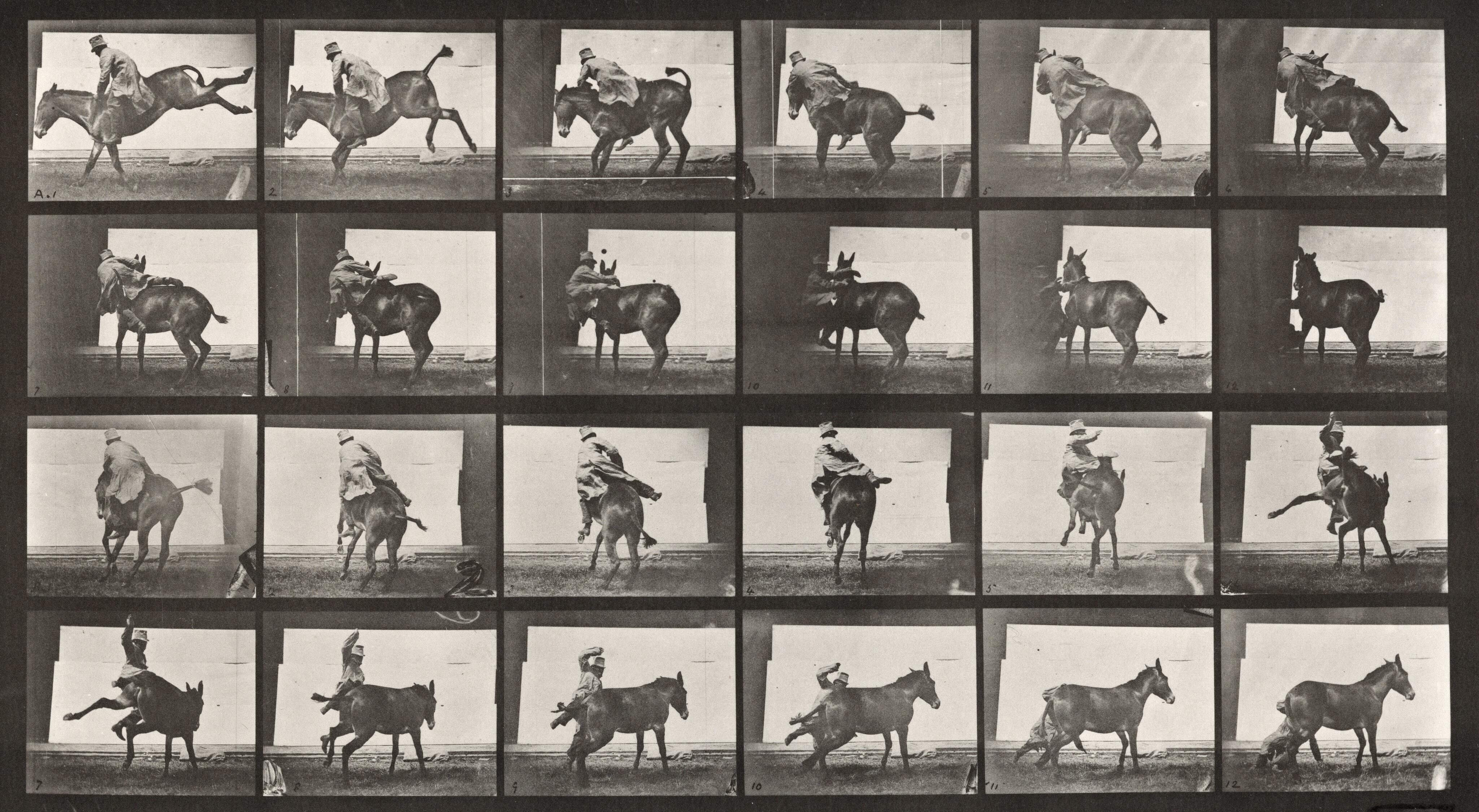
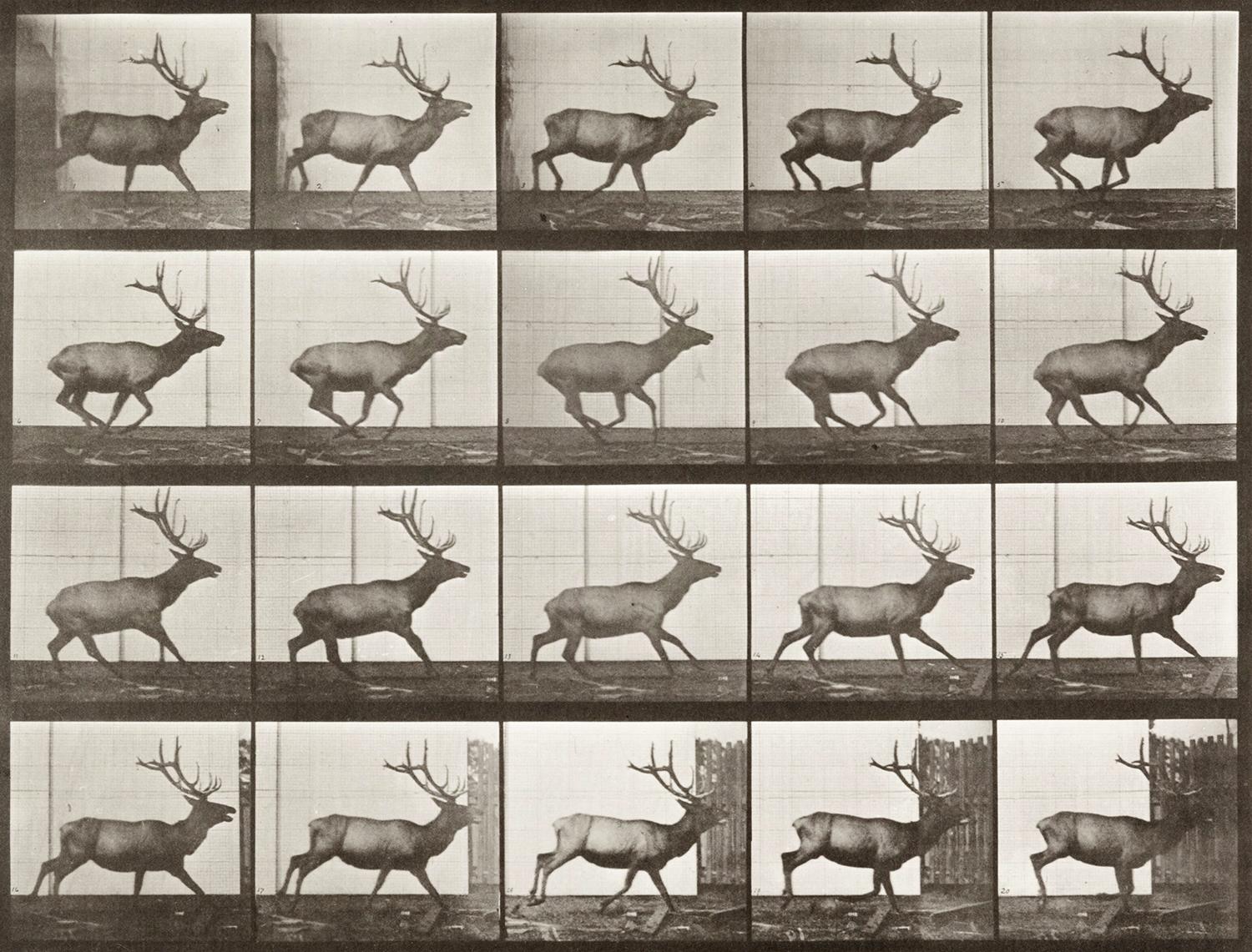
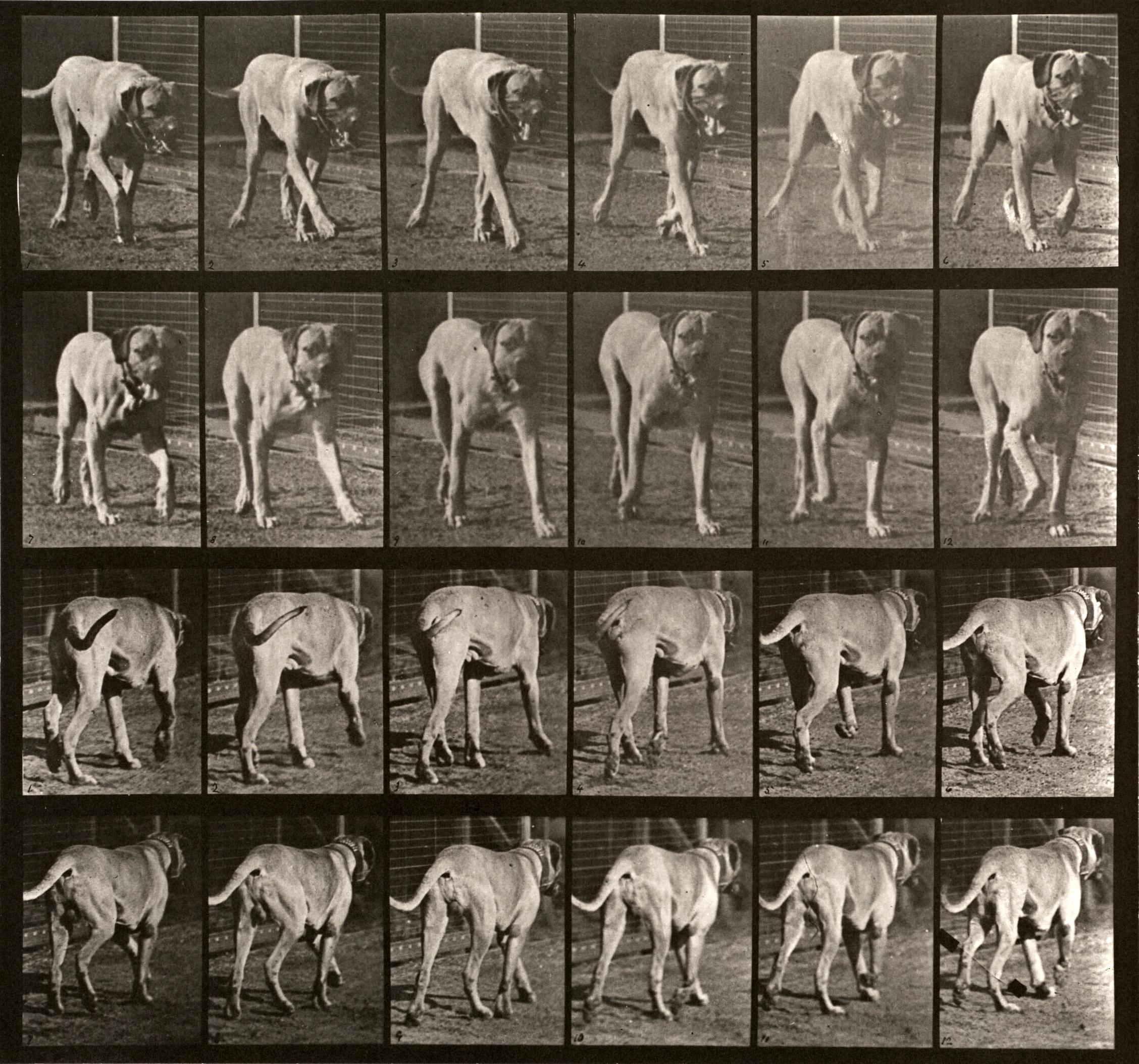
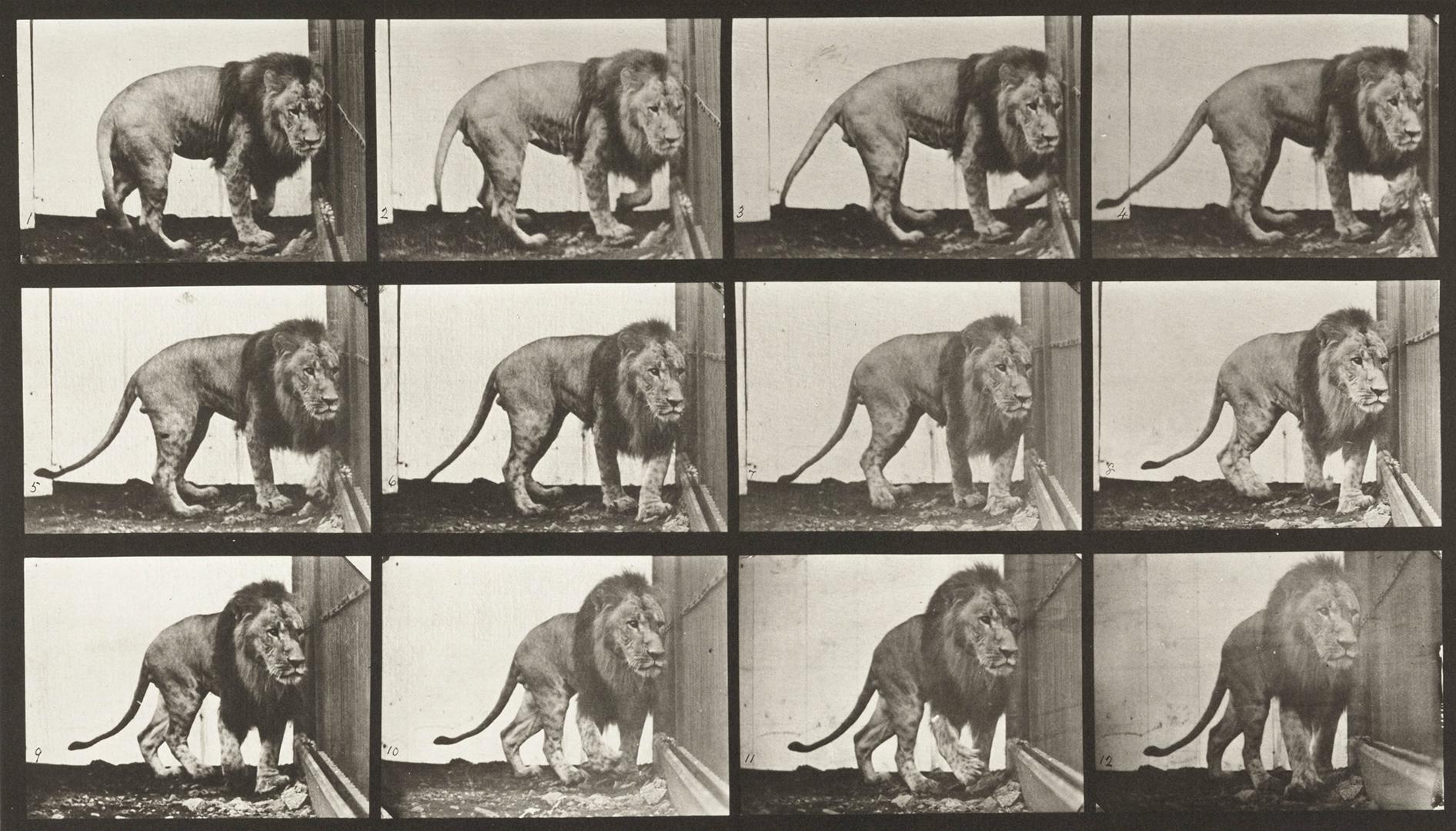
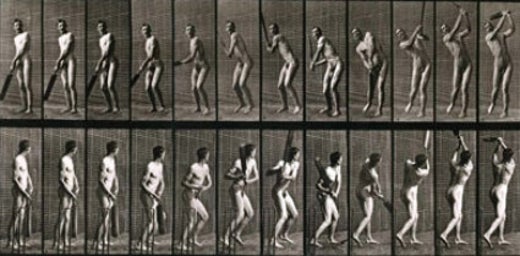
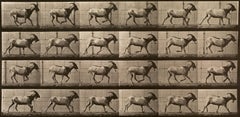
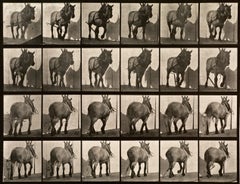
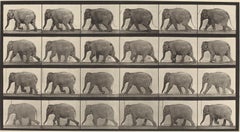
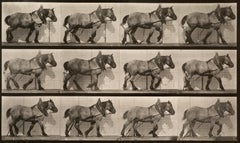
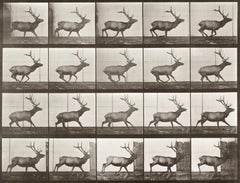
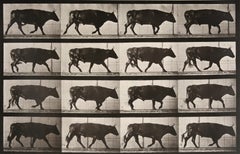
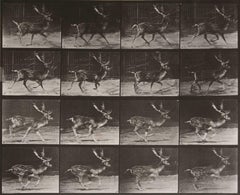
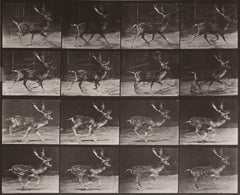
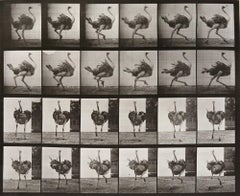
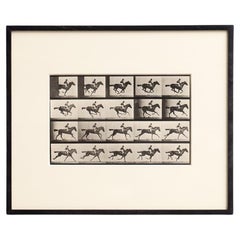
Inventor, photographer, entrepreneur, and artist - Eadweard Muybridge was responsible for creating some of the most important and groundbreaking photographic studies of motion. Often referred to as “the father of the motion picture” for his innovative use of the camera, Muybridge stands out - both for his groundbreaking artistic expression, and for his detailed scientific study of movement. Muybridge is best known for expanding and experimenting with the camera’s ability to capture and freeze motion, as he developed a set of multiple cameras with synchronized shutters. Born in Kingston-upon-Thames, England, in 1830, Muybridge immigrated to the United States at age 25 and settled in San Francisco. He quickly became one of the leading landscape photographers of the west. In 1872, former California governor and railroad entrepreneur Leland Stanford commissioned him to photograph his horse Occident trotting at full speed, to determine whether all four of a horse's hooves left the ground at the same time. The resulting photographs were the first successful examples of stop-action photography that the world had ever seen. In the summer of 1883, the University of Pennsylvania sponsored Muybridge to undertake the largest investigation yet of stop-action photographs, including women, men, children, horses, and a large variety of animals at the Philadelphia Zoo. Over the next three years, over 20,000 individual photographs were taken, resulting in the publication in 1887 of Human and Animal Locomotion, featuring 781 different collotype plates. Only 37 complete sets were produced, and additional plates were sold individually and by subscription. With this work, Muybridge became a significant precursor to 20th Century art, including painting, photography, and motion pictures. Artists as diverse as Sol Lewitt, Edgar Degas, Francis Bacon, and Phillip Glass were all influenced by his work. Major holdings of Muybridge collotypes are in the collections of prominent museums and libraries around the world. In the United States, these include the Library of Congress, Yale University, the Philadelphia Free Public Library, the University of Pennsylvania, Stanford University, and in New York – the Museum of Modern Art, the Metropolitan Museum, and the New York Public Library. In Europe, major Muybridge collections can be found at the British Library, the Cinémathèque Française, the Victoria and Albert Museum, the Musées de Strasbourg, and the Kingston Museum in Muybridge’s home town.