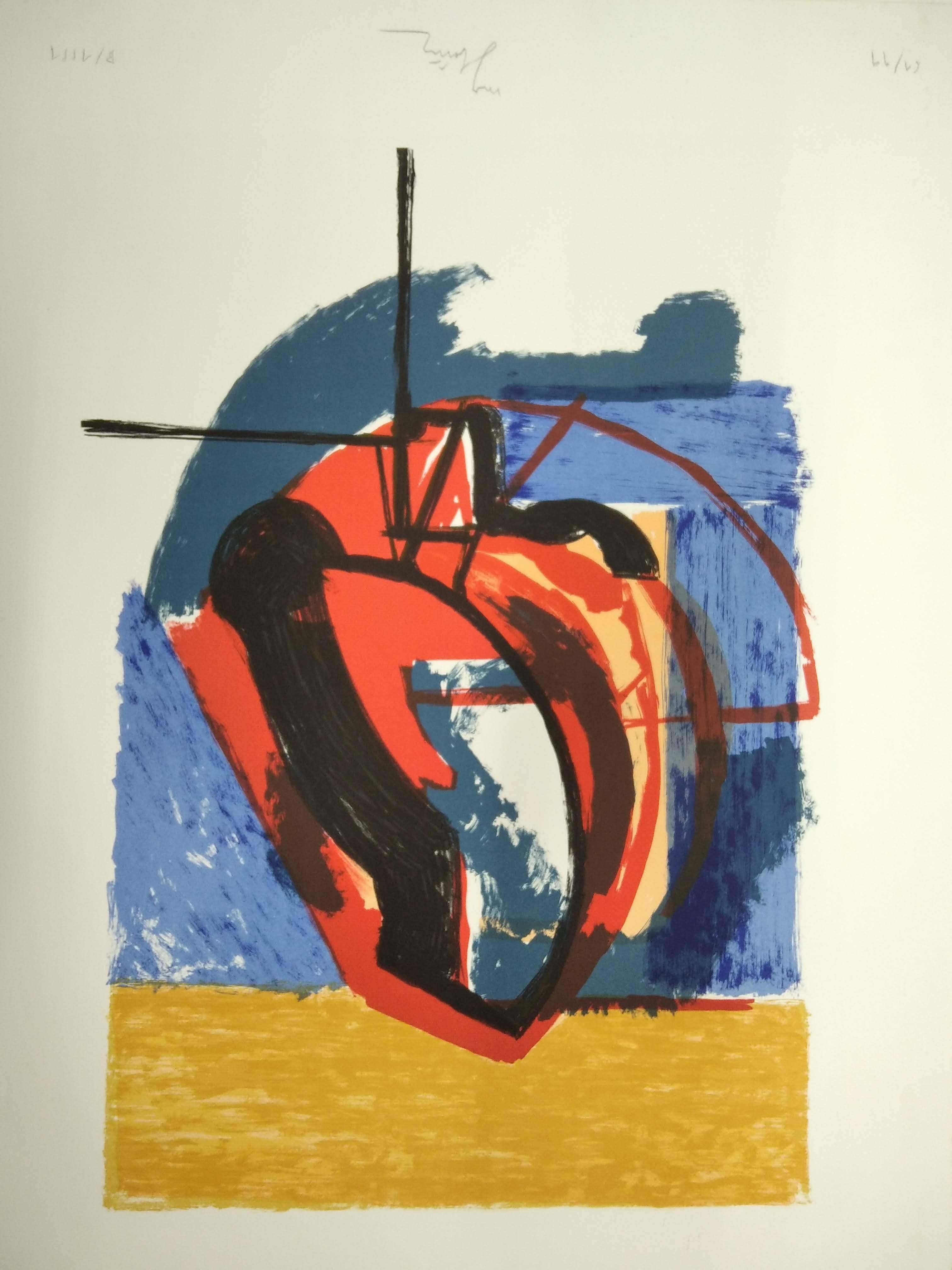
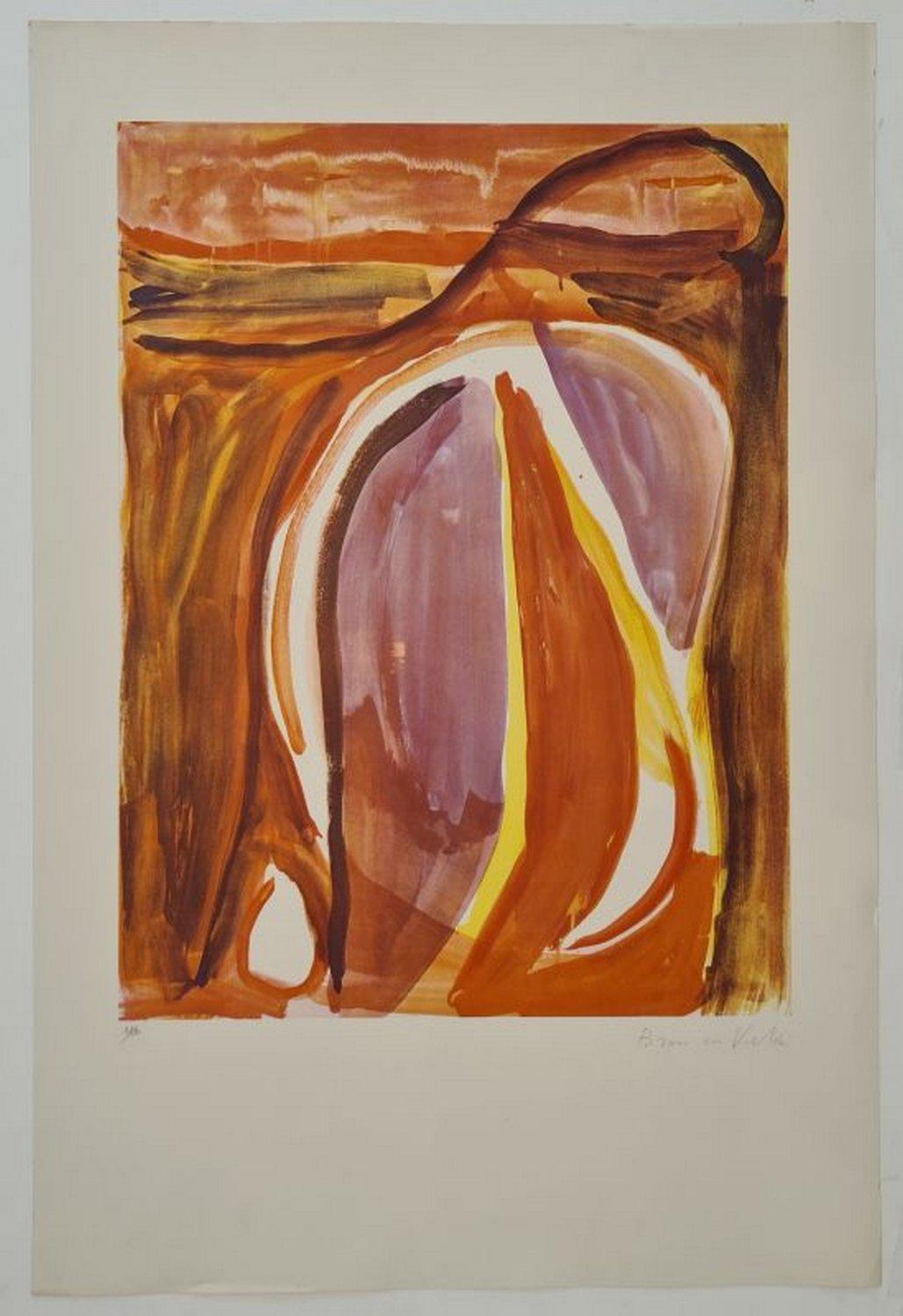
Composition
By Antoni Clavé
Located in Paris, FR
Lithograph 38.00 cm. x 27.00 cm. 14.96 in. x 10.63 in. (image) Handsigned by the artist in pencil Ref : LCD1506
Category
1970s Abstract Abstract Prints
Materials
Lithograph
1962
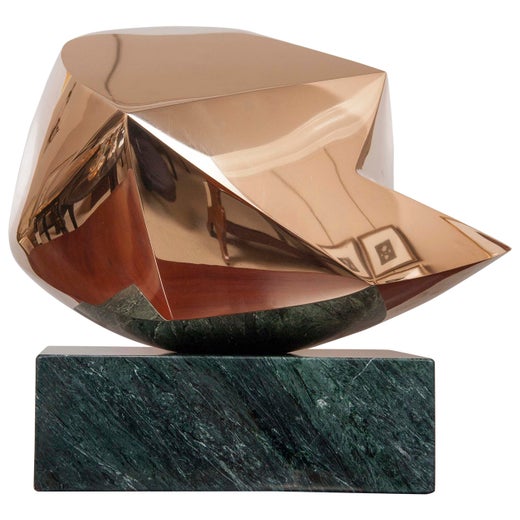
French sculptor Émile Gilioli crafted each piece to polished perfection. His smooth marble and bronze abstract sculptures feature reflective surfaces, graceful curves and sudden, sharp lines and angles. And while Gilioli was obsessed with refinement in his three-dimensional work, his abstract prints and watercolors reveal a looser, more expressive approach. No matter the chosen medium, his inner artist always shone through.
Gilioli was born in 1911 to a family of Italian shoemakers living in Paris. When he was three years old, his family moved back to Italy and settled in Mantua, where young Gilioli was eventually employed at the local forge. After World War I, his family moved back to France and Gilioli attended the Ecole des Arts Décoratifs and Beaux-Arts de Paris. He started working as a sculpture craftsman at 17 years old, and at 19, he joined the studio of Jean Boucher.
During World War II, Gilioli was stationed in Grenoble. There, he spent time at the Musée de Grenoble and was introduced to Cubism. Upon his return to Paris in 1945, he became one of the key figures in the city's burgeoning abstractionist movement. That same year, he held his first exhibition in Grenoble and also showed at two salons in Paris, in 1947 and ’49.
Gilioli eventually settled in the commune of Saint-Martin-de-la-Cluze, where he opened a sculpture atelier. Throughout the 1950s, he continued to pave the way for abstract sculpture in the country, frequently exhibiting with artists like Alicia Penalba, François Stahly and Étienne Martin. Throughout his long career, Gilioli designed many large sculptures for public spaces.
In 1997, to mark the 20-year anniversary of his death, the commune of Saint-Martin-de-la-Cluze purchased his workshop and home, turning the property into a museum to permanently display his creations.
Gilioli's sculptures and works on paper are held in museums in France and around the world, including the Musée de Grenoble, the Centre Pompidou in Paris, the Tate Gallery in London, the São Paulo Museum of Modern Art and the Museum of Modern Art in New York.
On 1stDibs, find Émile Gilioli prints, drawings, sculptures and more.
Composition
By Antoni Clavé
Located in Paris, FR
Lithograph 38.00 cm. x 27.00 cm. 14.96 in. x 10.63 in. (image) Handsigned by the artist in pencil Ref : LCD1506
Lithograph
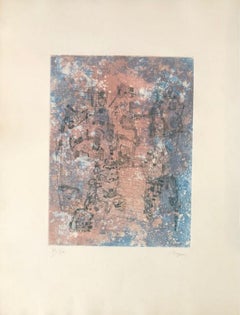
No title
By Camille Bryen
Located in Paris, FR
Engraving Handsigned by the artist in pencil and numbered 31/50 66.00 cm. x 50.00 cm. 25.98 in. x 19.69 in. (paper) 39.00 cm. x 29.50 cm. 15.35 in. x 11.61 in. (image) LCD4237
Engraving
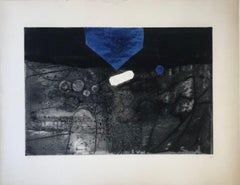
No title
By Antoni Clavé
Located in Paris, FR
Engraving Handsigned by the artist in pencil and numbered 33/35 72.00 cm. x 91.00 cm. 28.35 in. x 35.83 in. (paper) 49.00 cm. x 71.00 cm. 19.29 in. x 27.95 in. (image) LCD5238
Engraving
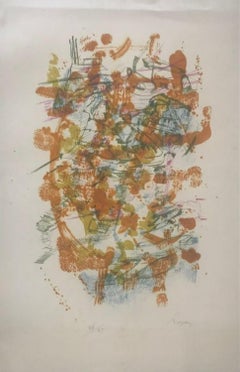
No title
By Camille Bryen
Located in Paris, FR
Lithograph Handsigned by the artist in pencil and numbered 38/50 Catalog : Loyer 136 69.00 cm. x 45.00 cm. 27.17 in. x 17.72 in. (paper) 52.00 cm. x 38.00 cm. 20.47 in. x 14.96 in....
Lithograph
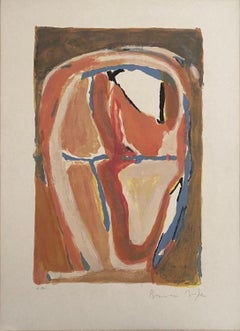
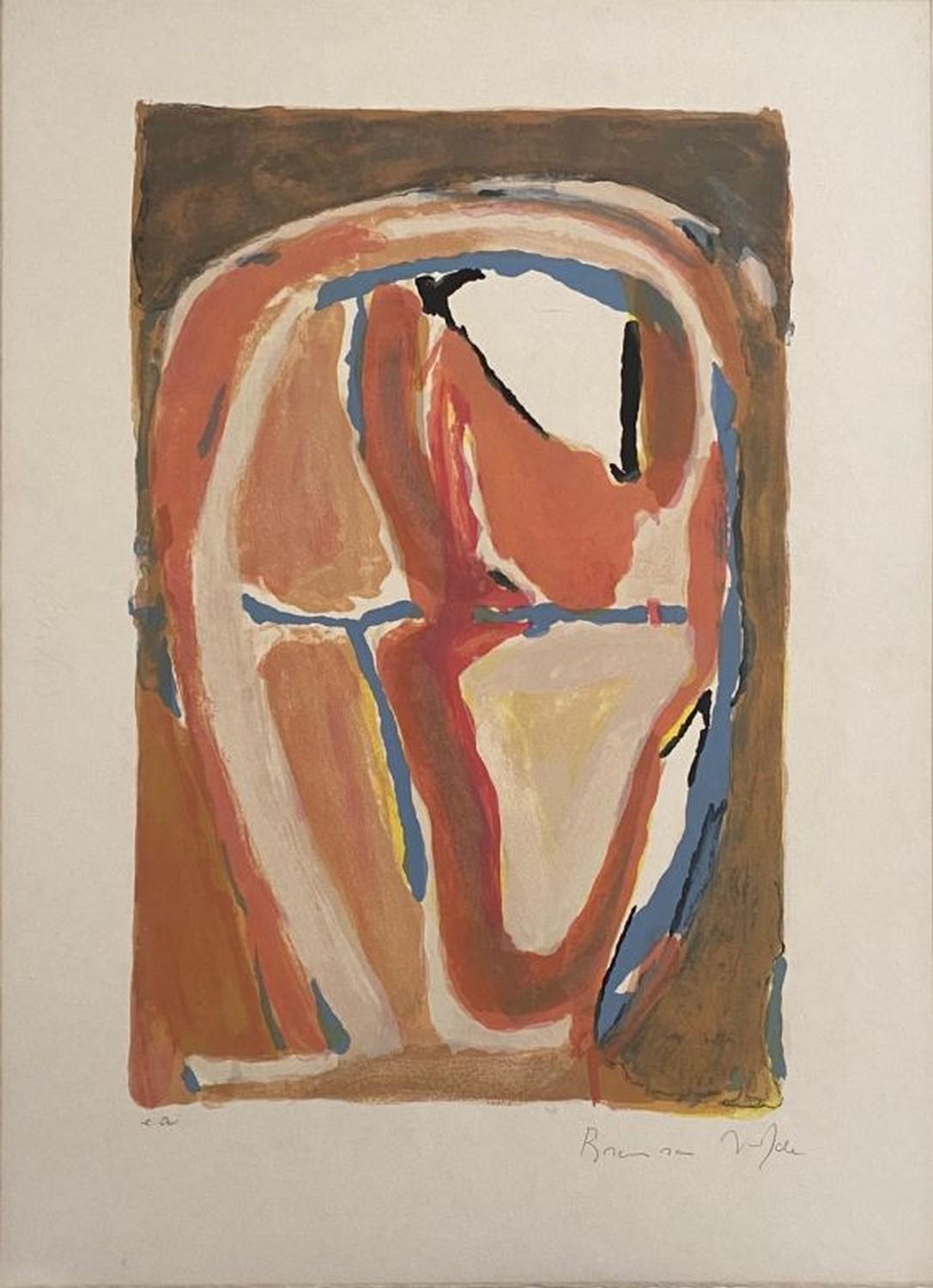
Untitled
By Bram Van Velde
Located in Paris, FR
Lithograph, 1970 Handsigned by the artist in pencil and annotated EA - Artist Proof Edition : 300 Printer : Clot, Bramsen et Georges (Paris) Catalog : [Mason Putman 58] 65.50 cm. x 4...
Lithograph
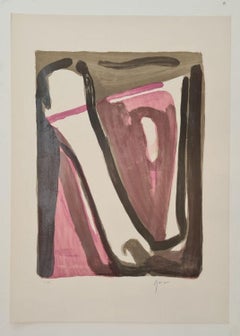
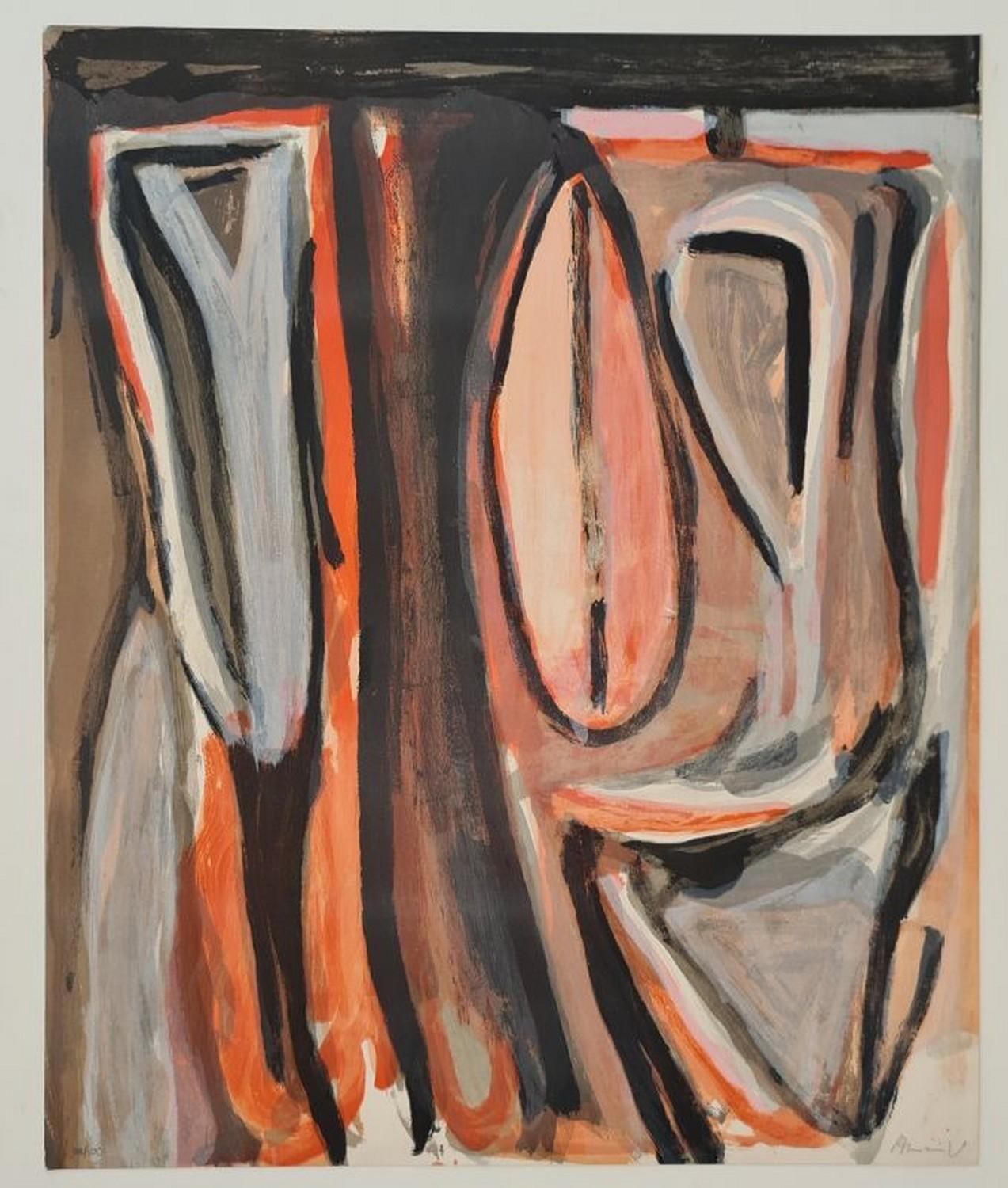
No title
By Bram Van Velde
Located in Paris, FR
Lithograph Handsigned by the artist in pencil 86.50 cm. x 61.50 cm. 34.06 in. x 24.21 in. (paper) 63.00 cm. x 47.00 cm. 24.8 in. x 18.5 in. (image) Publisher: Maeght (Paris) Print...
Lithograph
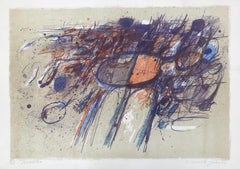
Mallia (Edition 38/100)
Located in New York, NY
Unidentified Artist, "Mallia" Edition 38/100, Abstract Lithograph signed and numbered in Pencil, 16 x 22.25, Mid-20th Century, 1965 Colors: Purple, Blue, White, Red, Black *Unident...
Lithograph
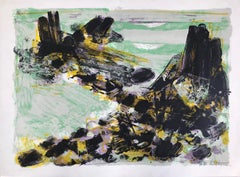
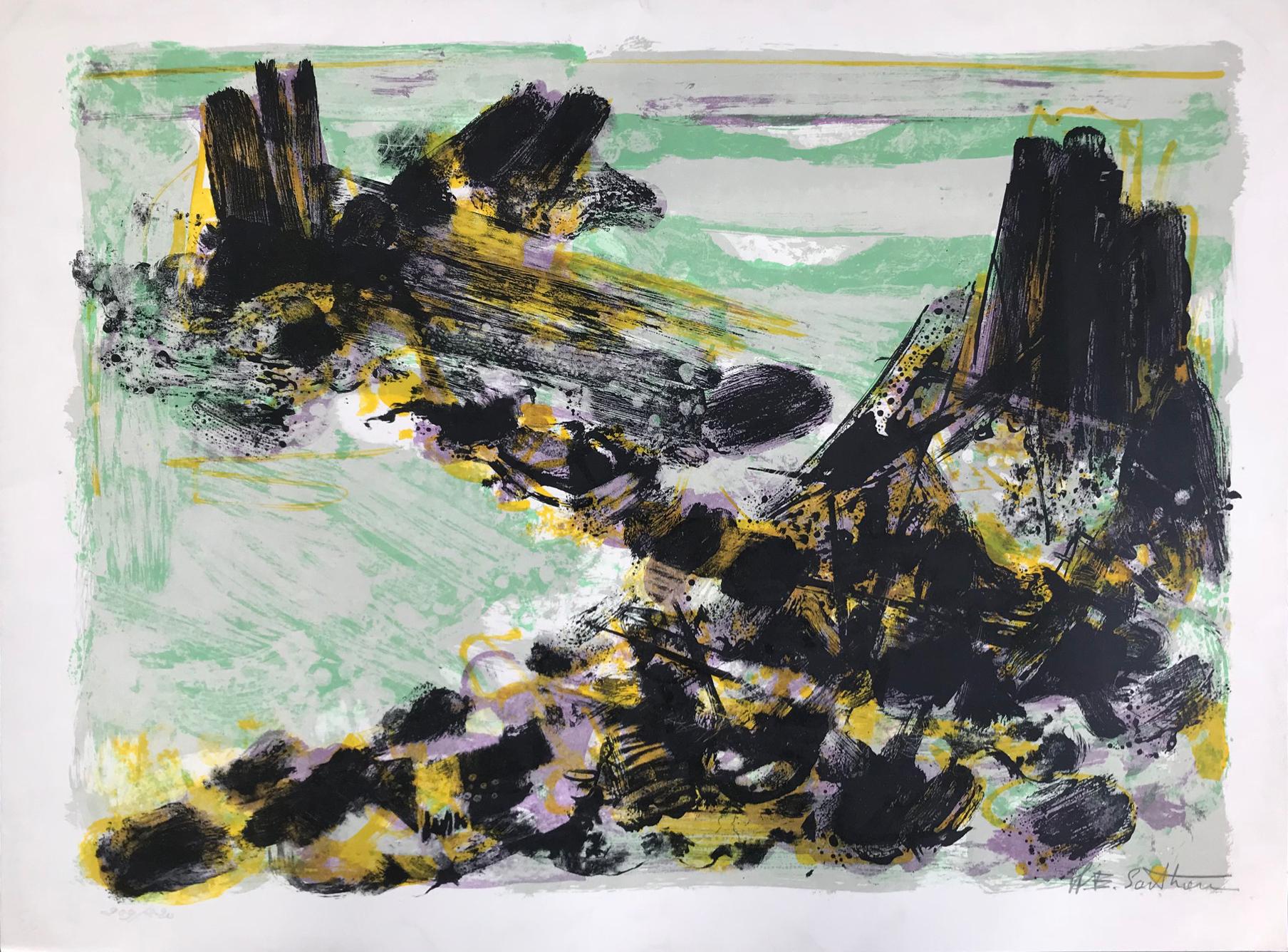
Composition (Edition 209/220)
By Maurice Élie Sarthou
Located in New York, NY
Maurice Élie Sarthou (French, 1911-1999) "Composition" Edition 209/220, Abstract Lithograph signed and numbered in Pencil, 18.50 x 24.63, Late 20th Century, ca. 1960s Colors: Green, Black, Yellow, Purple, Orange Sarthou was born in Bayonne on January 15, 1911; an orphan following the death of his father during the First World War, he was raised by his mother and grandfather in Montpellier. After high school, in 1927, he obtained the authorization to enter the Beaux-Arts of the city provided he prepared architecture. After a year, he persuades his family to let him study at the painting studio. He first attended a training at the School of Fine Arts in Montpellier; Then in 1930, a fellow of the city of Montpellier as the ward of the nation, he entered the Beaux-Arts in Paris. In 1934, birth of Francine, his daughter. To make a living, he introduces himself to the drawing faculty. He was appointed to Bastia, then in 1937 to Bordeaux. In 1939, 1940 and 1941, he made war in the transmissions. In 1943, he became a member of the Société des Artistes Indépendants Bordelais, which regularly organizes exhibitions of Parisian artists (Bissière, Lhote, Walch, etc.); this has a positive influence on him; Artistic emulation allows him to assert his style even more intensely. In 1948 he met the writer Raymond Guérin who introduced him to Maurice Toesca, Marcel Arland and, later, Jean Paulhan. In 1950, he illustrated Raymond Guérin's book "Testamentary fragment". In 1949 he was chosen by Jacques Lassaigne, who came to Bordeaux to preside over the regional selection of the Prix de la Jeune Peinture. He won the price Drouant, the first mention of the price (fourth prize on more than 90 competitors, including Lagrange, Lapoujade, Rebeyrolle, also mentioned). In the jury, Gaston Diehl noticed him and invited him to the Salon de Mai of which he is the founder. It is the first manifestation of Sarthou with the Parisian public with two paintings: "Still life" and "Open window". He will participate in this show until 1963. He moved to Paris in 1950, where he was appointed professor of drawing at Lycée Henri IV, which allowed him to exhibit in the salons of the capital and to be more recognized. From 1950, around Jean Paulhan, meet at the arena of Lutetia, on Sunday morning, to play bowls: Maurice Toesca, Jerome Lindon, Yves Berger...
Lithograph
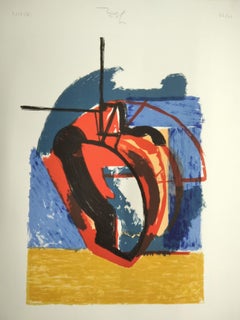
Untitled
By Miguel Ybáñez
Located in Barcelona, CT
The painting is being offered with a work and authenticity certificate
Paper, Ink
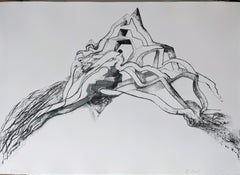
untitled
By Richard Hunt
Located in New York, NY
Lithograph printed in black and grey in an edition of 43
Lithograph
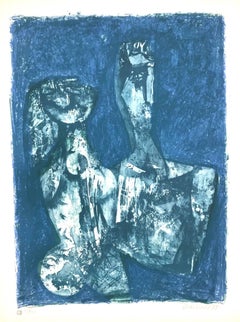
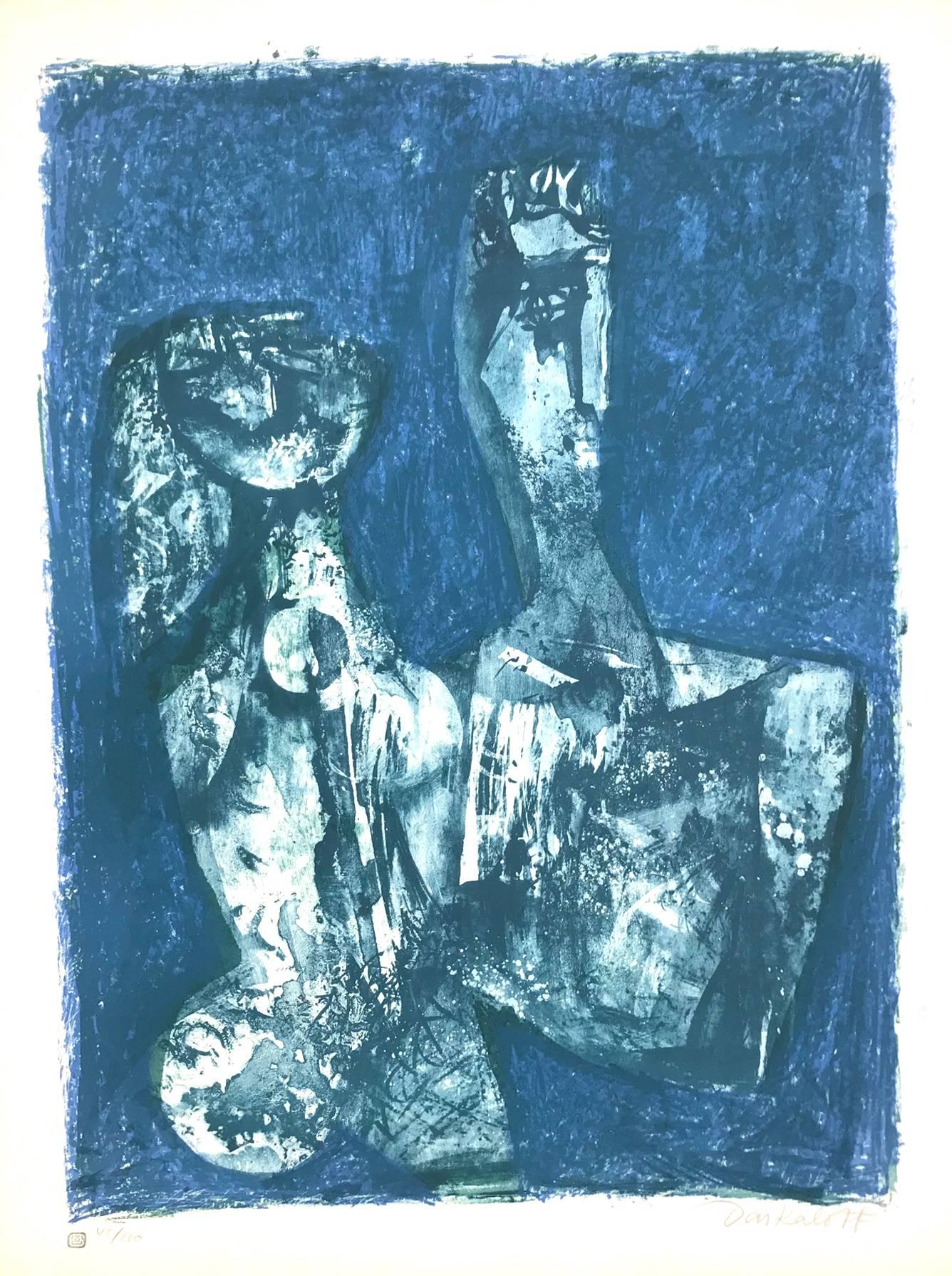
Untitled (Edition 45/100)
By Georgi Daskaloff
Located in New York, NY
Georgi Daskaloff (Bulgarian b. 1923), "Untitled" 45/100, Abstract Lithograph numbered and signed in pencil, 30 x 22.25, Late 20th Century Colors: Blue, White, Black
Lithograph
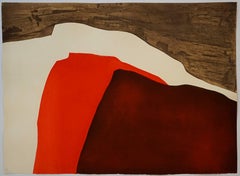
Untitled
By Gilou Brillant
Located in Austin, TX
Artist: Gilou Brillant Title: Absence Year: Circa 1975 Medium: Etching on Arches paper Dimensions: 22" x 30" Signature: Signed lower left Brillant Edition: Signed EA lower left Condi...
Etching