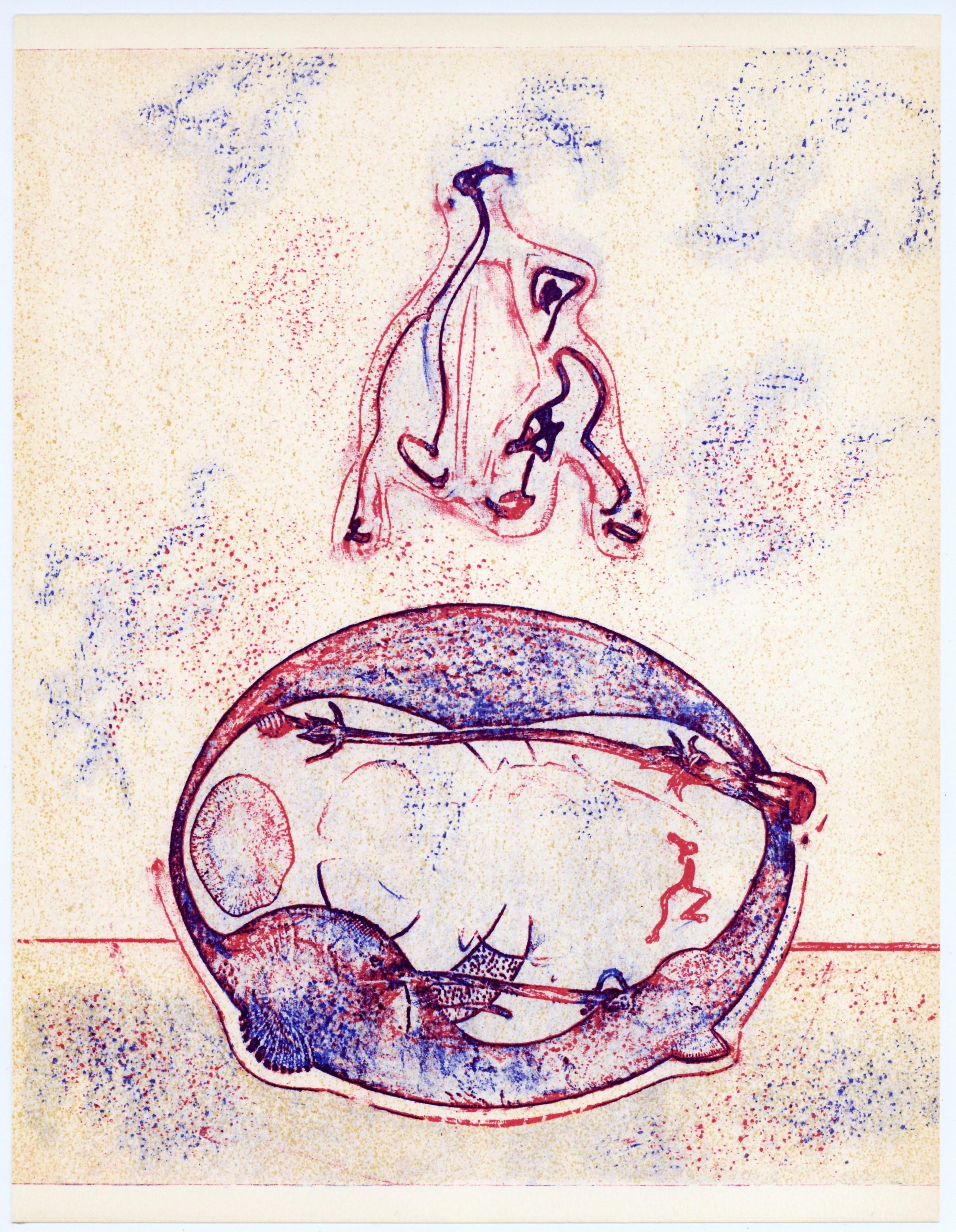
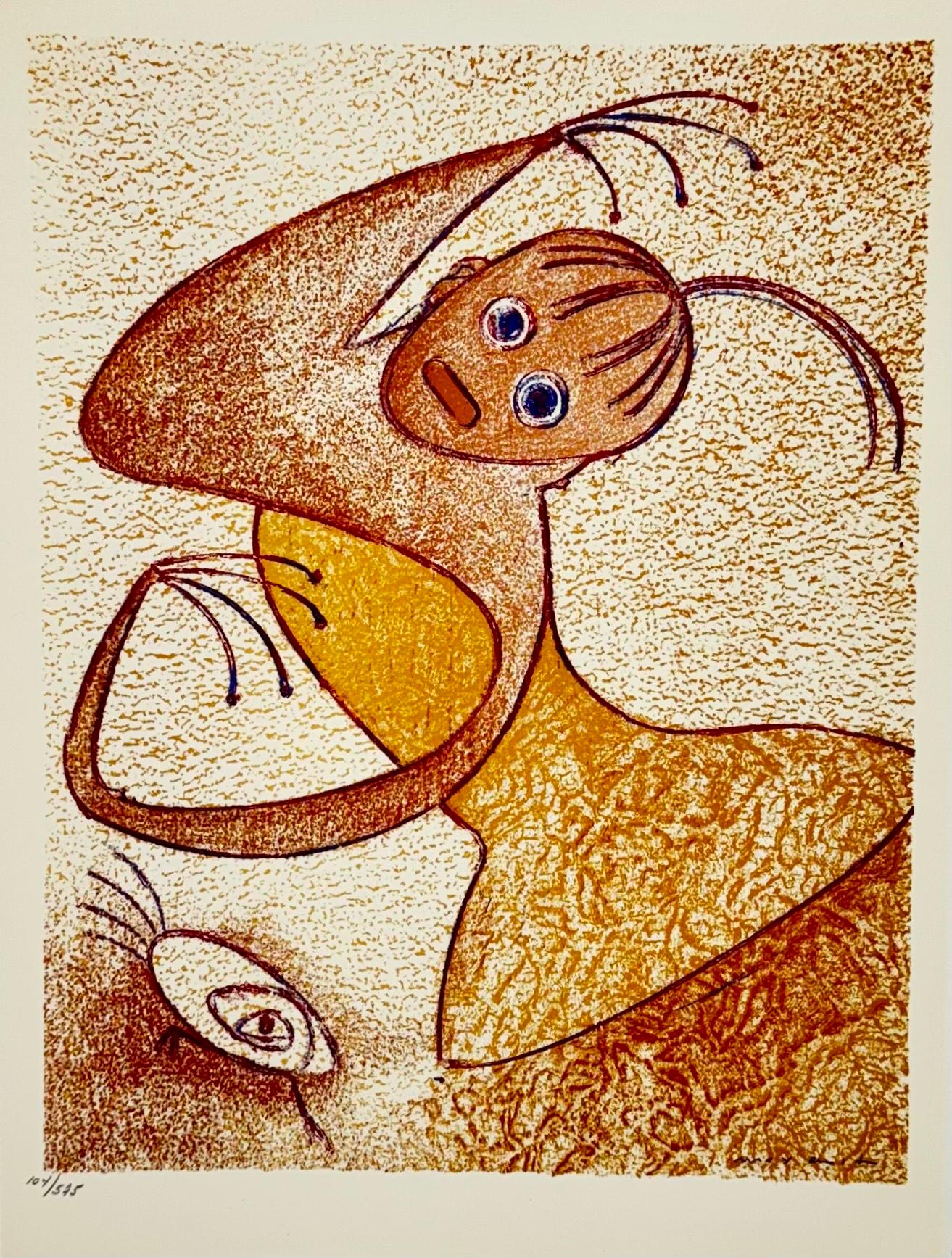
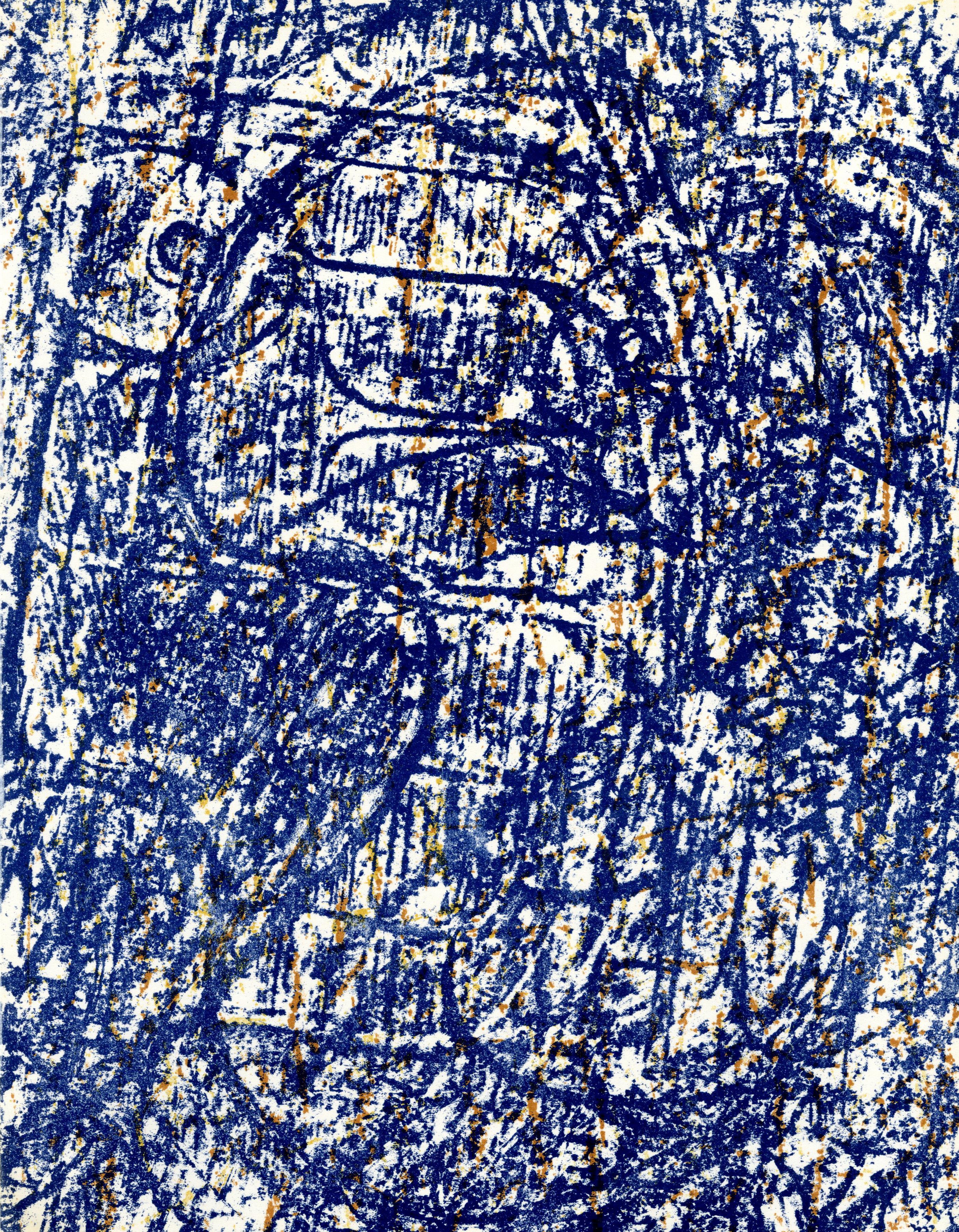
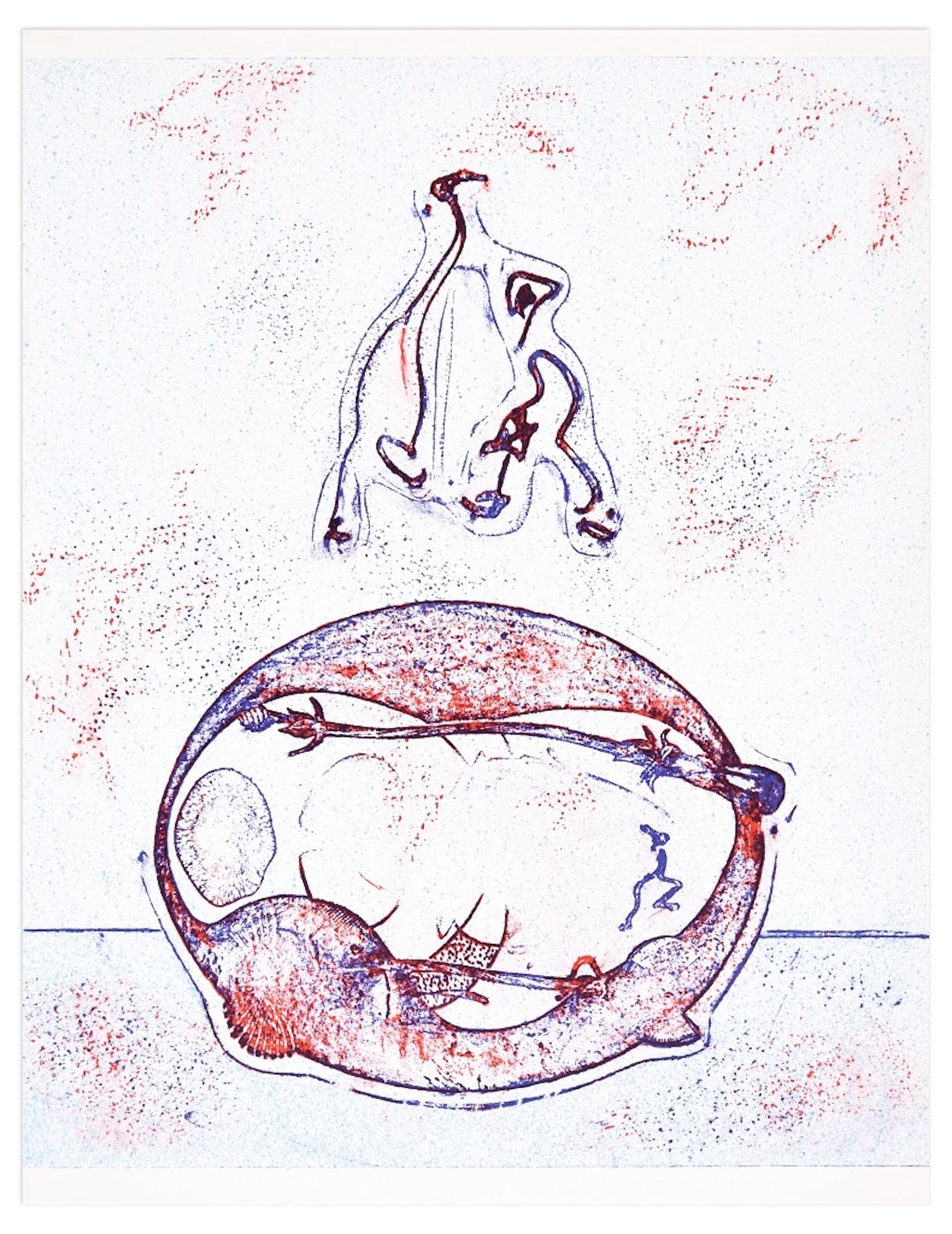
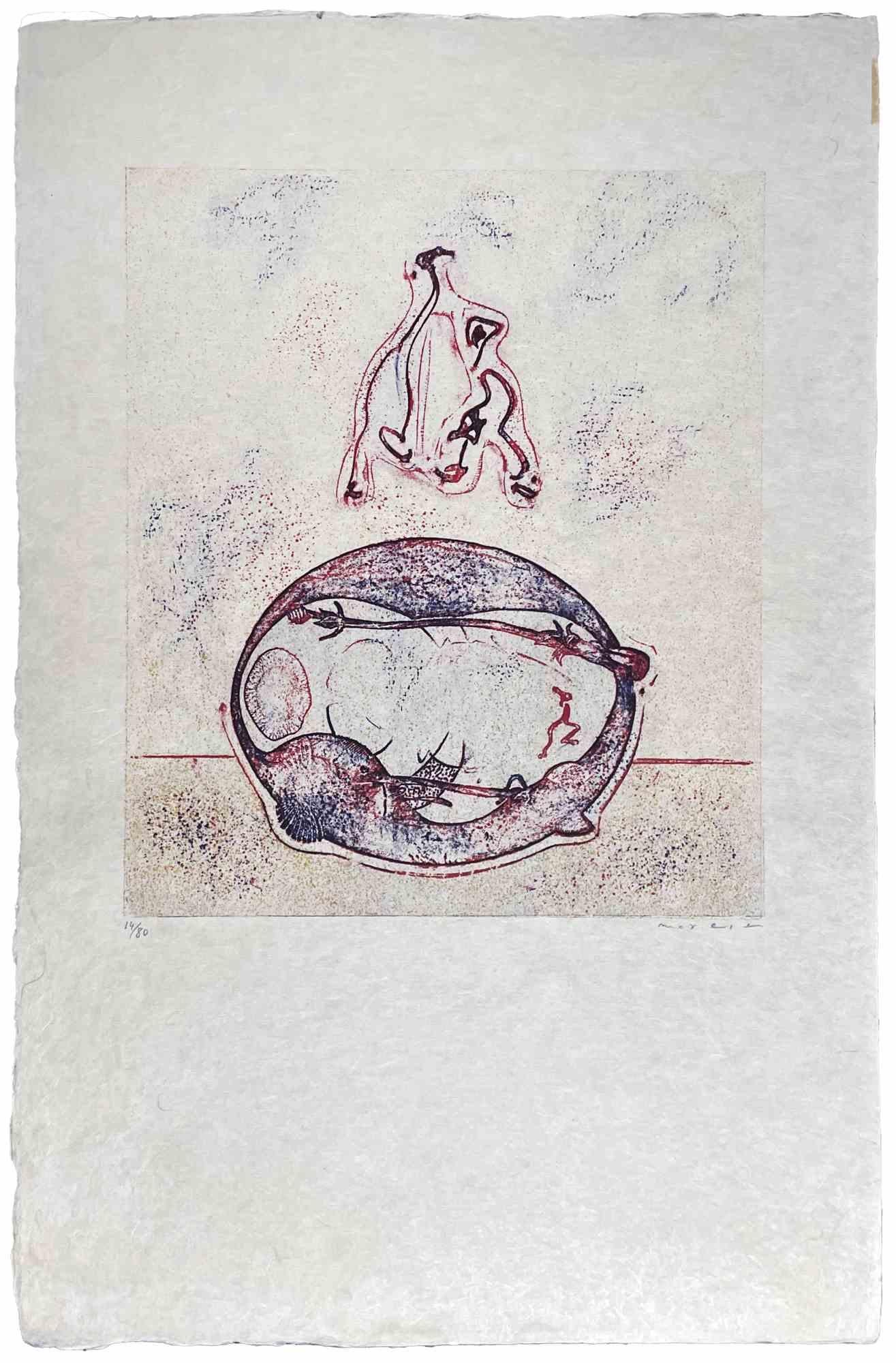
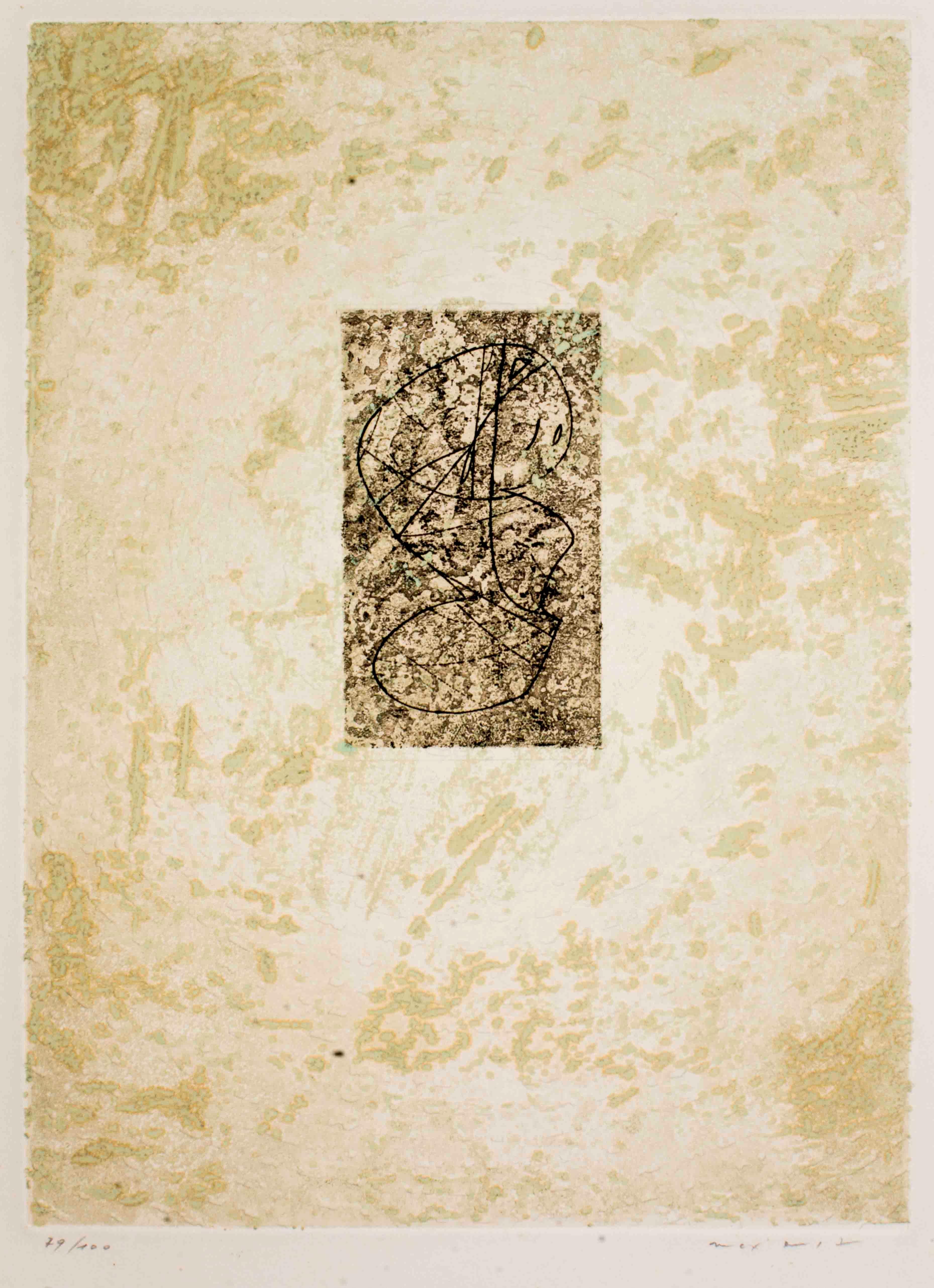
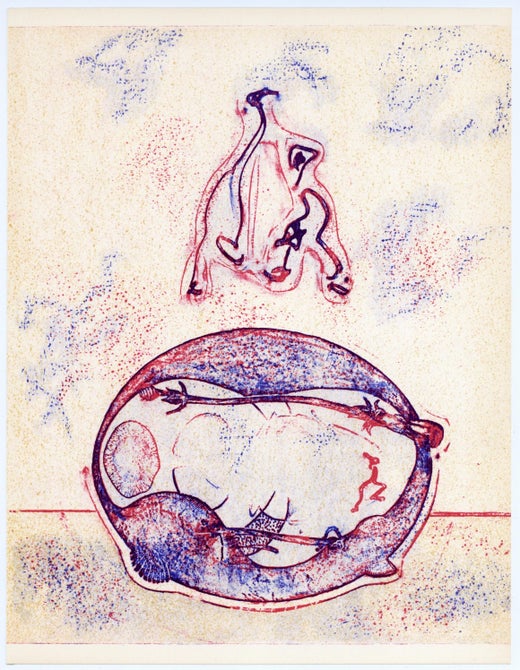
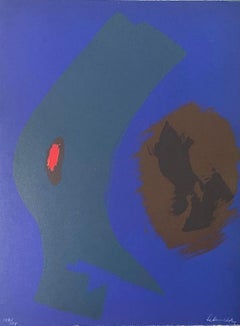
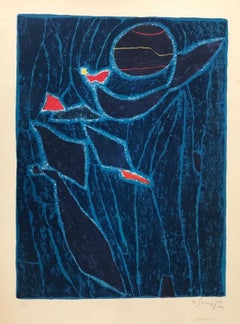
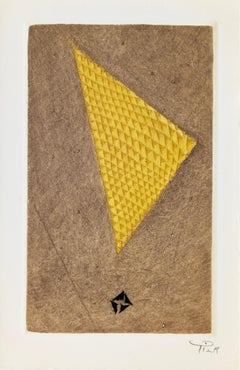
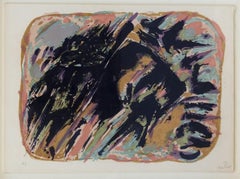
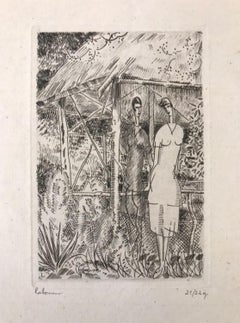
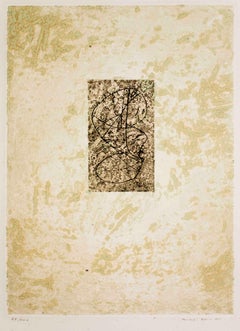
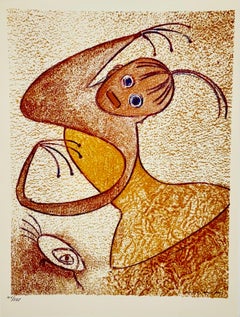
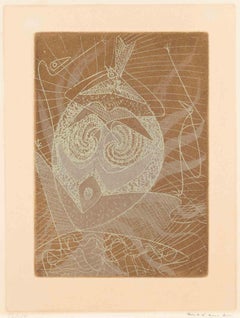
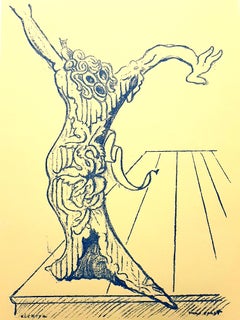
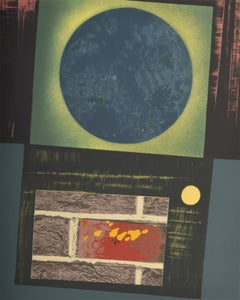
Born in Germany in 1891, later naturalized as an American, then a French citizen, Max Ernst was a pioneer in the Dada and Surrealist movements, the boundaries of which he pushed with his unconventional methods of printmaking, drawing and collage.
Ernst had no formal art training — and that may have been his greatest asset. He produced his first work following four years serving in World War I. At the time, he was in Cologne, Germany, working closely with fellow Dada pioneers Jean Arp and Johannes Baargeld. His output during this period consisted largely of collages, which allowed him to represent the shards, rubble and explosions from his traumatic wartime experience.
In 1922, Ernst moved to France, where he soon became affiliated with Surrealism, the avant-garde art movement taking shape in Paris. Alongside Man Ray, Joan Miró and a couple of others, Ernst was among the first visual artists to experiment with imagery and techniques associated with Surrealism.
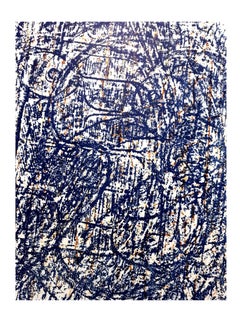
Ernst’s greatest contribution to the Surrealist movement was his invention of frottage (French for “rubbing”), wherein an artist rubs a pencil or crayon over a paper atop a textured surface, and later grattage (French for “scraping”), where a similar technique is applied with paint. Both methods showcase Ernst’s fascination with the unconscious and serendipitous elements of artistic creation, a theme that connected the Dadaists and the Surrealists. Ernst had deep knowledge of psychoanalysis and Sigmund Freud’s dream theories, which were big influences on Surrealists. He was among the first Surrealists to use Freud’s work to examine his own creative impulses. He also published a series of books of his collages, all of which were deeply symbolic and often philosophical.
When Germany occupied France during World War II, Ernst escaped to America with the help of patron and collector Peggy Guggenheim, whom he married in 1941. While living in New York, Ernst’s work and techniques proved instrumental in inspiring the early development of Abstract Expressionism — influencing Robert Motherwell and Jackson Pollock in particular. He later moved to Sedona, Arizona, where he lived with his fourth wife, Dorothea Tanning, a fellow Surrealist and prolific visual artist and poet.
While Ernst and Tanning are largely responsible for Sedona’s reputation as an artist colony, they relocated to France in the 1950s and remained until Ernst’s death in Paris in 1976.
Find original Max Ernst art on 1stDibs.