Rene Ricard
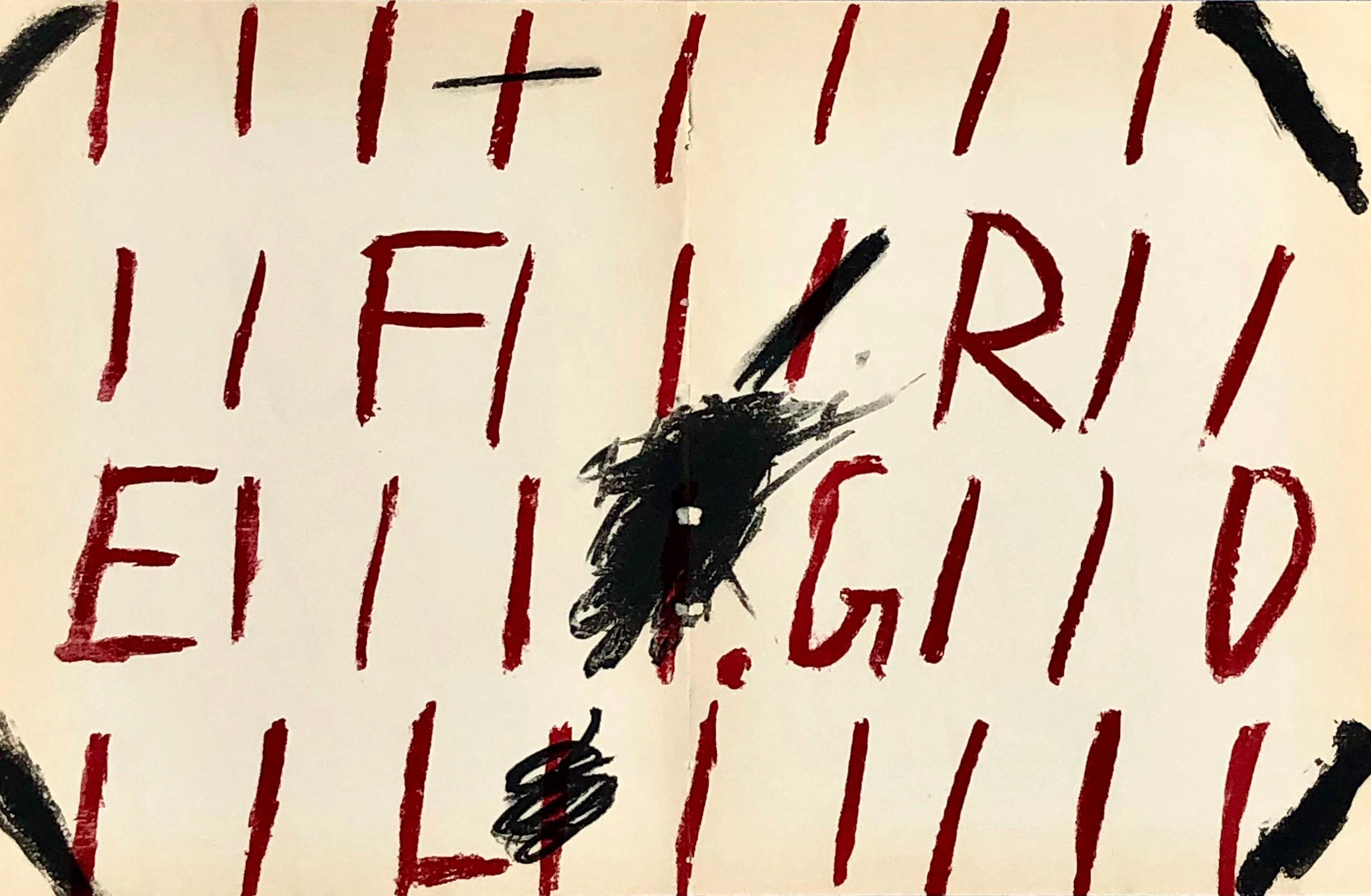
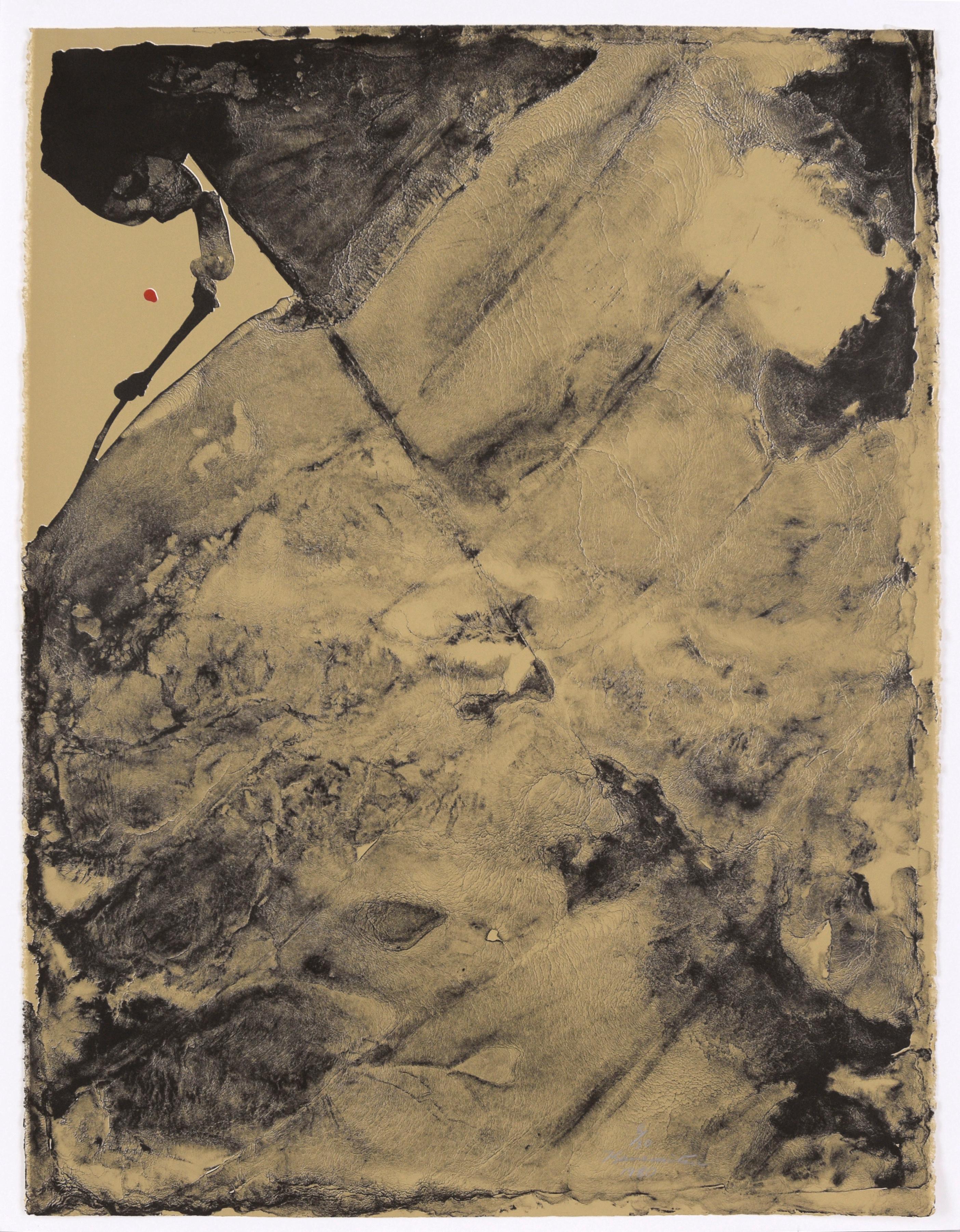
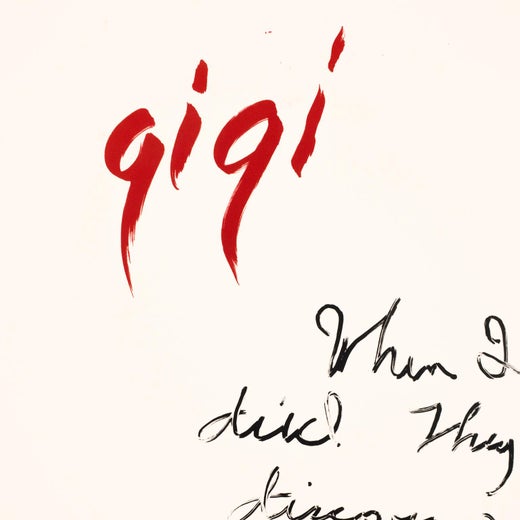
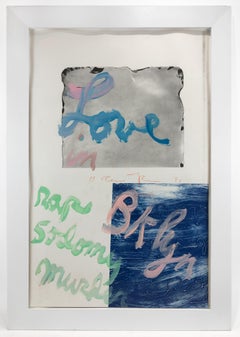
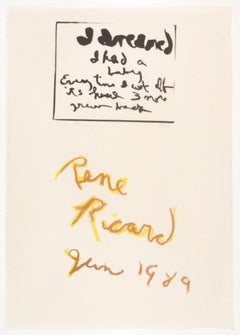
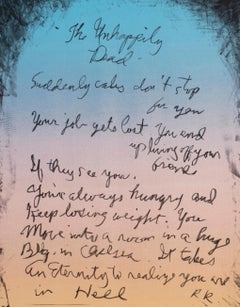
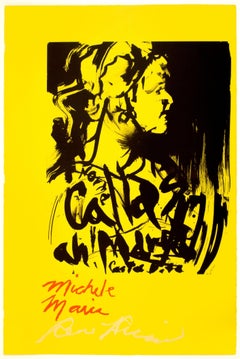
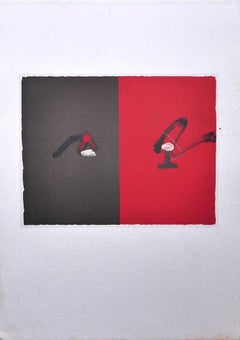
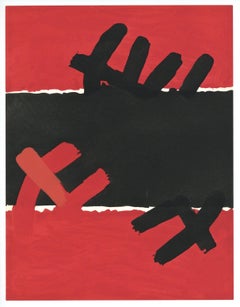
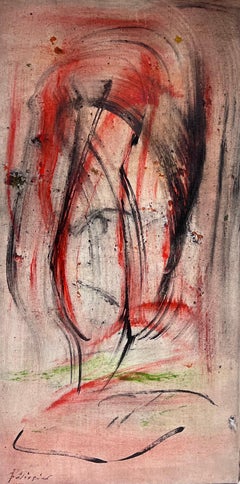
Born Albert Napoleon, artist Rene Ricard moved to New York in the 1960s at the age of 18. With that relocation, Albert died, and Rene was born. Instantly adopted into Andy Warhol’s glittering orbit, Ricard thrived in the city, with its heady concentration of art, culture, and debauchery. He acted in underground films, playing Warhol in the artist’s own Andy Warhol Story, and was lauded by the New York Times in 1981 as “splendid” for his turn in the independent film Underground USA. He was a renowned art writer who launched the careers of artist like Jean-Michel Basquiat and Keith Haring with his poetic essays. In New York, Ricard found the center of his life. In his memoir “Rene Ricard” painter and close friend William Rand calls the artist “the Baudelaire of Avenue C…a brilliant, elusive and glamorous underground figure” adding that Rene’s stomping ground, the East Village, was a “…Halloween show all year round: squatters…hustlers, freaks…” Ricard could be found at any given time of day or night walking these streets, linking up with an endless stream of friends and acquaintances. The city’s underbelly was a bustling hub of culture: one could find artists, critics, gallerists and poets such as Nan Goldin, Julian Schnabel, Francesco Clemente, Bill Stelling, Jean-Michel Basquiat, and Allen Ginsburg mingling in the same gritty milieu. Like the rapidly-changing city, Rene's life was in flux: he moved between living situations and struggled intermittently with addiction, leaving a trail of makeshift canvases and alternately bleak, tender, and acerbic poetry. He had gained prominence and fame as an art critic and poet throughout the 1960s and 70s, but his nascent painting career took shape after gaining the attention of the Petersburg Press Gallery. They were to present his first exhibition in New York in 1990. The upcoming show proved to be a motivating force, harnessing Ricard's raw talent by providing him with studio assistants and a place to work at Petersburg’s studio on Lafayette Street. The show was to be entitled “Mal de Fin”. French for "Bad End", Mal de Fin may be a play on "fin de siècle": the end of an era and the beginning of another, and "mal du siècle": sickness of the century, a phrase attributed to the 18th/19th century French writer François-René de Chateaubriand. Chateaubriand’s notion of turn-of-the-century ennui no doubt resonated with the famously moody artist, and Ricard’s name change may have been inspired by Chateaubriand’s first name François-René. Mal de Fin’s body of work reflected not only his wild lifestyle, but the artist’s interest in spirituality, literature, and art itself.