Toti Scialoja
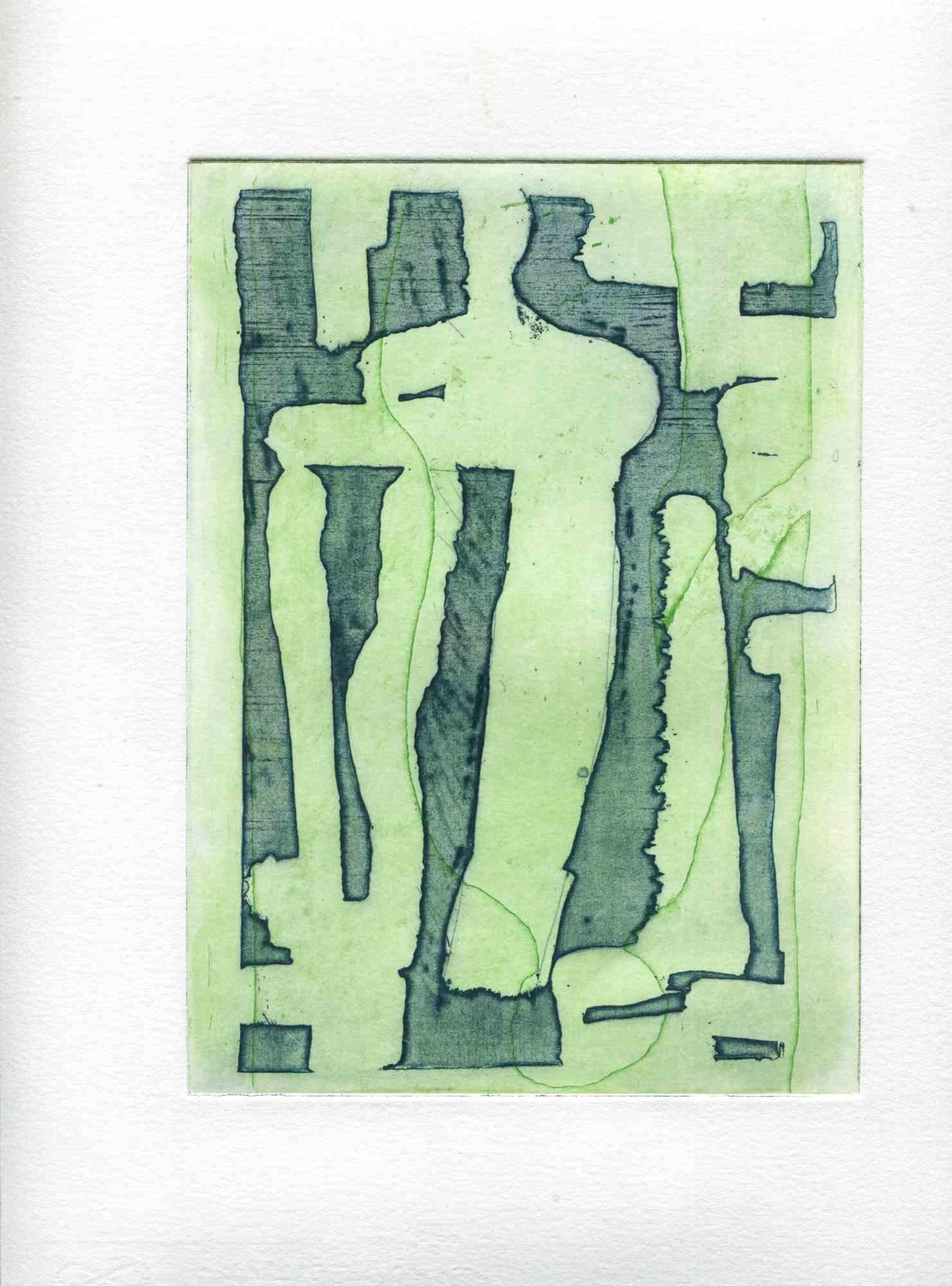
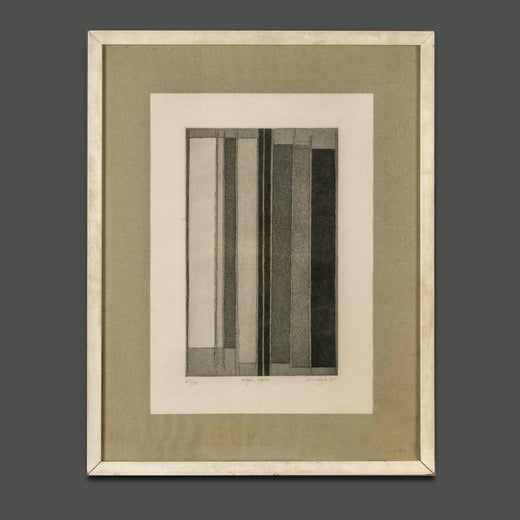
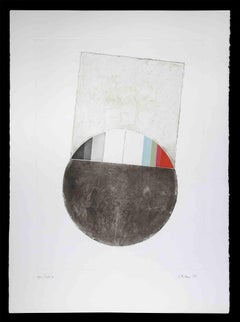
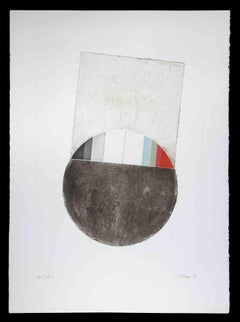
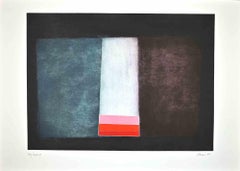
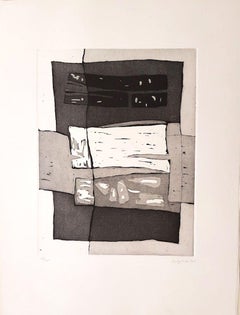
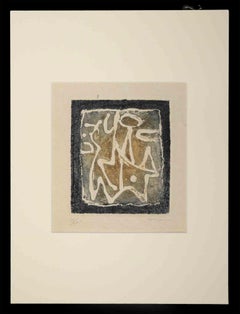
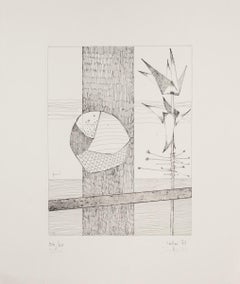
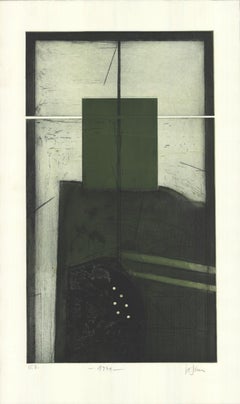
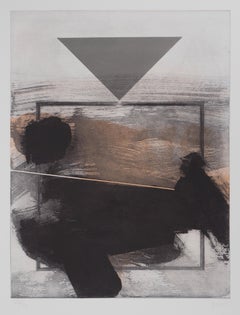
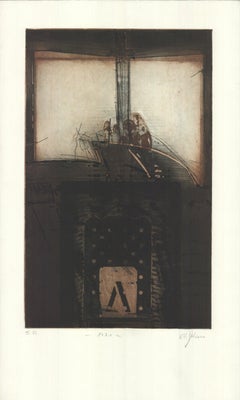
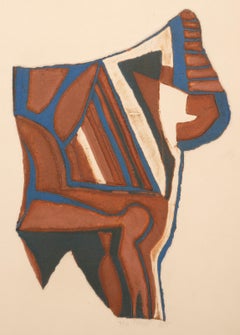
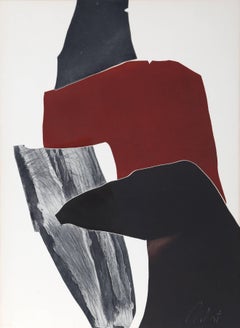
Toti Scialoja, born Antonio Scialoja (Rome, 16 December 1914 – Rome, 1 March 1998), was an Italian painter and poet. After an expressionist period, he oriented himself towards an abstract-concrete pictorial language with a strong material charge. A significant part of his activity was dedicated to the theatre, for which he collaborated with avant-garde writers, musicians, directors and choreographers.
From 1961 he began an original activity as a poet, dedicated in part to children, creating nonsense and limericks and illustrating his own poems.
He was a teacher and director of the Academy of Fine Arts in Rome, where he had as students many contemporary artists, such as Mario Ceroli, Pino Pascali, Gian Carlo Riccardi, Jannis Kounellis and Carlo Battaglia, who often remembered him as an important inspiration for their artistic path.
After abandoning his law studies, in 1937 he began to devote himself to painting. In 1939, one of his drawings was selected by the jury of the Rome Quadrennial, and in 1940 he held his first solo exhibition in Genoa.
Subsequently, he also devoted himself to the theater; in 1943, his production of John Gay's L'opera dello straccione was banned by the fascist authorities.
During the war, and before joining the Resistance, he exhibited in Rome with Giulio Turcato and Emilio Vedova. In 1945, he married Titina Maselli. He was then married to Gabriella Drudi until the end of his life.
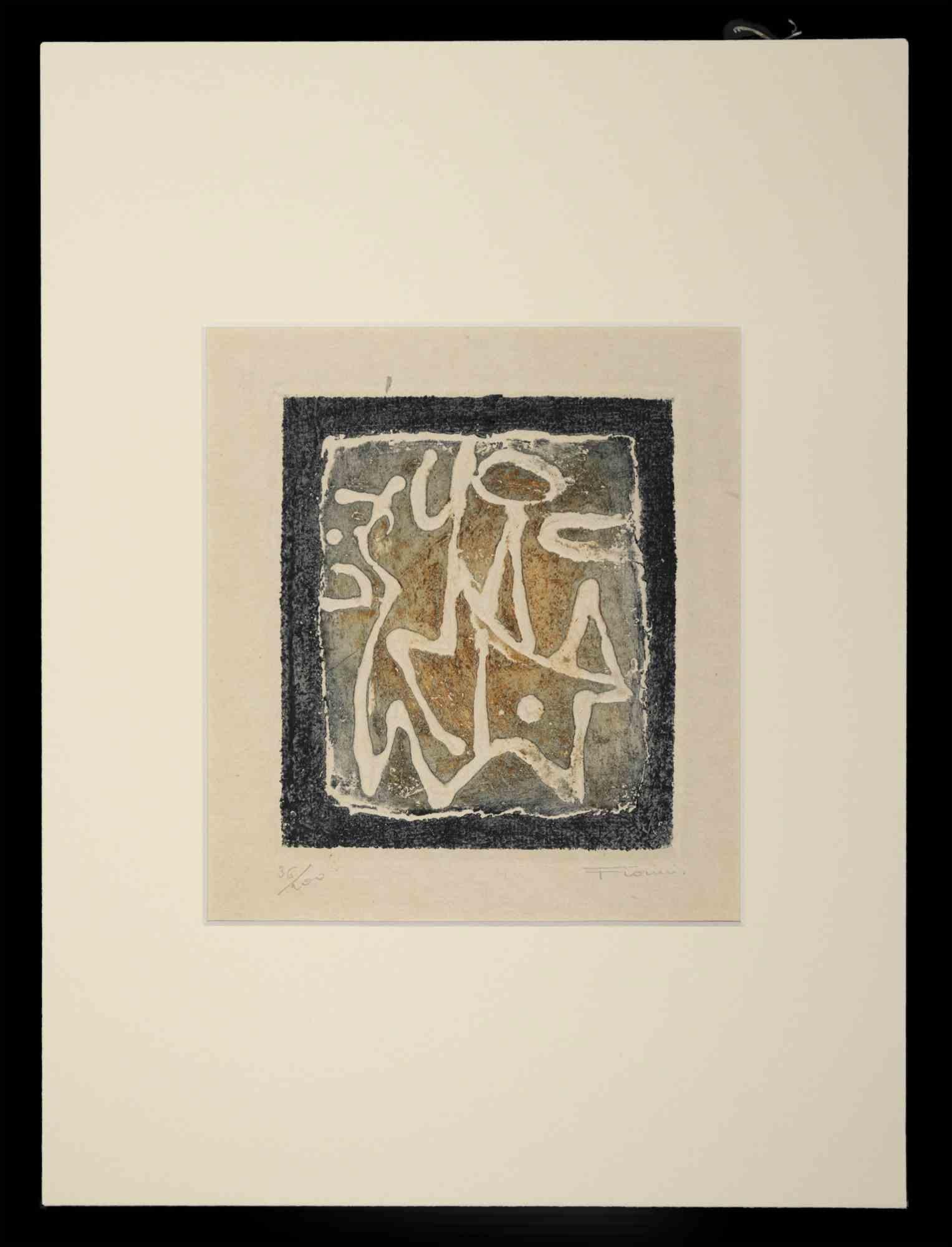
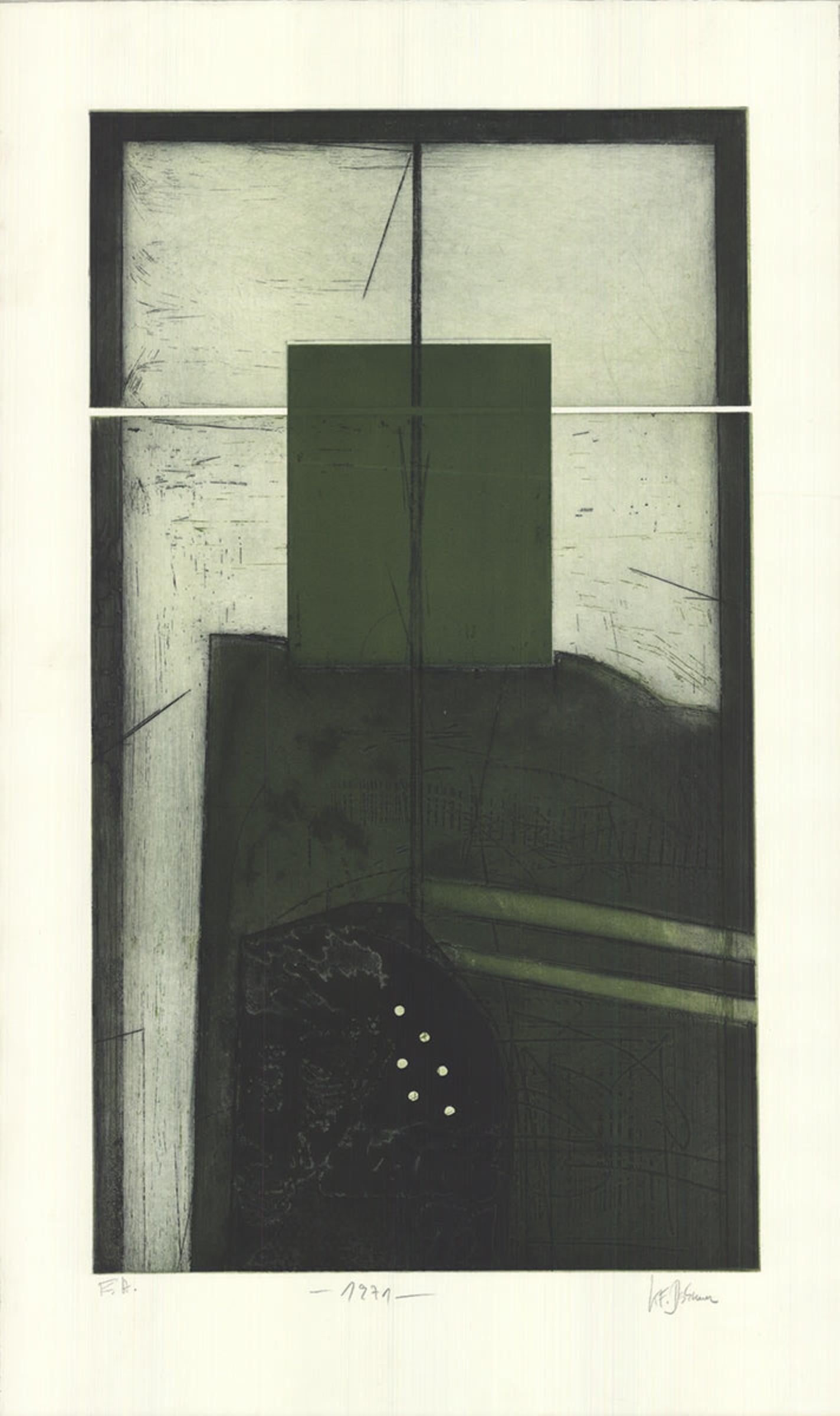
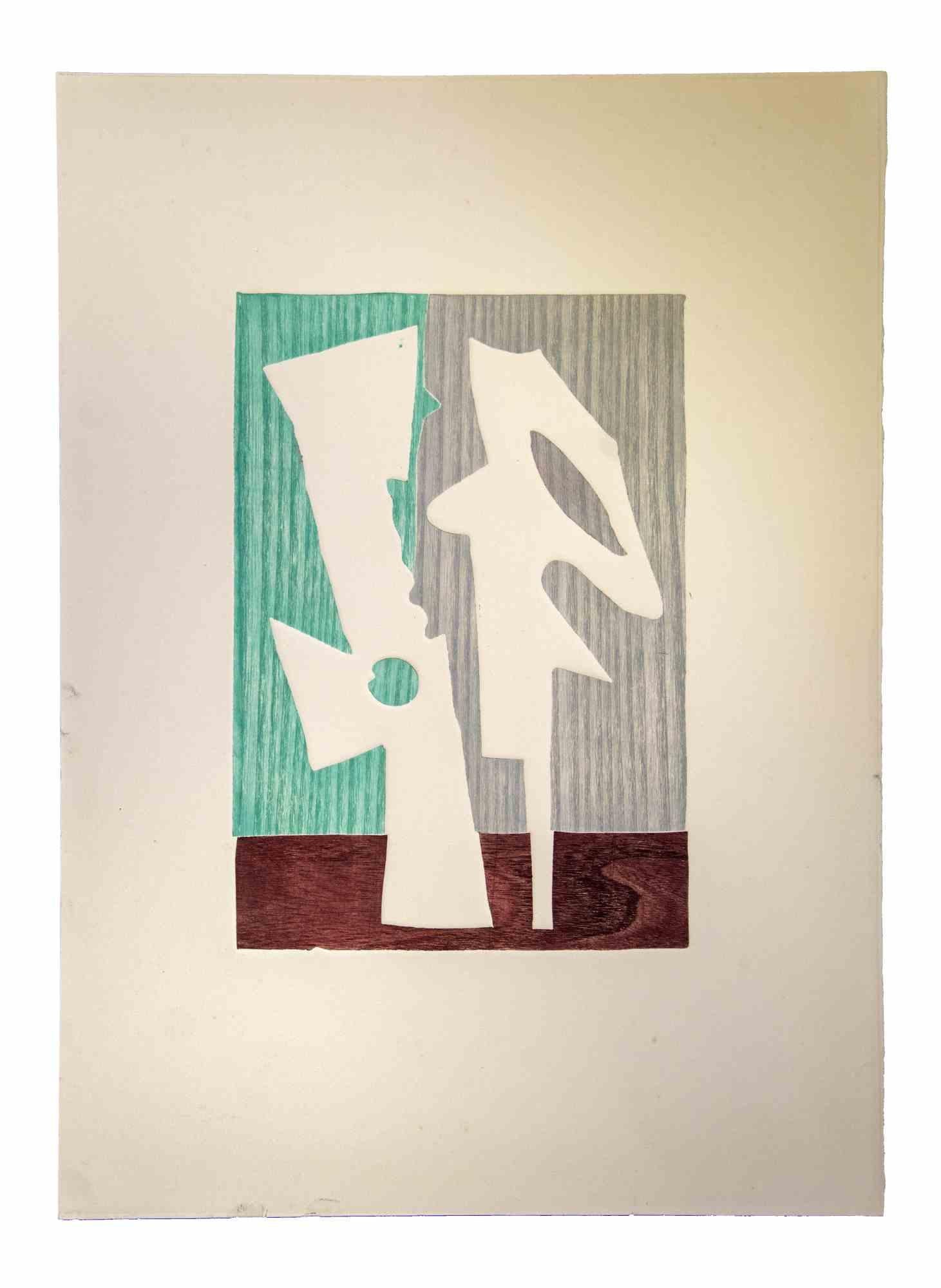
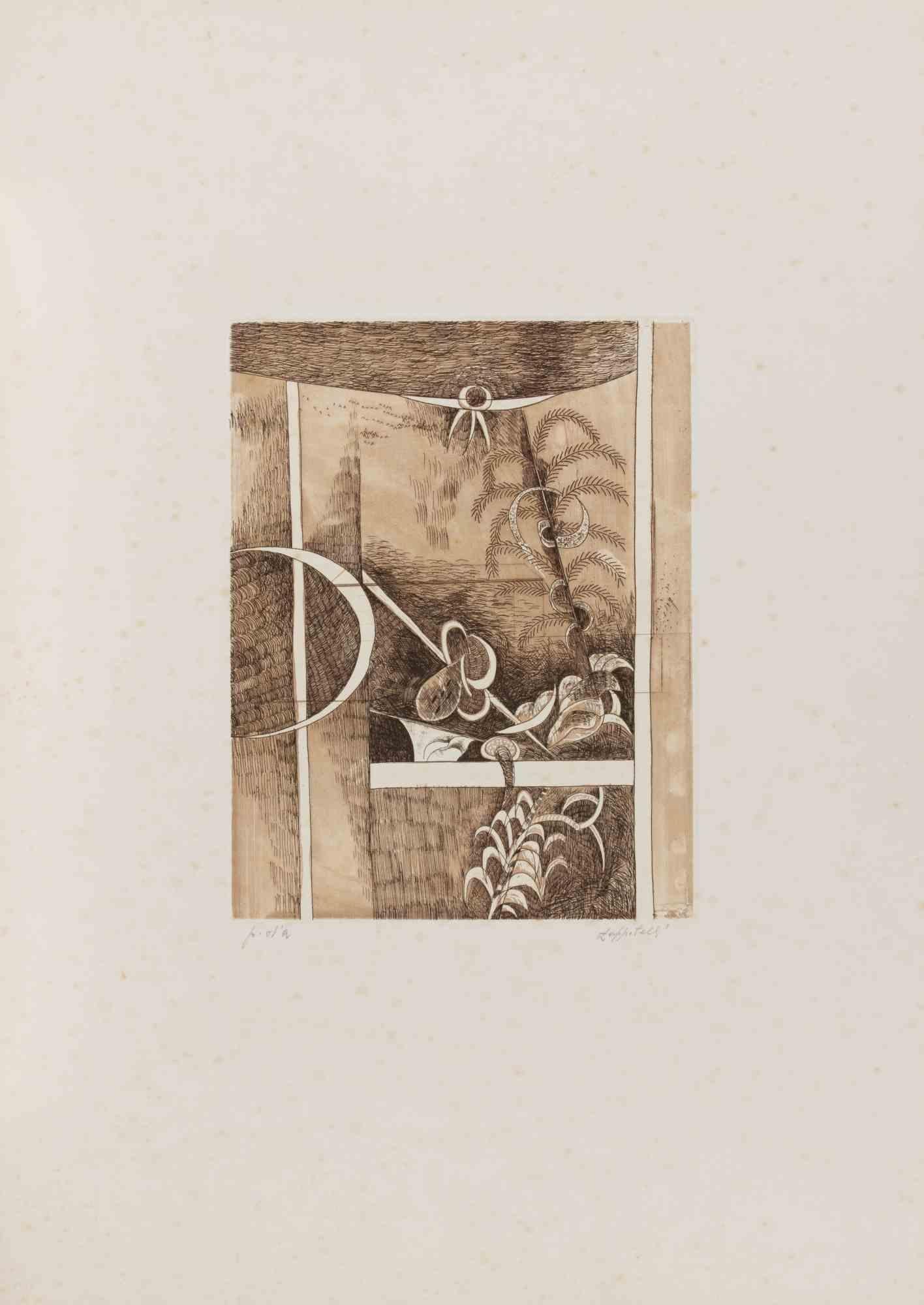
However, it was the 1950s that saw (similarly to what happened to Emilio Scanavino) a definitive turning point in his art, which, abandoning the Expressionist and Cubist approaches of his origins, definitively found its path in Informal Abstraction.
In 1945, he married the painter Titina Maselli. He participated in the Venice Biennale in 1950, 1952, and 1954.
Between 1955 and 1965, he traveled and stayed in America and Paris, exhibiting at the Viviano Gallery in Manhattan, achieving international fame and notoriety and coming into contact with other protagonists of Abstract Expressionism, befriending, among others, Mark Rothko, Willem de Kooning, and Robert Motherwell. He took part again in the Venice Biennale in 1964 and in 1966 he had a solo exhibition at the Marlborough Gallery. In 1961 he began writing illustrated letters to his nephew James; these were the first experiments in a poetic vocation that would lead him to publish three books of nonsense poetry (illustrated by himself): Amato topino caro, Una vespa! che spavento.
Among the first admirers of his poetic activity we find Italo Calvino, Giorgio Manganelli, Antonio Porta, Alberto Arbasino, Giovanni Raboni. Scialoja would pursue his poetic vocation in parallel with painting until his last days of life. This new insight seems to have been inspired by the artist's viewing of Goya's paintings at the Prado; in fact, Scialoja painted a remarkable San Isidro after Goya in 1983. The 1980s and 1990s: Return to Painting and Recognition Edit He returned to the Biennale with great success in 1984 with a solo exhibition. His most successful works date from this final phase of his life.