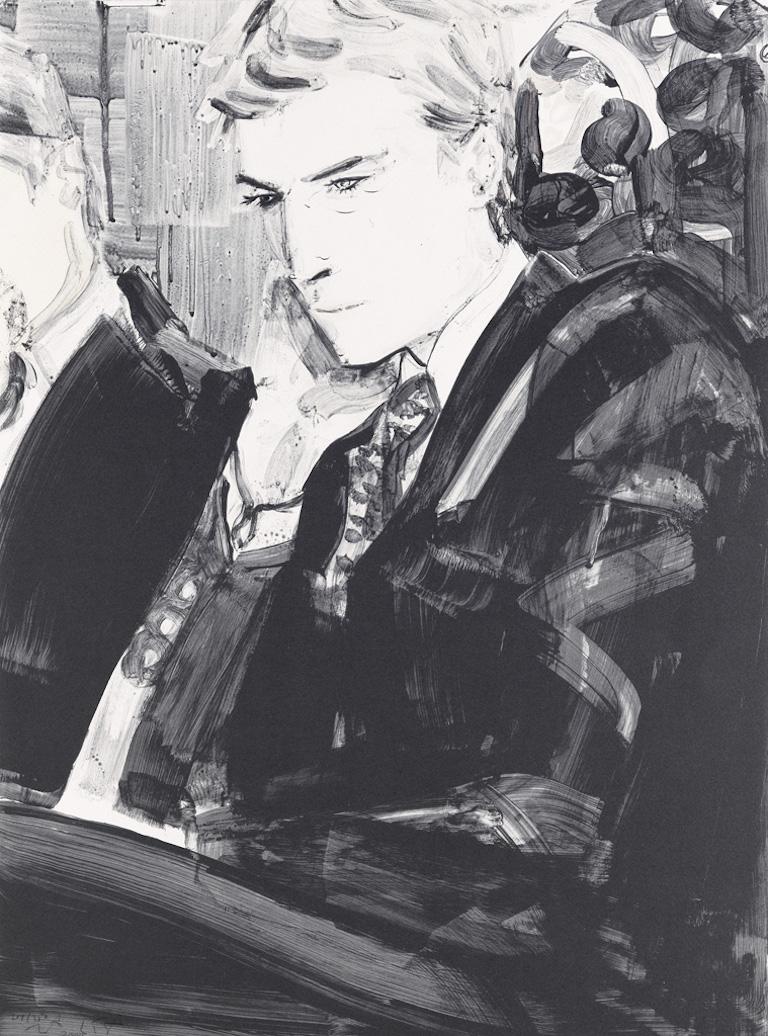
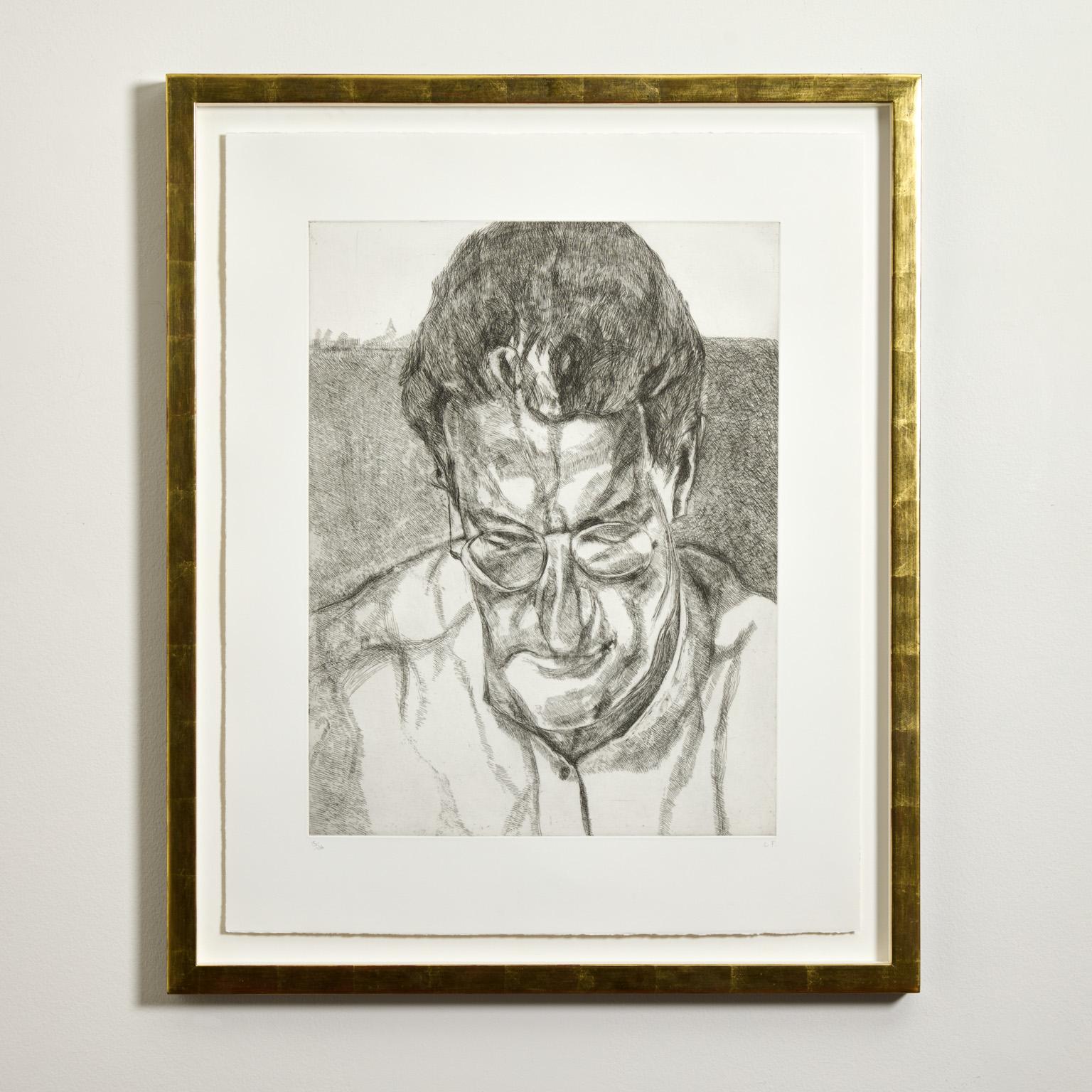
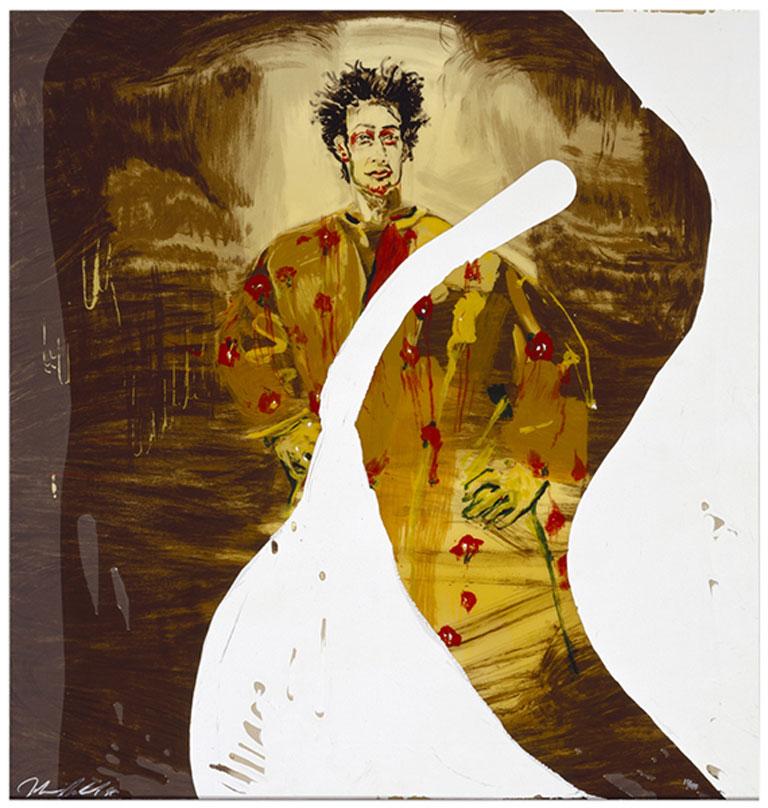
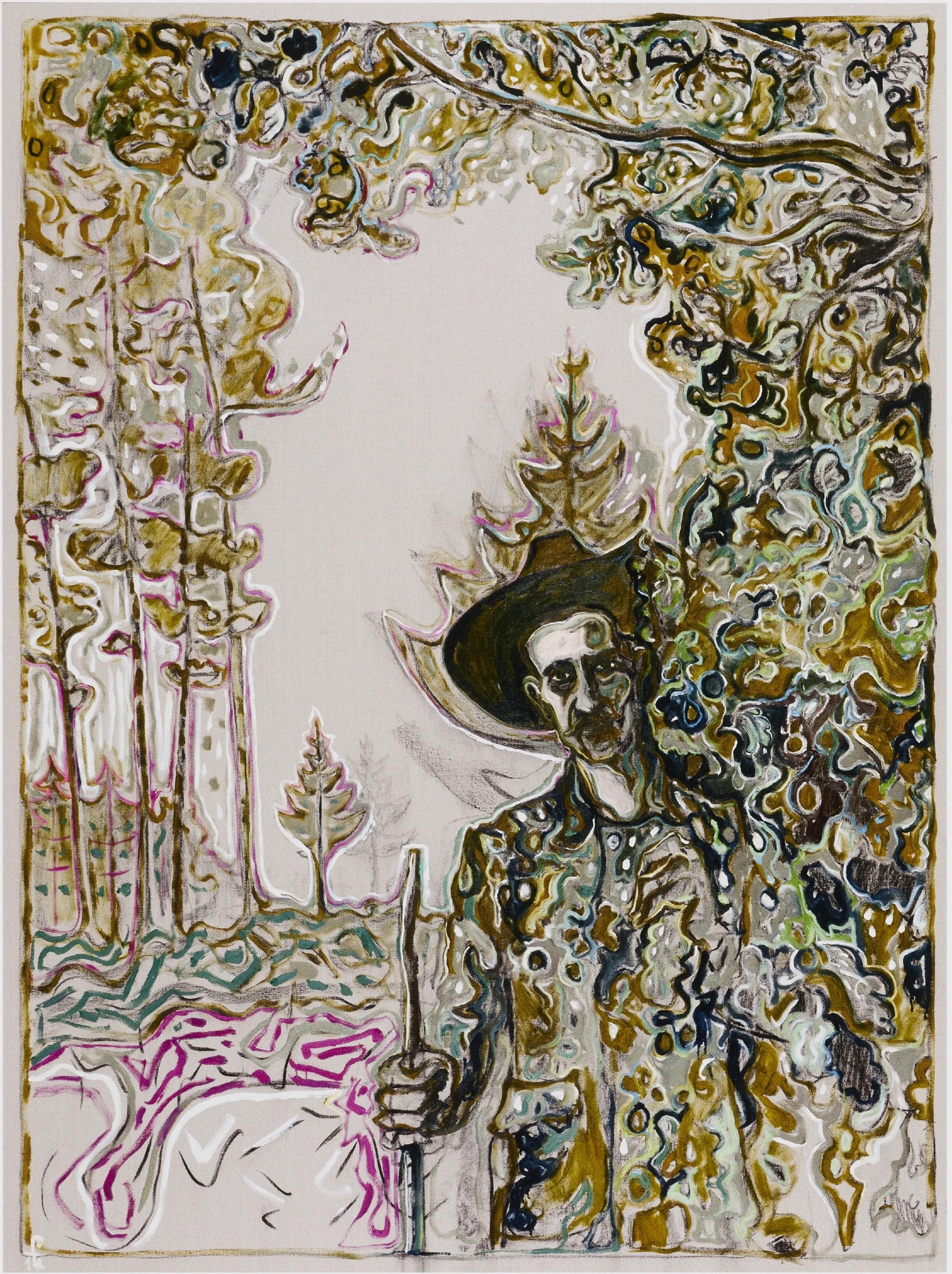
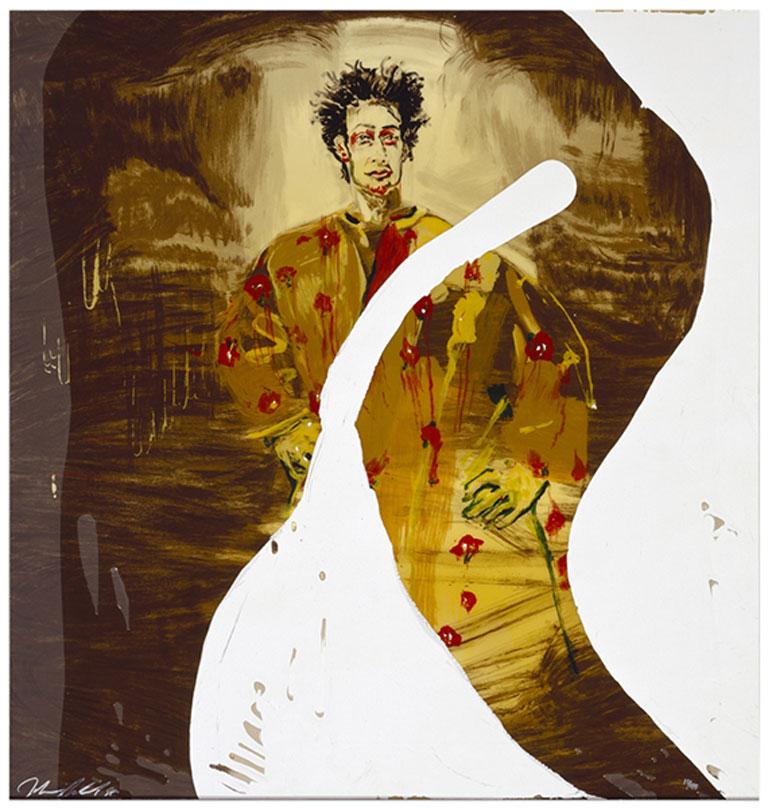
Comus In a Drunken Stupor
By Hernan Bas
Located in Berkeley, CA
Color softground and flatbite etching, spitbite and soapground aquatints, and unique inking.
Category
21st Century and Contemporary Contemporary Figurative Prints
Materials
Etching
2013
Artist Hernan Bas is best known for the lively depictions of nineteenth-century-style waifs, mythological creatures and dandies that permeate his Expressionist paintings and prints. Whether they’re cheerful or somber, Bas’s subjects, which are often imbued with humor and homoeroticism, are typically positioned in a richly colored fantastic landscape. He views them as characters in a broader story that he tells throughout his work.
Born in Miami, Florida, Bas had a penchant for drawing and painting as young as four years old. He entered the art magnet program in the Miami public school system, where teachers helped foster his talent and passion for the arts.
Bas entered art school in seventh grade. His post-high school education took shape at the New World School of the Arts of Miami. After graduating in 1996 from New World, Bas enrolled in The Cooper Union — an exclusive arts academy in New York City. He left The Cooper Union after a semester, believing he'd had all the art training he was going to need.
Though he considers himself a painter by trade, Bas enjoys experimenting with other media. He has tried his hand at photography and film, and eventually set up a darkroom in his studio basement.
Bas’s first exhibition took place in 2001 at Miami’s Fredric Snitzer Gallery, and it didn't take long for the art scene to take notice. The artist has since enjoyed a global audience and has had solo and group showings around the world — including New York, Sweden and the United Kingdom.
Bas’s art is held in many public collections including the Art Gallery of Ontario in Toronto, the San Francisco Museum of Modern Art and the Samuso: Space for Contemporary Art in Seoul, South Korea. He lives and works between Miami and Detroit.
Find original Hernan Bas prints and photography on 1stDibs.
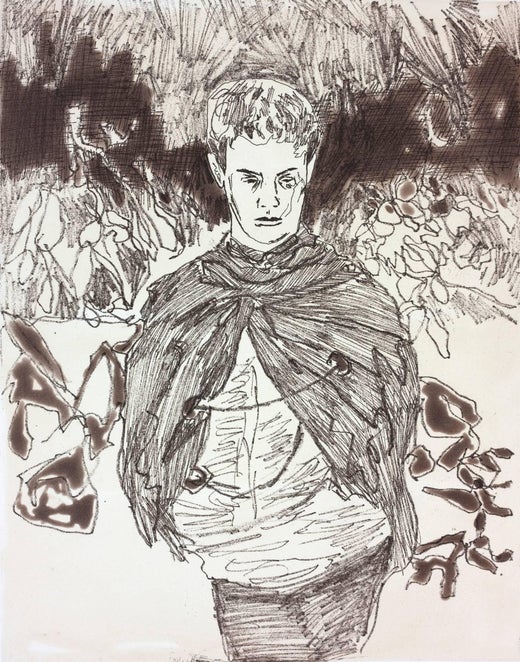
Comus In a Drunken Stupor
By Hernan Bas
Located in Berkeley, CA
Color softground and flatbite etching, spitbite and soapground aquatints, and unique inking.
Etching
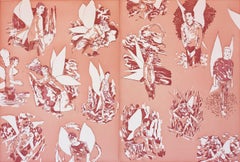
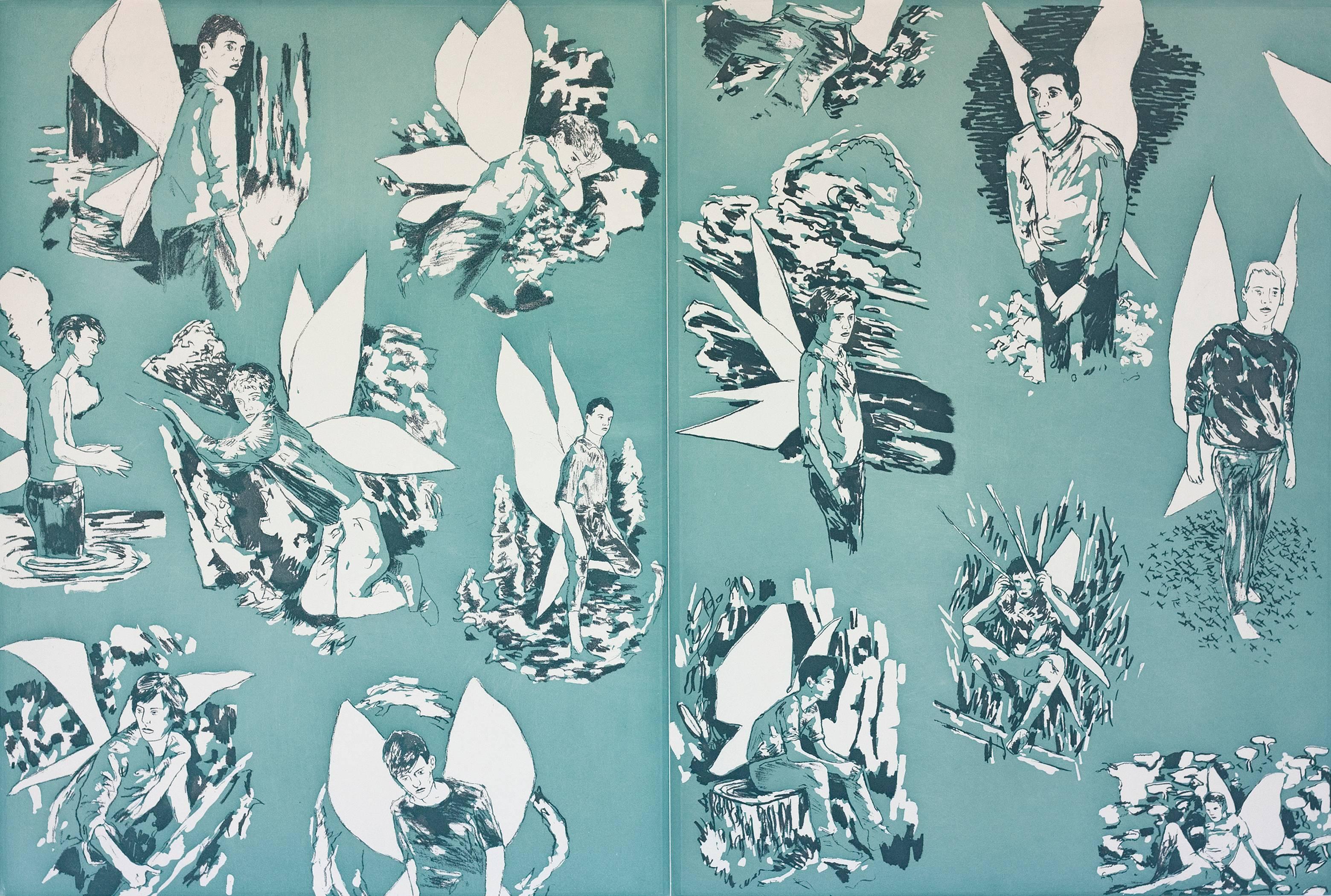
Revised Endpapers for "The Homosexual Neurosis" (Pink)
By Hernan Bas
Located in Berkeley, CA
Color aquatint.
Etching
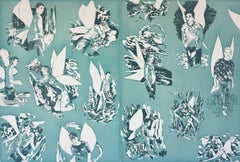
Revised Endpapers for "The Homosexual Neurosis" (Blue)
By Hernan Bas
Located in Berkeley, CA
Color aquatint. Edition of 35
Etching
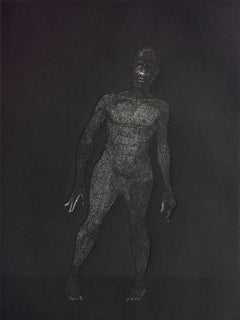
Untitled (Frankenstein)
By Kerry James Marshall
Located in Berkeley, CA
Hardground Etching
Etching
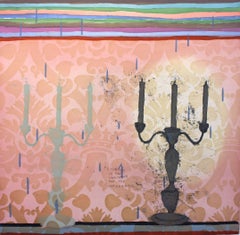
Not Known
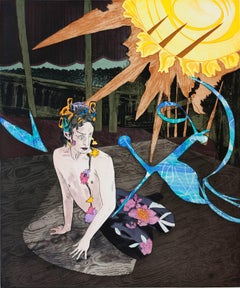
By Squeak Carnwath
Located in Berkeley, CA
Color Aquatint Etching on Rivere White
Etching, Aquatint
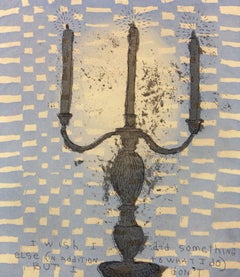
I Wish
By Squeak Carnwath
Located in Berkeley, CA
Color aquatint etching on Rives light weight cream paper
Etching, Aquatint
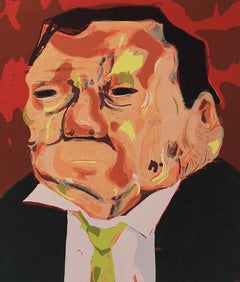
Poisoned Man
By Dana Schutz
Located in New York, NY
Color woodblock print Signed, dated, and numbered in pencil, recto 30.5 x 25.5 inches, sheet 21.5 x 17.5 inches, image This artwork is offered by ClampArt, located in New York City.
Color
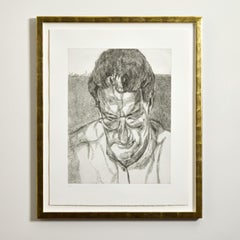
The Painter's Doctor
By Lucian Freud
Located in Toronto, Ontario
Lucian Freud (1922-2011) was a seminal figure in 20th-century British art, celebrated for his raw and psychologically charged exploration of the human form. With his distinctive fi...
Etching
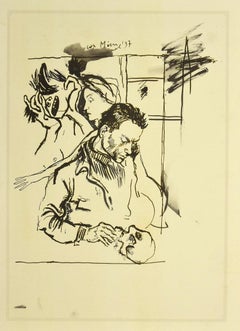
Nude - Vintage Offset Print after Renato Guttuso - 1980s
By Renato Guttuso
Located in Roma, IT
Figure is a vintage offset print realized after a drawing of the Sicilian artist Renato Guttuso, 1980s. Signed on plate. Good conditions. Renato Guttuso (Bagheria, Palermo 1912 -...
Paper, Offset
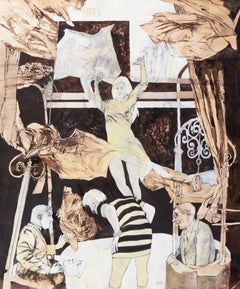
'Dynamic Figurative', California Post-Impressionist, Ruskin School of Art
By Robert Moesle
Located in Santa Cruz, CA
Signed lower right "Moesle" and painted circa 1975. Gouache and watercolor figurative showing numerous figures in dynamic interaction. Born in 1932, Robert Moesle studied painting ...
Paper, India Ink, Watercolor, Gouache
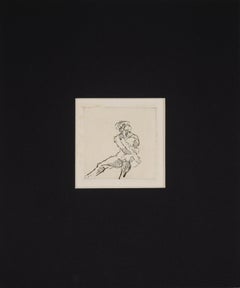
Male Figurative Study - Original Lithograph on Paper
By Jim Smyth
Located in Soquel, CA
Male Figurative Study - Original Lithograph on Paper Original lithograph on paper depicting a male nude in pose. The male figure is depicted sitting, ...
Paper, Ink, Lithograph
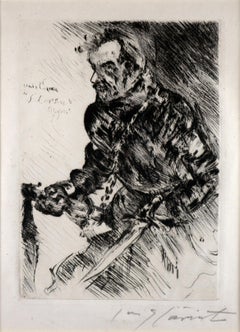
Rudolf v. Rittner as Florian Geyer - Last man standing -
By Lovis Corinth
Located in Berlin, DE
Lovis Corinth (1858 Tapiau - 1925 Zandvoort), Rudolf von Rittner as Florian Geyer, 1924 (Müller 854), drypoint signed in pencil. 20.4 × 14.2 (plate size), 37.7 × 30.6 cm (sheet size). Published by Karl Nierendorf, Berlin. Framed in a passepartout. - Strong, precise impression. Frame a little bit rubbed and with two small damages. About the artwork The knight is a leitmotif in Lovis Corinth's work, culminating in his Self-Portrait in Armour of 1914. Of all the paintings on this theme, Corinth most often depicted Florian Geyer. Descended from a Franconian noble family, he fought for the freedom of the peasants during the peasant wars of the Reformation, first diplomatically and then militarily, leading the legendary Schwarzen Haufen (Black Troops). The name derives from the black uniforms with which Geyer dressed the peasants willing to fight. During the Napoleonic occupation, the freedom fighter Florian Geyer was sung about by the Romantics, and the free corps Die Schwarze Schaar, founded in 1813 by Major von Lützow, succeeded the Schwarzer Haufen. It was against this historical background that Gerhard Hauptmann wrote the revolutionary drama Florian Geyer, which premiered at the Deutsches Theater in Berlin in 1896. While the actor Rudolf Rittner, who would later appear in Fritz Lang's films, initially played the role of Schäferhans, he took over the leading role in the new production at Berlin's Lessing Theatre in 1904, again directed by Emil Lessing, which established his fame as an actor. Hauptmann himself praised the acting. He wrote to Hugo von Hofmannsthal: "It went quite well with Florian Geyer. In any case, I had the great pleasure of seeing the play again in an admirable performance". And Lovis Corinth was so taken with Rittner's performance that he painted an oil portrait of him in the role of Florian Geyer in 1906. After two further graphic versions in 1915 and 1920/21, Corinth returned to the painting a year before his death and almost twenty years after the oil painting to create this graphic version in 1924. Even the inscription in the picture was taken over. This proves all the more the importance of the knight and freedom fighter for Corinth's self-image. The oil painting, in particular, proclaims the single-minded determination to fight to the last for the values defended, manifested in the oil painting by the tattered flag held out to the enemy. There is a parallel with Rainer Maria Rilke's 1899 story The Cornet, in which the protagonist goes down with the flag that he first saved at the risk of his life. Consequently, the portrait is also a self-portrait, and the knight's armour is not an academic costume or an ironic refraction, but an expression of Corinth's self-image, which also includes his self-representation as an artist. The Secession poster...
Etching