Want more images or videos?
Request additional images or videos from the seller
1 of 5

Unknown
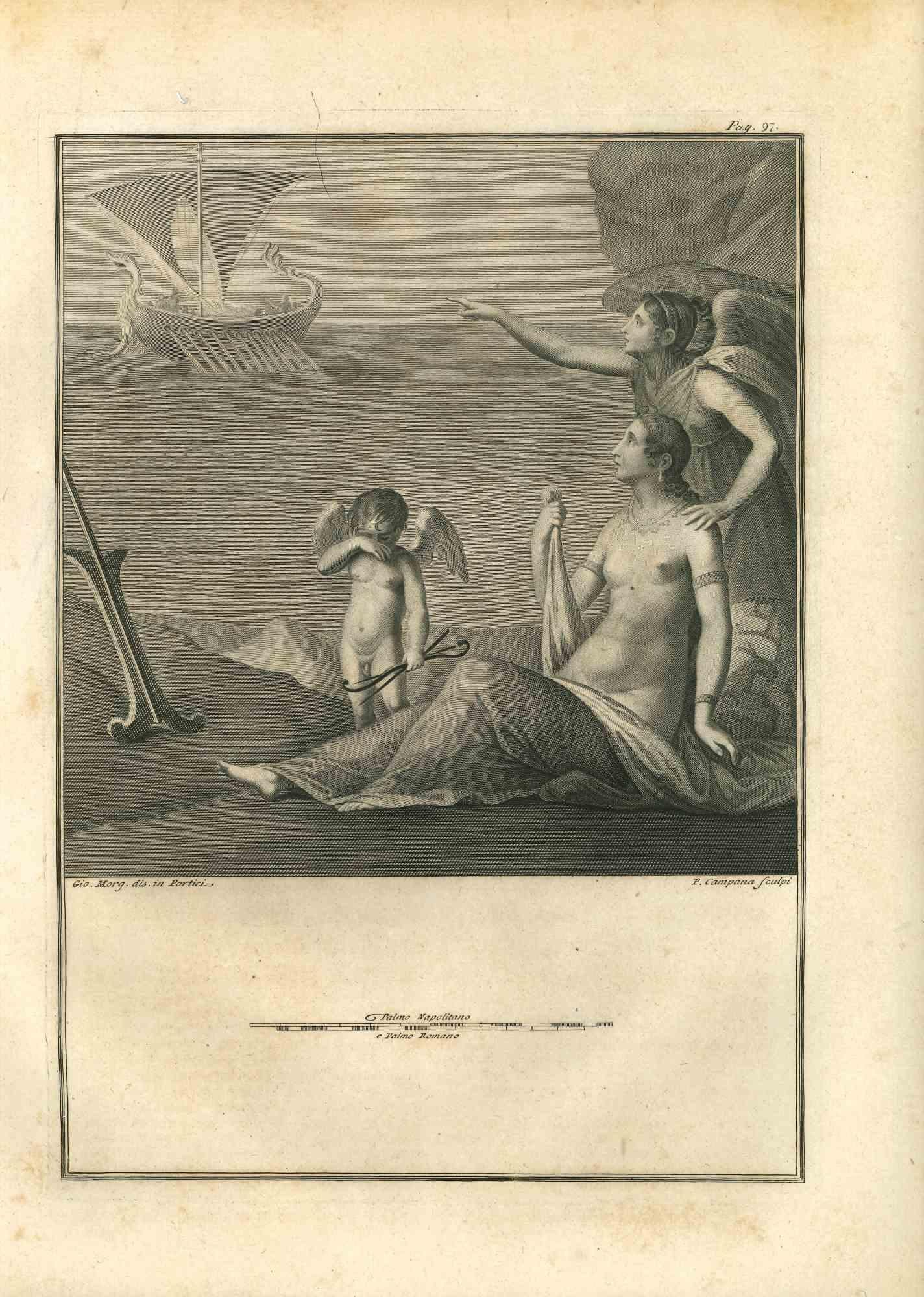
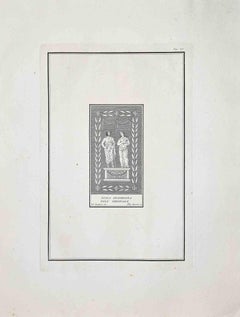
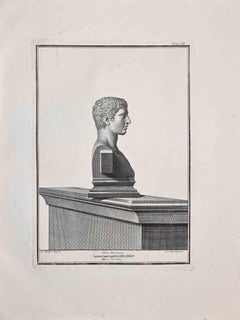
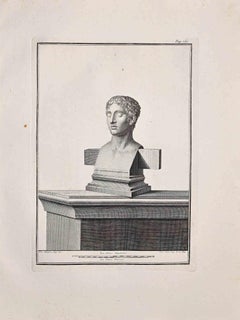
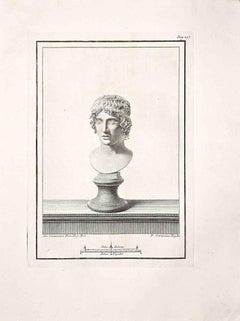
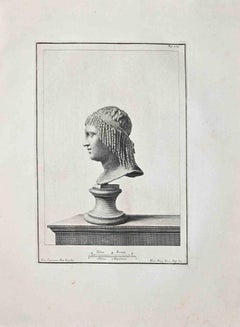
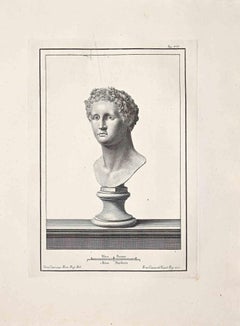
Antiquities of Herculaneum Exposed - original Etching - 18th Century

18th Century

$588.41
£436.01
€500VAT Included
CA$819.11
A$833.31
CHF 478.83
MX$10,020.66
NOK 5,590.30
SEK 5,623.77
DKK 3,812.52

About the Item

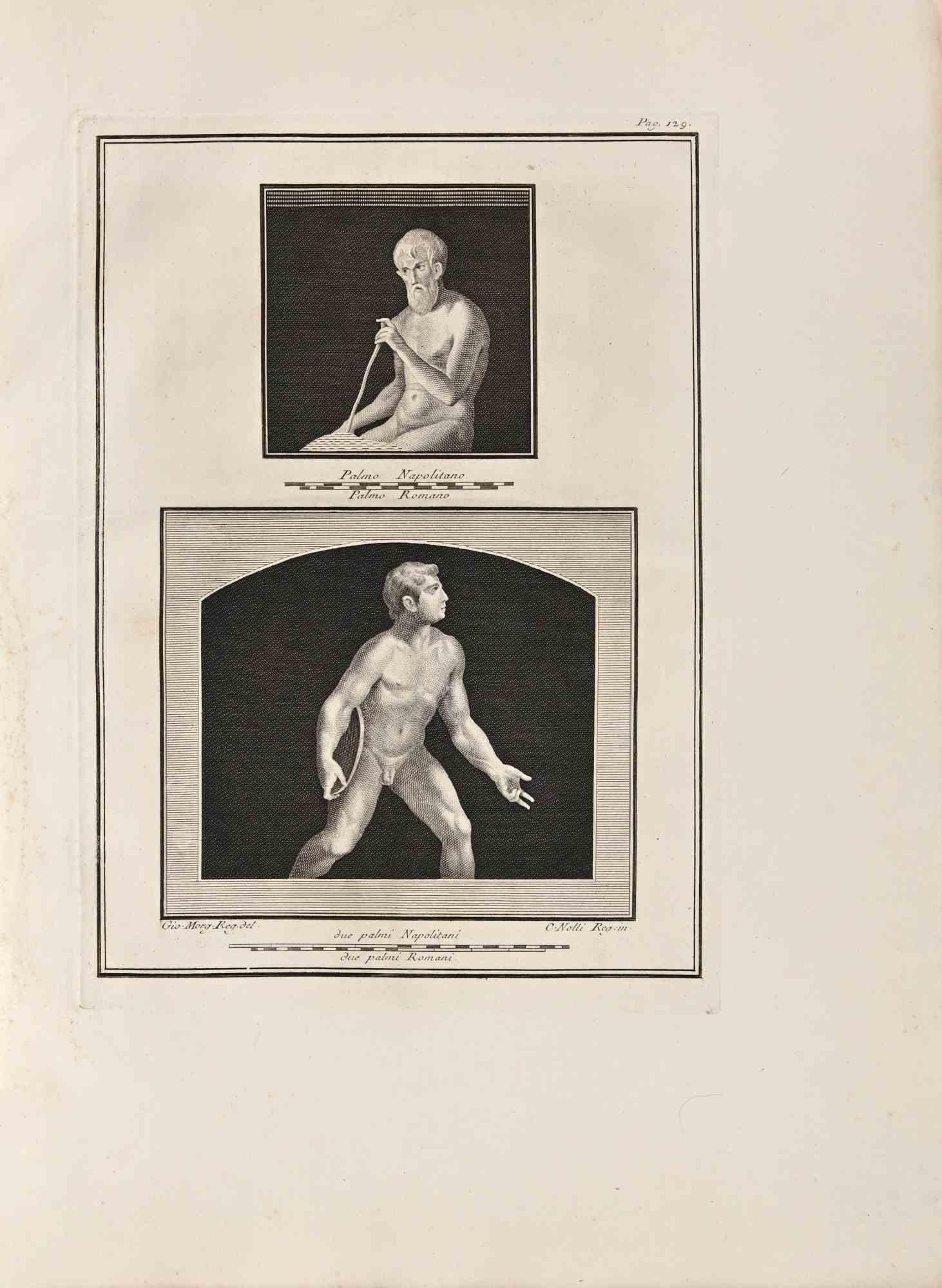
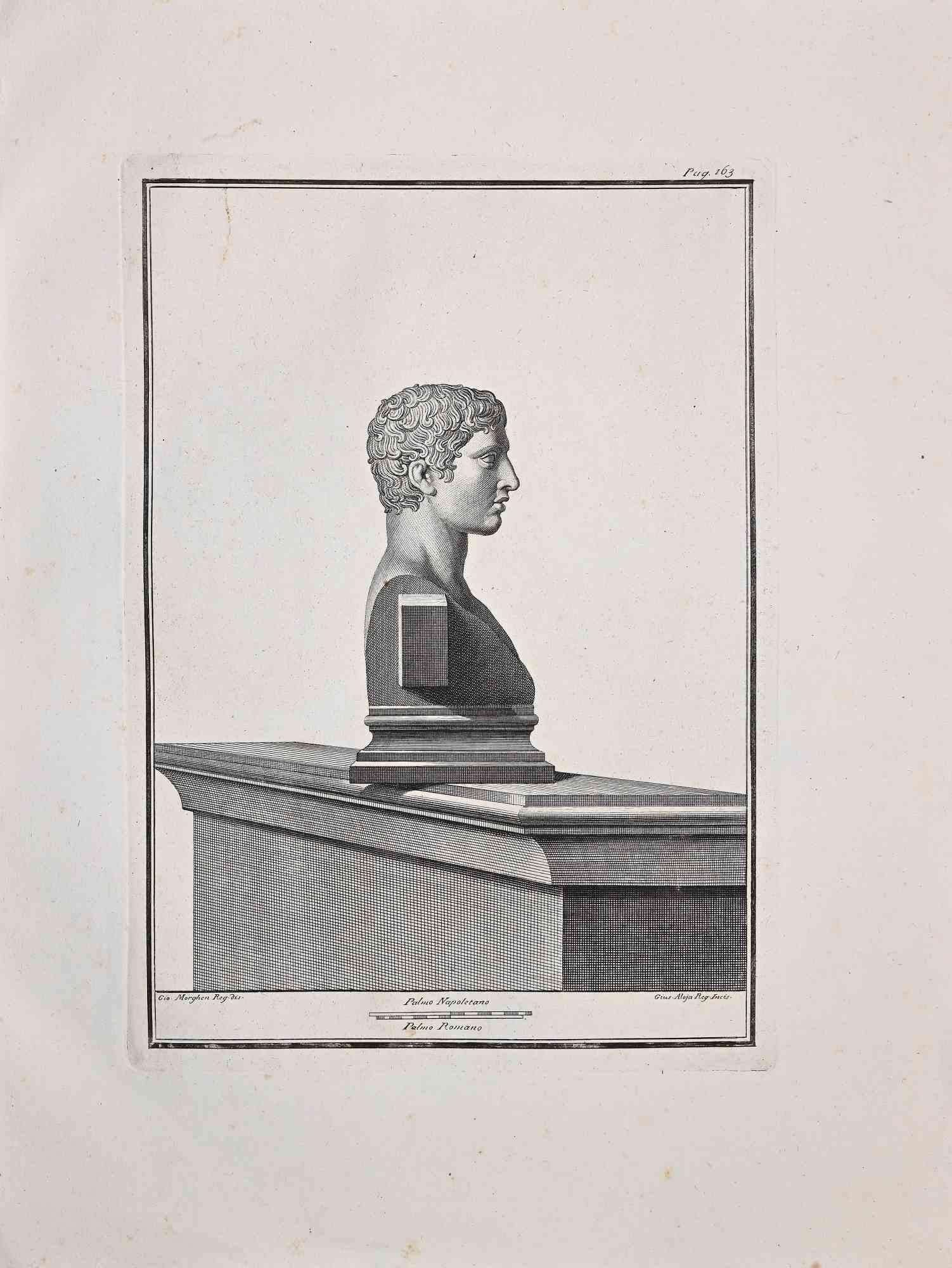
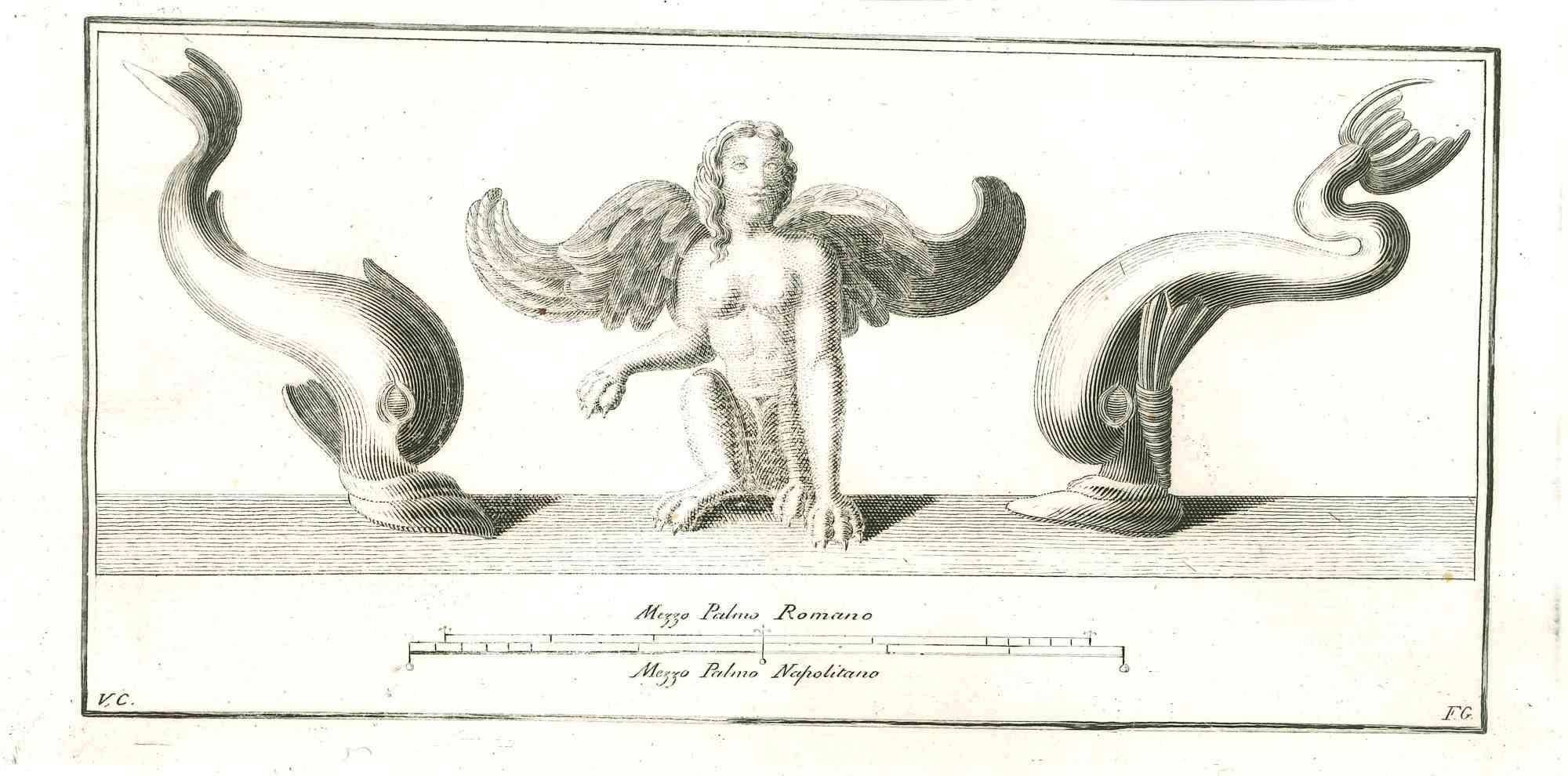
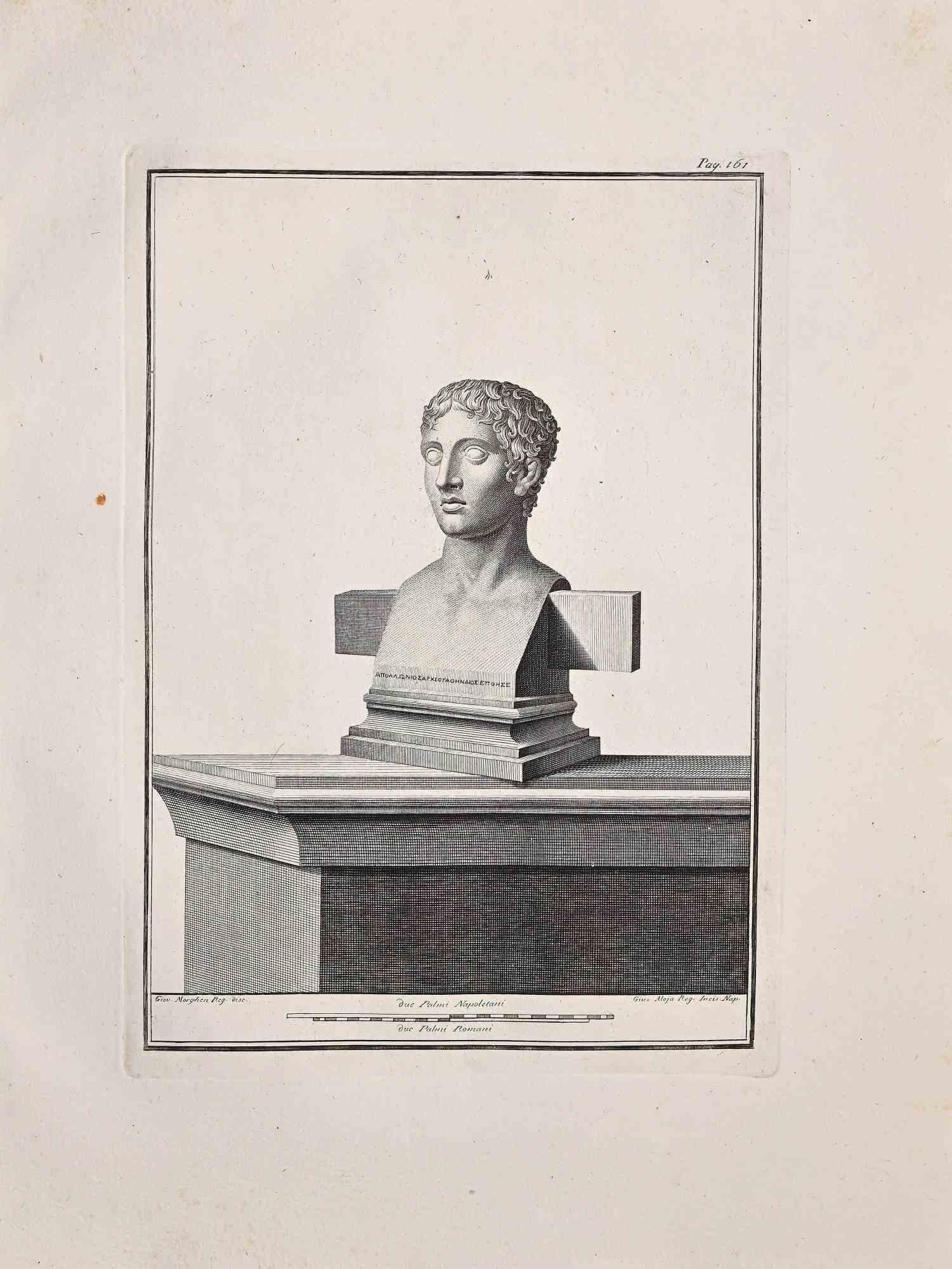
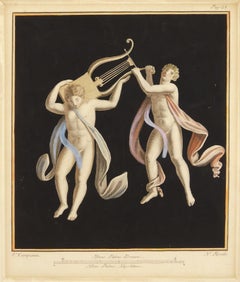
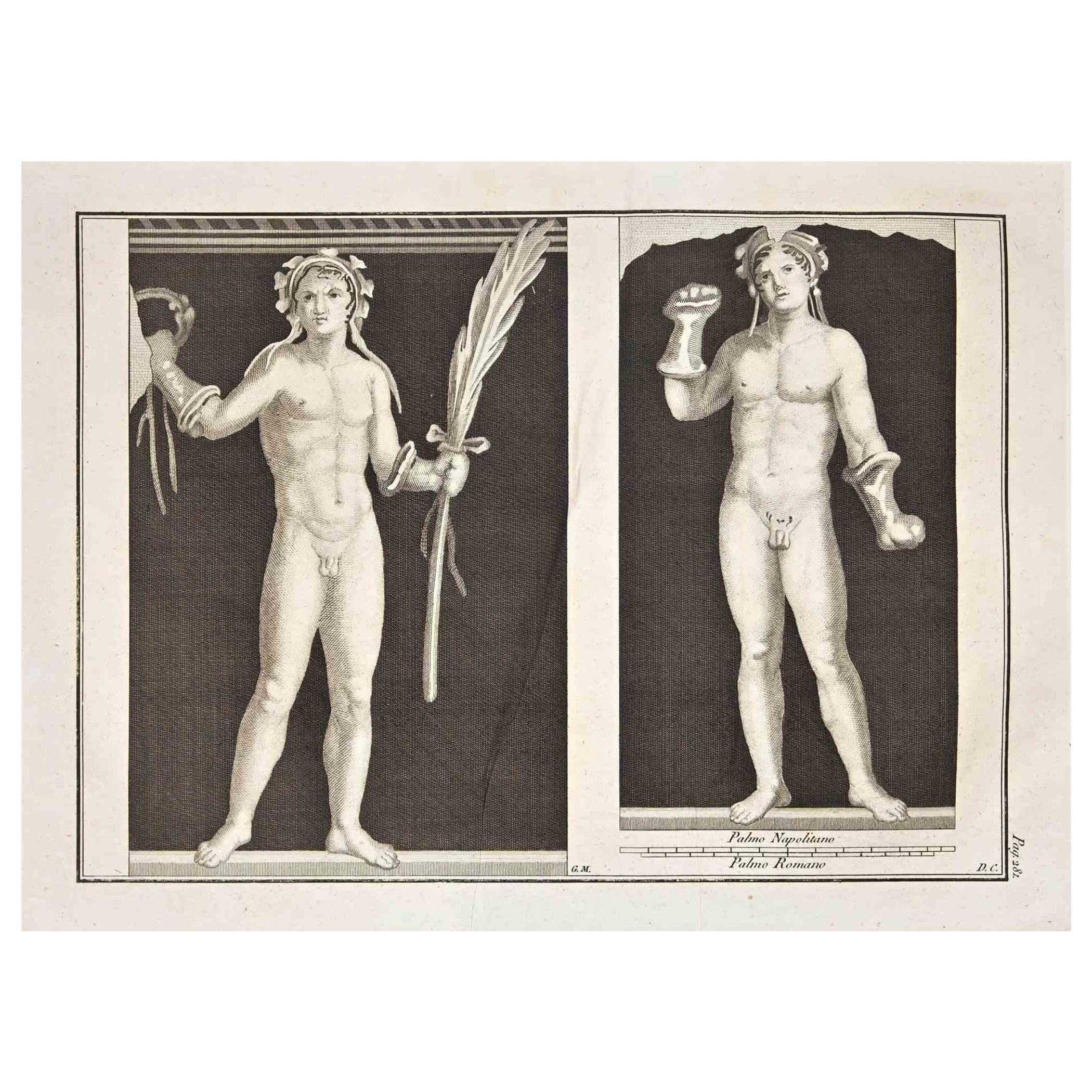
Antiquities of Herculaneum Exposed, original etching from the end of the 18th century, made by Various Old Masters. Good condition. This work is composed of two drawings; in the first is represented a faun that plays a lyre. The second depicts a woman with divine parencies. In both images is the inscription "of the greatness of the original". Bottom right and left the name of the artists:Vin.Campana – Filip.Imperato. The etching belongs to the print-series Antiquities of Herculaneum Exposed (original title: Le Antichità di Ercolano Esposte), eight volumes of engravings of the finds from the excavation of the ruins of Herculaneum in the Kingdom of Naples (today Campania, Italy). It was published between 1757 and 1792 by the Regia Stamperia and later these copies were delivered to selected recipients throughout Europe. Despite the title, the Antiquity of Herculaneum shows objects from all the excavations undertaken by the Bourbons in the Gulf of Naples. These include Pompeii, Stabia and two sites of Herculaneum: Resina and Portici. The Bourbon king Charles commissioned fifteen scholars to create a new “Herculaneum Academy” to study the finds and publish the results of the archaeological excavations of the sites. The engravings are of high quality and the accompanying text shows a large scholarship. They were made by 25 leading artists involved by the King to prepare drawings and engravings on the finds, among which we find Giovanni Elia Morghen, Carlo Nolli, Luigi Vanvitelli and Giovanni Battista Casanova. The "Antiquity" was designed more to amaze readers with the quality of the objects in the collection of the King of Naples than to be used in research, following and increasing the interest of eighteenth-century society for classical culture and art in particular. Through the exaltation of the classical concept of proportion and harmony, the book inspired the neoclassical movement in Europe, giving artists and decorators access to a vast workshop of Hellenistic motifs. Ref .: National Gallery (Washington), Mark J. Millard Architectural, IV (2000), n. 1. L. Garcia y Garcia, Nova bibliotheca Pompeiana (2 v., 1998). Royal Institute of British Architects, British Architectural Library ... First Printed Books, 1 (1994), no. 112. U. Pannuti, Engravers and designers of the Royal Printing House of Naples in the 18th century: the publication of the Antiquities of Herculaneum, in Xenia antiqua, 9 (2000), p. 151-178. V. Trombetta, The edition of The Antiquities of Herculaneum exhibited in Rendiconti of the Academy of Archeology, Letters and Fine Arts of Naples, 59 (1984), p.151-172.
  • Creation Year:
    18th Century
  • Dimensions:
    Height: 19.69 in (50 cm)Width: 14.97 in (38 cm)Depth: 0.04 in (1 mm)
  • Medium:
  • Movement & Style:
  • Period:
  • Framing:
    Framing Options Available
  • Condition:
    Insurance may be requested by customers as additional service, contact us for more information.
  • Gallery Location:
    Roma, IT
  • Reference Number:
    Seller: T-1257641stDibs: LU65039227022

More From This Seller

View All

You May Also Like

Three 19th C. Engravings of Classical Italian Bronze Architectural Elements

Three 19th C. Engravings of Classical Italian Bronze Architectural Elements

Located in Alamo, CA

A grouping of three engravings depicting classical Italian architectural features held in the National Museum of Naples, entitled "Bronze Hydria", "Marbre Naissance de Bacchus" and "...

Category

1880s Other Art Style Still-life Prints

Materials

Engraving

Pair of Roman Antiquities & Classical Bronze Objects Engravings, 1721

Pair of Roman Antiquities & Classical Bronze Objects Engravings, 1721

Located in Langweer, NL

Title: Pair of Roman Antiquities & Classical Bronze Objects Engravings, 1721 Description: This elegant pair of early eighteenth-century copper engravings originates from Bernard de ...

Category

Antique 1720s French Prints

Materials

Paper

18th Century Hand Colored Engravings of Herculaneum Frescos  by Nicola Fiorillo

18th Century Hand Colored Engravings of Herculaneum Frescos by Nicola Fiorillo

Located in Rochester, NY

Set ancient Roman frescos from the series "Antiquities of Herculaneum", an original etching on paper by Nicola Fiorillo in the 18th Century. Three hand colored copper engravings of classical roman. Each print is matted in a custom made silk mat that matches the clothing. Engraving with two figures measures 21.25" x 18.25". The other two prints measure 20.5" x 16.5". Size includes mat. # greek Pompeii Grand tour

Category

18th Century Figurative Prints

Materials

Paper

Antique Roman Sculpture Engravings, Set of 3 – Montfaucon, 1721

Antique Roman Sculpture Engravings, Set of 3 – Montfaucon, 1721

Located in Langweer, NL

Antique Roman Sculpture Engravings Set of 3 – Montfaucon 1721 Plates A striking and scholarly set of three early 18th-century engravings depicting classical Roman sculpture and anti...

Category

Antique Early 18th Century French Prints

Materials

Paper

Classical Antiquities Engraving, Sepulchrum des Nasonii, Montfaucon 1721

Classical Antiquities Engraving, Sepulchrum des Nasonii, Montfaucon 1721

Located in Langweer, NL

Classical Antiquities Engraving, Sepulchrum des Nasonii, Montfaucon 1721 This original early eighteenth-century copper engraving presents a scholarly compilation of classical antiquities drawn from ancient Roman artworks, engraved gems, and sculptural sources. The plate originates from Bernard de Montfaucon’s influential publication *L’Antiquité expliquée et représentée en figures*, published in Paris in 1721, one of the most important antiquarian works of the Enlightenment and a cornerstone in the development of archaeology and classical art history. The composition assembles multiple mythological and archaeological subjects arranged in a structured, comparative format typical of Montfaucon’s method. At the center appears a detailed scene labeled “Sepulchrum des Nasonii,” referring to the celebrated Tomb of the Nasonii located along the Via Flaminia in Rome, an important Roman funerary monument known for its painted mythological decorations. The engraving records figures, animals, and pastoral imagery derived from ancient wall paintings, offering eighteenth-century scholars and collectors access to monuments that were otherwise difficult to study directly. Surrounding vignettes reproduce imagery taken from antique cameos, engraved gems, and sculptural fragments. Oval compositions depict mythological figures and allegorical scenes, while the lower section includes a classical statue and medallion studies attributed to antiquarian sources associated with collectors and scholars such as Maffei and Vaillant. These references reflect Montfaucon’s ambition to synthesize knowledge gathered from Europe’s major antiquities collections into a single visual encyclopedia. Executed with refined precision, the engraving demonstrates the clarity and balance characteristic of Parisian copperplate engraving of the early 1700s. Fine linework and careful tonal shading translate sculptural and painted sources into a harmonious graphic composition. Today, plates from Montfaucon’s work are appreciated both for their scholarly significance and for their elegant decorative qualities, making them highly suitable for libraries, study interiors, or contemporary gallery walls seeking classical visual depth. This original antique engraving is offered unframed, allowing flexibility to select a frame that best complements the intended interior. Condition: Good antique condition with age-related toning and light discoloration consistent with early eighteenth-century paper. Minor edge wear and handling marks mainly confined to the margins. Plate impression visible. Blank verso. Framing tips: A dark walnut, gilt, or ebonized frame with a generous ivory mat enhances the academic and neoclassical character of the engraving. For modern interiors, a slim black gallery frame with wide mat spacing provides a refined museum-style presentation. Technique: Copper engraving Maker: Bernard de Montfaucon, France, Paris, 1721 Keywords: Montfaucon engraving, Antiquité expliquée, Sepulchrum des Nasonii, Roman antiquities print, classical archaeology engraving, antique mythological engraving, 18th century copperplate engraving, French antiquarian print, Roman tomb illustration, Via Flaminia Rome print...

Category

Antique 1720s British Prints
Materials

Paper

Herculaneum Monuments, 1762: Bayardi's Engraving Plate 61

Herculaneum Monuments, 1762: Bayardi's Engraving Plate 61

Located in Langweer, NL

Antique print originating from 'Le Antichita di Ercolano Esposte'. A vast survey of the bronzes, statues, wall-paintings, and monuments of Herculaneum. This monumental work was the f...

Category

Antique 18th Century Prints

Materials

Paper