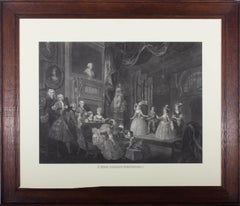
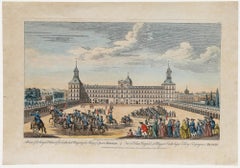
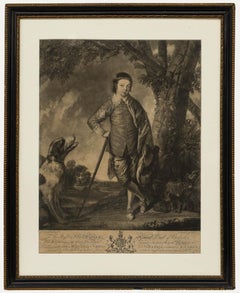
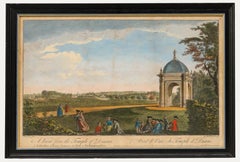
William Woollett (1735–1785)
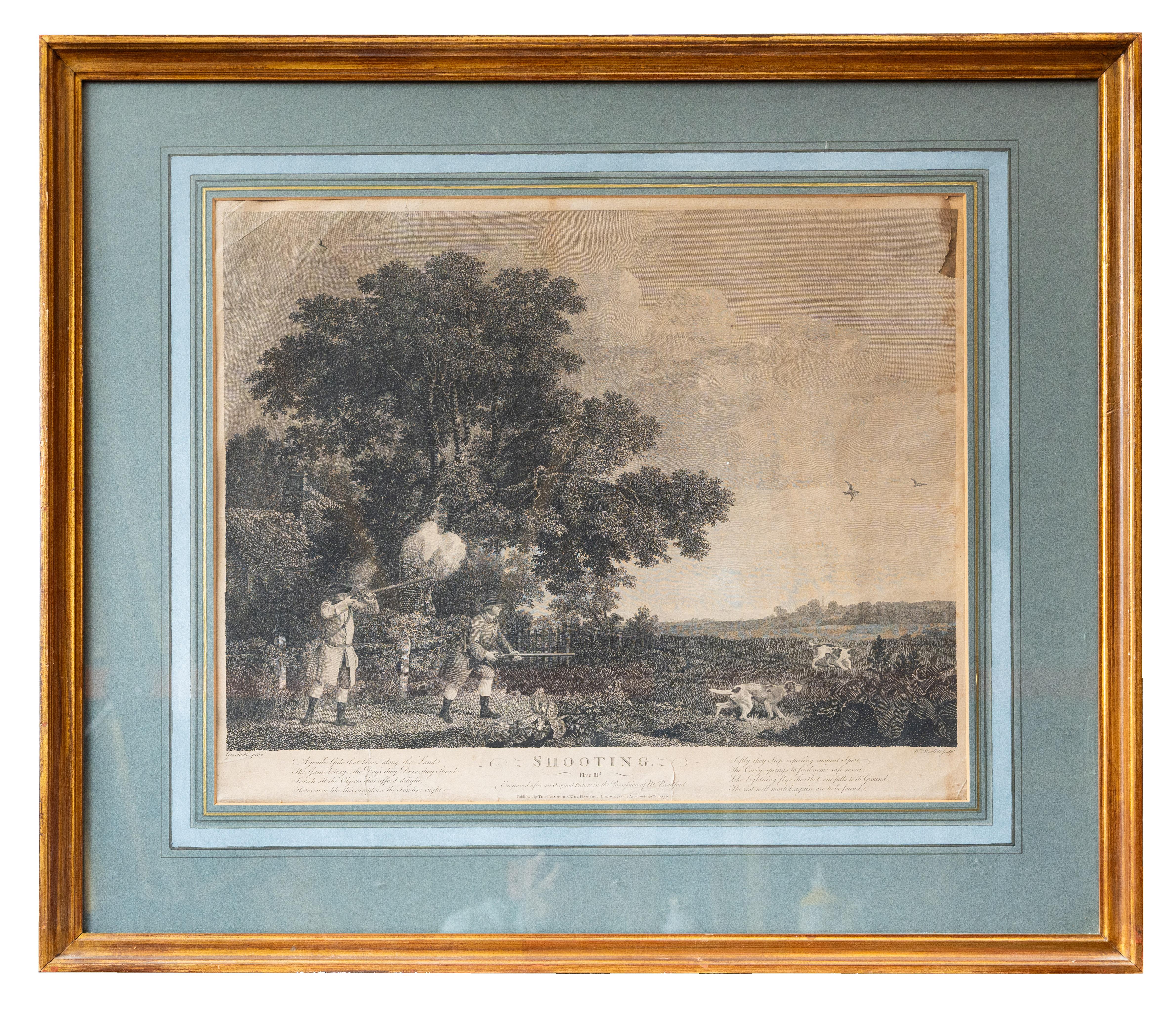
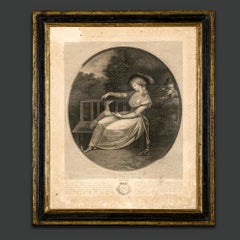
William Woollett was one of the most accomplished British engravers of the 18th century, renowned for his technical precision and his ability to translate the subtleties of painting into the language of print. Born in Maidstone, Kent, Woollett trained under John Tinney in London and quickly established himself as a master of landscape and historical engraving.
He became particularly celebrated for his engravings after works by artists such as Richard Wilson, Claude Lorrain, and Benjamin West — notably The Death of General Wolfe (after West), which became one of the most famous British prints of its age. Woollett’s exceptional skill in combining line engraving with etching allowed him to reproduce painterly effects of light, texture, and atmosphere with remarkable delicacy.
Elected an Associate Engraver of the Royal Academy in 1775, Woollett elevated the status of printmaking to that of a fine art. His works, characterized by technical brilliance and tonal richness, remain benchmarks of 18th-century British engraving.
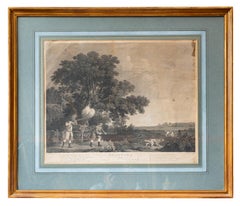
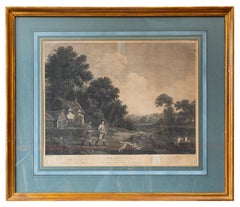
George Stubbs (1724–1806)
George Stubbs is regarded as one of Britain’s greatest animal painters, celebrated for his scientific observation, anatomical accuracy, and artistic sensitivity. Born in Liverpool, he studied anatomy independently, dissecting horses to understand their musculature and structure — research that culminated in his celebrated publication The Anatomy of the Horse (1766).
Stubbs’s paintings...
Category
Late 18th Century Academic Figurative Prints