Vibrant Depictions of 19th Century Japanese Costumes from Auguste Wahlen’s Masterpiece
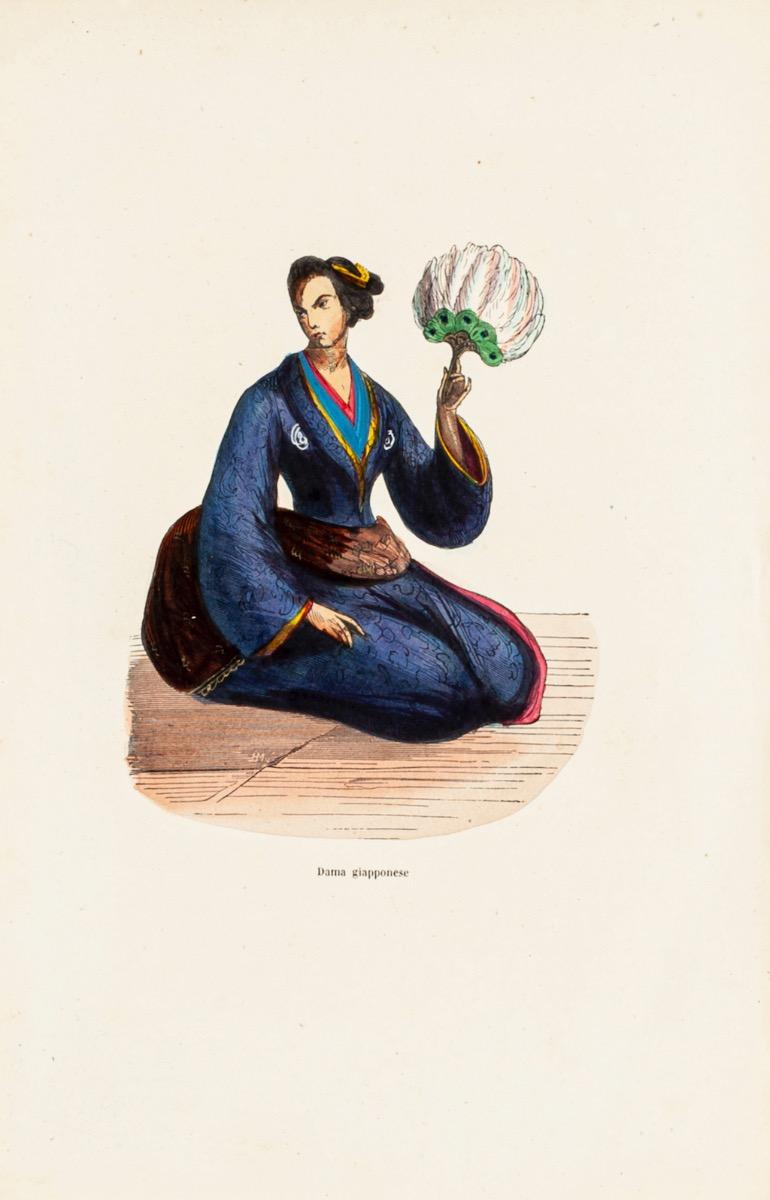
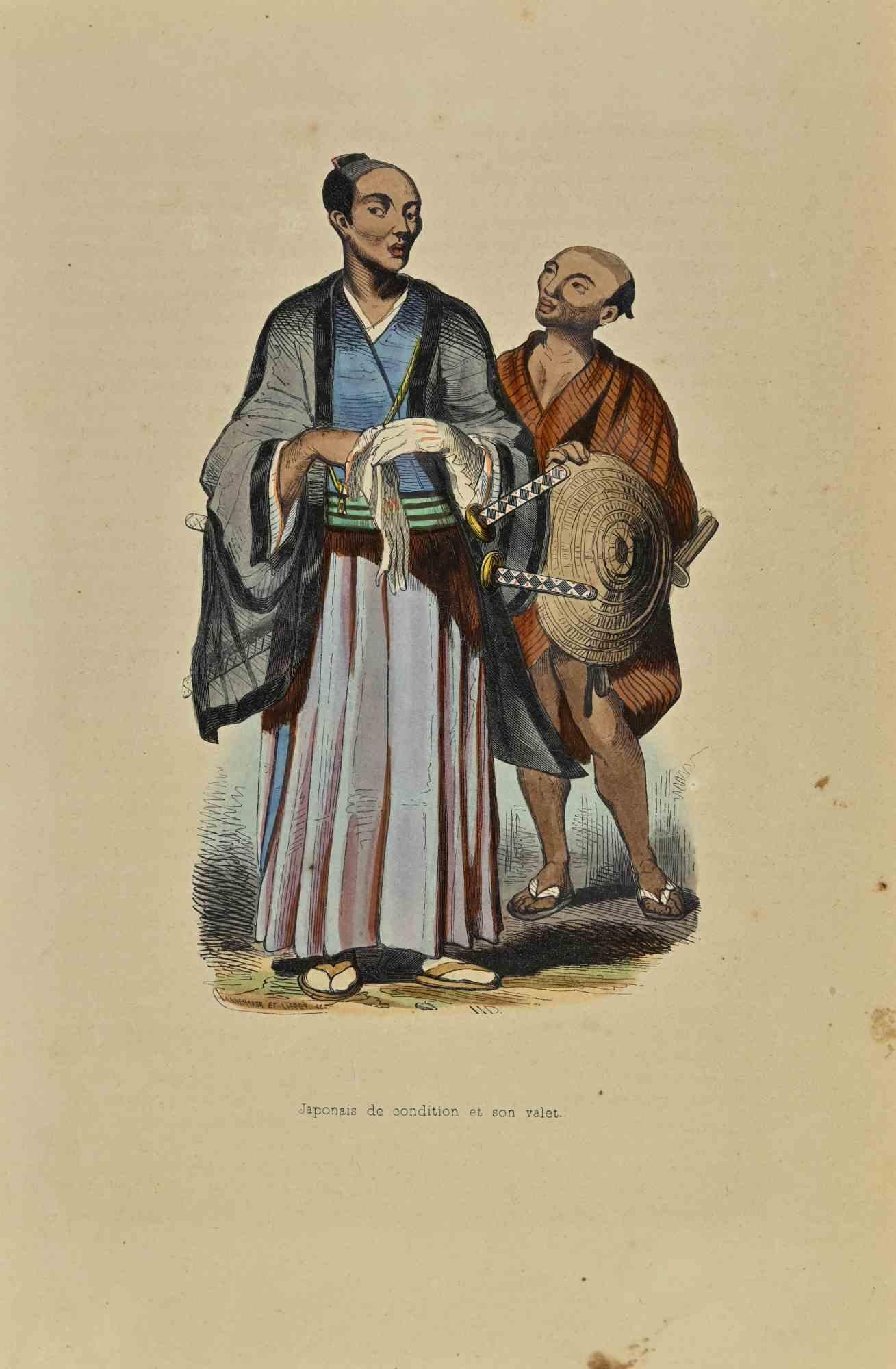
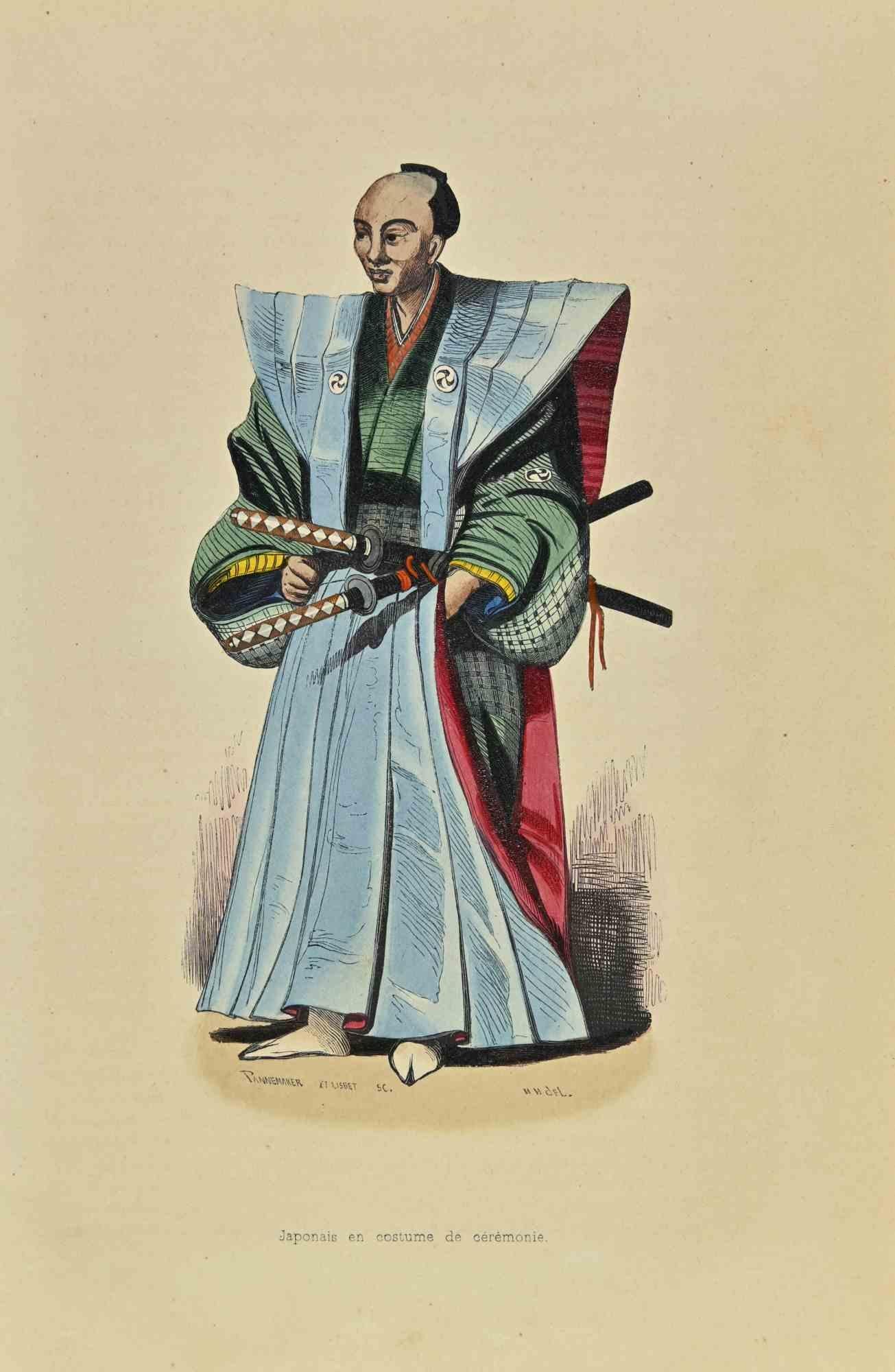
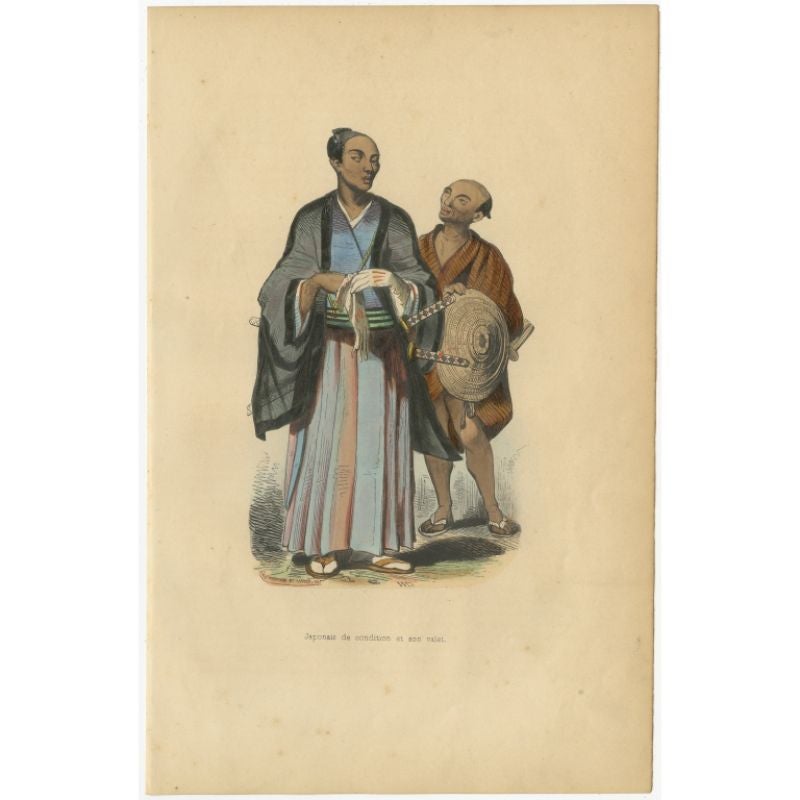
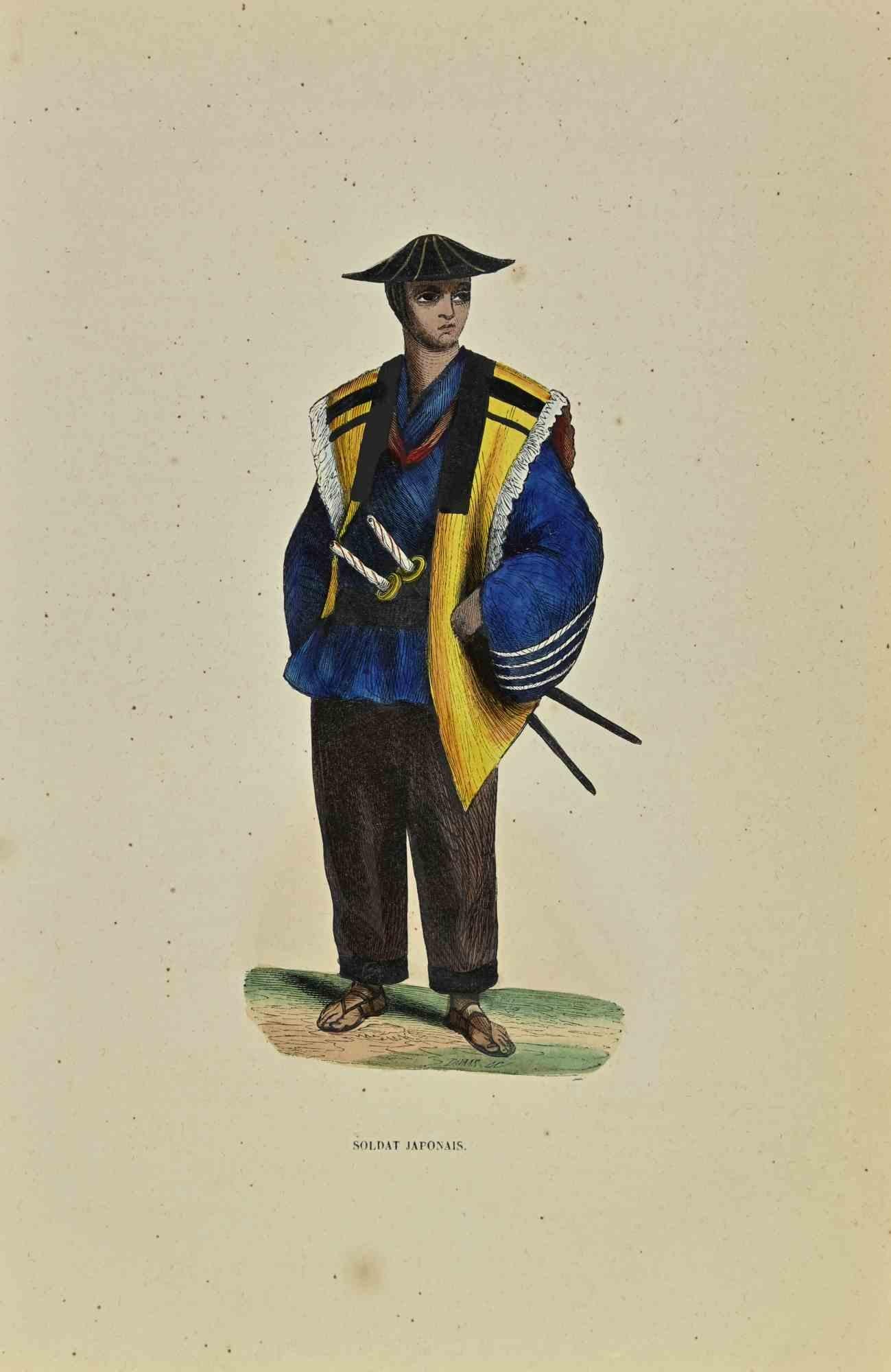
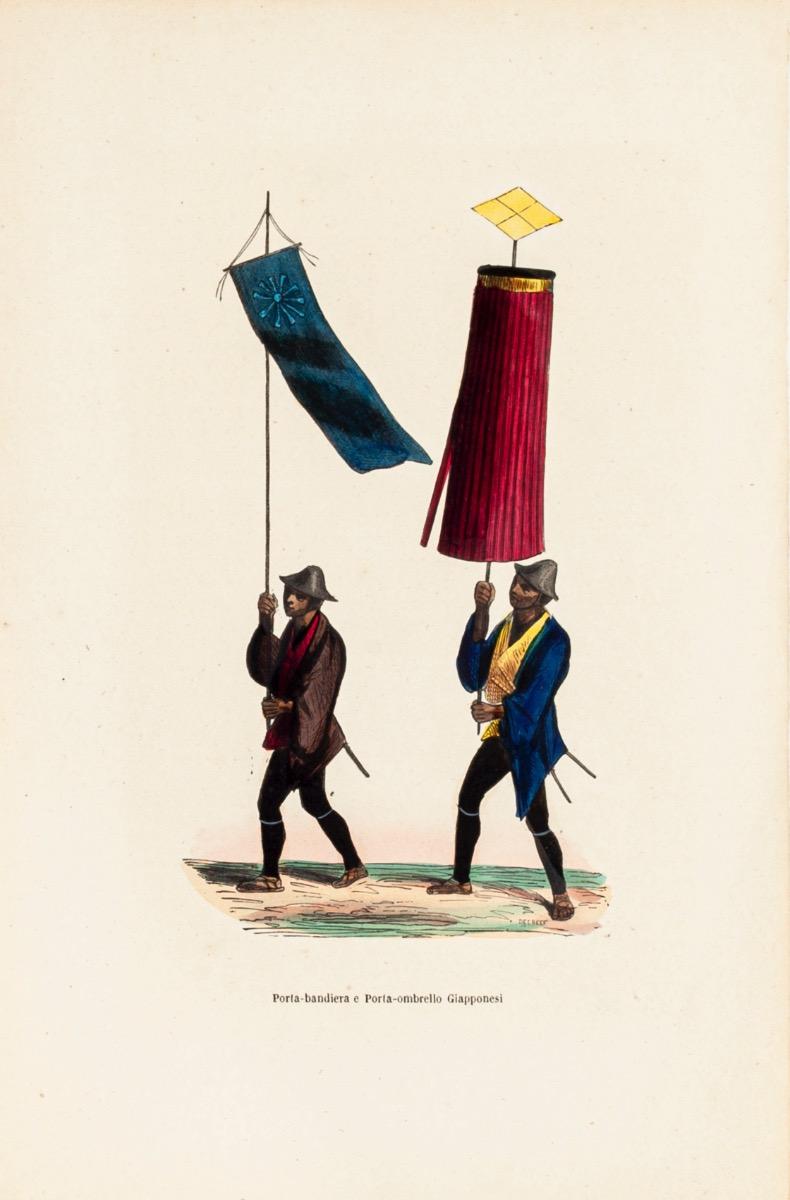
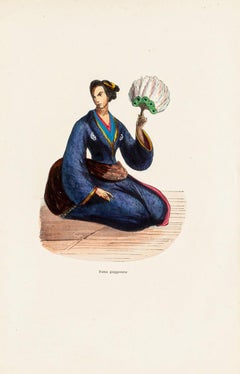
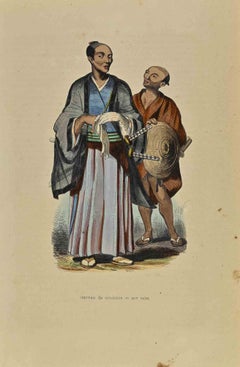
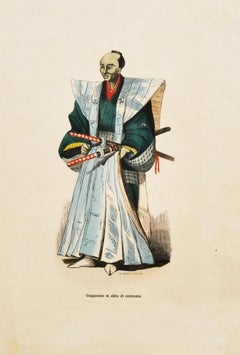
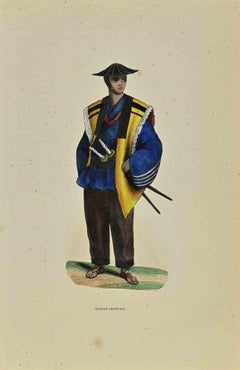
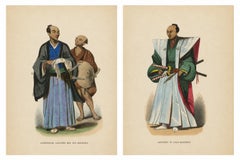
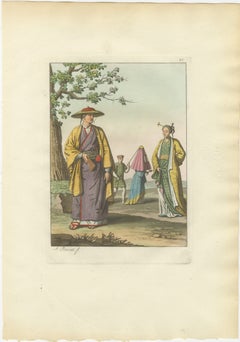
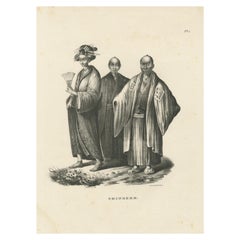
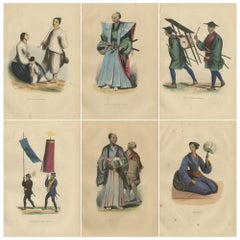
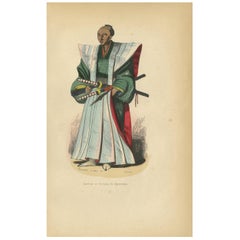
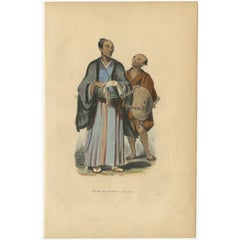
These prints depict various figures from Japanese society, ranging from a humble fisherman's family to a nobleman, a ceremonial samurai, and infantry musicians.
Each figure is intricately dressed in traditional attire, reflecting their status and roles.
The prints were created by the artist Auguste Wahlen as part of his celebrated work *"Moeurs, Usages et Costumes de tous les Peuples de Monde"* (Customs, Manners, and Dress of All the Peoples of the World), published in 1843.
The vibrant colors and fine detailing were achieved using lithography, a printmaking technique that involves drawing on a flat surface with a grease-based medium and using a chemical process to transfer the image. The accuracy of the costumes and lively scenes make these lithographs especially appealing. The contrast between the vivid costumes and soft shading adds depth, capturing the essence of Japanese life during this period.
Attraction of the Prints:
The appeal lies in their historic and ethnographic value, showcasing detailed attire and customs from another era, accompanied by the richness of the lithography technique. The vibrant colors, clean lines, and the representation of both nobility and common folk offer viewers a rich visual experience, portraying a distant culture with authenticity and grace.
Keywords:
19th-century prints, Japanese costume lithographs, traditional Japanese attire, Auguste Wahlen prints, "Moeurs, Usages et Costumes," ethnographic art, historic lithographs, ceremonial Japanese dress, Japanese fishermen prints, samurai art...
Category
Antique 1840s Prints