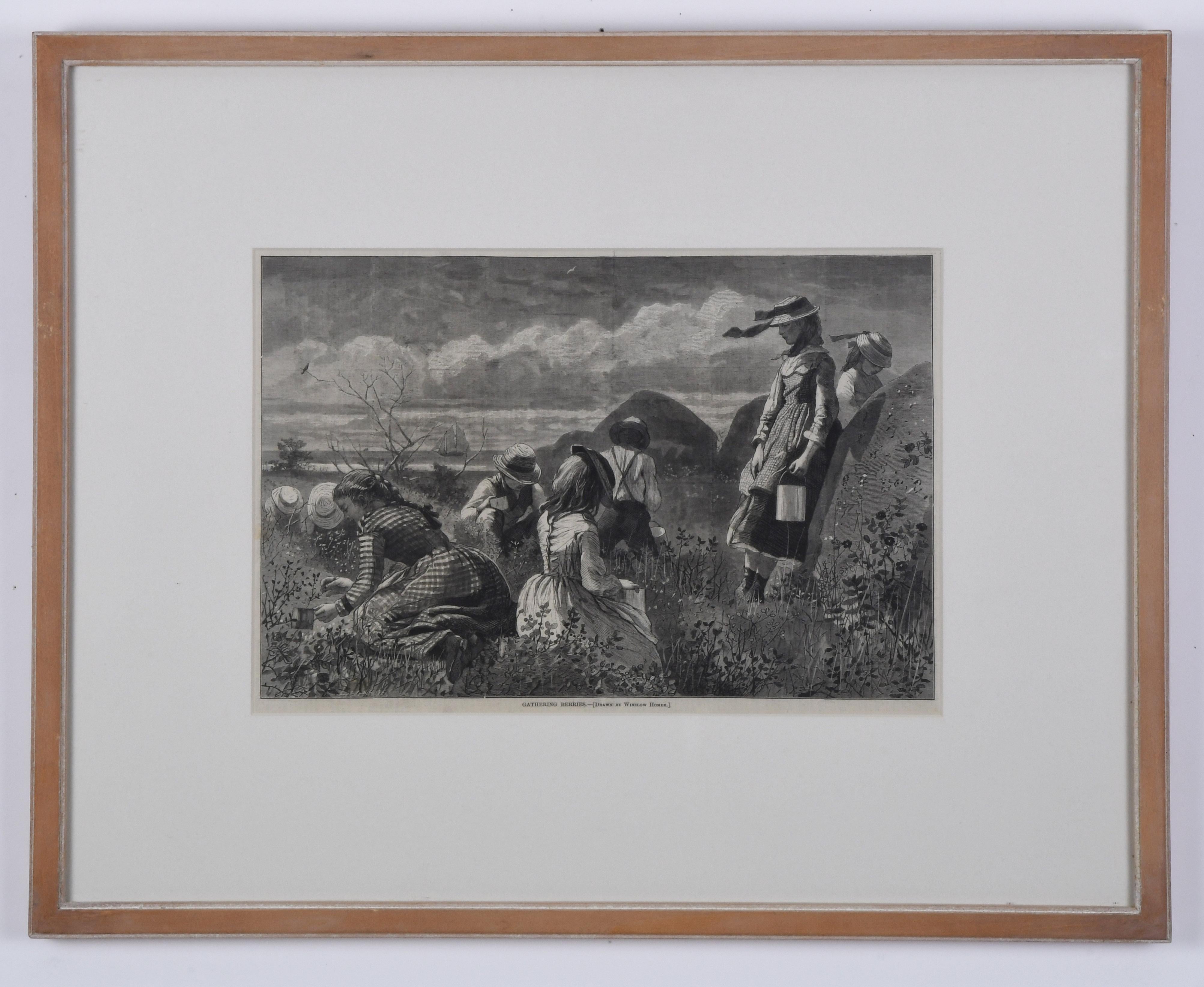
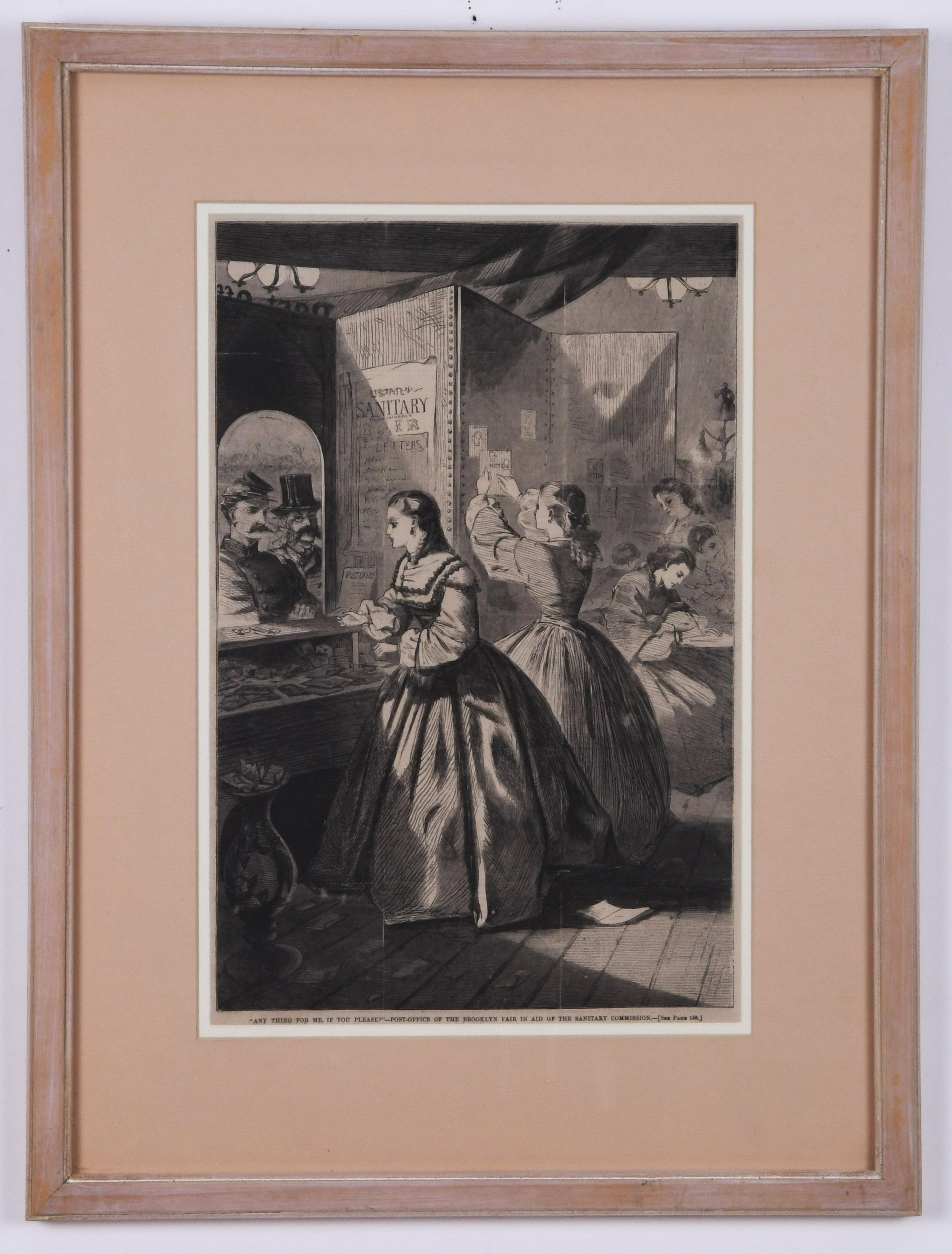
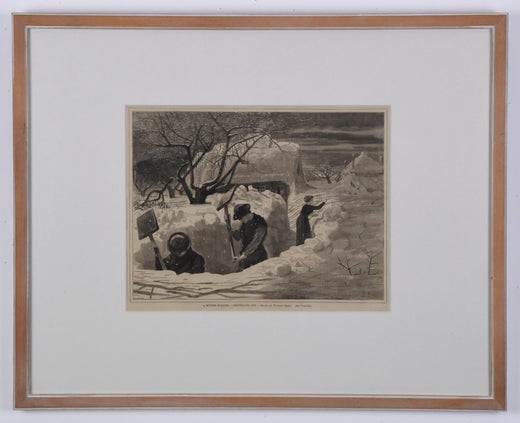
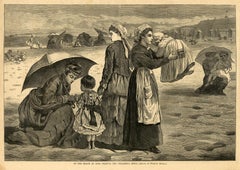
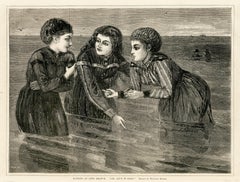
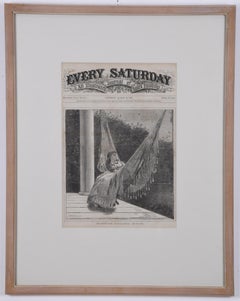
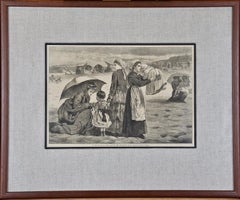
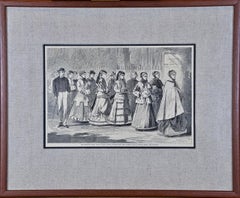
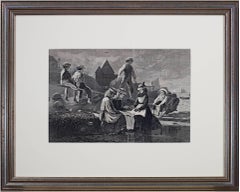
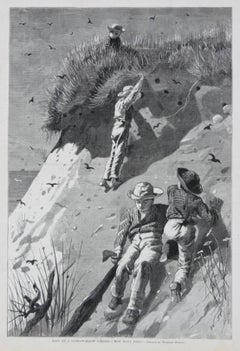
The Bathers
Woodengraving, 1873
As published in Harper's Weekly, August 2, 1873 (p. 668)
Provenance:
Wunderlich & Co., Inc., New York, NY (Their stock no. 84.003.8 in pencil recto and verso)
Condition: Very good
Usual centerfold from the newspaper
aging to the paper (usual)
Image size: 13-7/8 x 9-1/4" (35.4 x 23.7 cm)
Sheet size: 15 7/8 x 11"
Reference: Beam 199
Goodrich 75
Kushner, Gallati & Ferber 71
"Winslow Homer’s wood engravings resulted from a collaborative process that involved many hands and transformed his designs into metal (electrotype) printing plates. To begin, Homer usually drew on a prepared, end-grain boxwood block—most often consisting of smaller pieces of wood bolted together. A team of professional wood engravers then incised the blocks.
Next, pictorial and text components were arranged into a page layout and a wax mold was made of the whole. This mold was coated with powdered graphite and placed in an electrically charged chemical bath together with plates of copper. The chemicals and electric current caused copper particles to form on the graphite coating, creating a precise metal replica of the page’s type and engraved images. This replica, reinforced with various metals, was then used to print the images we call wood engravings.
Courtesy The Clark
"Winslow Homer (1836-1910) was an American landscape, marine and genre artist. A master of oil painting and watercolor, he was also a gifted printmaker, illustrator and pictorial journalist. Born in Boston, the artist received no real formal training with the exception of some life-drawing classes at the National Gallery of Design and a stint studying painting with Frédéric Rondel in 1861. From 1859 until the mid-1870s, Homer worked as a commercial illustrator. During the Civil War, the artist gained international public recognition for his pictorial documentation of the battlefield commissioned by Harper's Weekly.
Post-war, Homer traveled first to Europe then returned to the States to establish a studio in New York City. There he began executing illustrations depicting vignettes from everyday life. The public embraced the authenticity of these portrayals as embodying the democratic spirit, considering them a visual similarity to the poetry of Walt Whitman at that time. Although popular and successful, in 1876 Homer abandoned commercial work, devoting attention to painting his vision of the American scene full-time.
Homer's subject matter included landscape and rural genre scenes, but he also found inspiration in the sea and traveled extensively to coastal locations - England, Cuba, the Caribbean, the Bahamas, Florida and Prouts Neck, Maine where he eventually would live out his life. His dramatic and forceful renderings of the Atlantic seascape remain unsurpassed and some of his most celebrated paintings. The Adirondack Mountains were an additional important destination. For 35 years the artist found inspiration for his work in the rugged terrain, the life of the outdoorsman and the natural beauty of the region.
In the last fifteen years of his life, Homer was revered as the nation's foremost painter. At the time of his death, Homer's work was represented in more public collections than any other living American artist. Considered by many to be 19th century America's most gifted artist, Homer's works are often viewed as embodying the beginnings of a truly "national" art that adopted the American experience as its subject matter. His ability to capture the spirit of America through images characterized by their directness, realism, subjectivity and color, resonate with the nation and hold a special position in the history of American art."
Courtesy: The Hyde Collection Museum, Glens Falls, NY
Winslow Homer and the Art of the Wood Engraving: Creation, Collecting, Museums, and Legacy
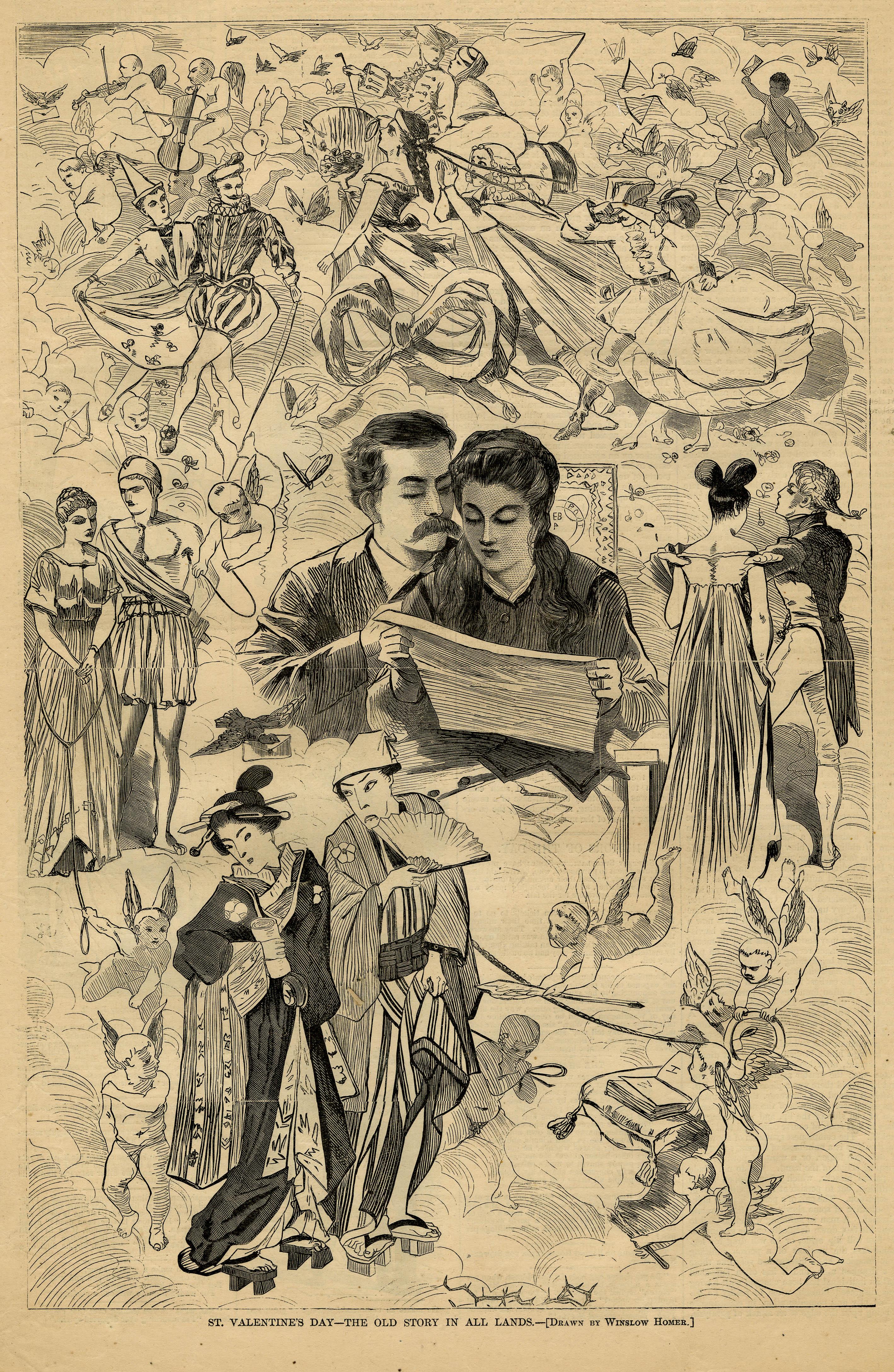
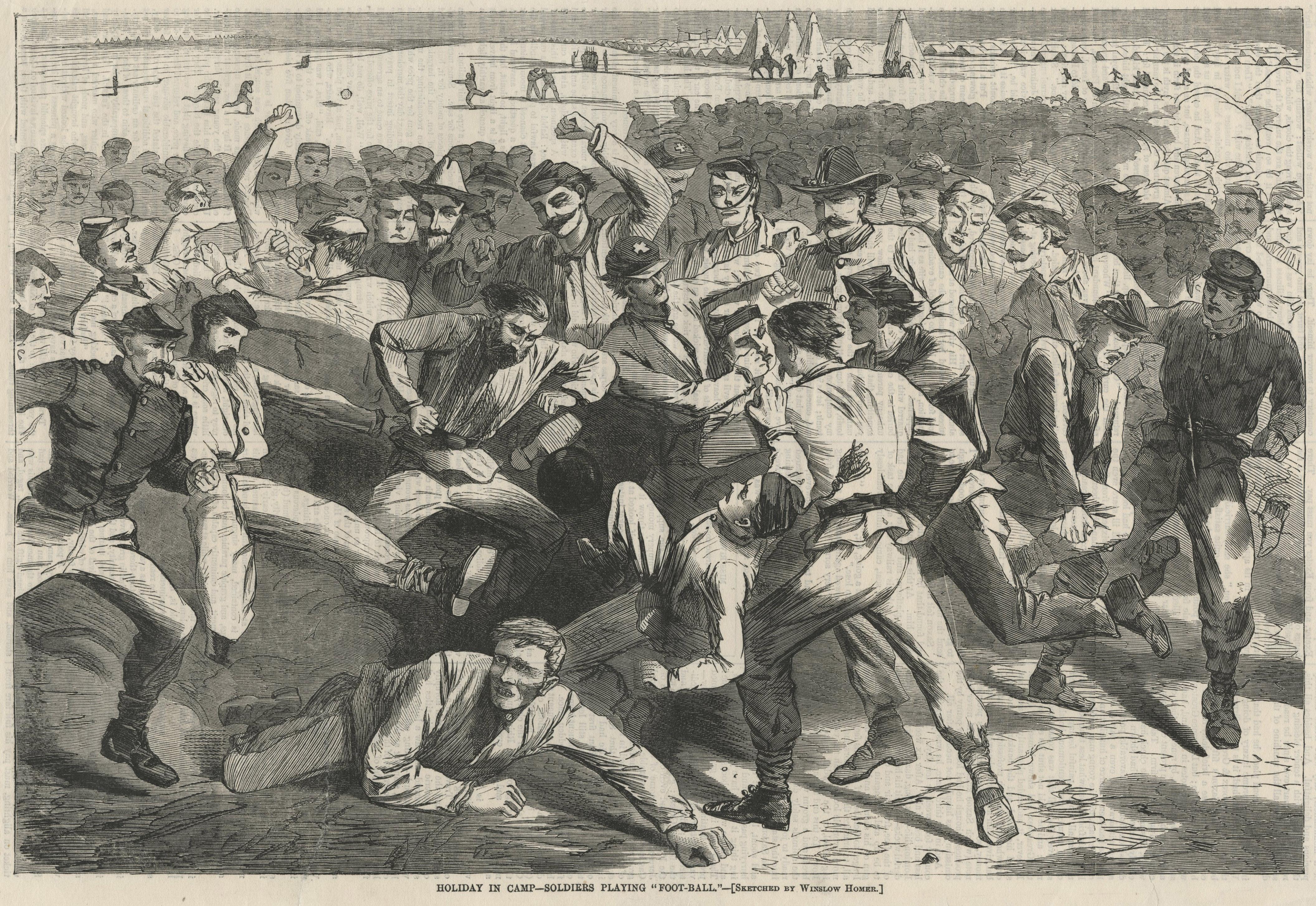
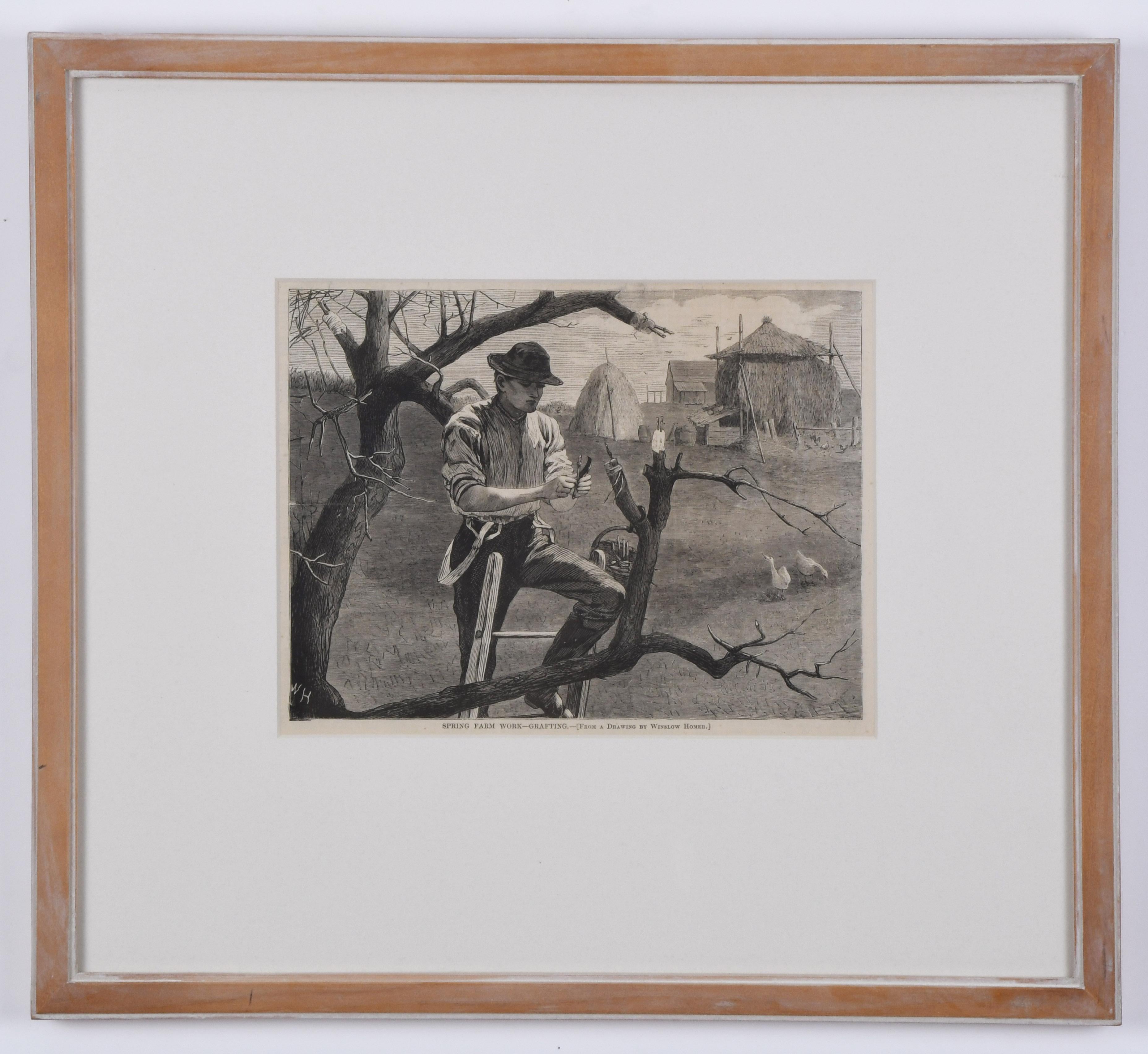
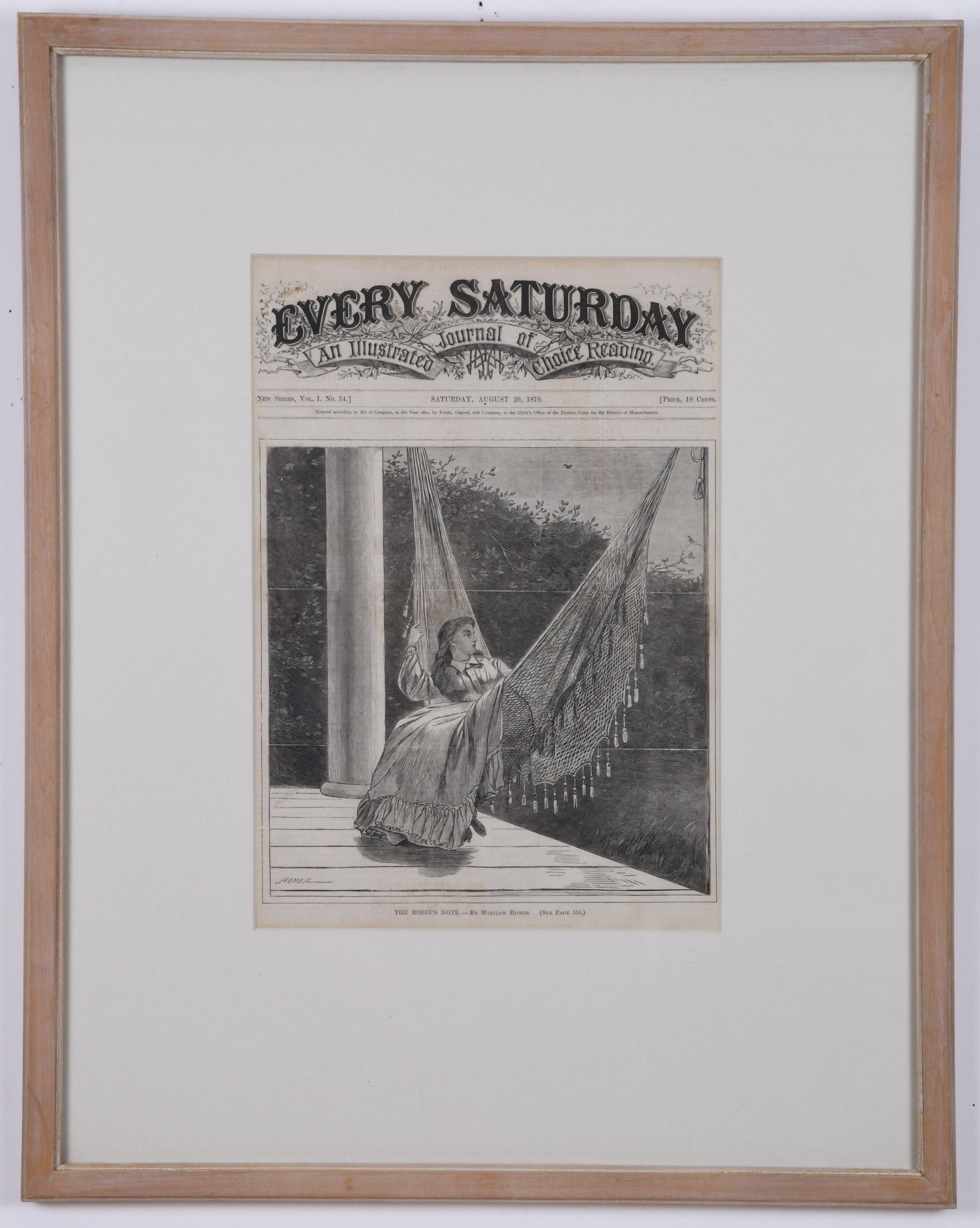
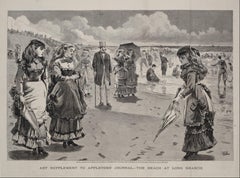
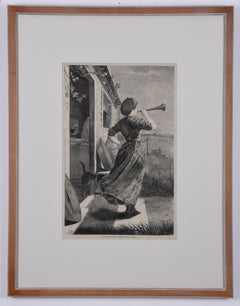
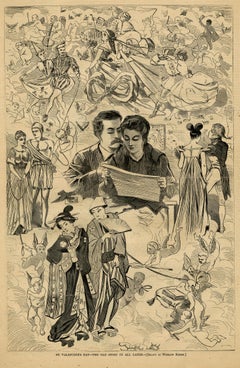
The wood engravings of Winslow Homer occupy a central place in the history of nineteenth-century American art. Although Homer is best known today for his iconic oil paintings and watercolors of the Civil War, rural life, and the Maine coast, his reputation was first established through illustrations reproduced as wood engravings in the leading illustrated journals of the era. Between the late 1850s and the mid-1870s, Homer created hundreds of designs for publication in periodicals such as Harper's Weekly, helping to define the visual culture of the United States during and after the Civil War.
Today these engravings are appreciated not merely as reproductive illustrations but as significant works of art in their own right, valued for their historical importance, technical excellence, and insight into Homer's artistic development.
How Homer's Wood Engravings Were Created
Contrary to a common misconception, Homer did not usually engrave the printing blocks himself. Rather, he worked within the sophisticated publishing system of nineteenth-century illustrated journalism.
The process typically began with Homer creating a drawing, usually in pencil, wash, or watercolor. This original design was then transferred onto the polished surface of a block made from end-grain boxwood. Because publication demanded large print runs, the block was often divided into sections, allowing multiple professional engravers to work simultaneously.
Teams of specialist wood engravers translated Homer's drawing into networks of engraved lines, dots, and cross-hatching. The individual sections were then reassembled and printed alongside letterpress text. Firms associated with Harper's Weekly employed some of the most accomplished engravers in America, capable of reproducing subtle tonal effects and complex compositions.
Although Homer rarely cut the blocks himself, his authorship remained paramount. Contemporary publishers and readers understood that the artistic conception, composition, and drawing belonged to Homer, while the engravers acted as highly skilled interpreters. The relationship has often been compared to that between a composer and an orchestra: the engravers performed the visual score, but the artistic vision was Homer's.
Homer's Rise Through Illustrated Journalism
Homer's career was inseparable from the illustrated press. Before becoming a celebrated painter, he worked as a freelance illustrator, providing images of contemporary American life. His Civil War illustrations, published between 1861 and 1865, brought him national recognition.
Among his most famous engravings are:
• Sharpshooter on Picket Duty (1862)
• Prisoners from the Front (1866, later developed into a painting)
• The Army of the Potomac—A Sharp-Shooter on Picket Duty
• Snap the Whip (first widely circulated through reproductive engravings)
• Numerous scenes of soldiers, camp life, hunting, fishing, and rural recreation.
These images reached audiences numbering in the hundreds of thousands, making Homer one of the most widely viewed artists in America long before museum exhibitions became commonplace.
Artistic Importance
Homer's wood engravings are significant because they reveal the emergence of a distinctly American artistic voice. Unlike many earlier illustrators who relied upon European conventions, Homer observed American life directly and presented it with remarkable honesty.
His Civil War illustrations avoided overt heroics and instead emphasized the everyday realities of military life. Similarly, his postwar rural scenes captured the rhythms of ordinary existence with sympathy and authenticity.
The engravings also demonstrate qualities that would later characterize his paintings:
• Strong compositional structure
• Psychological realism
• Careful observation of gesture
• Narrative clarity
• Economy of means
• Interest in ordinary people rather than historical grandiosity
Art historians frequently regard the engravings as the laboratory in which Homer developed the visual language that would later produce masterpieces such as The Gulf Stream and Breezing Up (A Fair Wind).
The History of Collecting Homer Wood Engravings
For many years, Homer's published engravings were viewed primarily as magazine illustrations rather than collectible works of art. During the late nineteenth century, collectors often removed individual engravings from bound volumes of Harper's Weekly and related publications, framing them as decorative prints.
Serious scholarly interest began to emerge in the early twentieth century. The publication of catalogues raisonnés and museum exhibitions devoted to American illustration encouraged collectors to appreciate the engravings as original manifestations of Homer's artistic genius.
A major milestone occurred in 1979 with the publication of Frank J. Kelley's The Complete Wood Engravings of Winslow Homer. This scholarly catalogue documented Homer's known engravings and established a foundation for modern collecting and research.
By the late twentieth century, museums and collectors increasingly sought complete impressions, rare states, and original publication examples. Today, Homer's engravings are collected by:
• Museums of American art
• Print collectors
• Civil War historians
• Illustration specialists
• Rare-book and periodical collectors
Individual engravings remain relatively accessible compared with Homer's paintings, allowing collectors to acquire authentic works associated with one of America's greatest artists.
Museum Holdings
Major collections of Homer wood engravings are found throughout the United States.
Among the most important repositories are:
• Portland Museum of Art, which houses the largest collection of Homer material and administers the artist's studio at Prouts Neck.
• Metropolitan Museum of Art, which owns numerous Homer engravings, drawings, watercolors, and paintings.
• National Gallery of Art, with significant holdings of prints, drawings, and illustrated publications.
• Museum of Fine Arts, Boston, whose print collection includes many examples of Homer's published engravings.
• Amon Carter Museum of American Art, known for its extensive American works-on-paper collection.
• Smithsonian American Art Museum, which preserves important examples of nineteenth-century American illustration.
• Cleveland Museum of Art and Art Institute of Chicago, both of which hold representative impressions.
Many university collections also preserve complete runs of Harper's Weekly containing Homer's illustrations, an important resource for understanding how original readers encountered these images.
Exhibitions
Homer's engravings have appeared in numerous exhibitions devoted to American illustration, printmaking, and Civil War imagery.
Particularly important were:
• Winslow Homer and the Illustrated Book
• Winslow Homer: Wood Engraver
• Winslow Homer in the 1890s
• Winslow Homer: Poet of the Sea
• Various exhibitions organized by the Portland Museum of Art examining Homer's artistic development from illustrator to painter.
In addition, Civil War exhibitions frequently feature Homer's engravings because they remain among the most compelling visual documents of the conflict.
Legacy
Winslow Homer's wood engravings represent far more than a preliminary stage in the career of a great painter. They stand as masterpieces of American graphic art and as essential documents of nineteenth-century visual culture. Through the illustrated press, Homer reached a larger audience than any American artist of his generation, shaping public understanding of war, childhood, labor, recreation, and national identity.
Today these works are valued not only for their historical significance but also for their artistic merit. They reveal an artist already in command of composition, observation, and storytelling, qualities that would later secure Homer's place among the greatest figures in American art. The wood engravings remain an indispensable record of both Homer's development and the golden age of American illustrated publishing.