Mario Padovan
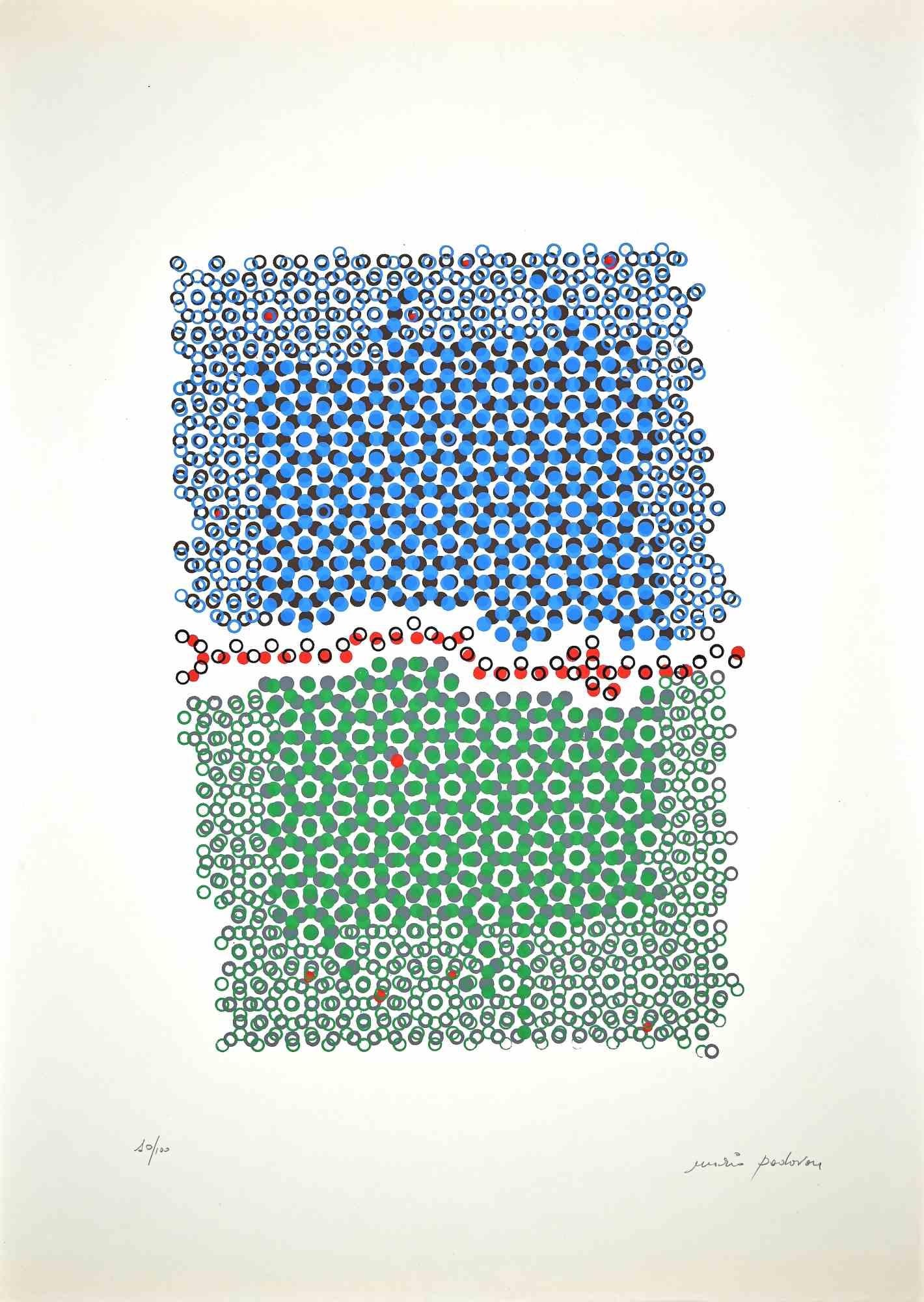
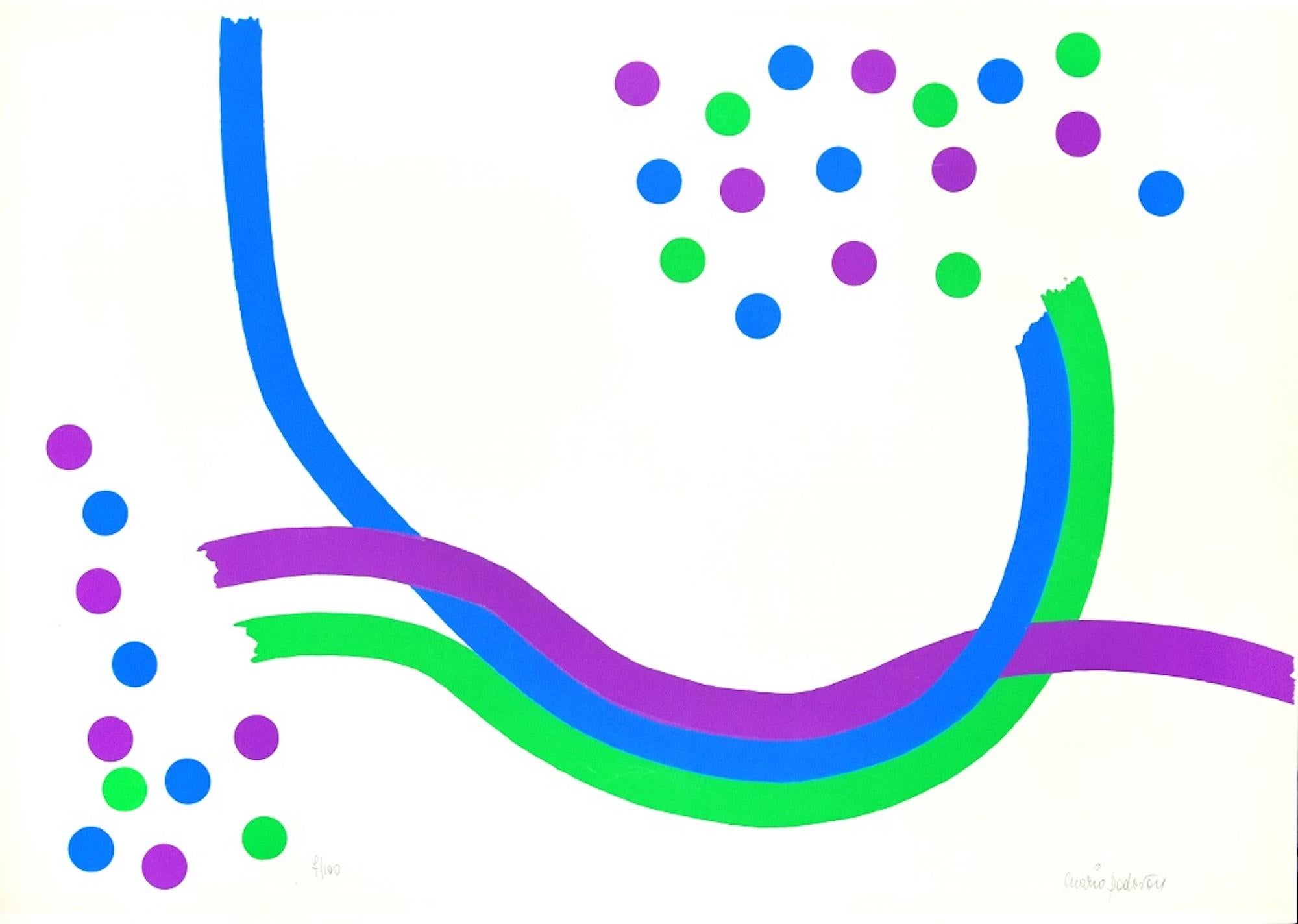
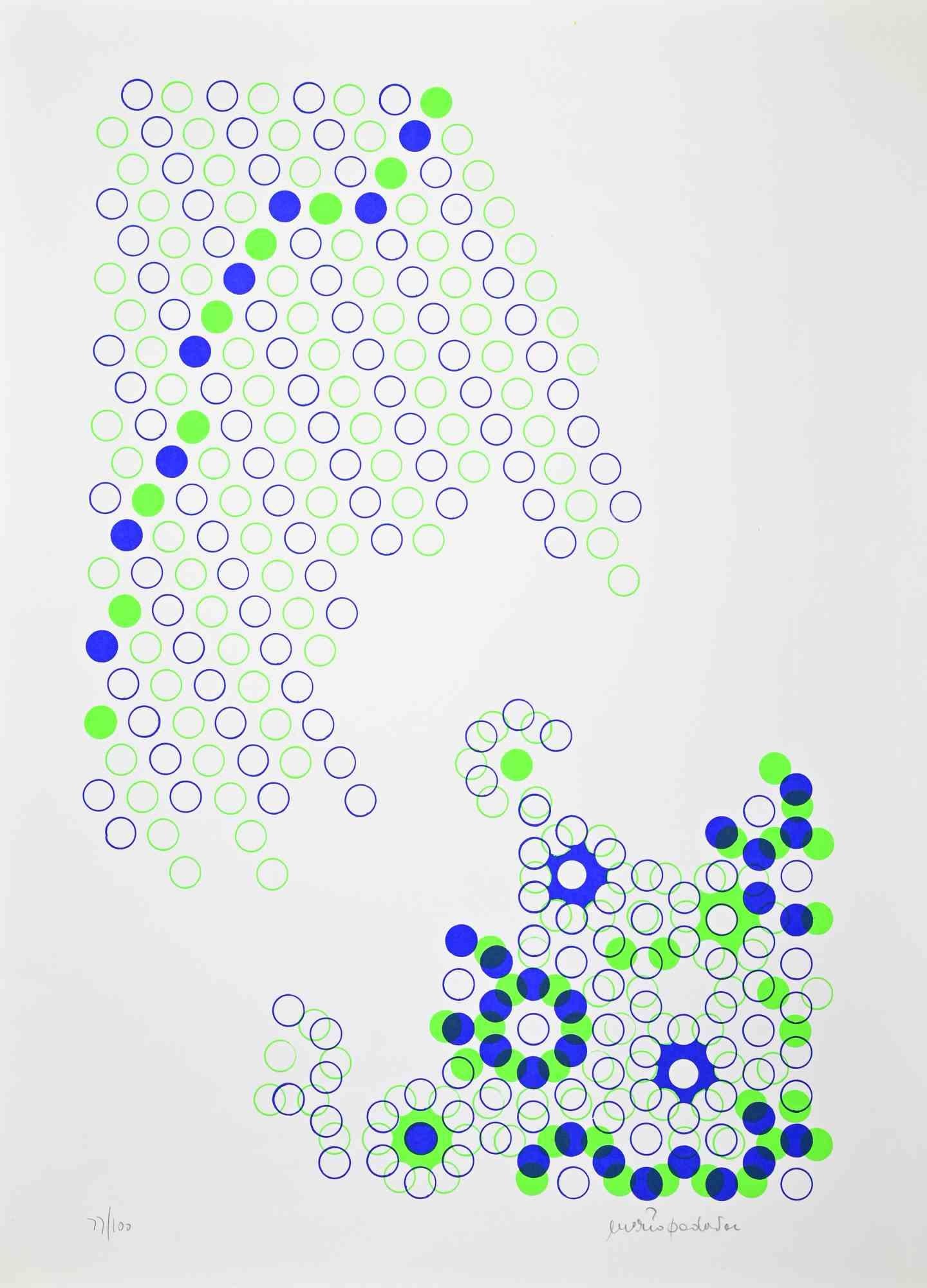
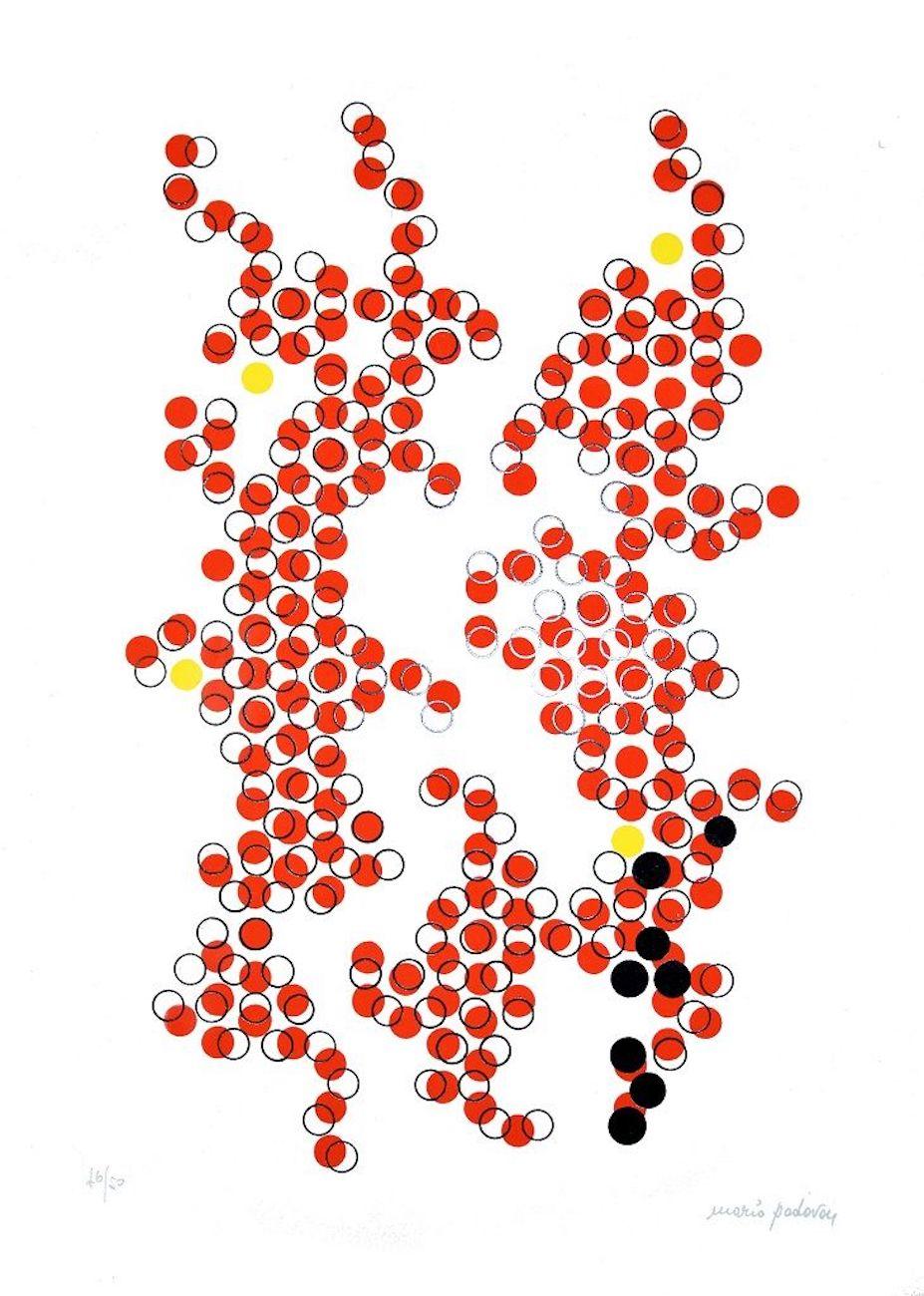
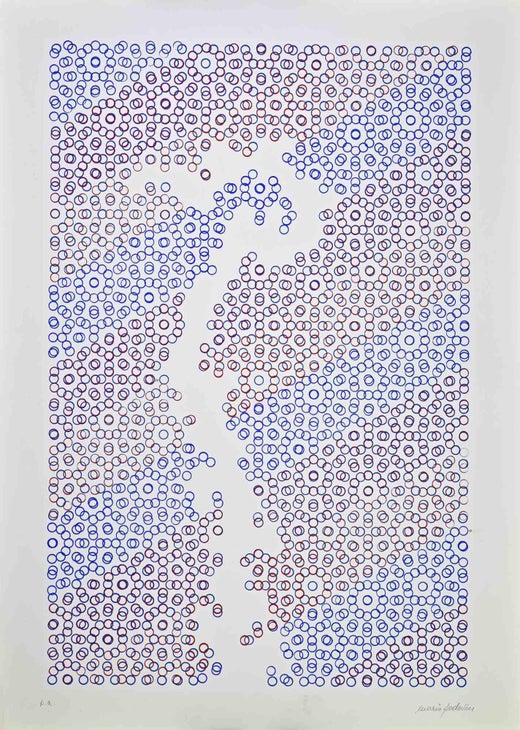
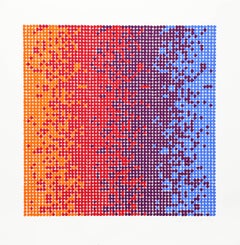
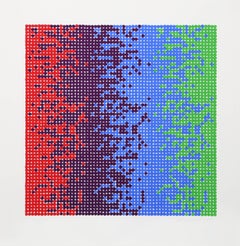
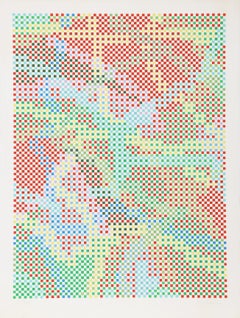
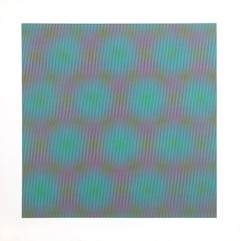
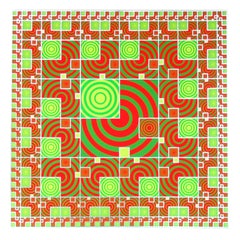
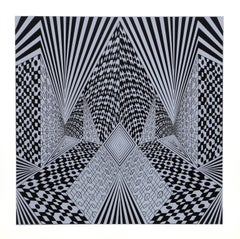
Mario Padovan is an Italian Postwar & Contemporary painter born in 1927. His exploration of various artistic languages and movements reflects a relentless pursuit of self-expression and a profound engagement with the global artistic landscape. In the forties, Padovan delved into figurative art, beginning his artistic odyssey. The fifties saw him embracing informal art, followed by a foray into the vibrant world of Pop Art in the sixties. The seventies witnessed his experiments with Opt Art and image-splitting techniques, showcasing a willingness to push artistic boundaries. Throughout this journey, Padovan explored diverse materials and techniques, from traditional mediums like oil and acrylics to unconventional choices like colored sand, ready-made objects, paper, wood, steel, and even cold light. These elements, when combined, enriched his artistic expression, creating a multifaceted body of work. Padovan's artistic repertoire expanded to encompass sculpture, conceptual installations, and the creation of artist books to meet his evolving creative needs. Critics aptly labeled him a "creative nomad," acknowledging his responsiveness to inner impulses that guided his artistic evolution. In the eighties, Padovan's focus shifted to the geometry of the square, a fascination that would persist for decades. His exploration of geometric forms evolved into illuminated envelopes, a theme that gained prominence in his works. A significant milestone in Padovan's career occurred in 1984 when he exhibited at the 41st Venice Biennale, following an invitation from Giorgio Di Genova and Giovanni Carandente. Subsequent exhibitions showcased his unique blend of classical art citations, mainly drawing inspiration from the Renaissance and Baroque eras. The artist's geometric interpolations and extrapolations inspired by Bernini's Fontana dei Fiumi and Michelangelo's Sistine Chapel figures were exhibited in Rome, Viterbo, and Ferrara, further solidifying his reputation as an artist with a profound connection to classical art. In 2000, Padovan found inspiration in the baroque angels of Ponte Sant'Angelo in Rome, infusing geometric and light elements to highlight the formal perfection of classical art. This marked a continuous dialogue with the past, a theme encapsulated by Picasso's words: "A mediocre artist imitates while a genius copies." As Padovan approaches ninety, his artistic curiosity remains undiminished. His ongoing studies delve into the coherence of numbers, the aesthetic mystery of Phidias' Golden Mean, modern graphic techniques, universal DNA, and the history of monotheistic religions. This relentless pursuit of knowledge and creativity epitomizes Padovan's "creative madness," a term he uses to describe the enduring passion that fuels his artistic exploration and innovation.