Pal (Jean de Paléologue)
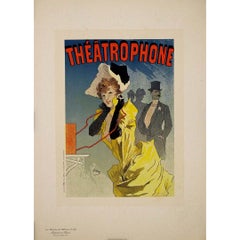
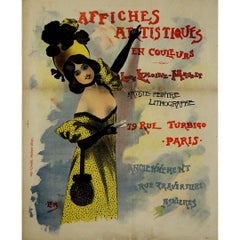
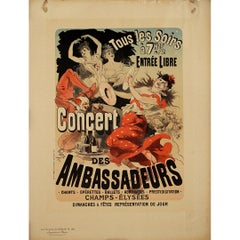
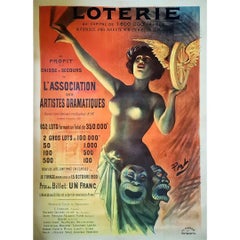
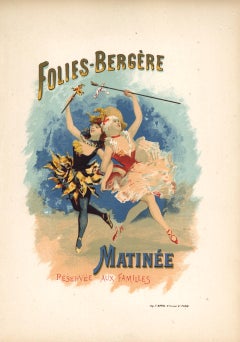
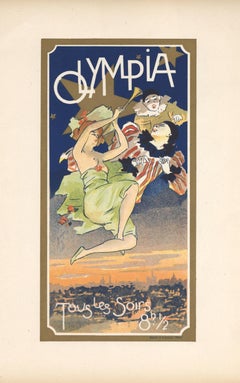
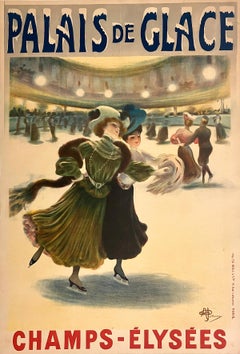
Jean de Paleologu, also known as de Paléologue or Jean Paleologue (1855-1942), was a Romanian painter, illustrator and poster artist, naturalised American, who often used Pal or PAL as his signature or studio mark. He worked in London, Paris, New York and Florida. Born in Bucharest and undoubtedly related to the ancient Paléologue family, he studied art in London, then returned to Romania where he completed his studies at the Special School of Artillery and Military Engineering (Şcoala Specială de Artilerie şi Geniu, founded in 1881). He then returned to London, around 1889-1890, where he produced illustrations for books including Golden Lives: The Story of A Woman's Courage by Frederick Wicks (Blackwood & Sons, 1891) and contributed to Vanity Fair (British version). He became a member of the Eccentric Club. Using the name ‘Julius Price’, he may also have been the author of the poster Daly's Theatre, An Artist's Model (London, before 1893), reproduced in Les Maîtres de l'affiche.
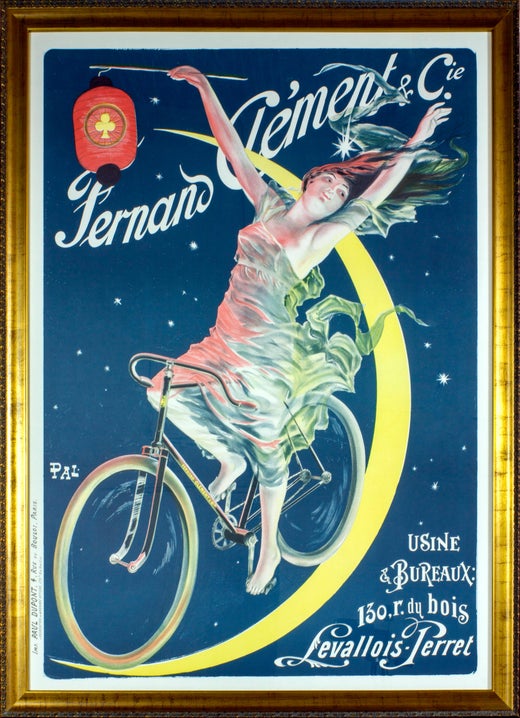
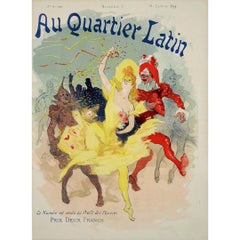
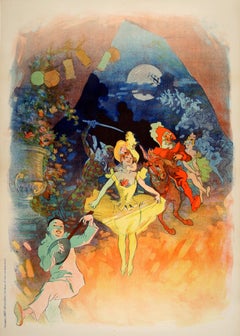
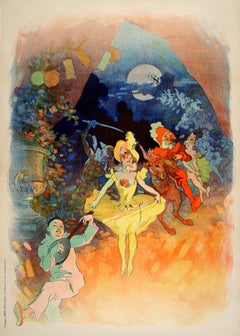
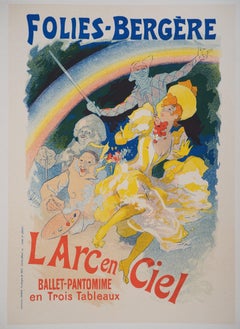
He then moved to Paris. There he founded the Atelier Pal, on rue Denfert-Rochereau, and worked with the printing house founded by Paul Dupont, among others. He illustrated Petits poèmes russes by Catulle Mendès, a collection published by Charpentier in 1893. He produced a large number of lithographed posters, notably advertising for cycling, and also contributed to the JOB collection. He contributed to a number of French periodicals, including Le Rire, La Plume, Cocorico, Le Frou-frou, Sans-Gêne and La Vie en rose.
He moved to the United States in 1900, but continued to work with Parisian clients for several years (Exposition internationale de l'automobile, Sansot publishing house, etc.). He worked for periodicals such as The Strand Magazine, Motor (published by Hearst), the Cycle and Automobile Trade Journal and the New York Herald Tribune. He designed a series of posters for the 1908 Vanderbilt Cup, Durban Oil & Soap, New Cremo Victoria cigars, and more.
In the United States, under the name ‘Jean Paleologue’, who became an American citizen in 1923, he painted portraits of actors and music-hall performers, as well as frescoes. He worked for companies specialising in advertising and graphic design, including for the car and film industries. He left New York to settle in Florida in 1927, where he taught painting and accepted numerous commissions as part of the Federal Art Project. Paleologu died in Miami Beach.