Want more images or videos?
Request additional images or videos from the seller
1 of 12

SEYNI AWA CAMARA
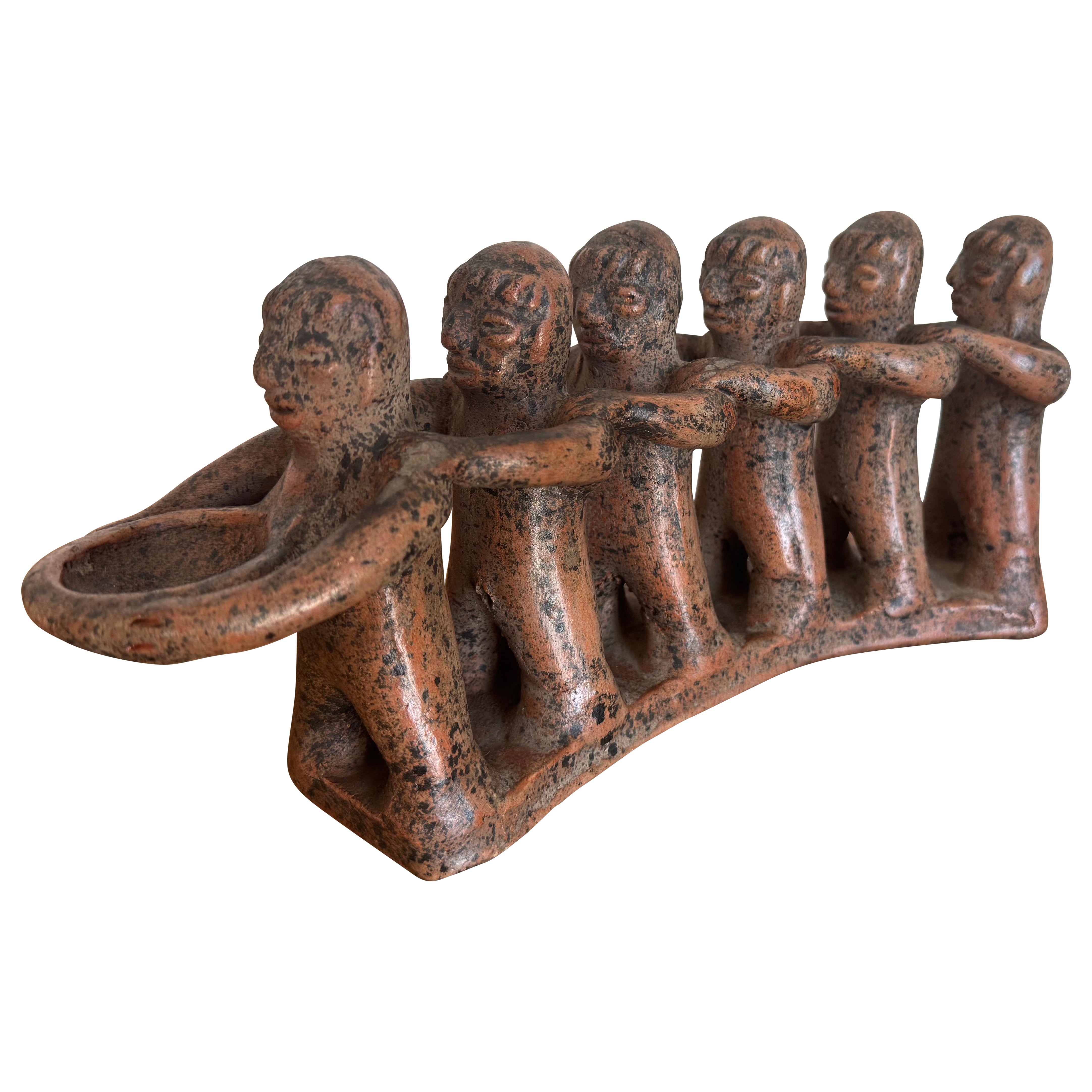
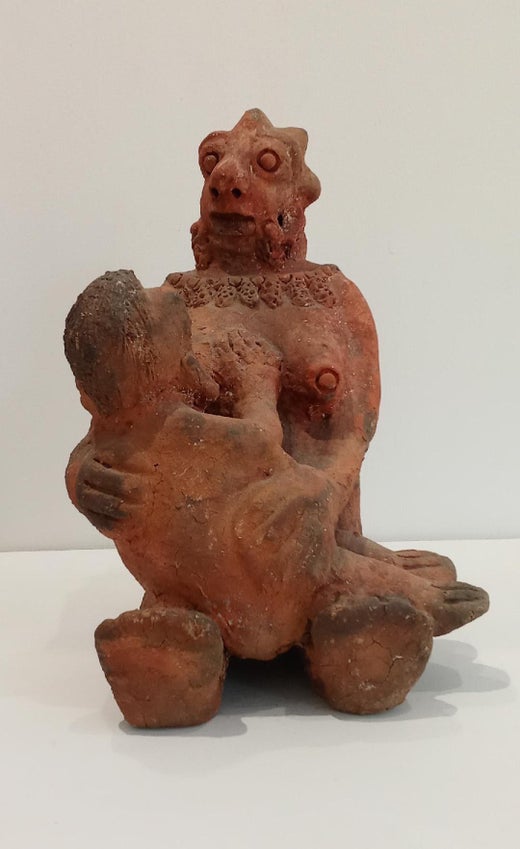
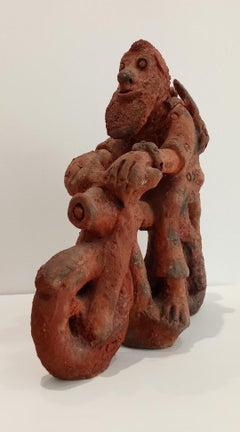
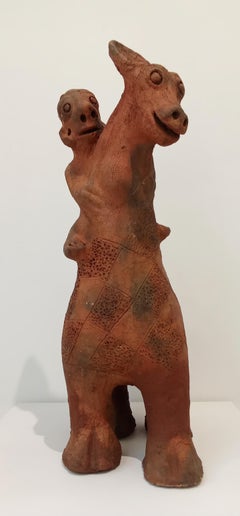
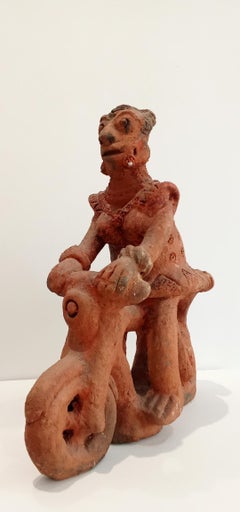
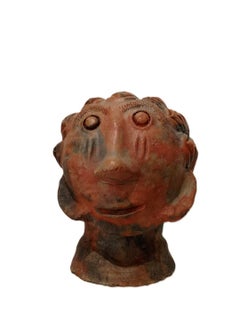
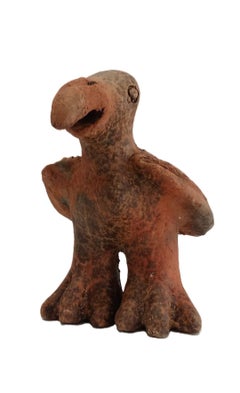
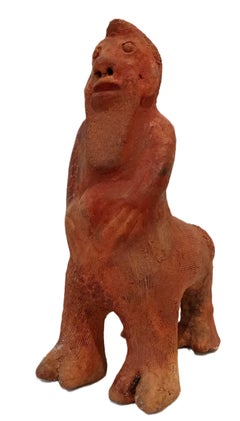
Fast car Seyni Awa Camara Terracotta sculpture ceramic humour African art monkey

2006

$21,470.82
£15,734.53
€21,870VAT Included
CA$29,558.24
A$30,066.97
CHF 17,168.67
MX$363,676.51
NOK 200,195.70
SEK 203,263.09
DKK 137,254.46

About the Item

Unique terracotta sculpture Coming from the artist's studio Born in 1939, Seyni CAMARA is an African artist whose works travel the world. She died in 2026. Senegalese, originally from Casamance, she lives in a small village lost in the heart of the forest. It is in Bignona that Seyni works in her tin-roofed house. She is the living legend of her village. Away from the turmoils of the community, she lives with her family, constantly working since the time when she and her two brothers were initiated into their art by the spirits of the forest. Her life and work are imbued with a mysticism inherent to mischievous spirits and animist practices that characterize village Africa.Indeed, in adolescence, all three were abducted by the spirits of the forest. During this apprenticeship into the mysteries of clay, the entire village decided to sacrifice a few animals to appease the spirits, so that Seyni and her twin brothers would finally return. And according to legend, that was the case… Since then, Seyni has continuously been sculpting thousands of characters, men, women, and animals of all kinds, giving free rein to her imagination, bringing to life a cosmogony that is uniquely her own. The works of the little potter from Bignona have made their mark. Exhibited in numerous Western modern art museums, presented at the Centre Pompidou in 1989, and at the Venice Biennale in 2001, Seyni CAMARA’s work has gained recognition beyond borders. The reason for this transnational fascination with her art lies in that small part of the spirit that is common to all humans: the sincerity of emotions.
  • Creator:
    SEYNI AWA CAMARA (1939 - 2026, Senegalese)
  • Creation Year:
    2006
  • Dimensions:
    Height: 24.41 in (62 cm)Width: 11.82 in (30 cm)Depth: 21.66 in (55 cm)
  • Medium:
  • Movement & Style:
  • Period:
  • Condition:
  • Gallery Location:
    Paris, FR
  • Reference Number:
    1stDibs: LU1034117354762

More From This Seller

View All

You May Also Like

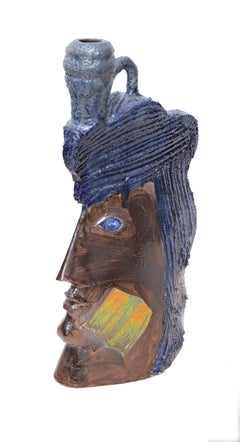
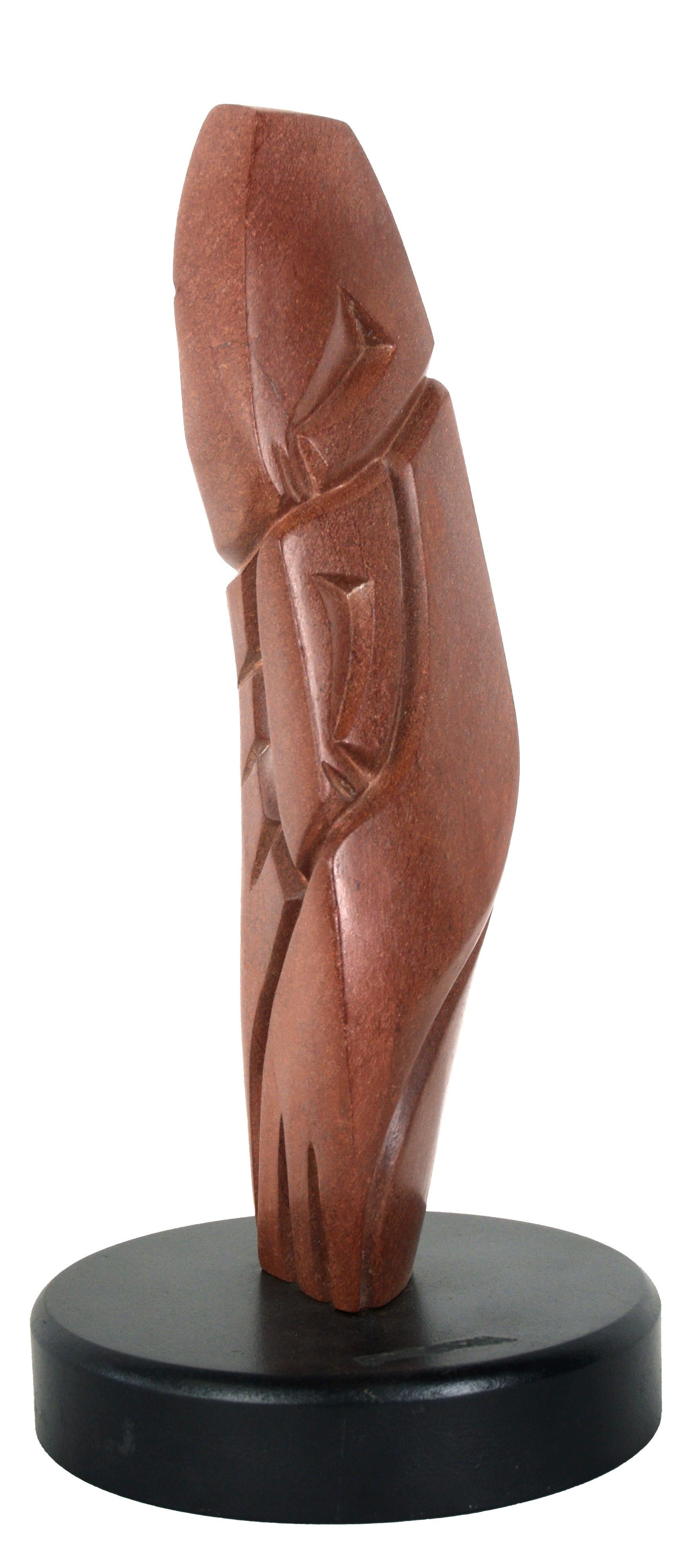
History of Pottery, Africa Ceramic Sculpture, Biomorphic Form, 1980s

History of Pottery, Africa Ceramic Sculpture, Biomorphic Form, 1980s

By Steven Kemenyffy

Located in Milwaukee, WI

41x25x10" Ceramic Steven Kemenyffy (born 1943) is an American ceramic artist living and working in Pennsylvania. He is most recognized for his contributions to the development of the American ceramic raku tradition. He has served as a Professor of Ceramic Art at Edinboro University of Pennsylvania (formerly Edinboro State College) since 1969. He Has retired from teaching, but continues to produce artwork at his home studio in McKean, Pennsylvania. Kemenyffy is often characterized in regard to his contributions to American experimental ceramics of the late 1960s and early 1970s. More specifically, Kemenyffy’s contributions to American raku techniques are often cited. Kemenyffy has stated that his interest in raku came out of practical considerations: “We [Steven and Susan] were doing a variety of workshops in a variety of different media. Raku was always an official way of making pieces in a short period of time…In raku it seems to compress all the firings into one.” Kemenyffy, himself, describes his early work as “Biomorphic forms alluding to old ceramic traditions such as tiles, vases, and containers.” These works were often in excess of six feet tall and many times included mixed media elements. In 1974, Kemenyffy wrote about the work he was producing; “For several years now, my work has dealt with certain formal considerations. Chief among these is using clay in such a way as to crystallize the moment and permanentize the impermanent. These have been among the primary concerns of all potters since the earliest times.” Today, Kemenyffy continues his pursuit of biomorphic imagery and themes. He writes, “Personally I am most challenged by the business of transforming porous organics into porcelain.” For much of Kemenyffy’s career, he has worked in tandem with his wife, Susan Hale Kemenyffy. In 1987 Susan stated about their collaborative works: “Steven is the [sculptor], I am the drawer. These works would not exist if it weren’t for the sculpture; if it weren’t for the clay. The clay entity comes first and my drawings come second.” James Paul Thompson further clarifies this relationship (as observed in 1987): “Steven Kemenyffy uses patterns as a point of departure for his work, while Susan Kemenyffy...

Category

1980s Tribal Figurative Sculptures
Materials

Ceramic

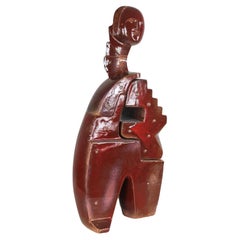
Sculpture in Red Glazed Terracotta by Fabio Provinciali 1990s

Sculpture in Red Glazed Terracotta by Fabio Provinciali 1990s

Located in Cascina, Pisa

Anthropomorphic sculpture in dark red glazed terracotta with decorative metal studs. The sculpture is composed by three separate part that can be fixed together with an interlocking ...

Category

1990s Italian Other Figurative Sculptures
Materials

Metal

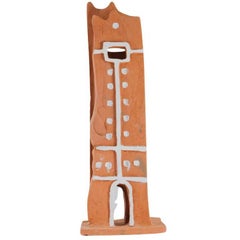
Porte Dogon Terre/Sculpture

Porte Dogon Terre/Sculpture

By Victor Anicet

Located in Brooklyn, NY

Traditional Dogon architecture throughout a Dogon village consists of a series of unique and exceptional mud buildings which the Artist, Victor Anicet, featured in an organic sculptural manner in his Porte Dogon...

Category

21st Century and Contemporary Caribbean Folk Art Animal Sculptures

Materials

Ceramic

"Red Retiree Grocery Runner Pickup" Glazed Ceramic Car Sculpture

"Red Retiree Grocery Runner Pickup" Glazed Ceramic Car Sculpture

By Fort Makers, Keith Simpson

Located in Brooklyn, NY

Keith Simpson has made these types of ceramic vehicles intermittently over the past years. He likes to make the underdog car models. Keith says, "They are like the cars that you migh...

Category

21st Century and Contemporary American Other Figurative Sculptures
Materials

Ceramic, Stoneware