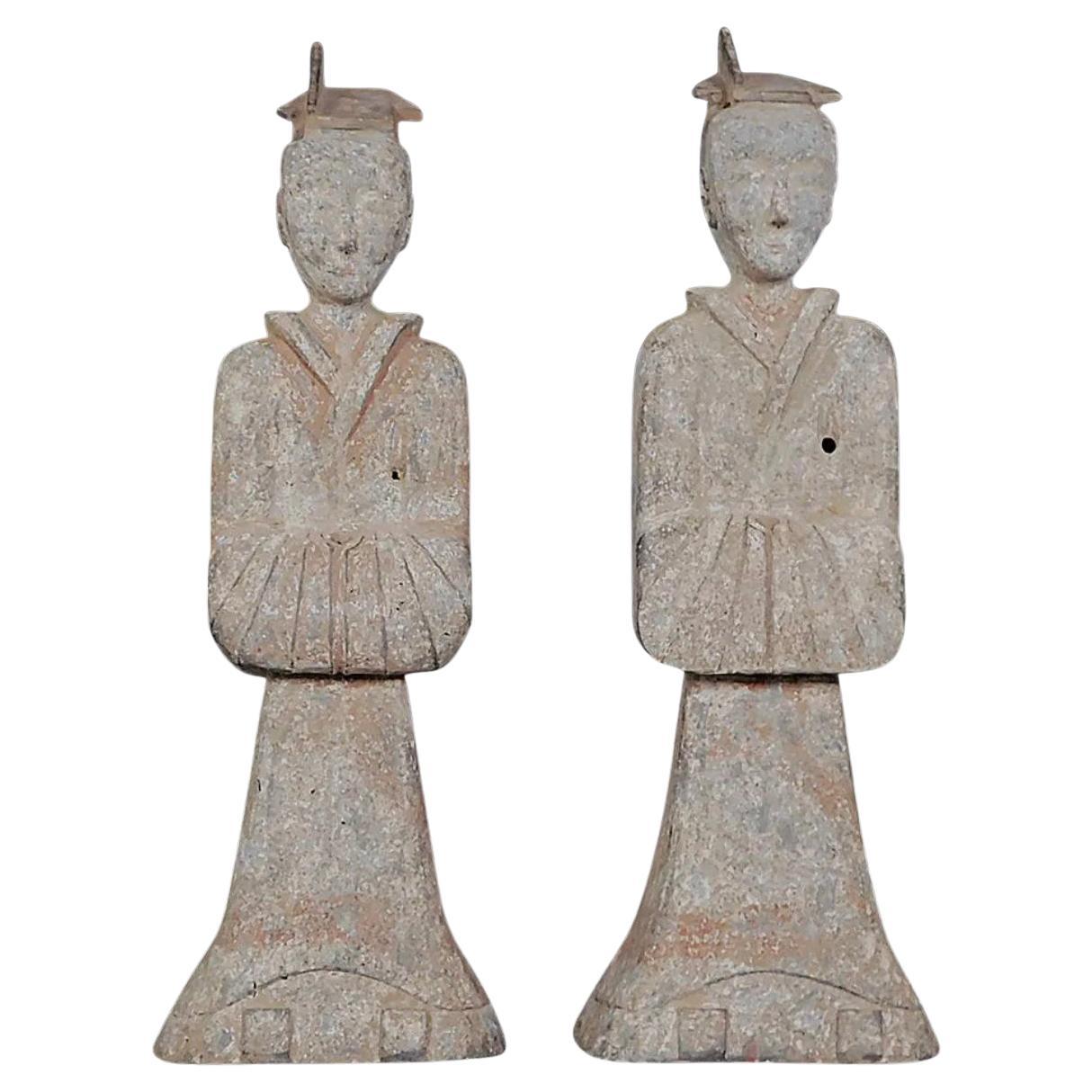
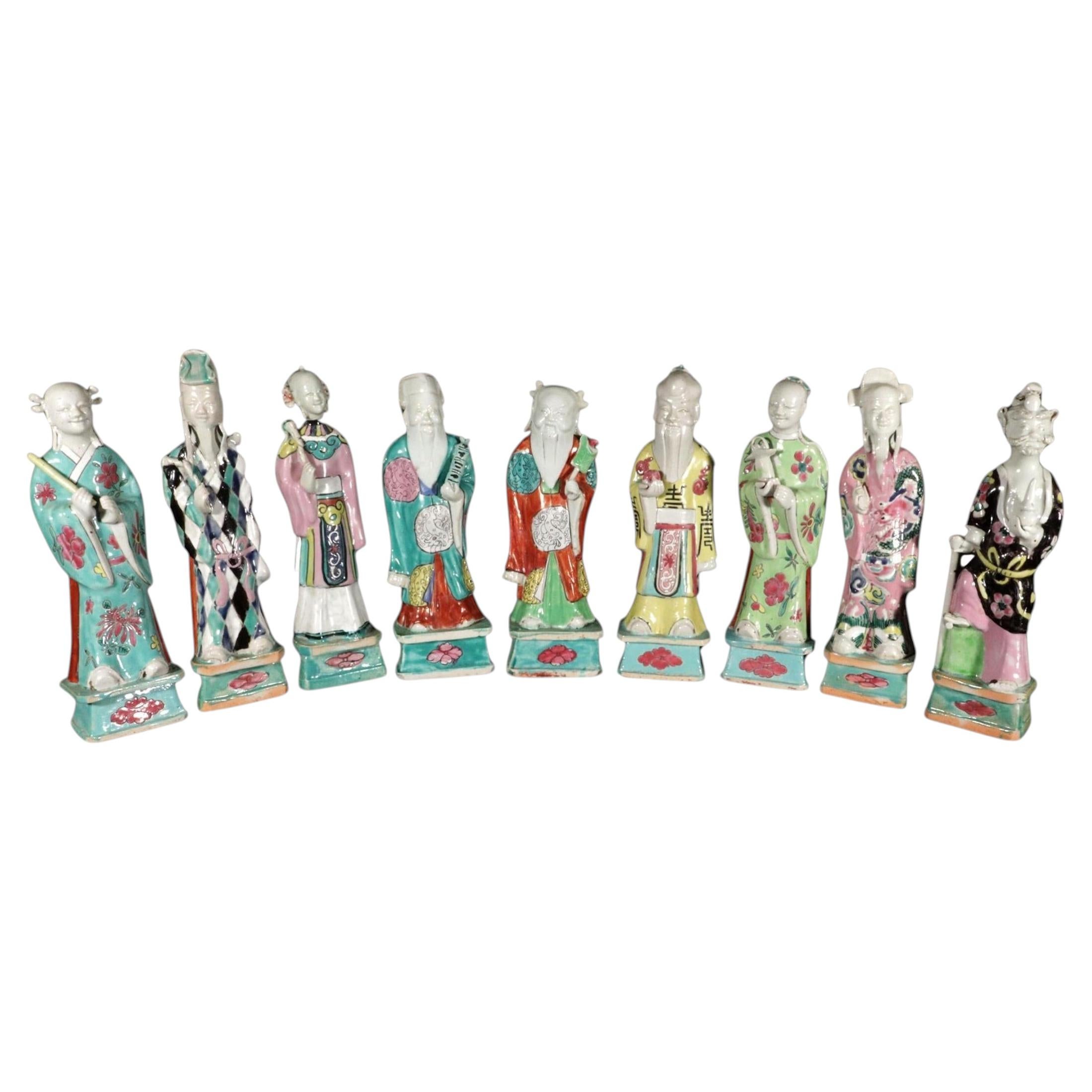
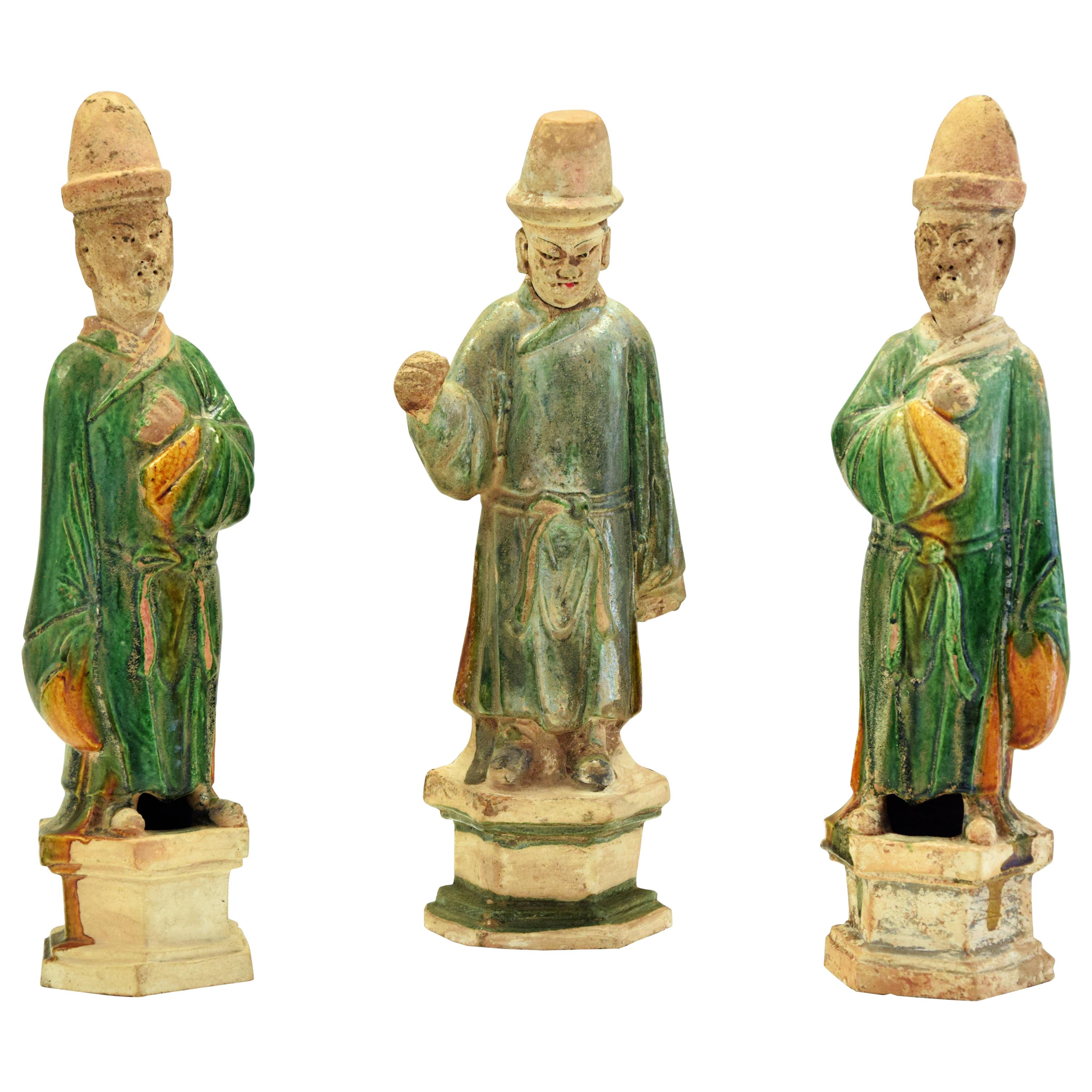
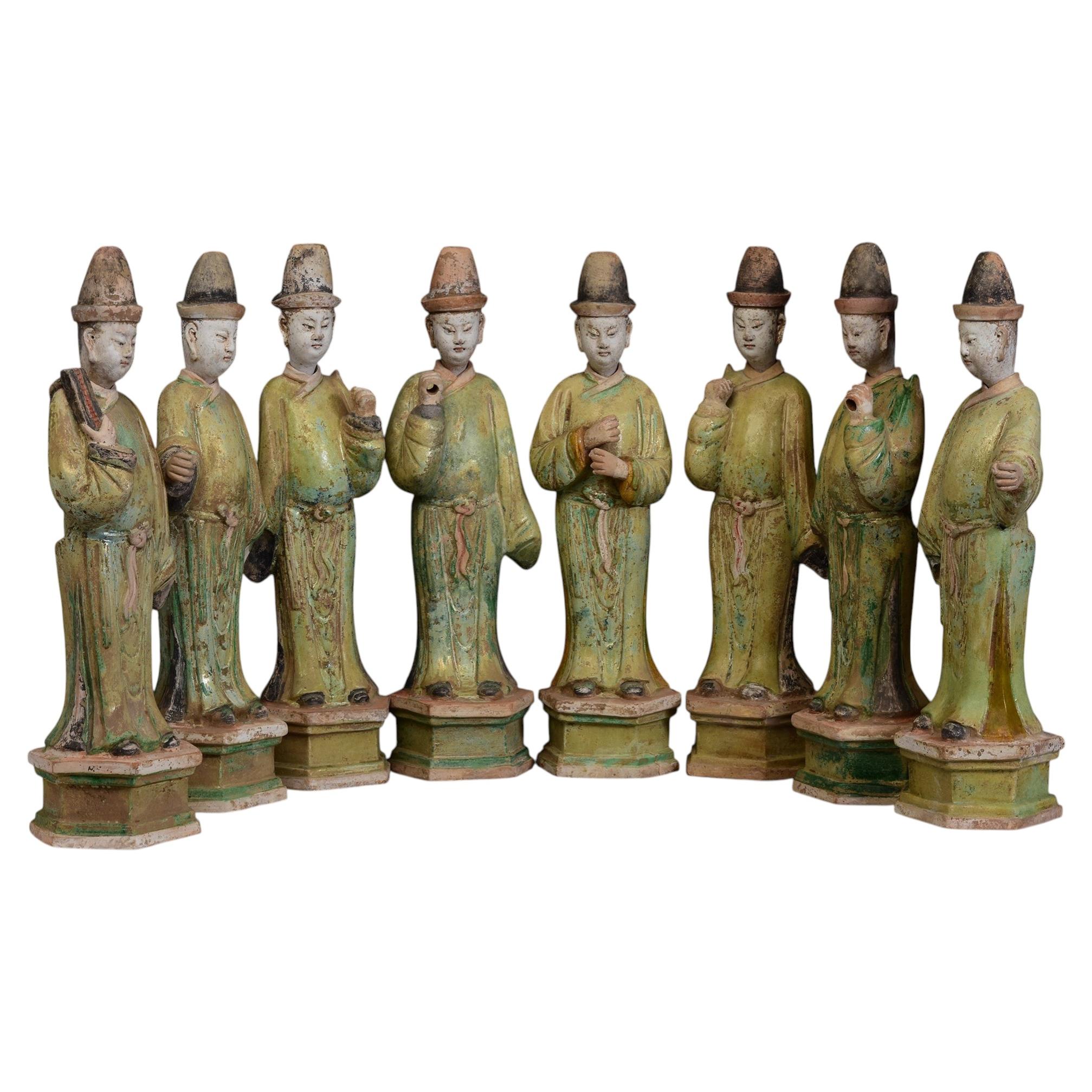
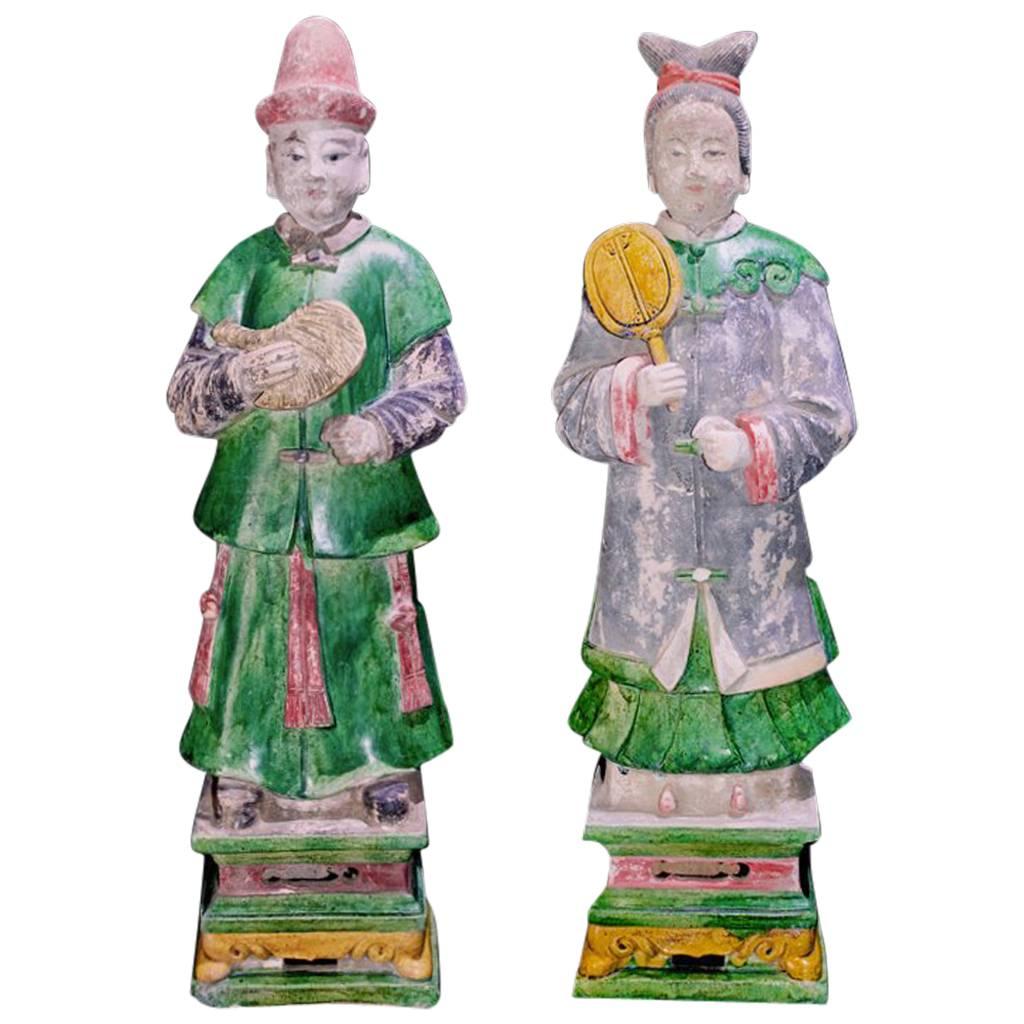
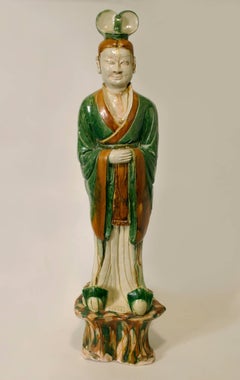
Sancai-Glazed Official
Located in Palm Desert, CA
A Sancai, tri color glazed pottery figure of a Tang Dynasty official. Tang Dynasty (618-907 AD).
Category
15th Century and Earlier Other Art Style Figurative Sculptures
Materials
Ceramic
Ming Dynasty
Sancai-Glazed Official
Located in Palm Desert, CA
A Sancai, tri color glazed pottery figure of a Tang Dynasty official. Tang Dynasty (618-907 AD).
Ceramic
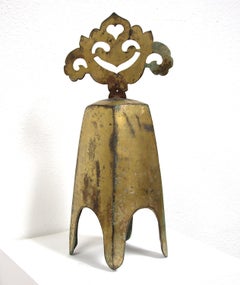
Procession Ornament
Located in Palm Desert, CA
A Chinese Procession Ornament dating from the Liao Dynasty, from 907 to 1125 AD. The Liao Dynasty, also known as the Khitan Empire, was an empire in northern China that ruled over the regions of Manchuria, Mongolia, and parts of northern China proper. It was founded by the Yelu family of the Khitan people in the final years of the Tang Dynasty, even though its first ruler, Yelu Abaoji, did not declare an era name until 916. The Liao Empire was destroyed by the Jurchen of the Jin Dynasty in 1125. However, remnants of its people led by Yelu Dashi established the Xi (or Western) Liao Dynasty 1125 - 1220, also known as Kara - Khitan Khanate, which survived until the arrival of Genghis Khan...
Bronze
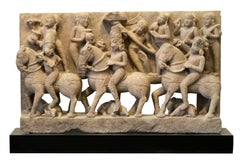
Procession with Horses, India, 12th Century Stone Sculpture
Located in Palm Desert, CA
A stone sculpture by an unknown Indian artist. "Procession with Horses, India, 12th Century" is a royal procession scene from a medieval, Indian temple. ...
Stone
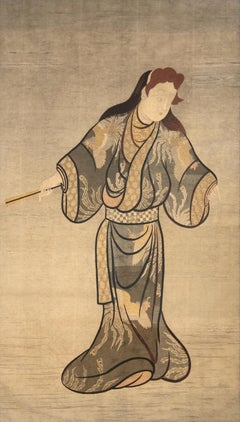
Figure of a Beauty, Japan, Edo Period
Located in Palm Desert, CA
A Japanese embroidery from the Edo Period. “Figure of a Beauty” is a portrait embroidery, silk and gold thread in golds and grays. Provenance: Priv...
Silk

Sancai-Glazed Horse with Cut Fur Blanket
Located in Palm Desert, CA
A Chinese, Tang Dynasty, Sancai-glazed, three colors of brown, green and creamy, sculpture of a horse with a cut fur blanket. This Chinese, Tang Dynasty (618-907 AD), glazed earthenw...
Earthenware, Glaze

Gandharan Frieze with Scenes from the Life of Buddha
Located in Palm Desert, CA
A schist stone carving from 2nd/3rd Century Gandhara depicting scenes from the life of Buddha. Provenance: Spink and Sons LTD, 1985.
Stone
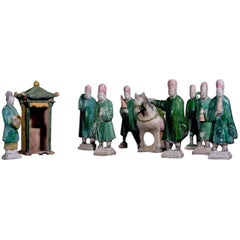
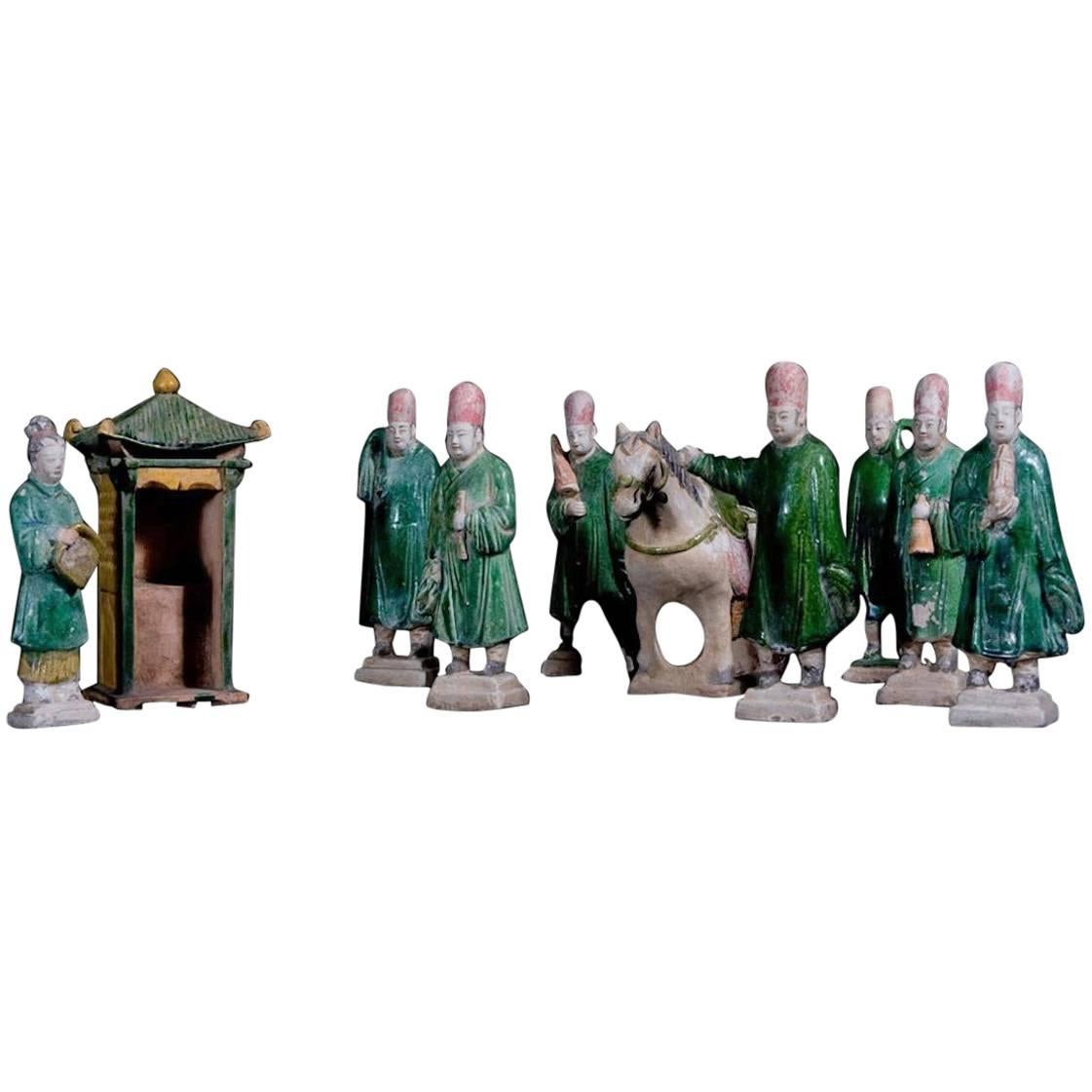
Impressive Terracotta Funerary Procession - Ming Dynasty, China '1368-1644 AD'
Located in San Pedro Garza Garcia, Nuevo Leon
Impressive Funeral Ensamble of 10 Terracotta Glazed Figures in green and caramel colors depicting a votive procession with a palanquin, his four carriers, a horse, a stableman, two musicians, and an offering carrier. This ensemble is accompanied by a Certificate of Authenticity, and Certificate of Expertise by Jean-Yves Nathan - Specialist in Asian Arts for the CEDEA (The European Confederation of Art Experts). Burial figurines of graceful dancers, mystical beasts, and everyday objects reveal both how people in early China approached death and how they lived. Since people viewed the afterlife as an extension of worldly life, these figurines, called mingqi, sometimes referred as “spirit utensils” or “vessels of ghosts” disclose details of routine existence and provide insights into belief systems over a thousand-year period. The Ming dynasty was the ruling dynasty of China – then known as the Empire of the Great Ming – for 276 years (1368–1644 AD). Founded by Chu Yuan-chang, the rebel leader that was successful in removing the mongols from the throne. Chinese control was re-asserted in China and eastern Asia. Literature became more important, schools were created, and the justice system was reformed. The Ming dynasty is described by some as "one of the greatest eras of orderly government and social stability in human history,” was the last imperial dynasty in China ruled by ethnic Han Chinese. The practice of burying ceramic objects with the deceased went into decline from the 10th to the 14th Century AD. There was a revival in placing miniature representations of glazed terracotta objects such a furniture, food offerings, horses, miniature statues...
Terracotta
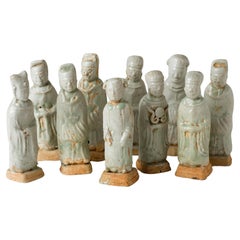
Ten Qingbai Figures of Courtiers, Five Dynasties-Song Dynasty
Located in seoul, KR
This work is a group of Qingbai (青白磁) porcelain figurines produced during the Five Dynasties to the Northern or Southern Song period (10th–13th century). A transparent glaze is appli...
Porcelain
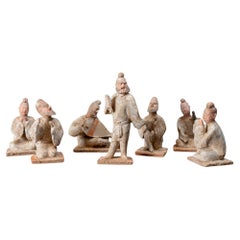
A Group of Foreign and Chinese Musician Figures
Located in Chicago, IL
Tang Dynasty, China, 618–907 CE Group of terracotta mingqi figures depicting foreign and Chinese musicians in animated performance poses, reflecting the cosmopolitan culture of the T...
Terracotta
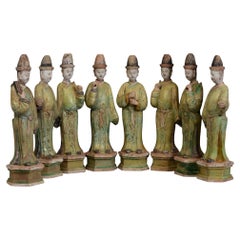
Ming Dynasty, A Set of Eight Chinese Pottery Court Man with an Oxford TL Test
Located in Sampantawong, TH
A set of eight antique Chinese green glazed pottery court man with an Oxford Thermoluminescence Test. Thermoluminescence (TL) test result from Oxford Authentication Ltd. is included...
Pottery
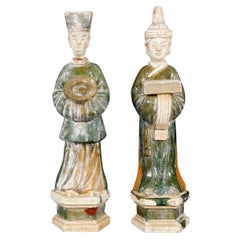
Two Ming Style Chinese Pottery Dignitaries
Located in Bradenton, FL
Two Chinese Ming style sancai polychrome glaze terracotta pottery figures of Chinese dignitaries in glazed green and ocher terracotta on hexagonal bases and removable heads. The man ...
Pottery
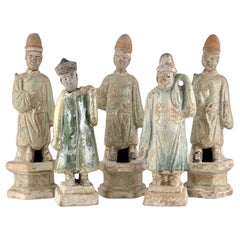
Five Green Glazed Pottery Attendant Figures, Ming Dynasty(1368-1644)
Located in seoul, KR
The three figurines in the back exhibit the typical form of attendants, wearing conical red hats and adopting poses where their right hands are either held in front of their chests o...
Pottery