Edo Antiquities

EDO STYLE

Edo furniture was created during a flourishing time for the decorative arts owing to the stability of the Tokugawa shogunate rule in Japan. Spanning from 1603 to 1867, this era of peace and economic growth supported artistic advancements in lacquer, woodblock printing, porcelain and other artisanal trades. Because the country was largely isolated, there was little outside influence, leading to centuries of exceptional attention to the design of its furnishings and the quality of its traditional arts.

Unlike during the Meiji period that followed, with an increase in domestic and international markets, furniture during the Edo period was predominately commissioned by the ruling class, although people from across social groups benefited from the burgeoning metropolitan hubs for artisanal trades. For instance, Kyoto became a major center for lacquer art. Most furniture pieces were made from wood such as cedar or ash, including the era’s sashimono cabinets, which involved fine joinery and were rooted in the Heian period.

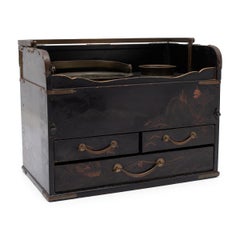
Sashimono cabinets, which were built by master craftsmen in a range of different wood types owing to the various trees that populate Japan, occasionally featured a stack of slender drawers as well as sliding doors. They were popular with everyone from samurai to kabuki actors. Tansu storage chests crafted from wood with metal fittings were also common in Edo-period homes. Some were designed to be easily portable while others were made to double as staircases.

Painted folding screens, called byōbu, were also fashionable, with Japanese artists inspired by nature, literature and scenes of history and daily life to create vivid works. In Buddhist temples and the palatial homes of the aristocratic class, fusuma, or large sliding panels, would sometimes be adorned with gold or silver leaf. These dividers allowed interiors to change throughout the day, closing in small spaces for personal use or reflecting candlelight to illuminate communal spaces after dark.

Find a collection of Edo tables, lighting, decorative objects, wall decorations and more furniture on 1stDibs.

to
1
5
3
21
9
13
10
7
5
4
3
3
3
2
2
2
1
1
1
1
4
16
1
9
1
17
13
9
6
5
29
29
29
30
24
24
9
1
Style: Edo
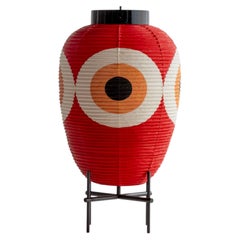
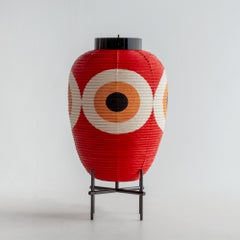
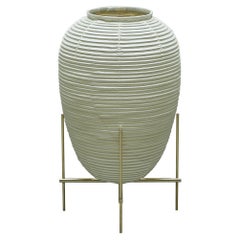
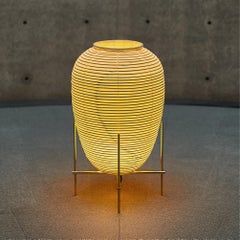
Contemporary Japanese Chochin Floor Lamp Limited Edition #1 Zen Pop art

Contemporary Japanese Chochin Floor Lamp Limited Edition #1 Zen Pop art

By Ryosuke Harashima

Located in Shibuya-ku, Tokyo

Name: Akke Contemporary style Japanese Washi Japanese traditional paper shade floor lamp. Washi shade is famous as Isamu Noguchi Akari lightings. Base is made of black painted steel...

Category

2010s Japanese Edo Antiquities

Materials

Steel

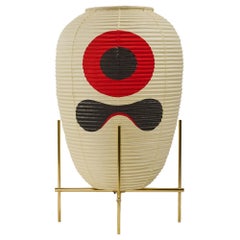
Contemporary Japanese Chochin Floor Lamp Limited Edition #1 Zen Washi

Contemporary Japanese Chochin Floor Lamp Limited Edition #1 Zen Washi

By Ryosuke Harashima

Located in Shibuya-ku, Tokyo

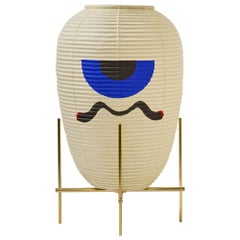
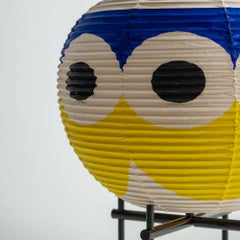
Name: OBAKE A Contemporary style Japanese Washi Japanese traditional paper shade floor lamp. Washi shade is famous as Isamu Noguchi Akari lightings. Base is made of brass. Limited pattern painted model. Edition of 3+1AP E26,27 light bulb. Available to work with 100-250V. Artist statement In Japan, there is an animist belief that the soul dwells in old tools that have passed a long time and turns into spirits such as "Youkai" or "OBAKE." Its existence lurks in the darkness of everyday life, sometimes causing fear and sometimes entertaining. This lantern is not an old tool, but it is made by the historic "Kojima Shoten", where the 10th generation are craftsmen in Kyoto. It's rare nowadays, and it's a style in which lanterns are made from bamboo bones to assembling papers and painting in one workshop and go. So, I decided to transform the polite crafted Japanese lanterns, which have been run through a traditional history, into a modern and pop style. It's not just OBAKE lurking in the darkness, but an existence who snuggles up to us as a more sophisticated being. These one-eyed OBAKE have a meaningful look that originated in ancient Sanskrit culture. The red-eye "A [a]" is the facial expression that is the first pronunciation to make a sound in Sanskrit, which means "truth" and "spirit of inquiry" at the same time. The blue-eyed "UN [hu?]" expresses the pronunciation to close the sound, and at the same time means "wisdom" and "nirvana." There is also the idea that describing the beginning and end of the universe is represented by considering the "A" and "UN" as a pair. In Asia, it is a common sight to see a pair of guardian statues...

Category

2010s Japanese Edo Antiquities

Materials

Brass

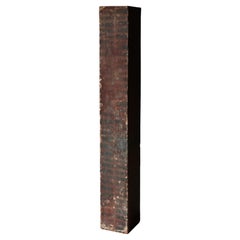
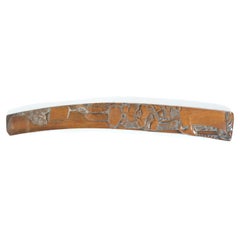
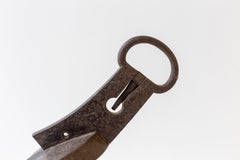
19th Century Japanese Jizai Kagi (Hearth Hook) Segment

19th Century Japanese Jizai Kagi (Hearth Hook) Segment

Located in Los Angeles, CA

This architectural element is a section of a Jizai Kagi, a traditional Japanese adjustable hearth hook used to suspend iron kettles or pots over an open irori (sunken hearth). Carved...

Category

19th Century Japanese Antique Edo Antiquities

Materials

Wood

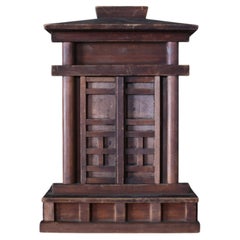
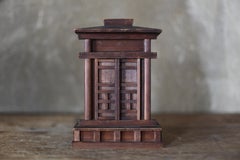
Antique Wooden Zushi Shrine Cabinet Japan, Edo period (18th–19th century)

Antique Wooden Zushi Shrine Cabinet Japan, Edo period (18th–19th century)

Located in Sammu-shi, Chiba

A small shrine with a gentle, natural wood grain. Its simple yet well-proportioned form reveals traces of its use as a place of daily prayer. The doors open like double hinges, and...

Category

Late 19th Century Japanese Antique Edo Antiquities

Materials

Cedar

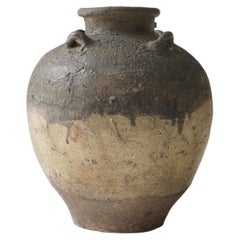
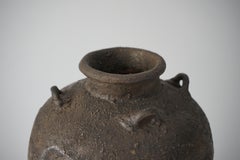
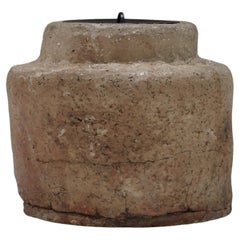
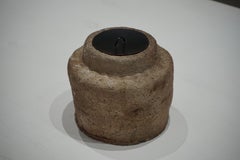
Japanese Antique Ceramic Mizusashi Water Jar 19th century, Japandi Wabi-Sabi

Japanese Antique Ceramic Mizusashi Water Jar 19th century, Japandi Wabi-Sabi

Located in Chiba, Chiba

A Japanese antique ceramic mizusashi, traditionally used as a water jar in the tea ceremony. The vessel carries a compelling balance between the raw presence of clay and a calm, time...

Category

1860s Japanese Antique Edo Antiquities

Materials

Ceramic, Wood

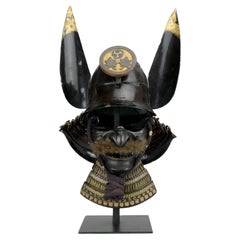
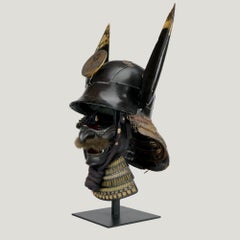
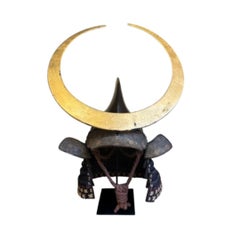
Samurai Helmet "Zunari Kabuto" - Early Edo (circa 1610)

Samurai Helmet "Zunari Kabuto" - Early Edo (circa 1610)

Located in Paris, FR

Samurai Helmet "Zunari kabuto" with 3 black lacquered iron plates. Japan, early EDO period, circa 1610. Neck protector (shikoro), 5-strip hineno, laced brown, beige and green. Central ornament (maedate) in gold and silver lacquered wood. Triple tomo with 2 maple leaves. 2 rounded horn-shaped side ornaments (wakidate) in black and gold lacquered wood. Black-lacquered iron mask...
Category

Early 17th Century Japanese Antique Edo Antiquities

Materials

Iron

Contemporary Japanese Chochin Floor Lamp Zen Washi Japanese Paper Shade

Contemporary Japanese Chochin Floor Lamp Zen Washi Japanese Paper Shade

By Ryosuke Harashima

Located in Shibuya-ku, Tokyo

Name: Under the Hazy Moon Contemporary style Japanese Washi Japanese traditional paper shade floor lamp. Washi shade is famous as Isamu Noguchi Akari lightings. Base is made of brass...

Category

2010s Japanese Edo Antiquities

Materials

Brass

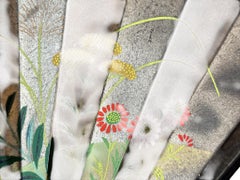
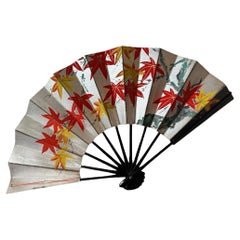
Double-Sided Samurai Fan — Edo Period, Hand-Painted on Gold and Silver Leaf Pape

Double-Sided Samurai Fan — Edo Period, Hand-Painted on Gold and Silver Leaf Pape

Located in Fukuoka, JP

Japan, Edo period (1603–1868) Size: 49 × 30 cm A magnificent double-sided Japanese folding fan (ōgi), hand-painted on paper richly decorated with gold and silver leaf. One side depi...

Category

19th Century Japanese Antique Edo Antiquities

Materials

Wood, Paper

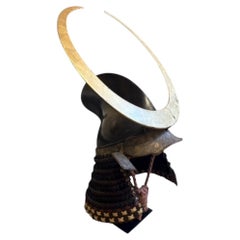
A Large and Impressive Eboshi nari kawari kabuto With A Hon Kozane Shikoro, Edo

A Large and Impressive Eboshi nari kawari kabuto With A Hon Kozane Shikoro, Edo

Located in London, GB

A Large and Impressive Eboshi nari kawari kabuto With A Hon Kozane Shikoro, Edo Period The eboshi is a tall hat dating from the Heian period and was worn originally by high ranking...

Category

19th Century Japanese Antique Edo Antiquities

Materials

Hide, Lacquer

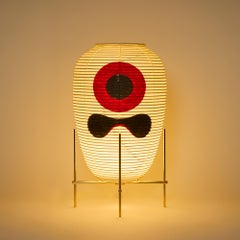
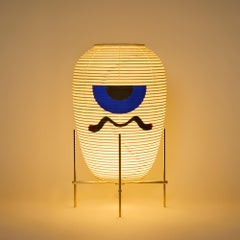
Contemporary Japanese Chochin Floor Lamp Limited Edition #2 Zen Washi

Contemporary Japanese Chochin Floor Lamp Limited Edition #2 Zen Washi

By Ryosuke Harashima

Located in Shibuya-ku, Tokyo

Name: OBAKE UN Contemporary style Japanese Washi Japanese traditional paper shade floor lamp. Washi shade is famous as Isamu Noguchi Akari lightings. Base is made of brass. Limited pattern painted model. Edition of 3+1AP E26,27 light bulb. Available to work with 100-250V. Artist statement In Japan, there is an animist belief that the soul dwells in old tools that have passed a long time and turns into spirits such as "Youkai" or "OBAKE." Its existence lurks in the darkness of everyday life, sometimes causing fear and sometimes entertaining. This lantern is not an old tool, but it is made by the historic "Kojima Shoten", where the 10th generation are craftsmen in Kyoto. It's rare nowadays, and it's a style in which lanterns are made from bamboo bones to assembling papers and painting in one workshop and go. So, I decided to transform the polite crafted Japanese lanterns, which have been run through a traditional history, into a modern and pop style. It's not just OBAKE lurking in the darkness, but an existence who snuggles up to us as a more sophisticated being. These one-eyed OBAKE have a meaningful look that originated in ancient Sanskrit culture. The red-eye "A [a]" is the facial expression that is the first pronunciation to make a sound in Sanskrit, which means "truth" and "spirit of inquiry" at the same time. The blue-eyed "UN [hu?]" expresses the pronunciation to close the sound, and at the same time means "wisdom" and "nirvana." There is also the idea that describing the beginning and end of the universe is represented by considering the "A" and "UN" as a pair. In Asia, it is a common sight to see a pair of guardian statues...

Category

2010s Japanese Edo Antiquities

Materials

Brass

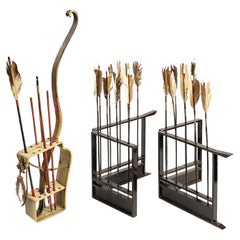
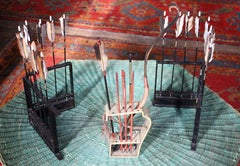
Late 18th C Japanese Edo Period Palanquin Bow (Rimankyuu)  Country House Antique

Late 18th C Japanese Edo Period Palanquin Bow (Rimankyuu) Country House Antique

Located in Lowestoft, GB

A Japanese Edo Period Palanquin Bow (Rimankyuu) with two racks of arrows. The bow with reflexed design made of whalebone, the back and belly painted with golden mon and the grip (n...

Category

Late 18th Century Japanese Antique Edo Antiquities

Materials

Iron

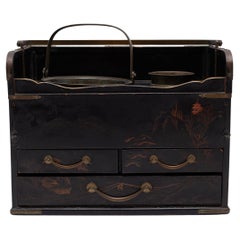
Japanese Gilt Tabako-Bon with Mountain Landscape, c. 1850

Japanese Gilt Tabako-Bon with Mountain Landscape, c. 1850

Located in Chicago, IL

This lacquered box is a Japanese tabako-bon, or 'tobacco tray,' used to store tobacco and smoking accessories. Believed to have evolved from the tradition...

Category

Early 20th Century Japanese Edo Antiquities

Materials

Copper

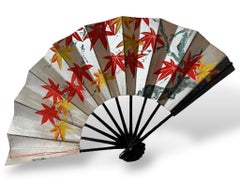
Double-Sided Japanese Fan — Edo Period, Hand-Painted on Silver Leaf Paper

Double-Sided Japanese Fan — Edo Period, Hand-Painted on Silver Leaf Paper

Located in Fukuoka, JP

Japan, Edo period (1603–1868) Size: 49 × 30 cm A magnificent double-sided Japanese folding fan (ōgi), hand-painted on paper richly decorated with gold and silver leaf. One side depi...

Category

19th Century Japanese Antique Edo Antiquities

Materials

Wood, Paper

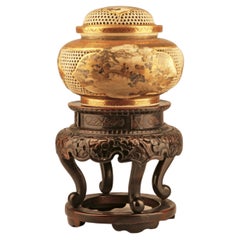
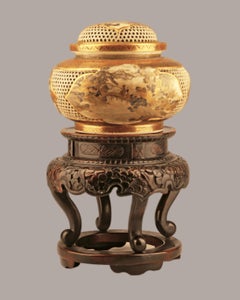
Japanese Edo-Meiji Period Satsuma Incense Burner (Koro) and Wooden Support Table

Japanese Edo-Meiji Period Satsuma Incense Burner (Koro) and Wooden Support Table

Located in North Miami, FL

Japanese 19th century Edo-Meiji Period Satsuma stoneware incense burner (Koro) with small wooden support table By: unknown Material: ceramic, stoneware, wood, enamel, paint Techniqu...

Category

19th Century Japanese Antique Edo Antiquities

Materials

Enamel

Japanese Antique Exhibition Stand / Sword Case / 1800-1868s / Wabi-sabi

Japanese Antique Exhibition Stand / Sword Case / 1800-1868s / Wabi-sabi

Located in Shizukuishi-cho, Iwate-gun, Iwate Prefecture

This is an old drawer for storing Japanese swords originally called "Katanatansu". It is thought to be from around the Edo period. Cedar is used for the material, and a large numbe...

Category

Mid-19th Century Japanese Antique Edo Antiquities

Materials

Wood, Paper, Cedar

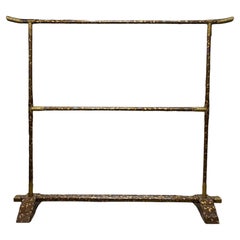
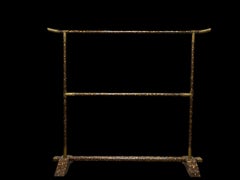
Extremely Rare Tokugawa Clan Kimono Hanger with Maki-e Lacquer. Edo period

Extremely Rare Tokugawa Clan Kimono Hanger with Maki-e Lacquer. Edo period

Located in Fukuoka, JP

Extremely Rare Tokugawa Clan Kimono Hanger with Makie Lacquer and Gilded Fittings Edo Period, 18th–19th Century Dimensions: H 166 cm × L 187 cm × W 41.5 cm Materials: Wood, Lacquer...

Category

18th Century Japanese Antique Edo Antiquities

Materials

Metal

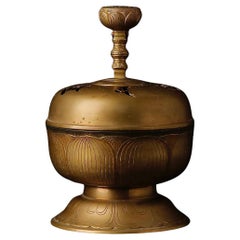
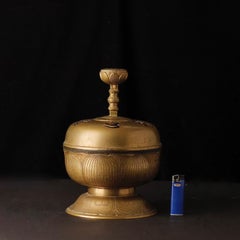
19th. c Large Lotus-Shaped Buddhist Temple Incense Burner with Sanskrit Cutouts

19th. c Large Lotus-Shaped Buddhist Temple Incense Burner with Sanskrit Cutouts

Located in Fukuoka, JP

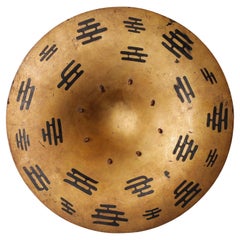
An extraordinary Buddhist temple incense burner from Japan, dating to the late Edo period (18th–19th century). Finely cast in bronze, this ceremonial piece features intricate openwor...

Category

19th Century Japanese Antique Edo Antiquities

Materials

Bronze

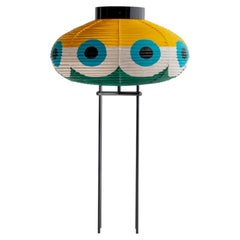
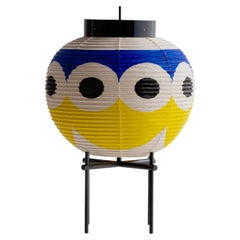
Contemporary Japanese Chochin Floor Lamp Limited Edition #3 Zen Pop art

Contemporary Japanese Chochin Floor Lamp Limited Edition #3 Zen Pop art

By Ryosuke Harashima

Located in Shibuya-ku, Tokyo

Name: Hatto Contemporary style Japanese Washi Japanese traditional paper shade floor lamp. Washi shade is famous as Isamu Noguchi Akari lightings. Base is made of black painted stee...

Category

2010s Japanese Edo Antiquities

Materials

Steel

Unusual Samurai Jingasa Hat with Gilded Crests and Gilded Interior

Unusual Samurai Jingasa Hat with Gilded Crests and Gilded Interior

Located in Fukuoka, JP

An uncommon Edo-period samurai jingasa, distinguished by its applied gilded crest decorations and rare gilded interior finish. Jingasa of this type were worn by samurai and retainers...

Category

18th Century Japanese Antique Edo Antiquities

Materials

Wood, Lacquer

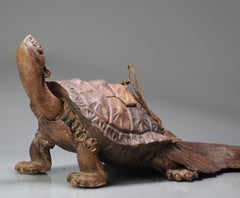
Antique Iwayaki Earthenware Edo Incense Burner of a Turtle 19th Century Japan, J

Antique Iwayaki Earthenware Edo Incense Burner of a Turtle 19th Century Japan, J

Located in Amsterdam, Noord Holland

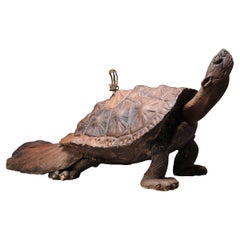
Nicely made and large incense burner or Okimono of a turtle. In earthenware with nice patina. Shimane Prefecture Iwayaki (Nagahama Yaki) Turtle figurine. The head and part of the bac...

Category

19th Century Japanese Antique Edo Antiquities

Materials

Earthenware

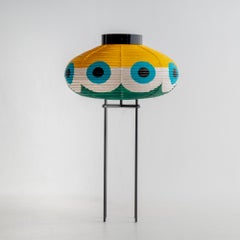
Contemporary Japanese Chochin Floor Lamp Limited Edition #2 Zen Pop art

Contemporary Japanese Chochin Floor Lamp Limited Edition #2 Zen Pop art

By Ryosuke Harashima

Located in Shibuya-ku, Tokyo

Name: Nubo Contemporary style Japanese Washi Japanese traditional paper shade floor lamp. Washi shade is famous as Isamu Noguchi Akari lightings. Base is made of black painted steel...

Category

2010s Japanese Edo Antiquities

Materials

Steel

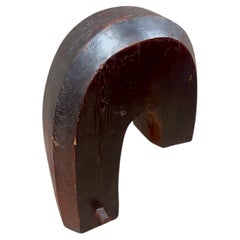
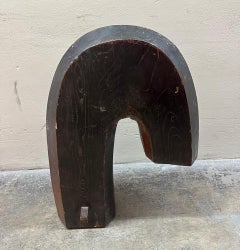
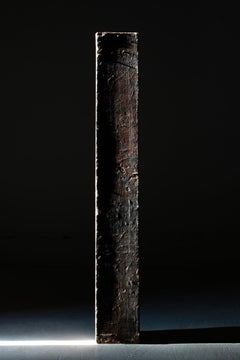
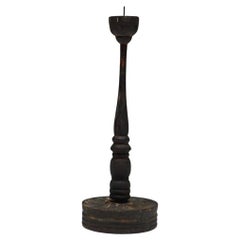
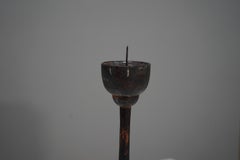
Japanese Antique Wooden Candle Stand, Late 1800s, Wabi-Sabi

Japanese Antique Wooden Candle Stand, Late 1800s, Wabi-Sabi

Located in Chiba, Chiba

A Japanese antique wooden candle stand dating to the late 1800s. The wood species is unknown, yet the material has aged into a deep, nearly blackened tone, conveying a strong sense o...

Category

Late 19th Century Japanese Antique Edo Antiquities

Materials

Wood

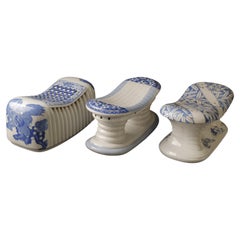
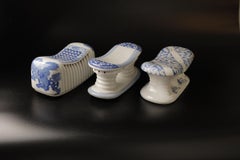
19th. Century Porcelain Geisha's Pillow Stand. Set of 3

19th. Century Porcelain Geisha's Pillow Stand. Set of 3

Located in Fukuoka, JP

Set of 3 Porcelain Pillow Stands - Geisha Hair Protection Discover a captivating set of three porcelain pillow stands, each adorned with unique and intricate designs. These stands...

Category

Mid-19th Century Japanese Antique Edo Antiquities

Materials

Porcelain

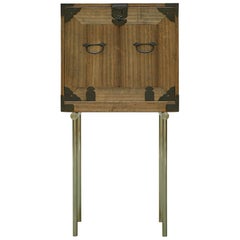
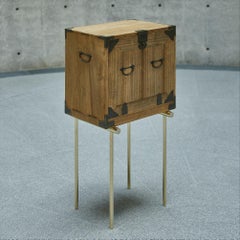
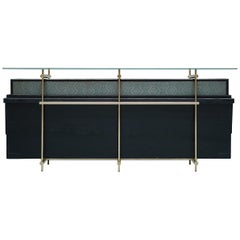
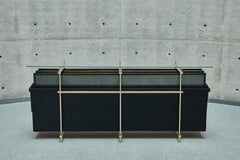
Cabinet Ryosuke Harashima Contemporary Zen Japanese Craft Mingei

Cabinet Ryosuke Harashima Contemporary Zen Japanese Craft Mingei

By Ryosuke Harashima

Located in Shibuya-ku, Tokyo

Cabinet by Ryosuke Harashima. Name: Casa Do Walk Collection: STILLIFE A chest for ship with a key door. With four legs that imitate a stilt building structure, it looks like a house that going to walk. STILLIFE STILLIFE is not to redesign old Japanese folk tools but also to have a dialogue with the tools. Morphing "old folk tools" into a "more attractive still life" by giving it a modern interpretation. "Tsukumo God" which we Japanese...

Category

2010s Japanese Edo Antiquities

Materials

Brass

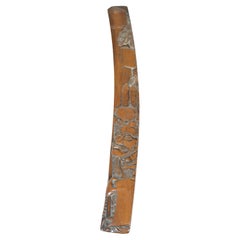
Japanese Wooden Dagger, Late 19th C

Japanese Wooden Dagger, Late 19th C

Located in Stockholm, SE

A Japanese high quality wooden dagger. The carving is made of the highest quality as often Japanese items are. There is a signature and a poem engraved on side. Comes from an old Swedish collection...

Category

Late 19th Century Japanese Antique Edo Antiquities

Materials

Boxwood

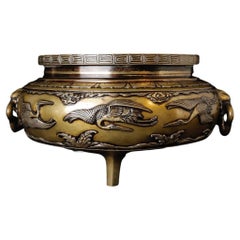
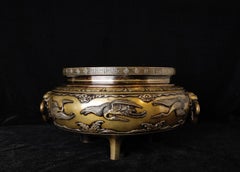
Late Edo Period Bronze Incense Burner by Kanaya Gorōsaburō (金谷五郎三郎), Kyoto

Late Edo Period Bronze Incense Burner by Kanaya Gorōsaburō (金谷五郎三郎), Kyoto

This finely cast bronze incense burner is an accomplished work of the late Edo period, attributed to Kanaya Gorōsaburō, a distinguished master of the Kanaya lineage of Kyoto bronze f...

Category

19th Century Antique Edo Antiquities

Materials

Bronze

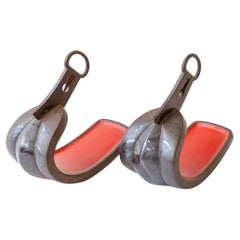
Pair of Japanese Edo Period 18th/19th century Iron Samurai Abumi Stirrups

Pair of Japanese Edo Period 18th/19th century Iron Samurai Abumi Stirrups

Located in New York, NY

A pair of antique Japanese samurai Abumi (horse riding stirrups) from the Edo period (1615-1868) Abumi often have a distinctive shape, curving up and backward at the front to achiev...

Category

Mid-19th Century Japanese Antique Edo Antiquities

Materials

Silver, Iron

Edo antiquities for sale on 1stDibs.

Find a broad range of unique Edo antiquities for sale on 1stDibs. Many of these items were first offered in the 21st Century and Contemporary, but contemporary artisans have continued to produce works inspired by this style. If you’re looking to add vintage antiquities created in this style to your space, the works available on 1stDibs include asian art and furniture, lighting, case pieces and storage cabinets and other home furnishings, frequently crafted with wood, metal and other materials. If you’re shopping for used Edo antiquities made in a specific country, there are Asia, East Asia, and Japan pieces for sale on 1stDibs. While there are many designers and brands associated with original antiquities, popular names associated with this style include and Ryosuke Harashima. It’s true that these talented designers have at times inspired knockoffs, but our experienced specialists have partnered with only top vetted sellers to offer authentic pieces that come with a buyer protection guarantee. Prices for antiquities differ depending upon multiple factors, including designer, materials, construction methods, condition and provenance. On 1stDibs, the price for these items starts at $250 and tops out at $39,000 while the average work can sell for $3,200.