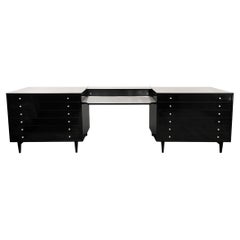
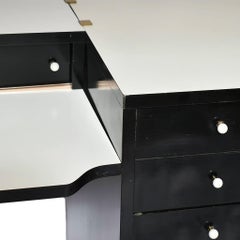
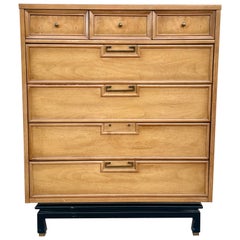
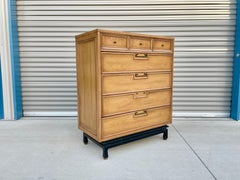
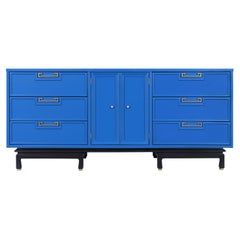
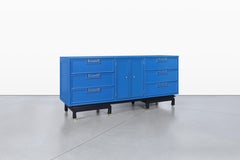
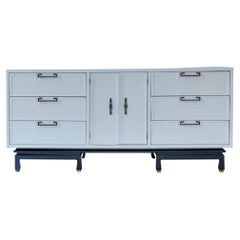
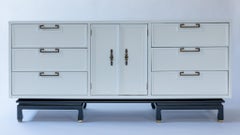
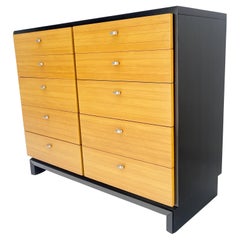
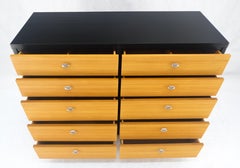
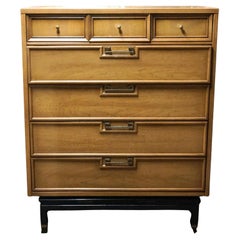
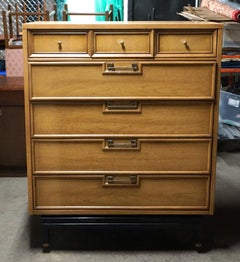
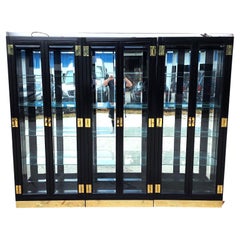
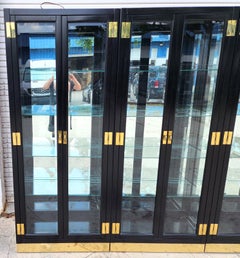
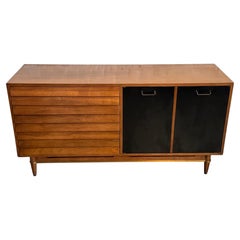
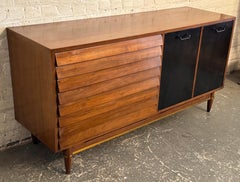
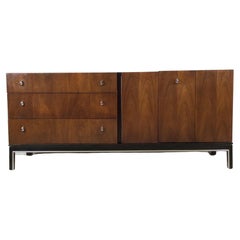
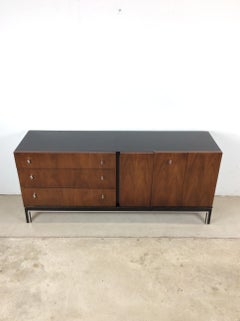
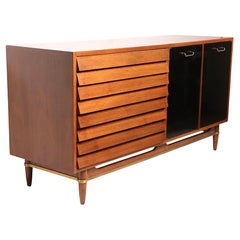
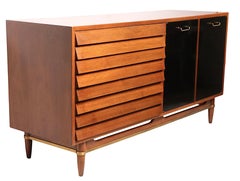
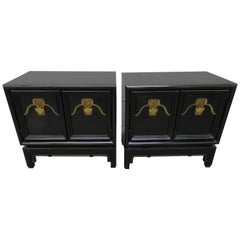
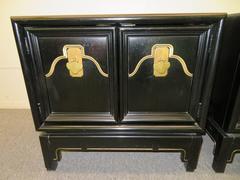
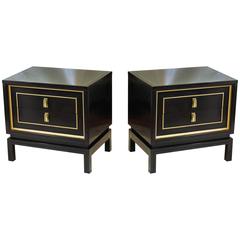
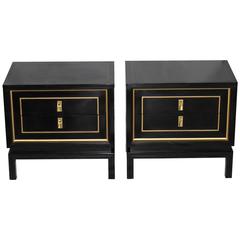
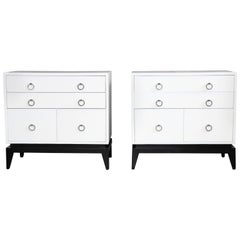
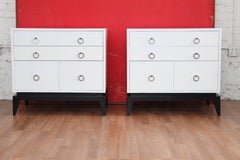
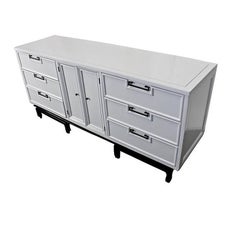
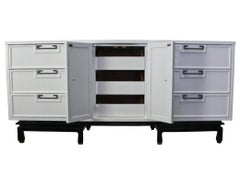
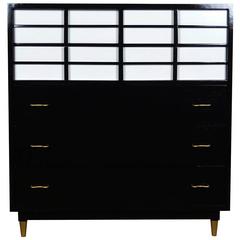
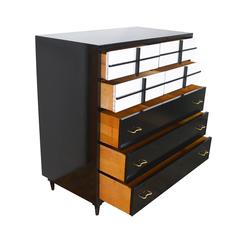
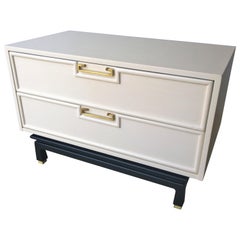
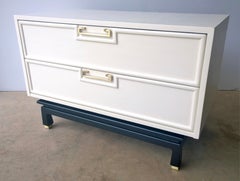
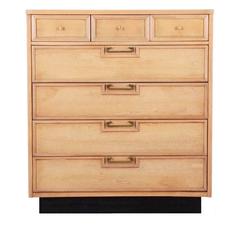
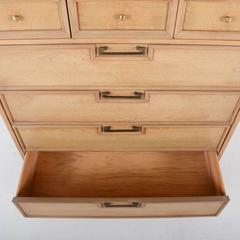
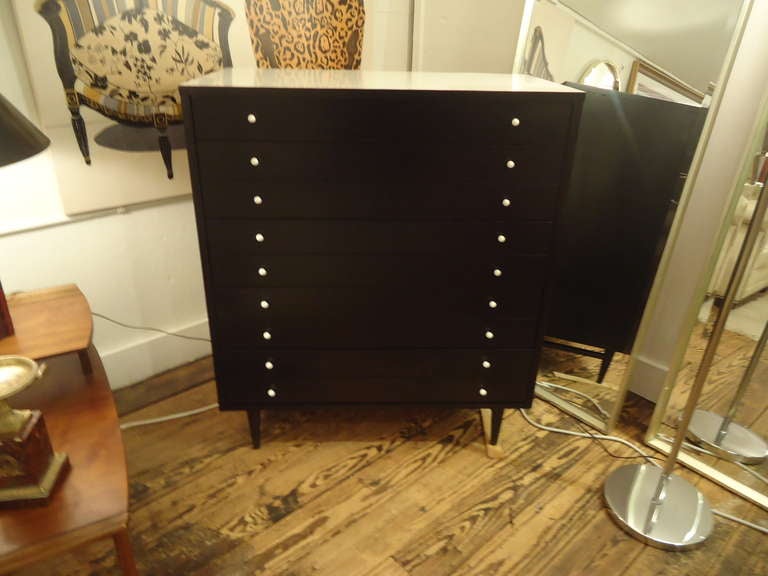
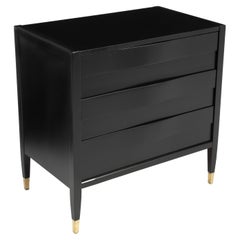
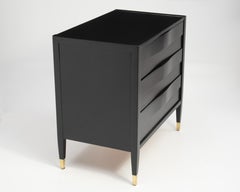
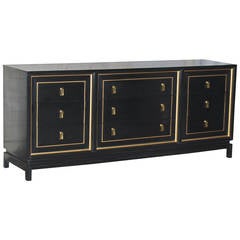
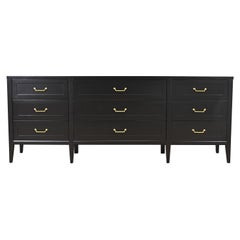
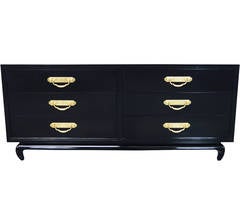
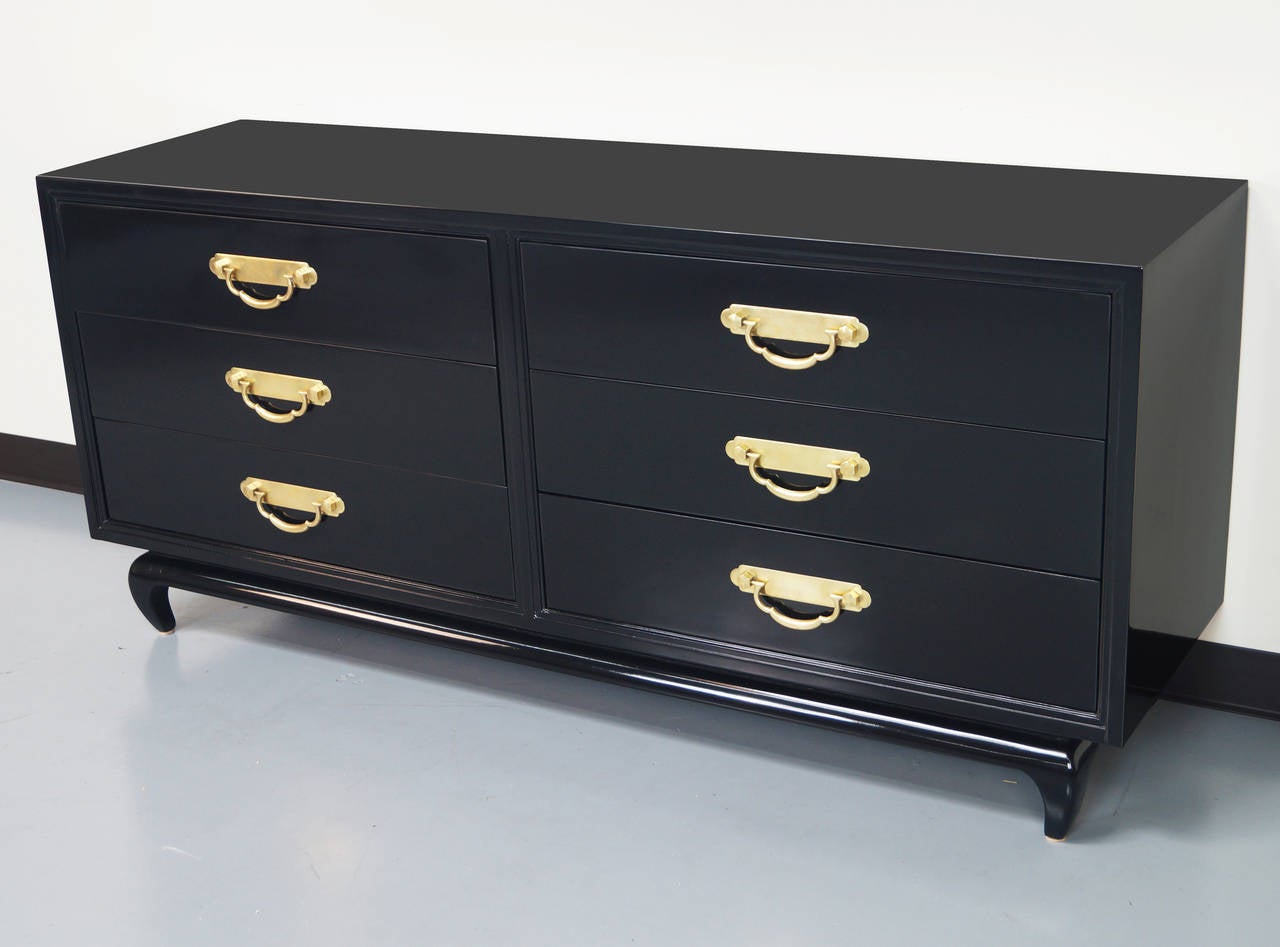
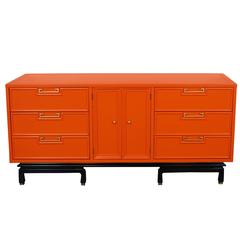
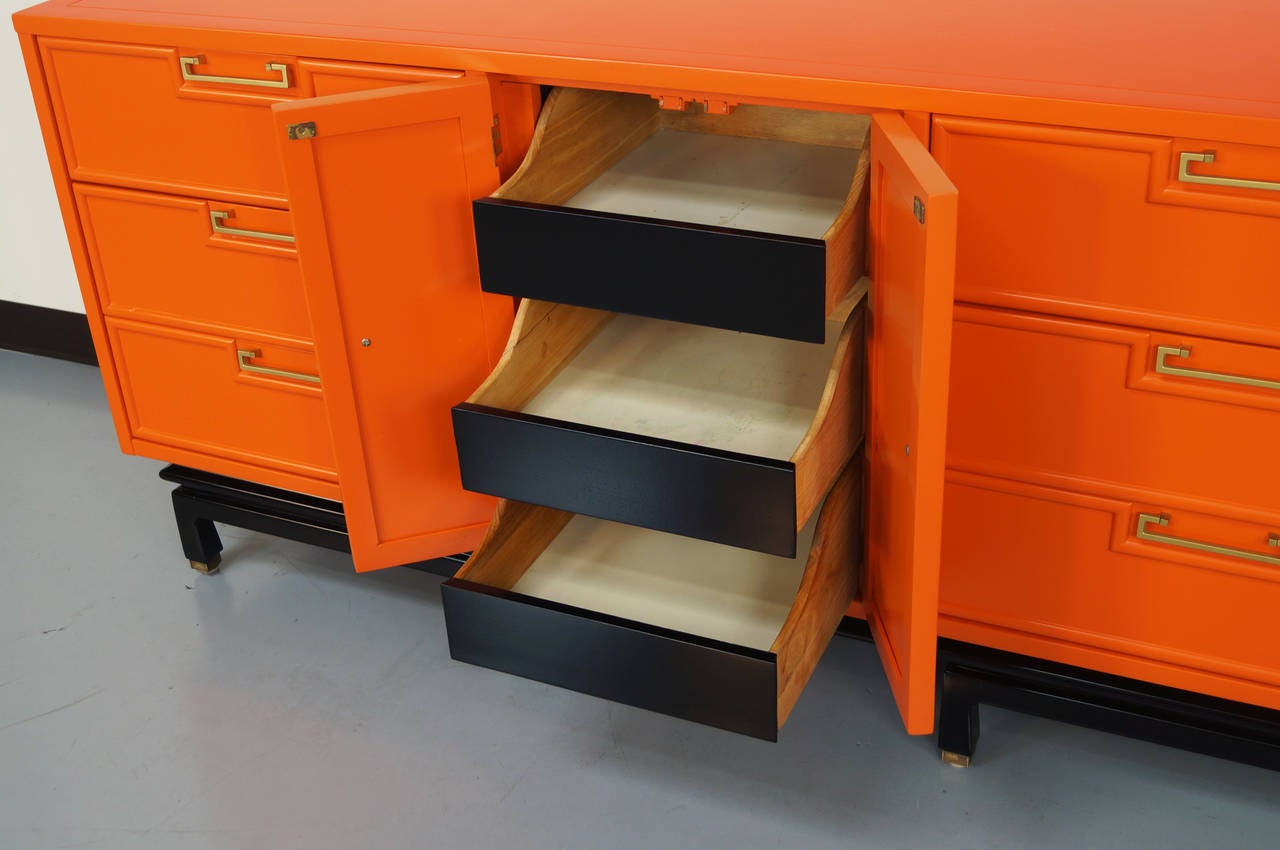
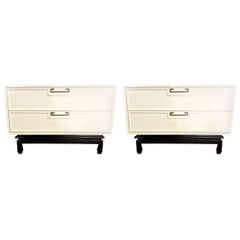
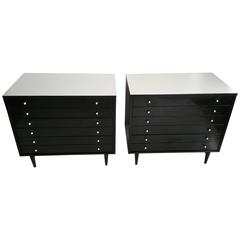
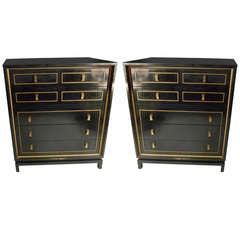
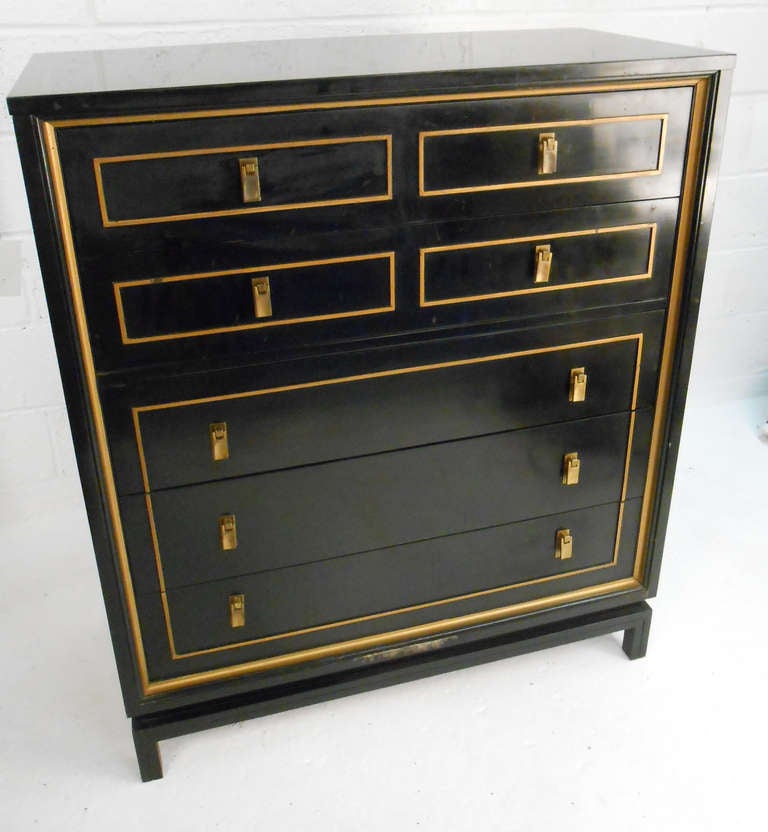
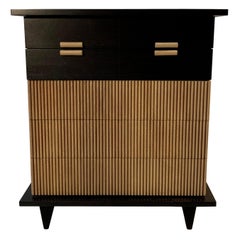
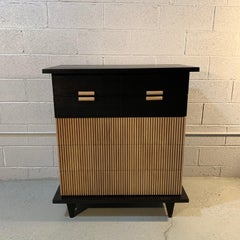
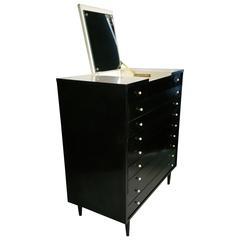
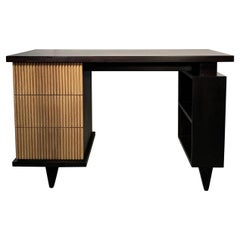
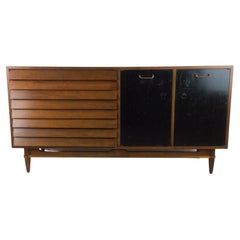
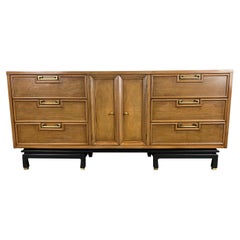
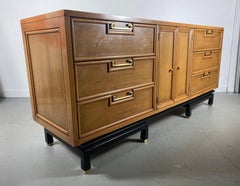
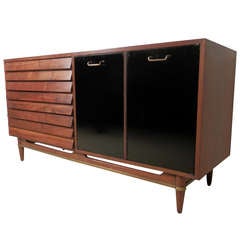
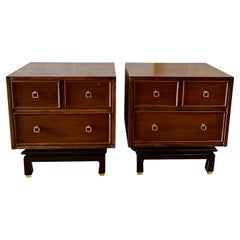
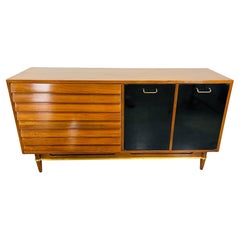
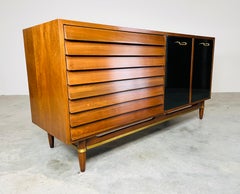
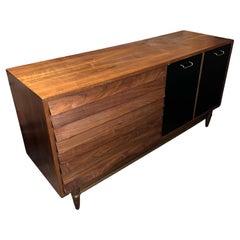
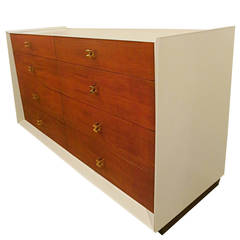
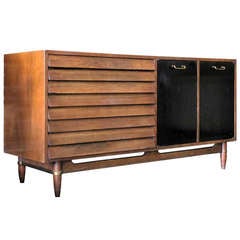
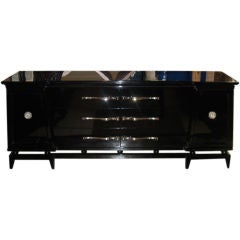
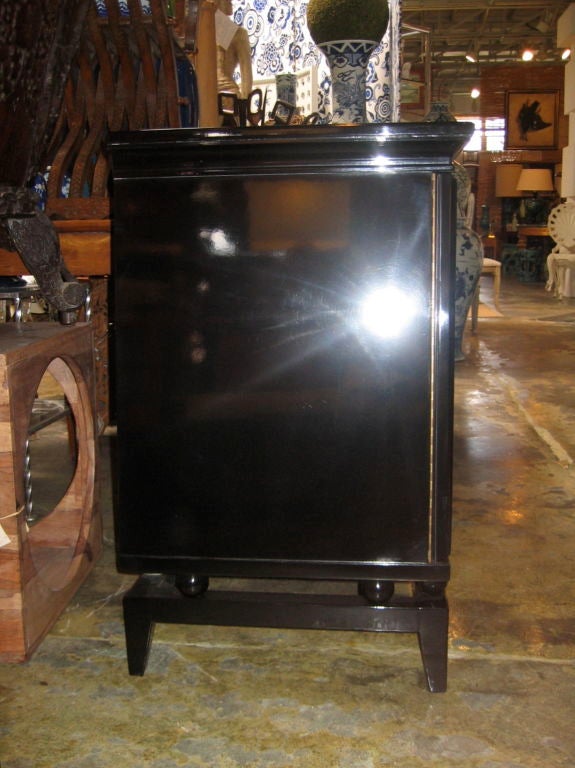
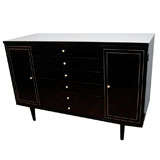
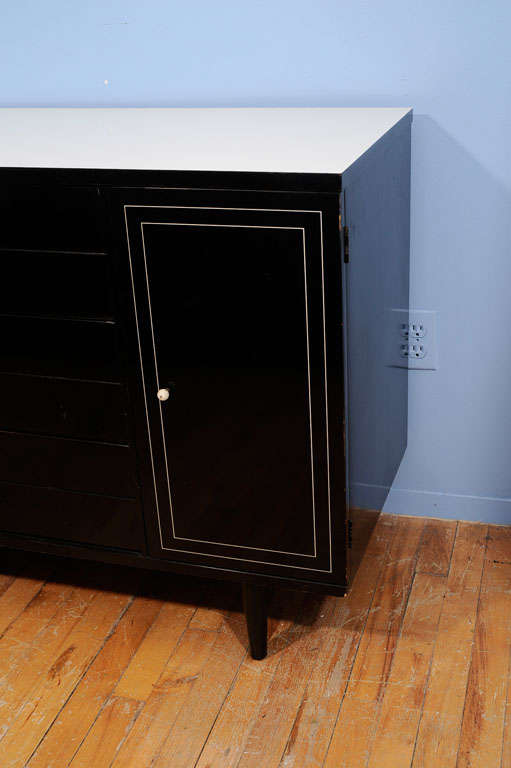
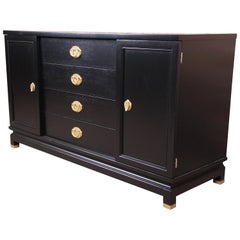
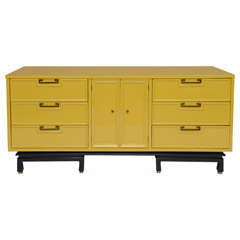
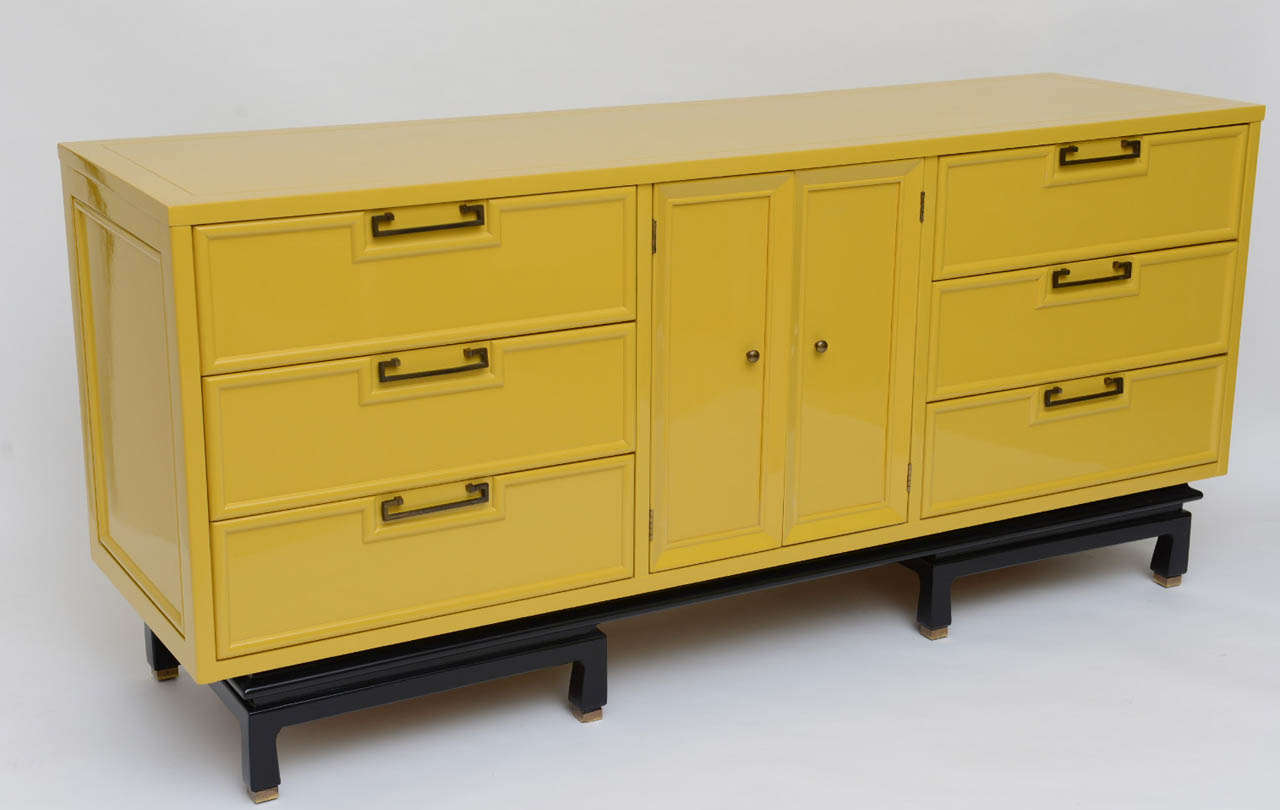
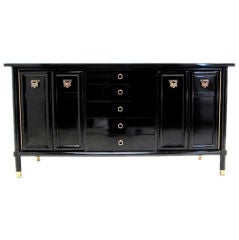
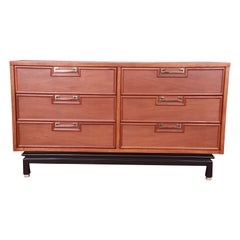
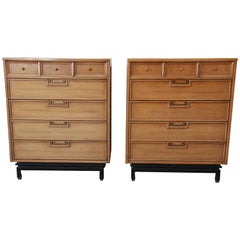
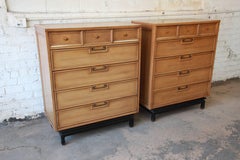
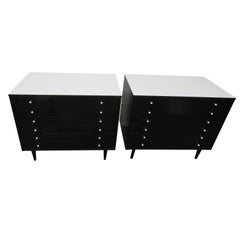
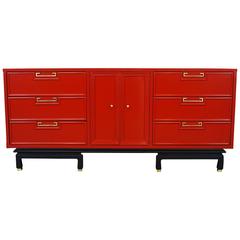
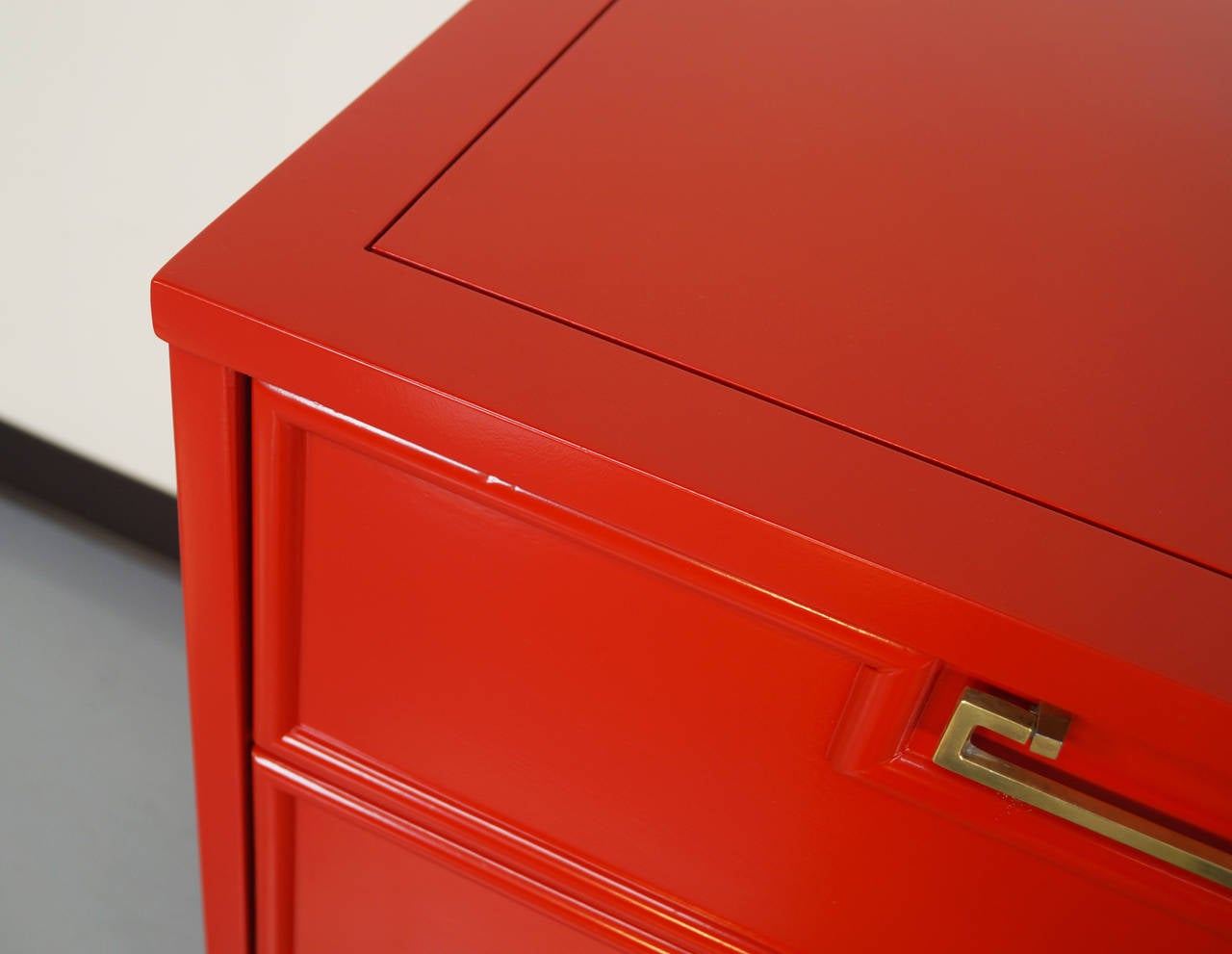
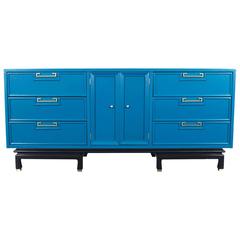
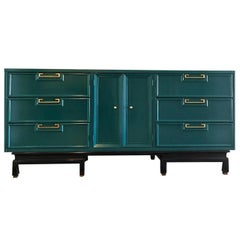
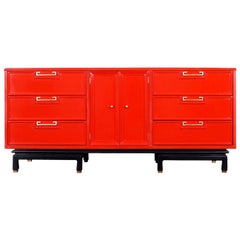
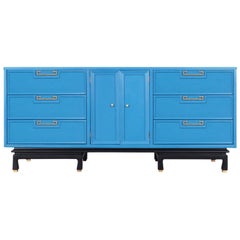
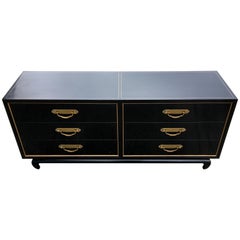
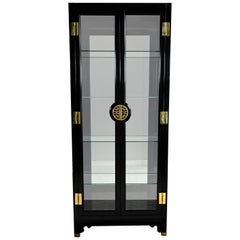
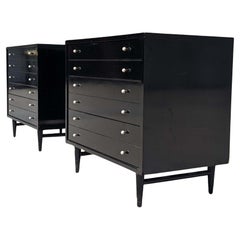
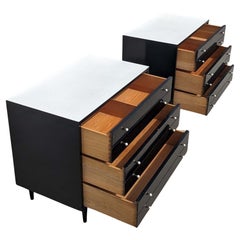
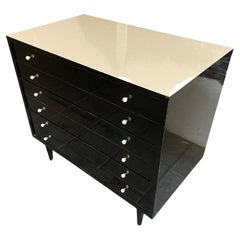
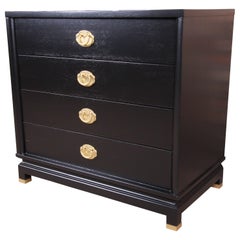
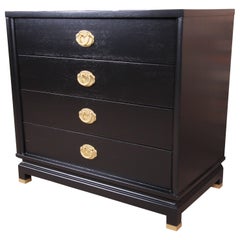
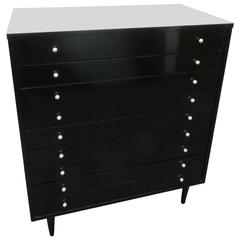
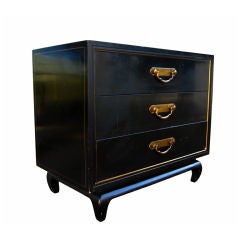
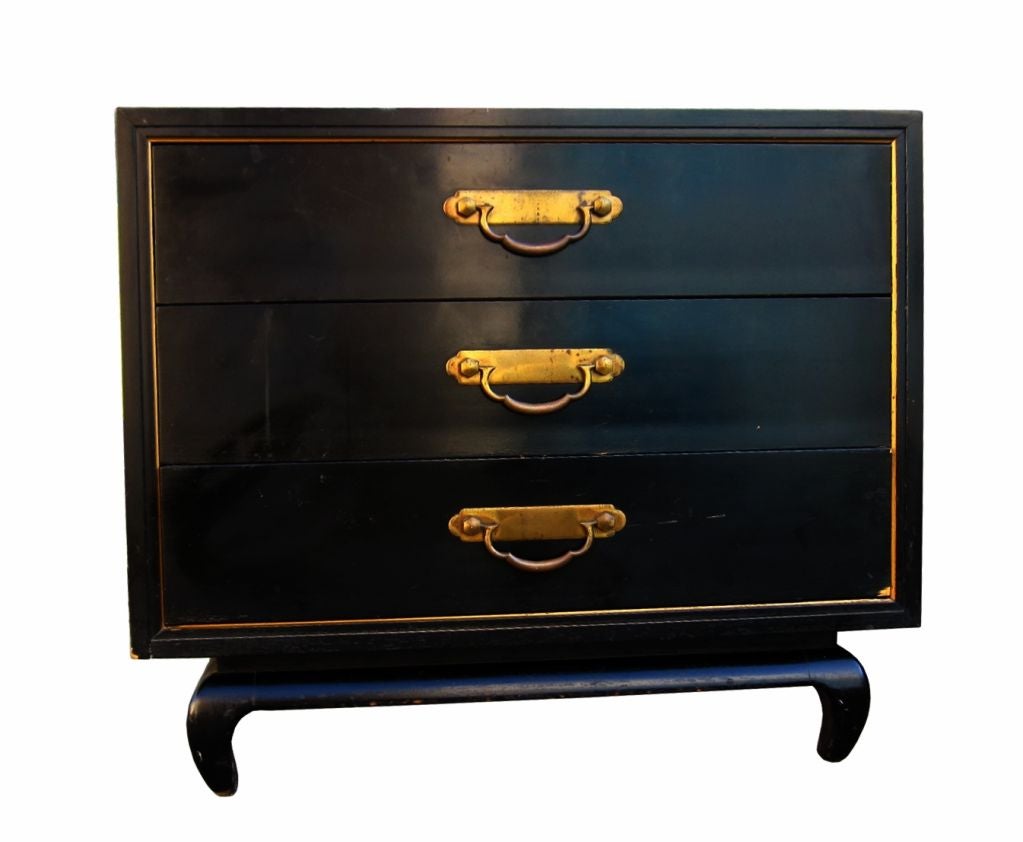
Find a variety of American of martinsville black lacquer cabinets available on 1stDibs. Frequently made of
wood,
brass and
metal, all American of martinsville black lacquer cabinets available were constructed with great care. American of martinsville black lacquer cabinets have been made for many years, and versions that date back to the 20th Century alongside those produced as recently as the 20th Century. American of martinsville black lacquer cabinets bearing
Mid-Century Modern or
Hollywood Regency hallmarks are very popular at 1stDibs. There have been many well-made American of martinsville black lacquer cabinets over the years, but those made by
American of Martinsville and
Merton Gershun are often thought to be among the most beautiful.
American of Martinsville is today revered as one of the finest manufacturers of mid-century modern furniture in the United States, but its beginnings were unexpectedly humble.
Well ahead of the Civil War, tobacco was a cash crop in places such as Virginia, and the plant was grown with frequency on farms in Martinsville and elsewhere. In the early 1900s, the business around tobacco was changing and the R.J. Reynolds Tobacco Company was expanding nationally, buying any Virginia factories in reach. Former tobacco producers Ancil Witten and Charles Keesee turned away from the business in 1906 and, with merely $30,000 in capital (and the support of local business leaders), began to manufacture bedroom furniture under the name American Furniture Company.
In the 1920s, American Furniture Company expanded its offerings from bedroom furnishings. Alongside tallboy dressers and nightstands, Witten and Keesee’s outfit began to offer a range of dining-room sets to the discerning customer. By the 1950s, the name had been changed to American of Martinsville and the brand had gained a reputation for exquisite craftsmanship as well as its variety of furniture styles (Hollywood Regency, chinoiserie).
Mass-marketed furniture meant big business in the postwar years and throughout the 20th century in Virginia, and factories owned by companies like Bassett Furniture and American of Martinsville remained busy as suburbanites bought furniture to fill the homes they were moving into.
It isn’t difficult to spot American of Martinsville’s sturdy, solid designs — the lacquered walnut nightstands, mahogany coffee tables and more have long earned the admiration of mid-century modernism enthusiasts. The company’s high profile also owes to prominent attributes that distinguish its well-made vintage furniture, such as the use of wooden slats — inspired by Scandinavian modernism — on hutches and cabinet doors, the famous brass x’s inlaid on the tops of tables and dressers and the stately stacked type of the American of Martinsville logo, which usually appears in drawer interiors. The stamp prominently features an eagle perched atop the lettering, its broad wings spread across the “American” portion.
Besides quality manufacturing, American of Martinsville is additionally recognized for having incorporated the trends of the day.
Inspired by designers like George Nakashima and Paul Laszlo, the brand was also known for innovations with wood. Merton Gershun was one of the company’s most prolific designers, and he was responsible for some of its most successful modern furniture lines using the richer, darker woods that would become emblematic of mid-century furniture. Gershun’s most popular line was reportedly Dania, with its sleek walnut credenzas fitted with stylish brass accents and large drawers. Today, American of Martinsville specializes in furniture for the healthcare and hospitality industries.
Shop a wide selection of vintage American of Martinsville mid-century modern sideboards, side tables and more on 1stDibs.
Of all the vintage storage cabinets and antique case pieces that have become popular in modern interiors over the years, dressers, credenzas and cabinets have long been home staples, perfect for routine storage or protection of personal items.
In the mid-19th century, cabinetmakers would mimic styles originating in the Louis XIV, Louis XV and Louis XVI eras for their dressers, bookshelves and other structures, and, later, simpler, streamlined wood designs allowed these “case pieces” or “case goods” — any furnishing that is unupholstered and has some semblance of a storage component — to blend into the background of any interior.
Mid-century modern furniture enthusiasts will cite the tall modular wall units crafted in teak and other sought-after woods of the era by the likes of George Nelson, Poul Cadovius and Finn Juhl. For these highly customizable furnishings, designers of the day delivered an alternative to big, heavy bookcases by considering the use of space — and, in particular, walls — in new and innovative ways. Mid-century modern credenzas, which, long and low, evolved from tables that were built as early as the 14th century in Italy, typically have no legs or very short legs and have grown in popularity as an alluring storage option over time.
Although the name immediately invokes images of clothing, dressers were initially created in Europe for a much different purpose. This furnishing was initially a flat-surfaced, low-profile side table equipped with a few drawers — a common fixture used to dress and prepare meats in English kitchens throughout the Tudor period. The drawers served as perfect utensil storage. It wasn’t until the design made its way to North America that it became enlarged and equipped with enough space to hold clothing and cosmetics. The very history of case pieces is a testament to their versatility and well-earned place in any room.
In the spirit of positioning your case goods center stage, decluttering can now be design-minded.
A contemporary case piece with open shelving and painted wood details can prove functional as a storage unit as easily as it can a room divider. Alternatively, apothecary cabinets are charming case goods similar in size to early dressers or commodes but with uniquely sized shelving and (often numerous) drawers.
Whether you’re seeking a playful sideboard that features colored glass and metal details, an antique Italian hand-carved storage cabinet or a glass-door vitrine to store and show off your collectibles, there are options for you on 1stDibs.