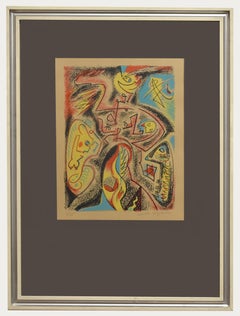
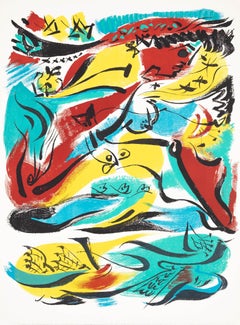
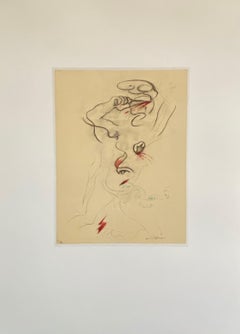
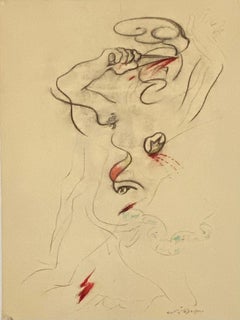
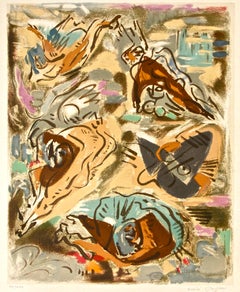
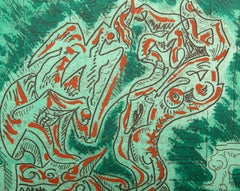
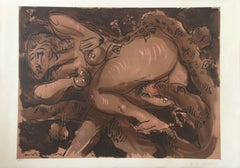
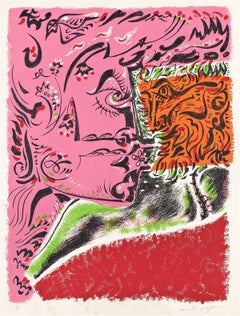
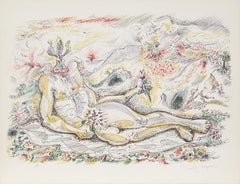
Find the exact andre masson signed you’re shopping for in the variety available on 1stDibs. Finding the perfect andre masson signed may mean sifting through those created during different time periods — you can find an early version that dates to the 20th Century and a newer variation that were made as recently as the 20th Century. If you’re looking to add a andre masson signed to create new energy in an otherwise neutral space in your home, you can find a work on 1stDibs that features elements of
gray,
brown,
black,
blue and more. There have been many interesting andre masson signed examples over the years, but those made by
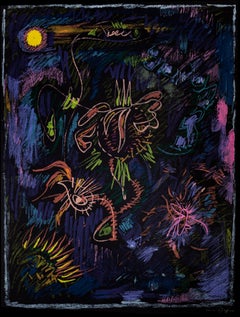
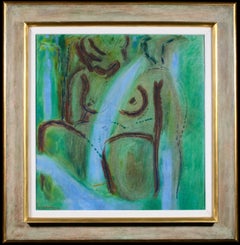
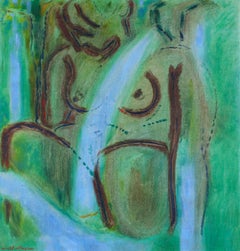
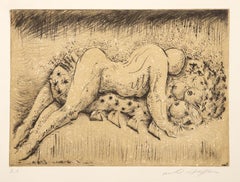
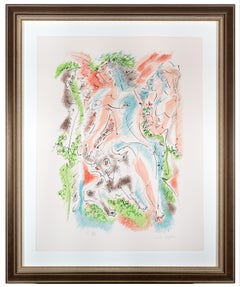
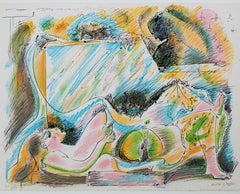
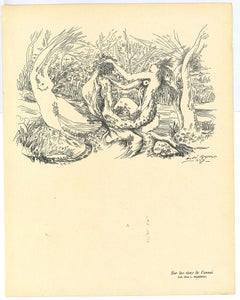
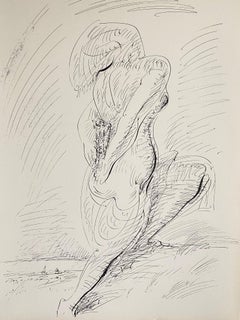
André Masson are often thought to be among the most thought-provoking. Artworks like these of any era or style can make for thoughtful decor in any space, but a selection from our variety of those made in
lithograph,
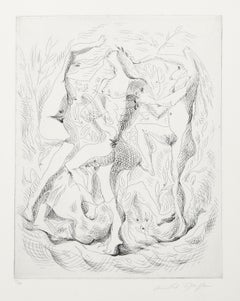
aquatint and
etching can add an especially memorable touch.
The price for an artwork of this kind can differ depending upon size, time period and other attributes — a andre masson signed in our inventory may begin at $540 and can go as high as $9,950, while the average can fetch as much as $5,255.
Born in 1896 in Balagny-sur- Thérain, a small village in France, André Masson spent most of his youth in Brussels, Belgium working as a pattern maker at an embroidery atelier. Masson began his schooling in 1907 at the Académie Royale des Beaux-Arts in Brussels. In 1912, he relocated to Paris, where he attended the École des Beaux-Arts. In 1914, the artist was called to military duty for the First World War, where he was severely wounded and sent back to Paris. Much of Masson’s work is influenced by this trauma; his drawings and paintings executed during the 1920s represent battle scenes, blood, death, birds and fish. The strange realities of trench warfare and the immediate contiguity of life and death are drawn upon, and his imagery suggests a confrontation of life at an abnormal level of experience. His signature style deals with violence, evident in terrifying, fragmented figures, which reflect the horrors of the Spanish Civil War and WWII, as well as his troubled psyche in the aftermath of his service in WWI.
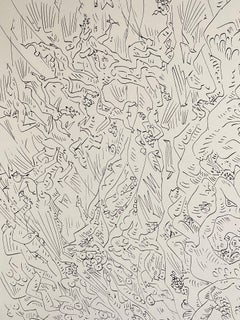
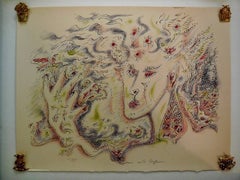
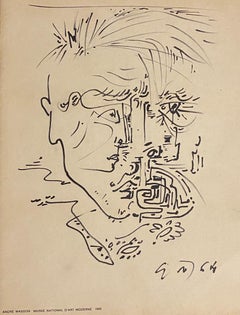
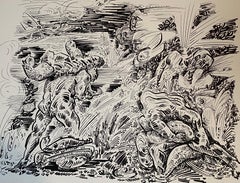
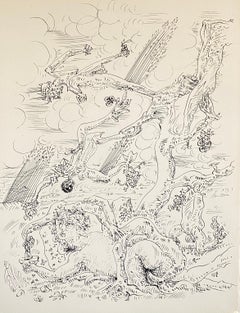
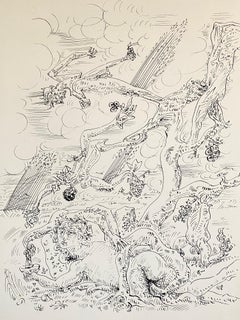
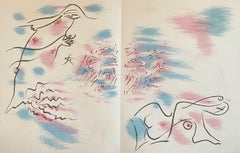
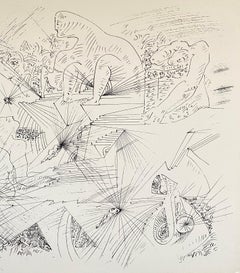
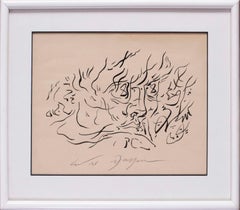
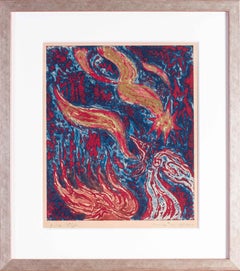
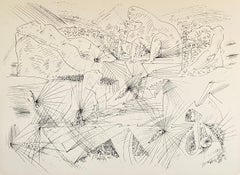
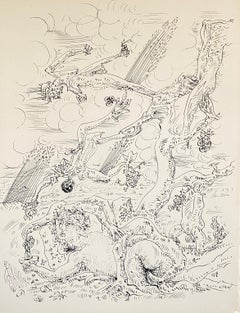
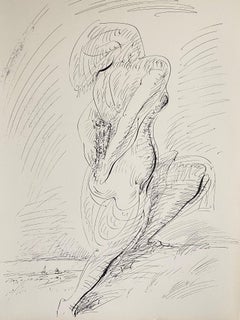
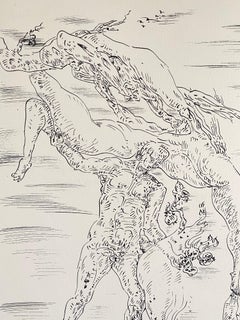
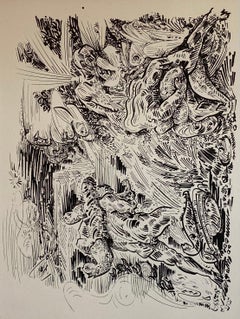
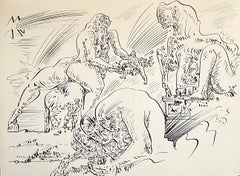
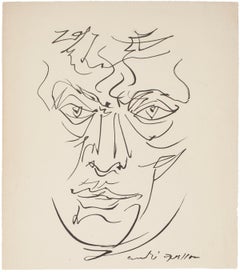
After WWI, Masson moved to the South of France, where he met Juan Gris, André Derain, Joan Miró and André Breton. Breton championed the Surrealist Manifesto and Masson joined in the group exhibition of the first Surrealists. An iconoclast, whose abrupt stylistic transitions defy classification, Masson also explored automatism (automatic drawing), a process that sought to express the creative force of the unconscious. These automatic drawings had no preconceived subject or composition. Like a medium channeling a spirit, Masson let his pen travel rapidly across the paper without conscious control. He soon found hints of images, fragmented bodies and objects, emerging from the abstract, lacelike web of pen marks. At times, Masson elaborated on these with conscious changes or additions, but he left the traces of the rapidly drawn ink mostly intact. Masson’s oeuvre explores several techniques of painting, drawing and sculpture and displays rich, colorful abstraction as well as monochrome imagery and automatic linear representations. An early Surrealist and student of Cubism, Masson went on to inspire the New York Abstract Expressionists. Masson developed a technique of automatic painting that retained the element of chance; he dripped glue onto paper to form drawings and then covered it with sand. These ‘sand paintings’ are unquestionably his most iconic style.
When Masson emigrated to the U.S. in 1939, he strongly influenced several American painters with this technique, the most evident example being Jackson Pollack. After his time in America, he returned to Europe and while living in Spain during the mid-1930s, he became enraptured with Spanish themes—bullfights, matadors and Spanish mythology. Masson finally settled down in France (Aix-en-Provence), where he took up a late interest in impressionistic landscape, but he ultimately came to a place where he painted nearly exclusively abstract images. Masson dedicated his life as an artist to encouraging the non-rational purpose in art, to the direct transference of subconscious thought and to the primal forces of conflicts that he experienced in the trenches of World War One. Masson sought to convey in his work a deeper reality of man’s behavior, his own complex personal imagery, and his belief that painting is not a matter of developing style but a part of life itself.
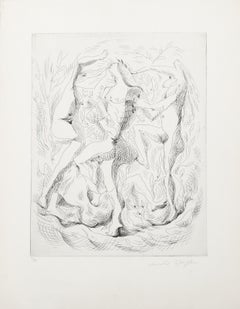

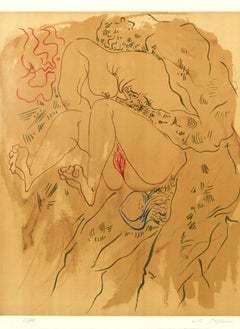
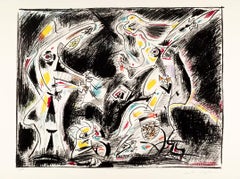
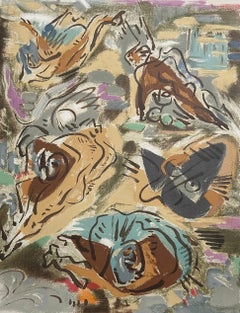
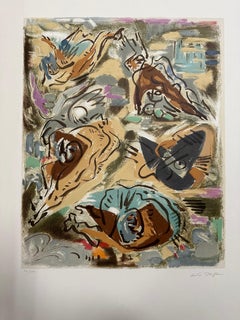

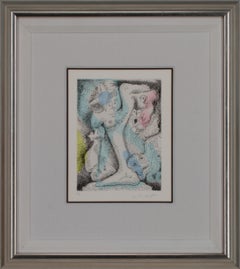
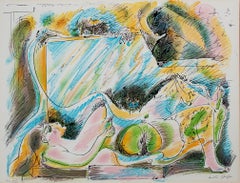
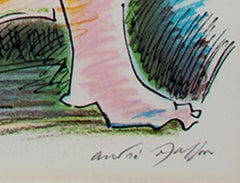
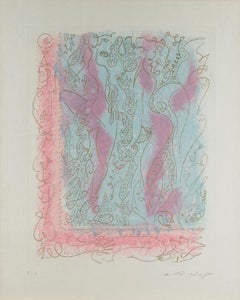
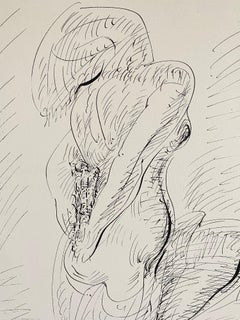
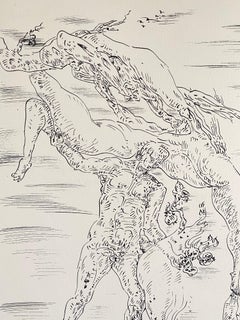
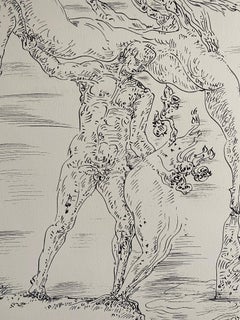
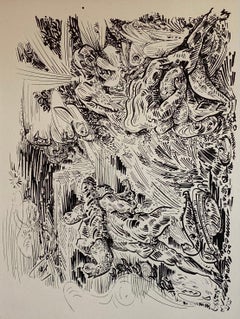
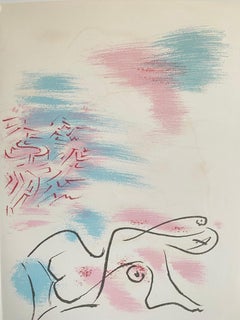
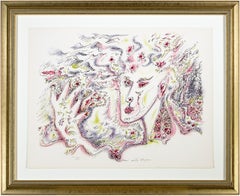
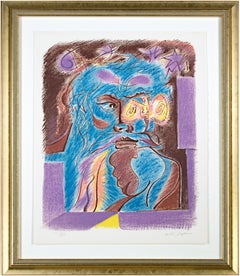
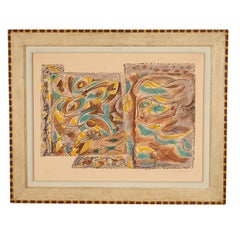
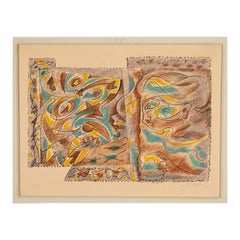
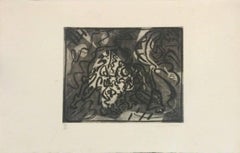
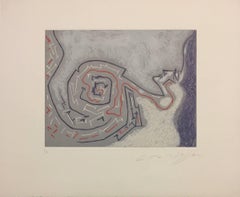
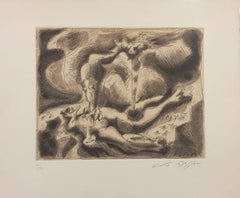
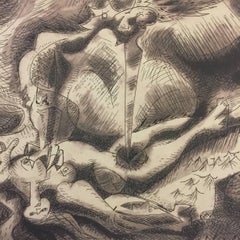
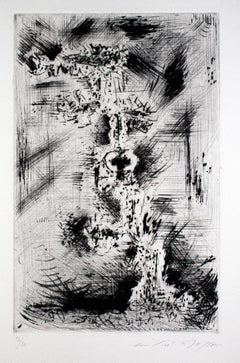
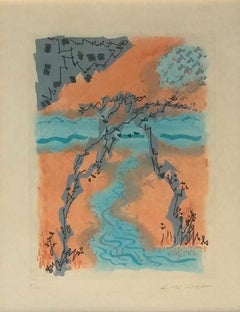
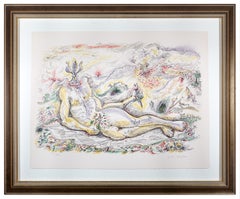
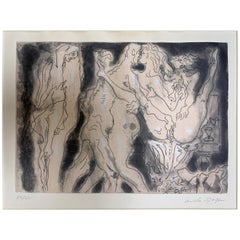
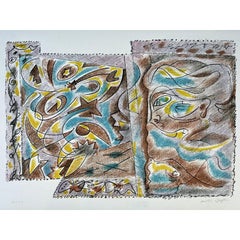
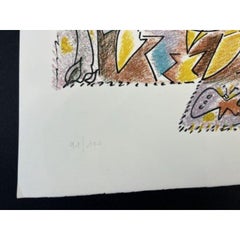
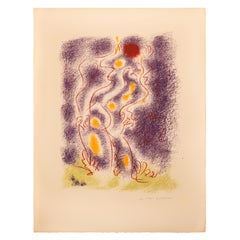
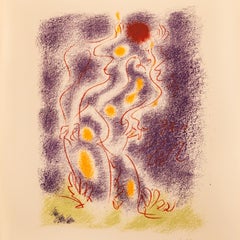
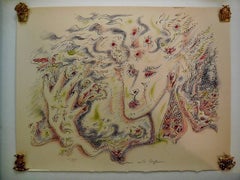
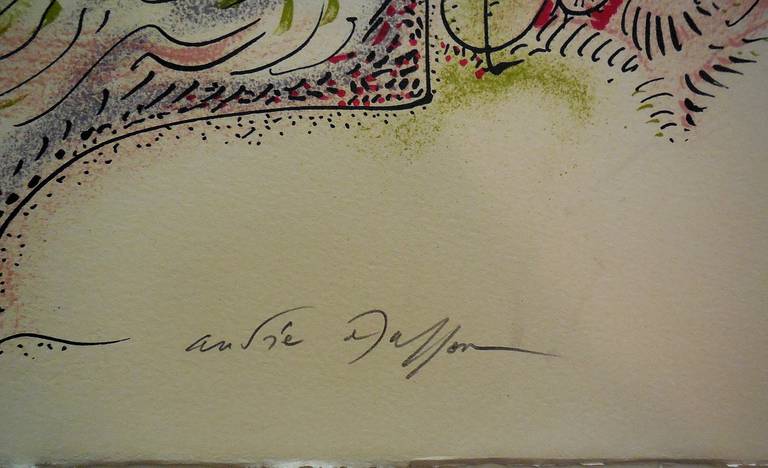
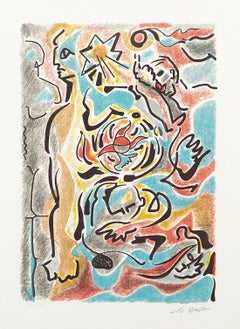
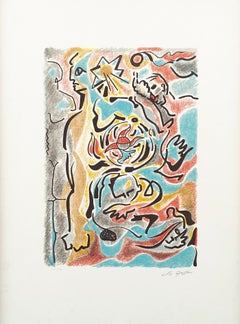








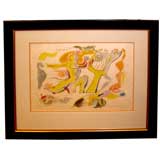

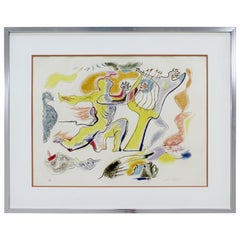

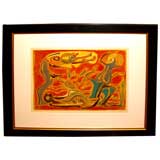

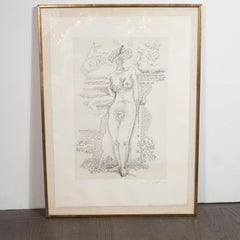


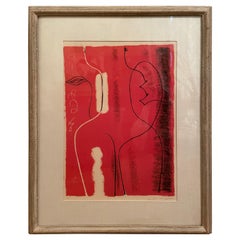
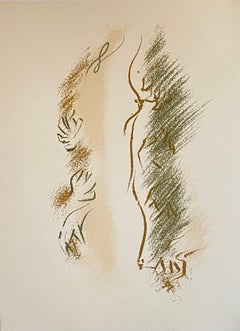
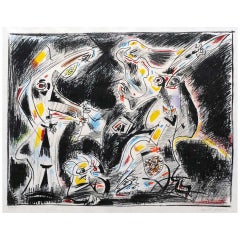
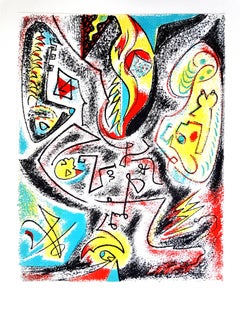
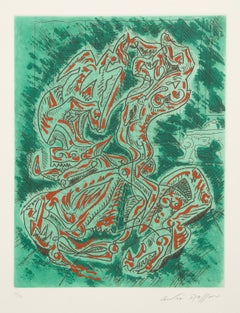
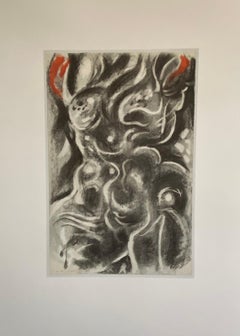
![[From La Mysticite... Portfolio] Hand-Signed Etching w/ Aquatint by André Masson](https://a.1stdibscdn.com/andre-masson-prints-works-on-paper-from-la-mysticite-portfolio-hand-signed-etching-w-aquatint-by-andre-masson-for-sale/a_14642/a_74517721611894821422/Masson_Andre_Untitled_LaMysticite_24of100_1976_1_HeroFrame_master.jpg?width=240)
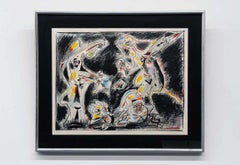
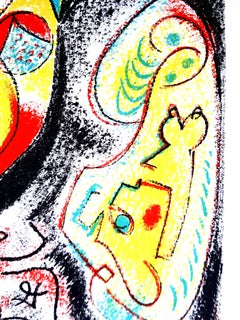
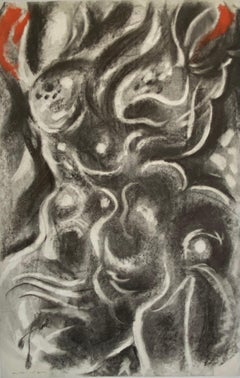
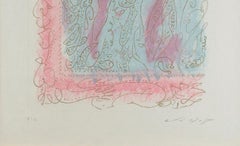
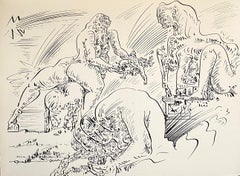
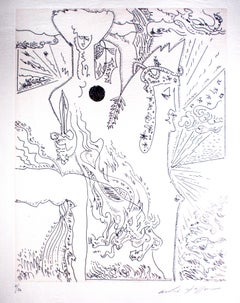
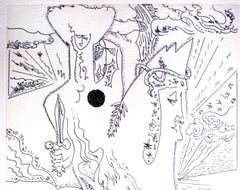
![[From La Mysticite... Portfolio] Hand-Signed Etching w/ Aquatint by André Masson](https://a.1stdibscdn.com/andre-masson-prints-works-on-paper-from-la-mysticite-portfolio-hand-signed-etching-w-aquatint-by-andre-masson-for-sale-picture-2/a_14642/a_74517721611894822169/Masson_Andre_Untitled_LaMysticite_24of100_1976_2_Main_master.jpg?width=240)