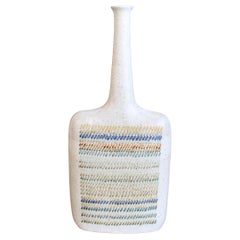
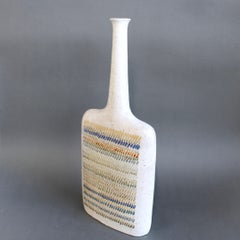
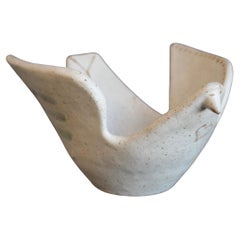
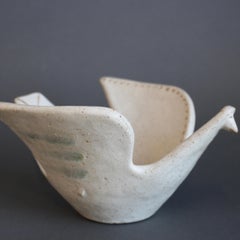
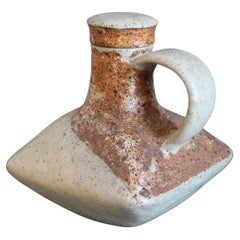
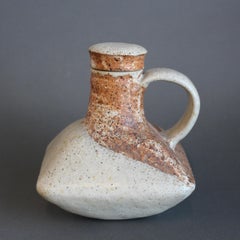
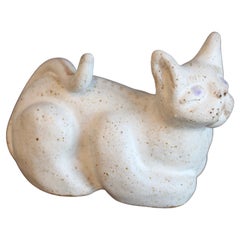
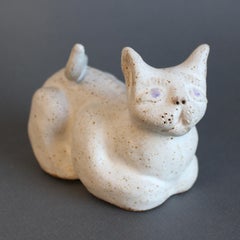
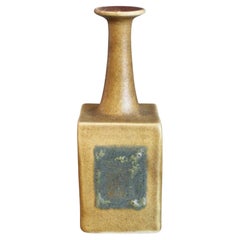
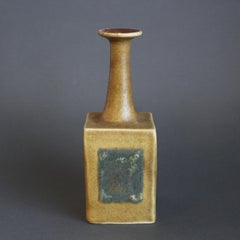
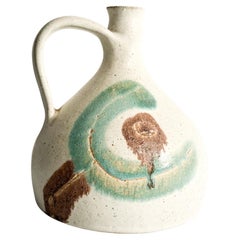
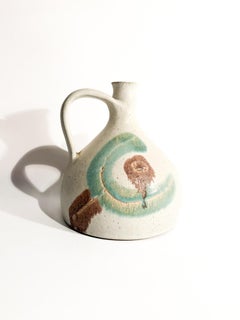
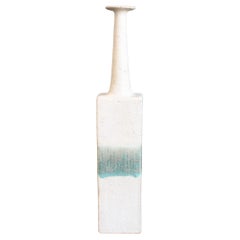
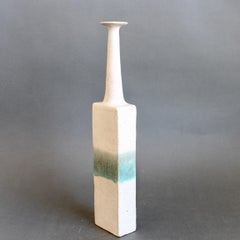
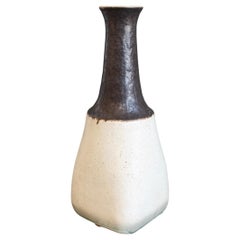
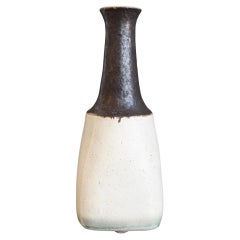
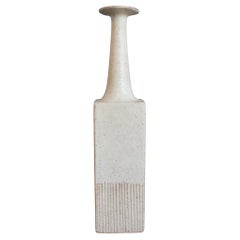
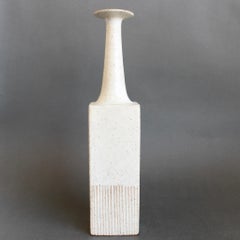
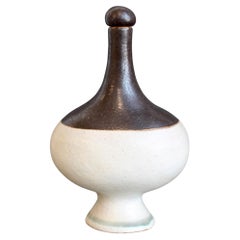
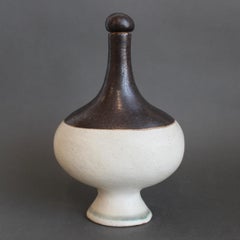
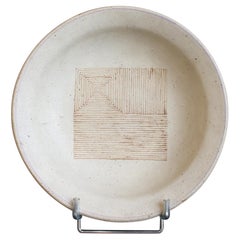
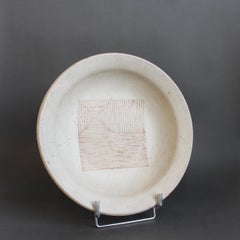
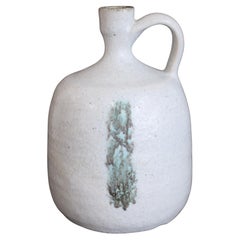
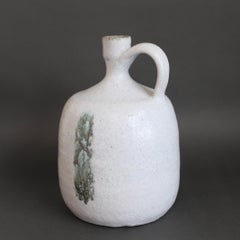
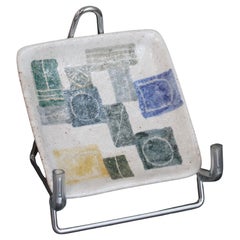
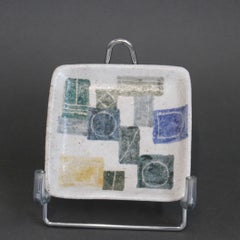
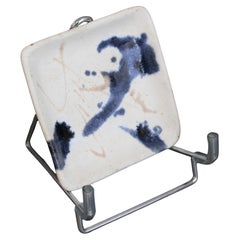
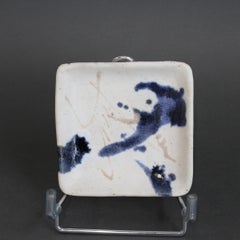
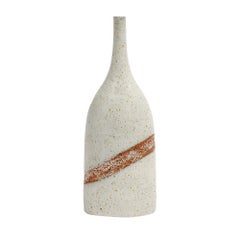
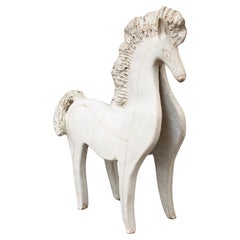
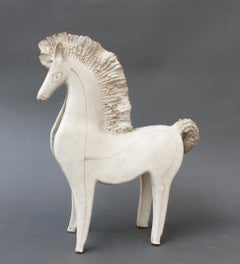
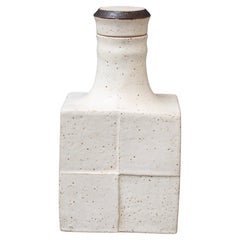
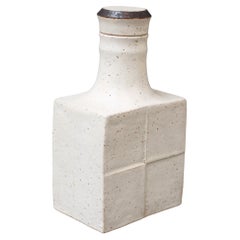
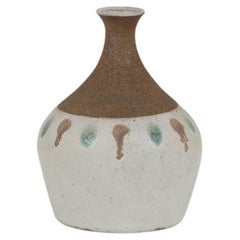
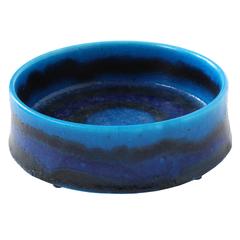
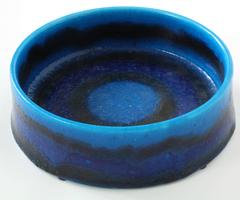
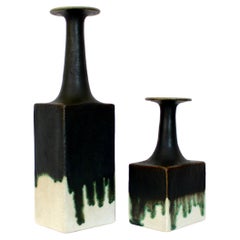
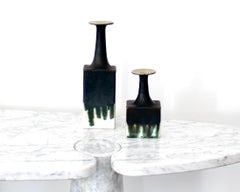
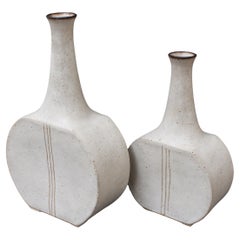
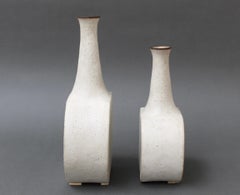
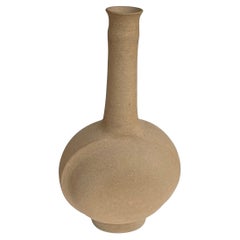
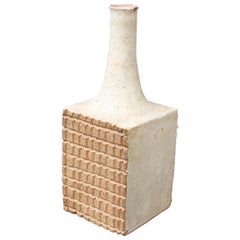
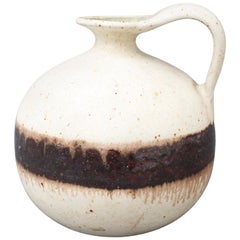
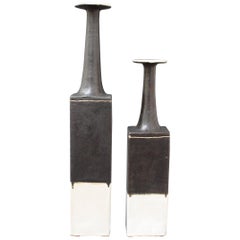
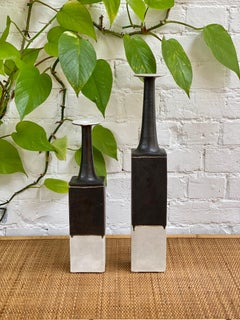
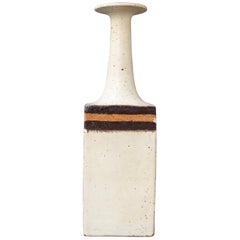
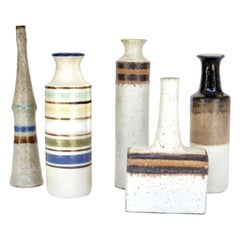
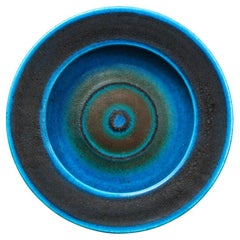
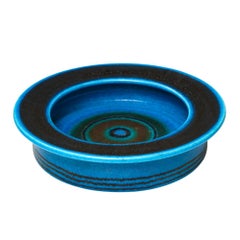
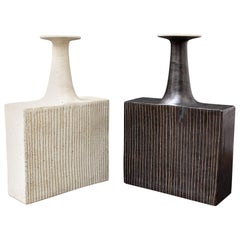
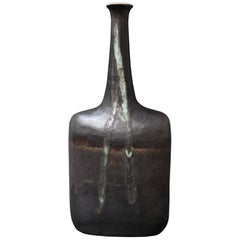
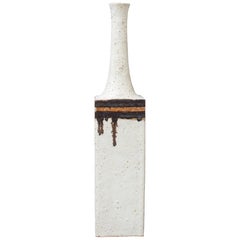
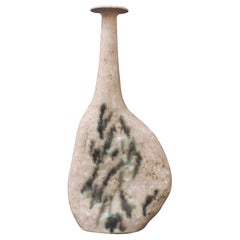
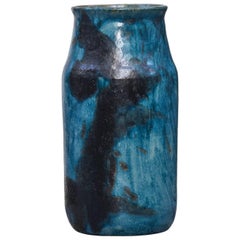
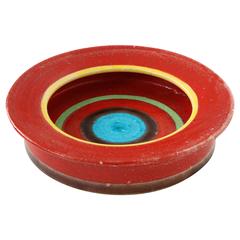
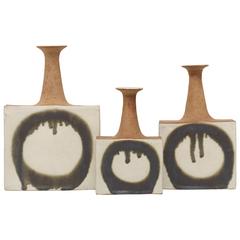
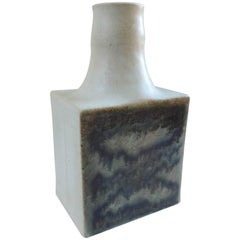
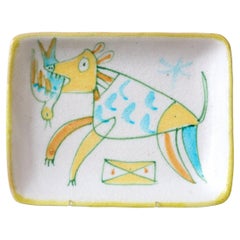
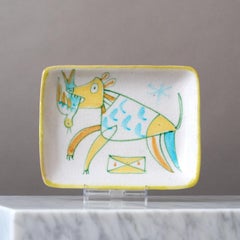
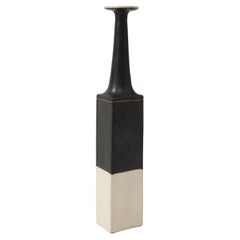
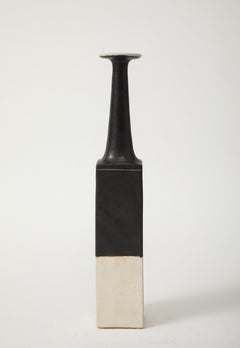
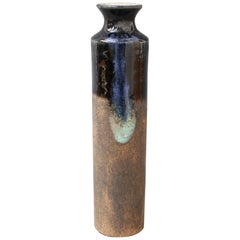
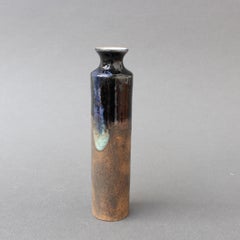
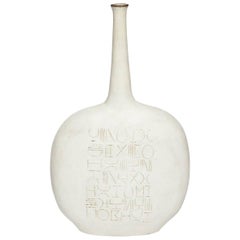
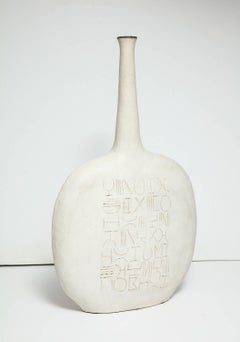
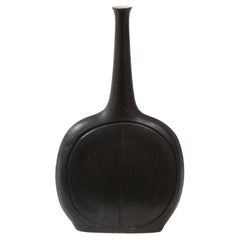
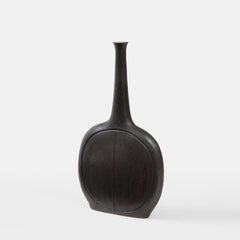
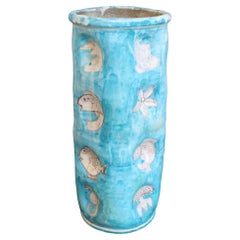
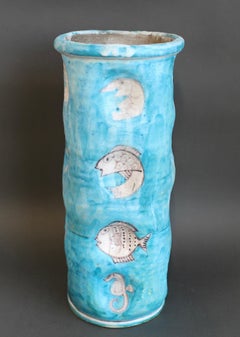
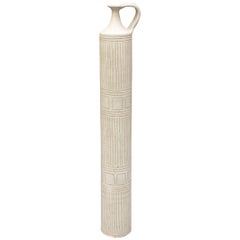
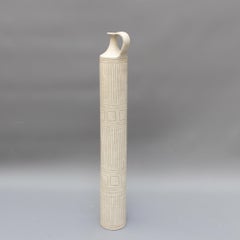
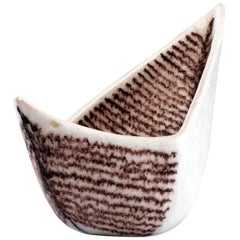
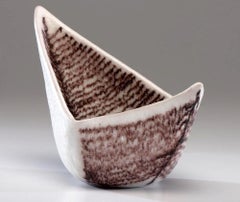
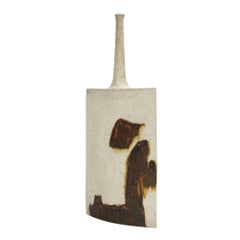
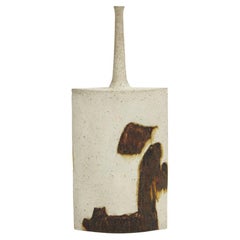
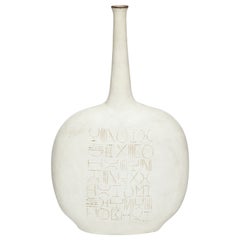
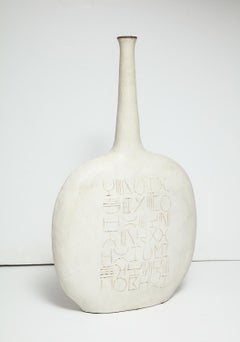
At 1stDibs, there are many versions of the ideal bruno gambone on sale for your home. A bruno gambone on sale — often made from
ceramic,
sandstone and
stone — can elevate any home. There are many kinds of the bruno gambone on sale you’re looking for, from those produced as long ago as the 20th Century to those made as recently as the 20th Century. A bruno gambone on sale is a generally popular piece of furniture, but those created in
Mid-Century Modern and
Modern styles are sought with frequency.
Known for his prolific mid-century works, Italian artist Bruno Gambone is regarded as one of the most influential figures in ceramics. Born in 1936 in Vietri sul Mare, Gambone was introduced to the world of ceramics at the age of 14 while he worked in the Florence studio of his father, renowned ceramist Guido Gambone.
Toward the end of the 1950s, Gambone left his father’s studio to work at Italian artist Andrea D’Arienzo’s workshop, where he explored other disciplines such as canvas painting and textile decoration. He became committed to painting and exhibited at Florence’s La Strozzina in 1959.
In 1963, Gambone left Italy for the United States. He lived in New York City during a fertile era for creative expression — a time marked by pivotal artistic movements such as Pop art and Abstract Expressionism. Gambone made numerous friends and moved in the same circles as iconic American artists Andy Warhol, Roy Lichtenstein and Robert Rauschenberg. The Italian native learned more about a range of fields such as sculpture and theater. However, after five years, he returned to his homeland to live in Milan.
While in Milan, Gambone experimented with jewelry design for a brief period. But following his father’s death in 1969, Gambone returned to Florence to run his father’s studio, shifting his attention back toward ceramics.
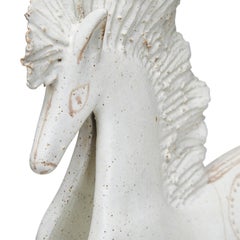
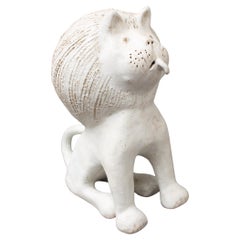
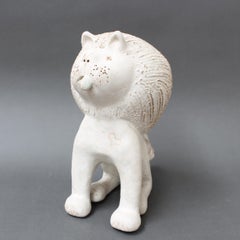
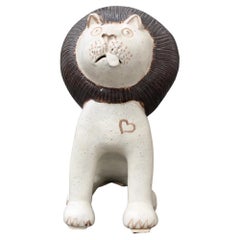
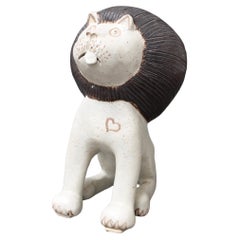
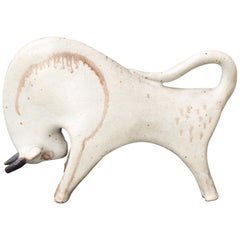
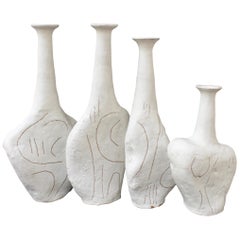
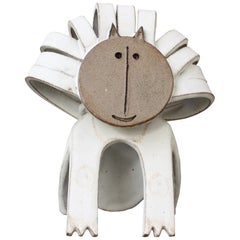
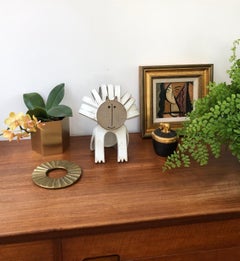
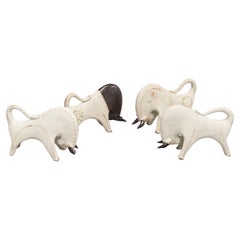
Throughout the 1970s, Gambone created table lamps, vases, bowls and sculptures, including a series of ceramic animals. He began work in 1972 on what would become his celebrated “Fantastic Animals” series — initially a minimalist collection of stoneware fish, lions, snakes and other creatures characterized by sharp-edged geometric forms.
Gambone showcased his ceramic works at the 1972 Venice Biennale and the Milan Triennale in 1973. The artist received awards from the Museum of Modern Art in New York, the Museum of Contemporary Art of San Diego at La Jolla and other institutions.
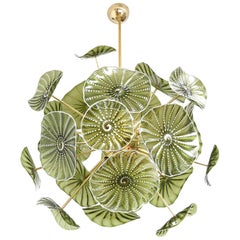
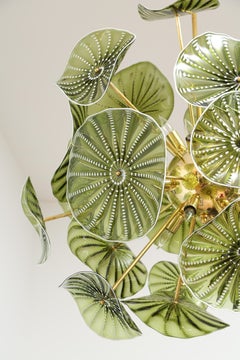
On 1stDibs, discover a range of vintage Bruno Gambone decorative objects, serveware and lighting.
Every time you move into a house or an apartment — or endeavor to refresh the home you’ve lived in for years — life for that space begins anew. The right home accent, be it the simple placement of a decorative bowl on a shelf or a ceramic vase for fresh flowers, can transform an area from drab to spectacular. But with so many materials and items to choose from, it’s easy to get lost in the process. The key to styling with antique and vintage decorative objects is to work toward making a happy home that best reflects your personal style.
Ceramics are a versatile addition to any home. If you’ve amassed an assortment of functional pottery over the years, think of your mugs and salad bowls as decorative objects, ideal for displaying in a glass cabinet. Vintage ceramic serveware can pop along white open shelving in your dining area, while large stoneware pitchers paired with woven baskets or quilts in an open cupboard can introduce a rustic farmhouse-style element to your den.
Translucent decorative boxes or bowls made of an acrylic plastic called Lucite — a game changer in furniture that’s easy to clean and lasts long — are modern accents that are neutral enough to dress up a coffee table or desktop without cluttering it. If you’re showcasing pieces from the past, a vintage jewelry box for displaying your treasures can spark conversation: Where is the jewelry box from? Is there a story behind it?
Abstract sculptures or an antique vessel for your home library can draw attention to your book collection and add narrative charm to the most appropriate of corners. There’s more than one way to style your bookcases, and decorative objects add a provocative dynamic. “I love magnifying glasses,” says Alex Assouline, global vice president of luxury publisher Assouline, of adding one’s cherished objects to a home library. “They are both useful and decorative. Objects really elevate libraries and can also make them more personal.”
To help with personalizing your space and truly making it your own, find an extraordinary collection of decorative objects on 1stDibs.