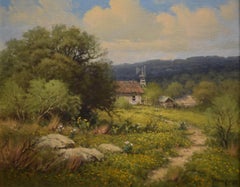
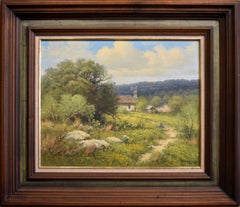
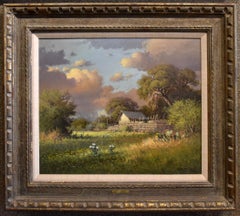
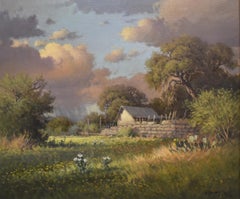
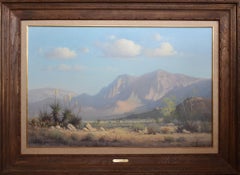
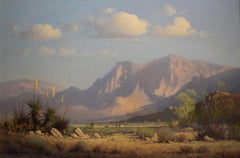
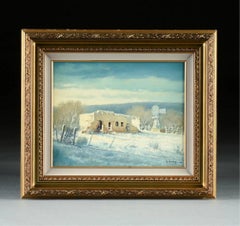
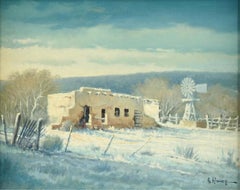
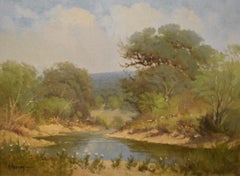
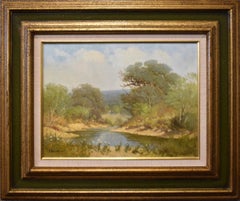
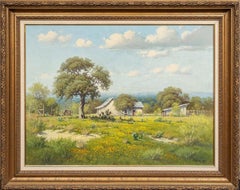
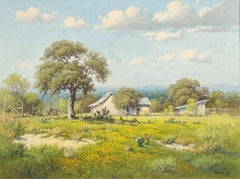
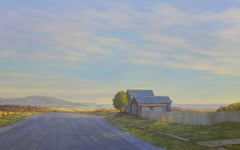
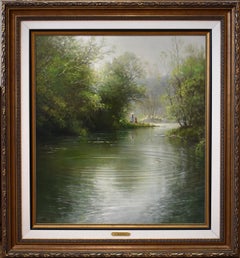
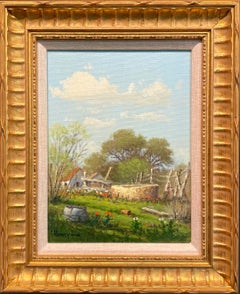
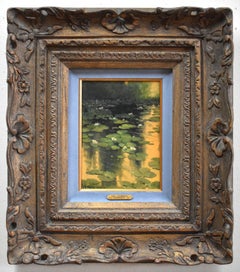
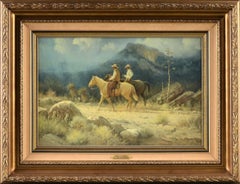
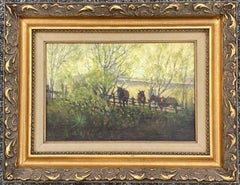
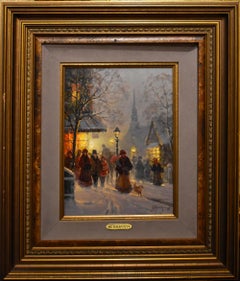
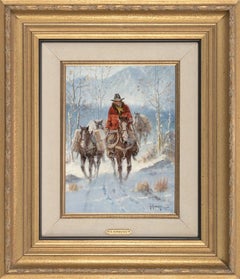
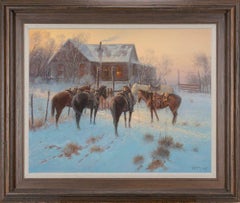
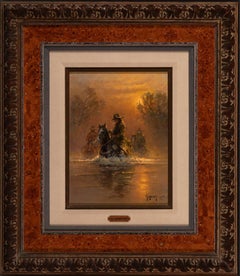
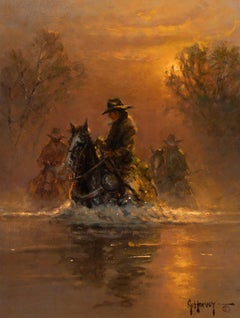
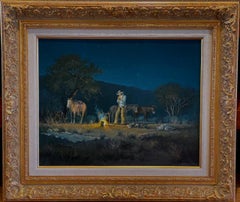
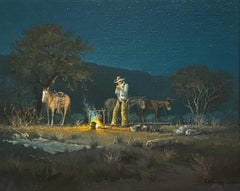
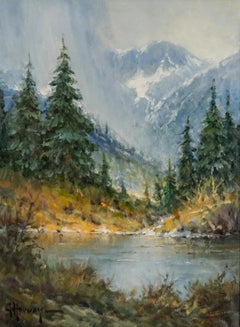
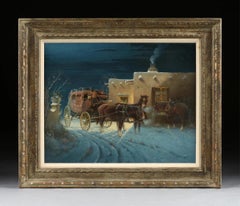
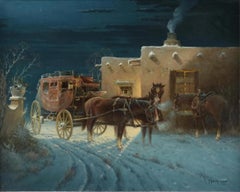
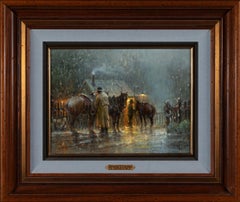
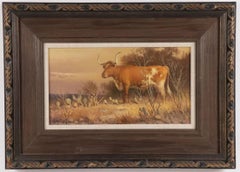
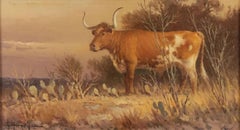
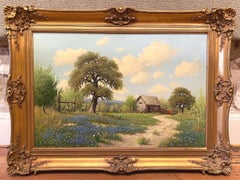
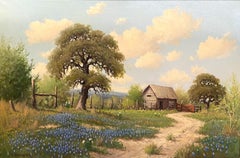
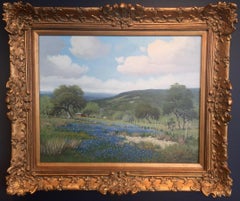
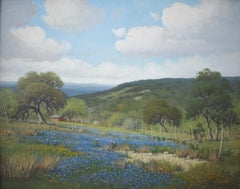
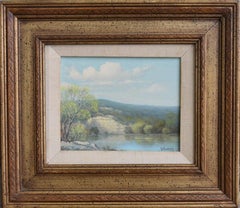
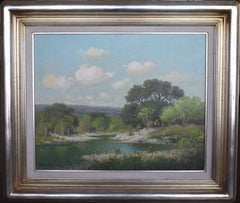
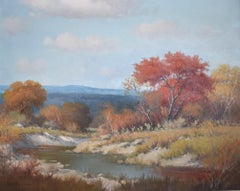
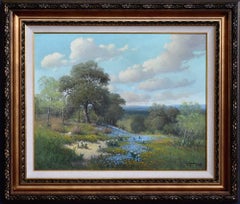
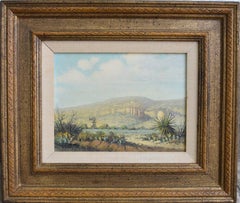
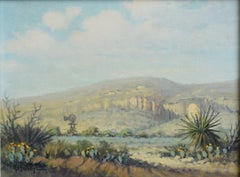
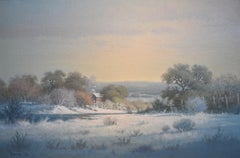
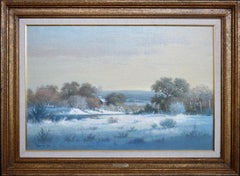
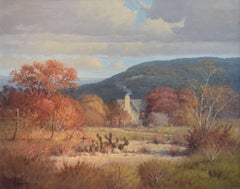
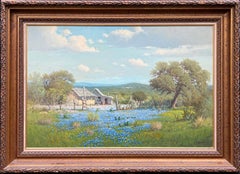
On 1stDibs, there are several options of g harvey original oil paintings available for sale. Browse a selection of
contemporary or
Impressionist versions of these works for sale today — there are 14
contemporary and 6
Impressionist examples available. These items have been made for many years, with versions that date back to the 20th Century alongside those produced as recently as the 21st Century. G harvey original oil paintings available on 1stDibs span a range of colors that includes
gray,
blue,
brown,
black and more. Many versions of these artworks are appealing in their rich colors and composition, but
Willard Dixon and
G. Harvey produced especially popular works that are worth a look. The range of these distinct pieces — often created in
oil paint,
paint and
canvas — can elevate any room of your home.
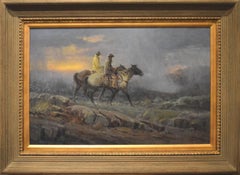
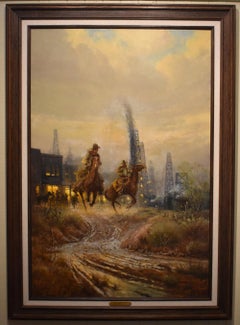
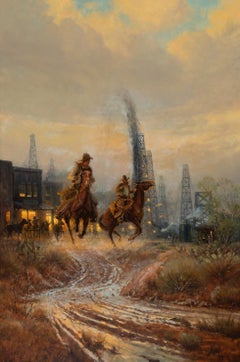
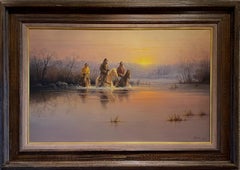
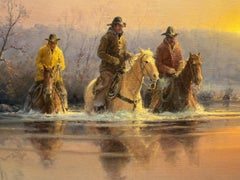
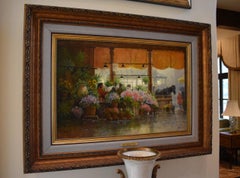
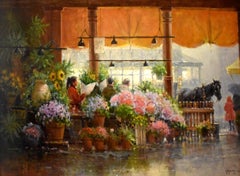
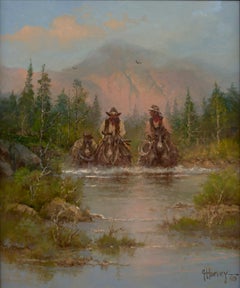
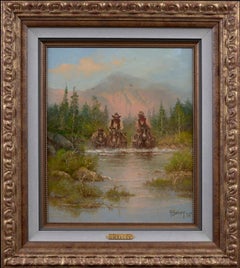
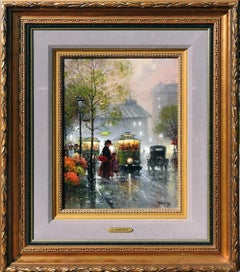
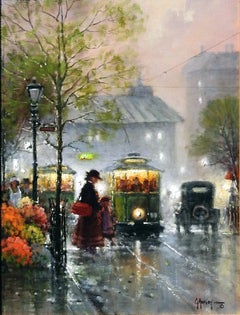
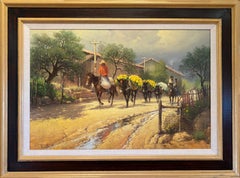
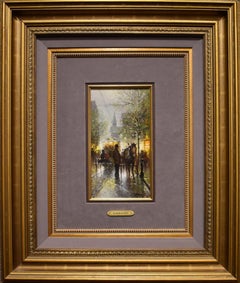
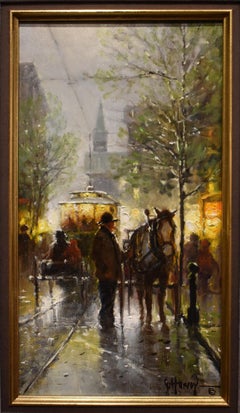
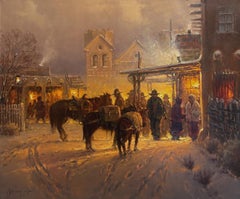
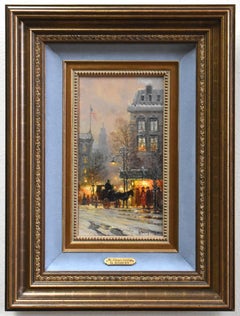
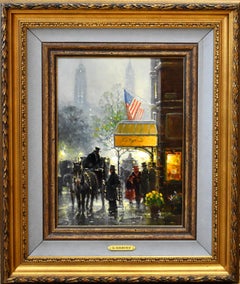
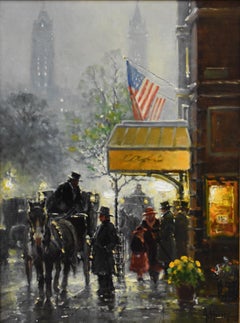
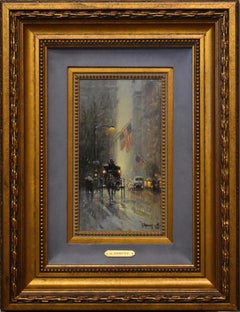
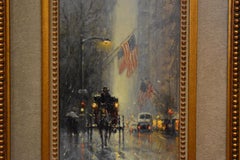
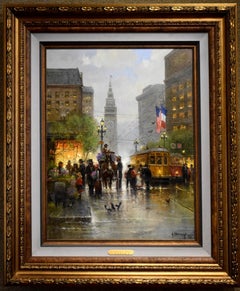
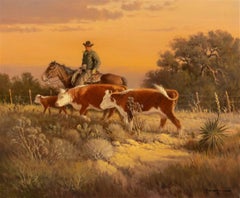
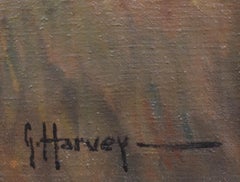
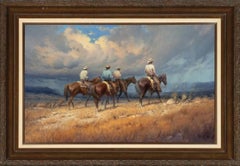
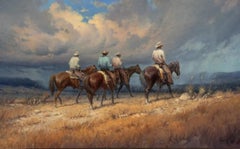
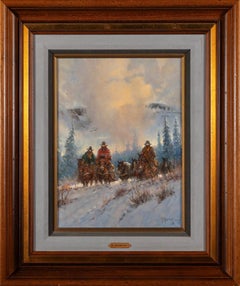
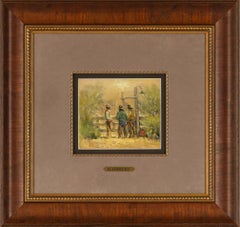
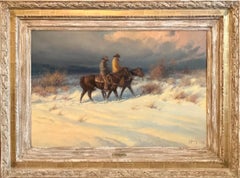
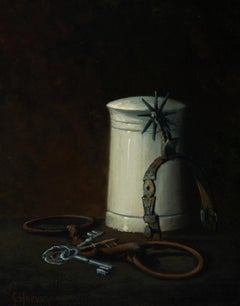
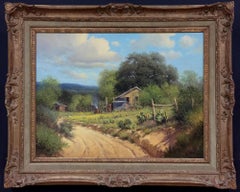
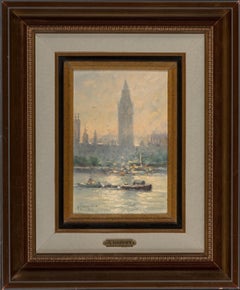
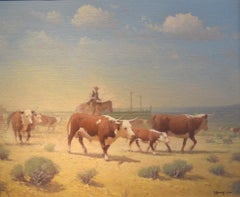
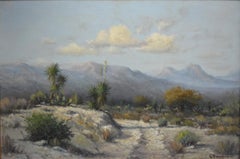
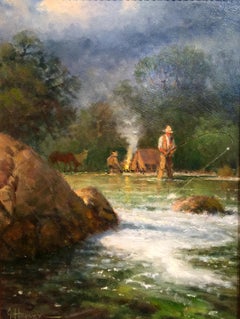
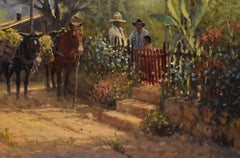
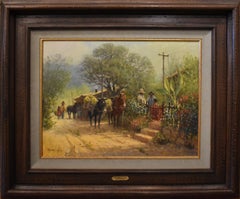
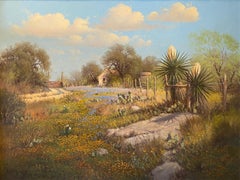
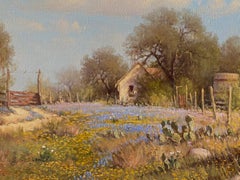
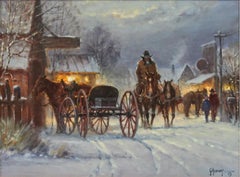
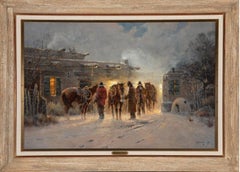
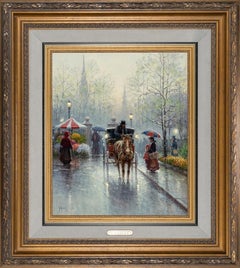
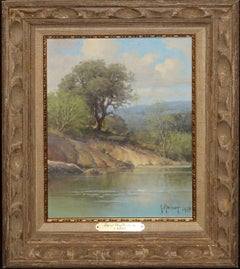
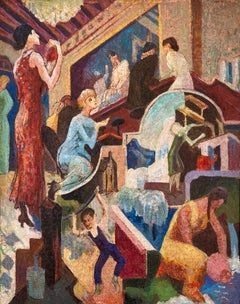
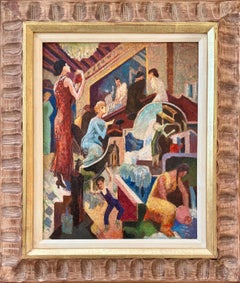
Gerald Harvey Jones was born in San Antonio, Texas, in 1933. His grandfather was a cowboy during the trail-driving era when legends grew up along the dusty trails north from Texas. Family stories of wild cattle and tough men were absorbed by Harvey and became the genesis of his art. Known for paintings closely linked in mood and subject matter to Edouard Cortes, G Harvey created romanticized street scenes of the turn of the century towns in America. Rain slick streets reflect urban lights, and the weather, which was obviously cold. Harvey's early interest in sketching and drawing slowly evolved into a passion for painting in oils. After graduating cum laude from North Texas State University, Harvey took a position with the University of Texas in Austin, but he soon realized that weekends and nights at the easel did not satisfy his love of painting. He abandoned the security of a full-time job in 1963 and threw his total energy into a fine art career. It was through painting that he found his greatest satisfaction, and his native central Texas hill country provided the inspiration for most of his earlier work. He sought the essence that is Texas and found it not only along the banks of the Guadalupe, but in cow camps west of the Pecos, and in the shadows of tall buildings in big Texas cities and the streets of Dallas, which once echoed with the sound of horses hooves and the jingle of spurs. Historic photographs reveal what it looked like, but artists like Harvey can enable a viewer to experience the mood and flavor or the time. In his paintings, the viewer only sees the physical elements of his subject but also senses the mood that surrounds them. It is a remarkable aspect of fine art, which few artists are able to master.
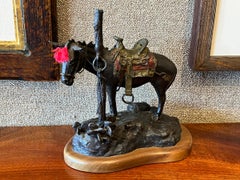
Harvey painted the spirit of America from its western hills and prairies to the commerce of its great cities. His original paintings and bronze sculptures are in the collections of major corporations, prestigious museums, the United States government, American presidents, governors, foreign leaders and captains of industry. The Smithsonian Institution chose Harvey to paint The Smithsonian Dream, commemorating its 150th Anniversary. The Christmas Pageant of Peace commissioned Harvey to create a painting celebrating this national event. He has been the recipient of many awards and the subject of three books. Harvey was a soft-spoken and unassuming man who cared deeply about what he painted without becoming maudlin or melodramatic. Before his death, Harvey lived in Fredericksburg, Texas, with his wife Pat in a 150-year old stone home built by German settlers. His studio and residence were nestled within the Historic District of Fredericksburg.
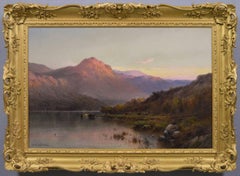
It could be argued that cave walls were the canvases for the world’s first landscape paintings, which depict and elevate natural scenery through art, but there is a richer history to consider.
The Netherlands was home to landscapes as a major theme in painting as early as the 1500s, and ink-on-silk paintings in China featured mountains and large bodies of water as far back as the third century. Greeks created vast wall paintings that depicted landscapes and grandiose garden scenes, while in the late 15th century and early 16th century, landscapes were increasingly the subject of watercolor works by the likes of Leonardo da Vinci and Fra Bartolomeo.
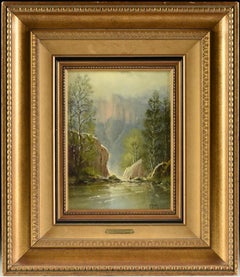
The popularity of religious paintings eventually declined altogether, and by the early 19th century, painters of classical landscapes took to painting out-of-doors (plein-air painting). Paintings of natural scenery were increasingly realistic but romanticized too. Into the 20th century, landscapes remained a major theme for many artists, and while the term “landscape painting” may call to mind images of lush, grassy fields and open seascapes, the genre is characterized by more variety, colors and diverse styles than you may think. Painters working in the photorealist style of landscape painting, for example, seek to create works so lifelike that you may confuse their paint for camera pixels. But if you’re shopping for art to outfit an important room, the work needs to be something with a bit of gravitas (and the right frame is important, too).
Adding a landscape painting to your home can introduce peace and serenity within the confines of your own space. (Some may think of it as an aspirational window of sorts rather than a canvas.) Abstract landscape paintings by the likes of Korean painter Seungyoon Choi or Georgia-based artist Katherine Sandoz, on the other hand, bring pops of color and movement into a room. These landscapes refuse to serve as a background. Elsewhere, Adam Straus’s technology-inspired paintings highlight how our extreme involvement with our devices has removed us from the glory of the world around us. Influenced by modern life and steeped in social commentary, Straus’s landscape paintings make us see our surroundings anew.
Whether you’re seeking works by the world’s most notable names or those authored by underground legends, find a vast collection of landscape paintings on 1stDibs.