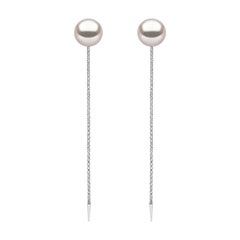
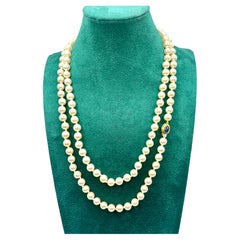
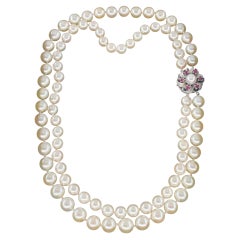
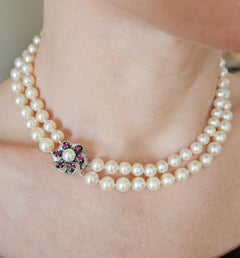
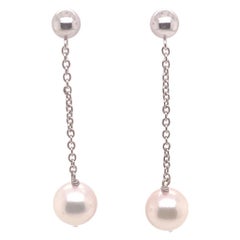
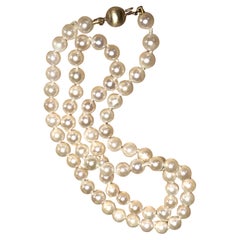
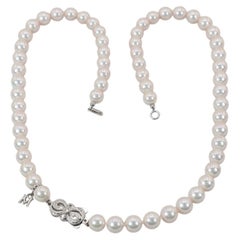
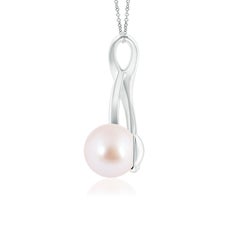
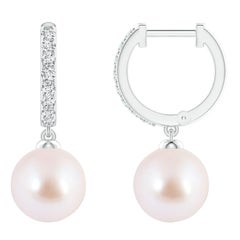
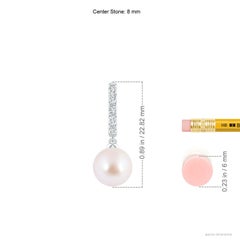
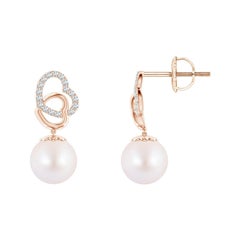
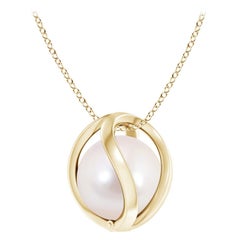
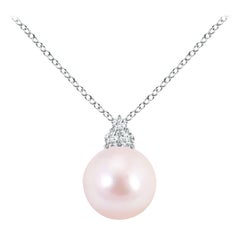
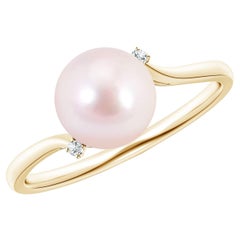
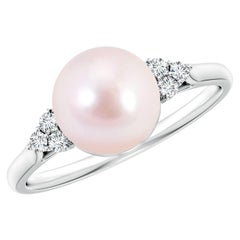
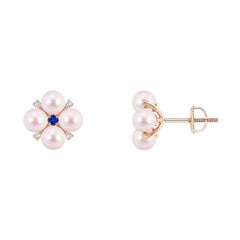
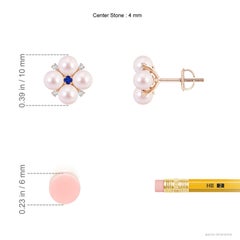
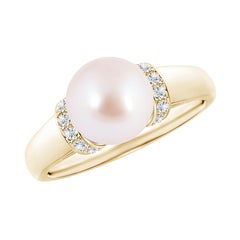
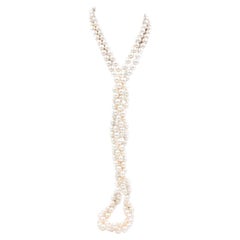
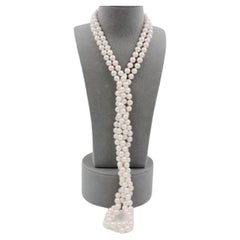
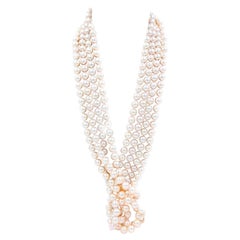
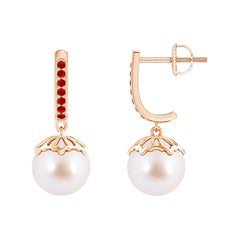
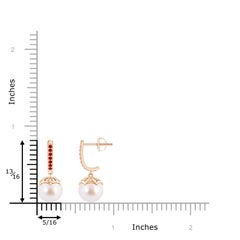
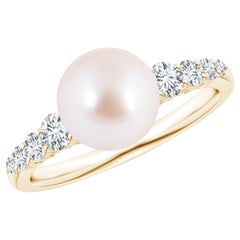
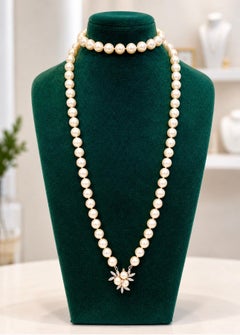
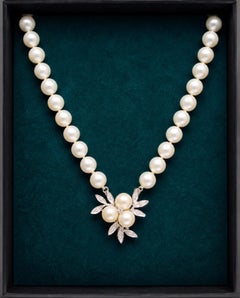
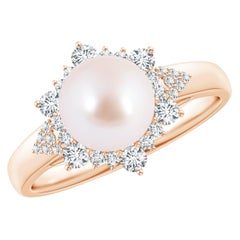
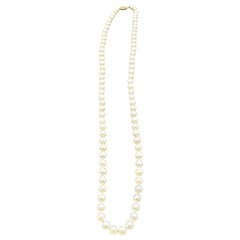
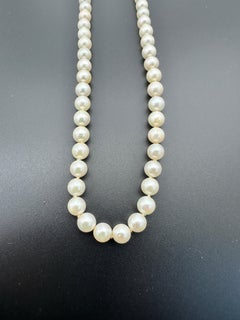
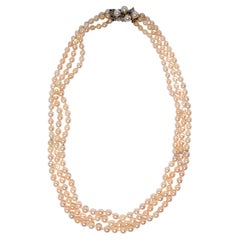
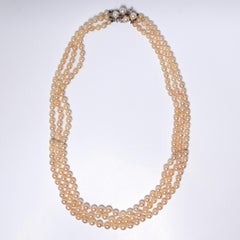
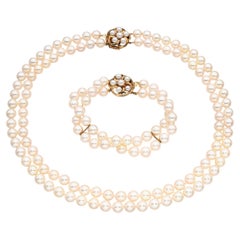
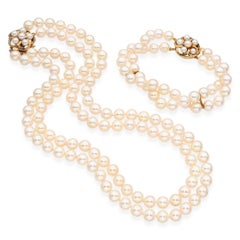
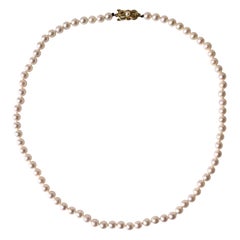
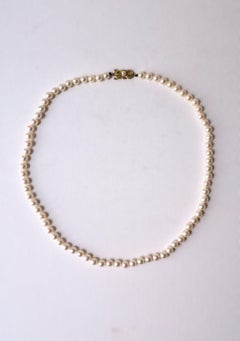
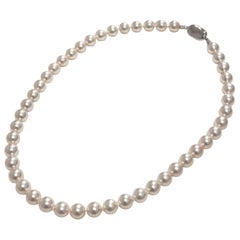
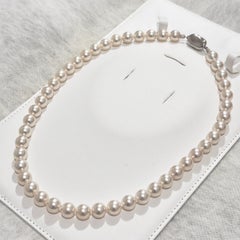
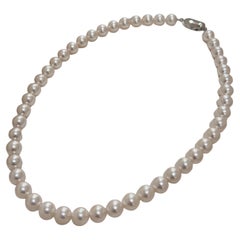
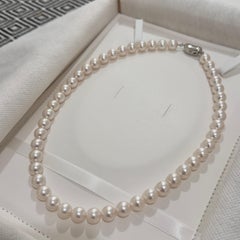
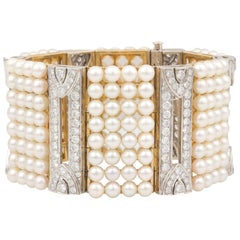
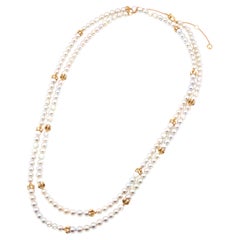
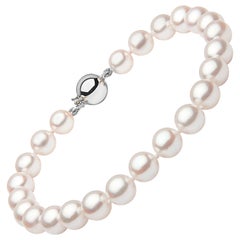
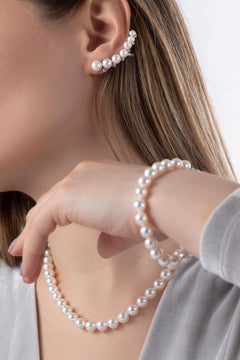
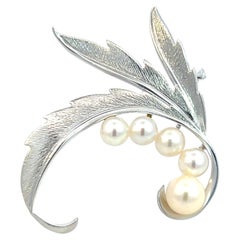
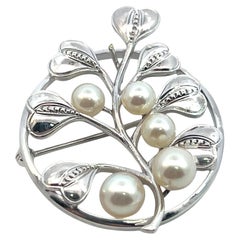
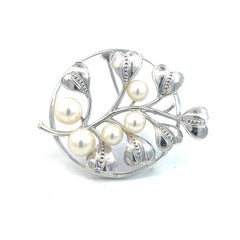
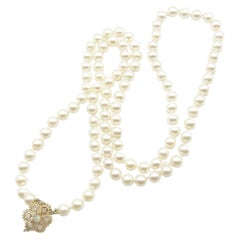
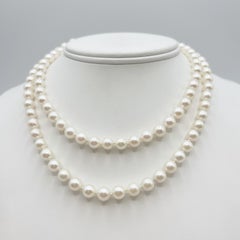
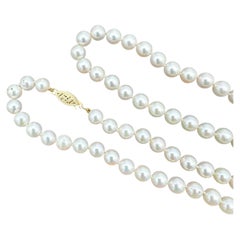
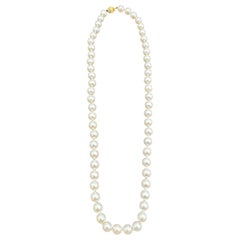
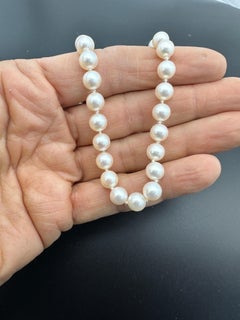
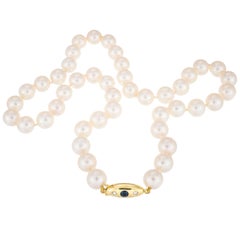
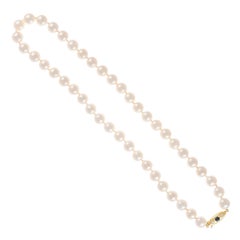
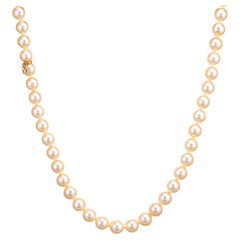
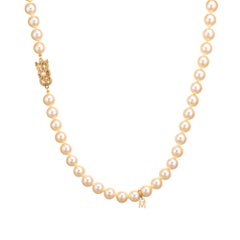
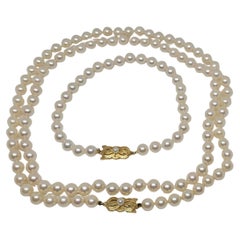
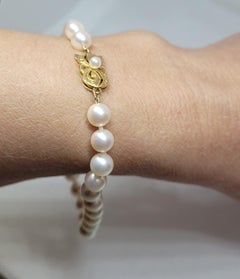
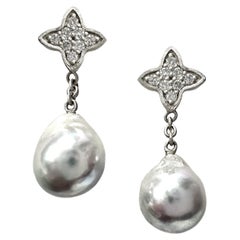
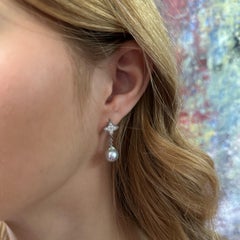
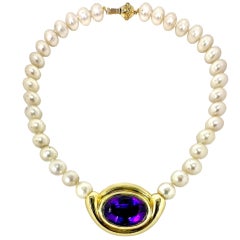
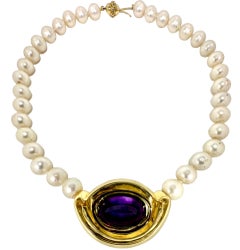
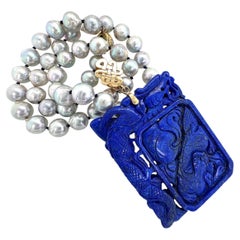
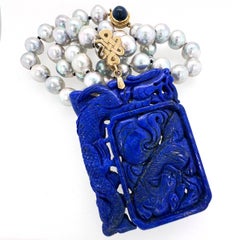
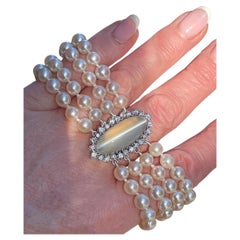
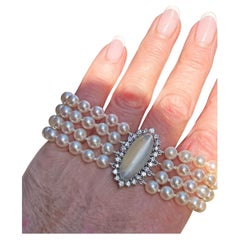
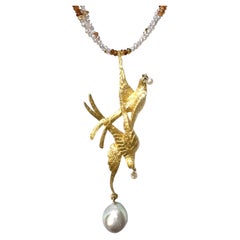
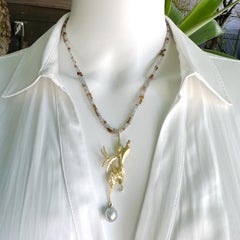
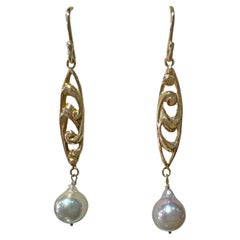
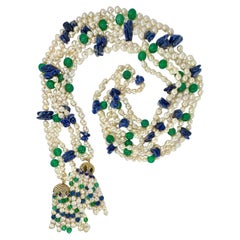
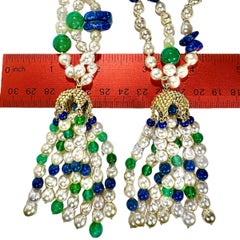
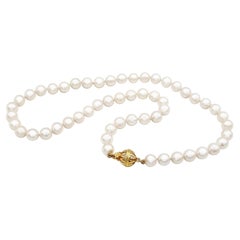
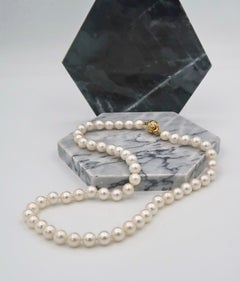
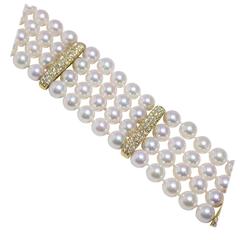
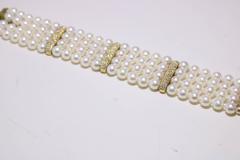
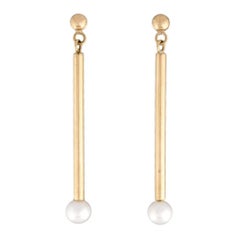
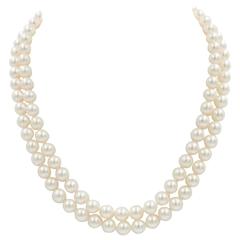
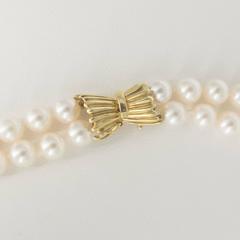
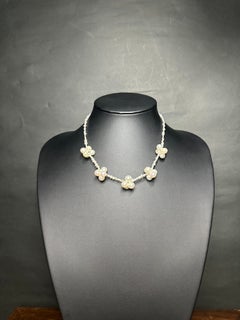
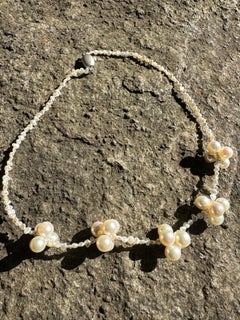
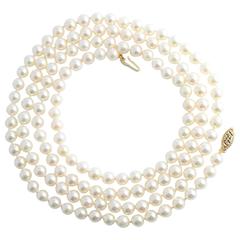
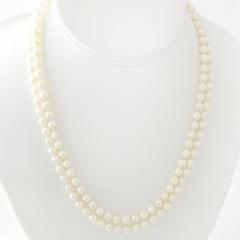
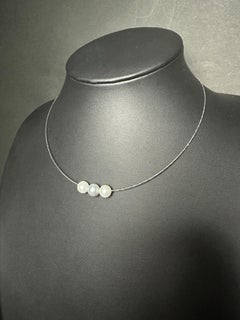
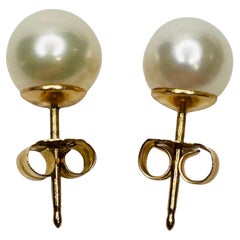
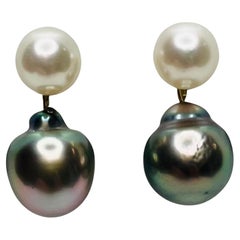
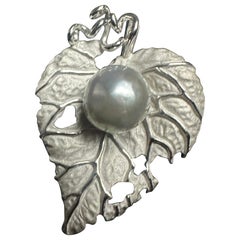
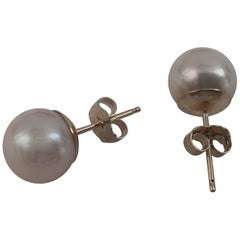
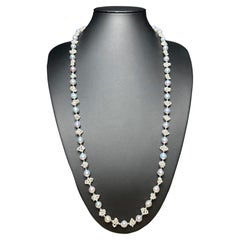
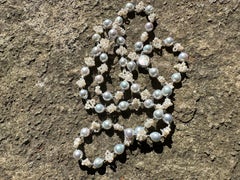
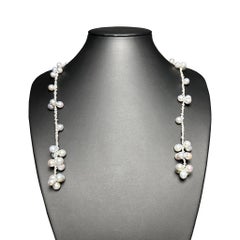
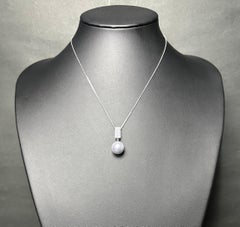
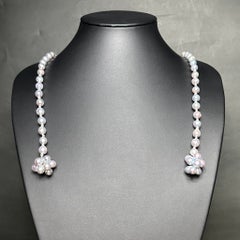
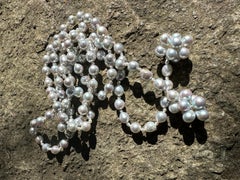
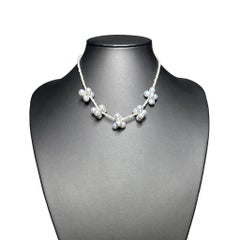
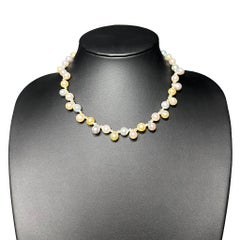
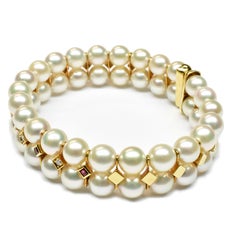
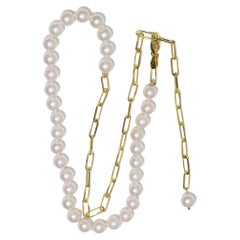
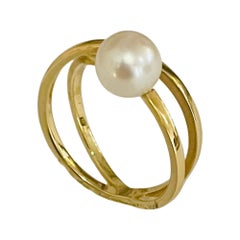
Browse a vast assortment of japanese cultured akoya pearls for sale on 1stDibs. Frequently made of
Gold,
18k Gold and
White Gold, these items were constructed with great care. Our collection of these items for sale includes 12 vintage editions and 54 modern creations to choose from as well. Our collection is diverse and broad-ranging, and pieces in stock date back to the 20th Century while others were produced as recently as the 21st Century.
Contemporary and
Modern are consistently popular styles when it comes to japanese cultured akoya pearls. Versions of these items have been a part of the life’s work for many jewelers, but those produced by
Yoko London,
Mikimoto and
Ella Gafter are consistently popular. A selection of
round cut,
uncut and
brilliant cut can be found today on these pages. If you’re browsing the variety of japanese cultured akoya pearls for sale, you’ll find that many are available today for
women, but there are still pieces to choose from for
men.
Prices for japanese cultured akoya pearls can differ depending upon size, time period and other attributes — at 1stDibs, these accessories begin at $99 and can go as high as $37,500, while japanese cultured akoya pearls, on average, fetch $1,628.
The pearl has been synonymous with ladylike elegance since the Tudor period — learn what to look for when shopping for vintage and antique pearl jewelry as well as how to tell the origin of a pearl with our handy primer.
Every woman at some point in her life desires a simple strand of pearls. They are elegant, timeless, versatile — just ask Coco Chanel or Jacqueline Kennedy — and valuable. In 1917, Pierre Cartier famously traded a double-strand of natural pearls for a Fifth Avenue mansion, the Cartier brand’s flagship store ever since. And if you were born in the beginning of summer, pearl is the June birthstone.
It is possible to tell where a pearl originated from its appearance. Akoyas are usually round and white — the classic pearl, if you will. South Sea pearls are normally larger and vary in color; orangey yellow ones are not uncommon. Tahitian pearls are mostly black but can also be gray or brown, and between the Akoya and the South Sea varieties in size. Freshwater pearls, or Orientals, run the gamut in terms of color and size, but in shape, they tend to resemble Rice Krispies. Another important distinction is a round pearl versus a baroque pearl. A round pearl is self-explanatory, but there are two types of baroque pearls: symmetrical and asymmetrical. In general, the symmetrical variation commands a higher valuation. Within a strand of pearls, uniformity is prized — the more the individual pearls resemble one another, the more valuable the strand.
According to the Gemological Institute of America (GIA), the earliest recorded mention of a pearl was in 2206 BC by a Chinese historian. Centuries later, Christopher Columbus made it a point to visit pearl fisheries during his 15th-century exploration of the Caribbean. Since the late-19th century, the Japanese have been at the forefront of cultivating pearls, when jeweler Kokichi Mikimoto successfully cultured the world’s first pearl in 1893.
On 1stDibs, find vintage and antique pearl necklaces, pearl earrings and other accessories.