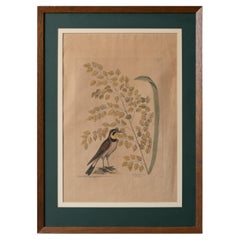
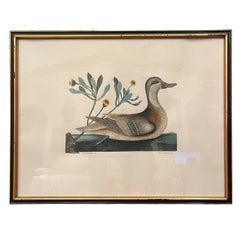
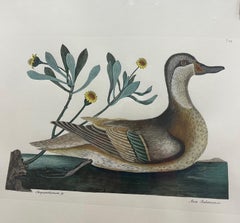
Mark Catesby Antique Prints For Sale on 1stDibs
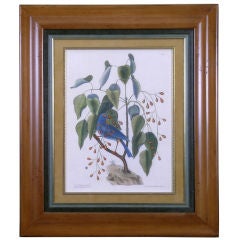
On 1stDibs, there are several options of mark catesby antique prints available for sale. A selection of these works in the styles can be found today in our inventory. These items have long been popular, with older editions for sale from the 18th Century and newer versions made as recently as the 19th Century. Adding a colorful piece of art to a room that is mostly decorated in warm neutral tones can yield a welcome change — see the mark catesby antique prints on 1stDibs that include elements of
gray,
black,
white,
brown and more. These artworks have been a part of the life’s work for many artists, but the versions made by
Mark Catesby are consistently popular. Frequently made by artists working in
etching,
paint and
watercolor, all of these available pieces are unique and have attracted attention over the years.
How Much are Mark Catesby Antique Prints?
Mark catesby antique prints can differ in price owing to various characteristics — the average selling price for items in our inventory is $2,150, while the lowest priced sells for $585 and the highest can go for as much as $2,950.
Mark Catesby for sale on 1stDibs
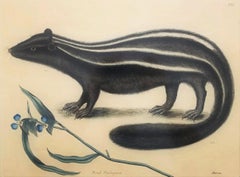
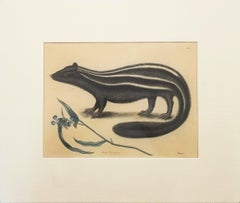
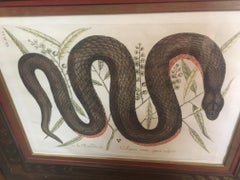
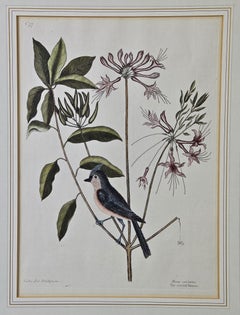
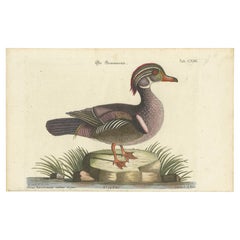
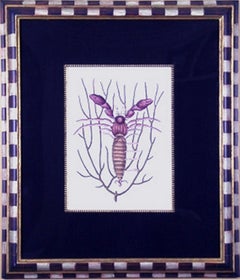
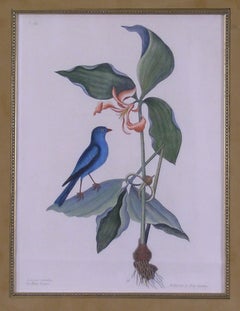
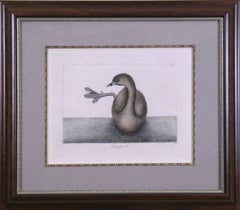
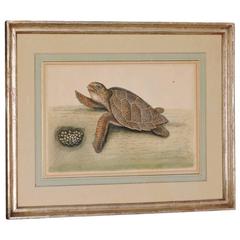
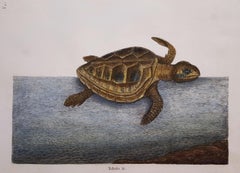
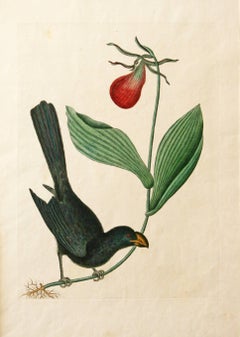
Mark Catesby (24 March 1683 – 23 December 1749) was an English naturalist. Between 1729 and 1747 Catesby published his Natural History of Carolina, Florida and the Bahama Islands, the first published account of the flora and fauna of North America. It included 220 plates of birds, reptiles, amphibians, fish, insects, mammals and plants. Mark Catesby's The Natural History of Carolina, Florida and the Bahama Islands is generally credited as the first published work to provide illustrations and descriptions of North American flora and fauna. From 1722-1726 Catesby, an English naturalist, ranged over South Carolina, Georgia and the Bahamas sketching and collecting specimens of native plants and animals. Little is known of Catesby's early life. He was born in eastern England in 1683. Although Catesby does not appear to have attended university or studied for the Bar, he was sufficiently educated to write clear English and Latin. His interest in and knowledge of plants may have derived from his uncle, who maintained a botanical garden. Catesby also appears to have benefited from an acquaintance with John Ray, a leading English naturalist of the 17th century and the co-author of an early classic study of birds. It is unclear when or how Catesby developed his skills as an artist.
Catesby's first visit to North America occurred in 1712 when he traveled to Williamsburg, Virginia, to live with his sister and her husband, who had settled there. During his seven-year stay, he explored the length of the James River sketching plants and collecting botanical samples. Upon Catesby's return to England in 1719, his work in Virginia drew the attention of several influential members of the Royal Society. And with their financial backing, Catesby returned to North America three years later, arriving in Charleston in May 1722. During his four-year stay, he traveled throughout South Carolina, coastal Georgia and to the Bahamas. The sketches and specimens Catesby gathered during his second North American trip formed the basis for The Natural History of Carolina, Florida and the Bahama Islands. Although most often found as a two-volume set, Catesby's Natural History was published in 11 discrete sections from 1734-1747 and sold by subscription. Although Catesby died in 1749, his work was republished in 1754 and again in 1771. Catesby's work predated the classification system developed by Swedish botanist Carl Linneaus. However, the 1771 edition, featured here, includes a catalog of the Linnean names for the plants and animals Catesby featured in Natural History.