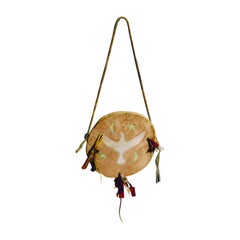
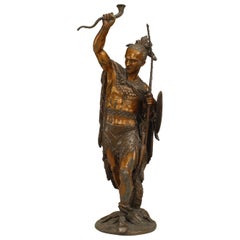
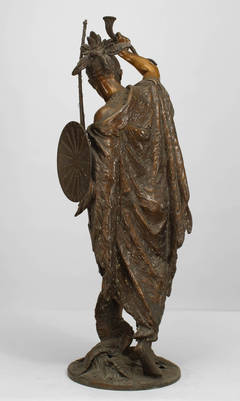
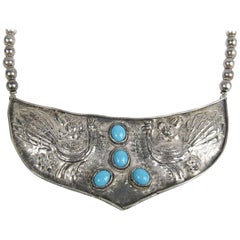
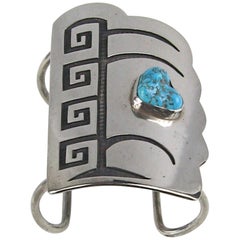
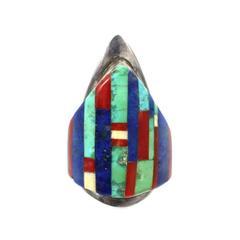
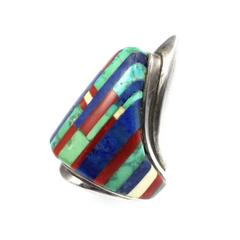
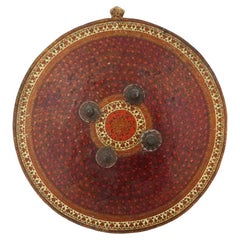
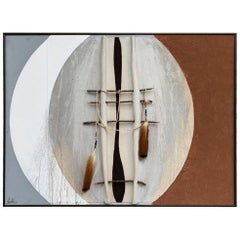
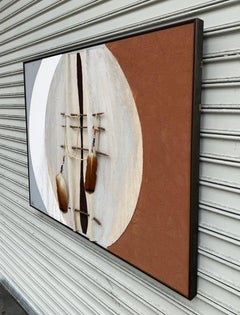
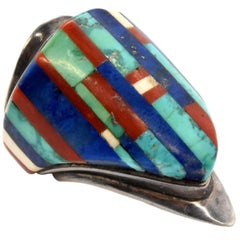
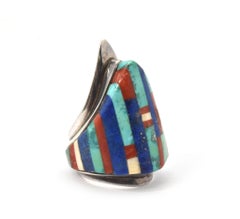
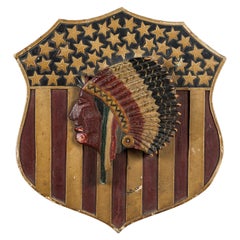
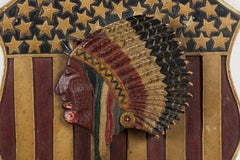
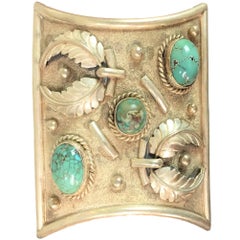
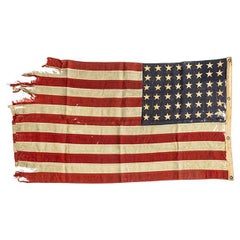
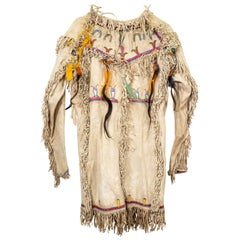
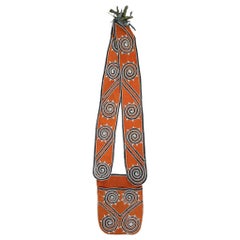
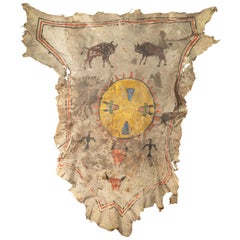
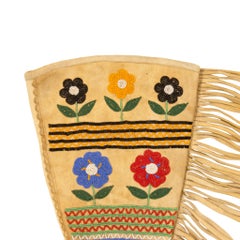
Find the exact native american shield you’re shopping for in the variety available on 1stDibs. Frequently made of
Silver,
Sterling Silver and
Gold, this item was constructed with great care. Making the right choice when shopping for a native american shield may mean carefully reviewing examples of this item dating from different eras — you can find an early iteration of this piece from the 19th Century and a newer version made as recently as the 20th Century, both of which have proven very popular over the years. Finding an appealing native american shield — no matter the origin — is easy, but
Charles Loloma each produced a popular version that is worth a look. A native american shield can be a stylish choice for most occasions, but
Turquoise rings, from our inventory of 6, can add a particularly distinctive touch to your look, day or night. Today, if you’re looking for a
mixed cut version of this piece and are unable to find the perfect match, our selection also includes
tumbled alternatives. When shopping for a native american shield, you’ll find that there are less available pieces for unisex or
men today than there are for
women.
Native American broadly describes any Indigenous people in North America and encompasses hundreds of tribes and groups, all with distinct cultures. Native American–style furniture and decor likewise varies widely, from pieces created by Indigenous people to those appropriated by non-native designers.
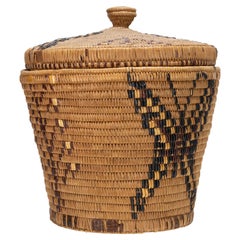
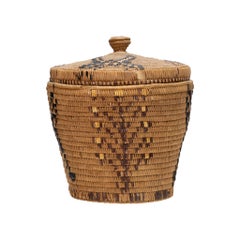
Indigenous furniture’s rich heritage includes the bentwood boxes of the Northwest Coast carved from cedar for storing household or ceremonial objects. Generations of Native American people have made baskets for holding household items, with those in the Northeast using sweetgrass and those in the Southeast using pine needles and wicker. Artisans in the Plateau region wove watertight pieces like cradles from plant materials. Although these objects were intricately made, they were usually utilitarian rather than decorative.
The colonization of North America and the removal of Indigenous people from their lands led to the suppression of these practices. Many styles that used Native American motifs — such as Southwestern style, which was heavily influenced by the geometric patterns of Navajo textiles — have historically not involved Indigenous creators and, instead, have taken their traditions without their tribal context.
When decorating a home with Native American–style furniture, it is important to do so respectfully, by understanding the origins of motifs and objects and examining who profits from their sale. There are now Indigenous-led companies, such as Cherokee designer Cray Bauxmont-Flynn’s Amatoya and Totem House Design, promoting Indigenous work in furniture and home decor. Supporting Indigenous artists and artisans is essential to confronting the still pervasive issue of cultural appropriation in design.
Find a collection of Native American living room furniture, folk art, rugs and carpets, decorative objects and other items on 1stDibs.