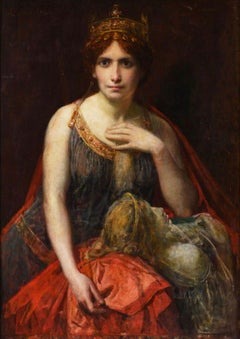
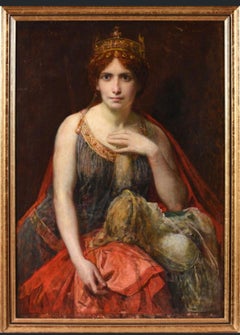
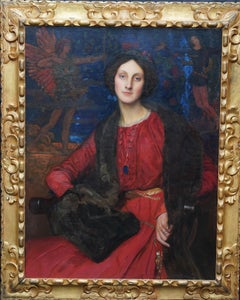
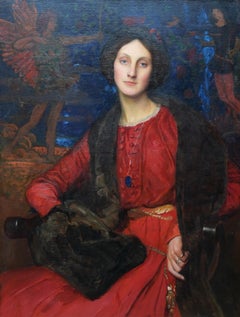
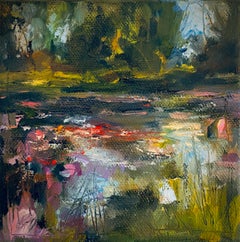
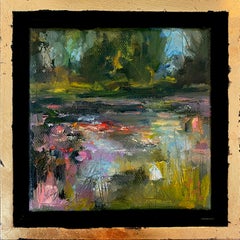
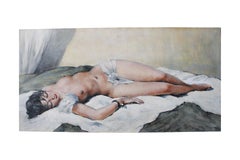
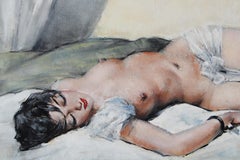
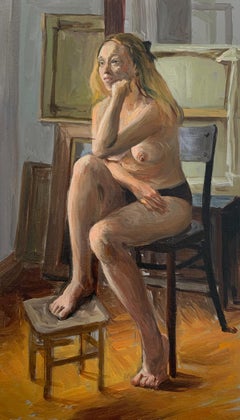
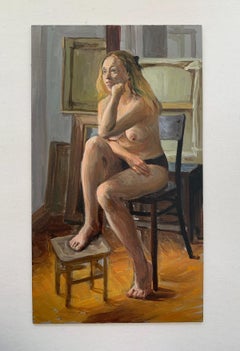
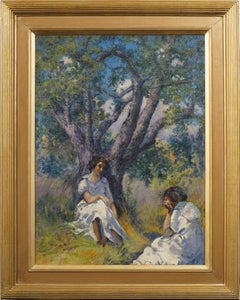
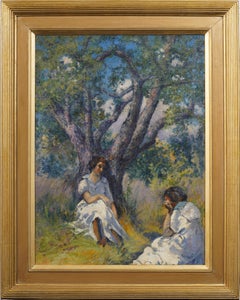
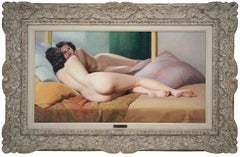
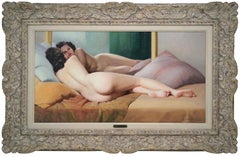
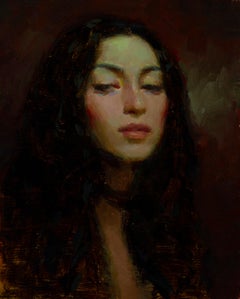
Roman Frances for sale on 1stDibs
José Miguel Román Francés was born on January 2, 1950 in Alcoy, Alicante (Spain). At the age of fourteen he began to paint in the workshop of Gaspar Francés Rico. Rico became more of a friend than a teacher, and his work influenced Francés’ artistic formation.
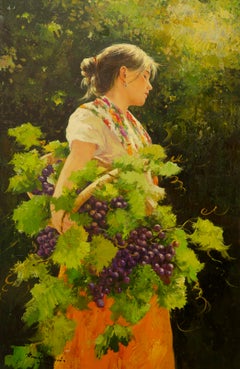
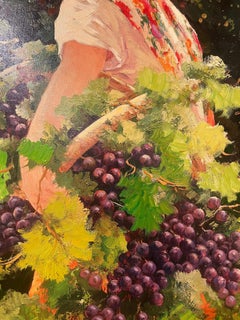
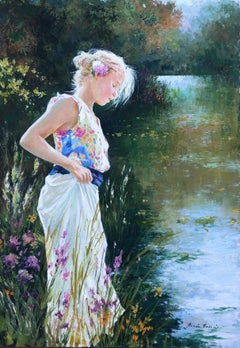
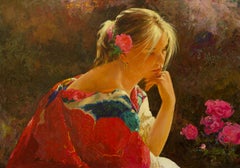
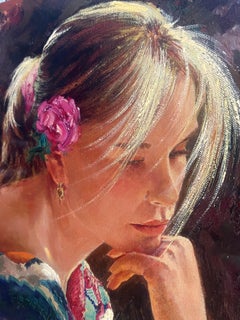
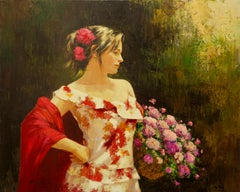
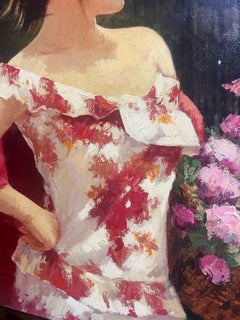
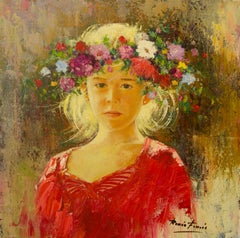
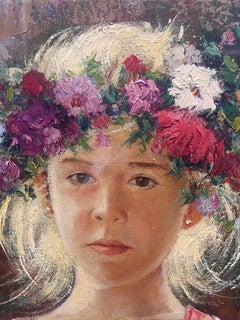
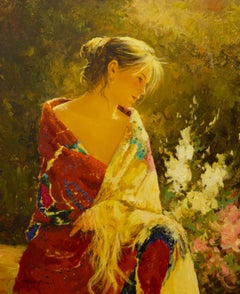
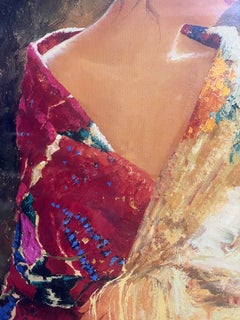
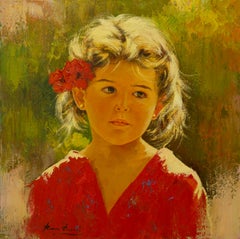
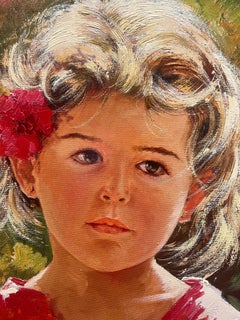
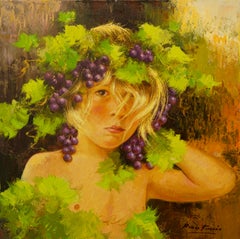
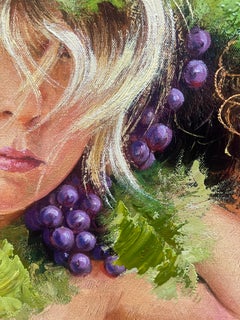
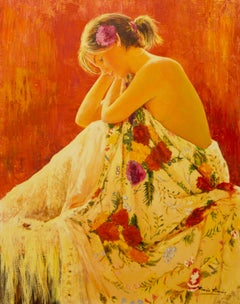
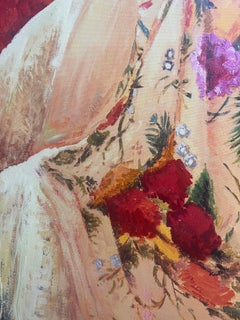
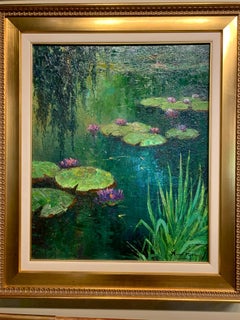
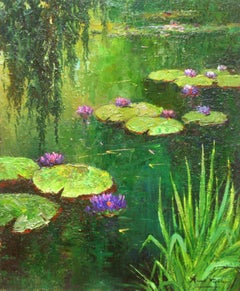
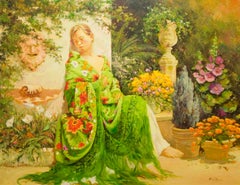
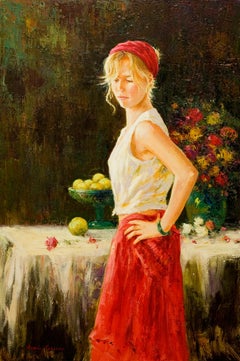
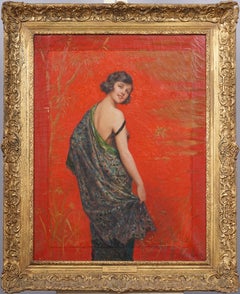
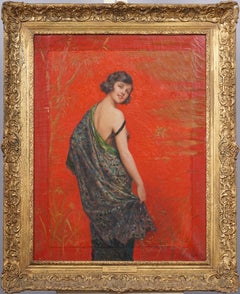
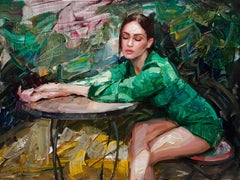
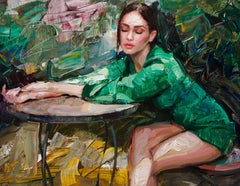
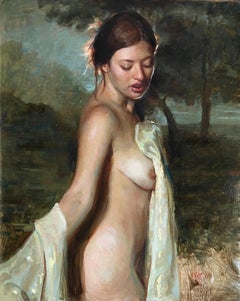
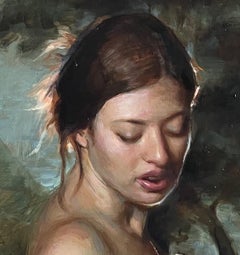
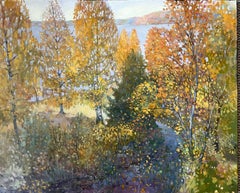
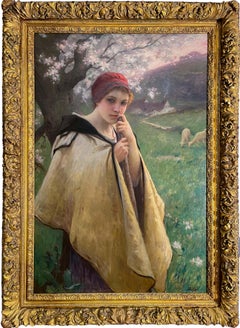
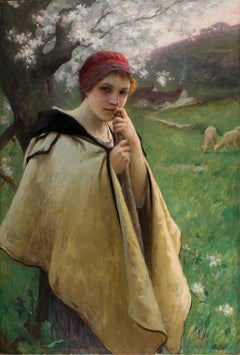
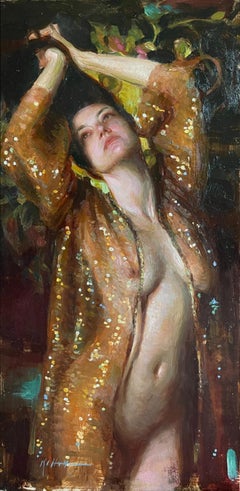
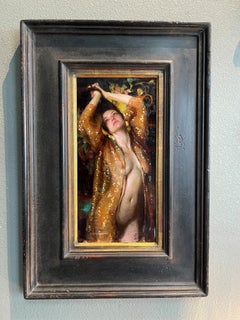
Román Francés achieves an overall effect of harmony, peace, and great beauty with his superb draftsmanship. Each piece is filled with the feeling of light that he manages to reflect in everything he paints. His paintings are employed lavishly, with dense buildups in the floral groupings and landscapes surrounding the female figures and children, which are the core and focus from which all else radiates. Francés' work reflects his love for nature and his Spanish heritage, frequently depicting the female figure with traditional silk shawls that radiate with the colors and floral patterns of his native country. His impressionistic brushstroke never lets him get too closely bound up in his encounters with the female figure; yet, he depicts her in minute details when appropriate. The colors he uses are perfectly balanced and controlled within their light-giving power.
In 1965 he exhibited his first painting in the Salon de Otoño in Alcoy. The following year he moved to Madrid, where he remained for five years experiencing the culture of this region. In 1971 he returned to Alcoy, where he has lived ever since.
In 1976 he presented his first individual exhibition in Catalonia, beginning an extensive series of exhibitions. His work can be found in many important public and private collections in over 30 countries, including the United States, France, Italy, Spain, Germany, Great Britain, the United Arab Emirates, Japan, Mexico and Canada.
He has had more than 60 personal exhibitions and had participated in many collective ones. His work has been featured in several major cities of his native Spain, as well as in many prestigious galleries outside of Spain - Lisbon, Brussels, Mexico City, Miami, New York, and Santa Fe, just to name a few.
Several books have been published about the life and work of the artist. In one of them, titled “Román Francés – Master of Pictorial Light”, Josep Cadena, journalist, chief-editor and art critic, analyzed the artist’s work: “Painting the way Román Francés paints is a quest for connecting with something of interest – a landscape, a female figure, a flower arrangement – and achieving a kind of transcendence of what is sought for expression in accordance with its natural way of being.”
Román Francés’ paintings are also featured in other publications; his widespread recognition earned him the honor to commission paint several large historical illustrations in a book about Ethiopia which was published in several countries.
A Close Look at Impressionist Art
Emerging in 19th-century France, Impressionist art embraced loose brushwork and plein-air painting to respond to the movement of daily life. Although the pioneers of the Impressionist movement — Claude Monet, Edgar Degas, Paul Cézanne, Berthe Morisot, Camille Pissarro, and Pierre-Auguste Renoir — are now household names, their work was a radical break with an art scene led and shaped by academic traditions for around two centuries. These academies had oversight of a curriculum that emphasized formal drawing, painting and sculpting techniques and historical themes.
The French Impressionists were influenced by a group of artists known as the Barbizon School, who painted what they witnessed in nature. The rejection of pieces by these artists and the later Impressionists from the salons culminated in a watershed 1874 exhibition in Paris that was staged outside of the juried systems. After a work of Monet’s was derided by a critic as an unfinished “impression,” the term was taken as a celebration of their shared interest in capturing fleeting moments as subject matter, whether the shifting weather on rural landscapes or the frenzy of an urban crowd. Rather than the exacting realism of the academic tradition, Impressionist paintings, sculptures, prints and drawings represented how an artist saw a world in motion.
Many Impressionist painters were inspired by the perspectives in imported Japanese prints alongside these shifts in European painting — Édouard Manet drew on ukiyo-e woodblock prints and depicted Japanese design in his Portrait of Émile Zola, for example. American artists such as Mary Cassatt and William Merritt Chase, who studied abroad, were impacted by the work of the French artists, and by the late 19th century American Impressionism had its own distinct aesthetics with painters responding to the rapid modernization of cities through quickly created works that were vivid with color and light.
Find a collection of authentic Impressionist art on 1stDibs.
Finding the Right Figurative-paintings for You
Figurative art, as opposed to abstract art, retains features from the observable world in its representational depictions of subject matter. Most commonly, figurative paintings reference and explore the human body, but they can also include landscapes, architecture, plants and animals — all portrayed with realism.
While the oldest figurative art dates back tens of thousands of years to cave wall paintings, figurative works made from observation became especially prominent in the early Renaissance. Artists like Michelangelo, Leonardo da Vinci and other Renaissance masters created naturalistic representations of their subjects.
Pablo Picasso is lauded for laying the foundation for modern figurative art in the 1920s. Although abstracted, this work held a strong connection to representing people and other subjects. Other famous figurative artists include Francis Bacon and Lucian Freud. Figurative art in the 20th century would span such diverse genres as Expressionism, Pop art and Surrealism.
Today, a number of figural artists — such as Sedrick Huckaby, Daisy Patton and Eileen Cooper — are making art that uses the human body as its subject.
Because figurative art represents subjects from the real world, natural colors are common in these paintings. A piece of figurative art can be an exciting starting point for setting a tone and creating a color palette in a room.
Browse an extensive collection of figurative paintings on 1stDibs.