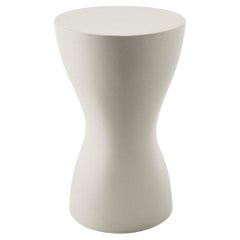
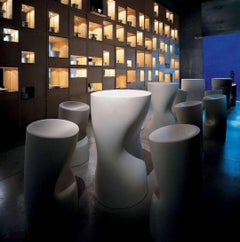
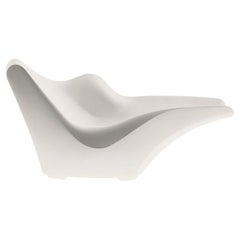
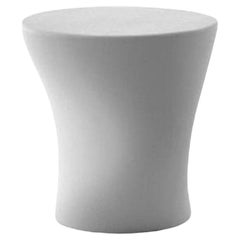
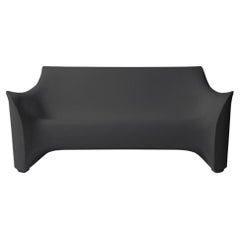
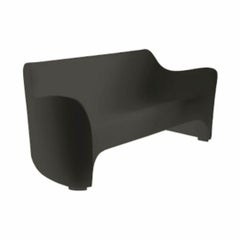
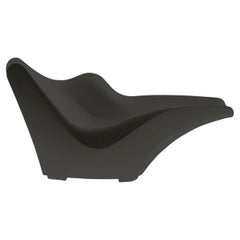
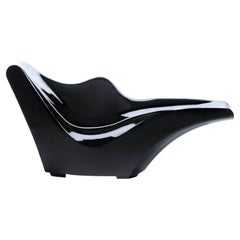
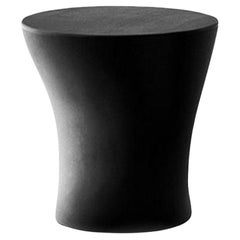
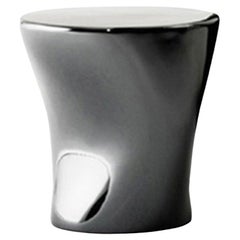
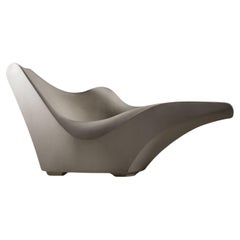
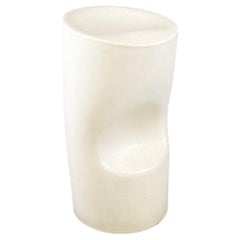
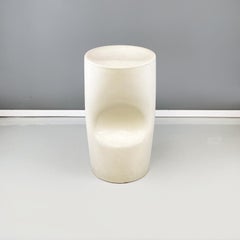
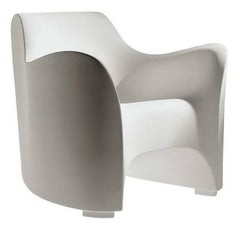
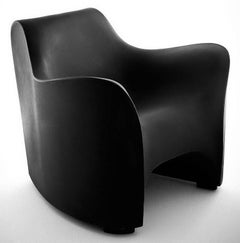
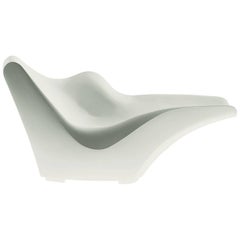
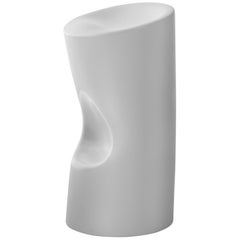
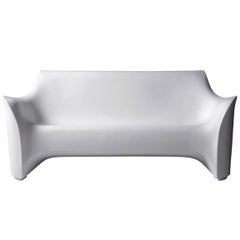
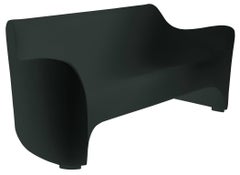
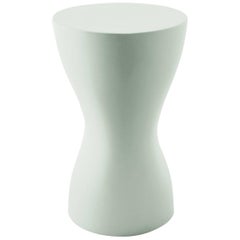
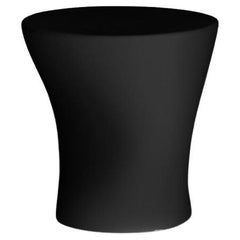
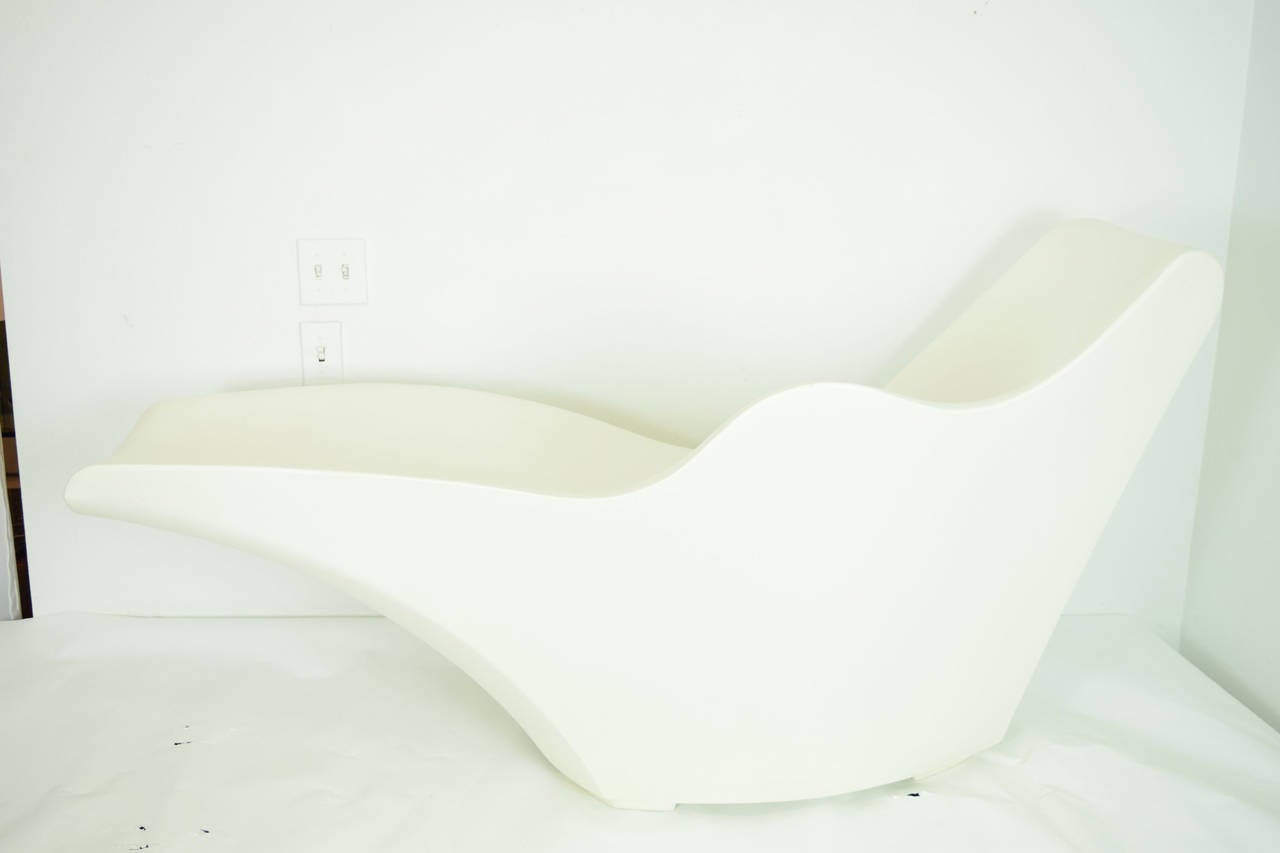
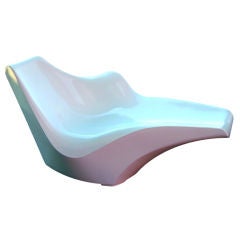
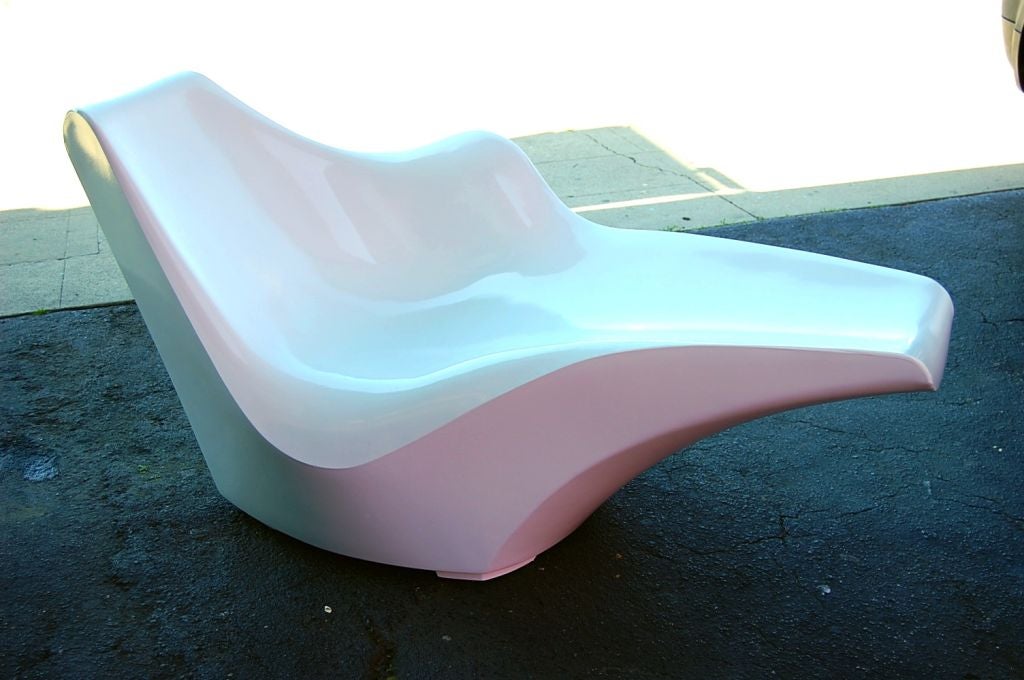
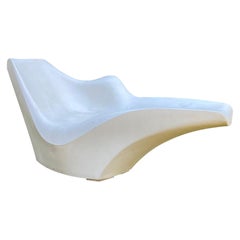
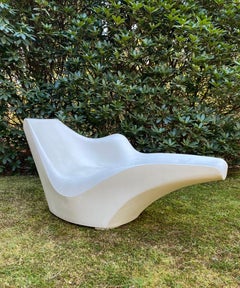
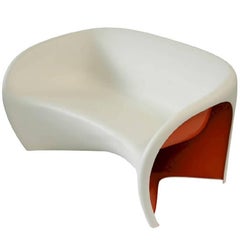
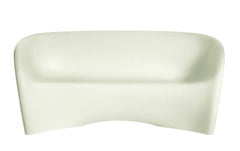
Find many varieties of an authentic piece of tokyo pop furniture available at 1stDibs. Frequently made of
plastic and
polystyrene, every item from our selection of tokyo pop furniture was constructed with great care. If you’re shopping for a choice in our collection of tokyo pop furniture, we have 1 options in-stock, while there are 7 modern editions to choose from as well. There are many kinds of the object in our assortment of tokyo pop furniture you’re looking for, from those produced as long ago as the 20th Century to those made as recently as the 21st Century. When you’re browsing for the right option in this array of tokyo pop furniture, those designed in
Modern styles are of considerable interest. Many designers have produced at least one well-made piece of tokyo pop furniture over the years, but those crafted by
Driade and
Tokujin Yoshioka are often thought to be among the most beautiful.
Prices for a piece of tokyo pop furniture can differ depending upon size, time period and other attributes — at 1stDibs, they begin at $224 and can go as high as $2,400, while the average can fetch as much as $820.
Italian furniture brand Driade offers modern designs that are joyful, whimsical and slightly mischievous — words that might be used to describe the tree nymph of Greek mythology for which the company is named. Faye Toogood’s chunky, stout Roly Poly armchair and Fabio Novembre’s enigmatic Nemo chair — in which a backrest assumes the form of a human face — are just two examples of Driade’s eclectic furnishings.
Driade was founded in 1968 by brother and sister Enrico and Antonia Astori, and Adelaide Acerbi Astori, Enrico’s wife. Described by the company as a “factory of art,” Driade was focused solely on bringing distinctive and creative seating, case pieces and decorative objects to market in its early years. The brand sought to mass-produce decor and furniture that could also be seen as provocative works of art.
Driade's initial collaborations included Italian designers such as Enzo Mari, Nanda Vigo, Giotto Stoppino and Rodolfo Bonetto, to name a few. In the 1980s, the brand worked with influential and renowned designers from around the globe. In 1984, Driade partnered with French designer Philippe Starck and debuted his iconic Costes armchair during the same year. Projects with architects and furniture designers such as Ron Arad, Toyo Ito, Borek Sipek, Patricia Urquiola and others followed into the 2000s.
Over more than five decades — the company celebrated their 50th anniversary in 2018 — Driade’s fruitful partnerships have culminated in a vast catalog of chairs, sofas, coffee tables and other furnishings for the home and garden that evoke a unique and diverse blend of cultures.
Driade has also garnered international acclaim, winning the Compasso d’Oro award in 1979 and 2001 for Enzo Mari’s Delfira chair and ebony-finished, chipboard-top table, and again in 2008 for Ron Arad’s MT3 rocking armchair.
On 1stDibs, discover a range of vintage and contemporary Driade tables, cabinets, armchairs and other furniture.
Arguably the world’s most ubiquitous man-made material, plastic has impacted nearly every industry. In contemporary spaces, new and vintage plastic furniture is quite popular and its use pairs well with a range of design styles.
From the Italian lighting artisans at Fontana Arte to venturesome Scandinavian modernists such as Verner Panton, who created groundbreaking interiors as much as he did seating — see his revolutionary Panton chair — to contemporary multidisciplinary artists like Faye Toogood, furniture designers have been pushing the boundaries of plastic forever.
When The Graduate's Mr. McGuire proclaimed, “There’s a great future in plastics,” it was more than a laugh line. The iconic quote is an allusion both to society’s reliance on and its love affair with plastic. Before the material became an integral part of our lives — used in everything from clothing to storage to beauty and beyond — people relied on earthly elements for manufacturing, a process as time-consuming as it was costly.
Soon after American inventor John Wesley Hyatt created celluloid, which could mimic luxury products like tortoiseshell and ivory, production hit fever pitch, and the floodgates opened for others to explore plastic’s full potential. The material altered the history of design — mid-century modern legends Charles and Ray Eames, Joe Colombo and Eero Saarinen regularly experimented with plastics in the development of tables and chairs, and today plastic furnishings and decorative objects are seen as often indoors as they are outside.
Find vintage plastic lounge chairs, outdoor furniture, lighting and more on 1stDibs.