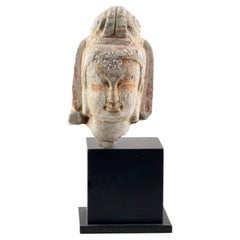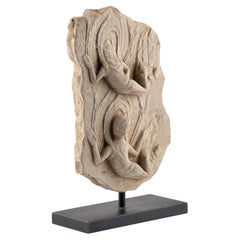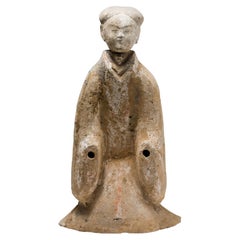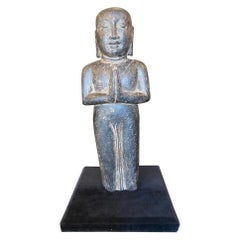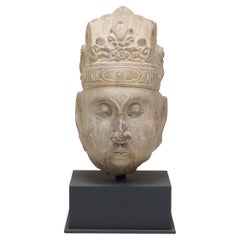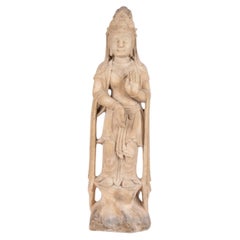
Apsara Carved Limestone Stele with Extremely Rare 'Oolitic silica', Wei Dynasty
Located in seoul, KR
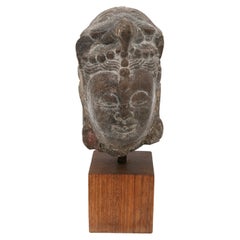
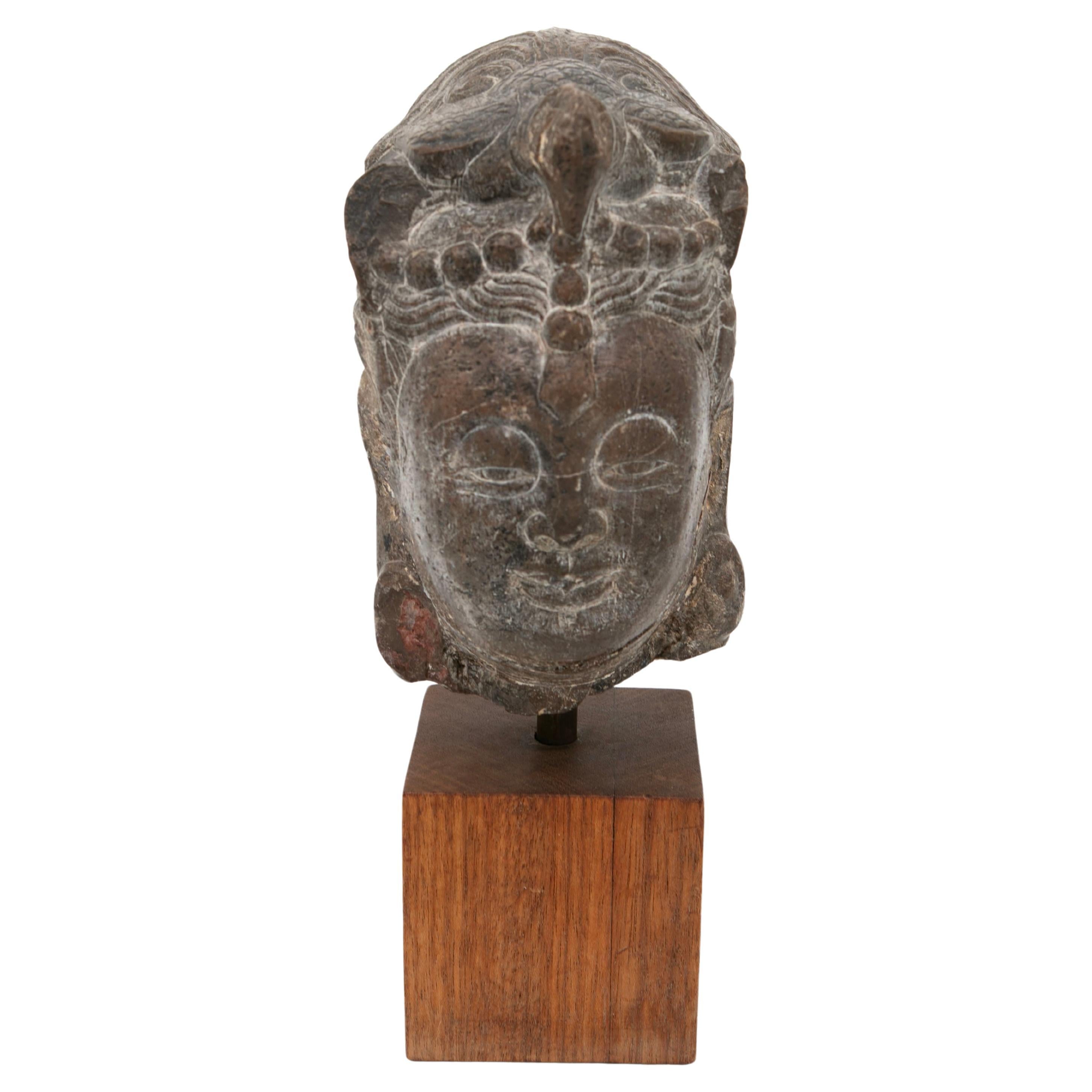
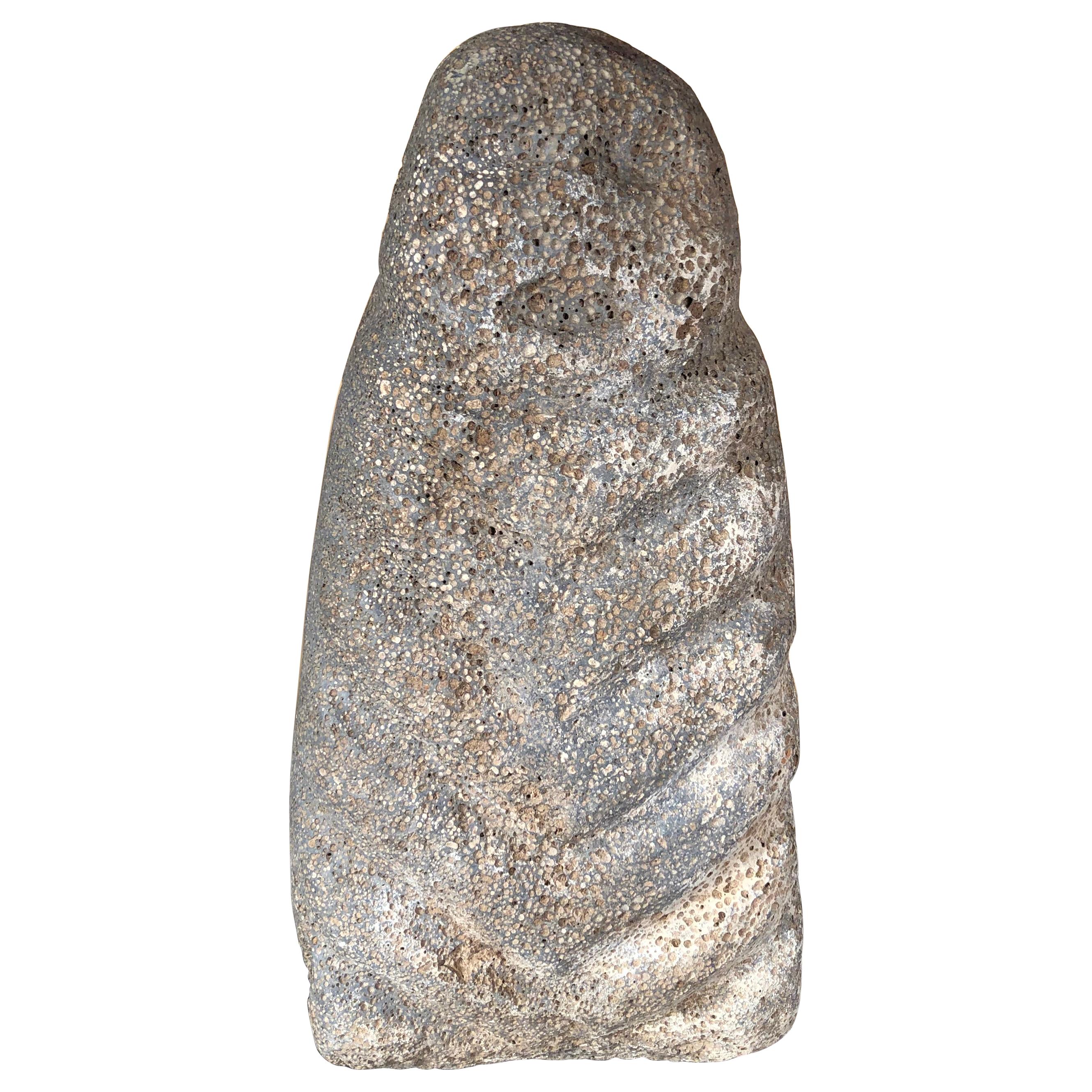
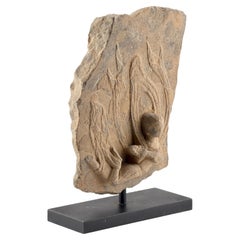
The small dots apparent on the surface of this stone stele are indicative of an oolitic silica structure or oolites formed in what is known as "Oolitic chert." The same phenomenon can also be observed in the Tang Dynasty Limestone Stele at the Asian Art Museum in San Francisco. This formation occurs gradually over the course of thousands to several hundred thousand years within the soil or sea. Similar structures are commonly found in ancient fossils or arrowheads. Ancient peoples chose certain types of stones for tool-making, preferring materials that were easier to work with and could be sharpened effectively. This predilection is believed to be the reason why oolitic silica structures are frequently found in ancient arrowheads. The development of these oolitic silica structures is a very slow process involving the accumulation of siliceous layers around particulates. This phenomenon, where silica reacts with water to form layers around a nucleus, occurs under specific chemical and physical conditions. Typically, it takes thousands to hundreds of thousands of years for silica to gradually accumulate in layers through contact with moisture, a process that requires a precise harmony of many variables, including chemical conditions, temperature, pressure, pH, and biological activity. It is known that no other stele with such a silica structure has been identified to date, serving not only as evidence of its authenticity but also significantly enhancing the rarity of this piece. This stele appears to be a stone sculpture of an apsara, a celestial nymph from Buddhist and Hindu traditions. Despite its fragmentary state, the sculpture conveys grace and movement. The apsara is captured in a dynamic pose, perhaps once part of a larger tableau, playing a flute-like instrument. The black stand was made in Hong Kong at the time of the acquisition. Date : Northern Wei/Eastern Wei Dynasty(386~550) Size : 22cm (Height) x 16cm(diameter) Condition : Good (oolites dots on surface) Provenance : Acquired in late 1990s from Hongkong Reference : 1) Sotheby's New York 20 March 2018 - Jingyatang Treasures Of Chinese Buddhist...
Antique 15th Century and Earlier East Asian Han Antiquities
Stone, Limestone