Want more images or videos?
Request additional images or videos from the seller
1 of 17

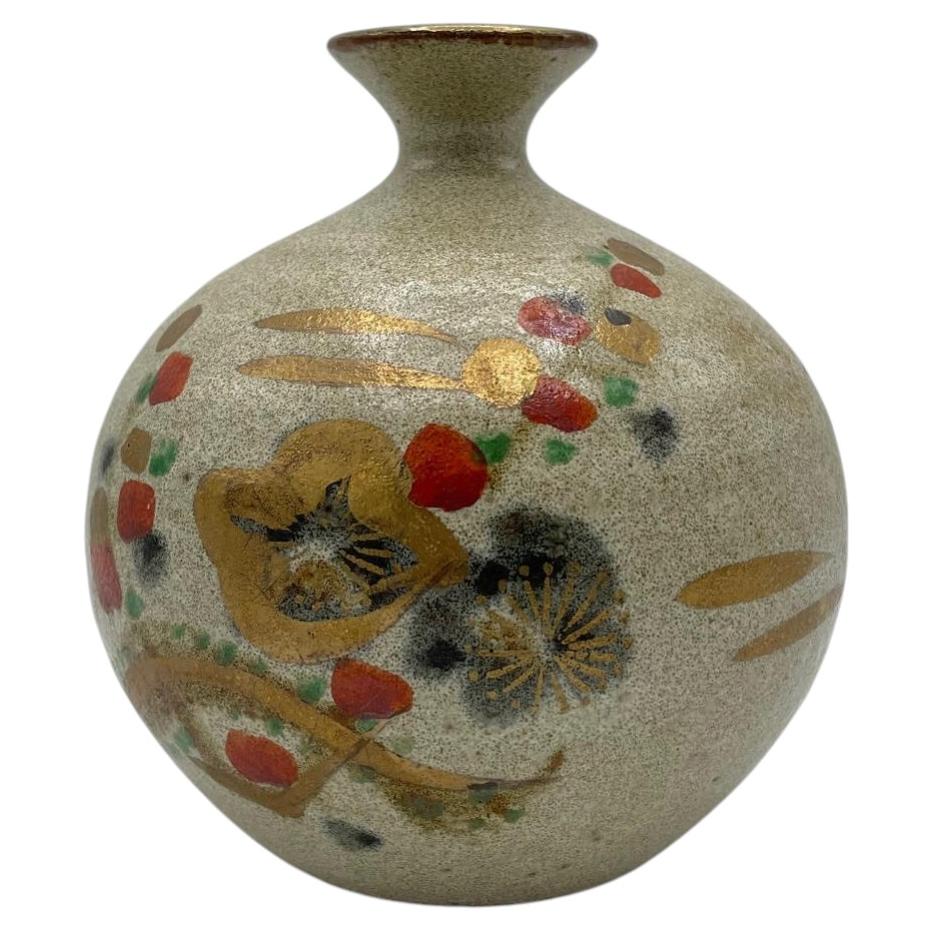
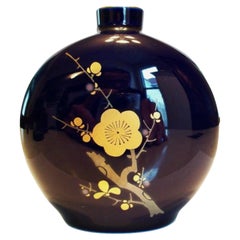
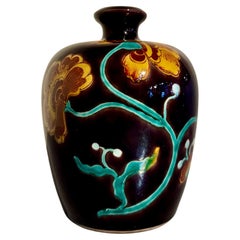
Japanese Lacquer Vase with Botanical Motif, Wajima School

$520
£391.87
€457.91
CA$737.92
A$740.16
CHF 429.34
MX$9,035.10
NOK 4,972.92
SEK 5,089.45
DKK 3,422.88

About the Item

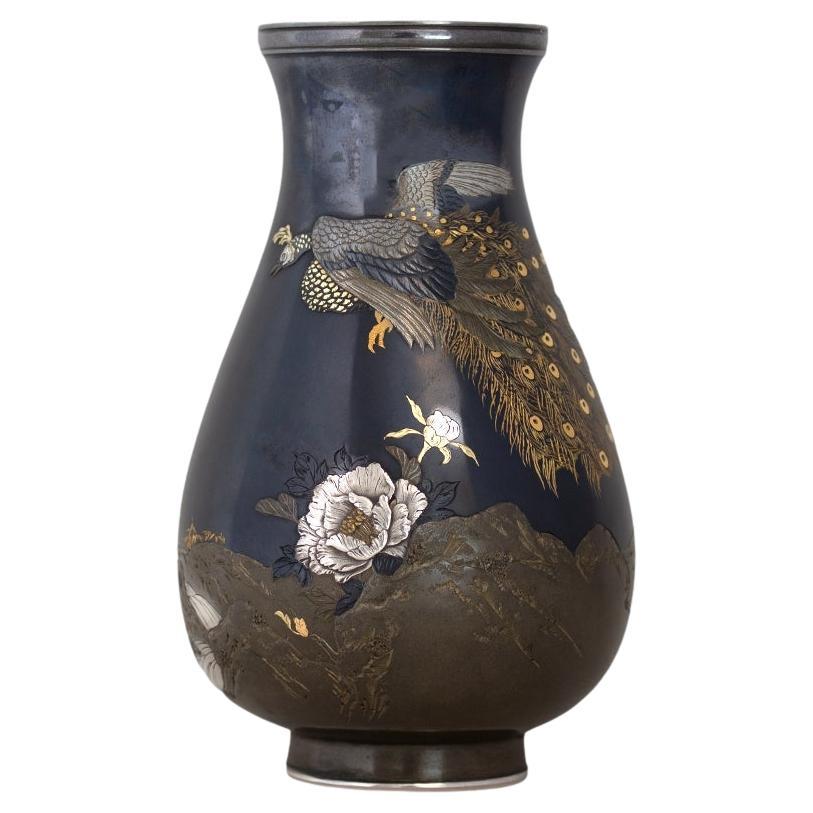
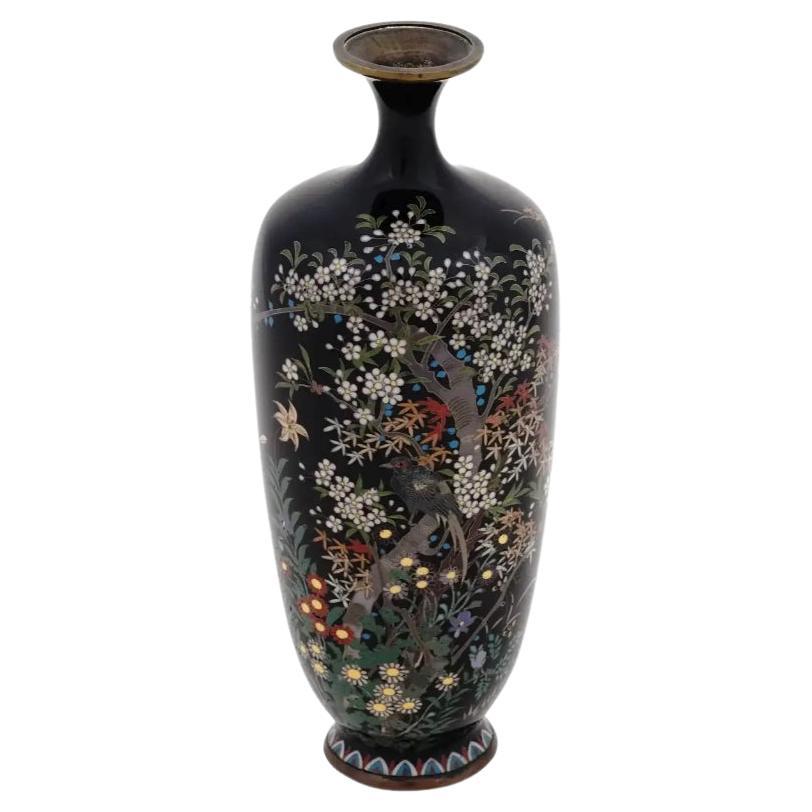
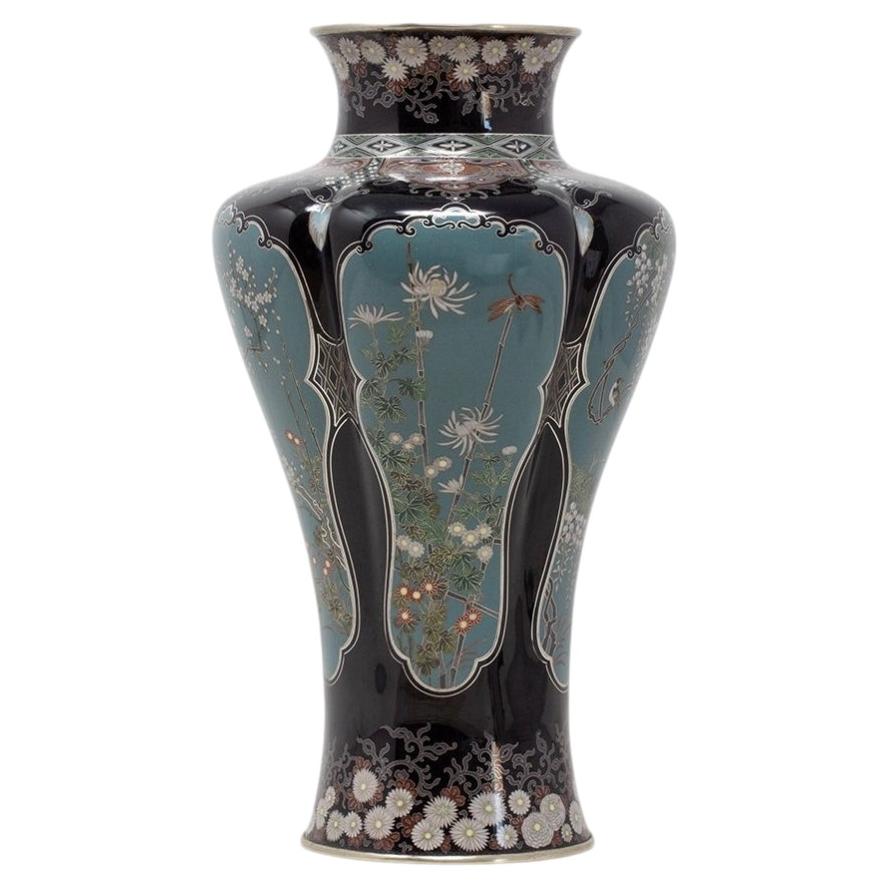
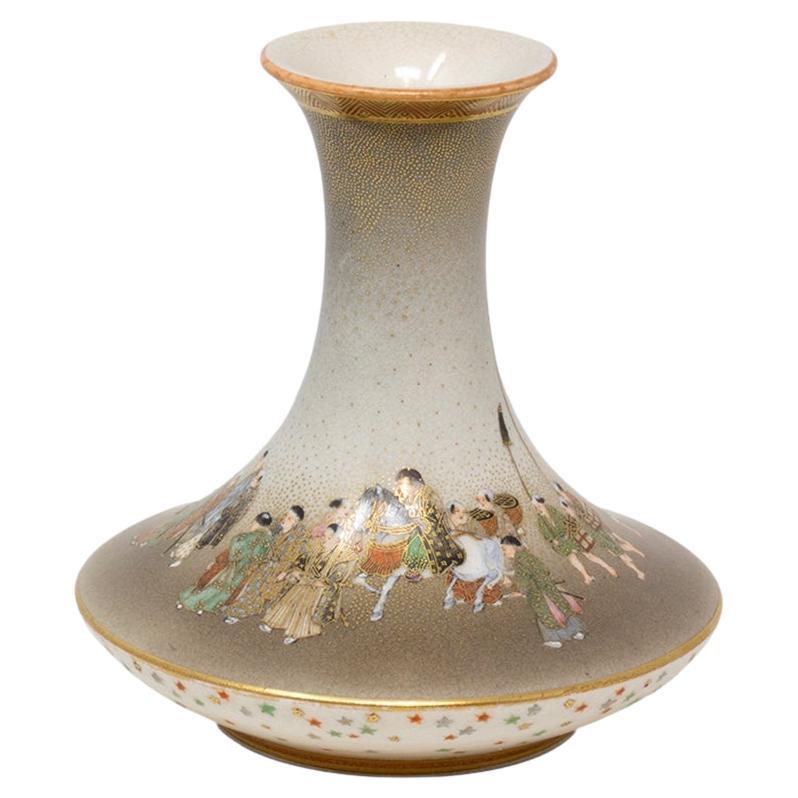
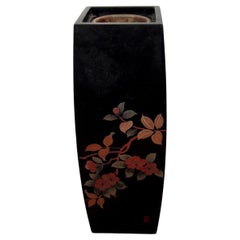
An elegant Japanese lacquer vase adorned with a refined hand-painted botanical motif, executed in the traditional techniques of Wajima lacquerware. The composition reflects a deep sensitivity to nature, a central theme in Japanese aesthetics, where plants are not merely decorative but symbolic of seasonality, transience, and quiet harmony. The surface displays a rich, lustrous lacquer finish, carefully built up through multiple layers, creating depth and a soft, glowing sheen. The botanical design is delicately rendered by hand, with subtle gradations and fine brushwork that reveal the skill of the artisan and the time-intensive nature of the process. The vase is accompanied by original documentation and storage materials, attesting to its authenticity and careful preservation. Such works exemplify the enduring legacy of Japanese lacquer art, where functionality and artistic expression exist in perfect balance. A refined piece suitable for collectors of Japanese art, or as a sophisticated accent in a contemporary or classical interior. Material: Lacquered wood Technique: Traditional Japanese urushi lacquer, hand-painted decoration Origin: Japan Period: Showa period (20th century) Condition: Very good condition, with minor age-appropriate wear Accessories: Original documentation included
  • Dimensions:
    Height: 7.49 in (19 cm)Diameter: 6.7 in (17 cm)
  • Style:
    Showa (Of the Period)
  • Materials and Techniques:
  • Place of Origin:
  • Period:
  • Date of Manufacture:
    1970-
  • Condition:
  • Seller Location:
    Fukuoka, JP
  • Reference Number:
    1stDibs: LU10055248628452

More From This Seller

View All
Lacquer Hibachi with Seasonal Motifs — Late Meiji Period (c.1900)

Lacquer Hibachi with Seasonal Motifs — Late Meiji Period (c.1900)

Located in Fukuoka, JP

Dimensions: 23 × 23 × 26 cm Material: Black lacquer with maki-e decoration Box: Signed tomobako (original wooden box) A refined example of late Meiji craftsmanship, this lacquer hibachi (traditional Japanese brazier...

Category

Antique Late 19th Century Japanese Meiji Lacquer

Materials

Copper, Gold Leaf

Japanese Ro-iro Lacquer Hibachi with Maki-e Swallows & Ivy, Late Edo–Meiji

Japanese Ro-iro Lacquer Hibachi with Maki-e Swallows & Ivy, Late Edo–Meiji

Located in Fukuoka, JP

A superb Japanese lacquer hibachi (brazier) finished in ro-iro — the mirror-black lacquer technique prized above all others for the depth and brilliance of its polish — decorated wit...

Category

Antique 19th Century Japanese Meiji Lacquer

Materials

Gold Leaf

Elegant Japanese Rose-Toned Vase, Mid-20th Century

Elegant Japanese Rose-Toned Vase, Mid-20th Century

Located in Fukuoka, JP

An elegant Japanese vase distinguished by its refined, sculptural silhouette and soft rose-toned surface. The vase features a gently rounded body that tapers gracefully into a slende...

Category

Mid-20th Century Japanese Showa Vases

Materials

Bronze

Copper Vase, Gyokusendo, Nunome-Uzumon Pattern, Tsuiki Technique, with Tomobako

Copper Vase, Gyokusendo, Nunome-Uzumon Pattern, Tsuiki Technique, with Tomobako

Located in Fukuoka, JP

A modern-art copper vase by Gyokusendo, decorated with a nunome-uzumon (linen-textured spiral) pattern. Worked entirely in the tsuiki technique — hand-hammered from a single sheet of copper — the surface bears a fine cross-hatched linen texture throughout, with three raised medallions of spiral and concentric-circle motifs where a red undertone shows through the hammered surface. The neck is finished with a lacquered red rim. The meticulous handwork and contemporary pattern give the piece a striking modern character, while its overall mood recalls the texture of ancient Jomon pottery...

Category

Late 20th Century Japanese Metalwork

Materials

Copper

Hammered Copper Vase, Gyokusendo, Tsuiki-doki, with Original Tomobako

Hammered Copper Vase, Gyokusendo, Tsuiki-doki, with Original Tomobako

Located in Fukuoka, JP

A hand-hammered copper vase (tsuiki-doki) by Gyokusendo, in jar form (kame), decorated with a hammered raindrop pattern (tsuchime kame tarefumon). Comes with the original wooden box ...

Category

20th Century Japanese Showa Metalwork

Materials

Copper

You May Also Like

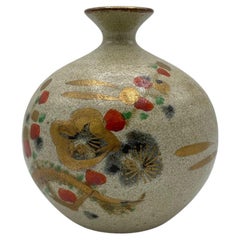
Japanese Lacquer Vase with Painted Floral Decoration, circa 1930

Japanese Lacquer Vase with Painted Floral Decoration, circa 1930

Located in NANTES, FR

**Japanese Lacquer Vase with Painted Floral Decoration, circa 1930 – M3916** This is a Japanese vase from the 1930s or 1940s made of lacquered and enameled wood. Inside, there is a ...

Category

Vintage 1930s Art Deco Vases

Materials

Lacquer

Japanese Hand-Painted Porcelain Flower Vase, UME Design, Showa Style

Japanese Hand-Painted Porcelain Flower Vase, UME Design, Showa Style

Located in Paris, FR

This is a flower vase which was made in Japan around 2000s. It is with porcelain and hand painted. The design is with Japanese apricot UME.

Category

Early 2000s Japanese Showa Vases

Materials

Porcelain

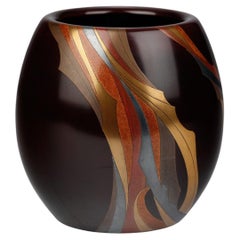
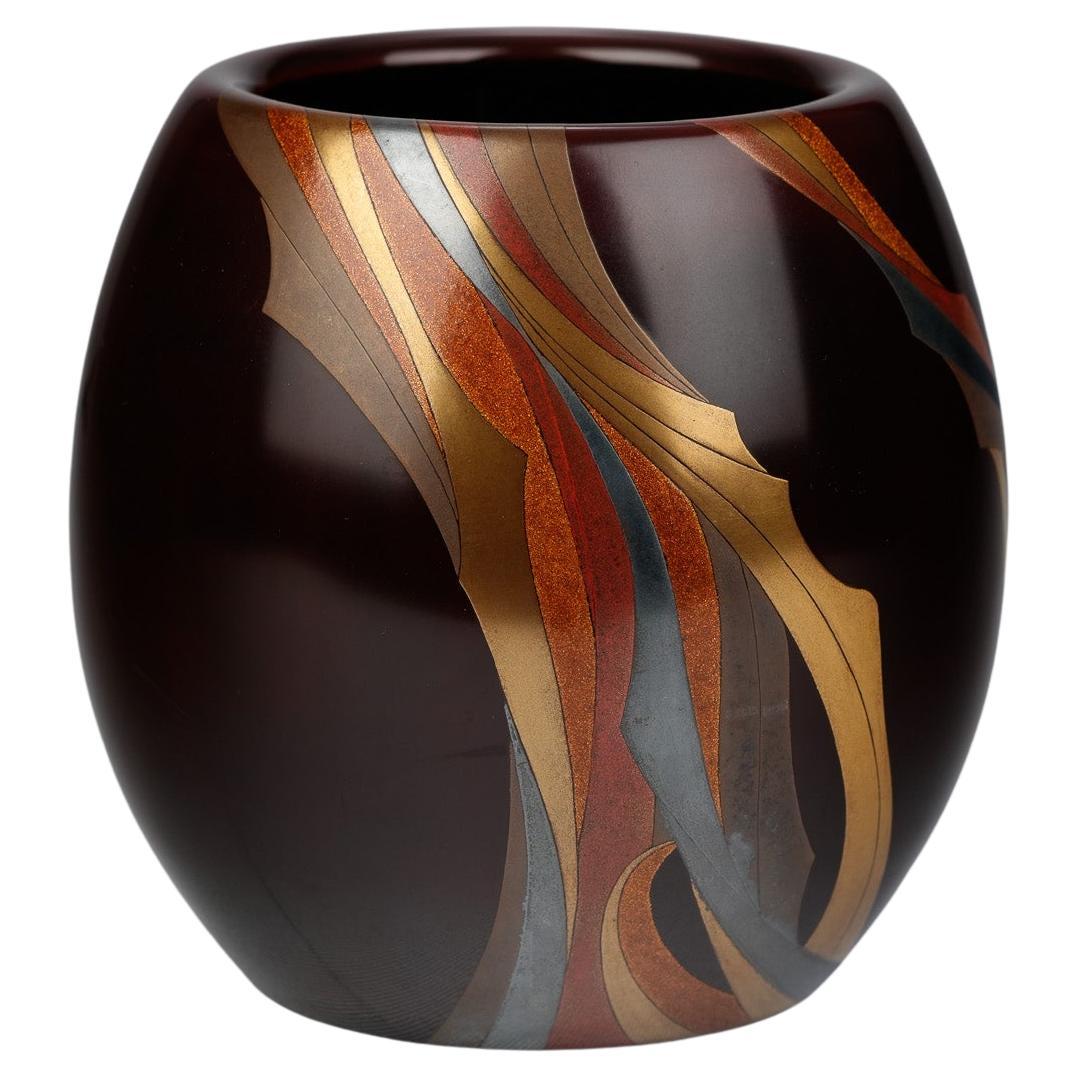
Showa Period Wajima Lacquer Vase with Gold and Silver Maki-e by Inami Tadashi

Showa Period Wajima Lacquer Vase with Gold and Silver Maki-e by Inami Tadashi

Located in Taichung, TW

This Showa period lacquer vase by Inami Tadashi presents an elegant blend of traditional craftsmanship and modern abstraction. Bands of gold, silver, red, and muted tones flow around...

Category

Mid-20th Century Japanese Showa Lacquer

Materials

Wood, Lacquer

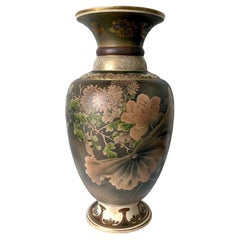
Large Japanese Satsuma Ceramic Vase Kinkozan

Large Japanese Satsuma Ceramic Vase Kinkozan

By Kinkozan

Located in Atlanta, GA

A large Japanese ceramic vase from the end of Meiji period circa 1890-1910s by Kinkozan (1645-1927). One of the largest studio manufacturers of the export ceramics at the time based in Kyoto. In the typical style of satsuma made at the turn of 20th century, the vase is elaborately decorated with a rather unusual kinran-de (gold paint) and green enamel highlight on a mottled brown background. The painterly decoration depicts a large seasonal floral arrangement in a circular fashion. Besides the obviously superb craftsmanship, what sets this particular vase apart from many lower quality and mass-produced pieces is its tone-on-tone color pallet that is visually somber and the small and sensitive details that heralds the change of the seasons. When the viewer goes beyond the first casual glimpse of the blossom and foliage, one would notice that on the edges of certain leaves as well as along the stalks, there accumulates a very thin layer of the white dust that represents the frost. The flower in bloom are chrysanthemums. Despite of being splendid, they are the messengers of the autumn. The large lotus leaf was subtly rendered in a bended and slightly withered manner, just past its prime. Although the lotus is still in bloom, the prominent seed pod indicates it may be the last for the season. The sentimental capture of the change of the seasons is not unusual in Japanese art. This vase poetically represents such a subtle transition from summer to fall, perhaps depicting the very first frost. The neck of the vase is also slightly unusual with two rolled rings...

Category

Early 20th Century Japanese Meiji Ceramics
Materials

Ceramic

FUKAGAWA PORCELAIN COMPANY - Vintage Gilt Decorated Vase - Japan - 20th Century

FUKAGAWA PORCELAIN COMPANY - Vintage Gilt Decorated Vase - Japan - 20th Century

By Fukagawa

Located in Chatham, ON

FUKAGAWA PORCELAIN COMPANY - Vintage gilt decorated porcelain vase - small size - signed on the base - Japan - 20th century. Excellent/mint vintage condition - no loss - no damage -...

Category

Mid-20th Century Japanese Japonisme Ceramics

Materials

Porcelain

Tokuda Yasokichi I Kutani "Poppies" Vase, Meiji or Taisho Period, Japan

Tokuda Yasokichi I Kutani "Poppies" Vase, Meiji or Taisho Period, Japan

Located in Austin, TX

A striking Japanese Kutani ware "Poppies" bottle vase by Tokuda Yasokichi I (1873 - 1956), Meiji to Taisho Period, circa 1915, Japan. The attractive vase is decorated with a bold d...

Category

Vintage 1910s Japanese Showa Ceramics

Materials

Porcelain