Want more images or videos?
Request additional images or videos from the seller
1 of 8

Bronze okimono sculpture of a huge cicada lying on a bamboo segment

$1,191.31
£873.33
€1,000VAT Included
CA$1,640.97
A$1,662.22
CHF 954.41
MX$20,153.88
NOK 11,074.70
SEK 11,272.78
DKK 7,625.58

About the Item

Huge bronze sculpture in the form of a cicada standing on a bamboo segement. This type of sculpture of small dimensions with a flat base is generally used by calligraphs to maintain paper sheets as flat as need be on their table. All together with the ink stick, ink stone, brush and paper are known as the four lettré ( scholars) treasures. Cicadas have a very prominent role in Japanese folklore, it symbolizes the arrival of hot summer days. Its songs became an emblematic sound marker of hot weather. By its sole presence cicadas are emphasizing not only the heat of the day but also the briefness of nature, representing an intense but ephemera life cycle. In Japan, there is approximately thirty species among the two thousand known to scientist worldwide. Each of these subspecies has a unique chant that amateurs try to recognize. The most famous species is the Tanna japonensis (茅蜩), endemic of the Nippon Islands. In poems, art and philosophy, cicadas became a symbol of the fleeting beauty of nature. Its fascinating life cycle enables it to spend most of its life underground, in the form of larva before it emerges as an adult to live only a short period of time, a few weeks at best. This interesting contrast between a long subterranean life and the short adult life on the surface made the cicada a symbol of the fragile beauty of a transitional existence. It also inspired music and theatre, where its chant is often used to establish a summer atmosphere, transporting spectators in the vibrating warmth of this season. Japan – Meiji era (1868-1912) Height: 5 cm - length: 10.5 cm - width: 4.5 cm
  • Dimensions:
    Height: 1.97 in (5 cm)Width: 1.78 in (4.5 cm)Depth: 4.14 in (10.5 cm)
  • Style:
    Meiji (Of the Period)
  • Materials and Techniques:
  • Place of Origin:
  • Period:
  • Date of Manufacture:
    1868-1912
  • Condition:
    Wear consistent with age and use.
  • Seller Location:
    PARIS, FR
  • Reference Number:
    Seller: 2025-13691stDibs: LU8311244436912

More From This Seller

View All
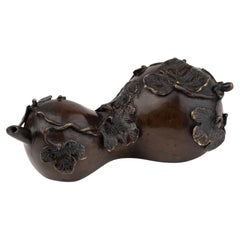
A Bronze cucurbit sculpture designed to be used as a watterdropper or suiteki

A Bronze cucurbit sculpture designed to be used as a watterdropper or suiteki

Located in PARIS, FR

An elegant bronze suiteki, or water dropper, in the shape of a gourd. The suiteki is one of the essential objects of the literati, used to hold the water needed for grinding ink. Far...

Category

Antique Late 19th Century Japanese Meiji Scholar's Objects

Materials

Bronze
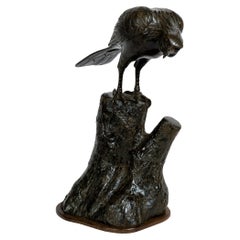
Bronze sculpture of an eagle on a tree stump, to be used as an incense burner

Bronze sculpture of an eagle on a tree stump, to be used as an incense burner

Located in PARIS, FR

This bronze sculpture represents a royal eagle standing on top of a tree stump. Its body and the stump were realized separately and mounted, the transition being right above the talo...

Category

Antique Early 19th Century Japanese Edo Metalwork

Materials

Bronze

Raven boxwood okimono sculpture

Raven boxwood okimono sculpture

Located in PARIS, FR

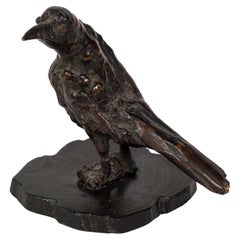
Okimono or boxwood sculpture integrating the natural shape and texture of a tormented section of a boxwood branch, used to reveal the form of a corvid. This type of scholar's object, which uses natural marvels as a medium for sculpture, is common in China, the birthplace of calligraphy. However, a similar aesthetic can be found in many Sinicized countries, whether it involves Japanese okimono made of wood or ivory, or Chinese dream stones...

Category

Antique Early 18th Century Japanese Edo Sculptures and Carvings

Materials

Boxwood

Japanese bronze okimono toad (sculpture)

Japanese bronze okimono toad (sculpture)

Located in PARIS, FR

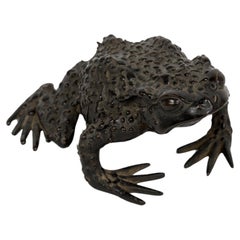
Okimono bronze sculpture of a large toad in a crouching position, possibly about to jump. The toad and the frog, referred to by the same term in Japanese (kaeru), are associated with...

Category

Antique Mid-19th Century Japanese Japonisme Metalwork

Materials

Bronze

Encens box or Kogo in hardwood in the form of a cicada standing on a trunk

Encens box or Kogo in hardwood in the form of a cicada standing on a trunk

Located in PARIS, FR

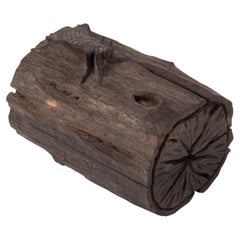
Small incense box (kōgō) in black persimmon wood, carved in the form of a textured, charred and overturned tree stump upon which rests a cricket. The underside of the stump bears the...

Category

Early 20th Century Japanese Taisho Lacquer

Materials

Ebony

Japanese bronze incense burner in the form of an owl Signed Murata Seimin 村田製眠

Japanese bronze incense burner in the form of an owl Signed Murata Seimin 村田製眠

Located in PARIS, FR

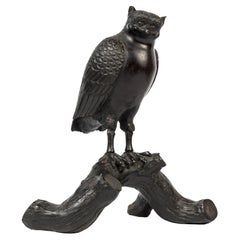
A bronze okimono of an owl, constructed in two sections, the short-eared owl (detachable) perched on a tree branch with its head cocked quizzically to the right and its wings folded ...

Category

Antique 18th Century Japanese Edo Metalwork

Materials

Bronze

You May Also Like

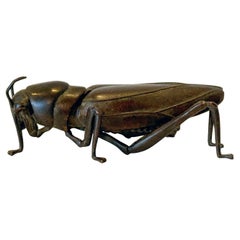
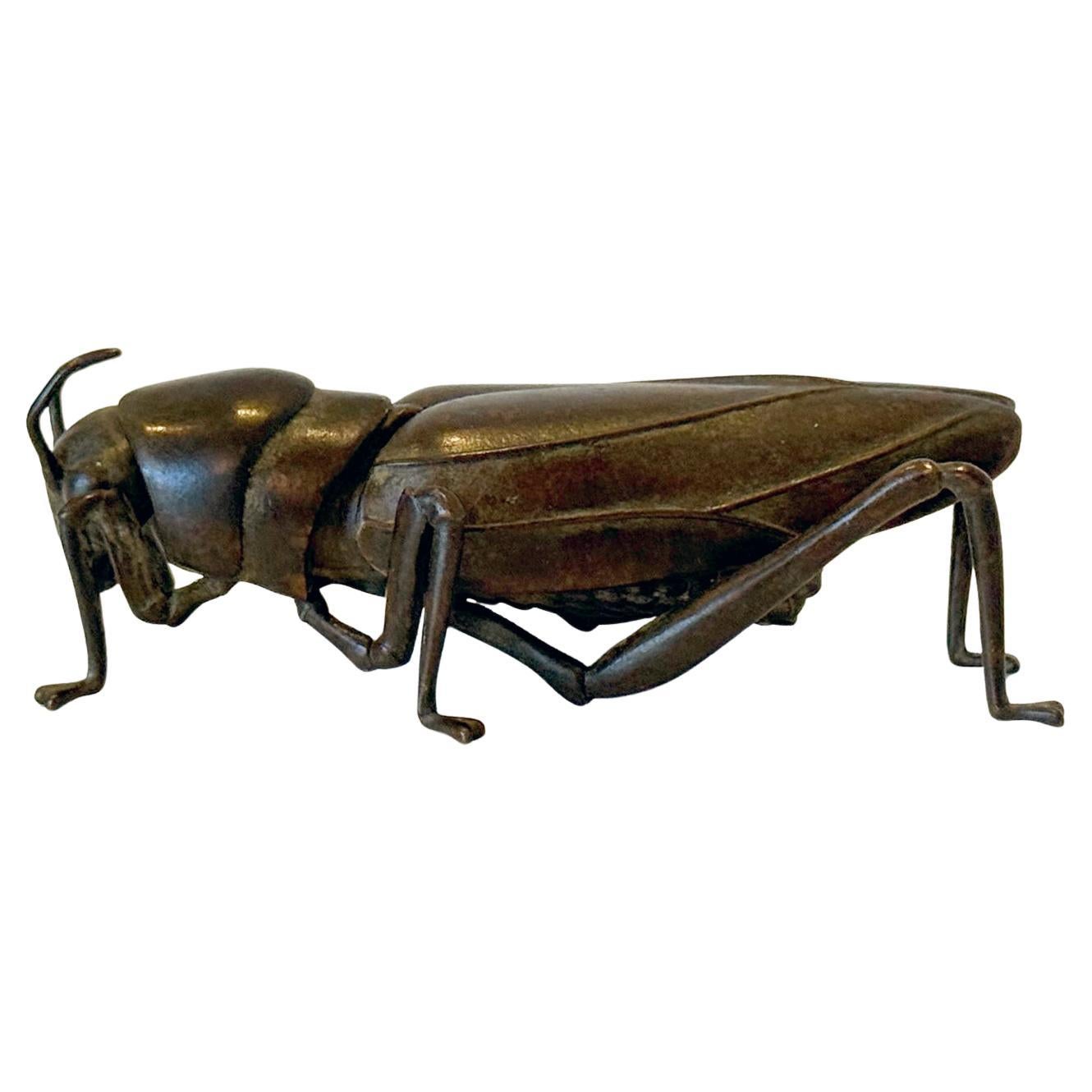
Japanese Articulate Bronze Grasshopper Jizai Okimono Myochin Linage Signed

Japanese Articulate Bronze Grasshopper Jizai Okimono Myochin Linage Signed

Located in Atlanta, GA

A bronze Japanese okimono cast in refined and realistic form of a grasshopper attributed to Myochin lineage circa 19th century of Meiji period. The insect features a segmented body u...

Category

Antique 19th Century Japanese Meiji Metalwork

Materials

Bronze

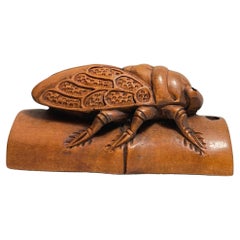
Japanese Wooden Netsuke Cicada 1900 Meiji Sekisen

Japanese Wooden Netsuke Cicada 1900 Meiji Sekisen

Located in Paris, FR

This is an antique wooden netsuke made in Japan around Meiji period 1900s. The signature is written on the back side 'Sekisen'. Netsuke is a miniature sculpture, originating in 17th...

Category

Antique Early 1900s Japanese Meiji Animal Sculptures

Materials

Wood

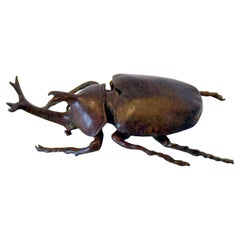
Japanese Articulate Bronze Beetle Jizai Okimono Attributed to Myochin Linage

Japanese Articulate Bronze Beetle Jizai Okimono Attributed to Myochin Linage

Located in Atlanta, GA

A bronze Japanese okimono cast in refined and realistic form of a Rhinoceros Beetle attributed to Myochin lineage circa 19th century of Meiji period. Rendered in a robust and natural...

Category

Antique 19th Century Japanese Meiji Metalwork

Materials

Bronze

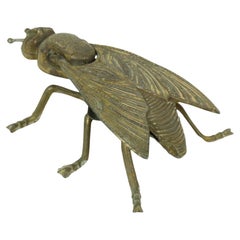
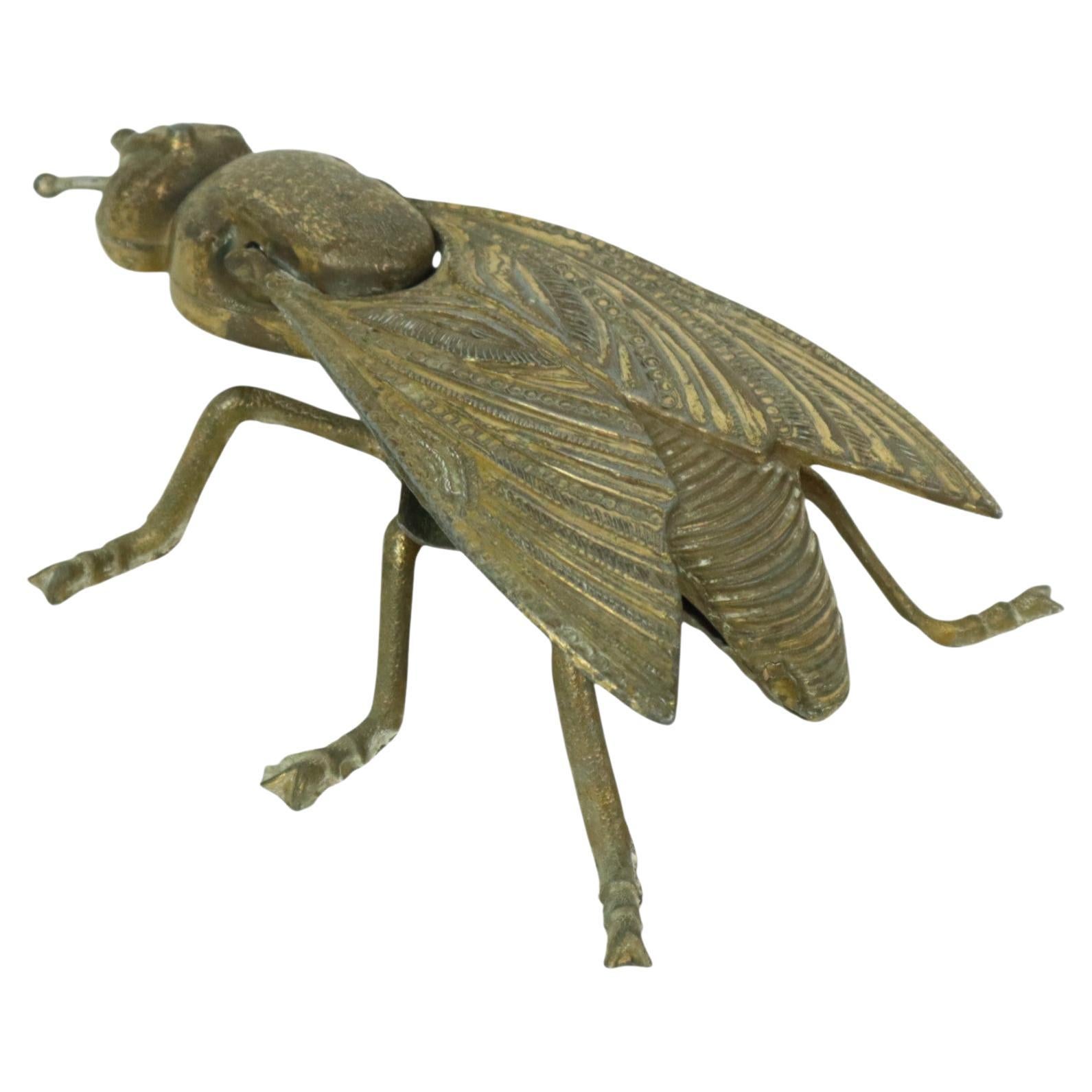
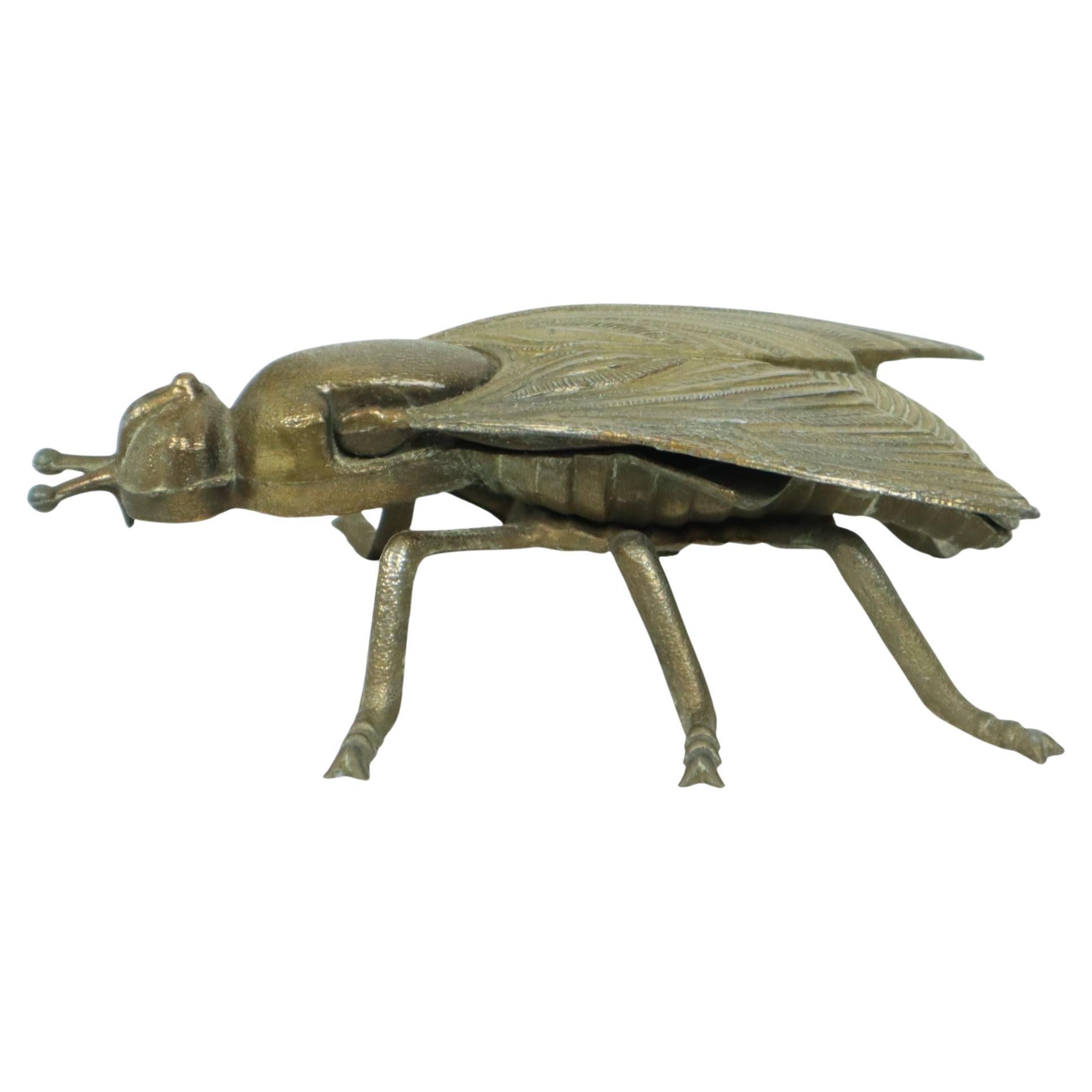
Vintage Copper Ashtray Figurine Fly Brass Italy 1960s

Vintage Copper Ashtray Figurine Fly Brass Italy 1960s

Located in Poperinge, BE

A lovely vintage ashtray, a fly-shaped figurine made of copper-plated metal, unmarked, 1960s. Finely detailed, this is also a lovely and decorative item for non-smokers. These items...

Category

Vintage 1960s Italian Animal Sculptures

Materials

Metal, Brass

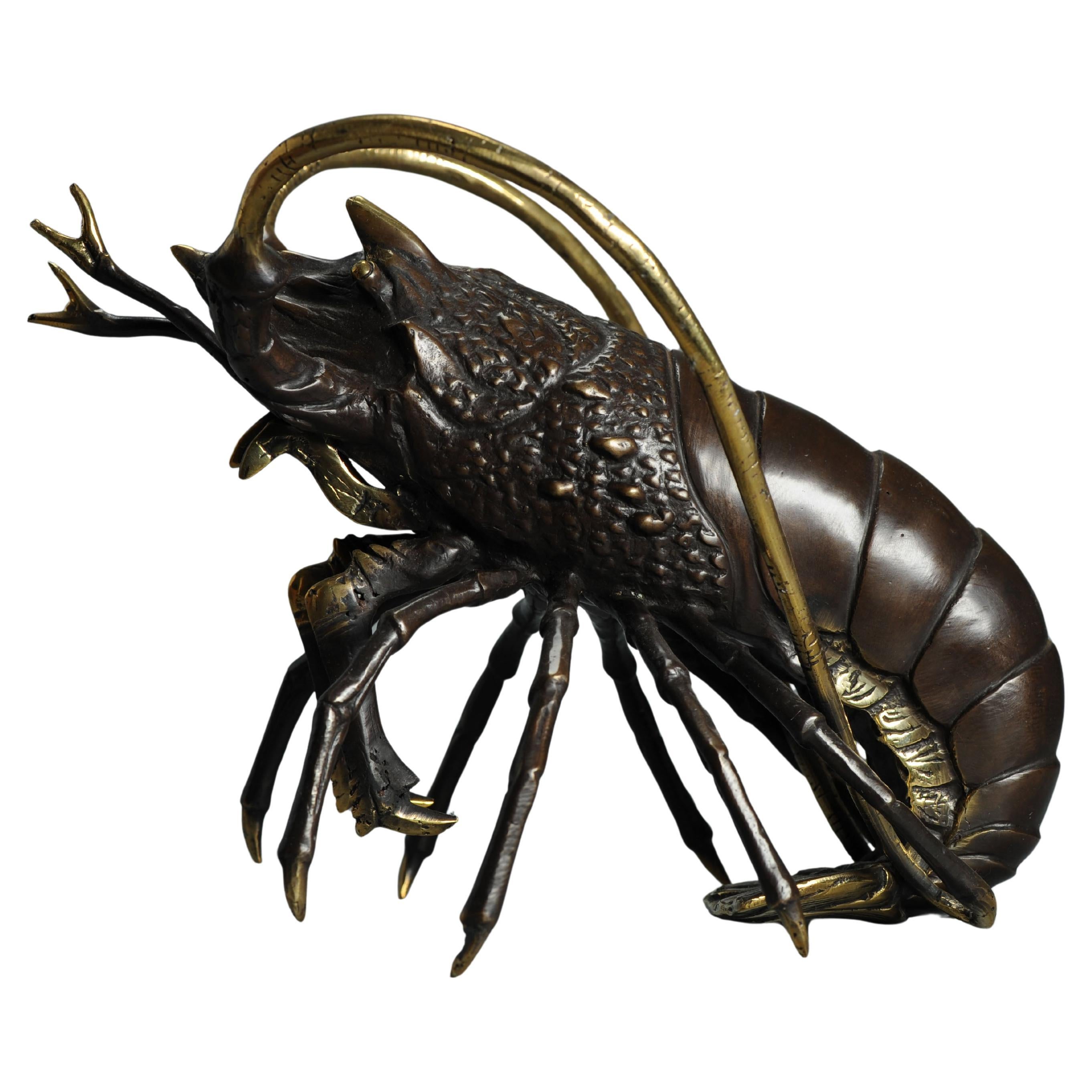
Large 30 cm Showa Period Bronze Japanese Lobster Okimono Statue Japan

Large 30 cm Showa Period Bronze Japanese Lobster Okimono Statue Japan

Located in Amsterdam, Noord Holland

BRONZE top level Japanese statue. Lobster Condition Perfect. Size: 30x18cm Period Showa Period

Category

Early 20th Century Japanese Meiji Metalwork

Materials

Porcelain

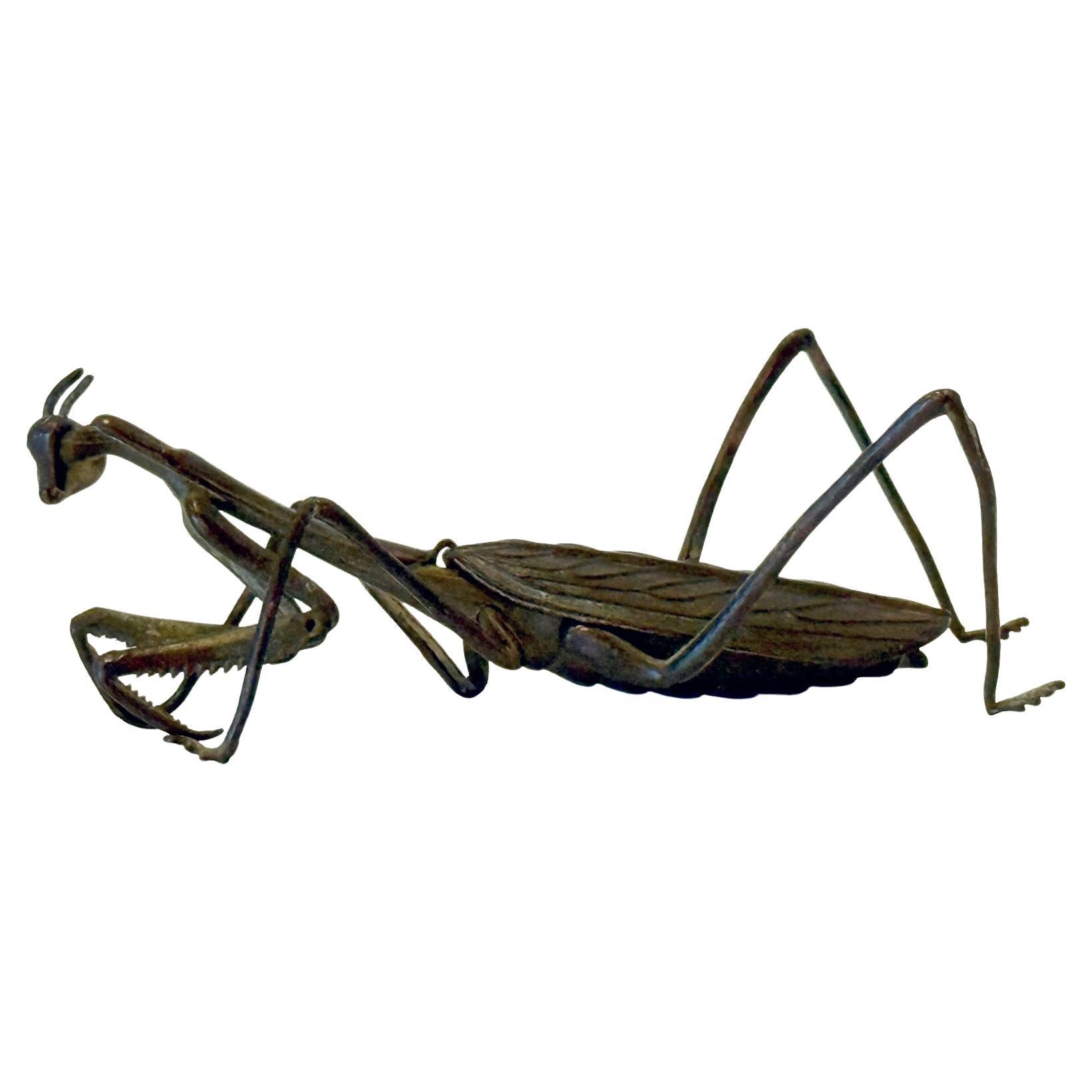
Japanese Articulate Praying Mantis Jizai Okimono Myochin Linage Signed

Japanese Articulate Praying Mantis Jizai Okimono Myochin Linage Signed

Located in Atlanta, GA

A bronze Japanese okimono cast in refined and realistic form of a praying mantis attributed to Myochin lineage circa 19th century of Meiji period. The insect features a segmented bod...

Category

Antique 19th Century Japanese Meiji Metalwork

Materials

Bronze