Lacquer Metalwork

to
2
9
2
12
4
6
2
1
9,891
1,819
654
371
358
12
12
9
2
1
12
12
12
1
Material: Lacquer
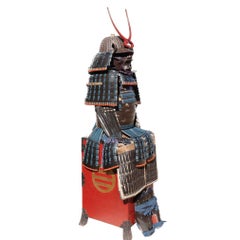
Antique Japanese Samurai Suit of Armor, Edo Period, 18th Century

Antique Japanese Samurai Suit of Armor, Edo Period, 18th Century

Located in Point Richmond, CA

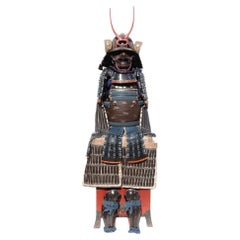
Antique Japanese Samurai Suit of Armor, Edo period, 18th century. A complete matching set of lacquered iron work; the cuirass with dragonfly decoration and blue lacing, a Kaga schoo...

Category

18th Century Japanese Edo Antique Lacquer Metalwork

Materials

Metal, Silver, Foil, Iron, Gold Leaf

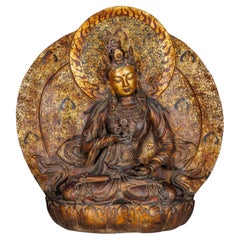
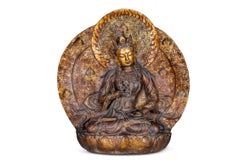
A Monumental Gilt-Lacquered Bronze Ornamental Buddha Sculpture of Vajravidarana

A Monumental Gilt-Lacquered Bronze Ornamental Buddha Sculpture of Vajravidarana

Located in Long Island City, NY, NY

A Monumental Gilt-Lacquered Bronze Ornamental Buddha Sculpture of Vajravidarana: A Masterpiece of Sino-Tibetan Craftsmanship, Late 19th Century, Qing Dynasty This monumental gilt-lacquered bronze ornamental sculpture of Vajravidarana is an extraordinary and commanding piece of art, showcasing the pinnacle of Sino-Tibetan craftsmanship from the late 19th century. The figure of Vajravidarana, a powerful purification deity in Tibetan Buddhism, is meticulously sculpted to embody both spiritual authority and artistic excellence. Vajravidarana is primarily known for his role in removing spiritual impurities and negativities. Unlike other deities associated with wisdom or compassion, Vajravidarana’s function is centered on purification and healing. He is typically depicted holding a vajra and a bell, symbolizing the cutting away of delusions and the resonance of divine truth. In this striking sculpture, Vajravidarana is shown holding a vishva vajra (the double vajra), a unique and powerful variation of the traditional iconography, which signifies ultimate protection and the dispelling of negative karma. Vajravidarana: The Supreme Purifier and Protector Vajravidarana is revered in Tibetan Buddhism as the deity of spiritual purification, called upon to cleanse practitioners of defilements and negative influences. His vajra represents the indestructibility of truth, while his bell signifies the wisdom that resonates through purification rituals. In this sculpture, the presence of the vishva vajra, or double vajra, enhances his association with supreme protection, ensuring the destruction of all spiritual obstacles and afflictions. The figure’s powerful yet composed expression conveys a sense of unwavering resolve and divine authority. His posture, along with the carefully sculpted details of his robes and ornaments, highlights his function as a guardian against impurity. The inclusion of the vishva vajra rather than the usual single vajra reinforces his role as a supreme protector, capable of dispelling all forms of negativity and restoring balance. Symbolism of the Mantras and Aureole: Unlike deities that embody wisdom through duality, Vajravidarana’s iconography is centered on purification and exorcism. The aureole surrounding him is inscribed with sacred purification mantras rather than depictions of a consort. These mantras emphasize his function as a remover of obstacles and impurities, reinforcing his role in Buddhist healing rituals. The presence of the sacred inscriptions elevates the sculpture’s spiritual significance, making it a focal point for meditation and ritual purification. Practitioners often visualize Vajravidarana radiating purifying light, dissolving afflictions and negative karma. This theme is mirrored in the sculptural repetition of the purification symbols on the aureole, reinforcing the deity’s role as a divine cleanser. Gilt-Lacquered Bronze: The Artistry of Sino-Tibetan Metalwork: The craftsmanship of this monumental figure reflects the expertise of late 19th-century Sino-Tibetan metalwork, where traditional Tibetan themes were infused with Chinese artistic sensibilities. Cast in bronze and finished with a rich gilt lacquer, the statue has an otherworldly glow, giving it an ethereal, almost divine presence. The gilding process—applied with exceptional skill—gives the sculpture a striking luminosity that enhances the fine details of the facial features, flowing robes, jewelry, and other elements of the deity’s attire. The technique employed to create this figure speaks to the high level of craftsmanship that flourished during the late Qing Dynasty and early modern Tibetan art. The ornate details of the robes and the fine texture of the sculpture highlight the exceptional skill of the artisans who brought this work to life. The use of gold and lacquer not only reflects the preciousness of the sculpture but also its spiritual significance as an object meant to inspire reverence and meditation. An Ornamental Sculpture of Monumental Scale: Unlike smaller devotional objects, this sculpture is designed as an ornamental masterpiece, intended to make a grand visual and spiritual statement. Its monumental size allows it to dominate any space, offering a commanding presence that is both physically and symbolically impressive. In Buddhist practice, large sculptures of this nature are often placed in temples or meditation halls, where their imposing size and serene presence would encourage contemplation and devotion. The grand scale of the statue further amplifies the spiritual power it is meant to convey. As a representation of Vajravidarana, it is not only a physical object of beauty but also a conduit for meditation, purification, and enlightenment. The scale of the sculpture also emphasizes the divine stature of the deity, highlighting his importance in the Buddhist tradition as the ultimate force for spiritual cleansing and protection. Provenance: Acquired in China in circa 1900 1905 Private Buddhist Temple, Northeast, USA Private Sale Solomon Treasure...

Category

Late 19th Century Chinese Tibetan Antique Lacquer Metalwork
Materials

Bronze

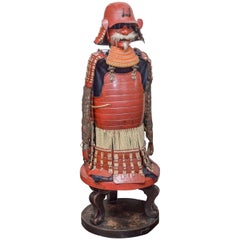
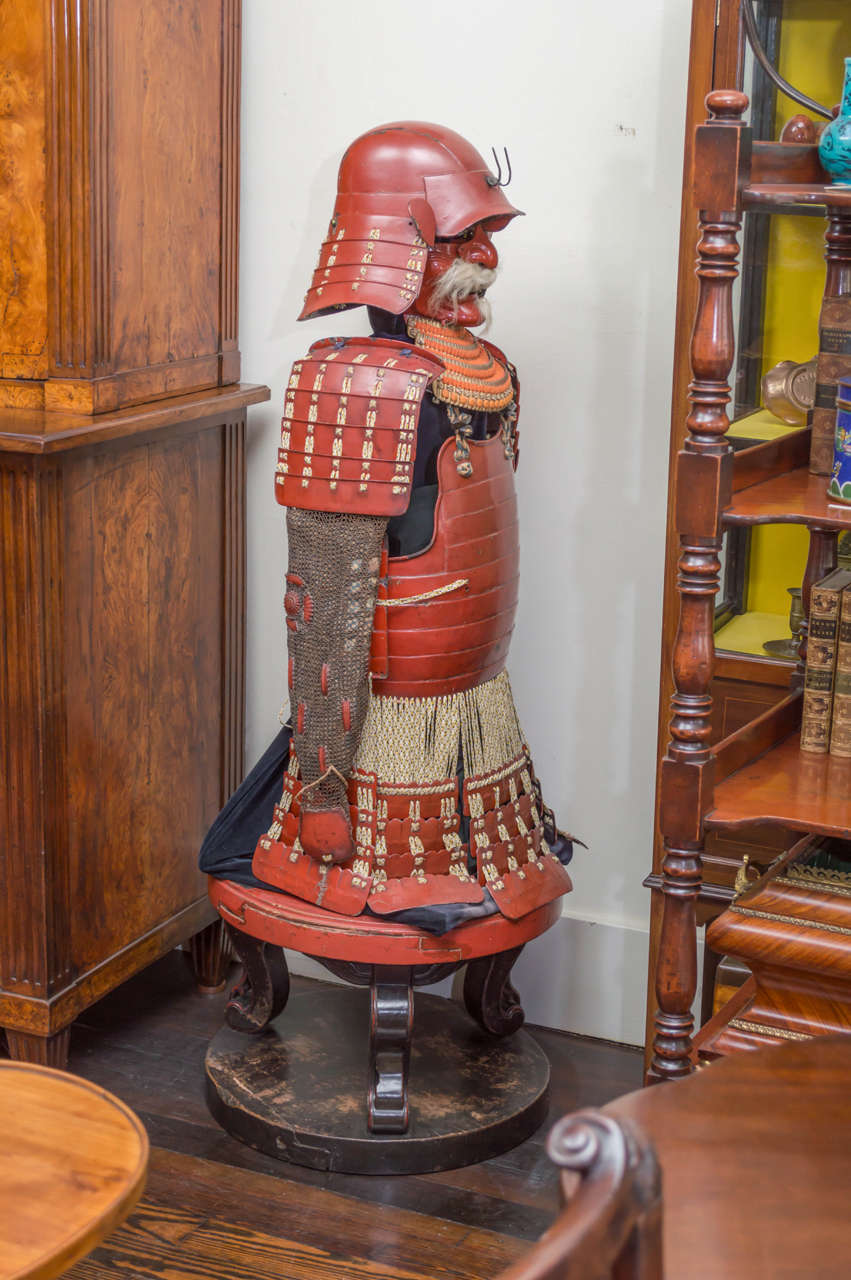
Suit of Red Lacquer Japanese Fighting Armor of the Late Edo Period

Suit of Red Lacquer Japanese Fighting Armor of the Late Edo Period

Located in San Francisco, CA

Suit of red lacquer Japanese fighting armour of the late Edo period, (1716-1868). Desirable coral red lacquer is original and unrestored. Composed of a helmet, (Kabuto) breast plate (Do) and shoulder, arm protection (chainmail). Displayed with a later recreation expressive face plate of modern manufacture (nose, mustache). Also displayed with (photos 3 & 4) a period red lacquer partial face plate (Hambo) with replacement throat guards. All of the assembled parts are of same age, quality and color. Old silk and linen sleeve and helmet linings decayed or shredding. The Meiji period wood...

Category

19th Century Japanese Antique Lacquer Metalwork

Materials

Iron

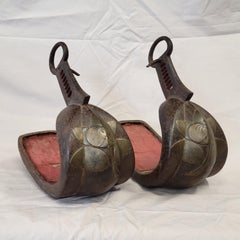
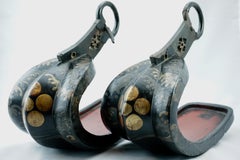
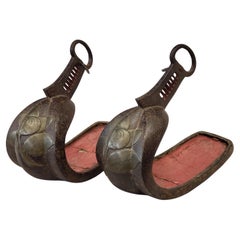
Antique Edo Period Japanese Samurai Iron Stirrups with Brass or Bronze Inlay

Antique Edo Period Japanese Samurai Iron Stirrups with Brass or Bronze Inlay

Located in Centennial, CO

A pair of antique Edo period (1603–1867) Japanese Samurai Abumis (stirrups for horseback-riding) expertly crafted out of cast iron with brass or bronze inlay in the form of a stylize...

Category

18th Century Japanese Edo Antique Lacquer Metalwork

Materials

Brass, Bronze, Iron

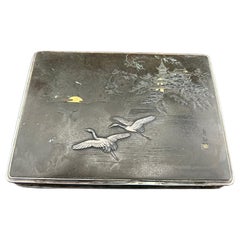
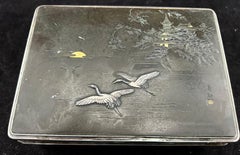
Japanese Meiji Lacquer, Silver Inlay, Wood and Silver Box

Japanese Meiji Lacquer, Silver Inlay, Wood and Silver Box

Located in Sarasota, FL

Japanese Meiji period lacquer, silver and wood box. Beautiful inlay of silver flying storks with lacquer carved background of a temple. Silver mark on the bottom of the box. Total we...

Category

Early 20th Century Japanese Lacquer Metalwork

Materials

Sterling Silver

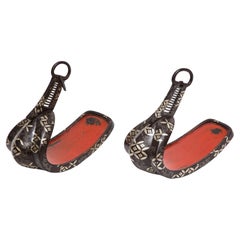
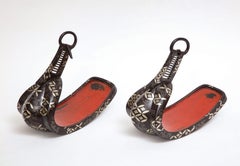
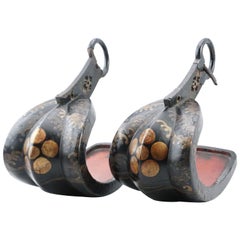
Pair of Japanese Edo Period Iron Silver Inlaid Red Lacquered Stirrups 'Abumi'

Pair of Japanese Edo Period Iron Silver Inlaid Red Lacquered Stirrups 'Abumi'

Located in New York, NY

A Pair of Japanese Edo Period (1603–1867) iron, silver inlaid, and red lacquered stirrups (Abumi). Each of typical form, made of iron with silver inlay on the front with floral bloss...

Category

1690s Japanese Edo Antique Lacquer Metalwork

Materials

Silver, Iron

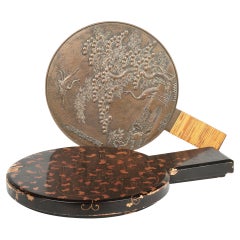
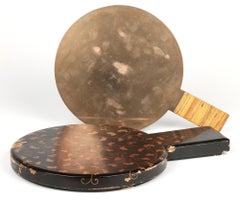
Japanese Meiji Cased Bronze Kagami Hand Mirror with Cranes

Japanese Meiji Cased Bronze Kagami Hand Mirror with Cranes

Located in Bishop's Stortford, Hertfordshire

An exceptional quality antique Meiji period bronze Japanese Kagami mirror molded with cranes and presented in its original fitted case dating from the 19...

Category

1870s Japanese Meiji Antique Lacquer Metalwork

Materials

Bronze

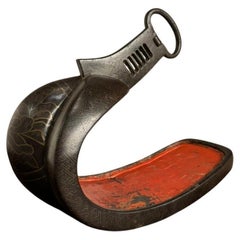
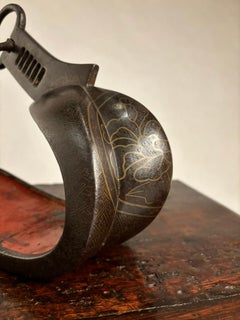
18th Century Japanese Silver Inlaid Iron Shogun Stirrup (Abumi) Red Lacquer

18th Century Japanese Silver Inlaid Iron Shogun Stirrup (Abumi) Red Lacquer

Located in Stamford, CT

18th century iron abumi of typical form, the stirrup inlaid in silver, an encircled peony flower crest surrounded with a geometric pattern, the interior retains the original wood lining decorated in red lacquer. The sides and underside also inlaid. Signed by the maker. Edo period. This is a beautiful example of Japanese metalwork, sublime in it's design and craftsmanship, perhaps once belonging to a Shogun warrior...

Category

Early 18th Century Japanese Edo Antique Lacquer Metalwork

Materials

Silver, Iron

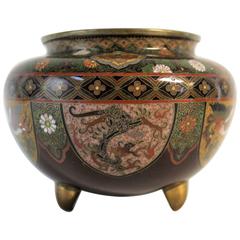
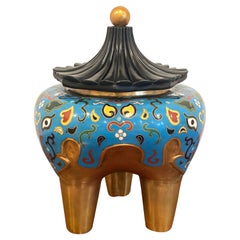
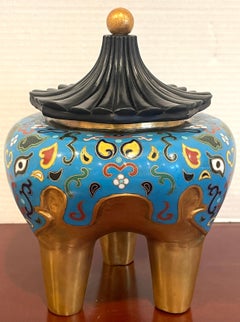
19th Century Chinese Archaic Style Cloisonné & Lacquer Elephant Motif Censor

19th Century Chinese Archaic Style Cloisonné & Lacquer Elephant Motif Censor

Located in West Palm Beach, FL

19th century Chinese Archaic style Cloisonné & Lacquer Elephant Motif Censor With Associated later lacquer & bronze pagoda lid, resting on a gilt bronze Cloisonné elephant motif th...

Category

19th Century Chinese Chinese Export Antique Lacquer Metalwork

Materials

Bronze

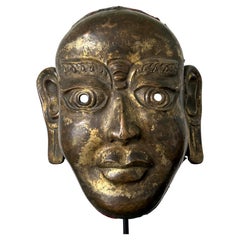
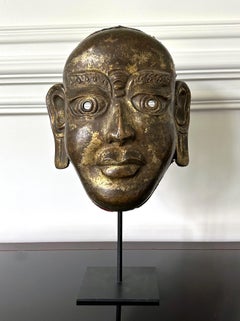
Tibetan Gilt Copper Alloy Mask on Display Stand

Tibetan Gilt Copper Alloy Mask on Display Stand

Located in Atlanta, GA

An impressive copper alloy mask of Arhat, the disciple and follower of Buddha (also known as Luohan in Chinese) from Tibetan region circa 19th century. The larger-than-life mask has striking iconic facial features: large, rounded eyes under bushy eyebrows, wide nostrils, full lips and elongated earlobes. The molded mask is lined with a red lacquered line-like textile on the back with seams still visible on the edge. Masks with realistic rendition of Arhats were not as common as the fantastical and fierce deity masks...

Category

19th Century Tibetan Tibetan Antique Lacquer Metalwork
Materials

Copper

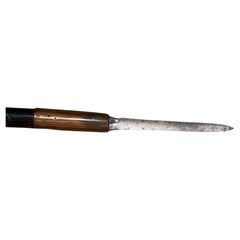
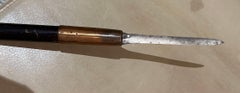
Japanese Spear, Edo Period, bears signature

Japanese Spear, Edo Period, bears signature

Located in Stockholm, SE

A Japanese long spear. Partly lacquered wood with a forged spearhead which is signed. High quality as most of Japanese items. Provenance: early 20th century Swedish collection.

Category

19th Century Japanese Antique Lacquer Metalwork

Materials

Iron

Related Items
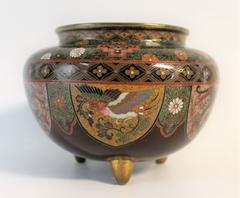
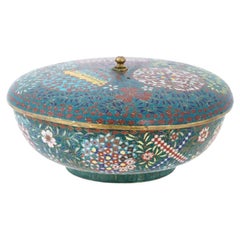
Antique Edo Japanese Cloisonne Geometric Design Box

Antique Edo Japanese Cloisonne Geometric Design Box

Located in Long Island City, NY

An antique Japanese brass enamel ceremonial food container with a cover adorned with a pointed finial. Characterized by cloisonne floral designs...

Category

Late 19th Century Japanese Meiji Antique Lacquer Metalwork

Materials

Brass, Enamel

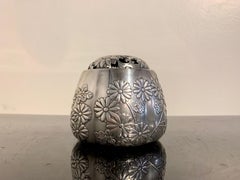
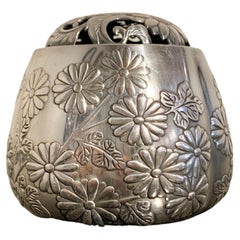
Japanese Silver Incense Burner, Akoda Koro, by Nomura, Meiji Period, Japan

Japanese Silver Incense Burner, Akoda Koro, by Nomura, Meiji Period, Japan

Located in Austin, TX

A lovely and luxurious Japanese silver incense burner of lobed melon form, akoda koro, marked jungin and signed Nomura, Meiji Period, circa 1900, Japan. The silver koro...

Category

1910s Japanese Meiji Vintage Lacquer Metalwork

Materials

Silver, Sterling Silver

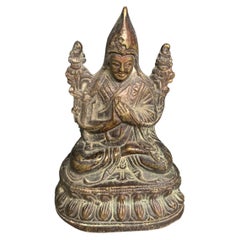
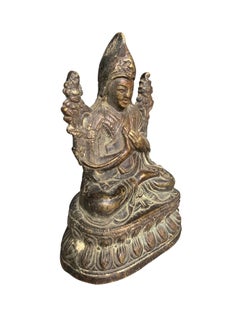
Small Tibetan Seated Buddha from Bronze, c. 1850

Small Tibetan Seated Buddha from Bronze, c. 1850

$415

H 5.52 in W 3.55 in D 2.37 in

Small Tibetan Seated Buddha from Bronze, c. 1850

Located in Jimbaran, Bali

A wonderful Tibetan bronze seated buddha on a lotus pedestal from the 19th century. This buddha features a lovely age related patina as well as rich detailing.

Category

19th Century Tibetan Other Antique Lacquer Metalwork

Materials

Bronze

Japanese Samurai Abumi Stirrups Lacquer Edo, 18th Century

Japanese Samurai Abumi Stirrups Lacquer Edo, 18th Century

Located in Dallas, TX

Japanese Samurai Abumi Stirrups lacquer Edo late 18th century, early 19th century. Measures: 12 inch length, 10 inch height, 5.5 inch width. AVANTIQUES is dedicated to providing an...

Category

Late 18th Century Japanese Edo Antique Lacquer Metalwork

Materials

Iron

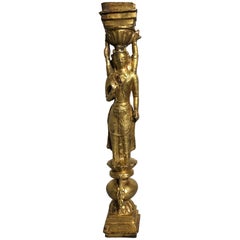
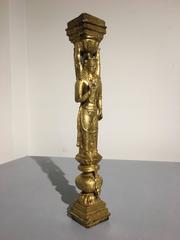
Densatil Gilt Bronze Caryatid Figure, Tibet, 15th Century

Densatil Gilt Bronze Caryatid Figure, Tibet, 15th Century

Located in Austin, TX

A heavy and solidly cast, richly gilt, bronze caryatid figure from Densatil Monastery, Central Tibet, early 15th century or earlier. Cast in the form of two four armed figures standing back to back in tribhanga (thrice bent position) on a lotus platform, this piece would originally have served as a pillar for a larger seated deity...

Category

15th Century and Earlier Tibetan Tibetan Antique Lacquer Metalwork
Materials

Bronze

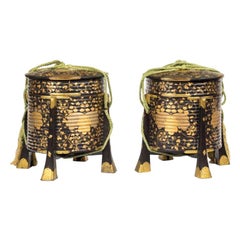
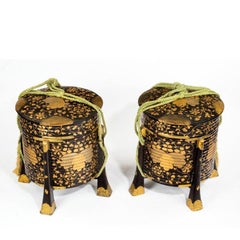
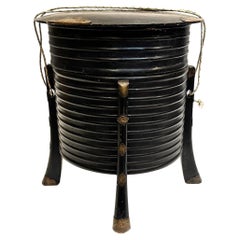
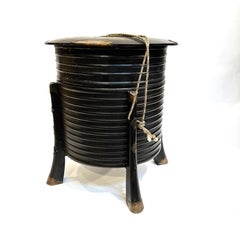
Pair of Edo Period Black and Gold Lacquer Samurai Helmet Boxes

Pair of Edo Period Black and Gold Lacquer Samurai Helmet Boxes

Located in Lymington, Hampshire

A pair of Edo period black and gold lacquer Samurai helmet boxes (Hakko Bako), each of ribbed cylindrical form with a lid, a black lacquer interior,...

Category

19th Century Japanese Edo Antique Lacquer Metalwork
Materials

Lacquer

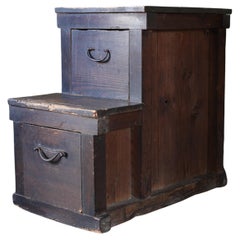
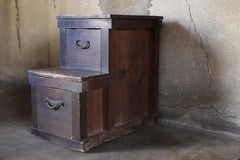
Japanese Antique "Staircase Chest" 'Late Edo Period-Meiji Period' /Cabinet

Japanese Antique "Staircase Chest" 'Late Edo Period-Meiji Period' /Cabinet

Located in Sammu-shi, Chiba

We have an aesthetic sense peculiar to Japanese people. And we introduce the unique items that only we can do, the route of purchasing in Japan, the experience value so far, and the way that no one can imitate. Japanese antique black chest "staircase chest...

Category

19th Century Japanese Edo Antique Lacquer Metalwork
Materials

Cedar

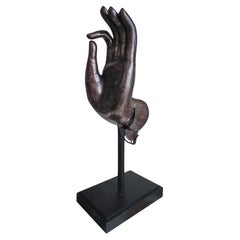
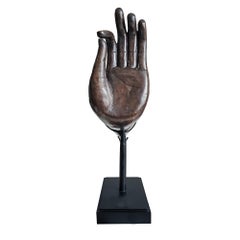
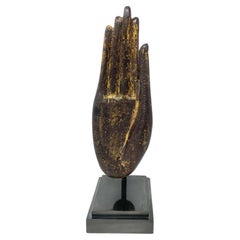
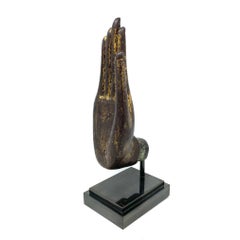
Bronze Buddha Hand Sculpture, Cast and Patinated, Indonesia, 1980s

Bronze Buddha Hand Sculpture, Cast and Patinated, Indonesia, 1980s

Located in New York, NY

A large cast bronze sculpture of a Buddha's left hand. Indonesia, circa 1980. Dark brown patinated finish. The gesture is known as Dharmachakra Mudra, the traditional Buddhist gest...

Category

1980s Indonesian Other Vintage Lacquer Metalwork

Materials

Bronze

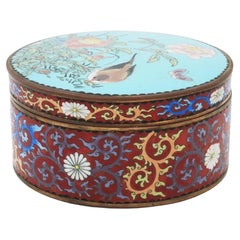
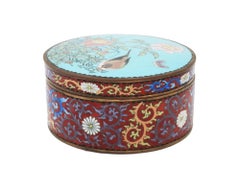
Antique Japanese Meiji Cloisonne Enamel Trinket Box

Antique Japanese Meiji Cloisonne Enamel Trinket Box

Located in Long Island City, NY

An antique Japanese, late Meiji era, covered enamel over brass jewelry or trinket box. The body of the ware is enameled with floral and foliage motifs made in the Cloisonne technique...

Category

Late 19th Century Japanese Meiji Antique Lacquer Metalwork
Materials

Brass, Enamel

Japanese Meiji Period Damascene Box by Ashizuki with Gold and Silver

Japanese Meiji Period Damascene Box by Ashizuki with Gold and Silver

Located in Newark, England

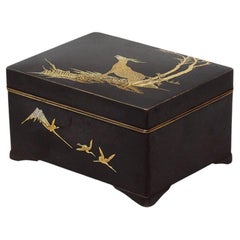
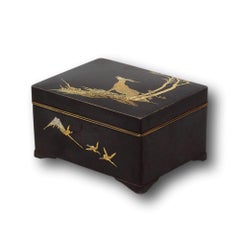
INLAID WITH A GOLD AND SILVER DEER From our Japanese collection we are pleased to offer this Japanese Damascene Box by Ashizuki. The Japanese Box of re...

Category

19th Century Japanese Meiji Antique Lacquer Metalwork
Materials

Gold, Silver, Brass, Iron

Previously Available Items
Extremely Rare Japanese Edo Period Menpo Armor Mask, Leather & Iron, Ca. 1690s

Extremely Rare Japanese Edo Period Menpo Armor Mask, Leather & Iron, Ca. 1690s

Located in New York, NY

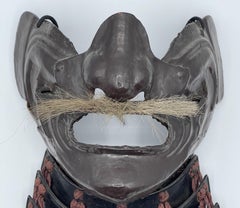
Extremely Rare Japanese Edo Period Menpo Armor Mask, Leather & Iron, Ca. 1690s Edo Period (1603-1868) DIMENSIONS: Height: 10 inches Diameter: 8 inches ABOUT An exceptionally rare and powerful example of a Japanese Edo period menpō (samurai armor mask...

Category

17th Century Japanese Japonisme Antique Lacquer Metalwork
Materials

Metal

Thai Brass Gongs, Early 20th Century

Thai Brass Gongs, Early 20th Century

Sold

H 15.5 in W 9.5 in D 6 in

Thai Brass Gongs, Early 20th Century

Located in New York, NY

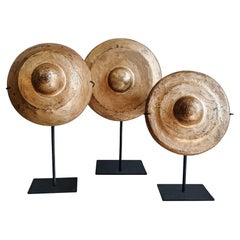
Three vintage brass gongs, finished in gilt on the outside and black / red lacquer on the inside. Thailand, early 20th Century. Mounted on bespoke metal stands. Dimensions below ...

Category

1920s Thai Other Vintage Lacquer Metalwork

Materials

Brass, Gold Leaf

Japanese Metal & Red Lacquer Bird Motif Amour Shield Circa 1800 Hachiman Temple

Japanese Metal & Red Lacquer Bird Motif Amour Shield Circa 1800 Hachiman Temple

Located in Atlanta, GA

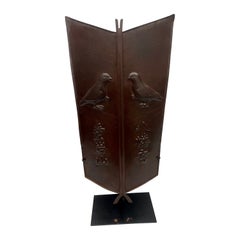
Japanese, circa 1800. This stunning Japanese armor shield mounted to a museum quality iron stand - circa 1800 is a remarkable piece of historical craftsmanship, featuring a metal co...

Category

Early 19th Century Japanese Japonisme Antique Lacquer Metalwork
Materials

Metal

Japanese Head Bucket (Kubi-Oke), Lacquer, Meiji Period

Japanese Head Bucket (Kubi-Oke), Lacquer, Meiji Period

Located in Point Richmond, CA

Japanese Head Bucket (Kubi-Oke), Lacquer, Meiji period. The head bucket was used for storing and transporting severed heads. During the Samurai era cla...

Category

Early 20th Century Japanese Meiji Lacquer Metalwork

Materials

Wood, Lacquer

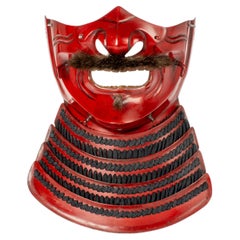
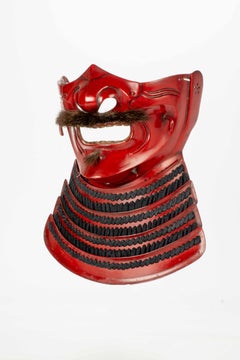
A Japanese samurai menpo mask

A Japanese samurai menpo mask

Sold

H 9.85 in W 6.7 in D 5.52 in

A Japanese samurai menpo mask

Located in Milano, IT

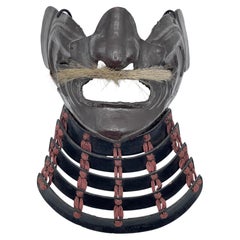
Samurai menpo mask with the 'fierce' ressei expression, with the iron and red lacquer surface which gives the face deep and marked wrinkles. The generously...

Category

Late 18th Century Japanese Japonisme Antique Lacquer Metalwork
Materials

Iron

Antique Thai Bronze Buddha Hand Fragment, Absence of Fear

Antique Thai Bronze Buddha Hand Fragment, Absence of Fear

Located in Point Richmond, CA

Antique Thai Bronze Hand Fragment, from a life size standing Buddha image in the abhaya mudra, the right hand which is open palm and extended forward in the ...

Category

18th Century Thai Other Antique Lacquer Metalwork
Materials

Bronze

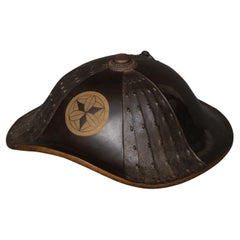
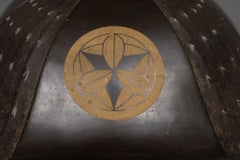
Japanese black lacquer bajô jingasa 馬上陣笠 (samurai hat) with family crest

Japanese black lacquer bajô jingasa 馬上陣笠 (samurai hat) with family crest

Located in Amsterdam, NL

Exquisite black lacquer bajô jingasa (horseback samurai hat) with a dark golden lacquer crest depicting bamboo leaves in a geometrical array. The surface ...

Category

Early 19th Century Japanese Antique Lacquer Metalwork
Materials

Metal, Copper

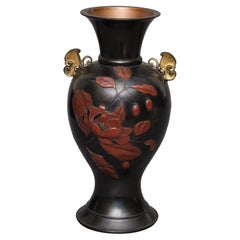
Lovely Japanese Bronze Vase with Red Lacquered Peony Flowers

Lovely Japanese Bronze Vase with Red Lacquered Peony Flowers

Located in Amsterdam, NL

Elegant baluster-shaped black bronze vase with a red lacquered relief design of blooming peony flowers (botan) and branches with some berries hanging from...

Category

Early 20th Century Japanese Lacquer Metalwork
Materials

Bronze

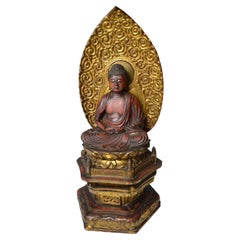
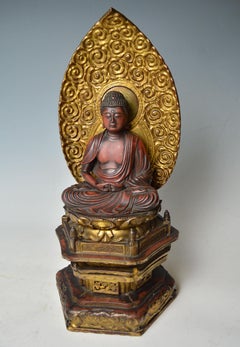
Japanese Lacquered Wood Buddha, Circa 18th / 19th Century Asian Antiques 中国古董

Japanese Lacquered Wood Buddha, Circa 18th / 19th Century Asian Antiques 中国古董

Located in London, GB

Superb Japanese lacquered wood Buddha, Circa 18th / 19th century Asian antiques ???? Beautiful and elegant example wood with lacquer and gold gilt, the Buddha seated in the meditati...

Category

Late 18th Century Japanese Antique Lacquer Metalwork
Materials

Wood, Lacquer

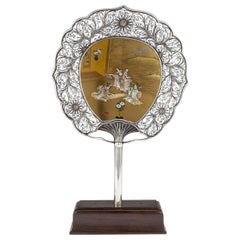
19th Century Japanese Solid Silver Mounted Shibayama Fan on Stand, circa 1890

19th Century Japanese Solid Silver Mounted Shibayama Fan on Stand, circa 1890

Located in Royal Tunbridge Wells, Kent

Antique late 19th century Japanese Meiji period solid silver mounted shibayama fan on stand. Of traditional Japanese fan-shape, with a central gold lacquer roundel inlaid in mother o...

Category

19th Century Japanese Antique Lacquer Metalwork
Materials

Silver

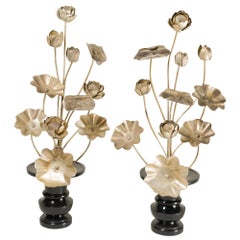
Buddhist Metal Temple Flowers

Buddhist Metal Temple Flowers

Sold

H 44 in W 21 in D 14 in

Buddhist Metal Temple Flowers

Located in Hudson, NY

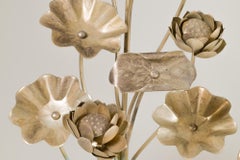
Buddhist metal temple flowers, Meiji Period (1868-1912) lotus flowers and leaves with nickel and silver plating in a beautiful fixed arrangement and set into black lacquer vases...

Category

Early 1900s Japanese Meiji Antique Lacquer Metalwork
Materials

Metal, Silver Plate, Nickel

Japanese Dagger, 19th Century

Japanese Dagger, 19th Century

Sold

H 1.19 in W 11.03 in D 1.19 in

Japanese Dagger, 19th Century

Located in Stockholm, SE

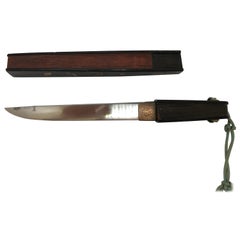
A Japanese dagger where the blade is hidden in a scabbard looking like a folding fan.

Category

19th Century Japanese Antique Lacquer Metalwork
Materials

Iron