Royal House Antiques
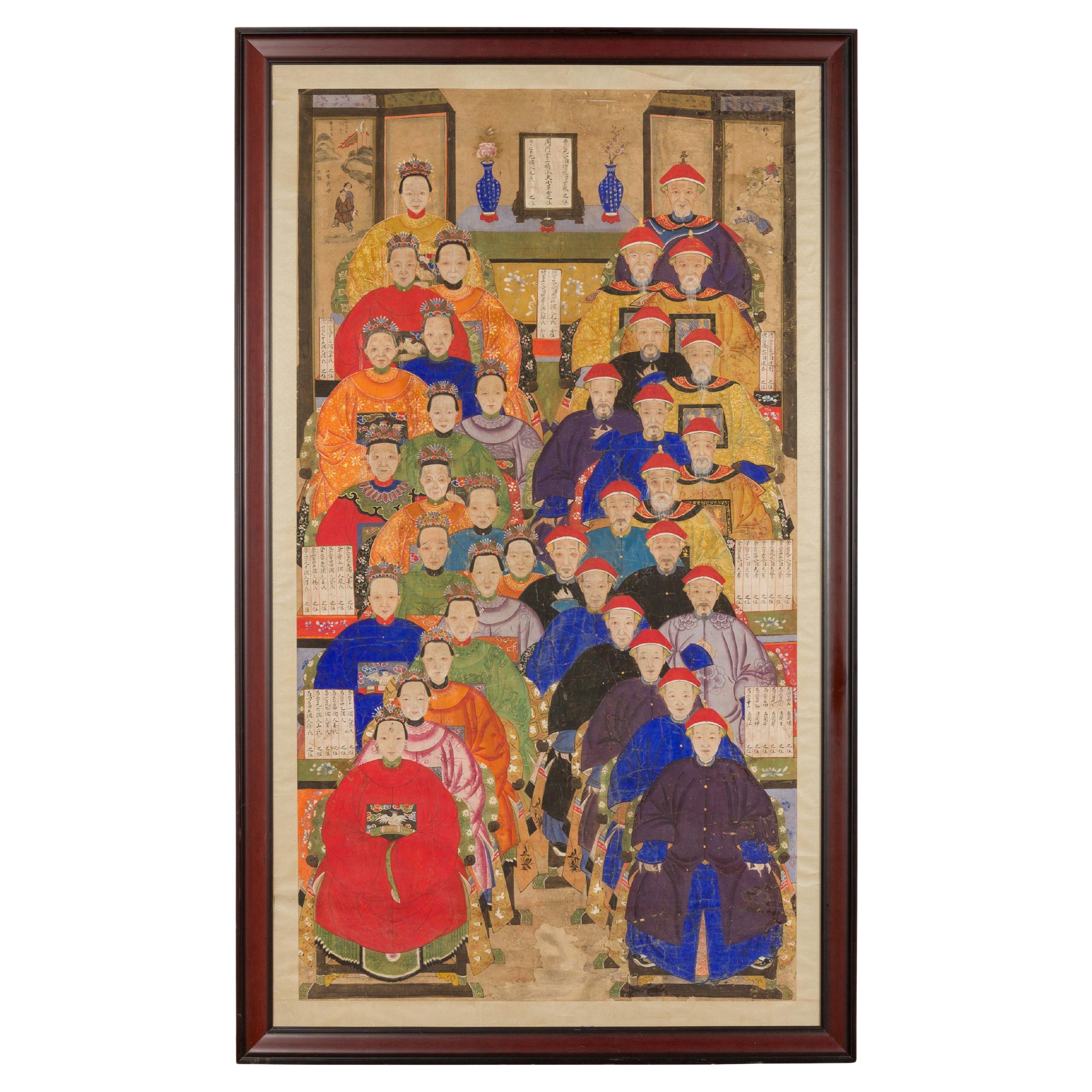
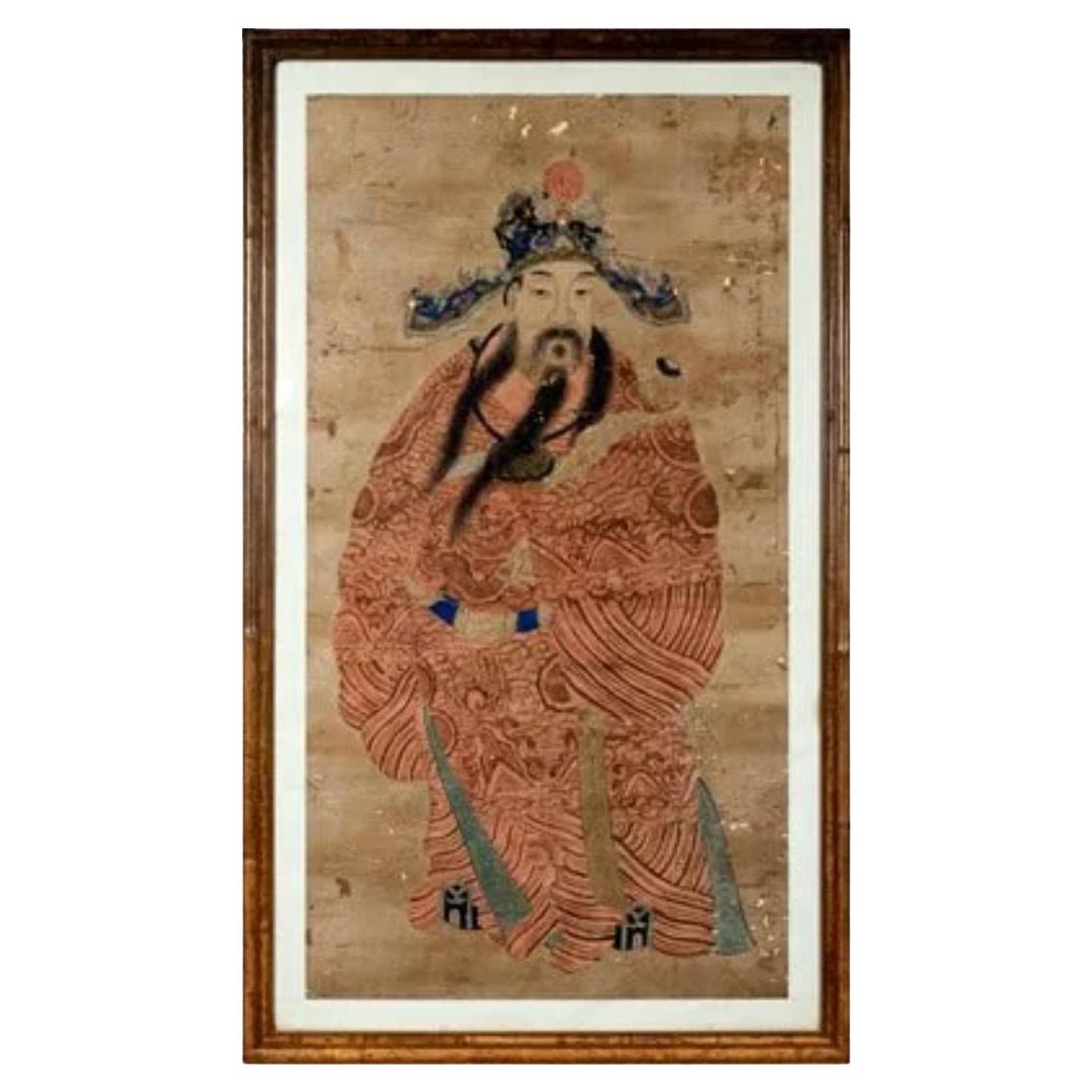
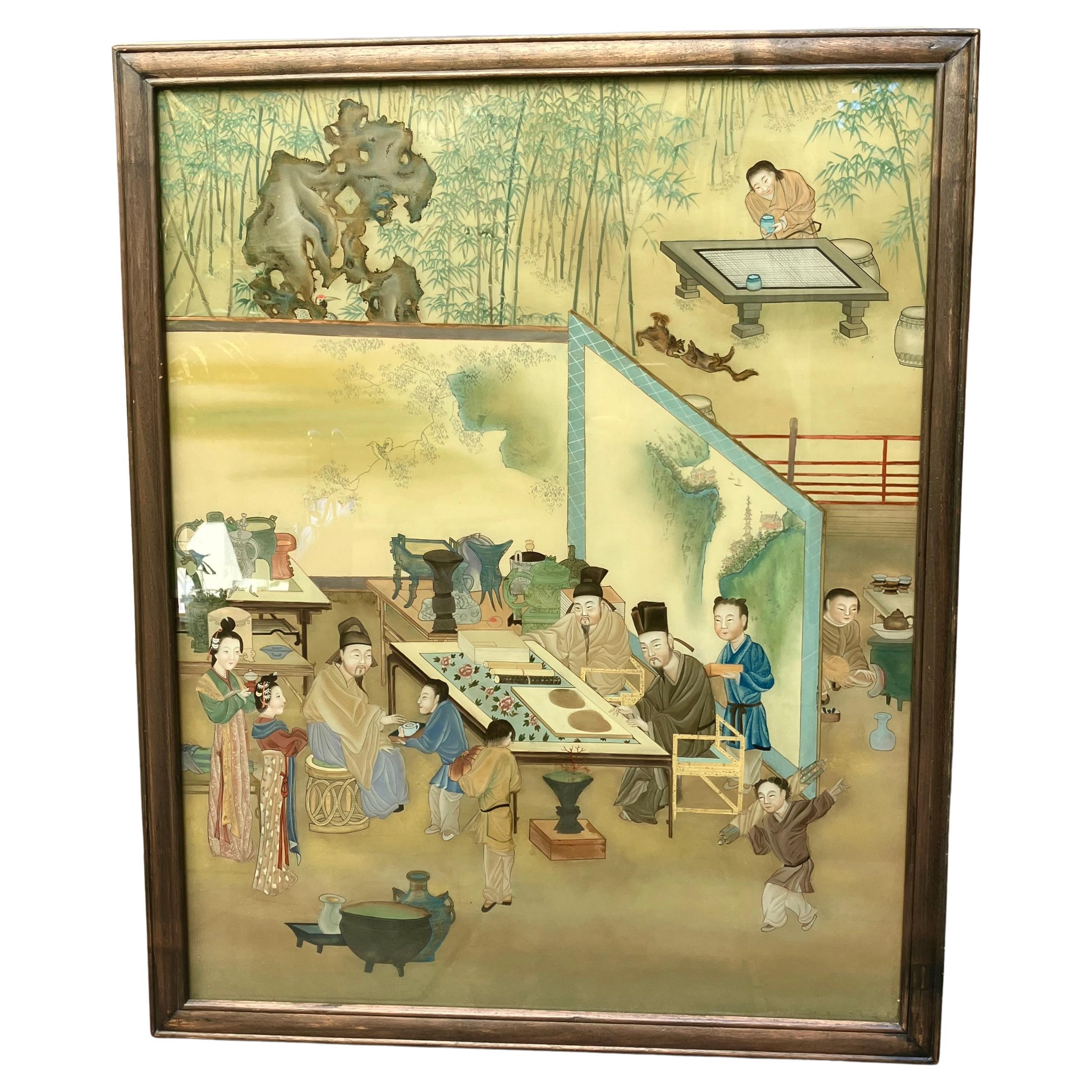
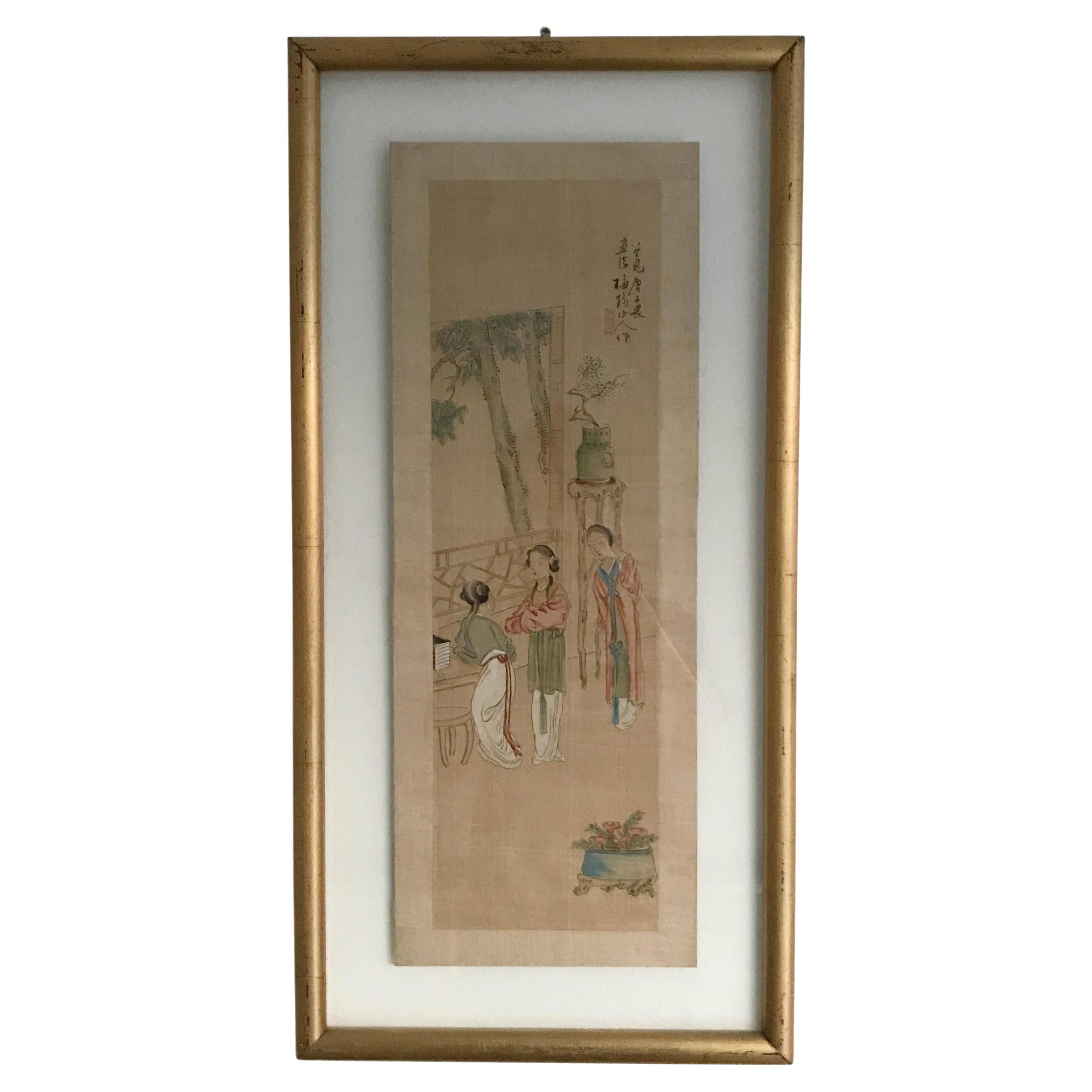
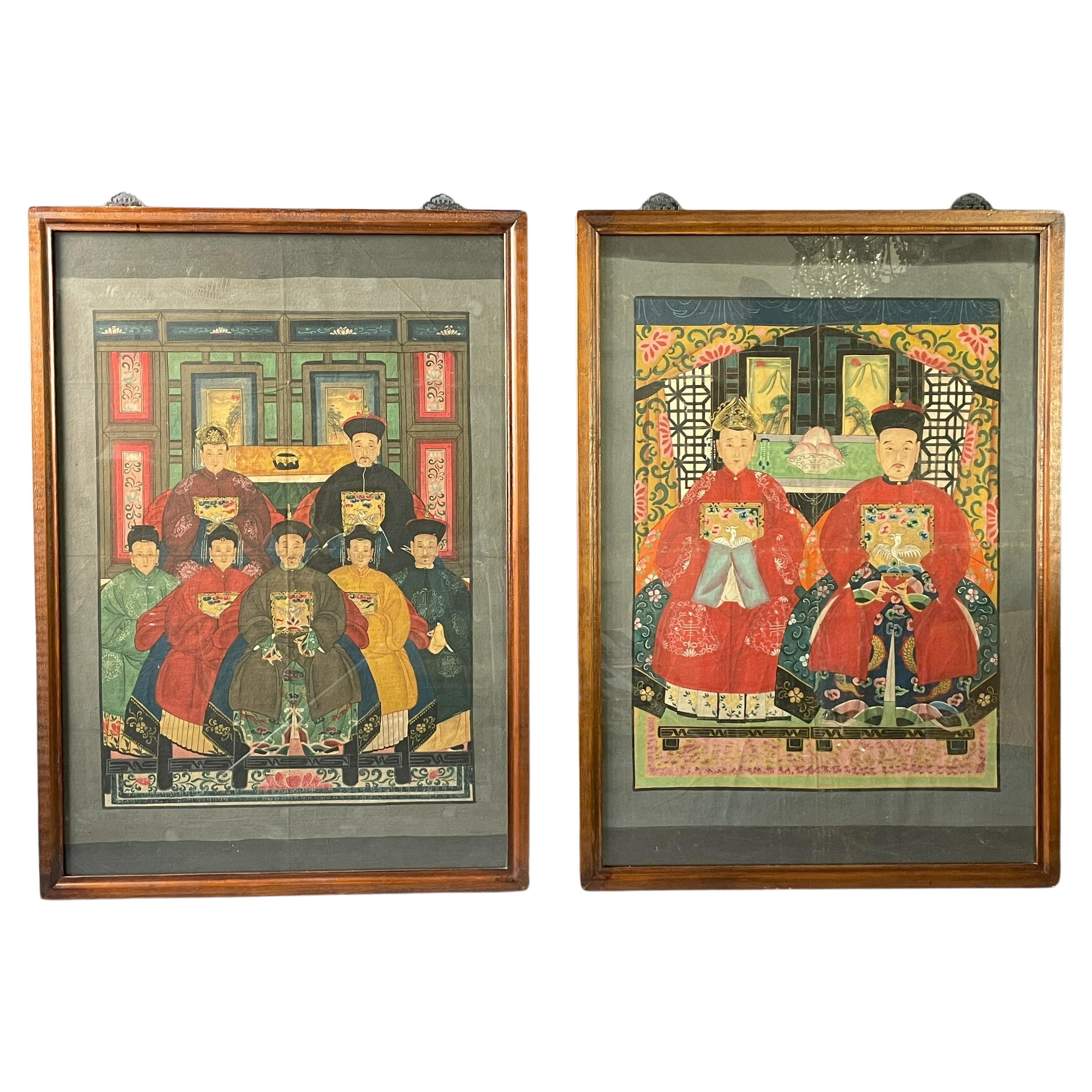
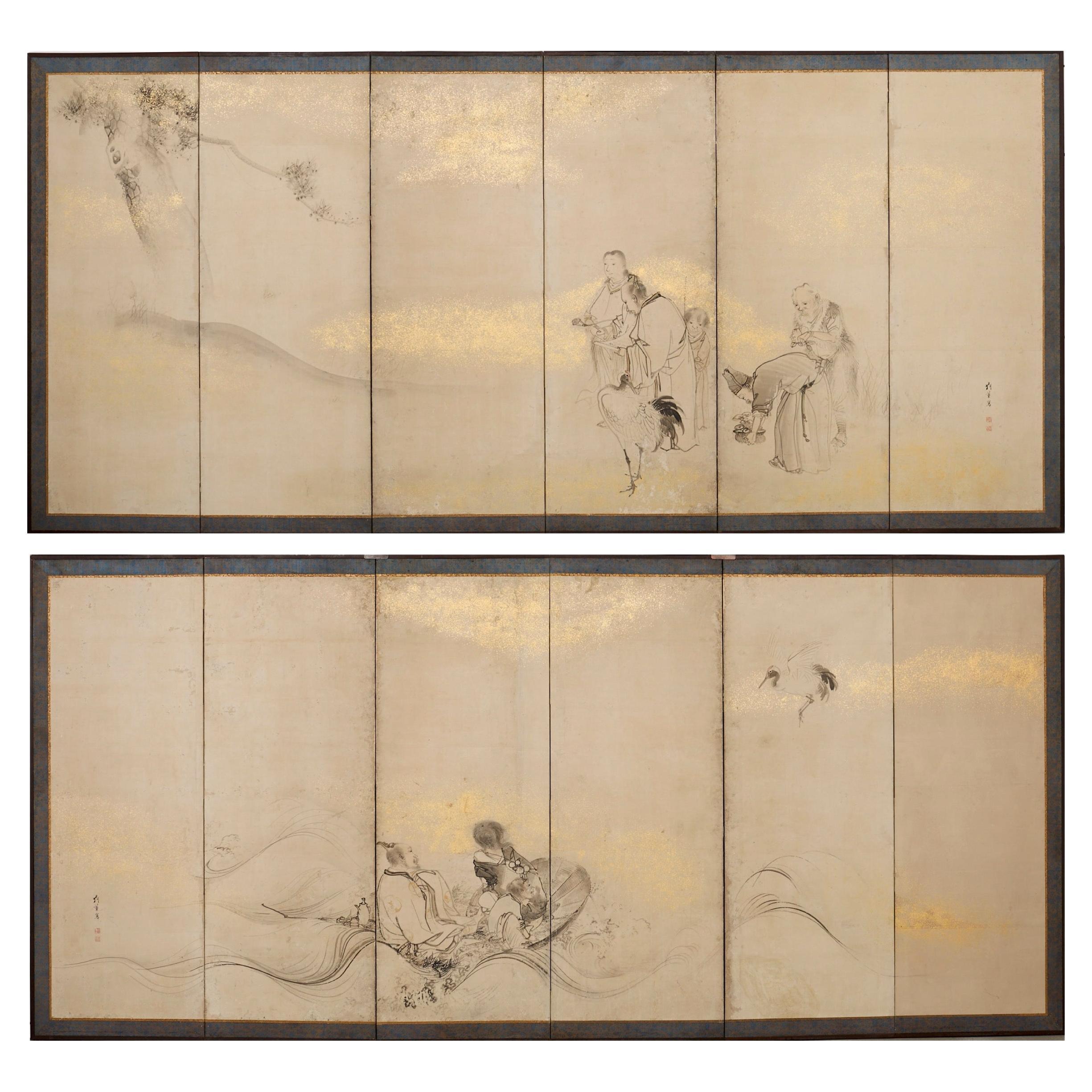
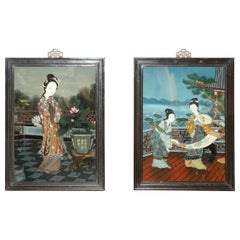
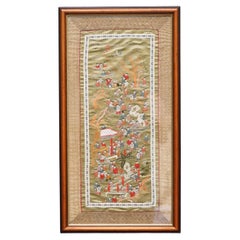
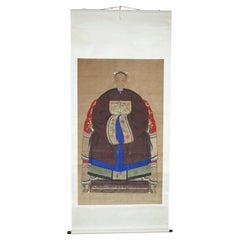
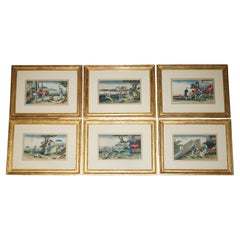
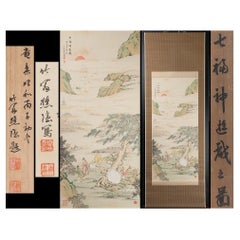
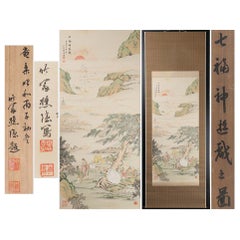
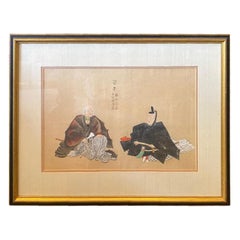
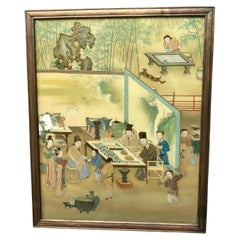
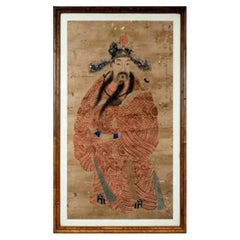
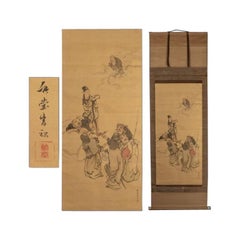
Royal House Antiques is delighted to offer for sale this stunning pair of Vintage Chinese paintings depicting the Boisterous Exploits of the Drunken immortals
Please note the delivery fee listed is just a guide and covers London only for the UK and local Europe only for the rest of the world, if you are outside these areas please ask for a delivery quote before you bid and not after
The Eight Immortals In Chinese mythology, the Eight Immortals are renowned heroes who fight against the forces of evil.
In literature prior to the 1970s, they were often called the Eight Fairies or Eight Genies. Wildly popular throughout China’s history, the stories of the Eight Immortals found their way into almost every level of ancient Chinese society. Most of the Eight Immortals (also called the Ba Xian) were born during the Tang or Song Dynasties and all are revered in Taoism and Chinese folk mythology. Also referred to as the 8 Drunken Gods, the 8 Immortals were believed to have lived on islands in the Bohai Sea, including Mount Penglai.
Appearance and Name Meanings
As the 8 Taoist Immortals represent long life and fortune, it is common to find artwork depicting them across various dynasties throughout China’s history. Nobles commissioned sculptures of the Eight Immortals to adorn their homes and palaces. Silk paintings and wall murals are still found throughout temples and public spaces.
While occasionally depicted individually, the Eight Immortals are usually painted as a complete group. The Eight Immortals are often shown with Jade Hand Maidens which are servants of highly ranked gods. This shows that often throughout their history that the Eight Drunken Gods were revered as powerful figures in the Taoist faith. And often, other Chinese dieties, such as the Queen Mother of the West and the Three Stars are painted or depicted with them.
The most famous depiction of the Eight Immortals is found in the Eternal Joy Temple in Ruicheng. Each of the Ba Xian are distinguished from one another with particular attributes- Cao Guojiu – In artwork, Cao Goujiu is usually shown holding a jade tablet. Cao Goujiu’s name translates as Imperial Brother-In-Law Cao. Han Xiangzi – Often seen playing a flute, Han Xiangzi is considered a musical genius. Han Xiangzi’s name translates as Han of the Xiang River He Xiangu – The only female of the Eight Immortals, He Xiangu carries a sheng (reed pipe) and a lotus flower. He Xiangu’s name means Female Celestial Being Lan Caihe – Considered androgynous, Lan Caihe is often painted with a basket of fruit. Lan Caihe’s name is made up of the words for blue, gather, and gentle Li Tieguai – Carrying an iron cane and a gourd or bottle, Li Tieguai is usually represented as being mentally ill. Li Tieguai’s name means Iron Crutch Lee Lu Dongbin – Lu Dongbin is the leader of the Eight Immortals and carries a large sword while wearing scholarly robes. Long Dongbin’s name translates as Cave Hole Visitor Zhongli Quan – Depicted carrying a fan, and a bare belly showing through his robes, Zhongli Quan is the oldest of the Eight Immortals and has the power to create gold and silver. Zhongli Quan’s name means Zhongli of the Quan (Han) Dynasty Zhang Guolao – Zhang Guolao is known as the clown of the group as he rides his donkey backwards. Zhang Guolao’s name means Old Fruit Zhang
Influence of the Eight Immortals in cultural history
A number of Chinese martial arts are named after the Eight Immortals, often employing movements and fighting styles that mimic those of each genie. Drunken boxing makes extensive use of the legends of the Eight Immortals for body conditioning, meditation, and combat.
Over the centuries, the Eight Immortals have found their way into artwork, writings, even comics, television, and movie productions. And while very few temples are completely dedicated to the Eight Immortals, Daoist temples commonly have the Eight Symbols of the Immortals across the primary temple structure, as these symbols are believed to ward off the presence of evil. Also, statues and paintings of the Eight Immortals are very common in Buddhist temples and monasteries, where they are placed near lesser gods to guard them.
Dimensions
Height:- 32.5cm
Width:- 155cm & 185.5cm
Depth:- 2cm
Please note all measurements are taken at the widest point, if you would like any additional or specific measurements, please ask.
Any questions please feel free to ask before you bid.
Condition
Please view the very detailed pictures as they form part of the description around condition
Please note vintage period and original items such as leather seating will always have natural patina in the form of cracking creasing and wear, we recommend regular waxing to ensure no moisture is lost, also hand dyed leather is not recommended to sit in direct sunlight for prolonged periods of time as it will dry out and fade.