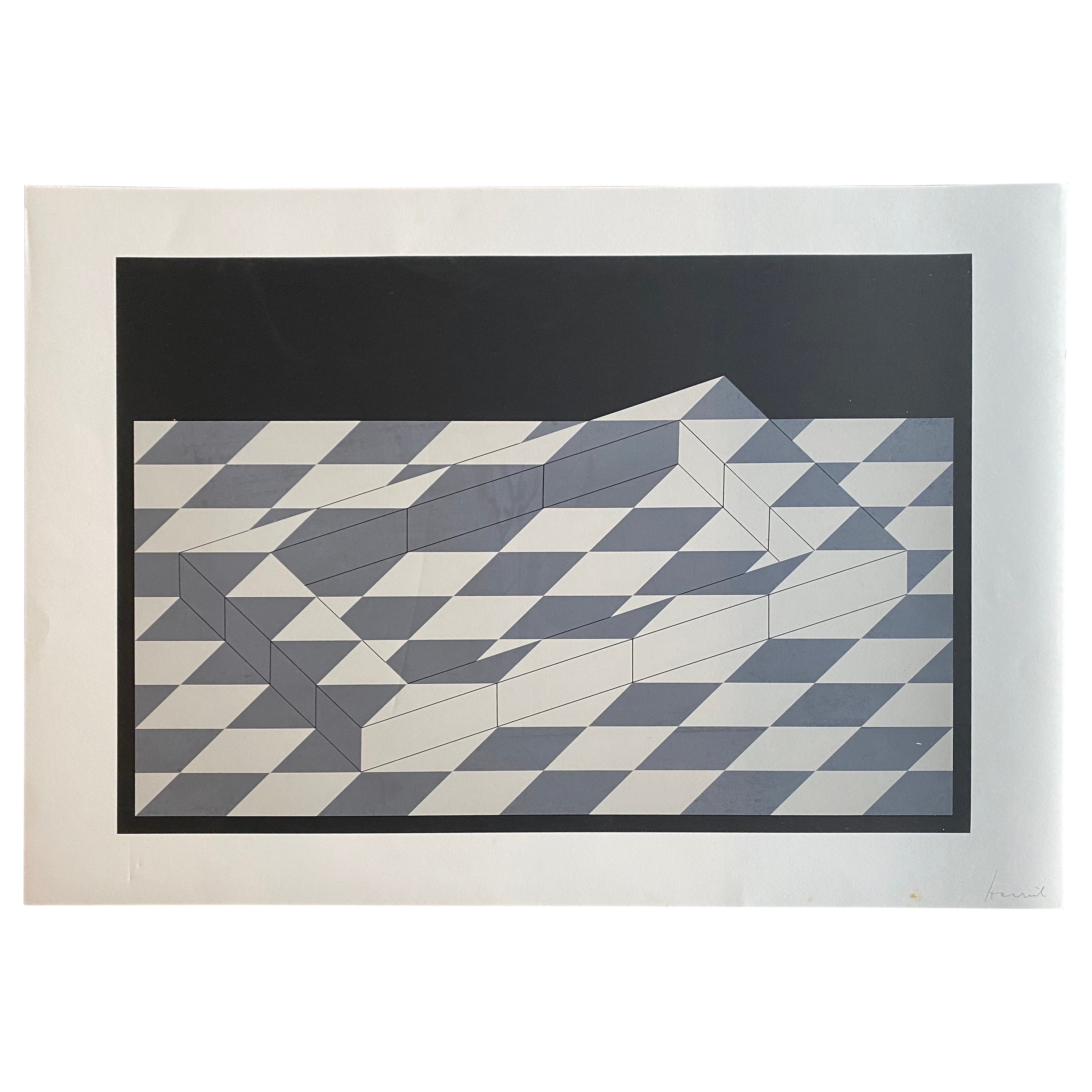
Fábrica ITP 20 Limited Edition Original Print, signed by José Manuel Ballester for Lumas
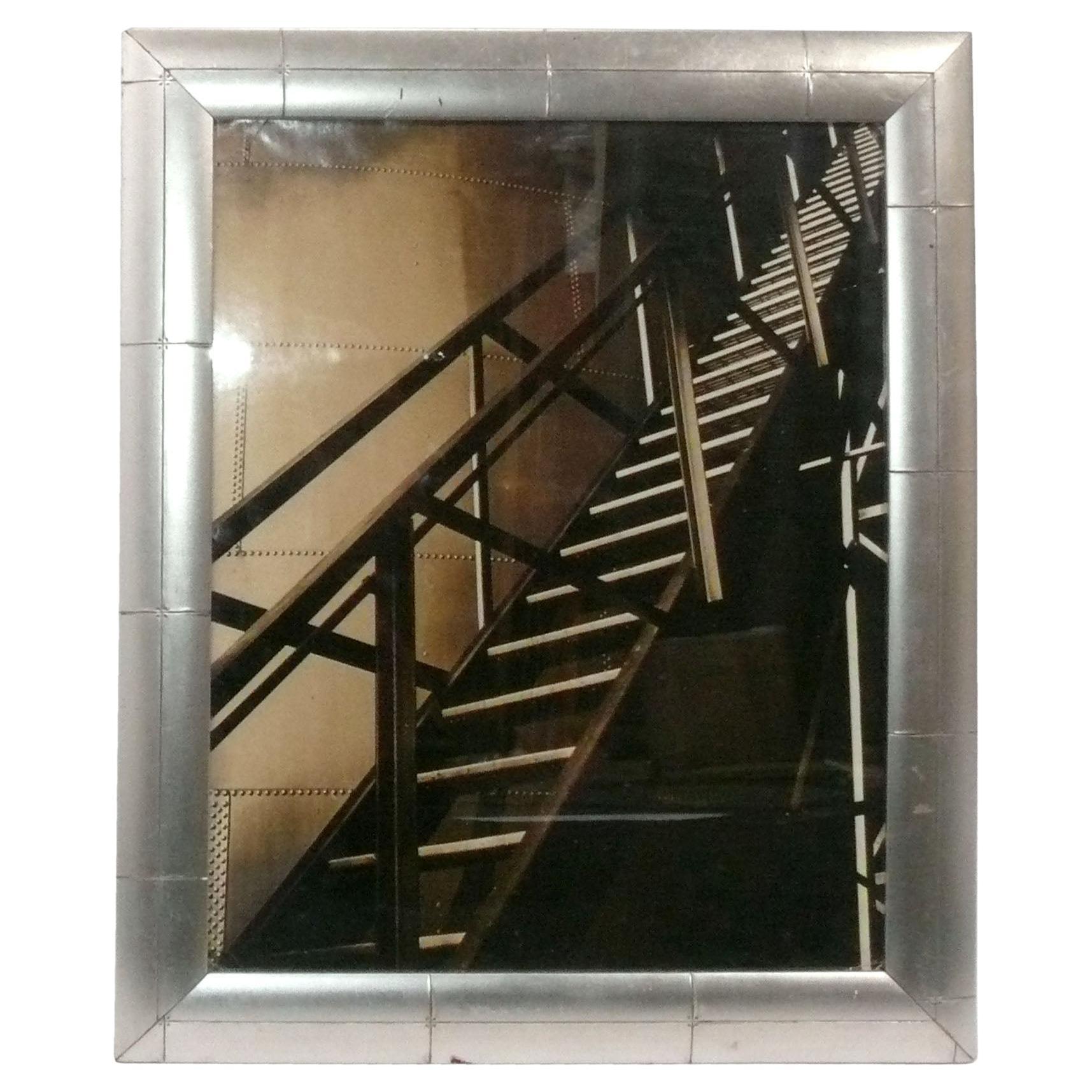
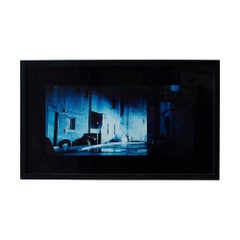
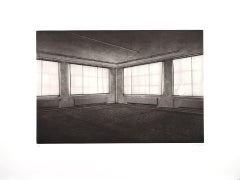
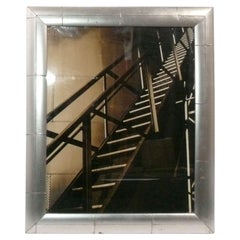
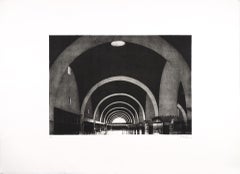
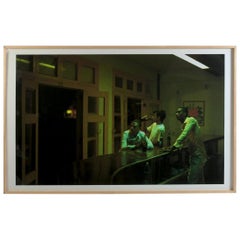
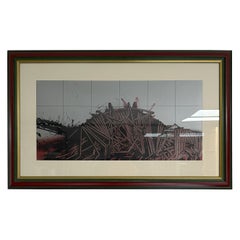
Fábrica ITP 20 original photograph by renowned Spanish artist José Manuel Ballester, known for his architectural and industrial photography. This limited edition print, number 5 of 75, titled "Fábrica ITP 20," captures an industrial interior with Ballester's signature precision and cool, muted palette.
The image features intricate pipework and structural elements, emphasizing geometric forms and the play of light and shadow. Signed by the artist, this meticulously crafted photograph is a valuable and collectible piece for enthusiasts of contemporary and architectural photography.
Year 2002, Print : 2005
weight: 4kgs
Mounted on acrylic
Lumas is a well-known art gallery and publisher specializing in museum-quality limited edition prints by contemporary artists, designers, and photographers. Their editions are usually printed on high-quality paper or canvas, signed and numbered by the artist.
David Burdeny
José Manuel Ballester, born in Madrid in 1960, is a master at juggling concrete and iron, light and space. Discreetly dipped in tinted light, his scenes are transformed into graphic constructions, abolishing the border between the photographic and the painted. Whether theater, factory or apartment building, Ballester’s nascent architectural structures are reflections about absence and the progress of time. Structure, color and lighting arrive thereby in symbiosis with the notion of newly defining aesthetic emptiness. The self-conscious melting from classical to modern abstract and exceedingly current trends in architecture and photography is, for this Spanish shooting star, no more than a contradiction, like the creation of the Romantic through cool precision. Benefits, motifs and media still appear disparate. In the end, a fascinatingly closed and mostly simple picture remains. For him, artificially created rooms are “like the search for paradise”, and after a grateful environment inasmuch as the guarante for a better life. And for that reason, they always show the same virtues and shortcomings of society, which is responsible for their production. More specifically, the tension that Ballester borrows from the architectire and conveys in the second dimension, is barely expressed.