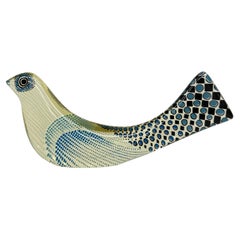
Abraham Palatnik (1928-2020)
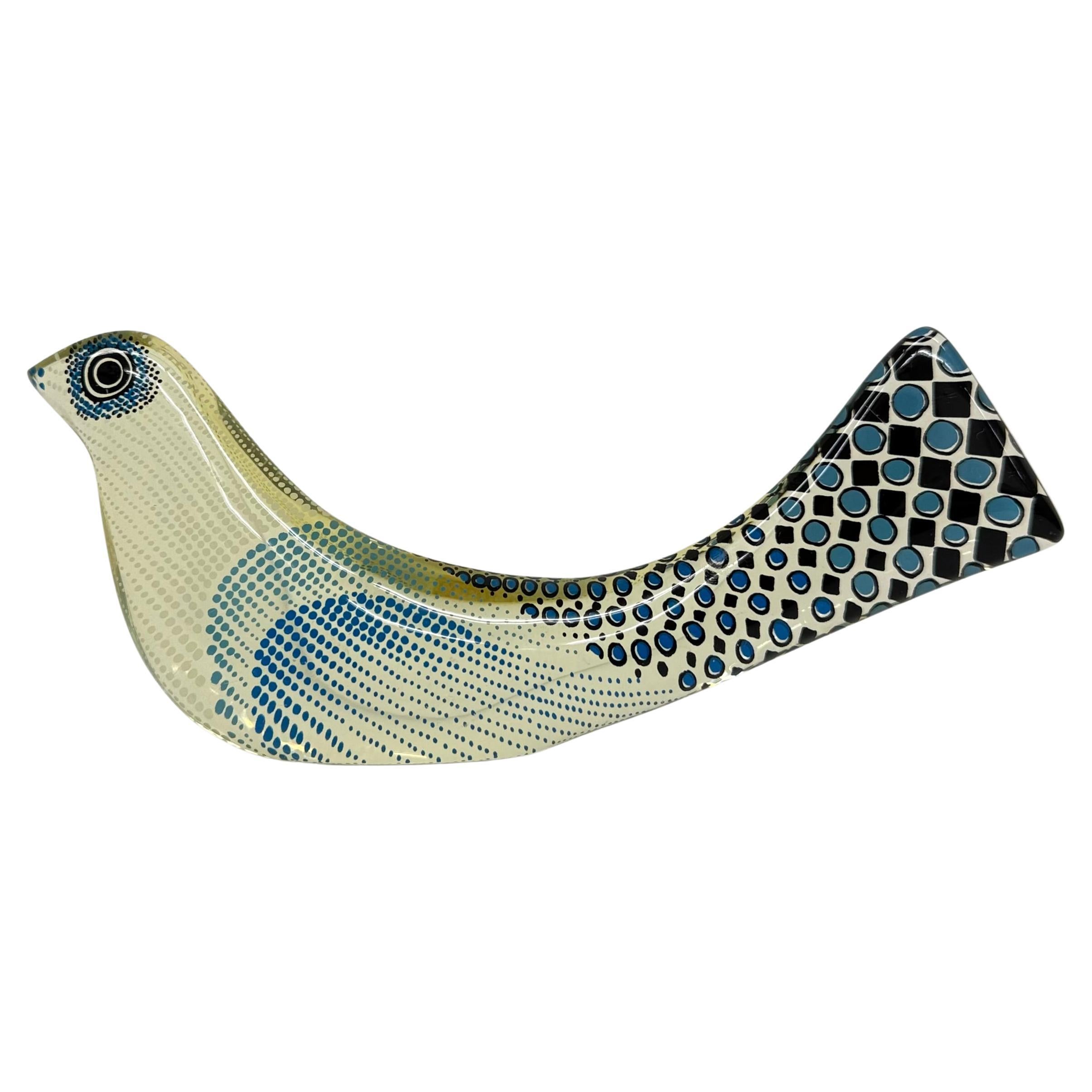
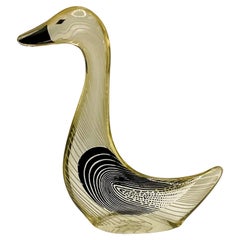
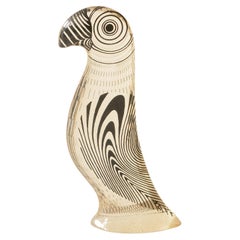
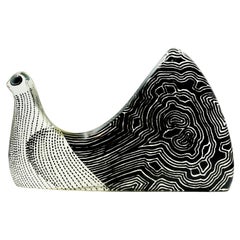
Bird Sculpture, c. 1960
Acrylic resin and pigments.
21.5 x 9.5 x 2.5 cm
8 23/50 x 3 37/50 x 49/50 in
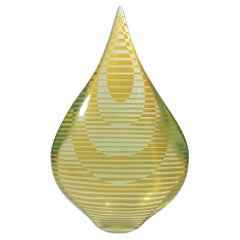
This acrylic resin sculpture representing a bird, in the colors yellow and black
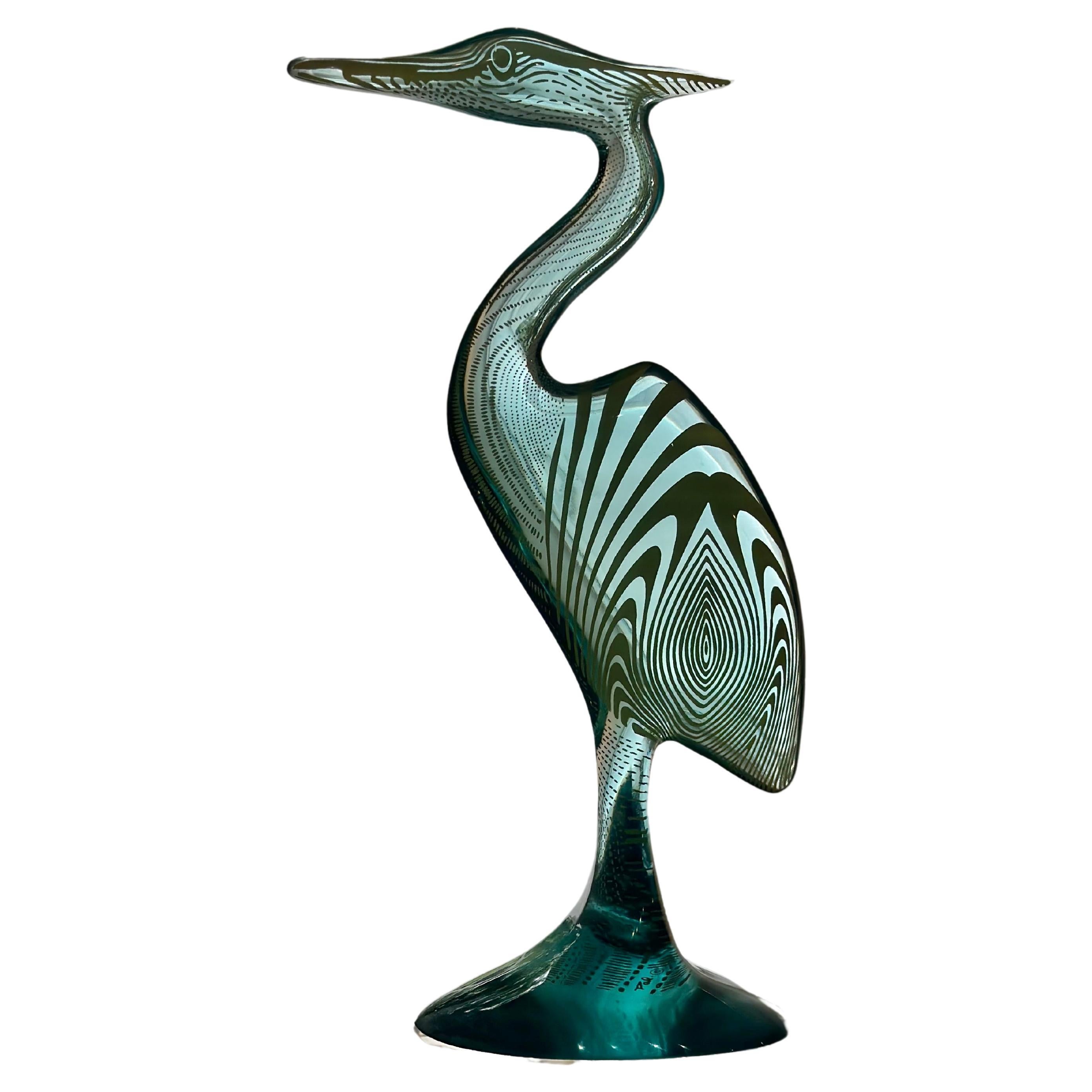
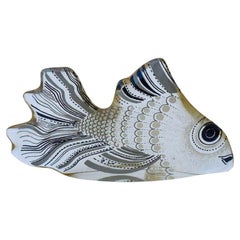
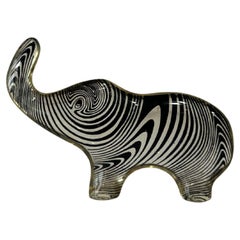
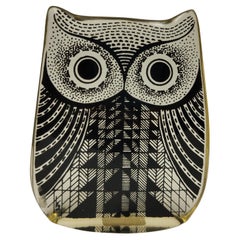
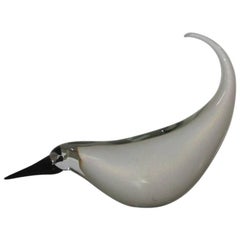
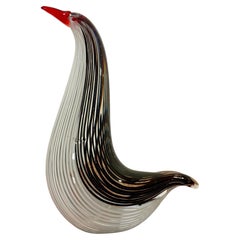
It is part of the series of animal sculptures that Abraham Palatnik made from the 1960s, in small format, they are small jewels of kinetic art, a movement that Palatnik was one of the pioneers.
"Born in Natal, Rio Grande do Norte, Brazil, in 1928 to a family of Russian Jews, Palatnik moved with his family to Tel Aviv (then Palestine) when he was four years old. He attended Montefiori Technical School, where he specialized in internal combustion engines, and studied art under the tutelage of the painter Haaron Avni and the sculptor Sternshus at the Municipal Institute of Art. When he returned to Brazil in 1948, his output consisted mainly of figurative and landscape paintings and charcoal drawings. However, his encounters with the complex works made by schizophrenic patients at the Pedro II Psychiatric Hospital, where he taught painting workshops alongside Almir Mavignier and Ivan Serpa, caused him to abandon his early approach to traditional image-making: “I decided to start all over from scratch,” Palatnik said. “The discipline from the school, the studio, was no longer of any use.”
Freed from the perceived restrictions of his training, Palatnik became closely associated with Grupo Frente, a movement started by Serpa and rooted in geometric abstraction. He used his knowledge of engineering and mechanics as well as his interest in natural forces to build his first Kinechromatic work. Titled Azul e roxo em seu primeiro movimento (Blue and Purple in First Movement), 1949, the piece debuted at the inaugural São Paulo Bienal in 1951. “In reality, it was luck that got me into the biennial,” Palatnik said in a 1986 interview. “At first, my machine was rejected, because it wasn’t a painting, a sculpture, a drawing, or a print.” The piece, which eventually gained entry, shocked the biennial’s grand prize jury, who gave Palatnik an honorable mention, calling his work an “important manifestation of modern art.” By 1969, he had participated in seven more editions of the international exhibition.
Palatnik would also present work in the 1964 Venice Biennale, the 1966 Biennial of Córdoba, and the 1997 and 2005 editions of the Mercosul Biennial. His art was featured in significant exhibitions on kinetic art, including “Mouvement 2” (1964) at Denise René gallery in Paris; “Lumière, Mouvement et Optique” (1965) at the Brussels Palace of Fine Arts; “Kinetic Art” (1966) at the Museum of San Francisco; and, more recently, “Delirious: Art at the Limits of Reason, 1950–1980” (2017) at the Metropolitan Museum of Art in New York and “The Other Trans-Atlantic: Kinetic & Op Art in Central & Eastern Europe and Latin America 1950s–1970s” (2018) at Sesc Pinheiros in São Paulo. A major retrospective, “Abraham Palatnik—The Reinvention of Painting,” was staged at several venues across Brazil, including the Centro Cultural Banco do Brasil Rio de Janeiro (2017); the Fundação Iberê Camargo, Porto Alegre (2015); the Museu Oscar Niemeyer, Curitiba (2014); and the Museu de Arte Moderna de São Paulo (2014).
Heavily influenced by design principles—Palatnik established the furniture factory Arte Vida with his brother in 1954, which churned out glass-topped tables as well as sofas and chairs—the artist began creating his “Progressive Relief” series, abstractions made from arrangements of thin strips of jacaranda wood and polyester resin positioned side by side, in the ’60s. Throughout his seven-decade career, Palatnik would produce his “Kinetic Objects” series, which focused on the metal rods, strings, gears and motors, and sometimes electromagnets, previously hidden in his “Kinechromatic Devices,” that set the pieces in motion; his “Ludic Objects” series, which comprised geometric shapes in various colors that were activated by viewers through a magnetized stick; and his late “W” paintings. He also designed dozens of acrylic animals as part of a collection sold by the design firm Silon, which he and his brother opened in the 1970s." (Reference: Artforum's site).