Video Loading
Want more images or videos?
Request additional images or videos from the seller
1 of 21

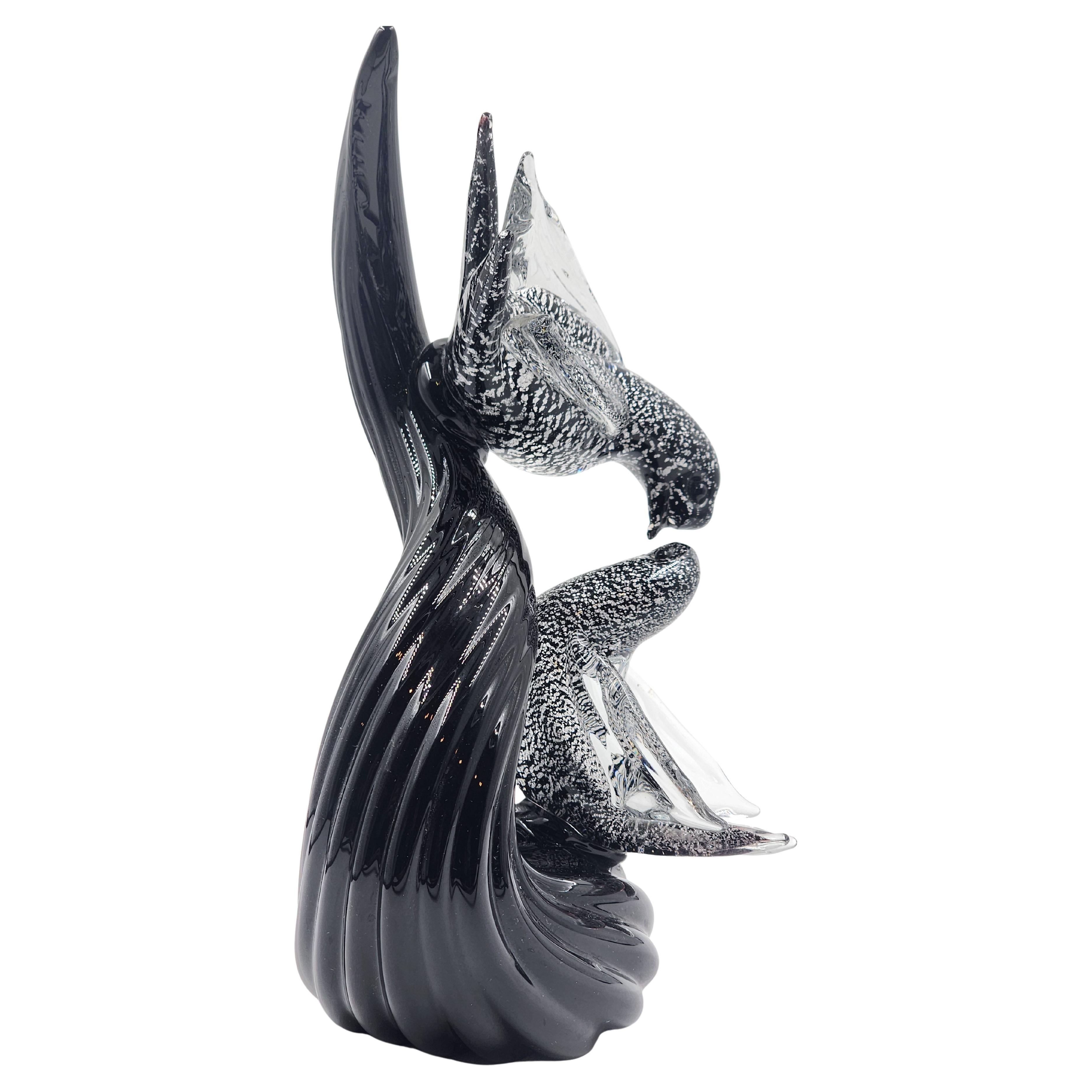
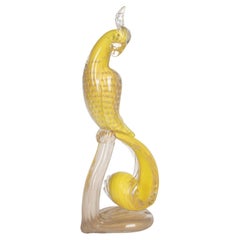
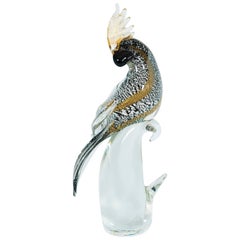
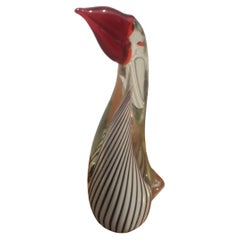
Glass Parrot-Shaped Sculpture, Dino Martens, Venice, Aureliano Toso, 1953-1956

$5,315.18
£3,936.39
€4,500VAT Included
CA$7,396.43
A$7,443.65
CHF 4,320.26
MX$90,392.94
NOK 49,625.98
SEK 51,223.55
DKK 34,311.59

About the Item

Parrot-shaped sculpture Psitaccus Dino Martens (1894 - 1970) Vetreria Artistica Rag. Aureliano Toso, 1953-1956 It measures 9.055 inches in height x 4.13 in x 5.90 in (23 cm, 10.5 cm x 15 cm) It weighs 1.997 lb (906 g) State of conservation: intact. The small glass sculpture depicts a parrot perched on a branch, with its crest up and facing forward. The object is made with a particular reed-blowing technique, using black, gold and “lattimo” glass with Phoenician-style decorations and details in yellow glass paste. Defined as “Parrot Psitaccus” in inventories, it was produced according to a design by Dino Martens at the Vetreria Aureliano Toso between 1953 and 1956. The production of parrots is documented in the archive of the Aureliano Toso manufacture between 1953 and 1956, along with a centerpiece bowl of similar style. In fact, the documentation mentions: “Filigrana semplice a trina (Zigzag) - parrot on branch” (M. Heiremans, Vetreria Aureliano Toso, Murano 1938-1968, Berlino, 2016, disegno p. 172 model 5145, p. 332 model 1953), and “Filigrana semplice bianca nera Zigzag-bowl with two parrots” (M. Heiremans, p. 228 model 6487 and p. 333 model 1956). Another precise comparison with this model comes from a similar sculpture exhibited in a recent exhibition, with an evocative title L’Arca di vetro. La collezione di animali di Pierre Rosenberg (The Glass Arc. The Collection of Animals by Pierre Rosenberg). This exhibition traced the history of twentieth century Murano glass, reinterpreted through a vast assortment and original creations of animal shapes. In this review, a parrot that is similar to ours is associated with the 1953 production (Cristina Beltrami, Giordana Naccari (a cura di), L’arca di vetro, La collezione di animali di Pierre Rosenberg, Skira, 2021, p. 160). The history of Murano glass is varied and complex. Since the 1920s, the Murano tradition has evolved from the production of everyday objects to decorative ones: some glassmakers try their hand at creating human figures, sculptures, and zoomorphic elements in miniature. The technique is refined and leads the artisans to devise new methods that allow the creation of both blown and massive figures. A tradition of “Bagatelle” is known as early as the 16th century and throughout the 17th century and some objects come down to us from the wunderkammer as examples "alla maniera di Venezia (in the Venetian style)". Some rare examples are preserved in museums. Among these, the plastic decorations of the chandeliers and others molded lanterns stand out. However, only in the twentieth century did a real turning point in technique and design come about: a production that recently found its enhancement with the rediscovery of the sculptural works produced by the main historic Murano glassworks, from Ercole Barovier to Martinuzzi and Zecchin, as well as Flavio Poli and Dino Martens, in a succession of increasingly complex creations. Between 1930 and 1960 the production of “bestiary” glass evolved and moved from the simpler forms of the Thirties to more complex works in terms of morphology and technique. All this is evident in the Forties with Barovier, and in the Fifties with Bianconi, who, along with Dino Martens, carried out research into designs using “filigrana” and polychromy, without neglecting the research into opacity by Archimede Seguso. The glass animal thus becomes and remains an obligatory passage in Murano artistic production, a work of experimentation and formal research, inspired both by reality and the inventiveness of its creation. The work of Dino Martens (1894 - 1970) fits into this context, considered by many to be an artist with a gift for glass work. After the early postwar period, he trained at the Accademia di belle arti di Venezia and initially dedicated himself to painting. After his initial experiences with glass with SALIR and with Salviati & C., he arrived in 1939 at the manufacture of the ragionier Aureliano Toso. It was here that he would become artistic director until 1963, experimenting with the material to create completely new color and formal effects. Bibliography: Cristina Beltrami, Giordana Naccari (a cura di), L’arca di vetro, La collezione di animali di Pierre Rosenberg, Skira, 2021, p. 160; Marc Heiremans, Vetreria Aureliano Toso, 1938-1968, Arnoldsche Art Publishers.
  • Creator:
    Dino Martens (Designer)
  • Dimensions:
    Height: 9.06 in (23 cm)Width: 4.14 in (10.5 cm)Depth: 5.91 in (15 cm)
  • Style:
    Modern (Of the Period)
  • Materials and Techniques:
  • Place of Origin:
  • Period:
  • Date of Manufacture:
    circa 1953-1956
  • Condition:
    Intact.
  • Seller Location:
    Milano, IT
  • Reference Number:
    1stDibs: LU4352230607802

More From This Seller

View All
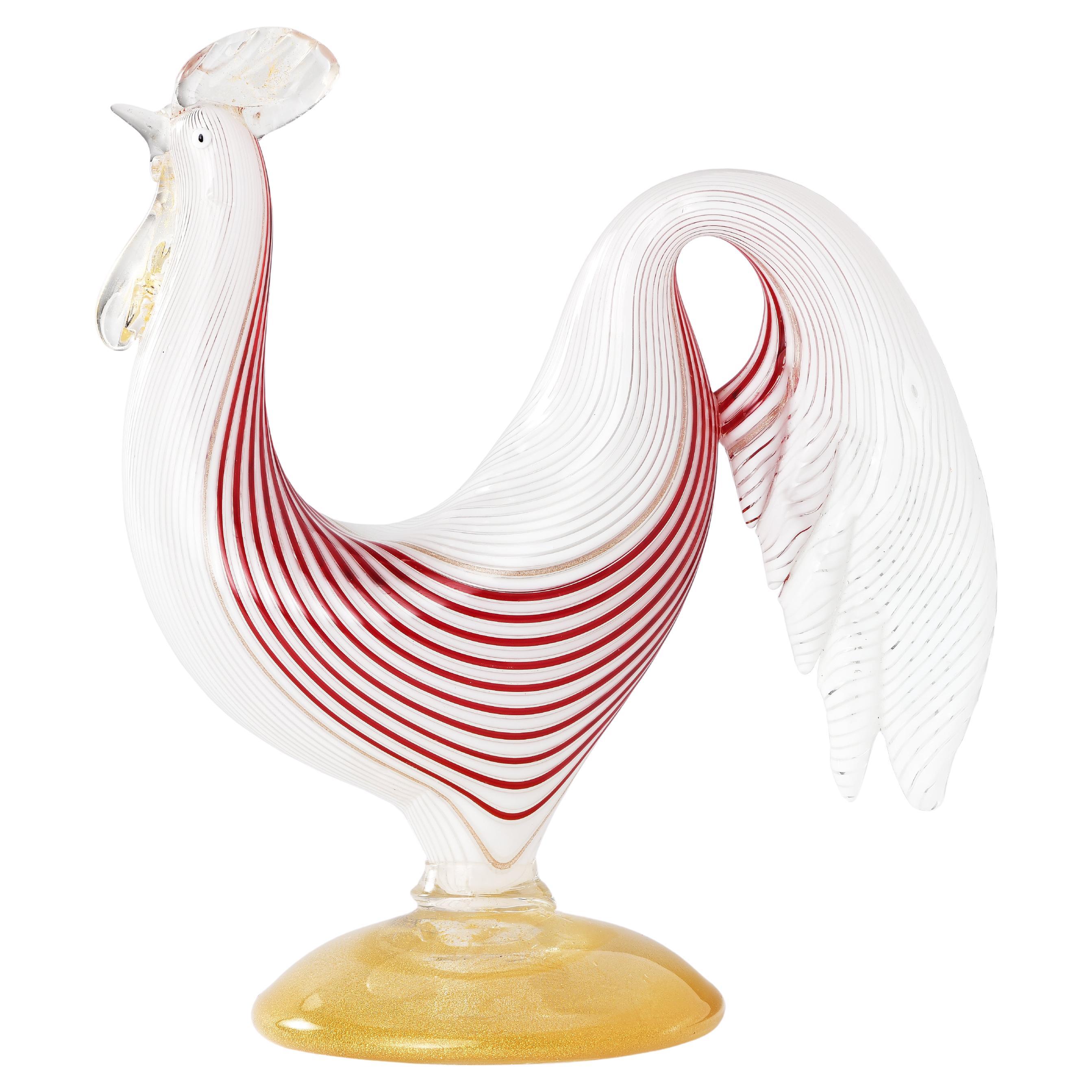
Murano Glass Rooster Sculpture by Dino Martens, Aureliano Toso, 1954

Murano Glass Rooster Sculpture by Dino Martens, Aureliano Toso, 1954

By Dino Martens

Located in Milano, IT

Rooster- shaped sculpture Galletto Dino Martens (1894 - 1970) Vetreria Artistica Rag. Aureliano Toso, 1954 It measures 9.25 inches in height x 8.18 in x 4.4 in (23.5 cm x 20.8 cm x 11.4 cm) It weighs 2.57 lb (1.169 g) State of conservation: intact. The small glass sculpture...

Category

Vintage 1950s Italian Modern Animal Sculptures

Materials

Glass

Pelican - shaped glass sculpture, Pino Signoretto, Murano, circa 1973

Pelican - shaped glass sculpture, Pino Signoretto, Murano, circa 1973

By Pino Signoretto

Located in Milano, IT

Pelican - shaped glass sculpture Pino Signoretto Murano, circa 1973 Engraved signature "Pino Signoretto" on the front of the base It measures: 10.04 in in height x 7.28 x 17.32 (2...

Category

Vintage 1970s Italian Other Animal Sculptures

Materials

Murano Glass

Monkey - shaped glass sculpture, Vetreria Salviati & C, Murano, circa 1960

Monkey - shaped glass sculpture, Vetreria Salviati & C, Murano, circa 1960

By Salviati

Located in Milano, IT

Monkey - shaped glass sculpture Salviati & C Glassworks Murano, circa 1960 It measures: 7.48 in in height x 3.86 x 4.53 in (19 cm x 9.8 x 11.5) It weighs: 5.29 lb (2.4 kg) State of ...

Category

Vintage 1960s Italian Other Animal Sculptures

Materials

Murano Glass, Uranium Glass

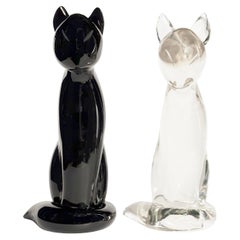
Pair of Glass Cat Sculptures by Archimede Seguso, Murano, Circa 1960

Pair of Glass Cat Sculptures by Archimede Seguso, Murano, Circa 1960

By Archimede Seguso

Located in Milano, IT

Pair of glass sculptures Cats Archimede Seguso (attr.) Seguso Vetri d’arte Murano, circa 1960-1970 Dimensions: achrome cat: height 9.45 in x 4.49 in x 5.24 (24 cm x 11.4 x 13.3); ...

Category

Vintage 1960s Italian Other Animal Sculptures

Materials

Murano Glass

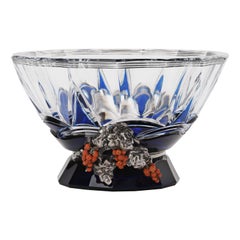
Eliseo Mangili Crystal Bowl, Silver & Coral Accents, Milan, Circa 1940

Eliseo Mangili Crystal Bowl, Silver & Coral Accents, Milan, Circa 1940

By Eliseo Mangili

Located in Milano, IT

Crystal bowl with silver and coral decorative elements Eliseo Mangili (1890-1977) Milan, circa 1940 It measures 4.8 in high x Ø 8.26 in; foot Ø 4.33 in (12.2 x Ø 21 cm; Ø foot 11 cm) 5.51 lb (2.55 kg) The rounded bowl narrows and rests on a flared foot with a polygonal section in blue crystal. The bowl itself is crafted in transparent crystal and continues the polygonal motif. The base of the bowl is decorated with a series of engraved blue arches which somewhat overlap creating a corolla and with five vertical cusps of the same colour. The rim is accented with a triple cut line around the entire circumference. A silver band representing a currant branch wraps the “waist” where the foot joins the bowl with currants made of orange coral. The bowl features the following marks along the silver band which defines its narrowing towards the foot. These help us date the work: 1) a lozenge with the abbreviation of the province (MI); Roman fasces; the number 08. This was the mark in force after the promulgation of the law of 5 February 1934 n. 305, which provided for the use of a uniform mark for the identification of the silversmith and of the province. In this case it is the Milanese smith Eliseo Mangili during the period 1935-1944. 2) 800 without a border. Title in thousandths of silver. Eliseo Mangili was one of the most talented goldsmiths flanking Alfredo Ravasco...

Category

Vintage 1930s Italian Other Decorative Bowls

Materials

Coral, Crystal, Silver

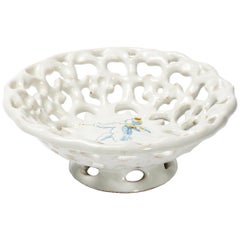
Antique Maiolica Crespina, Faenza, Italy, Renaissance, Circa 1580

Antique Maiolica Crespina, Faenza, Italy, Renaissance, Circa 1580

Located in Milano, IT

Crespina Faenza, last quarter of the 16th century Maiolica painted in two colors, light blue and yellow, on a thick, rich layer of white enamel. It measures 2.24 in (5.7 cm) in height, 6.10 in (15.5 cm) in diameter. lb 0.55 (kg 0.25) State of conservation: mimetic restoration. The small cup has a raised central “umbone”, a perforated brim and a shaped rim. It rests on a high jutting foot. The "crespina" shape, in some inventories is cited as "tacce de frute" (fruit cups). It was particularly appreciated in the Renaissance and has variants based on the formal types and the different sizes. The decoration, made according to the dictates of the “compendiario” style, used few standardized colors: blue and yellow on a thick white and shiny enamel, deliberately chosen as the colour which was most reminiscent of silver. This choice derived from a trend in creative design of the era: the shapes used in the molds were often taken from metal objects. An idea which would last throughout the Renaissance. The work shows, in the middle of the “umbone”, a winged putto stepping forward while playing a long thin trumpet. The depiction of the putto is fully representative of the repertoire of the Faenza workshops of the sixteenth century. Some specimens with this type of decoration have been published in a volume by Carmen Ravanelli Guidotti: there appears the whole productive repertoire of this fundamental moment of transition between the taste for the “istoriato” style and the great simplification of decoration in the “compendiario” period. This style, in its simplicity, however, saw its expression in a rather varied collection of decorative subjects, including old-fashioned busts...

Category

Antique 16th Century Italian Renaissance Ceramics

Materials

Maiolica

You May Also Like

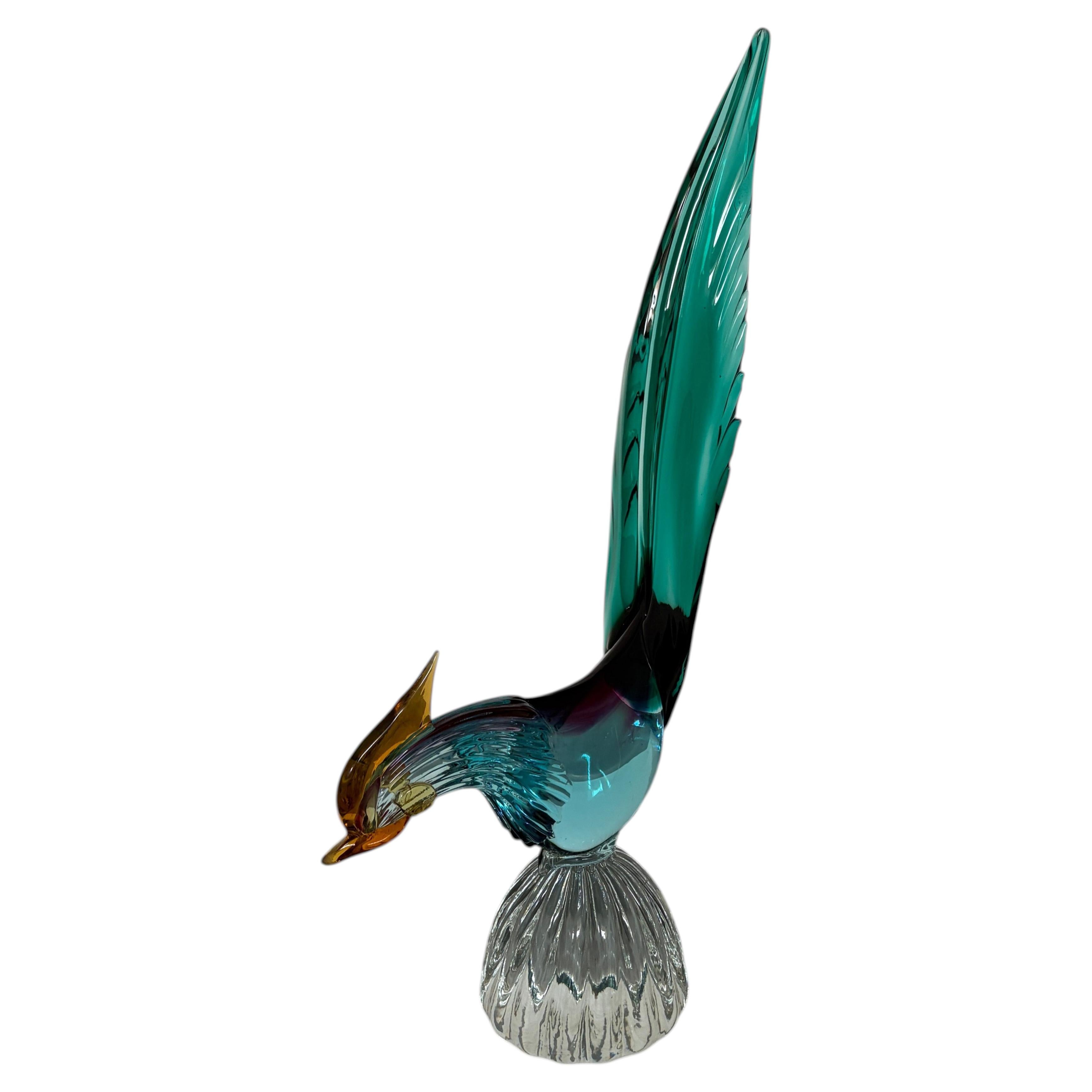
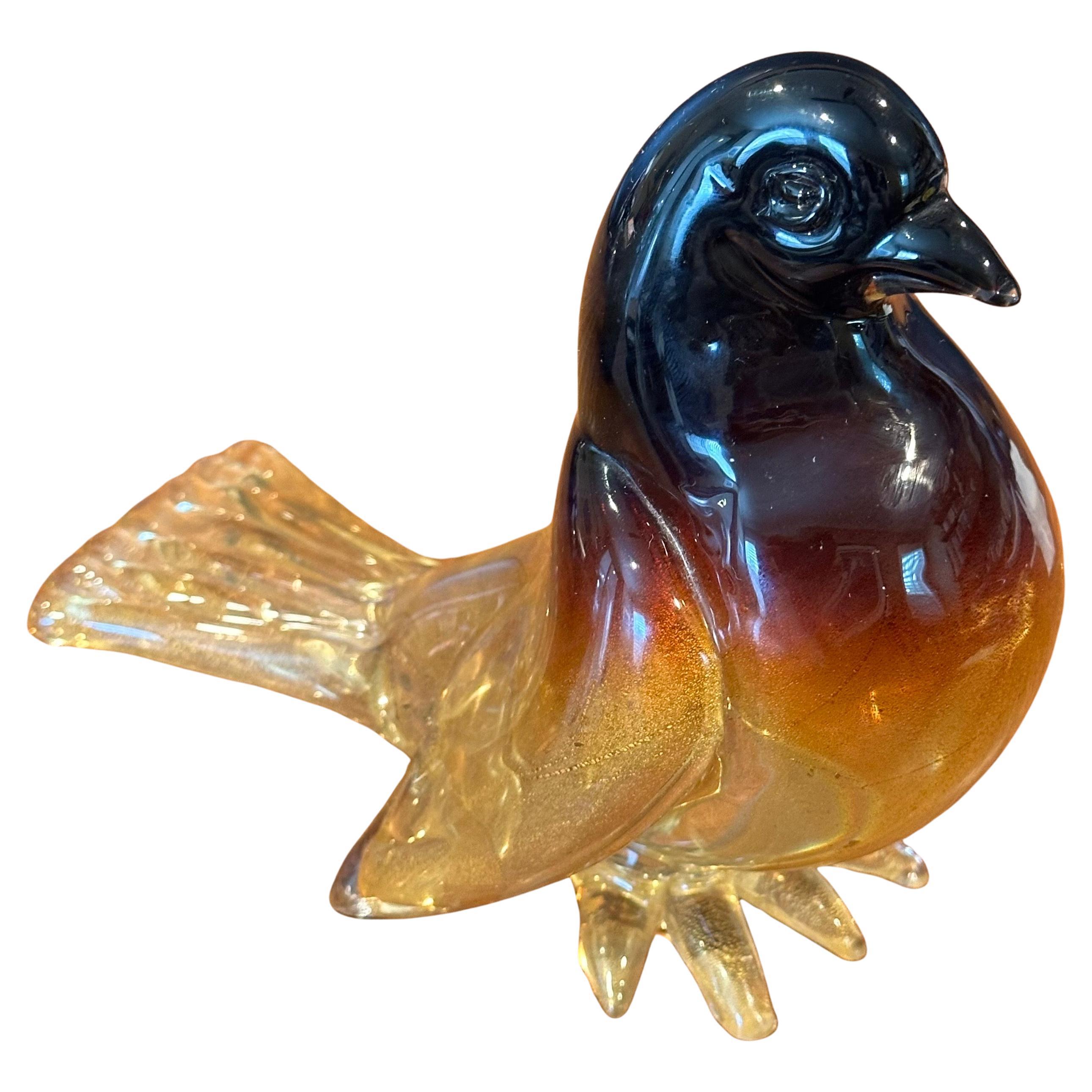
Vintage Murano Glass Parrot Sculpture by Alfredo Barbini, 1950s

Vintage Murano Glass Parrot Sculpture by Alfredo Barbini, 1950s

By Alfredo Barbini

Located in Winter Park, FL

A vintage mid century Italian Murano art glass parrot or exotic bird sculpture by Alfredo Barbini. Rare bright yellow color, hand-blown using bullicante technique (controlled bubbles...

Category

Mid-20th Century Italian Mid-Century Modern Animal Sculptures

Materials

Art Glass

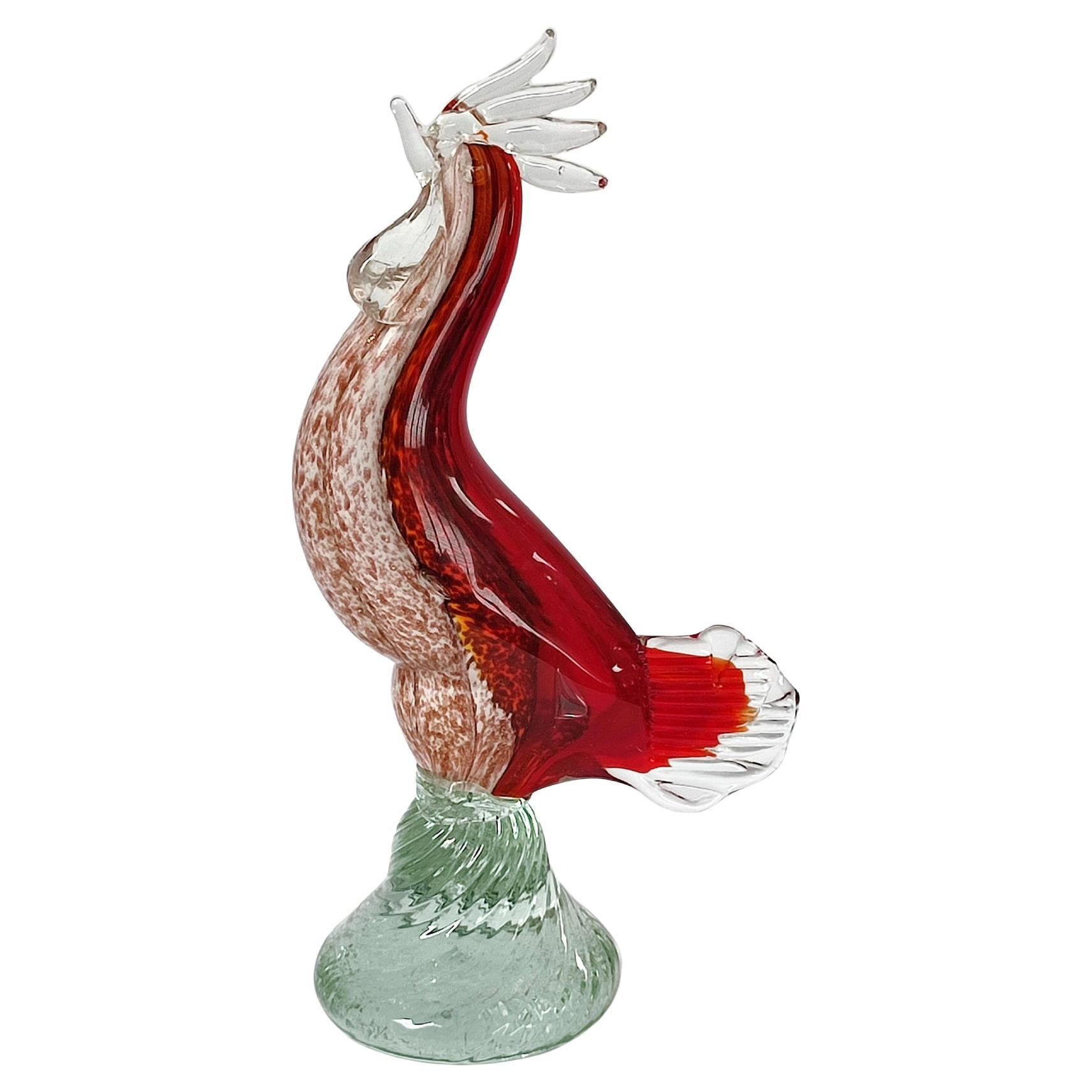
Mid-Century Modern Murano Glass Parrot Sculpture by Seguso, 1960s

Mid-Century Modern Murano Glass Parrot Sculpture by Seguso, 1960s

By Archimede Seguso

Located in West Palm Beach, FL

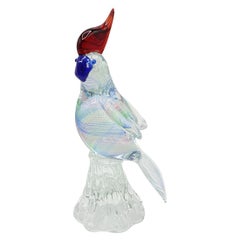
A blue-red vintage Mid-Century Modern Italian parrot sculpture made of hand blown Murano Glass, designed and produced by Archimede Seguso in good condition. The décor piece is particularized by multicolored details. Wear consistent with age and use. circa 1960 - 1970, Murano, Venice, Italy. Base: 3" diameter The Seguso Familly is an Italian Murano glasswork, manufactor founded by Antonio Filius Seguxi in 1397, in Venice, Italy. Until today, the Seguso Family...

Category

Mid-20th Century Italian Mid-Century Modern Animal Sculptures

Materials

Murano Glass, Smoked Glass

Mid-century murano glass bird, 1970’s

Mid-century murano glass bird, 1970’s

Located in Delft, NL

Mid-century murano glass bird, 1970’s

Category

Vintage 1970s Italian Mid-Century Modern Animal Sculptures

Materials

Glass

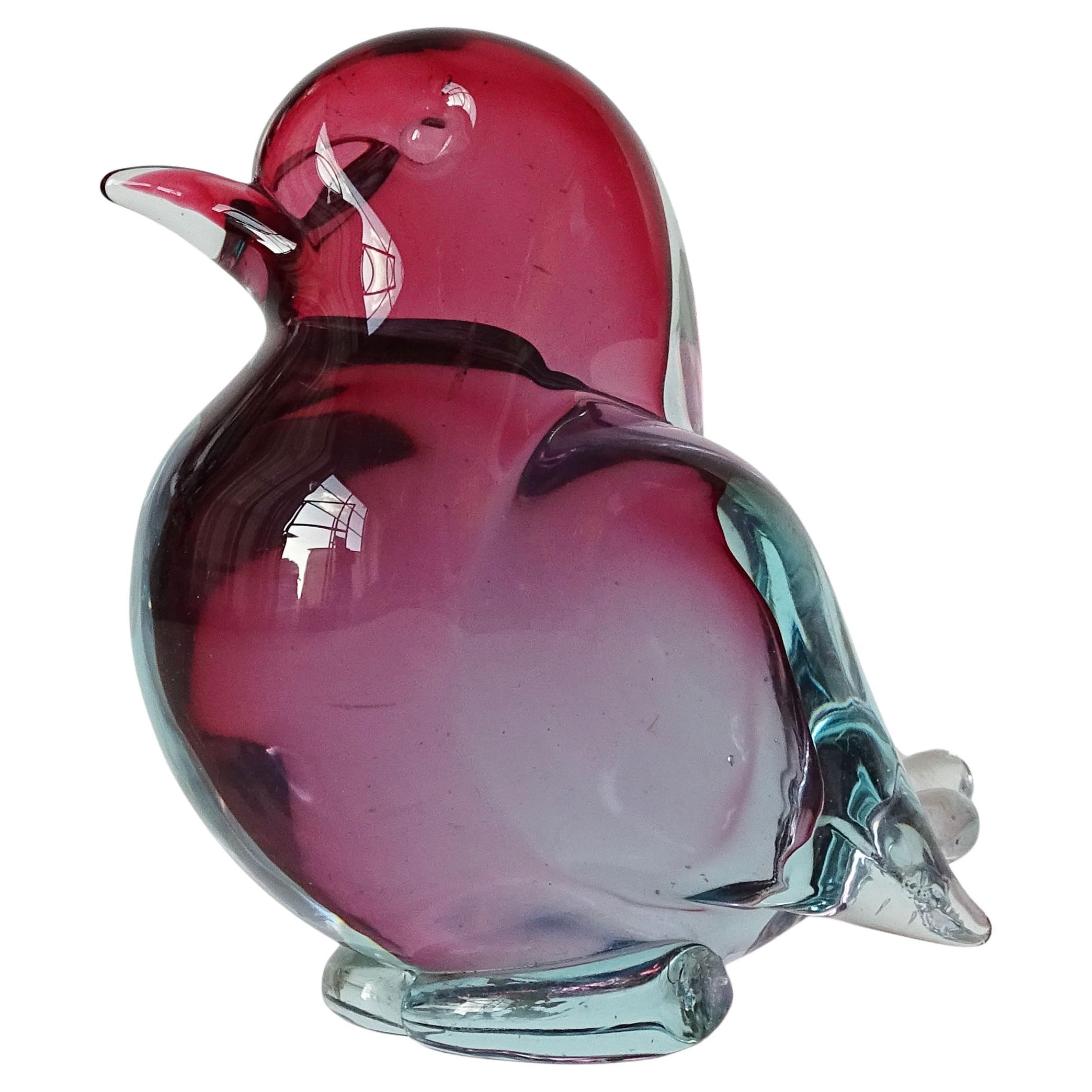
Stylish Parrot Art Glass Sculpture by Murano Glass

Stylish Parrot Art Glass Sculpture by Murano Glass

By Murano 5

Located in San Diego, CA

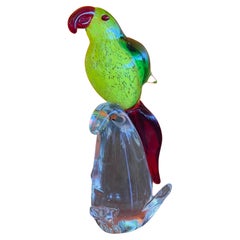
Stylish parrot art glass sculpture by Murano Glass, circa 1960s. The piece is in very good vintage condition with no chips or cracks and measures 5"W x 5"D ...

Category

Mid-20th Century Italian Mid-Century Modern Animal Sculptures

Materials

Art Glass

San Pacific 13" Handblown Glass Parrot

San Pacific 13" Handblown Glass Parrot

Located in Pasadena, TX

A vintage Murano style art glass by San Pacific. The figure depicted is a parrot that has an applied beak. Very Good Vintage- Near Excellent

Category

Late 20th Century Unknown Modern Animal Sculptures

Materials

Glass