Want more images or videos?
Request additional images or videos from the seller
1 of 16

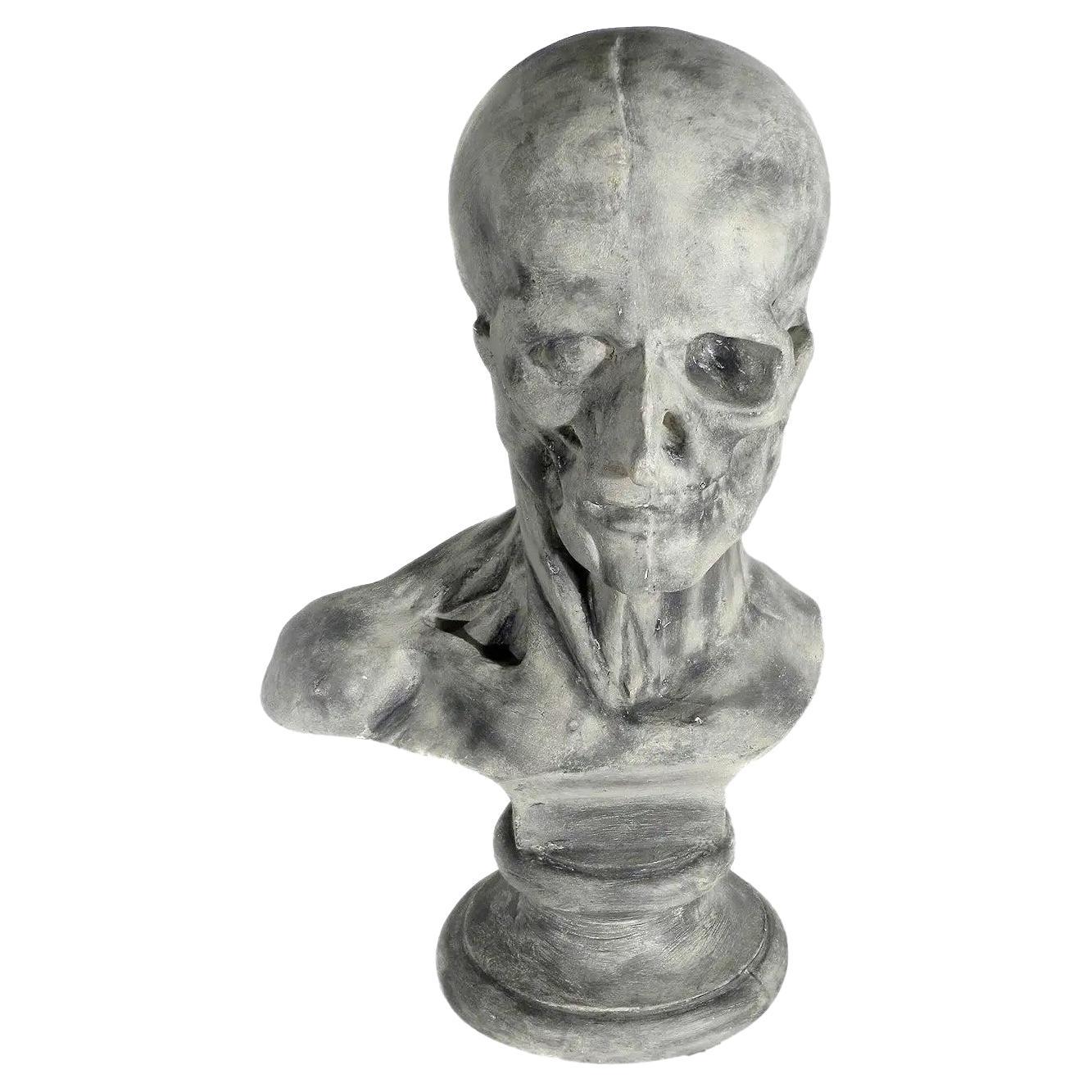
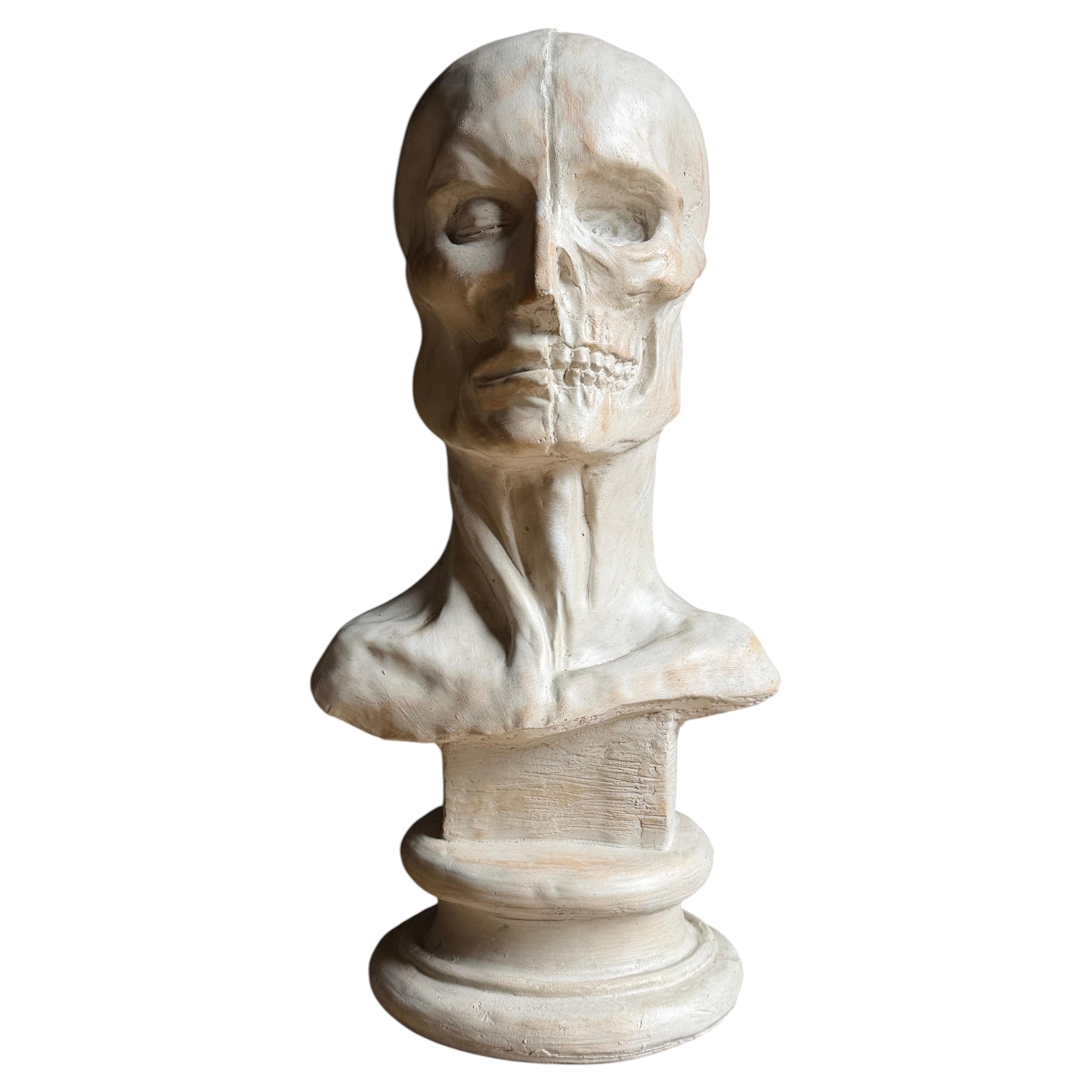
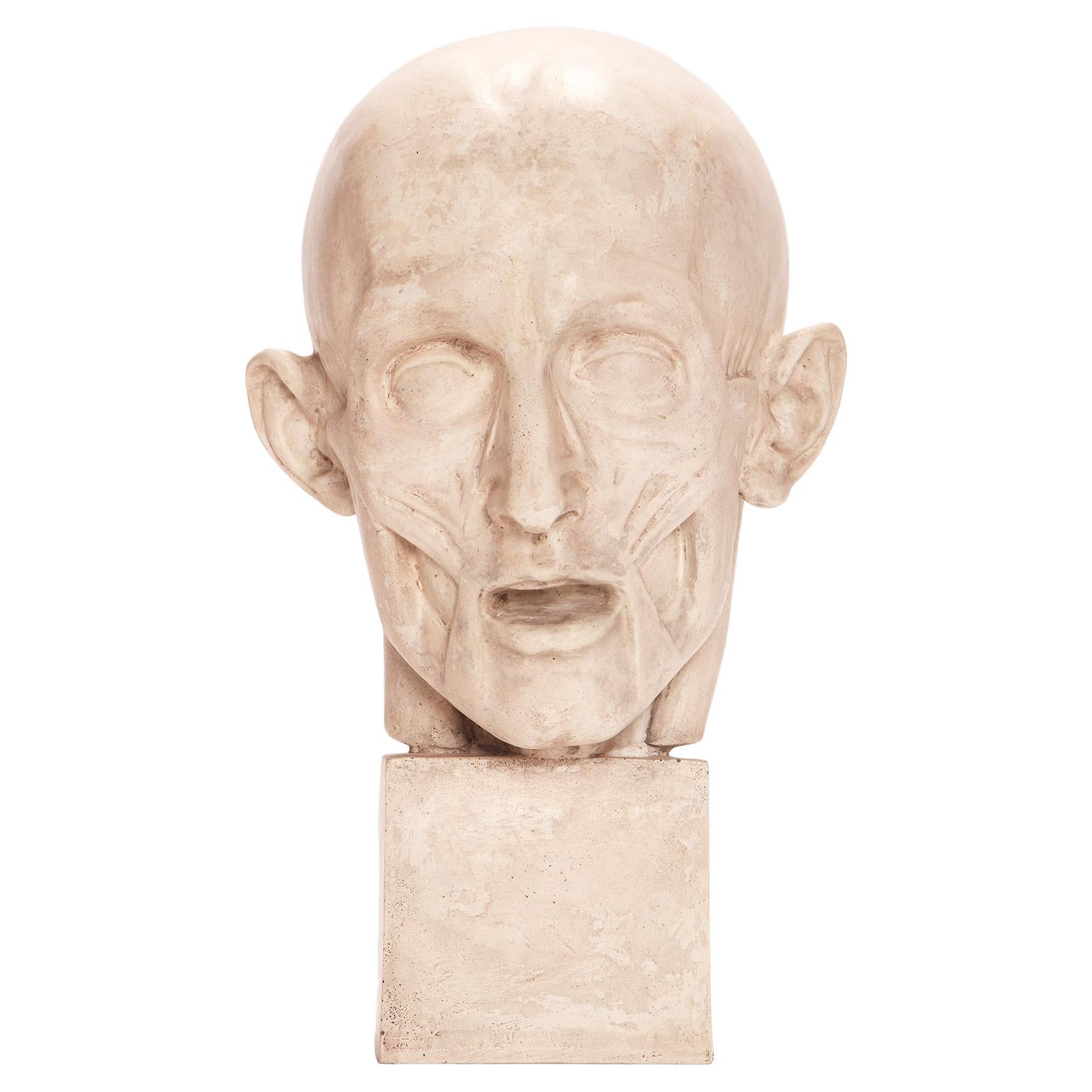
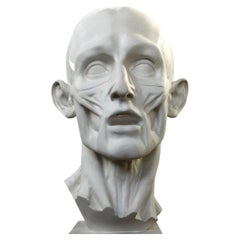
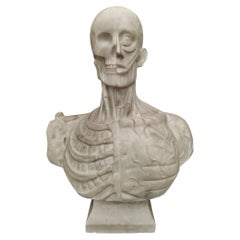
Antique 19th Century Anatomical Plaster Bust After Jean-Antoine Houdon, L’Écorch

$9,657.30
£6,995
€8,344.47
CA$13,397.33
A$13,595.84
CHF 7,837.71
MX$164,621.86
NOK 90,971.07
SEK 91,944.05
DKK 62,380.27

About the Item

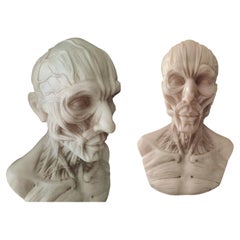
Rare 19th Century antique life-size anatomical plaster bust after Jean-Antoine Houdon (1741–1828), depicting the celebrated study of L’Écorché (The Flayed Man). This high-quality late 19th Century plaster sculpture presents a finely modelled anatomical study, later finished in a soft white painted surface that gives an elegant, subtly lustrous patina. A striking and expressive full-size academic bust, intended as an anatomical teaching model, capturing the underlying musculature of the human form with dramatic realism and sculptural presence. Very good period condition with no visible damage. Height: 50 cm Width: 24 cm Depth: 23 cm Jean-Antoine Houdon’s L’Écorché is one of the most significant anatomical studies of the 18th century. Created in Rome circa 1767, the original sculpture was designed as a rigorous study of human anatomy, revealing the musculature beneath the skin with exceptional precision. It became a foundational reference for artists and academies across Europe, widely used in art education as a standard teaching model for the study of the human figure. Houdon’s work is celebrated for its synthesis of scientific observation and classical idealism, and L’Écorché in particular had a lasting influence on generations of sculptors and draughtsmen, establishing itself as an essential reference in the tradition of academic art training. We ship internationally, tracked and insured.
  • Dimensions:
    Height: 19.69 in (50 cm)Diameter: 9.45 in (24 cm)
  • Materials and Techniques:
  • Period:
  • Date of Manufacture:
    19thc
  • Condition:
  • Seller Location:
    Nottingham, GB
  • Reference Number:
    1stDibs: LU9003250870412

More From This Seller

View All
Antique Medical Anatomical Wax Head Model, 19th Century

Antique Medical Anatomical Wax Head Model, 19th Century

Located in Nottingham, GB

A rare and highly detailed late 19th century anatomical wax model of a dissected human head, mounted on a wooden display board designed for wall present...

Category

Antique Late 19th Century Scientific Instruments

Materials

Wood

Italian Grand Tour Carrara Marble Bust of Satyr 19th Century

Italian Grand Tour Carrara Marble Bust of Satyr 19th Century

Located in Nottingham, GB

A striking late 19th-century Italian carved marble bust after the celebrated satyr faun (also known as the Laughing Faun), one of the most admired sculptures of classical antiquity. ...

Category

Antique Late 19th Century Busts

Materials

Marble

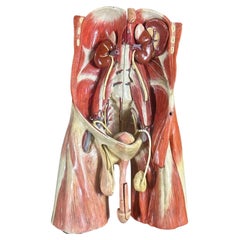
Museum-Quality 19th Century Anatomical Plaster Torso Model, Probably Sommer

Museum-Quality 19th Century Anatomical Plaster Torso Model, Probably Sommer

Located in Nottingham, GB

A rare late 19th-century anatomical teaching model depicting the posterior abdominal wall and pelvic cavity of an adult male. Constructed from plaster and papier-mâché, the model is ...

Category

Antique 19th Century Scientific Instruments

Materials

Plaster

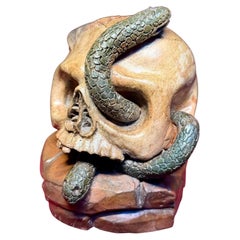
Terracotta Memento Mori Skull Sculpture, Italy 17th Century

Terracotta Memento Mori Skull Sculpture, Italy 17th Century

Located in Nottingham, GB

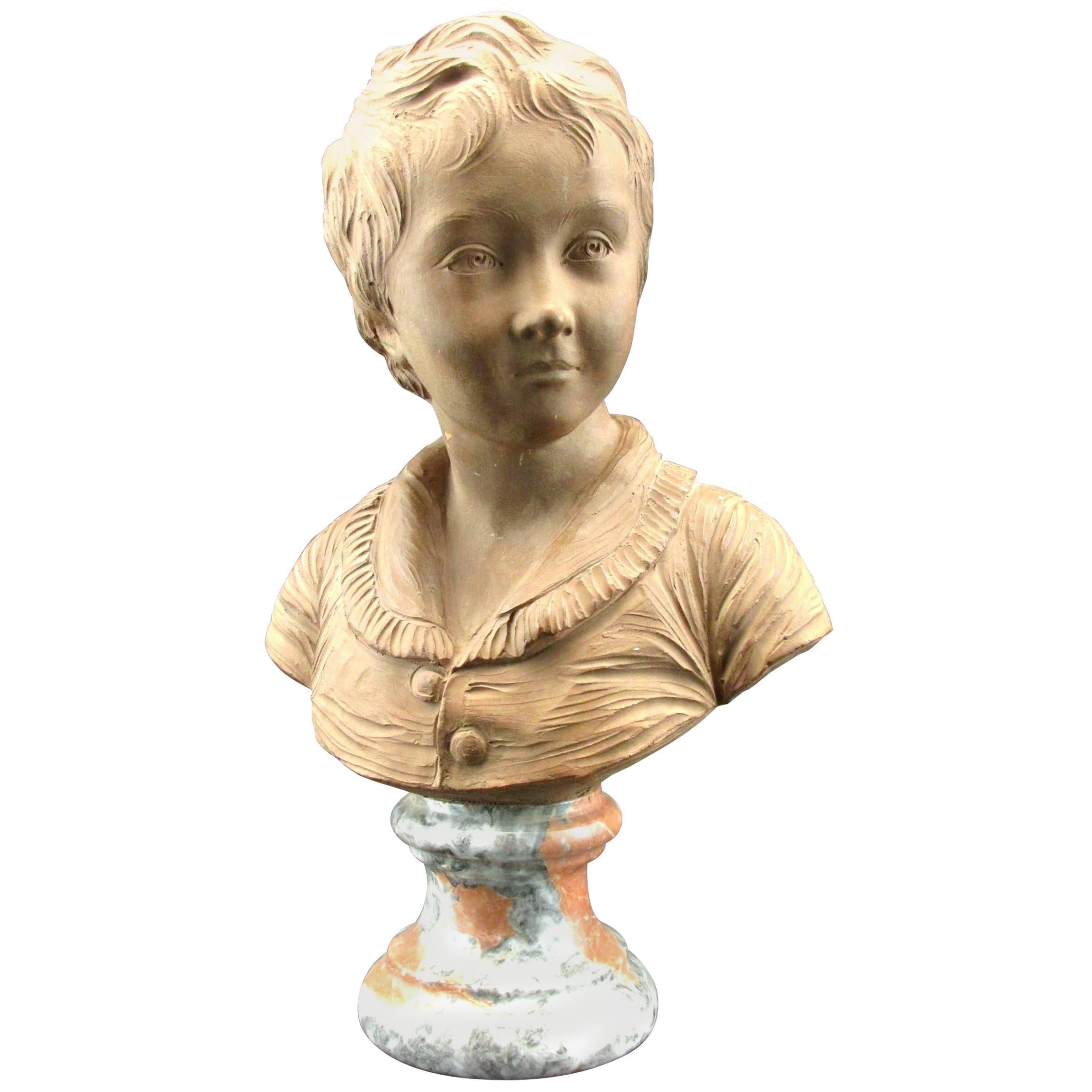
A rare and highly evocative European memento mori terracotta sculpture depicting a human skull resting upon a rocky outcrop, entwined with serpents and surmounted by a distinctive lock of hair. Dating from the late 17th to early 18th century, the piece is likely of German origin. Beautifully modelled and painted in naturalistic tones, the skull is rendered in warm earthy hues, contrasting with the dark green serpents that coil through and around the cranium. The rocky base is finished in rich brown tones, enhancing the sculpture's dramatic presence and symbolic depth. Memento mori, Latin for “remember that you must die,” was a powerful artistic and philosophical motif throughout Europe, serving as a reminder of the transience of earthly life and the certainty of mortality. Here, the skull embodies death, decay, and the fleeting nature of human existence, while the entwined serpents symbolise transformation, renewal, healing, and the eternal cycle of life. Together they create a compelling allegory of mortality and rebirth, where death itself becomes a gateway to regeneration. A striking and unusual example of early European memento mori art...

Category

Antique Late 17th Century Figurative Sculptures
Materials

Terracotta

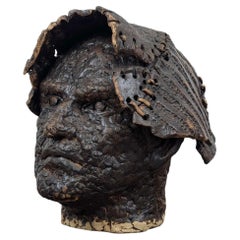
Mid Century Welsh Folk Art Studio Pottery Bust

Mid Century Welsh Folk Art Studio Pottery Bust

Located in Nottingham, GB

Welsh studio pottery has long drawn inspiration from the landscapes, traditions, and working lives of rural Wales. Rather than pursuing formal perfection, many potters embraced expre...

Category

Mid-20th Century Busts

Materials

Pottery

You May Also Like

Finely Detailed Anatomical Bust from the Houdon Model - H 60 cm - Carrara Marble

Finely Detailed Anatomical Bust from the Houdon Model - H 60 cm - Carrara Marble

Located in Madrid, ES

Finely Detailed Anatomical Bust from the Houdon Model - H 60 cm - Carrara Marble Spectacular anatomical bust in Carrara marble of sublime and extraordinary quality. This statue is ...

Category

Early 20th Century Italian Baroque Figurative Sculptures
Materials

Marble

FLAYED MAN BY JEAN-ANTOINE HOUDON - PLASTER CAST 20th Century

FLAYED MAN BY JEAN-ANTOINE HOUDON - PLASTER CAST 20th Century

Located in Madrid, ES

FLAYED MAN BY JEAN-ANTOINE HOUDON - PLASTER CAST 29th Century This is a real size reproduction in plaster of the head of Flayed Man by the French sculptor Jean-Antoine Houdon (Paris...

Category

Late 20th Century Italian Mid-Century Modern Busts

Materials

Plaster

JEAN-ANTOINE HOUDON'S  "SCORTICATO" IN PLASTER early 20th Century

JEAN-ANTOINE HOUDON'S "SCORTICATO" IN PLASTER early 20th Century

Located in Madrid, ES

JEAN-ANTOINE HOUDON'S "SCORTICATO" IN PLASTER early 20th Century 1: 1 reproduction in plaster of the head of the Flayed by the French sculptor Jean-Antoine Houdon (Paris, 1741-1828). He studied in Rome, at the French Academy...

Category

Early 20th Century Italian Modern Busts

Materials

Plaster

Vintage Anatomical Écorché Study Model, Bust on Pedestal 1970s

Vintage Anatomical Écorché Study Model, Bust on Pedestal 1970s

Located in BEEKBERGEN, NL

This anatomical écorché bust dates from the 1970s and was originally produced as an educational model for art academies, universities, and medical schools. It combines a detailed ren...

Category

Vintage 1970s French Neoclassical Busts

Materials

Plaster

Early Life Sized Anatomical Display, Jean Antoine Houdon

Early Life Sized Anatomical Display, Jean Antoine Houdon

Located in Peekskill, NY

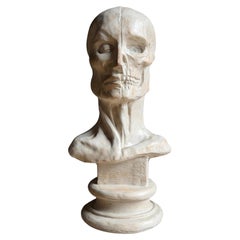
This striking plaster anatomical models is a half and half in the style of Jean Antoine Houdon. It shows the skeleton on one side and muscular layer on the other. The bust is full si...

Category

Antique Late 19th Century Unknown Industrial Models and Miniatures

Materials

Plaster

Finely Detailed Anatomical Bust from the Houdon Model - H 60 cm - Carrara Marble

Finely Detailed Anatomical Bust from the Houdon Model - H 60 cm - Carrara Marble

Located in Madrid, ES

Masterful, sublimely crafted, esoteric anatomical bust in Carrara marble from the 19th century This statue is a contemporary anatomical figure inspired by the classic L'Écorché, the...

Category

Antique Late 19th Century Italian Baroque Figurative Sculptures

Materials

Marble