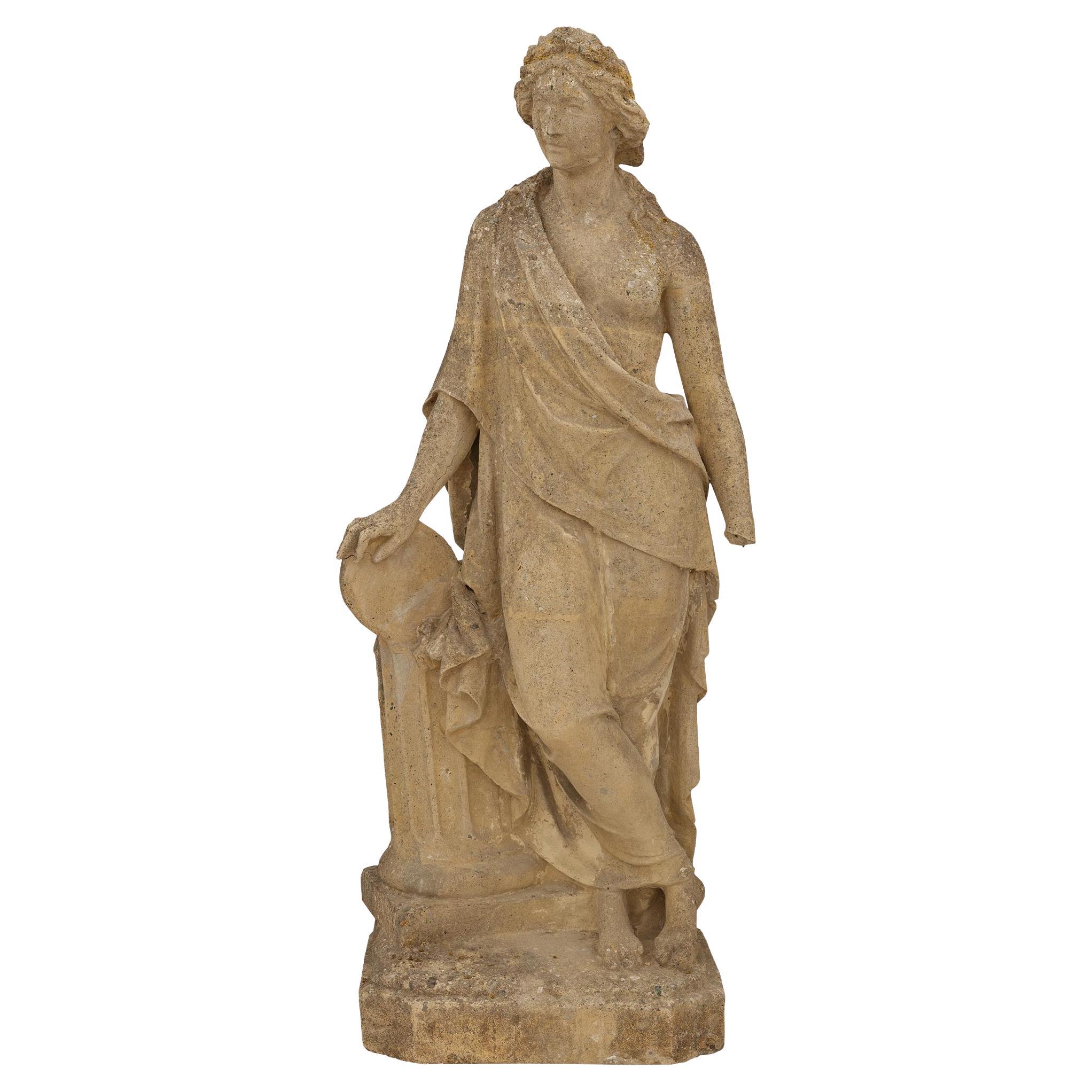
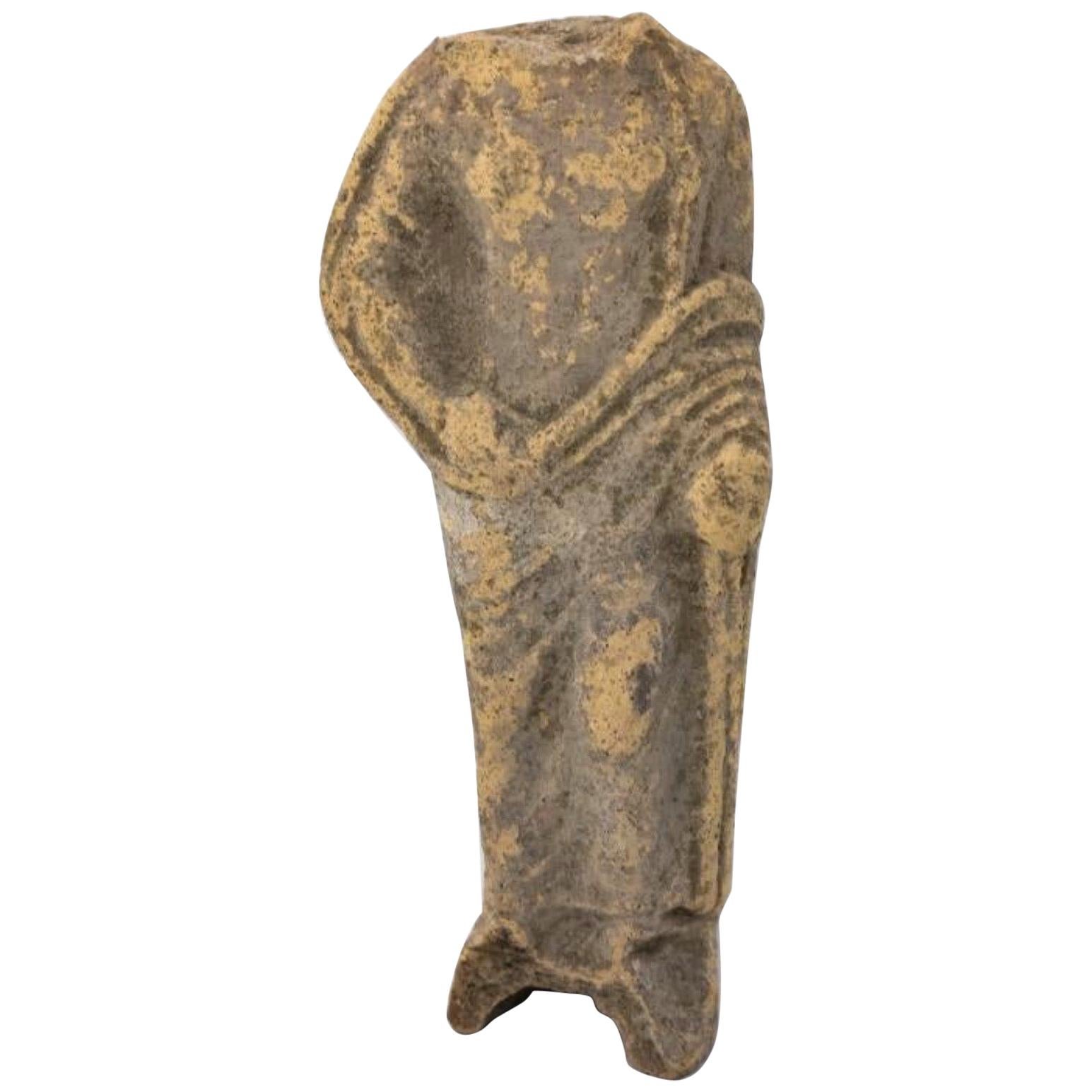
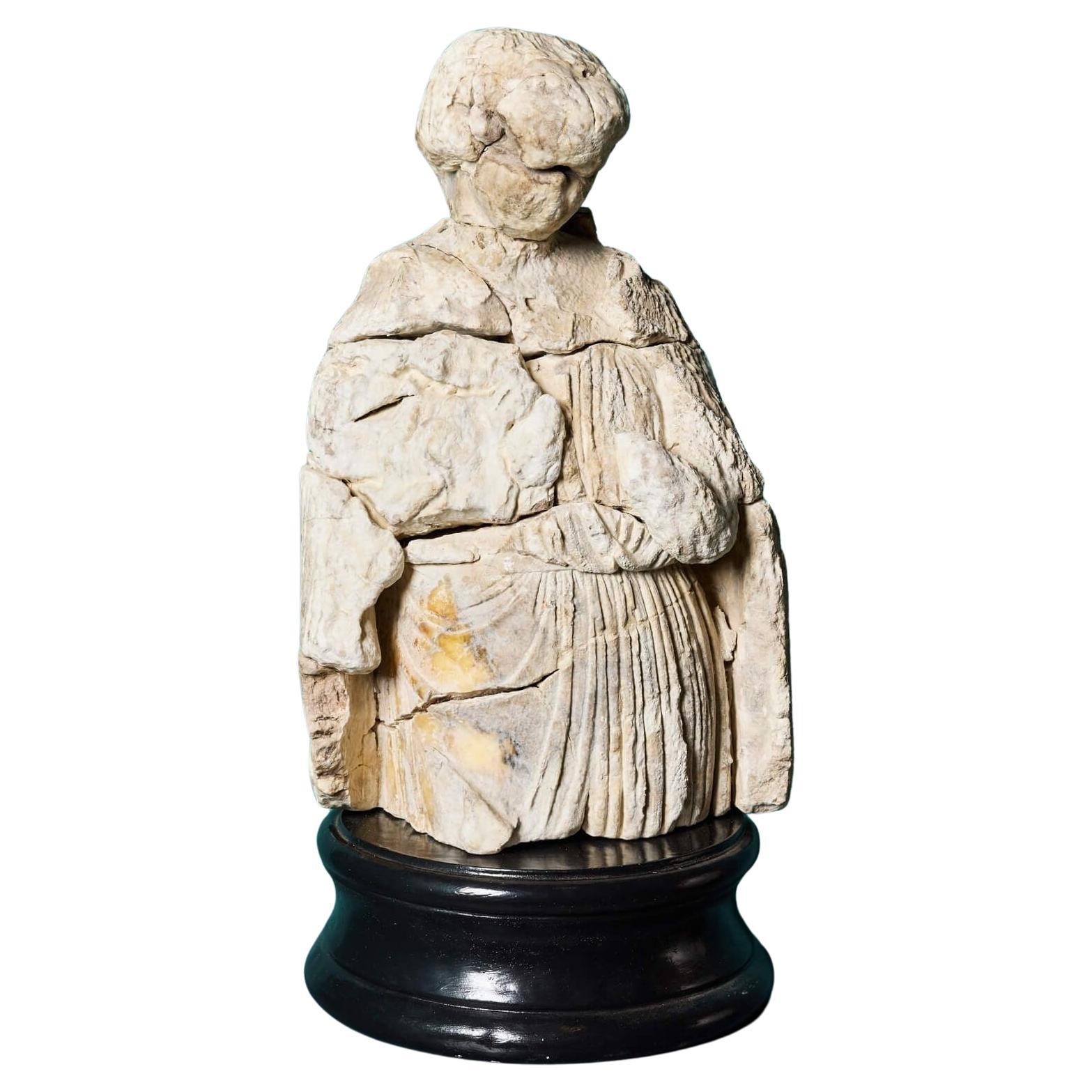

Sandstone Torso from Franconia, Dated to the 18th Century
Located in Greding, DE
Sculpture of a saint in sandstone, 18th century.
Category
Antique 18th Century Figurative Sculptures
Materials
Sandstone
Sandstone Torso from Franconia, Dated to the 18th Century
Located in Greding, DE
Sculpture of a saint in sandstone, 18th century.
Sandstone
18th Century Baroque Sandstone Fragment with Cupid Design
Located in Greding, DE
Baroque sandstone fragment with small cupid and a shield on his left side. Very beautiful, naturally aged patina.
Sandstone

19th Century Baroque Sandstone Hunter Sculpture, Life-Size, European
Located in Greding, DE
Life-size sculpture of a hunter in baroque clothing with a pained face and a gesture of clutching his head. He has just been bitten on the forearm by a hunting dog. The sculpture is ...
Sandstone
Life-Size Terracotta Statue of a Vestal Virgin, second half of the 19th Century
Located in Greding, DE
Life-size terracotta statue depicting a Vestal Virgin or temple attendant in classical attire, standing next to a column bearing an oil flame. In her left hand, she holds an elaborat...
Terracotta

Hora of Summer, Life-size Zinc Cast Figure, late 19th Century
Located in Greding, DE
Life-size zinc cast figure of a young woman in classical drapery holding a scroll, with a wicker basket of fruit at her side. One arm is missing. The figure likely represents one of...
Zinc
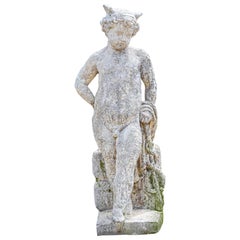
Hermes Garden Sculpture, Cast Stone, Neoclassical, 20th Century
Located in Greding, DE
Life-size cast stone figure of Hermes with Aesculapian staff and winged helmet. He is leaning casually against a small wall. The sculpture has a beautiful natural patina.
Cast Stone
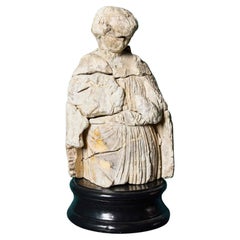
Medieval English Alabaster Statue
Located in Wormelow, Herefordshire
A medieval English alabaster statue, possibly dating as far back as the late 14th / early 15th century, mounted on one of our exclusive large display plinths. Well weathered over the centuries, this 600-year-old statue depicts a medieval cloaked figure, possibly a monk, offering a glimpse into English architecture and sculpture of the Middle Ages. This sculpture is possibly made from Nottingham alabaster. During the 14th and 15th centuries, Nottingham was the centre of alabaster carving and painting. Alabaster works were mostly made as small alabaster models with religious themes. During the 16th century Reformation, many alabaster carvings were destroyed under King Henry VIII's rule, making any surviving examples even more significant. Provenance From the collection of Peter Hone (b. 1941). A master plaster caster, he is an expert and experienced collector, building up an extraordinary, museum-worthy collection of items in his one-bedroom flat in London W11...
Alabaster
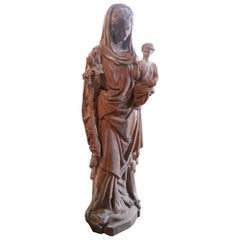
18th Century French Statue in Terracotta
Located in Dallas, TX
18th century French terracotta statue with Madonna and child.
Terracotta
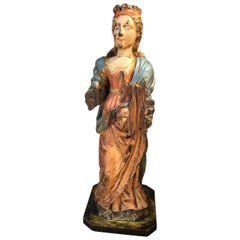
Early 17th Century Sculpture
Located in Copenhagen, K
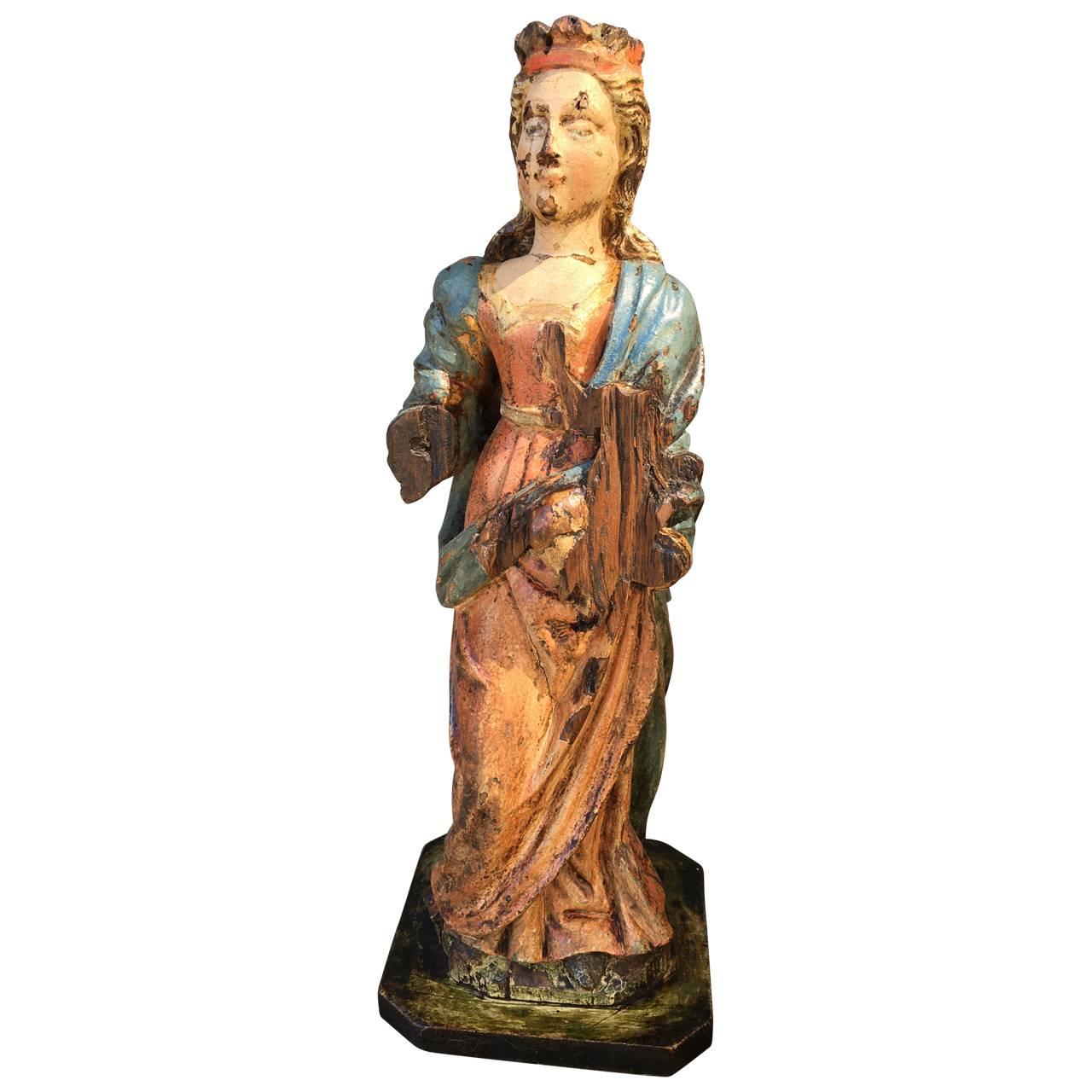
Amazing Baroque sculpture of a woman wearing a crown in original paint. Her hands are missing. Colors are untouched, recently cleaned off from a thick dark coating, I have images fro...
Oak
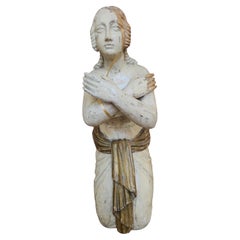
18th Century Italian Carved Figure
Located in Los Angeles, CA
From a beautiful home in Santa Barbara. Not sure if paint is original, but it is definitely old. Finely carved with a lot of character.
Wood, Paint
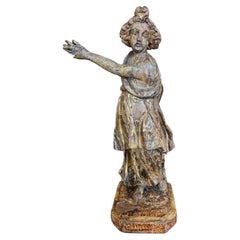
18th Century Italian Carved Figure
Located in Los Angeles, CA
In excellent condition considering his age. She is very beautiful. From a significant home in Santa Barbara. Base is 9.5" x 10".
Wood, Giltwood
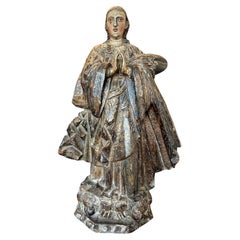
Carved Saint Sculpture, French, Late 18th Century
Located in Toronto, CA
A stunning polychrome figure of a Saint from the late 18th century or early 19th century, from France. This is one of the most beautifully carved Saints we have ever featured, with t...
Wood