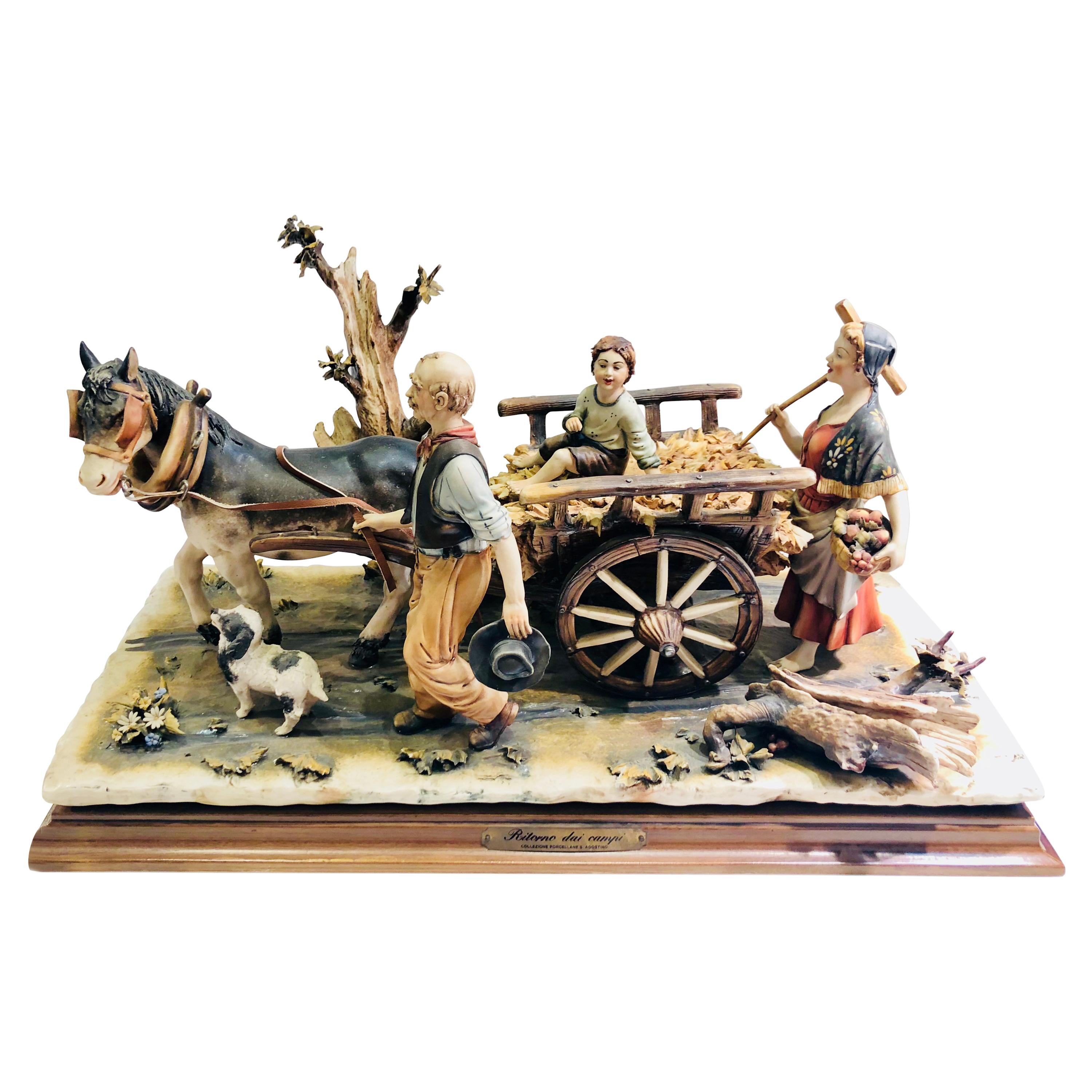
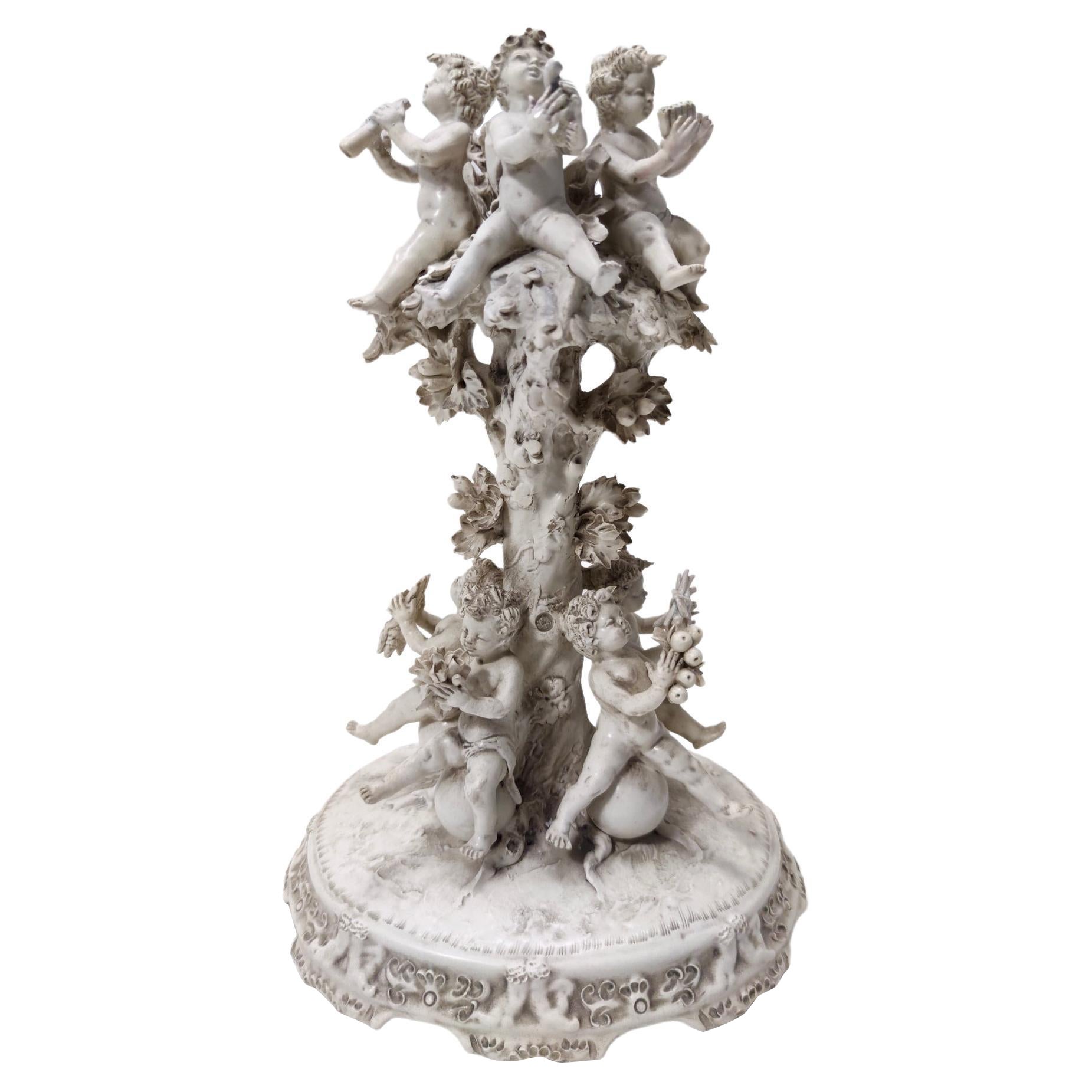
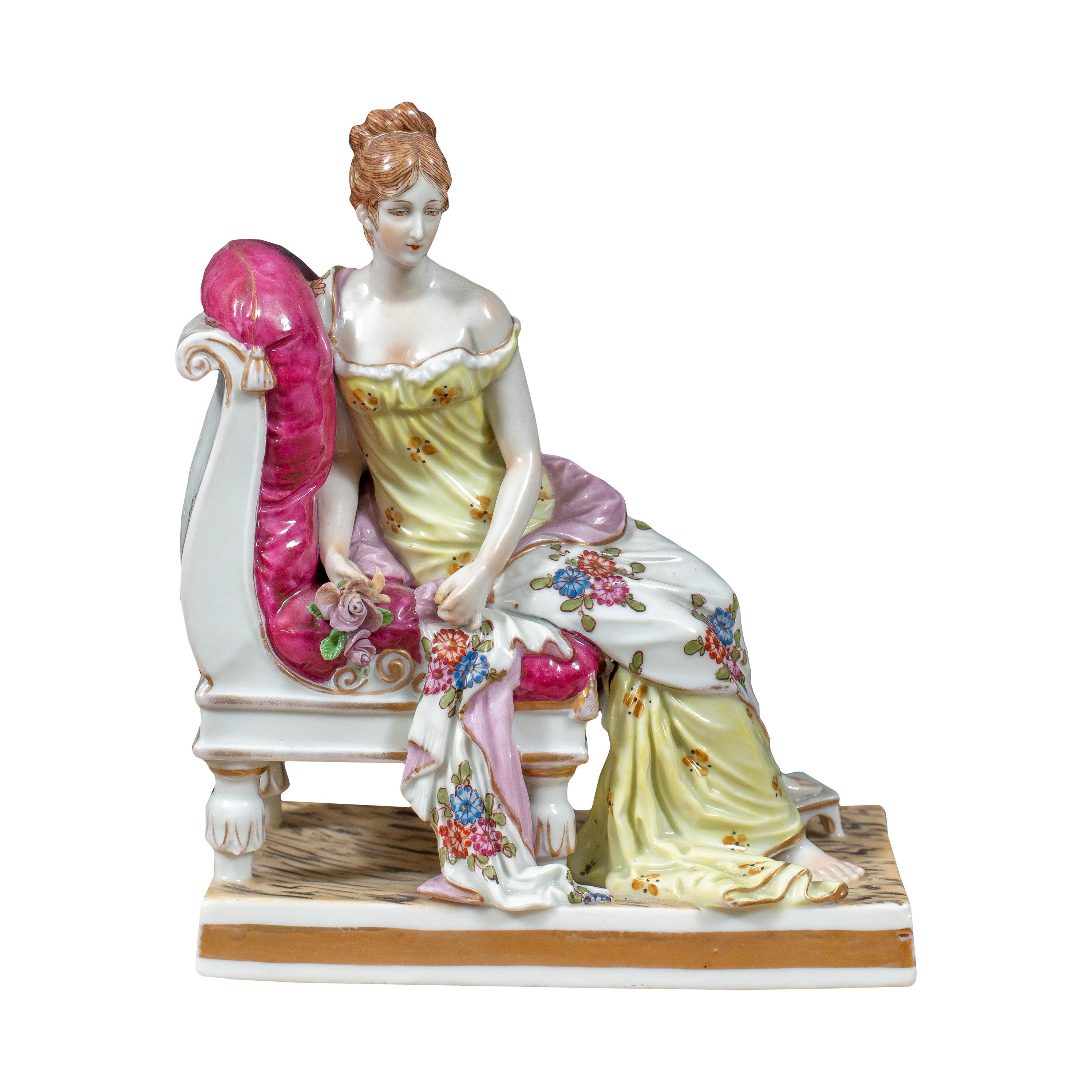
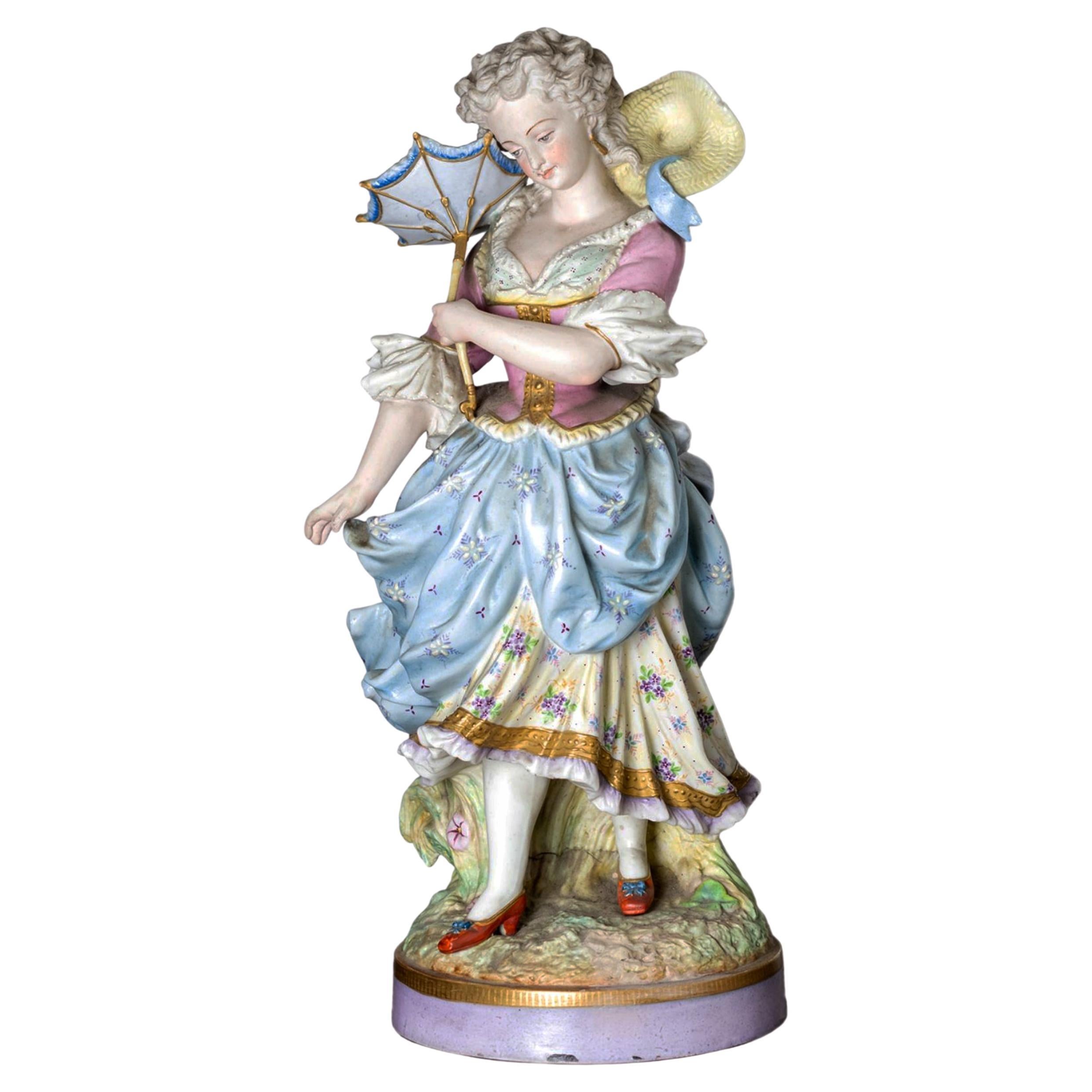
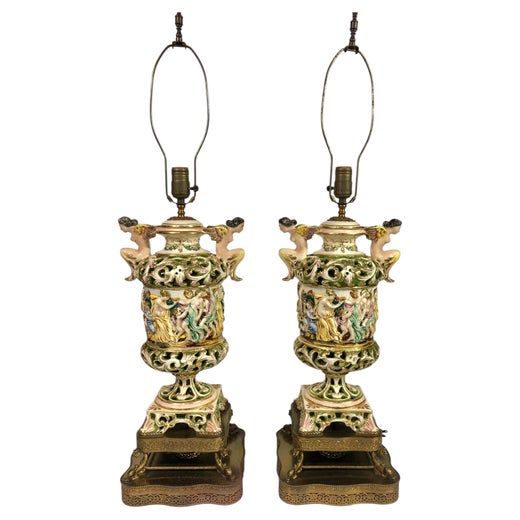
Ceramica Giuseppe Cappe Gelle Capodimonte
By Giuseppe Cappé, Giuseppe Armani, Capodimonte
Located in Lugo, IT
Ceramica di Giuseppe Cappe Gelle Buone condizioni. Grazie
Category
Vintage 1950s Italian Mounted Objects
Materials
Ceramic
If success is measured by lasting name recognition, Capodimonte porcelain would seem to be in the same league as such makers as Meissen, Sèvres and Wedgwood. Early examples of Capodimonte lamps — as well as the Italian manufacturer’s celebrated porcelain vases, figurines and sculptures — can be hard to come by, but the best later pieces possess the same over-the-top charm.
The Real Fabbrica (“royal factory”) di Capodimonte hasn’t actually produced porcelain since the early 19th century, when Charles’s son Ferdinand sold it. Although secondary manufacturers have built upon the aesthetic and kept the name alive, some connoisseurs of the royal product feel these pieces should be labeled “in the style of” Capodimonte.
The timeline of royal Capodimonte porcelain is decidedly brief. From beginning to end, its manufacture lasted approximately 75 years. King Charles VII of Naples, who founded the manufactory in 1743, began experimenting with porcelain around 1738, the year he married Maria Amalia of Saxony. No coincidence there. His new bride was the granddaughter of Augustus the Strong, Elector of Saxony and founder of Meissen, the first European hard-paste porcelain manufactory. Her dowry included 17 Meissen table services.
Struck by porcelain fever, Charles built a dedicated facility on top of a hill (capo di monte) overlooking Naples. He financed expeditions to search for the right clay. He hired chemists and artisans to experiment. His earliest successes were small white snuffboxes and vases, although efforts soon progressed to full sets of tableware, decorative objects and stylized figurines of peasants and theatrical personalities.
In 1759, Charles succeeded to the throne of Spain. He moved the manufactory with him — including 40 workers and 4 tons of clay — and continued operations in Madrid. Twelve years later, his son Ferdinand IV, who inherited the throne of Naples, built a new factory there that became known for distinctly rococo designs.
The Napoleonic wars interrupted production, and around 1807, oversight of the royal factories was transferred to a franchisee named Giovanni Poulard-Prad.
Beginning in the mid-18th century, porcelain made by Charles’s factory was stamped with a fleur-de-lis, usually in underglaze blue. Pieces from Ferdinand’s were stamped with a Neapolitan N topped by a crown. When secondary manufacturers began production, they retained this mark, in multiple variations. The value of these later 19th- and 20th-century pieces is determined by the quality, not the Capodimonte porcelain marks.
Find antique and vintage Capodimonte porcelain for sale on 1stDibs.
Ceramica Giuseppe Cappe Gelle Capodimonte
By Giuseppe Cappé, Giuseppe Armani, Capodimonte
Located in Lugo, IT
Ceramica di Giuseppe Cappe Gelle Buone condizioni. Grazie
Ceramic
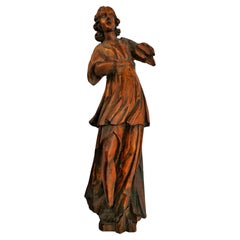
Wooden angel possible French Rococo
Located in Lugo, IT
Wooden angel should be French 1700/800s Not perfect condition, missing and broken Thank you
Wood
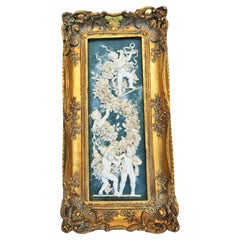
Marble powder bas-relief on wooden frame
Located in Lugo, IT
Beautiful reproduction of putti with pressed marble powder with wooden frame. Not able to give a year of production. Good conditions. Thank you
Wood
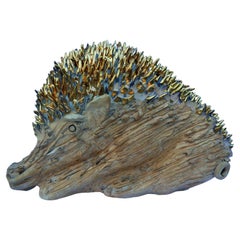
Cucciolo di cinghiale xl vernice oro attribuita a Emilia Palomba - Sardegna
By Gambone Fantoni, Aldo Londi, San Polo, Emilia Palomba
Located in Lugo, IT
Cucciolo di cinghiale in terracotta. Manca un orecchio e setole mancanti. Dimensioni xl Attribuisco agli anni 60 70 Grazie
Pottery
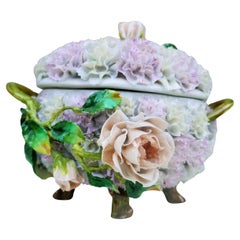
Ceramics possible German/Dresden or French production Carnations Roses
By Capodimonte, Richard Ginori, Limoges, Meissen Porcelain
Located in Lugo, IT
The ceramic may be German/Dresden or French. I don't see any defects, but there is a 4-centimeter gap along the edge of the lower ceramic, as shown in the photo. Good condition. Than...
Ceramic
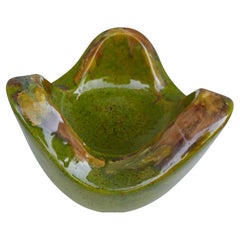
Ceramic attributed to Bertoncello Roberto Rigon
By Bertoncello, Roberto Rigon
Located in Lugo, IT
Ceramic attributed to Bertoncello Roberto Rigon. Defects. Thank you.
Ceramic
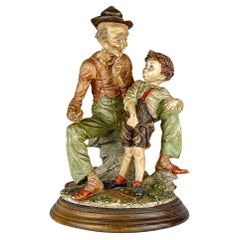
Original ceramic sculpture by Giuseppe Armani for Capodimonte, Italy 1970s
By Capodimonte, Giuseppe Armani
Located in Miklavž Pri Taboru, SI
Vintage ceramic sculpture "Old man and Boy" by Giuseppe Armani for Capodimonte made in Italy in the 1970s. The sculpture has the origin...
Ceramic
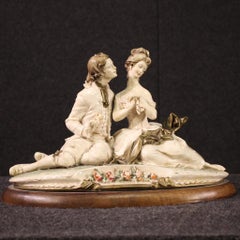
20th Century Capodimonte Ceramic Sculpture Signed and Dated, 1981
Located in Vicoforte, IT
Italian sculpture dated 1981. Capodimonte ceramic artwork signed B. Merli depicting a romantic subject, a couple of lovers. Sculpture signed on the base with a production stamp attri...
Ceramic
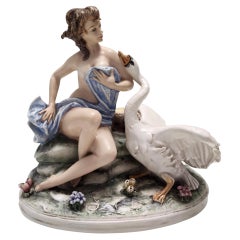
Capodimonte Porcelain Decorative Item by Carlo Mollica, Rococo Style, Italy
By Capodimonte
Located in Bresso, Lombardy
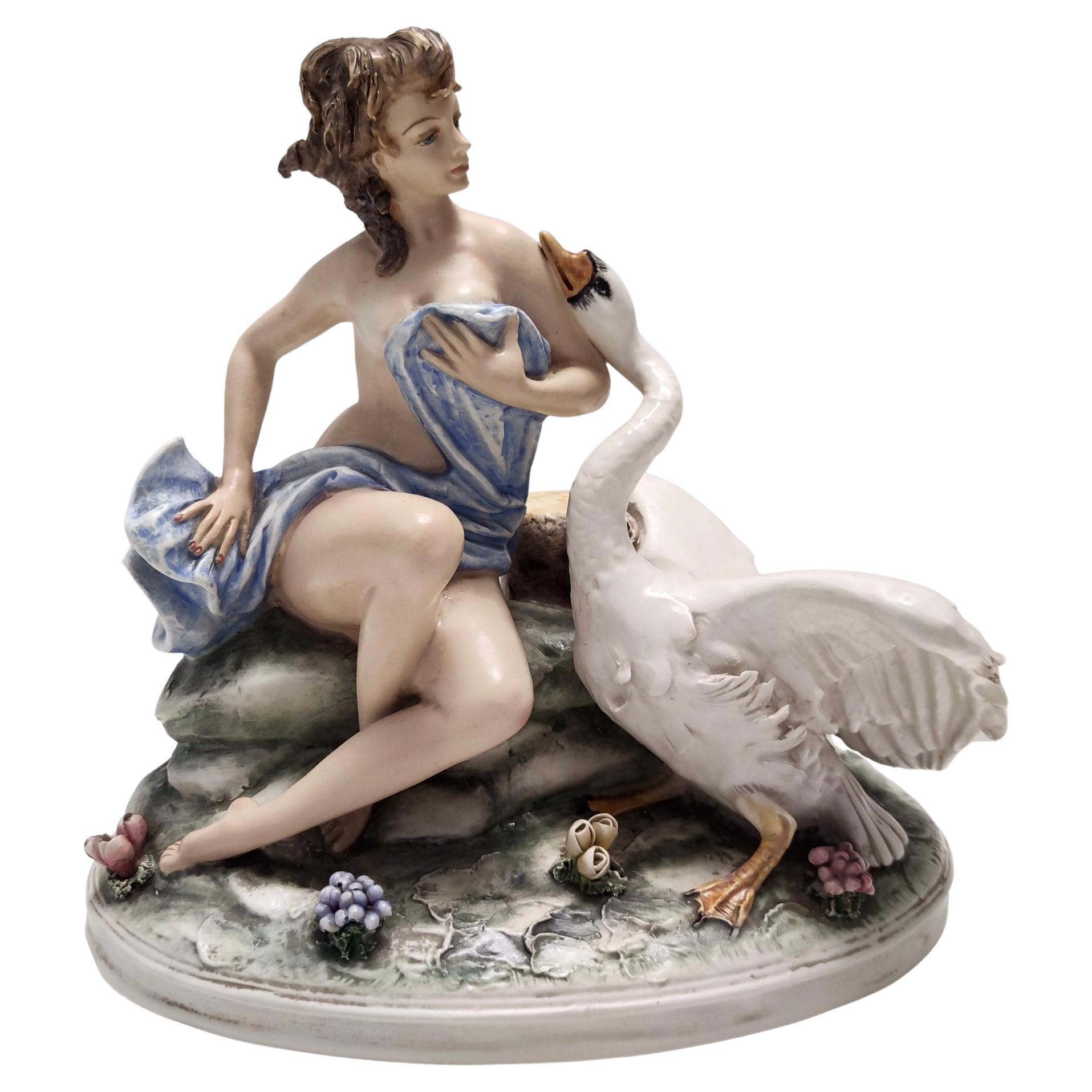
Made in Italy, 1960s. This scene sculpted by Carlo Mollica recalls the mythological figures of Leda and the Swan (Zeus). It is made in polychromed porcel...
Porcelain
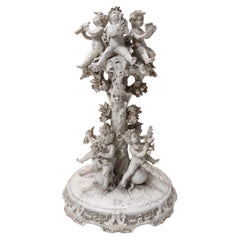
Vintage Capodimonte Ceramic Decorative Item by Mollica, Rococo Style, Italy
By Capodimonte
Located in Bresso, Lombardy
Made in Italy, 1960s. This group of 7 cherubs are made in Capodimonte lacquered ceramic by Mollica. This item might show slight traces of use since it's vintage, but it can be consid...
Ceramic
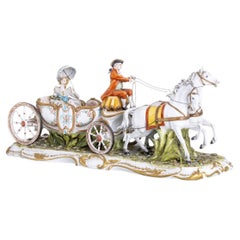
Italian Sculptory Group Tiche 20th Century Limited Edition
By Tiche, Porcelaine d'arte Milano
Located in Madrid, ES
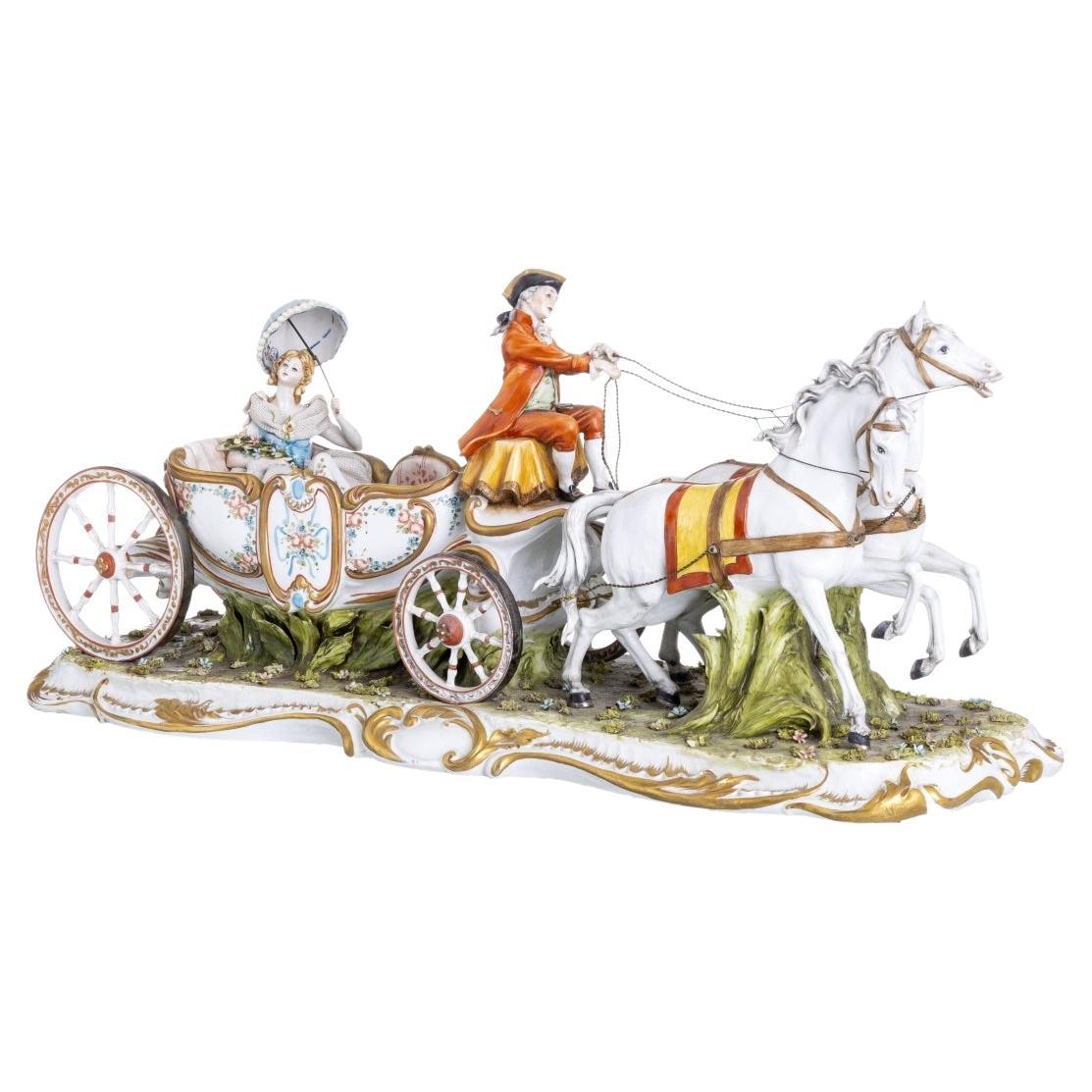
ITALIANO SCULPTORY GROUP TICHE 20th Century Limited Edition "Chariot with Horses". limited edition piece with the N.37. Gilded and relief pol...
Porcelain
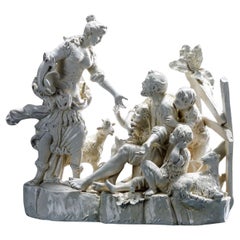
Erminia among the shepherds. Naples, Capodimonte Manufacture 19th century
By Capodimonte
Located in Milano, IT
White glazed ceramic depicting Erminia among shepherds. Erminia is shown from the side, standing with her robe in the wind, helmet under her arm, and shield at her feet; she is stret...
Ceramic