Want more images or videos?
Request additional images or videos from the seller
1 of 10

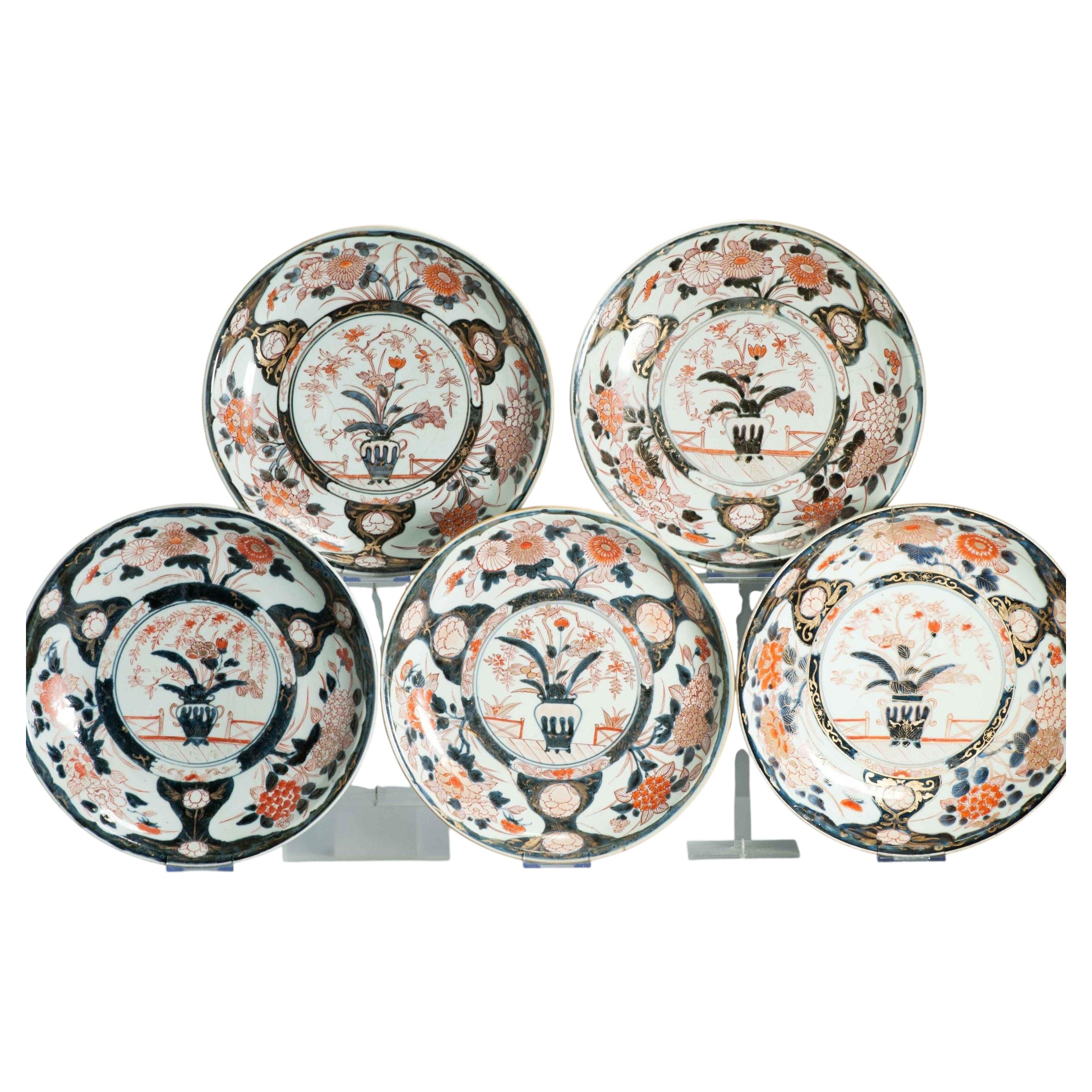
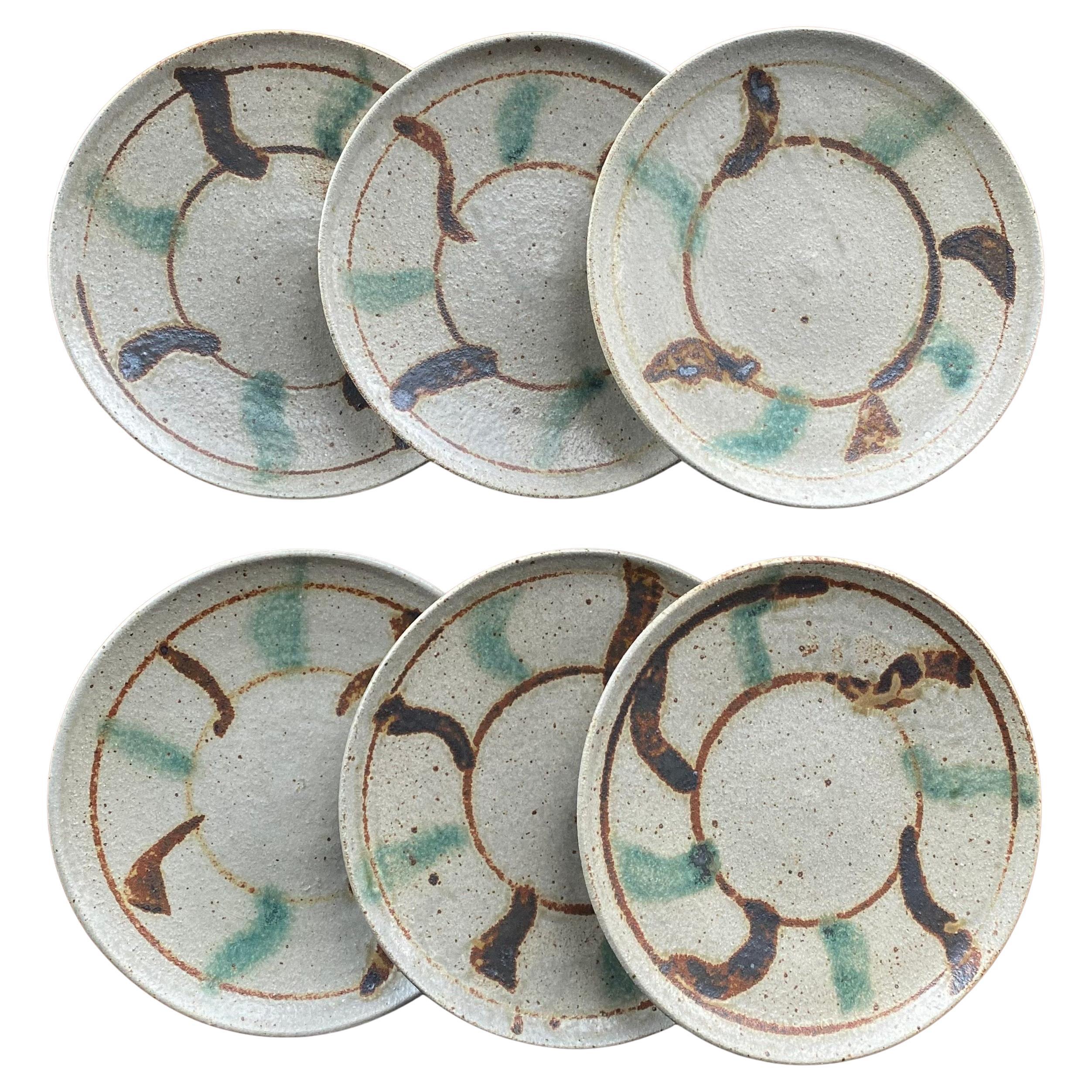
A Set of Six Takatori Ware Dishes Now Mounted

$8,500
£6,441.16
€7,507.49
CA$12,150.17
A$12,302.35
CHF 6,998.77
MX$149,512.11
NOK 82,728.97
SEK 82,294.36
DKK 56,120.32

About the Item

A set of Six Takatori Ware plates. One employing the Japanese Kintsugi technique of using gold to repair cracked ceramics. As a philosophy, kintsugi is similar to the Japanese philosophy of wabi-sabi, an embracing of the flawed or imperfect. The Japanese ceramic known as Takatori ware was founded by Korean potters brought to Japan at the end of the sixteenth century in the Japanese invasions of Korea (1592–1598). From its founding until 1871, Takatori ware production was controlled and patronized by the Kuroda, lords of Chikuzen Province (now Fukuoka Prefecture). The earliest known kiln was built at the base of Mt. Takatori in Chikuzen between 1600 and 1606.   Over the course of the seventeenth century, the site of Takatori production moved five times. In 1716, the workshop and kiln were moved to the Nishijin area west of the Kuroda castle at Fukuoka; their production remained until the abolition of the domain system in 1871. Later, probably in the nineteenth century, the Takatori style became known as one of the Seven Famous Kilns of Enshu, which made wares following the preferences of the tea ceremony master Kobori Enshū.
  • Dimensions:
    Height: 3 in (7.62 cm)Width: 3 in (7.62 cm)Depth: 0.75 in (1.91 cm)
  • Style:
    Edo (Of the Period)
  • Materials and Techniques:
    Stoneware,Glazed
  • Place of Origin:
  • Period:
  • Date of Manufacture:
    1800
  • Condition:
    Repaired: Gold repair to one formerly cracked plate. Custom stands are new. Wear consistent with age and use.
  • Seller Location:
    Stamford, CT
  • Reference Number:
    1stDibs: LU918635911652

More From This Seller

View All
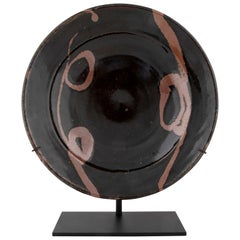
Charger Attributed to Shoji Hamada On Contemporary Stand

Charger Attributed to Shoji Hamada On Contemporary Stand

By Shoji Hamada

Located in Stamford, CT

Shoji Hamada Japanese clay charger with black glaze and terracotta toned glazed decoration, circa 1960s. On contemporary stand. The piece is unsigned and as such cannot definitively ...

Category

Vintage 1950s Japanese Folk Art Ceramics

Materials

Clay

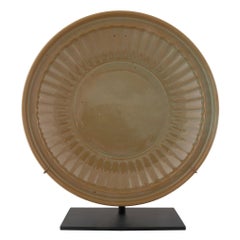
Large Heavily Glazed Chinese Shallow Bowl

Large Heavily Glazed Chinese Shallow Bowl

Located in Stamford, CT

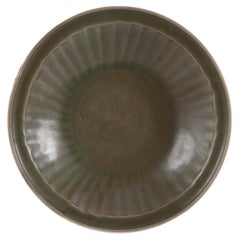
Large heavily glazed Chinese shallow bowl with radiating elements to the lip. Early 20th century. On contemporary stand.

Category

Early 20th Century Chinese Archaistic Ceramics

Materials

Ceramic

Japanese Wood and Stone Wabi Sabi Sculpture

Japanese Wood and Stone Wabi Sabi Sculpture

Located in Stamford, CT

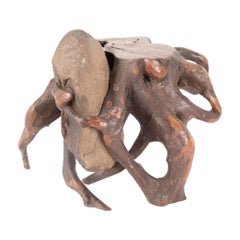
Japanese wood root and stone Wabi Sabi - "The Acceptance of Transience & Imperfection" sculpture. From Kyoto, Japan. Possibly earlier than 19th cen...

Category

Antique Late 19th Century Japanese Sculptures and Carvings

Materials

Stone

Afo Bridal-Currency from Nigeria

Afo Bridal-Currency from Nigeria

Located in Stamford, CT

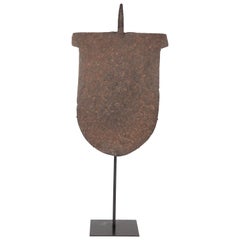
The Afo Bridal Currency was used in Nigeria until the early 1940s. This is also known as a "Chenkrom." Now mounted on a bronze stand.

Category

Early 20th Century Nigerian Tribal Abstract Sculptures

Materials

Iron

You May Also Like

Set of six Japanese plates in papier-mâché. First half of the 20th C.

Set of six Japanese plates in papier-mâché. First half of the 20th C.

Located in København, Copenhagen

A set of six Japanese plates in papier-mâché. Black lacquerwork with gold decoration. First half of the 20th century. In good condition with signs of use. Minor cracks and wear in th...

Category

20th Century Japanese Tableware

Materials

Other

Set of Five Antique Ao-Oribe Ceramic Dishes with Tomobako Edo Period

Set of Five Antique Ao-Oribe Ceramic Dishes with Tomobako Edo Period

Located in Atlanta, GA

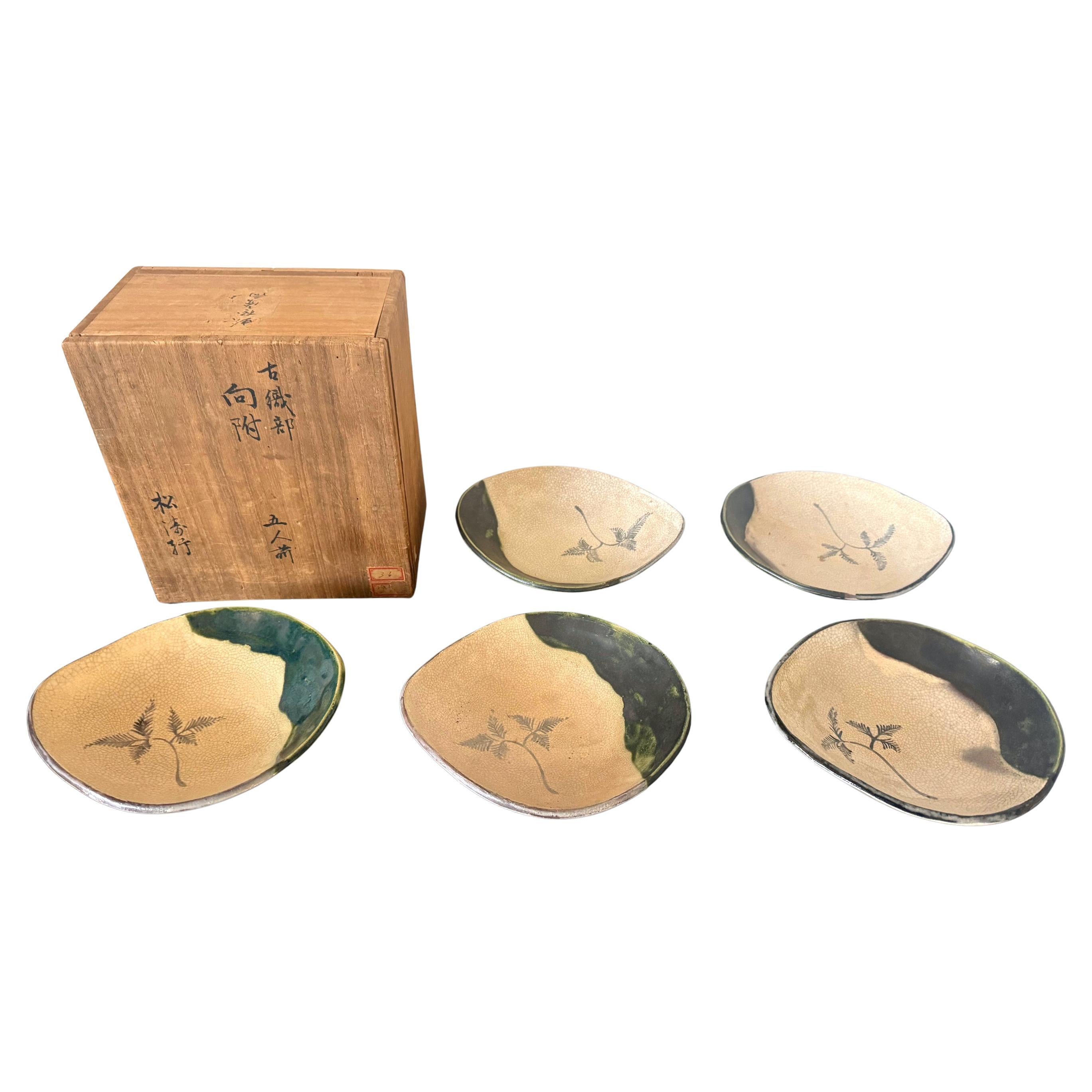
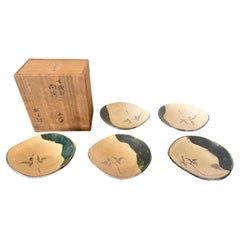
A set of five Japanese ceramic dishes in an inscribed tomobako box. These dishes were made in the types of Ko-Oribe (Old-Oribe) and dated in the early to middle 19th century (end of Edo period) serving as Mukozuke dished for multiple-course kaiseki cuisine. Ko-Oribe ware were made during Momoyama period (15-16th century) as a subtype of Mino ware and favored by tea master for their irregular and organic spirit. In slightly irregular oval shape and average 7.5" by 6.5", one edge of these dishes is covered in a pleasant irregular sliver of deep green glaze (therefore these are also known as Ao-Oribe, Green-Oribe). The main surface is covered in a white glaze with fine crackles and decorated in the center with a motif of fern branch in a grey-black glaze. The glaze has a sheen indicating a high concentration of magnesium. The five dishes vary subtly in shape, color and hand-applied glazing and paint pattern, The foot supports were cut short and remain unglazed revealing a whitish buff-ware like clay underneath. The set of Mukozuke dishes retains its original tomobako. On the lid, ink kanji inscription reads: Ko (old)-Seto, Mukozuke for Five, Shotoken (presumably the name of a high-end dining or tea house establishment where the dishes were collected and belonged). For a comparable Mukuzuke Oribe dish...

Category

Antique 19th Century Japanese Edo Ceramics
Materials

Ceramic, Wood

Japanese Kutani Sei Ceramic Dishes, Set of Six, Late 19th Century

Japanese Kutani Sei Ceramic Dishes, Set of Six, Late 19th Century

By Kutani Studio

Located in Bochum, NRW

Japanese Kutani Sei ceramic dishes, set of six, late 19th century. Rectangular quadrilobe shape, richly decorated in the Kutani specific red, enhanced with liquid gold accents. The ...

Category

Antique 1880s Japanese Meiji Ceramics

Materials

Ceramic

A set of earthenware Castano Plates, made by Formations

A set of earthenware Castano Plates, made by Formations

By Formations

Located in Scottsdale, AZ

Large Italian-Spanish style pair of Formation’s earthenware “Castano Plates." These limited-edition plates (exclusive to the trade) are no longer in production making them even more ...

Category

21st Century and Contemporary Decorative Bowls

Materials

Ceramic

Collection of 6, c1965 stoneware plates by Japanese American potter Teruo Hara

Collection of 6, c1965 stoneware plates by Japanese American potter Teruo Hara

By Teruo Hara

Located in Southampton, NJ

A rare set of 6, mid 1960s stoneware plates by famed Japanese-American potter Teruo Hara. Each plate is signed on the reverse with Hara's TH chop mark. Hara's work is difficult to co...

Category

Vintage 1960s American Organic Modern Pottery

Materials

Clay, Pottery, Stoneware

Set of Five Yohen-Kin Shino Ceramic Plates by Suzuki Tomio

Set of Five Yohen-Kin Shino Ceramic Plates by Suzuki Tomio

Located in Atlanta, GA

Japanese ceramic Suzuki Tomio (born in 1948) specializes in Shino ware. In 2003, he successfully developed Yohen-kin or transformed gold Shino, an opulent and golden glaze which led to a number of luster glazes in the artist’s growing body of work. Inspired by the golden tea ceremony room in Osaka Castle commissioned by Toyotomi Hideyoshi (1536-1598) where honored guests were served tea from a glittering bowl coated with pure gold, it took the artist nearly a decade of experimentation and refinement to achieve the glaze while strictly adhering to traditional shino making techniques. This set of five Yohen-kin plates displays a lustrous transformation. Signed on the bottom of plates. With original wrap cloth and the storage tomobako box entitled and signed by the artist in Kanji, with additional red seal. The size of the box is 5-1/8 x 8-1/4 x 8-1/4 inches. Many of Suzuki Tomio's shino pottery...

Category

Early 2000s Japanese Organic Modern Ceramics

Materials

Ceramic