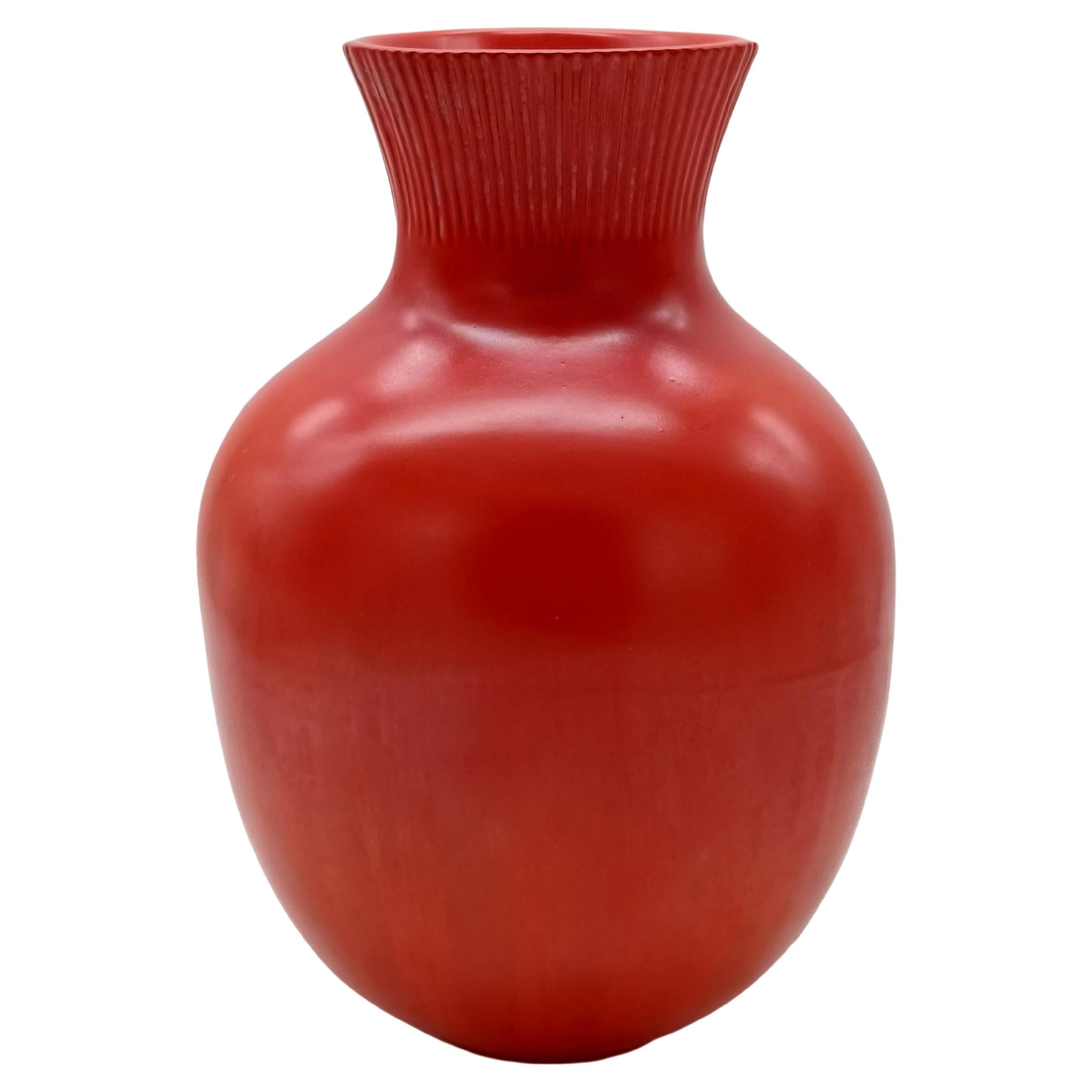
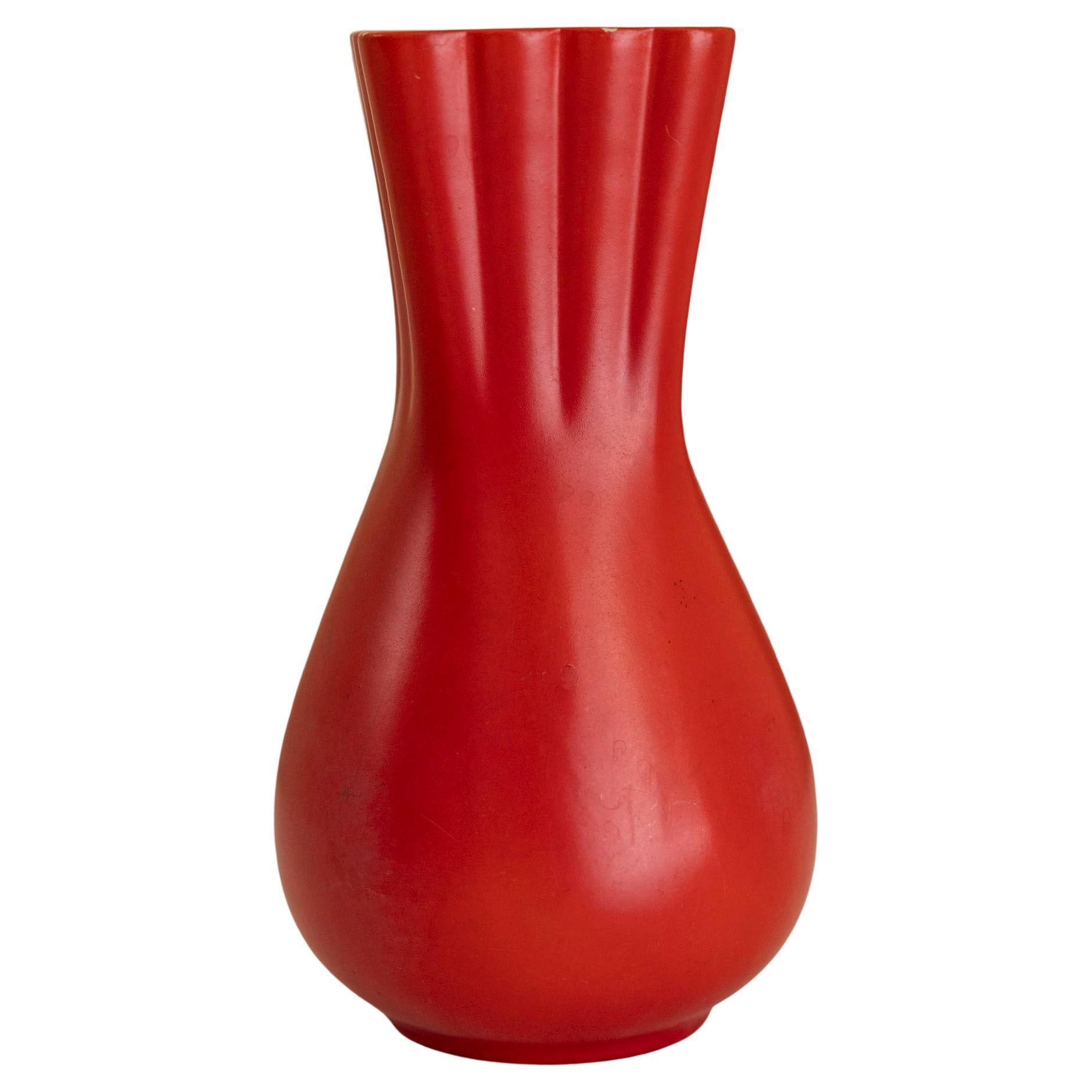
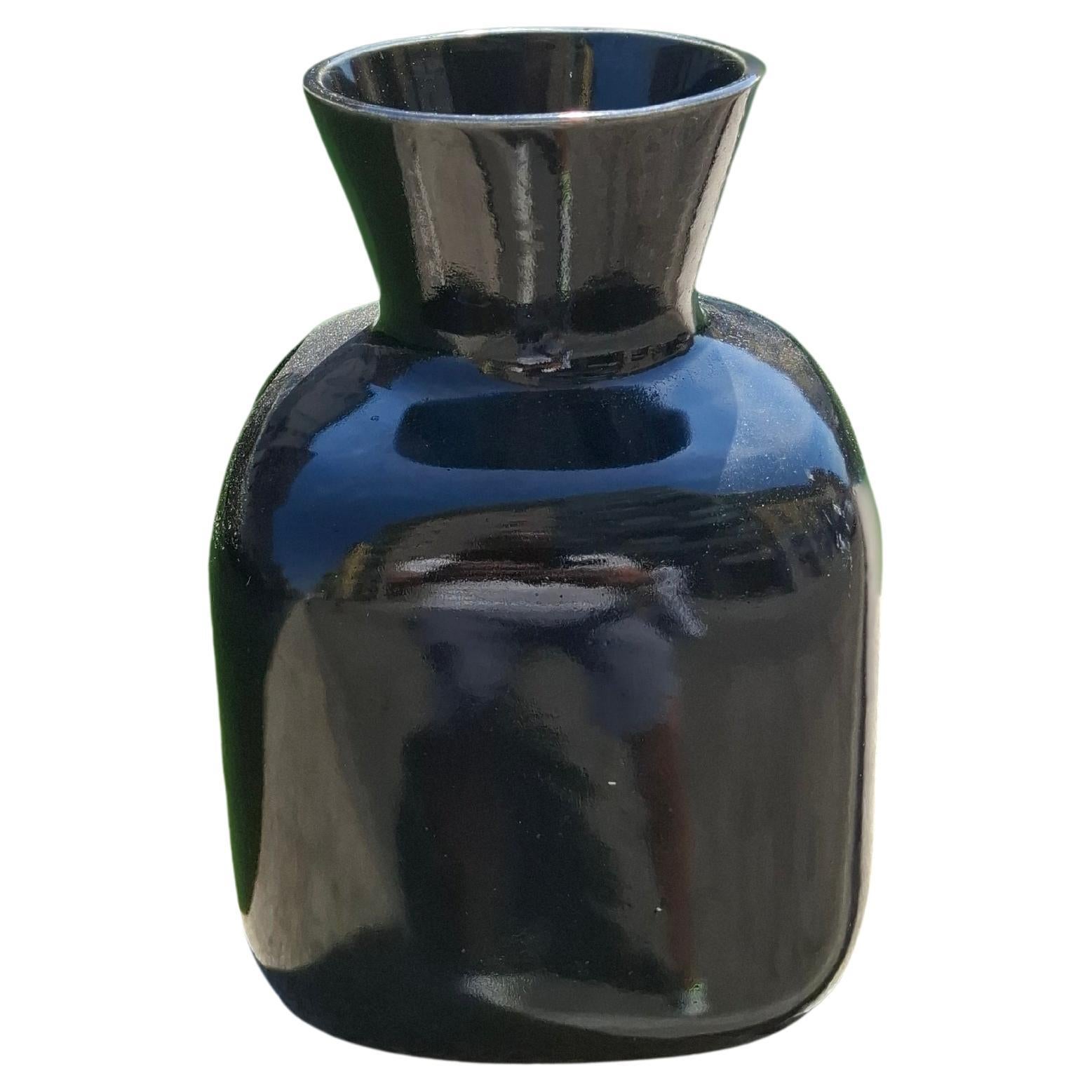
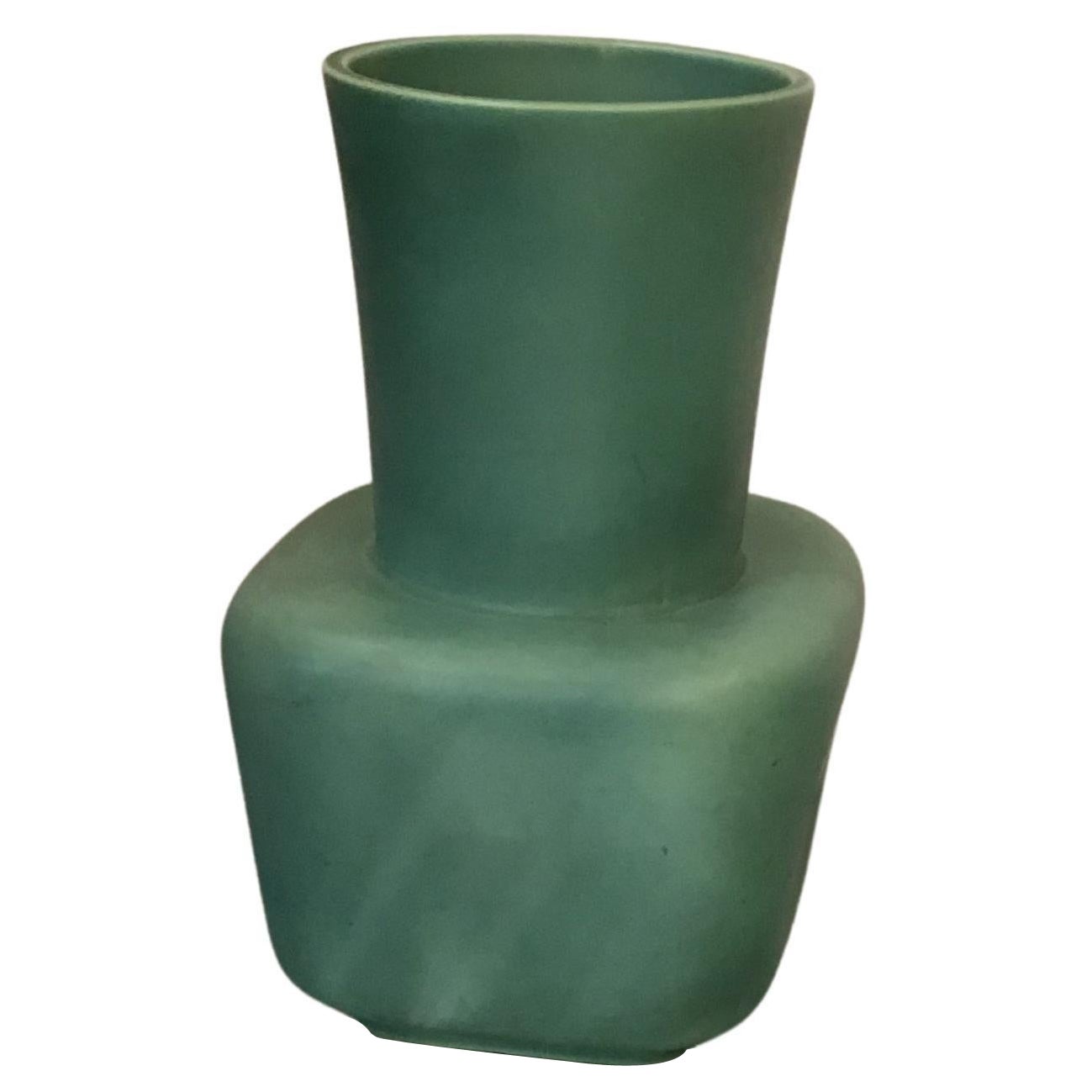
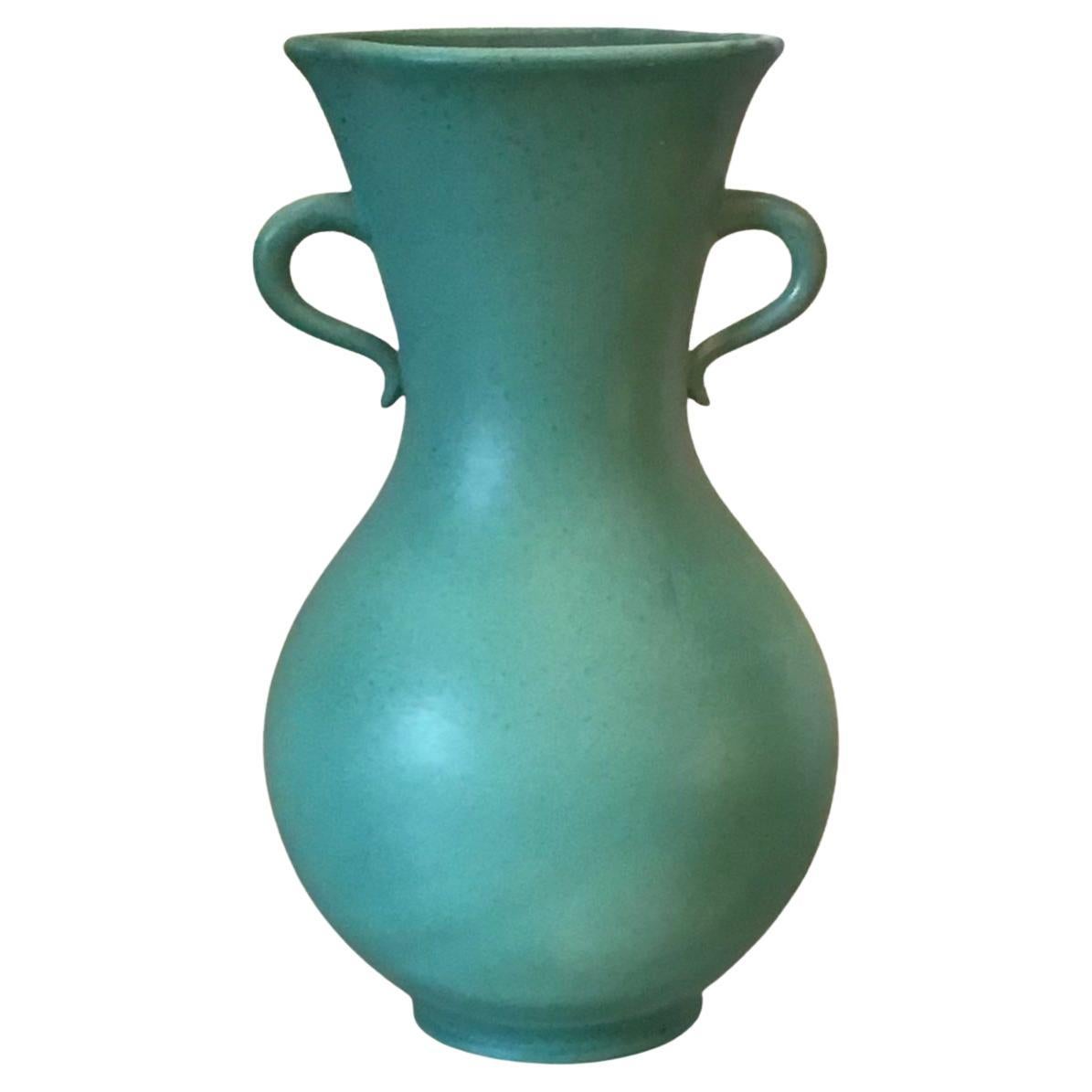
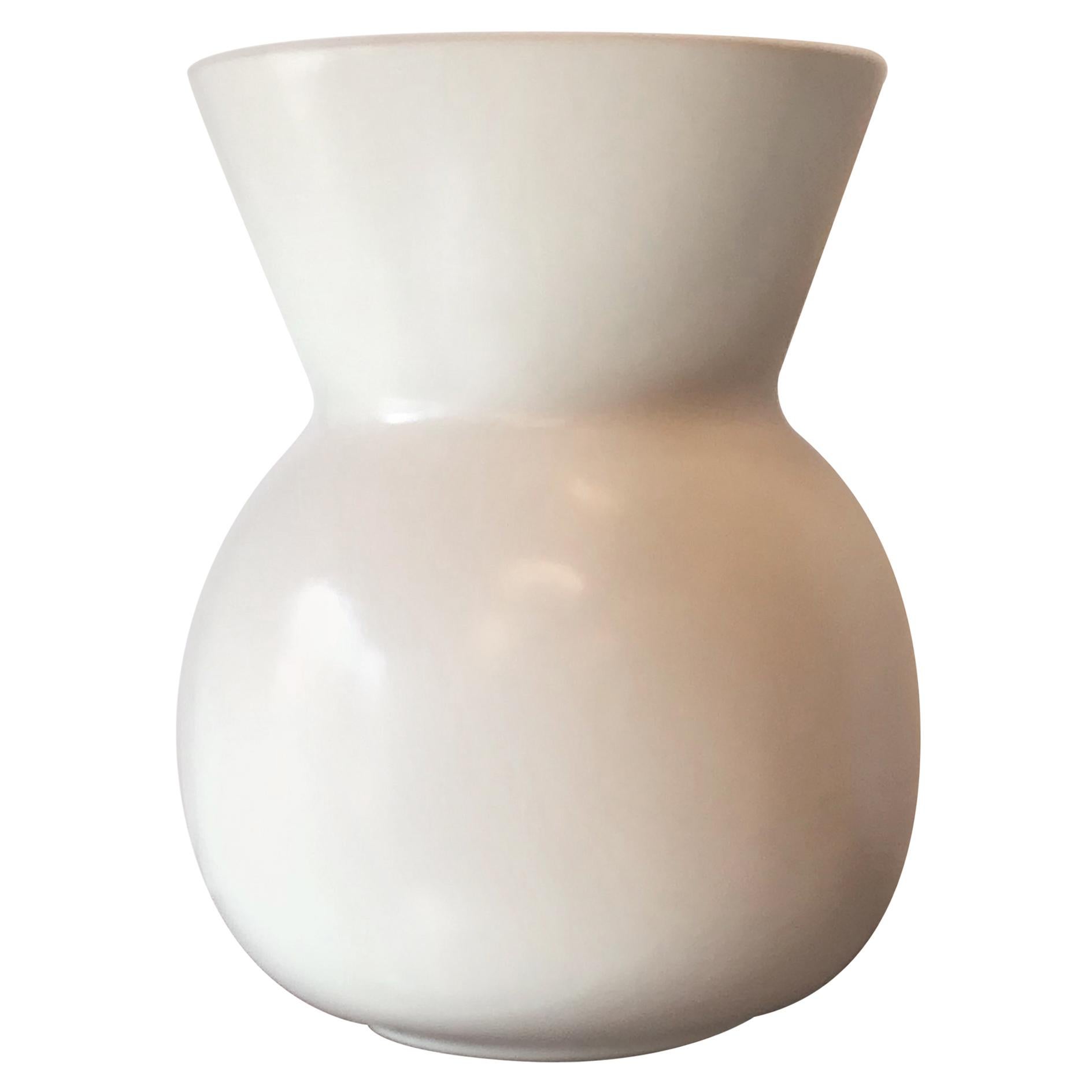
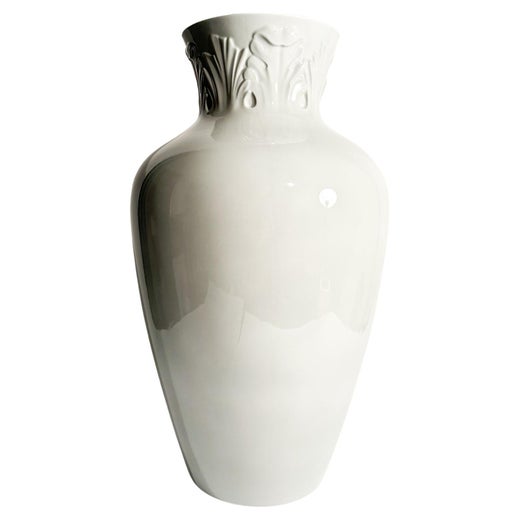
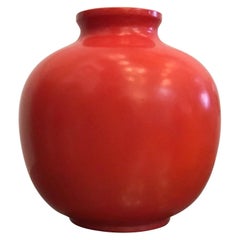
Richard Ginori Giovanni Gariboldi Vase Ceramic, 1950, Italy
By Richard Ginori
Located in Milano, IT
Richard Ginori Giovanni Gariboldi vase ceramic, 1950, Italy.
Category
Vintage 1950s Italian Other Vases
Materials
Ceramic
The striking elegance and craftsmanship associated with vintage Richard Ginori porcelain and ceramics are hallmarks of the distinguished Italian manufacturer's deep heritage. Over nearly 300 years, the company has established a legacy of enduring design — its exquisite handmade serving pieces, tea sets, tableware, vases and more are coveted all over the world.
Richard Ginori traces its long history back to the village of Doccia, Italy, where marchese Carlo Ginori opened the Doccia Porcelain Manufactory in 1735. The factory employed talented Viennese painters and modelers, and although it took time for Carlo to perfect his models and molds, the company eventually became known for its impeccable white porcelain, inspired by Ginori's love of white gold. By 1779, the factory’s refined porcelain decorated palaces and stately residences.
In 1896, the factory expanded and merged with the Società Ceramic Richard of Milan. The new company was named Richard Ginori, and the early 20th century marked a period of artistic revival for the manufacturer.
In 1923, the influential Italian architect, publisher and furniture designer Gio Ponti was appointed as the company's artistic director (a role he held until 1933). He was still a young man at the time, but the now-celebrated polymath was fearless in his efforts to innovate at Richard Ginori — he introduced a contemporary spirit at the manufacturer and integrated ancient Roman art and other neoclassical elements into his richly ornate designs for decorative objects and ceramic vessels. At the 1925 International Exhibition of Modern Decorative and Industrial Arts in Paris — the design fair that brought the Art Deco style into the world — both Richard Ginori and its bold artistic director won a Grand Prix.
In the decades that followed, offerings at the storied porcelain manufacturer showed an adoption of the modern style that had taken shape in furniture design and decorative arts during the mid-20th century. In 1954, the company was renamed Ginori 1735, a reference to its inaugural year. Over time, Richard Ginori has partnered with numerous renowned designers such as Giovanni Gariboldi, Antonio Piva, Franco Albini and Aldo Rossi. In 2013, Gucci purchased the Ginori 1735 brand and factory.
On 1stDibs, find a collection of vintage Richard Ginori serveware and decorative objects.
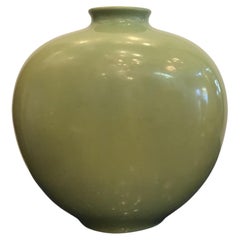
Richard Ginori Giovanni Gariboldi Vase Ceramic, 1950, Italy
By Richard Ginori
Located in Milano, IT
Richard Ginori Giovanni Gariboldi vase ceramic, 1950, Italy.
Ceramic
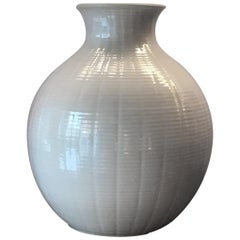
Richard Ginori Giovanni Gariboldi Vase Ceramic 1950 Italy
By Richard Ginori
Located in Milano, IT
Richard Ginori Giovanni Gariboldi vase ceramic 1950 Italy.
Ceramic
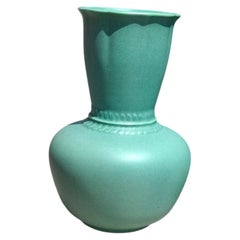
Richard Ginori Giovanni Gariboldi Vase Ceramic, 1950, Italy
By Giovanni Gariboldi
Located in Milano, IT
Richard Ginori Giovanni Gariboldi vase ceramic, 1950, Italy.
Ceramic
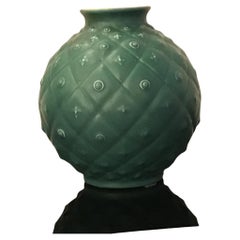
Richard Ginori Giovanni Gariboldi Vase Ceramic, 1950, Italy
By Giovanni Gariboldi
Located in Milano, IT
Richard Ginori Giovanni Gariboldi vase ceramic 1950 Italy.
Ceramic
Richard Ginori Giovanni Gariboldi Vase Ceramic, 1950, Italy
By Giovanni Gariboldi
Located in Milano, IT
Giovanni Gariboldi.
Ceramic
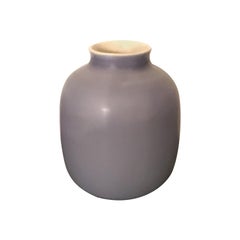
Richard Ginori Giovanni Gariboldi Ceramic, 1950, Italy
By Richard Ginori
Located in Milano, IT
Richard Ginori Giovanni Gariboldi ceramic, 1950, Italy.
Ceramic
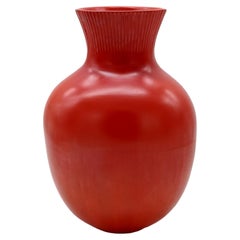
Giovanni Gariboldi for Richard Ginori - San Cristoforo Ceramic Vase, Italy 1930s
By Richard Ginori, Giovanni Gariboldi
Located in Naples, IT
Beautiful and rare orange-coloured glazed ceramic vase with ribbed carvings, designed by Giovanni Gariboldi for the Ditta Richard Ginori - San Cristoforo in the 1930s. Factory mark o...
Ceramic

Italian ceramic vase by Giovanni Gariboldi for Richard Ginori, Italy, 1940s
By Richard Ginori, Giovanni Gariboldi
Located in Piacenza, Italy
A striking ceramic vase by Giovanni Gariboldi for Richard Ginori, Italy, circa 1940s. Characterized by a bold, sculptural silhouette with an elegantly waisted body and finely ribbed ...
Ceramic
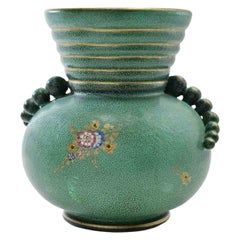
Ceramic Vase Attributed to Gabriele Bicchioni, Italian, 1940s Design
By Gabriele Bicchioni
Located in Roma, IT
Beautiful ceramic vase attributed to Gabriele Bicchioni, and realized in 1940s. Excellent condition.
Ceramic
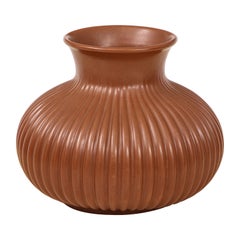
Art Deco Vase by Giovanni Gariboldi for Richard Ginori, Italy, 1930
By Giovanni Gariboldi, Richard Ginori
Located in New York, NY
A 1930s Art Deco pottery vase designed by Giovanni Gariboldi for Richard Ginori. Beautifully ribbed carving and wonderful proportions, Italy, circa 1930 Size: 9 3/4" high x 12" diame...
Pottery
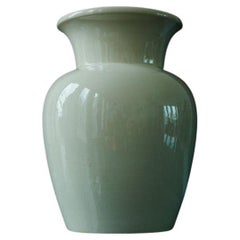
Vase in Ceramic, Model ‘6424’ by Richard-Ginori, San Cristoforo
By Richard Ginori
Located in Berlin, BE
Vase in ceramic, model ‘6424’ by Richard-Ginori San Cristoforo. Mold-formed ceramic with polished glaze. Marked 'Richard-Ginori Fabbricato in Italia', with the graphic symbol of ...
Ceramic
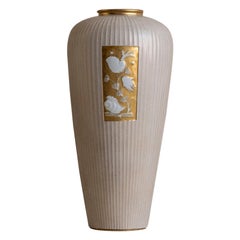
Italian ceramic vase by Giovanni Gariboldi for Richard Ginori
By Giovanni Gariboldi, Richard Ginori
Located in Piacenza, Italy
An elegant tall vase by Giovanni Gariboldi forRichard-Ginori, produced at the renowned Pittoria di Doccia in Sesto Fiorentino. The piece is defined by its vertically ribbed surface, ...
Ceramic