Video Loading
Want more images or videos?
Request additional images or videos from the seller
1 of 10

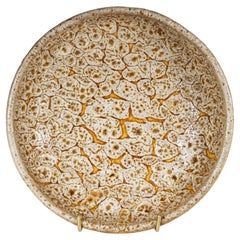
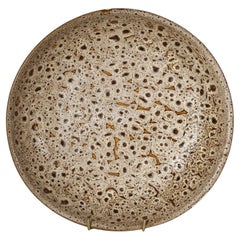
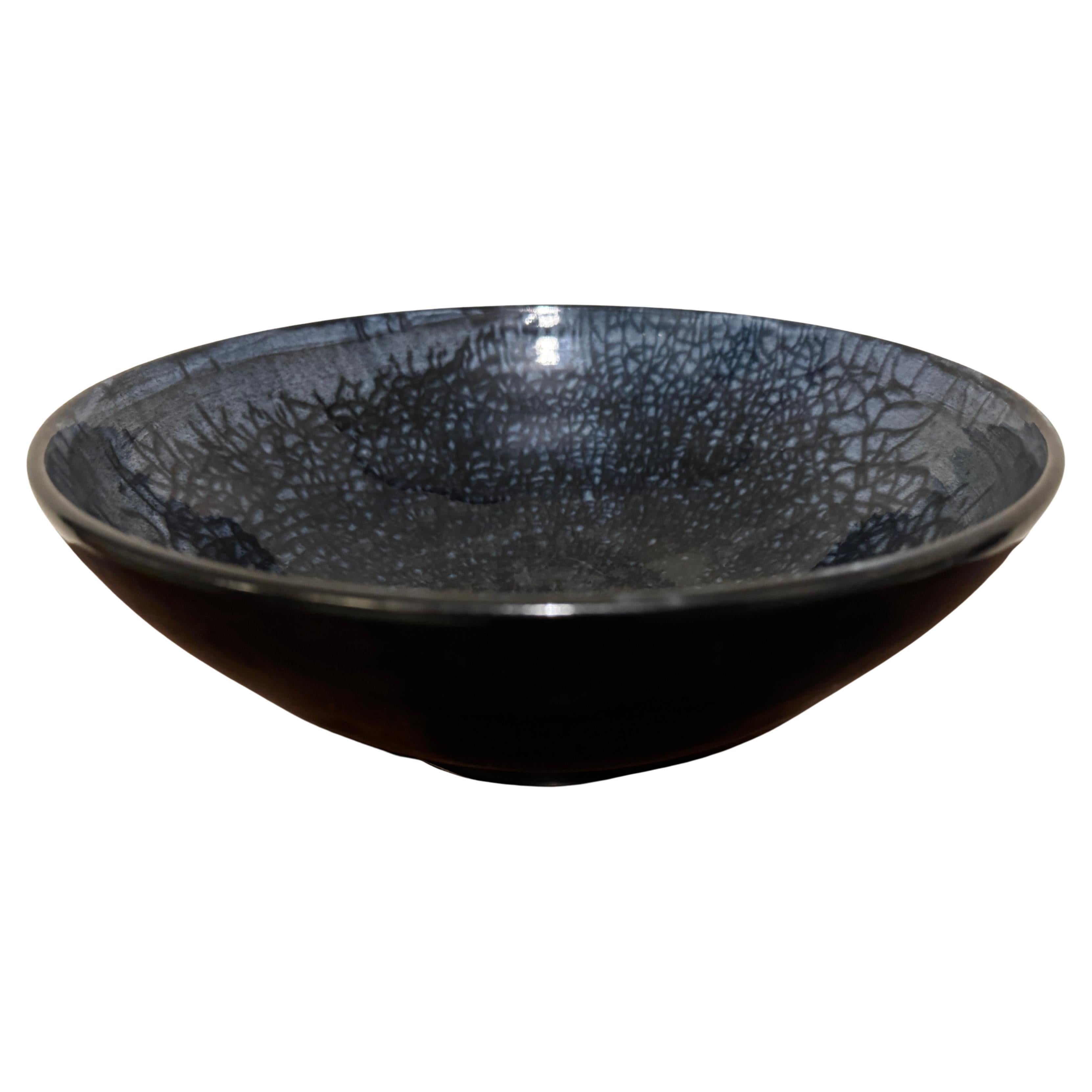
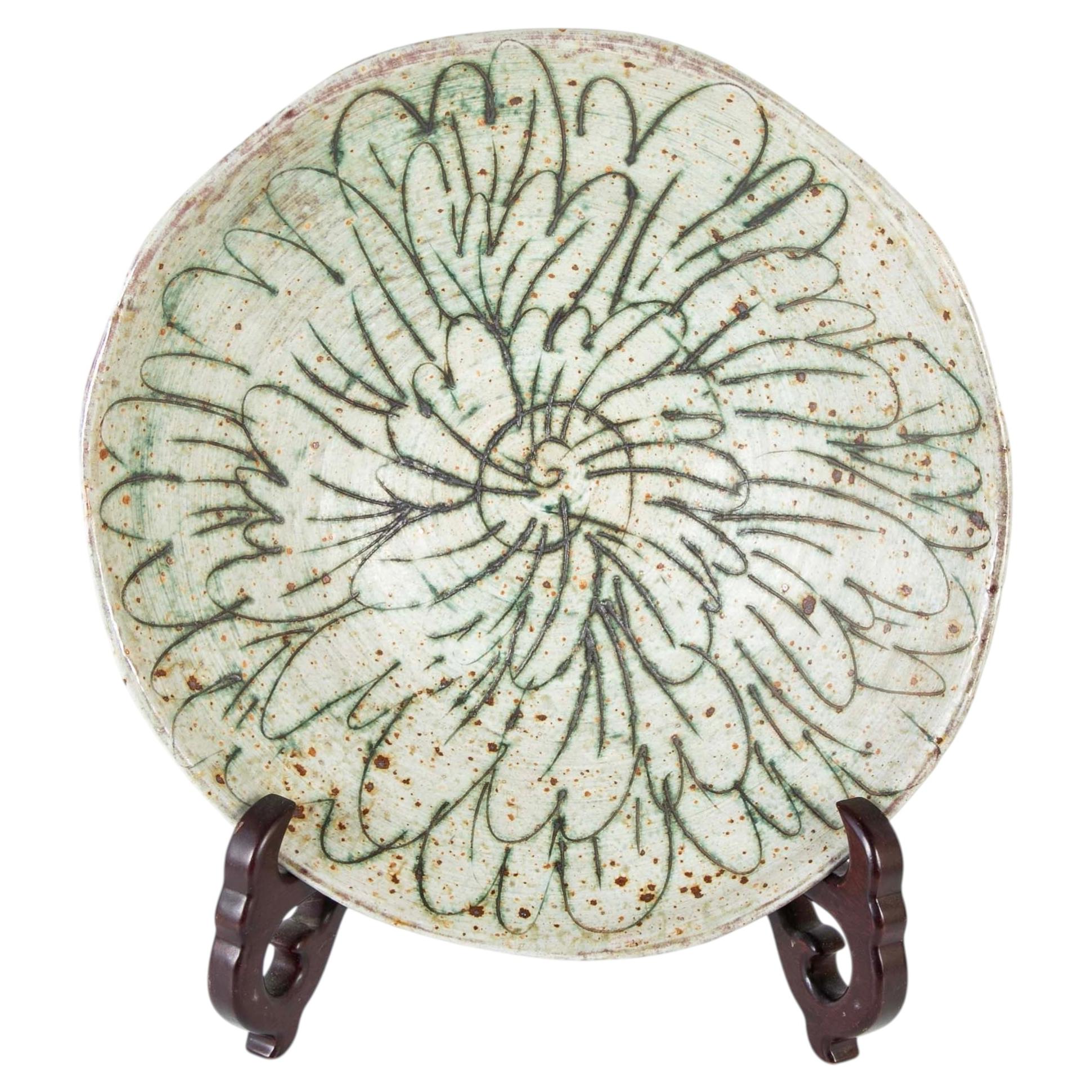
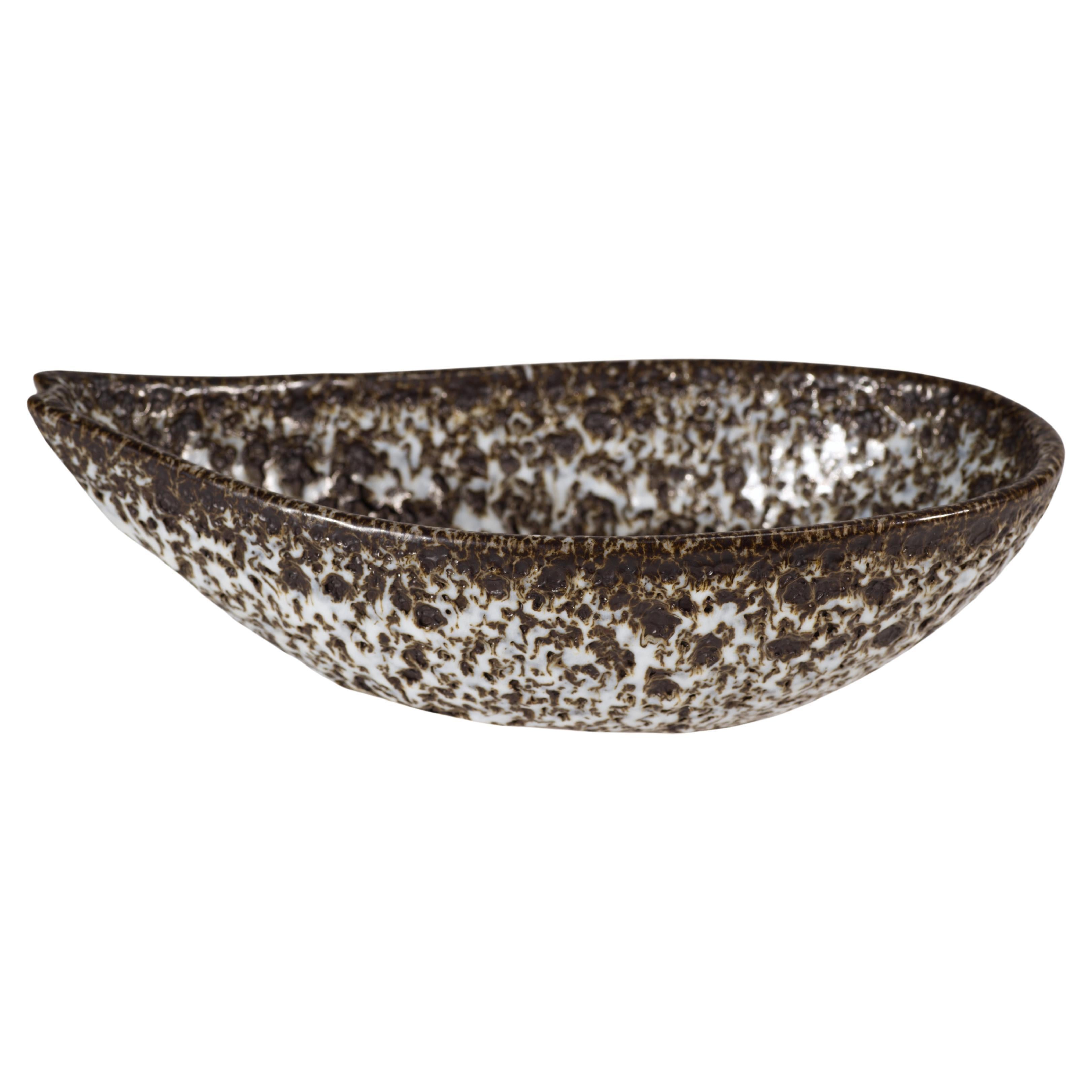
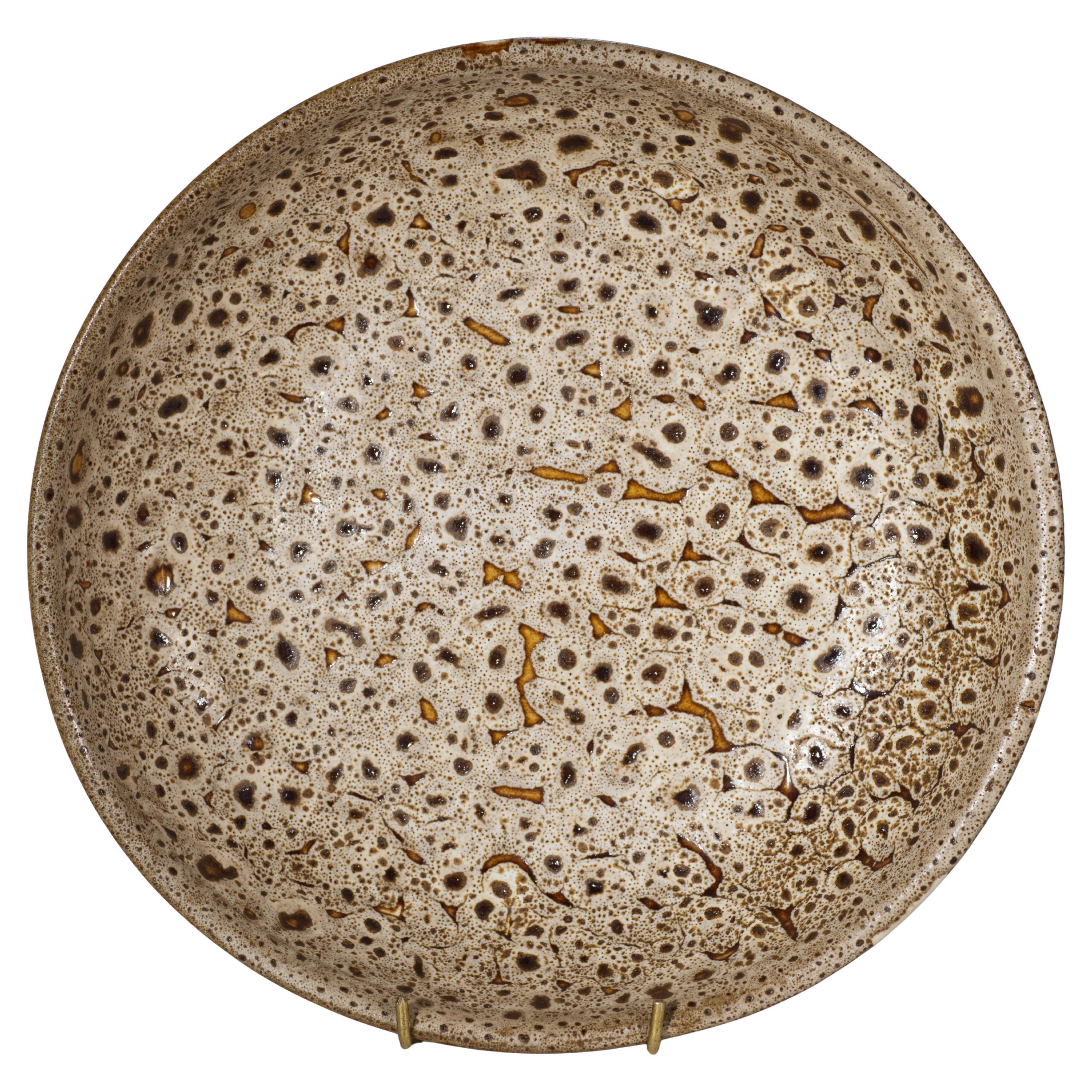
Douglas Ferguson for Pigeon Forge Crater Glaze Bowl #2, American Studio Pottery

$325
£245.73
€287.70
CA$462.39
A$470.34
CHF 269.93
MX$5,654.03
NOK 3,148.69
SEK 3,178.33
DKK 2,150.80

About the Item

Vintage hand-thrown bowl features complex Crater glaze in off-white and mocha brown colors. Minimal color palette and streamlined shape of the piece allow the textured glaze with variations from semi-matte to high gloss to take the spotlight; slightly asymmetrical rim adds hand-crafted, Organic Modern mood to the bowl's design. The bowl is personally signed by Douglas Ferguson on the bottom with his name and "Pigeon Forge Pottery". The Crater glaze has become one of the most recognizable glazes made by the Pigeon Forge Pottery. Often commonly referred to as "Volcanic" or "Lava" glaze, the Crater glaze was developed and made in several colors. We are offering a vase and 4 more bowls in different shapes by Douglas Ferguson, done in variations of Crater glazes, in separate listings. Douglas Ferguson (1912-1999) was an established Tennessee pottery artist; he received a degree in Art Design Studies from Mars Hill College and worked in the Ceramic Research Laboratory for the Tennessee Valley Authority in Norris, TN, from 1935 to 1947, where he experimented with local clays. In 1946 he started Pigeon Forge Pottery in an old tobacco barn with his wife Ruth and Ernest Wilson, his colleague at the Ceramic Research Laboratory. He formulated many of his own glazes, including crystalline and Crater glaze. In 1957 he created the Clingman Dome tea set, named by Ferguson for the highest peak in the Great Smoky Mountains, which the state of Tennessee presented to Queen Elizabeth. Ferguson became a member of the Southern Highland Craft Guild in 1948 and remained active until 1998, receiving Life Membership in 1991. He earned two awards from the Tennessee Arts and Crafts Festival in Nashville, received the Rotary Certificate of Distinguished Service, and was featured in books on Appalachian craftspeople by Bernice Stevens, Edward Dupuy and Helen Bullard. In the fall of 1952, Ferguson attended a ceramics symposium by international artists at Black Mountain College; in 1963 he participated in the American Craft Council and the Ceramic National exhibitions. In the 1970s - 80s Ferguson created a fountain with traditional Appalachian quilting designs at Mars Hill College, his alma mater, as well as a heritage wall mural in Blackwell Hall, the Four Seasons Mural, and the College Seal. In 1982 he received Western Carolina University’s Mountain Heritage Award. Pigeon Forge Pottery was closed in 2000.
  • Dimensions:
    Height: 2.18 in (5.54 cm)Diameter: 8.5 in (21.59 cm)
  • Style:
    Organic Modern (Of the Period)
  • Materials and Techniques:
  • Place of Origin:
  • Period:
  • Date of Manufacture:
    1960s - 1970s
  • Condition:
    Wear consistent with age and use.
  • Seller Location:
    Clifton Springs, NY
  • Reference Number:
    1stDibs: LU4421143468052

More From This Seller

View All
Douglas Ferguson for Pigeon Forge Crater Glaze Bowl #3, American Studio Pottery

Douglas Ferguson for Pigeon Forge Crater Glaze Bowl #3, American Studio Pottery

Located in Clifton Springs, NY

Vintage hand-thrown bowl features complex Crater glaze in mocha and latte brown colors. Minimal color palette and streamlined shape of the piece allow the textured glaze with variations from semi-matte to high gloss to take the spotlight; slightly asymmetrical rim adds hand-crafted, Organic Modern mood to the bowl's design. The bowl is personally signed by Douglas Ferguson on the bottom with his name and "Pigeon Forge Pottery". The Crater glaze has become one of the most recognizable glazes made by the Pigeon Forge Pottery. Often commonly referred to as "Volcanic" or "Lava" glaze, the Crater glaze was developed and made in several colors. We are offering a vase and 4 more bowls in different shapes by Douglas Ferguson, done in variations of Crater glazes, in separate listings. Douglas Ferguson (1912-1999) was an established Tennessee pottery artist; he received a degree in Art Design Studies from Mars Hill College and worked in the Ceramic Research Laboratory for the Tennessee Valley Authority in Norris, TN, from 1935 to 1947, where he experimented with local clays. In 1946 he started Pigeon Forge Pottery in an old tobacco barn with his wife Ruth and Ernest Wilson, his colleague at the Ceramic Research Laboratory. He formulated many of his own glazes, including crystalline and Crater glaze. In 1957 he created the Clingman Dome tea set, named by Ferguson for the highest peak in the Great Smoky Mountains, which the state of Tennessee presented to Queen Elizabeth. Ferguson became a member of the Southern Highland Craft Guild in 1948 and remained active until 1998, receiving Life Membership in 1991. He earned two awards from the Tennessee Arts and Crafts Festival in Nashville, received the Rotary Certificate of Distinguished Service, and was featured in books on Appalachian...

Category

Mid-20th Century American Organic Modern Ceramics

Materials

Ceramic, Pottery

Douglas Ferguson for Pigeon Forge Crater Glaze Bowl #4, American Studio Pottery

Douglas Ferguson for Pigeon Forge Crater Glaze Bowl #4, American Studio Pottery

Located in Clifton Springs, NY

Vintage hand-thrown bowl features complex Crater glaze in mocha, latte, and caramel brown colors. Minimal color palette and streamlined shape of the piece allow the textured glaze with variations from semi-matte to high gloss to take the spotlight; slightly asymmetrical rim adds hand-crafted, Organic Modern mood to the bowl's design. The bowl is personally signed by Douglas Ferguson on the bottom with his name and "Pigeon Forge Pottery Tenn". The Crater glaze has become one of the most recognizable glazes made by the Pigeon Forge Pottery. Often commonly referred to as "Volcanic" or "Lava" glaze, the Crater glaze was developed and made in several colors. We are offering a vase and 4 more bowls in different shapes by Douglas Ferguson, done in variations of Crater glazes, in separate listings. Douglas Ferguson (1912-1999) was an established Tennessee pottery artist; he received a degree in Art Design Studies from Mars Hill College and worked in the Ceramic Research Laboratory for the Tennessee Valley Authority in Norris, TN, from 1935 to 1947, where he experimented with local clays. In 1946 he started Pigeon Forge Pottery in an old tobacco barn with his wife Ruth and Ernest Wilson, his colleague at the Ceramic Research Laboratory. He formulated many of his own glazes, including crystalline and Crater glaze. In 1957 he created the Clingman Dome tea set, named by Ferguson for the highest peak in the Great Smoky Mountains, which the state of Tennessee presented to Queen Elizabeth. Ferguson became a member of the Southern Highland Craft Guild in 1948 and remained active until 1998, receiving Life Membership in 1991. He earned two awards from the Tennessee Arts and Crafts Festival in Nashville, received the Rotary Certificate of Distinguished Service, and was featured in books on Appalachian craftspeople by Bernice Stevens, Edward Dupuy and Helen Bullard. In the fall of 1952, Ferguson attended a ceramics symposium by international artists at Black Mountain College; in 1963 he participated in the American Craft Council and the Ceramic National exhibitions. In the 1970s - 80s Ferguson created a fountain with traditional Appalachian quilting...

Category

Mid-20th Century American Organic Modern Ceramics

Materials

Ceramic, Pottery

Douglas Ferguson for Pigeon Forge Crater Glaze Bowl #1, American Studio Pottery

Douglas Ferguson for Pigeon Forge Crater Glaze Bowl #1, American Studio Pottery

Located in Clifton Springs, NY

Vintage hand-thrown bowl features complex Crater glaze in mocha, latte, and caramel brown colors. Minimal color palette and streamlined shape of the piece allow the textured glaze with variations from semi-matte to high gloss to take the spotlight; slightly asymmetrical rim adds hand-crafted, Organic Modern mood to the bowl's design. The bowl is personally signed by Douglas Ferguson on the bottom with his name and "Pigeon Forge Pottery Tenn". The Crater glaze has become one of the most recognizable glazes made by the Pigeon Forge Pottery. Often commonly referred to as "Volcanic" or "Lava" glaze, the Crater glaze was developed and made in several colors. We are offering a vase and 4 more bowls in different shapes by Douglas Ferguson, done in variations of Crater glazes, in separate listings. Douglas Ferguson (1912-1999) was an established Tennessee pottery artist; he received a degree in Art Design Studies from Mars Hill College and worked in the Ceramic Research Laboratory for the Tennessee Valley Authority in Norris, TN, from 1935 to 1947, where he experimented with local clays. In 1946 he started Pigeon Forge Pottery in an old tobacco barn with his wife Ruth and Ernest Wilson, his colleague at the Ceramic Research Laboratory. He formulated many of his own glazes, including crystalline and Crater glaze. In 1957 he created the Clingman Dome tea set, named by Ferguson for the highest peak in the Great Smoky Mountains, which the state of Tennessee presented to Queen Elizabeth. Ferguson became a member of the Southern Highland Craft Guild in 1948 and remained active until 1998, receiving Life Membership in 1991. He earned two awards from the Tennessee Arts and Crafts Festival in Nashville, received the Rotary Certificate of Distinguished Service, and was featured in books on Appalachian craftspeople by Bernice Stevens, Edward Dupuy and Helen Bullard. In the fall of 1952, Ferguson attended a ceramics symposium by international artists at Black Mountain College; in 1963 he participated in the American Craft Council and the Ceramic National exhibitions. In the 1970s - 80s Ferguson created a fountain with traditional Appalachian quilting...

Category

Mid-20th Century American Organic Modern Ceramics

Materials

Ceramic, Pottery

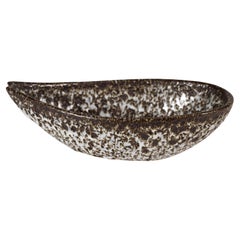
Douglas Ferguson for Pigeon Forge Crater Glaze Bowl #5, American Studio Pottery

Douglas Ferguson for Pigeon Forge Crater Glaze Bowl #5, American Studio Pottery

Located in Clifton Springs, NY

Vintage hand-thrown bowl features complex Crater glaze in off-white and espresso brown colors. Minimal color palette and streamlined shape of the piece allow the textured glaze with variations from semi-matte to high gloss to take the spotlight; asymmetrical biomorphic shape adds hand-crafted, Organic Modern mood to the bowl's design. The bowl is signed on the bottom with "Pigeon Forge Pottery Tenn". The Crater glaze has become one of the most recognizable glazes made by the Pigeon Forge Pottery. Often commonly referred to as "Volcanic" or "Lava" glaze, the Crater glaze was developed and made in several colors. We are offering a vase and 4 more bowls in different shapes by Douglas Ferguson, done in variations of Crater glazes, in separate listings. Douglas Ferguson (1912-1999) was an established Tennessee pottery artist; he received a degree in Art Design Studies from Mars Hill College and worked in the Ceramic Research Laboratory for the Tennessee Valley Authority in Norris, TN, from 1935 to 1947, where he experimented with local clays. In 1946 he started Pigeon Forge Pottery in an old tobacco barn with his wife Ruth and Ernest Wilson, his colleague at the Ceramic Research Laboratory. He formulated many of his own glazes, including crystalline and Crater glaze. In 1957 he created the Clingman Dome tea set, named by Ferguson for the highest peak in the Great Smoky Mountains, which the state of Tennessee presented to Queen Elizabeth. Ferguson became a member of the Southern Highland Craft Guild in 1948 and remained active until 1998, receiving Life Membership in 1991. He earned two awards from the Tennessee Arts and Crafts Festival in Nashville, received the Rotary Certificate of Distinguished Service, and was featured in books on Appalachian craftspeople by Bernice Stevens, Edward Dupuy and Helen Bullard. In the fall of 1952, Ferguson attended a ceramics symposium by international artists at Black Mountain College; in 1963 he participated in the American Craft Council and the Ceramic National exhibitions. In the 1970s - 80s Ferguson created a fountain with traditional Appalachian quilting...

Category

Mid-20th Century American Organic Modern Decorative Bowls

Materials

Ceramic, Pottery

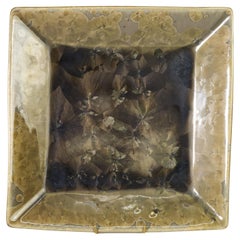
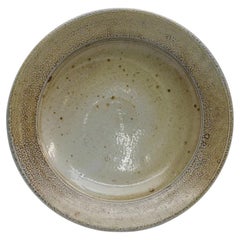
Organic Crystalline Glaze Hand Thrown Tray or Platter, American Studio Pottery

Organic Crystalline Glaze Hand Thrown Tray or Platter, American Studio Pottery

Located in Clifton Springs, NY

Striking studio pottery ceramic tray or platter is decorated with crystalline glaze in organic, earthy green tones. Olive color crystals on beige and khaki colored base were grown i...

Category

Early 2000s American Organic Modern Ceramics

Materials

Silver

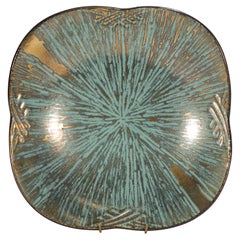
Carstens Tönnieshof Square Bowl, West Germany Ceramics, 1960s

Carstens Tönnieshof Square Bowl, West Germany Ceramics, 1960s

By Carstens Tönnieshof

Located in Clifton Springs, NY

Vintage bowl was made by Carstens Tönnieshof with complex graphic pattern in gold on teal or celadon glaze background. The bowl has monochromatic black glaze on the bottom surfaces ...

Category

Mid-20th Century German Organic Modern Decorative Dishes and Vide-Poche

Materials

Gold

You May Also Like

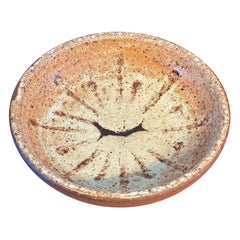
Vintage 1980s Studio Pottery Bowl by Doug Ferguson, Lava Glaze, Signed

Vintage 1980s Studio Pottery Bowl by Doug Ferguson, Lava Glaze, Signed

Located in Delray Beach, FL

This vintage studio pottery bowl was created by Doug Ferguson at Pigeon Forge Pottery, one of Tennessee’s most respected regional pottery studios of the late 20th century. Made in th...

Category

Mid-20th Century Decorative Bowls

Materials

Ceramic

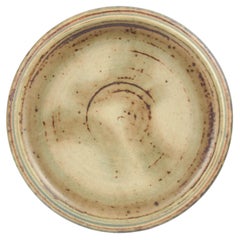
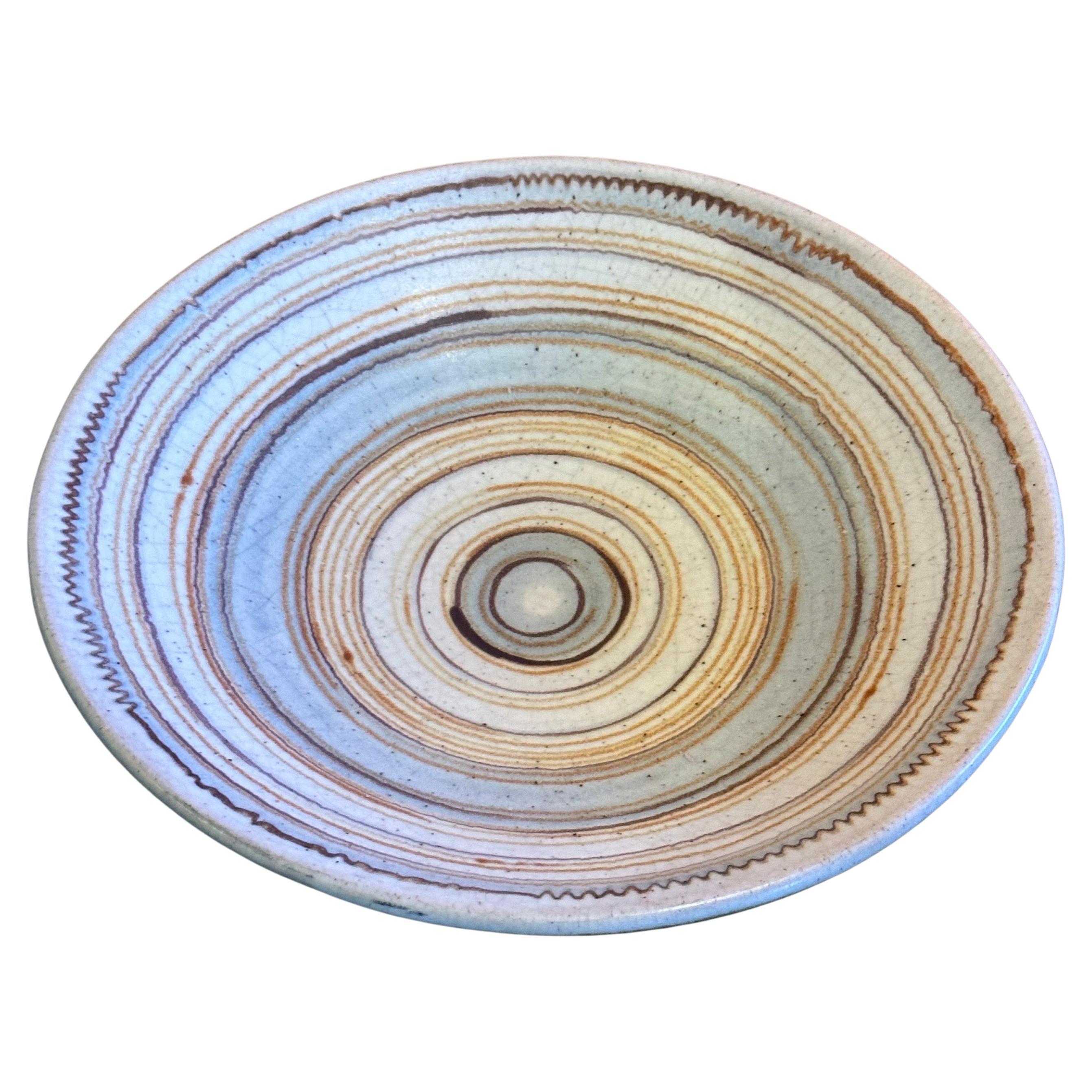
Carl Halier for Royal Copenhagen. Low stoneware bowl with subtle glaze. 1965

Carl Halier for Royal Copenhagen. Low stoneware bowl with subtle glaze. 1965

Located in København, Copenhagen

Carl Halier for Royal Copenhagen Bowl / Dish. Low, wide stoneware bowl with a calm circular form and a subtle glaze in light sand and soft green tones, accented by fine brown speckli...

Category

Vintage 1960s Danish Scandinavian Modern Decorative Bowls

Materials

Stoneware

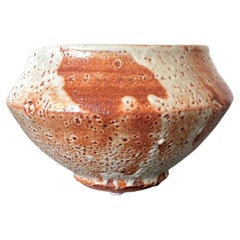
American Studio Ceramic Bowl in Shino Glaze by Warren MacKenzie

American Studio Ceramic Bowl in Shino Glaze by Warren MacKenzie

By Warren MacKenzie

Located in Atlanta, GA

A studio made ceramic tea bowl (Chawan) with a slightly irregular form and exceptional surface glaze by American potter Warren Mackenzie (1924-2018). Reminiscent of a monk's begging bowl...

Category

Late 20th Century American Japonisme Decorative Bowls

Materials

Ceramic

Salt Fired Plate by Renowned Welsh Potter Phil Rogers

Salt Fired Plate by Renowned Welsh Potter Phil Rogers

Located in Baroda, MI

Phil Rogers' specialities were salt glaze and reduced stoneware. He used local minerals and wood ash for his glazes. He had travelled the world giving demonstrations, lectures and wo...

Category

Late 20th Century Welsh Modern Ceramics

Materials

Pottery, Stoneware

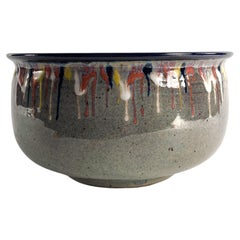
Drip Glaze Studio Pottery Bowl

Drip Glaze Studio Pottery Bowl

Located in Philadelphia, PA

Beautiful multi colored drip glaze bowl with speckled glaze inside. signed by artist on underside.

Category

Early 2000s American Mid-Century Modern Decorative Bowls

Materials

Ceramic

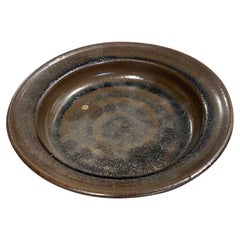
Warren MacKenzie Signed Studio Pottery Ceramic Tenmoku Glazed Footed Bowl

Warren MacKenzie Signed Studio Pottery Ceramic Tenmoku Glazed Footed Bowl

By Warren MacKenzie

Located in Studio City, CA

A gorgeous work by 20th century master American and renowned Minnesota studio potter/artist Warren MacKenzie. The three-footed tenmoku glazed bowl is signed/ stamped along the foot rim by MacKenzie and features a unique decorative pattern. The dark, rich glaze radiates in the light. This work would a great addition to any Warren Mackenzie or modern pottery/ ceramic collection or eye-catching stand-alone accent piece in about any setting. A student of both famed ceramic artists Bernard Leach and Shoji Hamada, Mackenzie is credited with bringing the functional Japanese Mingei tradition and craft to the United States and spreading it through his own art and teaching mentorship during his long tenure at the University of Minnesota. Along with being named a Regent’s Professor, and a fellow of the International Academy of Ceramics, the highly decorated and awarded MacKenzie was the first to receive the Minnesota Governor’s Award in Crafts in 1986. He later received the Lifetime Achievement Award from the Minnesota Crafts Council in 1997 and a year later he was honored with the Gold Medal from the American Crafts Council. His work can be found in numerous collections and museums including: The Metropolitan Museum of Art in New York The Smithsonian Institution in Washington, D.C. The National Folk Art Museum in Tokyo, Japan The Victoria and Albert Museum in London, England Contemporary American Crafts...

Category

20th Century American Modern Ceramics

Materials

Stoneware