Video Loading
1 of 6

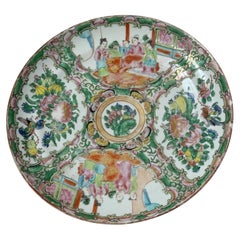
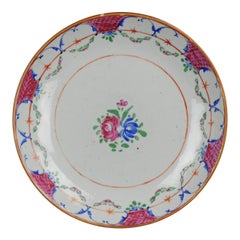
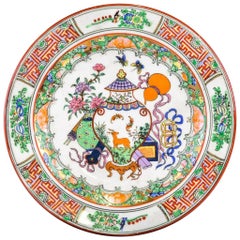
Chinese Porcelain Plate Canton “Mandarin” Decoration

$297.83List Price

You May Also Like

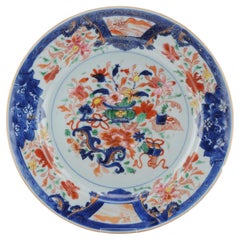
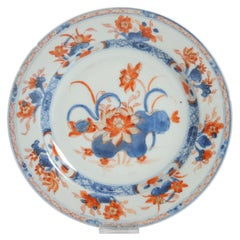
Antique 18th century Antique Kangxi Yongzheng Chinese Porcelain Imari Plate

Antique 18th century Antique Kangxi Yongzheng Chinese Porcelain Imari Plate

Located in Amsterdam, Noord Holland

A Chinese porcelain dish from the first half of the 18th century. Condition 4 small chips to rim and 2 or 3 fritspots. Size: 22.5CM Diameter Period 18th century

Category

Antique 17th Century Chinese Qing Ceramics

Materials

Porcelain

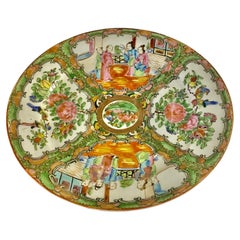
Chinese Export Rose Medallion Porcelain Plate, Qing Dynasty, Circa 1875

Chinese Export Rose Medallion Porcelain Plate, Qing Dynasty, Circa 1875

Located in Land O' Lakes, FL

A finely decorated Chinese Export Rose Medallion porcelain plate dating to the Qing Dynasty, circa 1875. Hand painted in vivid enamels, the plate is richly detailed with alternating ...

Category

Antique 1870s Chinese Ceramics

Materials

Porcelain, Paint

Fine Chinese Export Canton Porcelain Plate

Fine Chinese Export Canton Porcelain Plate

Located in Auribeau sur Siagne, FR

This is a plate from china, it has been made late 19th century, very nice colors, green, orange blue. It is a canton plate.

Category

Antique Late 19th Century Chinese Chinese Export Dinner Plates

Materials

Porcelain

Antique 18th Century Chinese Porcelain Plate with Regency Style Overdecorating

Antique 18th Century Chinese Porcelain Plate with Regency Style Overdecorating

Located in Amsterdam, Noord Holland

A very nicely made piece of 18th century porcelain decorated with a beautiful scene. Underglaze blue and overglaze other enamels done later in Europe. We have also added a picture of how a similar original Blue and white dish would have looked like. This is an example of British overdecoration.Provenance:Provenance: Doyle Sep 27, 2024 11:00 Boston Collects, Lot 1083 Six Chinese Porcelain Table Items 18th and 19th centuries Estate / Collection: Property of a Jamestown, Rhode Island Collector Often seen as ugly and black sheep of the porcelain world. British 1810-1820 Clobbered wares deserve better as they are historically very interesting. So lets call them George the IV or Regency Taste redecorated porcelain. And leave the clobbered behind us as it does no justice to what they are at all. Its not that because we live in a time were these super funky colours are out of taste that we should hate on these pieces. A short history! During the early 19th century, the Prince Regent (later King George IV) played a key role in cultivating a taste for the exotic Orient among the British elite, influencing interior design during the Regency era. His lavish projects, such as the Royal Pavilion in Brighton, epitomized this fascination. The Pavilion, with its blend of Indian, Chinese, and Gothic elements, became a symbol of the Prince’s extravagant taste. The interiors featured Chinese wallpaper, Indian textiles, and oriental furniture, reflecting the era’s growing interest in Chinoiserie and other oriental-inspired designs. This trend extended to the decorative arts, where clobbered Chinese...

Category

Antique 18th Century Chinese Regency Decorative Dishes and Vide-Poche
Materials

Porcelain

Antique Qing Dynasty Chinese Porcelain Amsterdams Bont Plate

Antique Qing Dynasty Chinese Porcelain Amsterdams Bont Plate

Located in Amsterdam, Noord Holland

Sharing with you this very nicely decorated plate. What you see is a Jingdezhen made porcelain dish from around 1720-1730. Later decorated with a Rare type of decoration in Red, Gree...

Category

Antique 18th Century Chinese Qing Decorative Dishes and Vide-Poche
Materials

Porcelain

High Quality 18 Century Kangxi Period Chinese Porcelain Kakiemon Plate Dutch

High Quality 18 Century Kangxi Period Chinese Porcelain Kakiemon Plate Dutch

Located in Amsterdam, Noord Holland

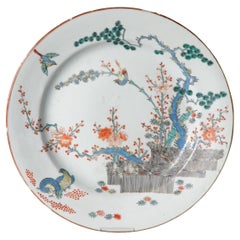
A Japanese Kakiemon-style bird, quail and Three friends of winter dish. Painted by by a Dutch painter to decorate a Chinese porcelain blank. The scene and quality of paintting is amazing. Three Friends of Winter These are pine, Prunus mume and bamboo. Both the pine and the bamboo remain green throughout the winter, while the early blossoms of the Prunus mume are harbingers of spring. In China the combination of the positive characteristics attributed to each motif represented the ideal character of the Confucian scholar They became a subject in Japanese painting in the 15th century, and are also found on kakiemon porcelain...

Category

Antique 18th Century Chinese Qing Ceramics

Materials

Porcelain

Antique 18th Century Chinese Fencai porcelain plate, Kangxi

Antique 18th Century Chinese Fencai porcelain plate, Kangxi

Located in Delft, NL

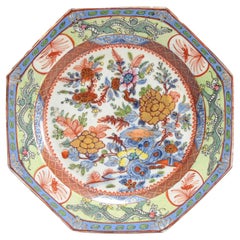
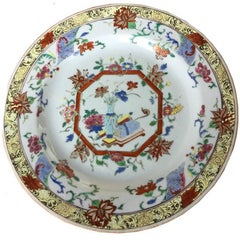
Antique 18th century Chinese Fencai porcelain plate, Kangxi With decoration in the middle of a vase with flowers surrounded in octangle line with flo...

Category

Antique 18th Century Chinese Antiquities

Materials

Porcelain

Antique Chinese Porcelain Charger Plate Qianglong Jiaqing Qing, ca 1780 - 1810

Antique Chinese Porcelain Charger Plate Qianglong Jiaqing Qing, ca 1780 - 1810

Located in Amsterdam, Noord Holland

Lovely Chinese Porcelain Charger. Unusual crude Lowestoft decoration. Typical late Qianlong or Jiaqing period pottery. Additional information: Material: Porcelain & Pottery Type: Pl...

Category

Antique 19th Century Chinese Decorative Dishes and Vide-Poche
Materials

Porcelain

Vintage Chinese Porcelain Plate, Made in China, Early 20th Century

Vintage Chinese Porcelain Plate, Made in China, Early 20th Century

Located in Roma, IT

This porcelain plate is an original decorative object realized in China by Chinese manufacture, at the beginning of the 20th century. It is decorated with geometric and floral or...

Category

Early 20th Century Chinese Antiquities

Materials

Ceramic

Antique Edo Period Japanese Porcelain Plate Kakiemon Style, ca 1800

Antique Edo Period Japanese Porcelain Plate Kakiemon Style, ca 1800

Located in Amsterdam, Noord Holland

Sharing with you this very nice edo period, early 19th c, example. The rim beautifully painted, quite unusual. Unmarked at base Arita ware, also known as Arita-yaki, has its origin...

Category

Antique 18th Century Japanese Edo Decorative Dishes and Vide-Poche
Materials

Porcelain