Want more images or videos?
Request additional images or videos from the seller
1 of 9

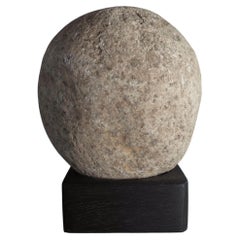
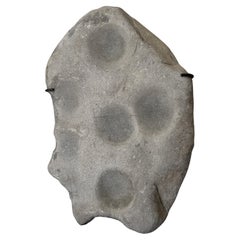
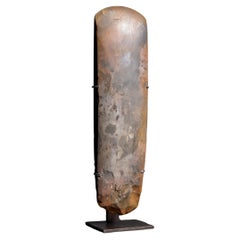
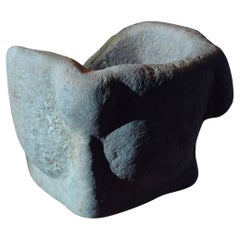
Neolithic Grinding Stone from Denmark, circa 3900 – 1700 BCE

$1,046.02
£775.38
€890VAT Included
CA$1,459.04
A$1,484.11
CHF 851.73
MX$17,840.74
NOK 9,935.37
SEK 10,028.90
DKK 6,786.63

About the Item

Grinding stone used for sharpening and polishing flint tools during the Stone Age. The surface is smooth and slightly curved, shaped through prolonged use. It was likely employed to maintain and sharpen ground flint axes, chisels, and similar tools. Presumed to originate from the Neolithic period (c. 3,900–1,700 BCE), when polished stone tools became common in connection with the rise of permanent farming communities. The form and wear pattern are consistent with comparable artefacts from the same era. In contrast, tools from the earlier Mesolithic (hunter-gatherer) period were typically made by flaking rather than grinding. This piece is an authentic prehistoric tool and a unique artefact of early human craftsmanship. It may serve as a collector's item, teaching object, or sculptural accent for interior display. Comes from Denmark, where such stones are often found in archaeological contexts.
  • Dimensions:
    Height: 4.34 in (11 cm)Width: 12.21 in (31 cm)Depth: 4.14 in (10.5 cm)
  • Style:
    Folk Art (Of the Period)
  • Materials and Techniques:
  • Place of Origin:
  • Period:
  • Date of Manufacture:
    3.900 - 1,700 BCE
  • Condition:
    Wear consistent with age and use.
  • Seller Location:
    Kastrup, DK
  • Reference Number:
    Seller: 1061631stDibs: LU1007445421672

More From This Seller

View All
Fossil Bone Fragment, Pleistocene Epoch, Curved Shape, , 12.5 cm

Fossil Bone Fragment, Pleistocene Epoch, Curved Shape, , 12.5 cm

Located in Kastrup, DK

Fossil bone fragment from a larger prehistoric animal. Estimated to date from the Pleistocene epoch, approximately 1–2 million years old. The piece has been shaped in modern times, ...

Category

Antique 15th Century and Earlier Other Antiquities

Materials

Stone
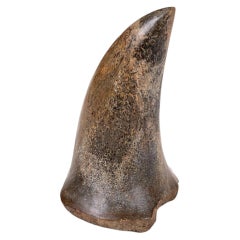
Fossil Bone Fragment (Stegodon) – Pleistocene, approx. 24 cm

Fossil Bone Fragment (Stegodon) – Pleistocene, approx. 24 cm

Located in Kastrup, DK

Impressive fossil bone fragment from Stegodon, a prehistoric genus related to modern elephants. The fragment dates to the Pleistocene epoch and is estimated to be approximately 1–2 m...

Category

Antique 15th Century and Earlier Other Antiquities

Materials

Stone
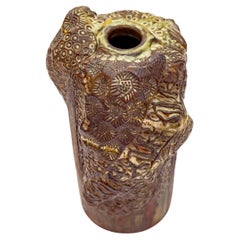
Jørgen Mogensen 1950s Signed Organic Stoneware Vase

Jørgen Mogensen 1950s Signed Organic Stoneware Vase

By Jørgen Mogensen

Located in Kastrup, DK

A unique stoneware vase by Jørgen Mogensen, showcasing intricate, organic patterns and a richly textured surface. The earthy glaze in tones of brown, red, green, and yellow brings a ...

Category

Mid-20th Century Danish Modern Vases

Materials

Stoneware

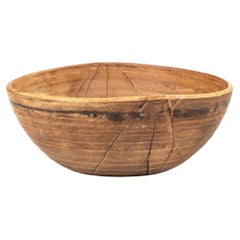
Bowl In Birch Early 19th Century Swedish

Bowl In Birch Early 19th Century Swedish

Located in Kastrup, DK

Large turned wooden bowl in birch, Sweden, ca. 1800–1840. The bowl has a fine original patina and signs of age, giving it an authentic and vivid appearance with a rustic aesthetic. ...

Category

Antique Mid-19th Century Swedish Folk Art Decorative Bowls

Materials

Birch

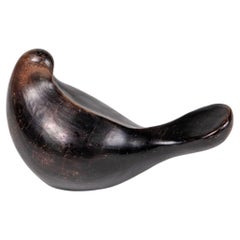
Dove Sculpture Florentino, Italy c 1970

Dove Sculpture Florentino, Italy c 1970

Located in Kastrup, DK

Dove sculpture in ceramic with a deep, dark glaze. Sculpturally shaped with soft, organic forms and a simple, minimalist expression. The deep glaze gives the surface a warm tone wit...

Category

Late 20th Century Italian Mid-Century Modern Animal Sculptures

Materials

Ceramic

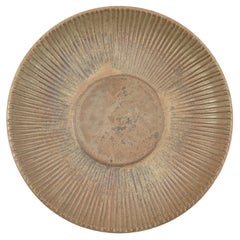
Arne Bang Stoneware Dish Model no. 91

Arne Bang Stoneware Dish Model no. 91

Located in Kastrup, DK

Arne Bang (Danish, 1901-1983) Ribbed stoneware dish in earthy green glazing. Outer surface in shades of brown, green and cyan. Model no. 91. In perfect ...

Category

Mid-20th Century Ceramics

Materials

Ceramic

You May Also Like

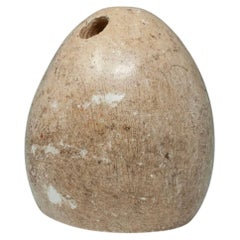
Aniconic Stone Weight, Bactrian Culture, Central Asia

Aniconic Stone Weight, Bactrian Culture, Central Asia

Located in Point Richmond, CA

Aniconic stone weight, Bactria, Central Asia or Asia Minor These egg-shaped marble sculptures are mysterious in function, thought variously to be counter-weights or perhaps ritual i...

Category

Antique 15th Century and Earlier Central Asian Minimalist Sculptures and...

Materials

Stone

Prehistoric Hammer Stone Likely Comprised of Buff Grey Flint

Prehistoric Hammer Stone Likely Comprised of Buff Grey Flint

Located in York, GB

Provenance: Victor Brox Collection (1940 - 2023), UK Hammer stones were carved loosely in the round from hard and heavy rocks, before their surface was ‘pecked’ to create a myriad ...

Category

Antique 15th Century and Earlier French Antiquities

Materials

Stone

bronze age ceremonial cup stone

bronze age ceremonial cup stone

Located in Vosselaar, BE

This peculiar archeological piece is described as a 'cup stone'. These cup marked stones have been found worldwide and been dated from 300.000 bc up to 1000 bc. The exact purpose of ...

Category

Antique 15th Century and Earlier Scandinavian Archaistic Mounted Objects

Materials

Stone

A Neolithic Polished Stone Axe Head

A Neolithic Polished Stone Axe Head

Located in London, GB

This finely preserved thin-butted axe, knapped and polished from a block of mottled brown-grey coloured flint, is a powerful and aesthetic reminder of the technological advancements ...

Category

Antique 15th Century and Earlier Minimalist Mounted Objects

Materials

Stone

17thC atypical stone mortar

17thC atypical stone mortar

Located in Haaltert, BE

Atypical 17th century stone mortar. These mortars were used to crush herbs for apothecary or herbalist use. Nicely worn surface, two of the four handles are still visible. This morta...

Category

Antique 17th Century French Medieval Antiquities

Materials

Stone

Japanese Antique “Tamari-Ishi” Stone Object  / wabi-sabi object

Japanese Antique “Tamari-Ishi” Stone Object / wabi-sabi object

Located in Sammu-shi, Chiba

An old carved stone object sourced in Japan. Featuring a deeply recessed center and a softly rounded form, the piece exists somewhere between natural formation and human interventio...

Category

Early 20th Century Japanese Japonisme Sculptures and Carvings

Materials

Stone