Want more images or videos?
Request additional images or videos from the seller
1 of 21

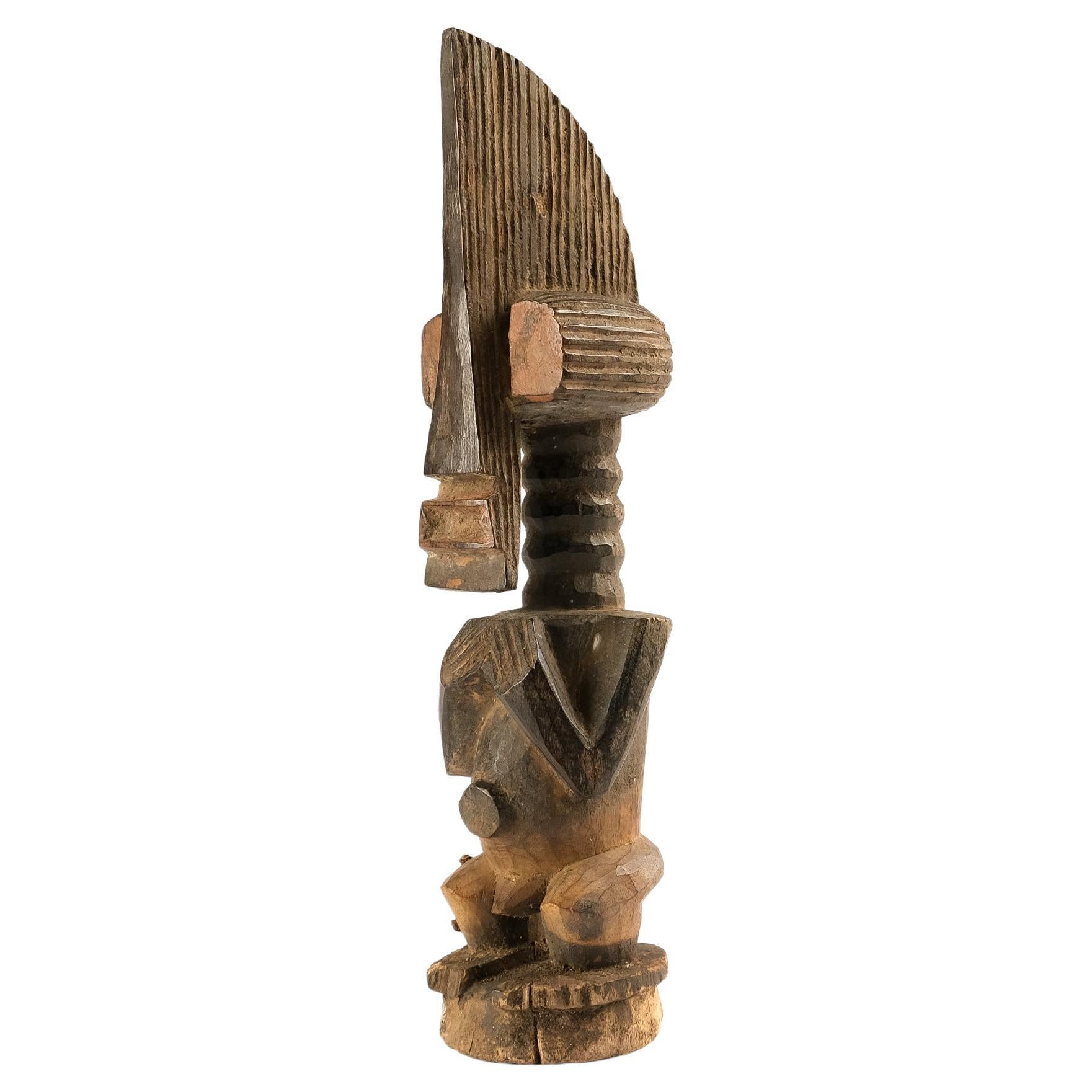
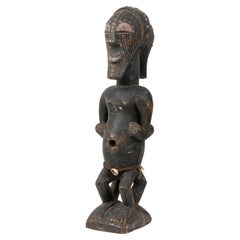
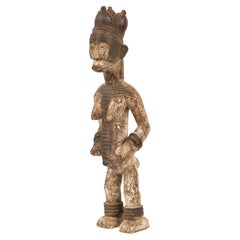
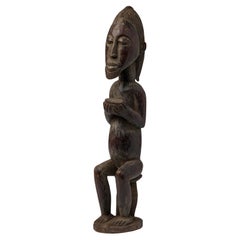
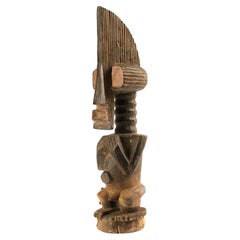
An Early Group of Four African Figures exhibited in New York, September 1935

$46,500per item
£34,906.01per itemVAT Included
€40,693.23per item
CA$65,853.47per item
A$66,035.51per item
CHF 38,205.10per item
MX$804,089.99per item
NOK 443,358.90per item
SEK 451,885.29per item
DKK 304,235.37per item
Quantity

About the Item

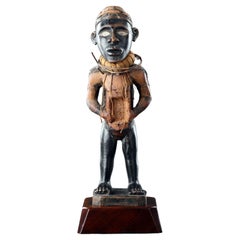
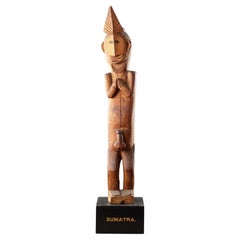
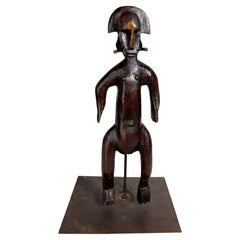
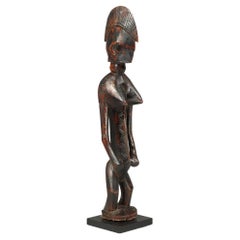
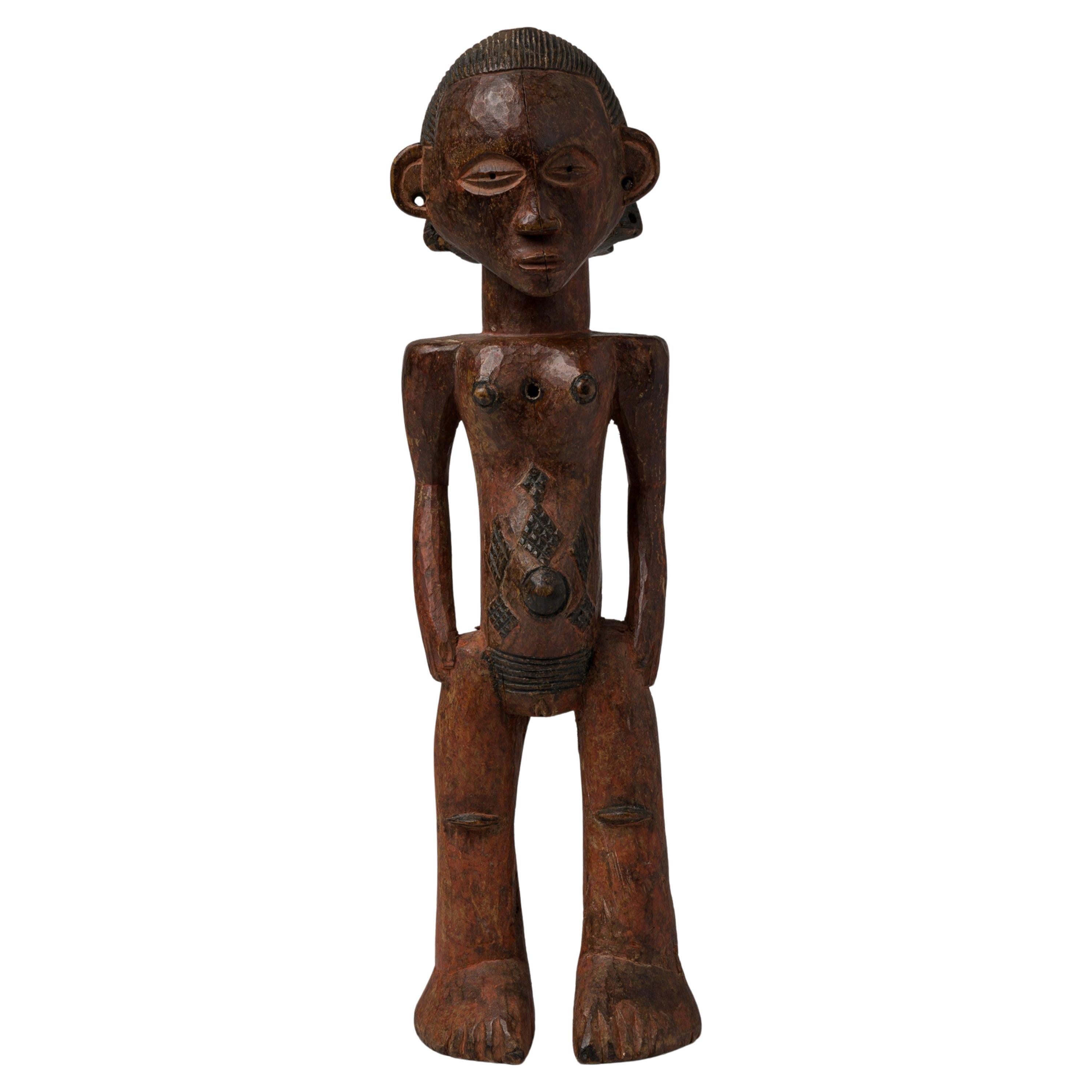
An Early Group of Four African Figures exhibited in New York, September 1935, the same year as Moma’s groundbreaking African Art Exhibition Two Baule Figures, a Ewe Figure and a Yoruba Figure Wood Ivory Coast / Togo / Ghana / Nigeria / Benin Late 19th Century - Early 20th Century Size: Baule: 66.5cm high - 26¼ ins high / 72cm high - 28¼ ins (with base) Baule: 31.5cm high - 12½ ins high / 36.5cm high - 14¼ ins high (with base) Ewe: 18.5cm high - 7¼ ins high / 24.5cm high - 9¾ ins high (with base) Yoruba: 18cm high - 7 ins high - 23.5cm high - 9¼ ins high (with base) Provenance: Ex Boris Lovet-Lorski (1894 - 1973) artist / modernist sculptor Dawson’s Auctioneers, New Jersey USA, May 2001 Ex Private collection Ex Private English collection Exhibited: ‘African Negro Art’ Stendahl Gallery, New York, USA, 1935 Literature: published: ‘African Negro Art’ Stendahl Gallery, New York, September 1935 with an introduction by Merle Armitage cf Merle Armitage (1893 (Iowa) - March 15, 1975) was an American set designer, tour manager, theatre producer, opera producer, art collector, author, and book designer. Philadelphia Musuem of Art holds correspondence between Earl Stendahl to Merle Armitage, 1944 - 1947. note: 1935 was an important year in New York for African art. The groundbreaking ‘African Negro Art’, exhibition, was organised by New York’s Museum of Modern Art (Moma). One of the first exhibitions in the United States to display African sculptures as works of art. One can only presume the Stendahl Gallery wanted to coincide their own exhibition later that year, also called; ‘African Negro Art’ showcasing private collections, together with a catalogue (priced at 25c’s) between September 20th to October 10th, 1935 sponsored by Louis Danz and Merle Armitage, who authored and designed the catalogue. Louis Danz, author and designer, worked closely with Merle Armitage throughout the 1930’s and 40’s. Baule sculpture is one of West Africa’s most significant art traditions which influenced many 20th century artists, notably Amedeo Modigliani. To western eyes, the essence of Baule style is a balanced asymmetry that excites while also suggesting stability and calm. The faces are tilted gently to one side whilst one eye is lower than the other, the hair is finely carved in zig zag ridges, and the downcast eyes together with the careful holding of their hands against their bodies all give a feeling of peaceful introspection. Baule figures are carved to represent two types of spirit: spirit spouses or mates in the other world or bush spirits who inhabit nature beyond the edge of human settlements. Both are similar in form and each type is referred to by the Baule as ‘waka san’, a person in the wood. Figural bush spirits are carved as intermediaries who may intervene in a person’s life to confer clairvoyance, ‘enabling them to divine through trance dances’. They are also used to localise troublesome spirits and in this instance the figures receive libations and develop an encrusted surface as have these examples. Sometimes these figures become important spirit helpers and are displayed near the diviner during a public performance. In West Africa the Yoruba people have a rate of twin births four times that of anywhere else, and twins posed a difficult problem for the Yoruba. They violated the normal pattern of things as women normally only give birth to one child at a time and twins were subject to a higher rate of infant mortality. Twins were expensive as there were two mouths to feed with special luxurious food, and this was given to them whether alive or dead. Twins also had the capacity to deliver unexpected good or bad fortune to their parents. The mothers of twins would not deny them anything in fear of this ill fortune, and could often be seen in the local market place singing and dancing and begging for money in order to be able to placate their offspring. The Ewe are the largest ethnic group in Togo, with smaller groups in Ghana, Benin, Ivory Coast and Nigeria. They consider the birth of twins (called ‘Venavi’ or ‘Venovi’) as a blessed omen. Both twins are treated fairly and equally, fed at the same time and wearing the same clothes until they reach puberty. In the instance of mortality of one twin, the parents would acquire a statuette to replace the deceased child. Often a ‘doctor’ (fetishist) would be consulted to activate the figure’s ‘magical’ virtues.
  • Dimensions:
    Height: 26.25 in (66.68 cm)Width: 6 in (15.24 cm)Depth: 6 in (15.24 cm)
  • Materials and Techniques:
  • Place of Origin:
  • Period:
  • Date of Manufacture:
    Late 19th Century - Early 20th Century
  • Condition:
    Wear consistent with age and use.
  • Seller Location:
    London, GB
  • Reference Number:
    1stDibs: LU9363243329192

More From This Seller

View All
A Fine Abstract Standing Figure / Statue

A Fine Abstract Standing Figure / Statue

Located in London, GB

A Fine Abstract Standing Figure / Statue  Wood, polychrome (pigment)  Yaka Peoples  Democratic Republic of the Congo Old museum inventory number (paint) L.E.769.S Early 20th Century ...

Category

Early 20th Century Tribal Art

Materials

Wood

A Rare Pair of Kalasha Peoples Carved Funerary Figures

A Rare Pair of Kalasha Peoples Carved Funerary Figures

Located in London, GB

A Rare Pair of Kalasha Peoples Carved Funerary Figures Depicting a Male and rarely seen Female Figure Cedar-Wood, Quartz Pebble, polychrome Dry aged patina North Eastern Afghani...

Category

Antique Late 19th Century Afghan Tribal Art

Materials

Quartz

A Songye Male ‘Power’ Figure

A Songye Male ‘Power’ Figure

Located in London, GB

A Songye Male ‘Power’ Figure Open aperture to the head and stomach Fine overall patina, loss to feet Democratic Republic of Congo 19th Century Size: 23cm high - 9 ins high The ...

Category

Antique 19th Century Congolese Tribal Art

Materials

Wood

A Carved Ebony Prestige Staff Depicting an Important Elder or Leader

A Carved Ebony Prestige Staff Depicting an Important Elder or Leader

Located in London, GB

A Carved Ebony Prestige Staff Depicting an Important Elder or Leader wearing a Head-Ring ‘Isicoco’ His waistband neck-ring and eyes inlaid with brass studs, his hands carved to his s...

Category

Antique Late 19th Century South African Tribal Art

Materials

Ebony

A Powerful Kongo Fetish Figure

A Powerful Kongo Fetish Figure

Located in London, GB

A Powerful Kongo Fetish Figure Wood, metal, cloth, nails, glass Areas of dark, black lacquered patina, worn through from use The cavity to the stomach now empty Kongo Peoples, Dem...

Category

Early 20th Century Congolese Tribal Art

Materials

Metal

A Nias Standing Figure of a Male Figure with a Stylised Palm Crest

A Nias Standing Figure of a Male Figure with a Stylised Palm Crest

Located in London, GB

A Nias Standing Figure of a Male Figure with a Stylised Palm Crest and a Scroll Back Knot, Ribbed Necklace, Crossed Arms and Erect Penis  Raised upon its original base titled: in typ...

Category

Antique 19th Century Tribal Tribal Art

Materials

Palmwood

You May Also Like

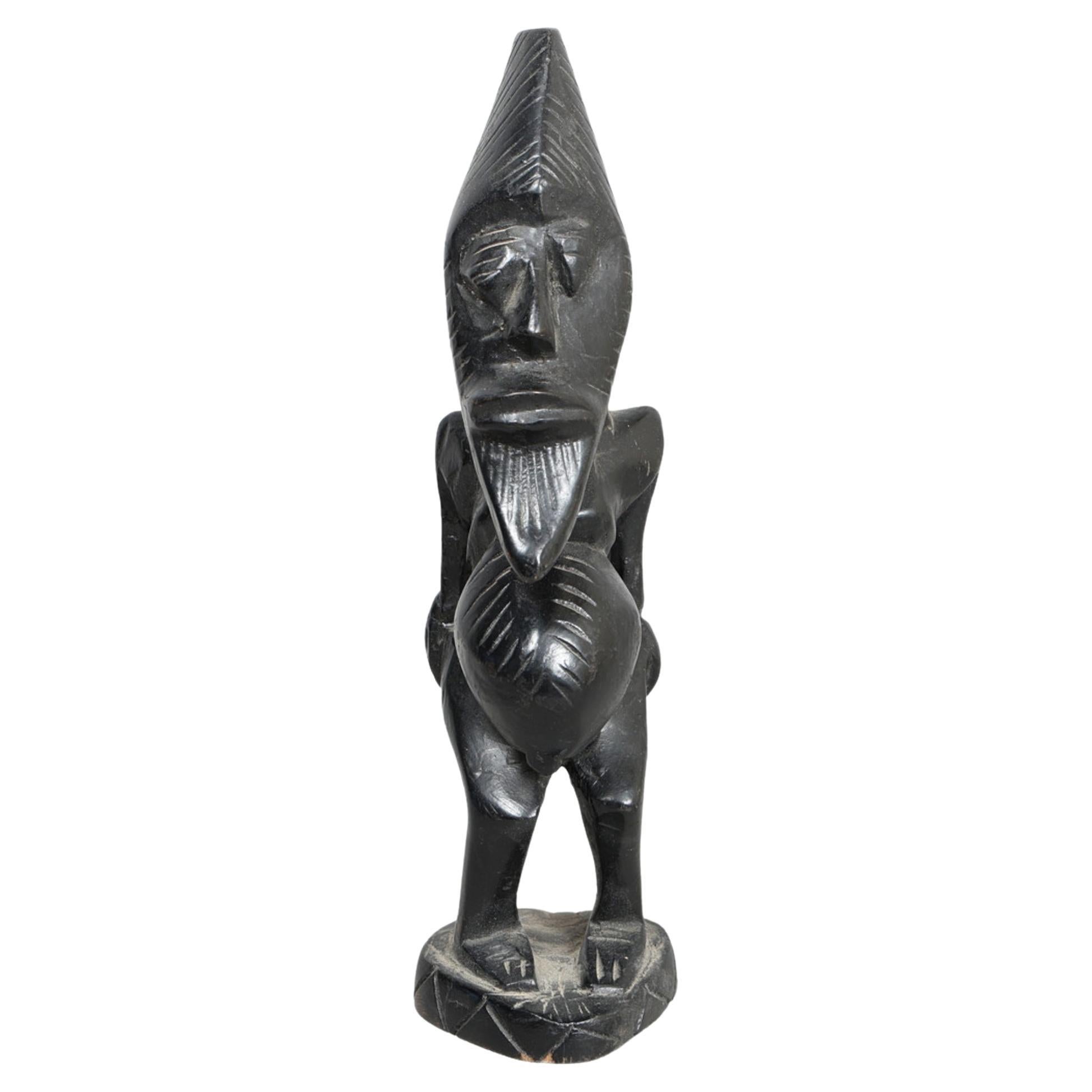
African sculpture of a man in wood, France, 1920

African sculpture of a man in wood, France, 1920

Located in Auribeau sur Siagne, FR

A figurative sculpture representing a stylized male figure, made of solid wood and displaying an antique dark brown to black patina, evidence of long aging. The figure is distinguish...

Category

Vintage 1920s French Tribal Figurative Sculptures

Materials

Wood

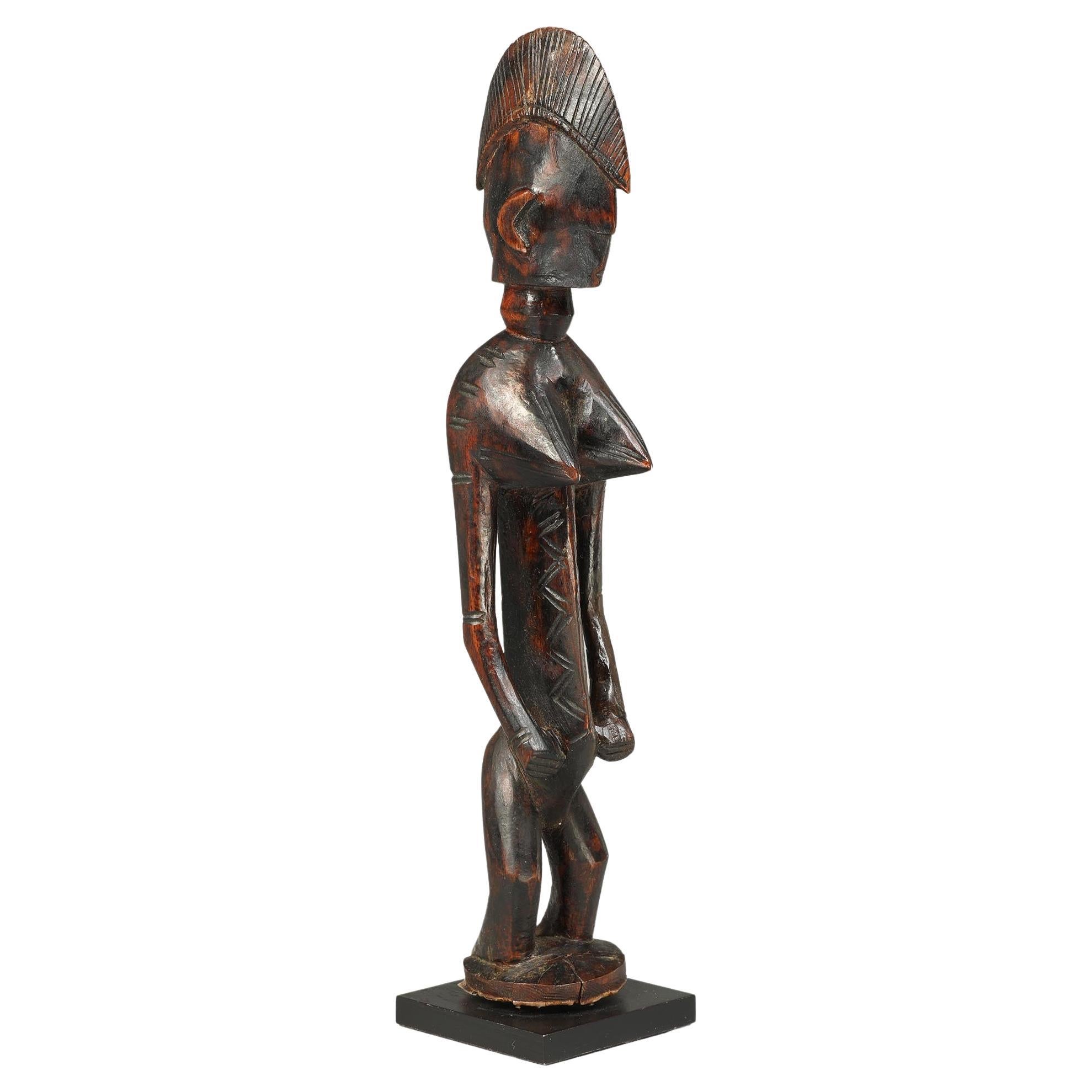
Early Standing Bambara or Malinke Female Figure Deep Patina, Mali West Africa

Early Standing Bambara or Malinke Female Figure Deep Patina, Mali West Africa

Located in Point Richmond, CA

Early Bambara or Malinke standing female figure with arms at sides, heavy wear and polish from handling and use. Possibly cut from the top of prestige staff. Fine refined abstract ...

Category

Mid-20th Century Malian Tribal Tribal Art

Materials

Wood

African Songye 2-Headed Janus Figure, Tribal Art from D.R. Congo

African Songye 2-Headed Janus Figure, Tribal Art from D.R. Congo

Located in Queens, NY

African Democratic Republic of the Congo 20th Century carved wood Songye 2-headed Janus guardian figure (Kabeja) represents the ancestor couple of a tribe. One head is female, the ot...

Category

20th Century African Tribal Figurative Sculptures

Materials

Metal

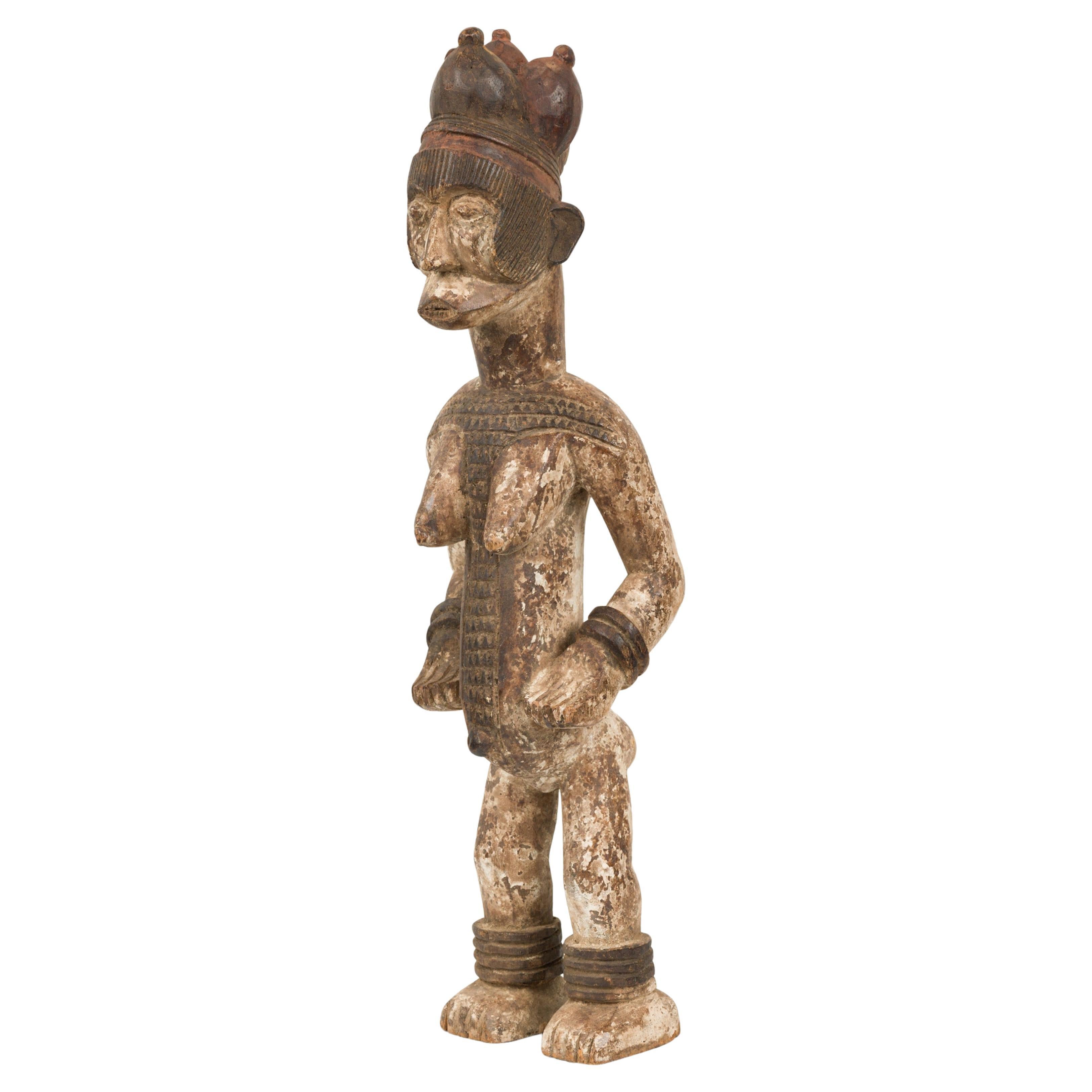
African Nigeria Mid 20th Century Hand Carved Eshu Female Figure

African Nigeria Mid 20th Century Hand Carved Eshu Female Figure

Located in Queens, NY

Nigerian mid 20th c. wooden figure hand carved and pigmented by the Eshu people depicting a standing woman wearing a 5-point crown and ringed jewelry around the wrists and ankles, wi...

Category

20th Century African Tribal Figurative Sculptures

African Côte d'Ivoire Carved Wooden Figure, Tribal Style, 20th Century

African Côte d'Ivoire Carved Wooden Figure, Tribal Style, 20th Century

Located in Queens, NY

African Côte d\'Ivoire hand carved wooden figure of a Baule male sitting down holding a small bowl with both hands Good, showing dirt accumulation on surface, nicks, scratches and r...

Category

20th Century African Tribal Figurative Sculptures

Materials

Down

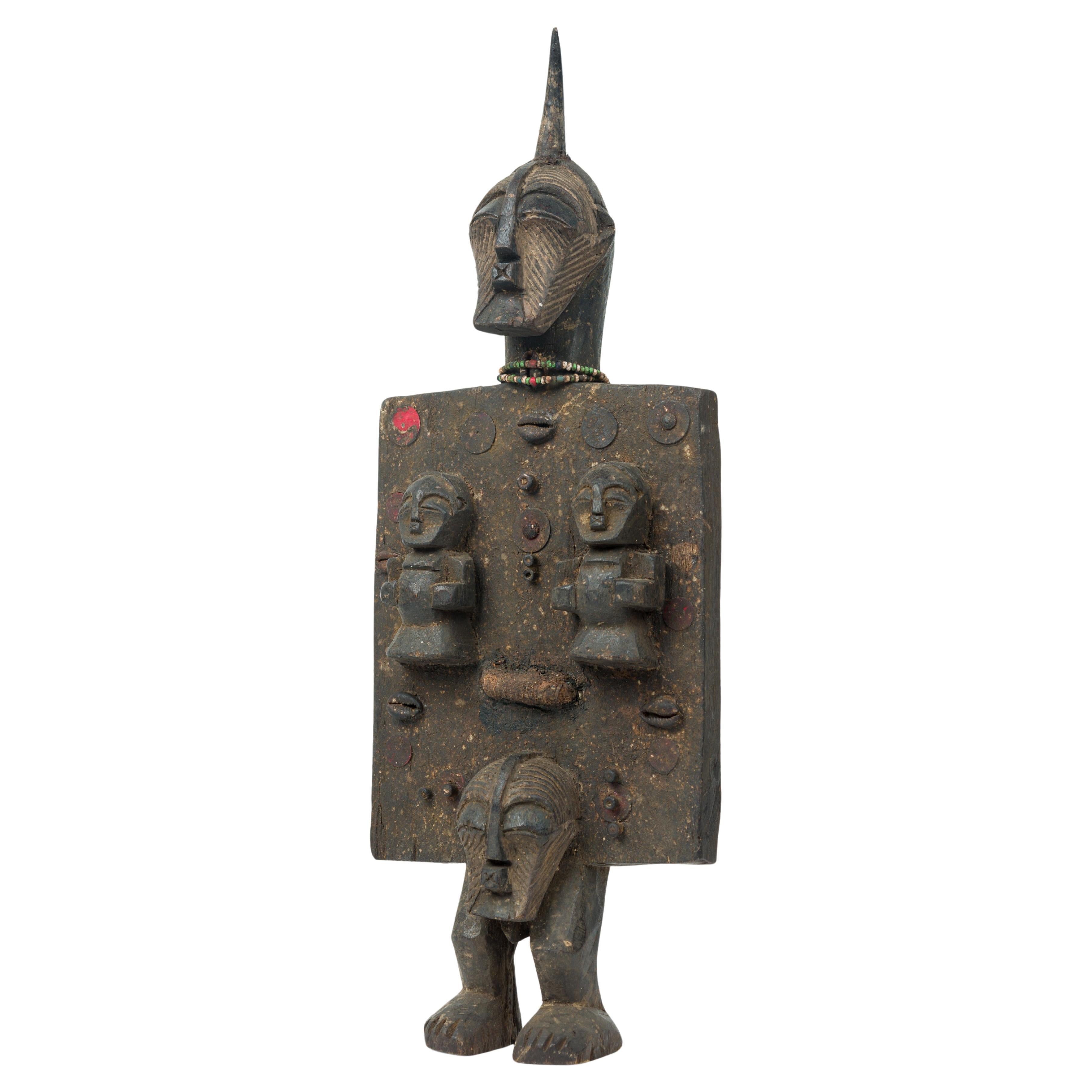
20th Century African Songye Nkishi Kifwebe Figure, Democratic Republic of Congo

20th Century African Songye Nkishi Kifwebe Figure, Democratic Republic of Congo

Located in London, GB

For sale is this wonderful vintage African hand-carved Kifwebe association Figure (or "N'kishi"), originating from the Songye people of the Democratic Republic of Congo (formerly the...

Category

Late 20th Century Congolese Tribal Tribal Art

Materials

Metal